

Basic information
- Standard SMILES
[Mo]- InChIKey
ZOKXTWBITQBERF-UHFFFAOYSA-N- Molecular formula
- Mo
- Average molar mass
- 95.95 g/mol
- Monoisotopic mass
- 97.9054082
Overview
Molybdenum is a chemical element with the symbol Mo. Pure molybdenum exists as a dark-gray or black powder with a metallic luster or as a silvery-white mass. It does not occur naturally in the pure metallic form. It is principally found as oxide or sulfide compounds. Therefore, almost all exposure is to a molybdenum compound rather than the actual metal alone. Important naturally occurring molybdenum compounds are the minerals molybdenite, powellite, wulfenite, ferrimolybdite, and ilsemannite. Molybdenum has a very high melting point and it is used widely in industry to make steel alloys.
Names & identifiers
- Preferred name
- Molybdenum
- IUPAC
- molybdenum
Names & synonyms
MOLYBDENUM7439-98-7MOLYBDENUM ATOMMolybdenum, metallicMChVLMolybdenum metallicumMOMetco 63TsM1Molybdenum metalAmperit 106.2Amperit 105.054
Show more names
molybdeneMolybdaenDTXSID102420781AH48963UCHEBI:28685Molybdenum 98Dietary Molybdenummolybdenum(2+) ion
Database identifiers
- CAS
16065-87-5、16727-12-1、22541-84-0、7439-98-7- PubChem CID
- 23932
- DTXSID
DTXSID1024207- ChEBI
CHEBI:28685- UNII
- 81AH48963U
- EC Number
- 231-107-2
- Nikkaji
- J1.387.570G、J3.761.015A、J53.725J
Properties
Computed structural properties
- Topological polar surface area
- 0 Ų
- Hydrogen bond donors
- 0
- Hydrogen bond acceptors
- 0
- Rotatable bonds
- 0
- Heavy atoms
- 1
- Formal charge
- 0
- Complexity
- 0
Experimental & physicochemical properties
Chemical Classes
Metals -> Elements, Metallic
Trace element
SpringerMaterials Propertieselectron density of states
PesticidesPesticide -> EPA IRIS
Density
10.28 (NIOSH, 2024) - Denser than water; will sink
10.2 g/cu cm
10.2 g/cm³
10.28
10.28
10.2 @25 °C
Color/Form
Dark-gray or black powder with metallic luster or coherent mass of silver white color; body centered cubic structure
Very hard, but more ductile that the chemically similar element tungsten
Gray-black metal, cubic
Solubility
Insoluble (NIOSH, 2024)
Practically insoluble in alkali hydroxides or fused alkalis; reacts with nitric acid, hot concentrated sulfuric acid, fused potassium chlorate or nitrate
Insoluble in water; soluble in nitric acid, sulfuric acid; slightly soluble in hydrochloric acid; insoluble in hydrofluoric acid, dilute sulfuric acid
Insoluble in hydrochloric acid and hydrogen fluoride, ammonia, sodium hydroxide, or dilute sulfuric acid; soluble in hot concentrated sulfuric or nitric acids
Solubility in water: none
Insoluble
Boiling Point
8717 °F at 760 mmHg (NIOSH, 2024)
4639 °C
4612 °C
8717 °F
8717 °F
4639 °C @760 [mm Hg]
Melting Point
4752 °F (NIOSH, 2024)
2622 °C
2617 °C
4752 °F
4752 °F
2623 °C
Vapor Pressure
0 mmHg (approx) (NIOSH, 2024)
Vapor pressure: 1.83X10⁻⁹ Pa at 1600 K; 4.07X10⁻⁷ Pa at 1800 K; 3.03X10⁻⁵ Pa at 2000 K 0.00102 Pa at 2200 K; 0.0189 Pa at 2400 K /Calculated/
1 Pa at 2469 °C (solid); 10 Pa at 2721 °C; 100 Pa at 3039 °C; 1 kPa at 3434 °C; 10 kPa at 3939 °C; 100 kPa at 4606 °C
0 mmHg (approx)
0 mmHg (approx)
0 mmHg (approx)
Heat of Vaporization491 kJ/mol
Physical Description
MOLYBDENUM, a chemical element, is a hard, high-melting (refractory) high-density dark gray metal or black powder. Insoluble in water. Used to make structural alloys; used as a catalyst. Molybdenum dust and fumes can irritate the eyes and respiratory tract.
Wet Solid; Other Solid; Large Crystals; CBI; Dry Powder; Other Solid
Dark gray or black powder with a metallic luster; [NIOSH]
SILVER-WHITE LUSTROUS METAL OR DARK GREY POWDER.
Dark gray or black powder with a metallic luster.
Dark gray or black powder with a metallic luster.
Stability/Shelf LifeFAIRLY STABLE @ ORDINARY TEMP
Safety & regulation
GHS classification
GHS Classification
This chemical does not meet GHS hazard criteria for 57.4% (874 of 1523) of all reports.
Danger
H225 (11.6%): Highly Flammable liquid and vapor [Danger Flammable liquids]
P203, P210, P233, P240, P241, P242, P243, P280, P303+P361+P353, P318, P370+P378, P403+P235, P405, and P501 (click each P-code to see the statement)
Aggregated GHS information provided per 1523 reports by companies from 14 notifications to the ECHA C&L Inventory. Each notification may be associated with multiple companies.
Warning
Hazard information
Regulatory Information
Chemical: Molybdenum
Hazard Traits - Carcinogenicity; Endocrine Toxicity; Environmental tox; Other Toxicological Hazard Traits; Reproductive Toxicity; Respiratory Toxicity
Molybdenum is listed on the EPA's Chemical Data Reporting (CDR) system. Manufacturers and importers of Molybdenum are required to report information about their production and use of this chemical to the EPA under the Toxic Substances Control Act (TSCA). (40 eCFR Part 711)
Status: Active Update: 28-03-2023 https://echa.europa.eu/registration-dossier/-/registered-dossier/15524
Molybdenum: Does not have an individual approval but may be used under an appropriate group standard
Other Safety InformationIMAP assessments - Molybdenum: Human health tier I assessment
DOT LabelFlammable Solid
Fire Hazards
Excerpt from ERG Guide 170 [Metals (Powders, Dusts, Shavings, Borings, Turnings, or Cuttings, etc.)]:
Combustible under specific conditions. Finely dispersed particles form explosive mixtures in air.
Fire PotentialFLAMMABLE IN FORM OF DUST OR POWDER.
Health HazardsExcerpt from NIOSH Pocket Guide for Molybdenum:
Hazards Summary
Molybdenum is a chemical element with the symbol Mo. Pure molybdenum exists as a dark-gray or black powder with a metallic luster or as a silvery-white mass. It does not occur naturally in the pure metallic form. It is principally found as oxide or sulfide compounds. Therefore, almost all exposure is to a molybdenum compound rather than the actual metal alone. Important naturally occurring molybdenum compounds are the minerals molybdenite, powellite, wulfenite, ferrimolybdite, and ilsemannite. Molybdenum has a very high melting point and it is used widely in industry to make steel alloys.
An essential trace element in the body, molybdenum appears to have, low animal and human toxicity. [ACGIH] Causes changes in the liver, kidneys, and spleen in animal experiments; Cows grazing in pastures with high molybdenum had evidence of copper deficiency; Elevated uric acid levels and symptoms of gout have been reported in heavily exposed workers and in populations living in areas with high molybdenum and low copper concentrations in soil and plants. [Nordberg, p. 1077] Abnormal liver function tests reported in Mo-Cu workers in Russia; Fatty liver degeneration in animal experiments; [HSDB] Soluble molybdenum compounds include nitrates, acetates, chlorides, bromides, iodides, sulfates, and salts of sodium, potassium and ammonium. [Nordberg, p. 15]
Reactive GroupMetals, Less Reactive
UN ClassificationUN Hazard Class: 4.1; UN Pack Group: II, III
Special Reports
USEPA, Office of Drinking Water; Criteria Document (Draft): Molybdenum (1985)
Nat'l Research Council Canada; Data Sheets on Selected Toxic Elements (1982) NRCC No. 19252
Reactivity AlertsStrong Reducing Agent
Reactivity Profile
MOLYBDENUM is a reducing agent. In dust or powder form, it may present a fire or explosion hazard under favoring conditions of particle size, dispersion and ignition. Bulk molybdenum (rod, coil, sheet, etc.) is less reactive than dust or powder. Insoluble in hydrochloric acid or hydrofluoric acid solutions and in ammonia and sodium hydroxide solutions. Insoluble in dilute sulfuric acid solutions but soluble in concentrated sulfuric acid. Soluble in concentrated nitric acid. Incompatible with strong oxidizing agents such as bromine trifluoride, bromine pentafluoride, chlorine trifluoride, potassium perchlorate, nitryl fluoride, fluorine, iodine pentafluoride, sodium peroxide, lead dioxide.
Safety & protection
Fire Fighting
Excerpt from ERG Guide 170 [Metals (Powders, Dusts, Shavings, Borings, Turnings, or Cuttings, etc.)]:
In case of fire in the surroundings, use appropriate extinguishing media.
First Aid Measures
Fresh air, rest.
Rinse skin with plenty of water or shower.
Rinse with plenty of water for several minutes (remove contact lenses if easily possible).
Rinse mouth. Give one or two glasses of water to drink.
First Aid
Excerpt from NIOSH Pocket Guide for Molybdenum:
(General first aid procedures)
Safe StorageSeparated from strong oxidants, halogens and strong acids.
Storage Conditions
Prior to working with this chemical you should be trained on its proper handling and storage. Manganese must be stored to avoid contact with strong oxidizers (such as chlorine, bromine, and fluorine) since violent reactions occur. Store in tightly closed containers in a cool, well ventilated area away from bromine, trifluoride, fluorine, chlorine trifluoride and lead oxide.
Cleanup Methods
Evacuate and restrict persons not wearing protective equipment from area of spill or leak until cleanup is complete. Remove all ignition sources. Use HEPA vacuum or wet method to reduce dust during clean-up. Do not dry sweep. Collect powdered material in the most convenient and safe manner and deposit in sealed containers. Ventilate area after clean-up is complete. It may be necessary to contain and dispose of this chemical as a hazardous waste. If material or contaminated runoff enters waterways, notify downstream users of potentially contaminated waters. Contact your Department of Environmental Protection or your regional office of the federal EPA for specific recommendations. If employees are required to clean up spills, they must be properly trained and equipped. OSHA 1910.120(q) may be applicable.
Nonfire Spill ResponseExcerpt from ERG Guide 170 [Metals (Powders, Dusts, Shavings, Borings, Turnings, or Cuttings, etc.)]:
Disposal Methods
SRP: The most favorable course of action is to use an alternative chemical product with less inherent propensity for occupational exposure or environmental contamination. Recycle any unused portion of the material for its approved use or return it to the manufacturer or supplier. Ultimate disposal of the chemical must consider: the material's impact on air quality; potential migration in soil or water; effects on animal, aquatic, and plant life; and conformance with environmental and public health regulations.
Recovery is indicated whenever possible. Processes for recovery of molybdenum from scrap, flue dusts, spent catalysts, and other industrial wastes have been developed.
The following wastewater treatment technologies have been investigated for molybdenum: Chemical precipitation.
Spillage DisposalPersonal protection: particulate filter respirator adapted to the airborne concentration of the substance. Sweep spilled substance into covered containers. If appropriate, moisten first to prevent dusting.
Preventive Measures
SRP: The scientific literature for the use of contact lenses in industry is conflicting. The benefit or detrimental effects of wearing contact lenses depend not only upon the substance, but also on factors including the form of the substance, characteristics and duration of the exposure, the uses of other eye protection equipment, and the hygiene of the lenses. However, there may be individual substances whose irritating or corrosive properties are such that the wearing of contact lenses would be harmful to the eye. In those specific cases, contact lenses should not be worn. In any event, the usual eye protection equipment should be worn even when contact lenses are in place.
... A complete respiratory protection program should be instituted which incl regular training, maintenance, inspection, cleaning, and evaluation. /Sol Molybdenum compounds (as Mo); Molybdenum and insoluble molybdenum compounds/
Isolation and EvacuationExcerpt from ERG Guide 170 [Metals (Powders, Dusts, Shavings, Borings, Turnings, or Cuttings, etc.)]:
Eye PreventionWear safety spectacles.
Toxicology
Toxicological InformationCDC-ATSDR Toxicological Profile
Target Organs
Renal (Urinary System or Kidneys), Respiratory (From the Nose to the Lungs)
Urinary
Eyes, respiratory system, liver, kidneys
Adverse EffectsOccupational hepatotoxin - Secondary hepatotoxins: the potential for toxic effect in the occupational setting is based on cases of poisoning by human ingestion or animal experimentation.
Exposure Routes
inhalation, ingestion, skin and/or eye contact
Ingestion; inhalation
Toxicity Summary
High levels of molybdenum can interfere with the body's uptake of copper, producing copper deficiency. Molybdenum prevents plasma proteins from binding to copper, and it also increases the amount of copper that is excreted in urine. Molybdenum dusts and fumes, which can be generated by mining or metalworking, can be toxic, especially if ingested (including dust trapped in the sinuses and later swallowed). (Wikipedia)
Signs and Symptoms
Cough.
Redness.
In Animals: irritation eyes, nose, throat; anorexia, diarrhea, weight loss; listlessness; liver, kidney damage
ICSC Environmental DataEnvironmental effects from the substance have not been investigated adequately.
EPA IRIS Information
Molybdenum
Urinary
5 x 10 ^-3 mg/kg-day
Medical Surveillance
The following medical procedures should be made available to each employee who is exposed to molybdenum and insoluble molybdenum compounds at potentially hazardous levels: Initial medical screening: Employees should be screened for history of certain medical conditions /kidney disease; chronic respiratory disease; liver disease/ which might place the employee at increased risk from molybdenum and insoluble molybdenum compounds exposure. Periodic medical exam: Any employee developing the above listed conditions should be referred for further medical examination. /Molybdenum and insoluble molybdenum compounds/
Human Toxicity Excerpts
/SIGNS AND SYMPTOMS/ Metallic and poorly soluble molybdenum compounds (such as molybdenum disulfide, molybdenum dioxide) have limited animal experimental data and no human toxicity data. From the scant information available, these materials thought to be poorly soluble and to have low animal and human toxicity. Until toxicologic or human data indicate a more serious threat to human health, these materials are assigned TLV-TWAs of 10 mg/m3 (inhalable particulate mass) and 3 mg/m3 (respirable particulate mass) to protect against any irritant effects of these materials. /Metallic molybdenum and poorly soluble molybdenum/
/SIGNS AND SYMPTOMS/ Pneumoconiosis with X-ray findings and subjective symptoms ... reported in 3 out of 19 workers exposed to metallic molybdenum and molybdenum trioxide. Exposure varied between 1 and 19 mg/cu m for 4 to 7 yr. /Metallic molybdenum and molybdenum trioxide/
/SIGNS AND SYMPTOMS/ Increased blood uric acid values and gout-like symptoms have been reported among workers exposed to molybdenum in a copper-molybdenum plant ... . /Molybdenum and compounds/
/SIGNS AND SYMPTOMS/ In a 1984 review, an increased incidence of nonspecific symptoms, including weakness, fatigue, headache, anorexia, and joint and muscle pains, was reported among mining and metallurgy workers exposed at 60 to 600 mg/cu m molybdenum /Molybdenum dusts/
For more Human Toxicity Excerpts (Complete) data for MOLYBDENUM (7 total), please visit the HSDB record page.
Carcinogen ClassificationNo indication of carcinogenicity to humans (not listed by IARC).
Non-Human Toxicity Excerpts
/LABORATORY ANIMALS: Acute Exposure/When rats inhaled dusts of metallic molybdenum for 1 hour at 25 to 30 g/cu m, there were no changes in the condition of the animals observed in the 4 weeks following exposure.
/LABORATORY ANIMALS: Subchronic or Prechronic Exposure/ ... Rats/were exposed/ to aerosols of metallic molybdenum ... 1 hour daily for 30 days. Exposure concentrations were as follows: molybdenum metal, 12 to 15 g/cu m ... . With the exception of slight growth depression, all the rats exposed to metallic molybdenum ... appeared normal during the exposure period. There was considerable deposition of dust in the lungs with thickening of the alveolar septa, which contained connective tissue fibers.
/LABORATORY ANIMALS: Chronic Exposure or Carcinogenicity/ ... Rabbits were given a suspension of powdered molybdenum intratracheally in doses of 70-80 mg/kg. After nine months, diffuse pneumoconiosis with interstitial pneumonia was observed upon histological exam.
/OTHER TOXICITY INFORMATION/ Fume from arcing molybdenum metal causes kidney /and liver/ damage in animals. /Molybdenum fume/
Regulatory information
State Drinking Water Guidelines
(AZ) ARIZONA 70 ug/L
(FL) FLORIDA 100 ug/L
(ME) MAINE 35 ug/L
Federal Drinking Water GuidelinesEPA 40 ug/L
Chemistry & industry
Pharmacology
Biological Half-LifePlasma clearance in humans: 4-70 minutes (fast component) and 3-30 hours (slow component); [Nordberg, p. 734]
MeSH Pharmacological ClassificationA group of chemical elements that are needed in minute quantities for the proper growth, development, and physiology of an organism. (From McGraw-Hill Dictionary of Scientific and Technical Terms, 4th ed)
Absorption, Distribution and Excretion
The chronic inhalation of molybdenum dusts (57 mg molybdenum/cu m during 120 days, 4 hr/day) in rats showed a high accumulation of molybdenum in lung, spleen, and heart and a decrease of DNA and RNA levels in liver, kidneys, and spleen. /Molybdenum dusts/
Uses & manufacturing
Uses
Used in heat-resistant alloys and tools (metal); in glazes, enamels, pigments, and corrosion inhibitors (molybdenum trioxide); and in lubricants and catalysts (molybdenum disulfide); [ACGIH] Used in sheep feed to reduce copper toxicity; [Nordberg, p. 1078]
Steel Producing [Category: Industry]
Molybdenum is mainly used as an alloying element in steel, cast iron, and superalloys (->Steel) to increase hardenability, strength, toughness, and corrosion resistance.
Molybdenum ribbon is used for electrical lead-in (e.g., in halogen lamps).
RESISTANCE ELEMENTS FOR ELECTRIC FURNACES; ELECTRIC & ELECTRONIC COMPONENTS; WEAR RESISTANT COATINGS FOR MACHINE & ENGINE PARTS; ELECTRODES FOR GLASS INDUSTRY; MACHINE TOOL ACCESSORIES (EG, BORING BARS, GRINDING QUILLS)
NUCLEAR ENERGY APPLICATIONS; MISSILE & AIRCRAFT PARTS; CATALYST IN REFINING OF PETROLEUM
Impurities
Impurities: trace metals, potassium, sodium.
Impurities: Carbon, oxygen, nitrogen, iron, nickel, silicon.
U.S. Exports
(1986) 2.50X10+10 g
(1987) 2.14X10+6 lb /Molybdenum powder/
(1987) 5.73X10+5 lb /Molybdenum wire/
(1988) 8.39X10+5 lb /Molybdenum wire/
For more U.S. Exports (Complete) data for MOLYBDENUM (7 total), please visit the HSDB record page.
U.S. Imports
(1986) 1.73X10+6 gross lb /Molybdenum ore/
(1986) 1.11X10+6 content lb /Molybdenum ore/
(1986) 2.50X10+9 g
(1988) 14X10+6 lb
For more U.S. Imports (Complete) data for MOLYBDENUM (6 total), please visit the HSDB record page.
U.S. Production
2023: 10,000,000 - <25,000,000 lb
(1980) 1.11X10+9 G (EST CONSUMPTION)
(1986) 4.00X10+10 g
(1988) 75X10+6 lb
Production volumes for non-confidential chemicals reported under the Inventory Update Rule. [Table#5061]
For more U.S. Production (Complete) data for MOLYBDENUM (6 total), please visit the HSDB record page.
Consumption Patterns
End use applications: Machinery, 35%; oil and gas industry, 20%; transportation, 15%; chemicals, 15%; electrical, 10%; and other, 5% (1986)
End use applications: Machinery, 35%; oil and gas industry, 10%; transportation, 15%; chemicals, 10%; electrical, 15%; and other, 15% (1988)
Molybdenum consumption statistics for the United States.
Consumer UsesAlloys
Industry UsesOther
Methods of ManufacturingThe metal is prepared from the powder made by the hydrogen reduction of purified molybdic trioxide or ammonium molybdate.
Formulations/Preparations
Grade: Rods and wire 99.9%, powder 99.9%.
Ingots, rods, wire, powder, ingots (from powder); high ductility sheets, concentrates; also as large single crystal.
Arc-cast material, 99.931-99.961% min Molybdenum; Powder-metallurgy material, 99.956% min Molybdenum
Household ProductsInformation on 1 consumer products that contain Molybdenum in the following categories is provided:
Use ClassificationChemical Classes -> Metals/Elements (the simplest forms of matter)
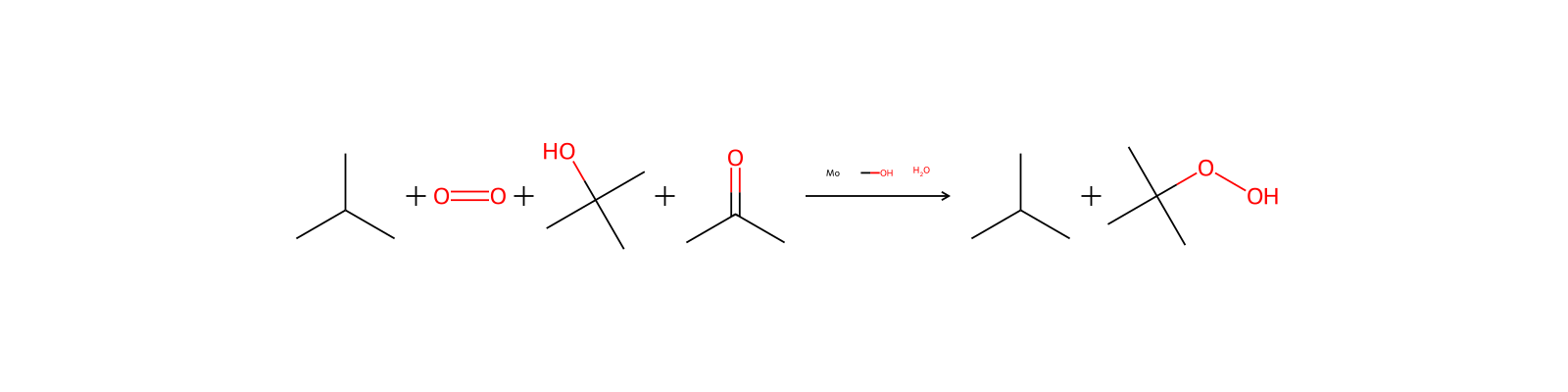
Related reactions
24 records


Linked notes
Loading…