HomeMCPWorkbenchSkills
HomeWorkbenchNotificationsMe
llms.txt · MCP GuidePrivacy Policy · Terms of Service · Supportv1.8.0
  1. Home
  2. /Compound

Platinum

HCID 23939
New noteNew reactionRequest quotes
Print preview
Basic informationOverviewNames & identifiersPropertiesSafety & regulationChemistry & industryRelated reactionsCompound notes
Substructure searchFind similar structures

Basic information

CAS
7440-06-4
Standard SMILES
[Pt]
InChIKey
BASFCYQUMIYNBI-UHFFFAOYSA-N
Molecular formula
Pt
Average molar mass
195.08 g/mol
Monoisotopic mass
194.964794

Overview

Silvery, whitish-gray, malleable, ductile metal. Mp: 1772 °C; bp: 2187 °C. Density: 21.45 g cm-3 at room conditions (very dense). Also shipped as a finely divided powder (platinum black), as a sponge, and as particles deposited on a supporting material such as alumina. Has strong catalytic activity in these forms; finely divided platinum can be dangerous to handle in the vicinity of other chemicals on this account. Used platinum catalysts are particularly dangerous and can be explosive.

Names & identifiers

Preferred name
Platinum
IUPAC
platinum
English name
Platinum
Molecular formula
Pt
Molecular weight
195.08

Names & synonyms

PLATINUM7440-06-4Platinum BlackPlatinum spongePlatinPlatinum powderPlatinum, elementalPlatinum metallicumPTLiquid bright platinumPlatina lMetallic platinum
Show more names
PLATINUM ON CARBONPLATINIUMPLATINUM CARBONPLATINUM CATALYSTESCAT 2351conductive paste
C.I. 7779549DFR088MYDTXSID9064681CHEBI:33364CHEBI:33400Neuralgia NumbnessRefChem:929411Platinum metallicum 200C

Database identifiers

CAS
7440-06-4
PubChem CID
23939
DTXSID
DTXSID9064681
ChEMBL
CHEMBL1235478
ChEBI
CHEBI:33364
UNII
49DFR088MY
EC Number
231-116-1
Nikkaji
J312.401K、J33.611D

Properties

Computed structural properties

Topological polar surface area
0 Ų
Hydrogen bond donors
0
Hydrogen bond acceptors
0
Rotatable bonds
0
Heavy atoms
1
Formal charge
0
Complexity
0

Experimental & physicochemical properties

Chemical Classes · 3 items

Metals -> Metals, Inorganic Compounds

Metals -> Elements, Metallic

Flammable agents - 3rd degree

SpringerMaterials Propertiesthermal expansion coefficient
LogP0.03
Density · 6 items

21.45 (NIOSH, 2024) - Denser than water; will sink

21.447 (calc)

21.45 g/cm³

21.45

21.45 @25 °C

21.45

Color/FormSilver-gray, lustrous, malleable and ductile metal; face-centered cubic structure. Also prepd in the form of a black powder (platinum black) and as spongy masses (platinum sponge).
Solubility · 4 items

Insoluble (NIOSH, 2024)

Soluble in aqua regia. Insoluble in mineral and organic acids.

Solubility in water: insoluble

Insoluble

CorrosivityDoes not corrode or tarnish
Boiling Point · 6 items

6921 °F at 760 mmHg (NIOSH, 2024)

3825 °C

Safety & regulation

Safety information is for reference only and does not replace the supplier’s Safety Data Sheet (SDS), applicable regulations, or professional assessment.

GHS classification

GHS Classification · 6 items

This chemical does not meet GHS hazard criteria for 81.3% (410 of 504) of all reports.

Danger

H228 (10.7%): Flammable solid [Danger Flammable solids]

P210, P240, P241, P280, and P370+P378 (click each P-code to see the statement)

Aggregated GHS information provided per 504 reports by companies from 13 notifications to the ECHA C&L Inventory.

Danger

Hazard information

Regulatory Information · 4 items

Chemical: Platinum

REACH registered substance: Platinum (EC: 231-116-1)

Platinum: Does not have an individual approval but may be used under an appropriate group standard

The New Jersey Worker and Community Right to Know Act requires public and private employers to provide information about hazardous substances at their workplaces. (N.J.S.A. 34:5A-1 et. seq.)

Other Safety InformationIMAP assessments - Platinum: Human health tier I assessment
DOT LabelFlammable Solid
Fire Hazards · 2 items

Excerpt from ERG Guide 170 [Metals (Powders, Dusts, Shavings, Borings, Turnings, or Cuttings, etc.)]:

See Chemical dangers

Fire PotentialFlammable in a state of powder.
Health HazardsExcerpt from NIOSH Pocket Guide for Platinum:
Hazards Summary · 2 items

The allergenic compounds appear to be limited to the coordination complexes containing halogen ligands as leaving groups with the most potent examples being hexa- and tetrachloroplatinates. [Nordberg, p. 1138] Occupational asthma reported in platinum refinery; [Malo] Allergic contact dermatitis in electronics workers; [Marks] Platinum salts can cause immunologic, occupational contact urticaria; [Kanerva, p. 219] There is evidence from pharmacologic use that platinum is nephrotoxic. [Rosenstock, p. 572]

Chemistry & industry

Pharmacology

Absorption, Distribution and Excretion · 1 item

Platinum is rapidly distributed to most tissues of the body, with a large proportion of the dose being excreted within a few hours. This initial high plasma concentration falls quickly, and the great majority of the remaining Pt is protein bound. Platinum is mainly excreted in the urine ... .

Uses & manufacturing

Uses · 6 items

Platinum is used as a catalyst in petroleum refining and in catalytic converters for automobile exhaust. [ACGIH] Platinum is used in the following industries: automotive, chemical, petroleum, electrical, jewelry, pharmaceutical, ceramics, dental, and plastics. [Harber, p. 473] Platinum chloride used in photography (toner and platinum printing); [www.ci.tucson.az.us/arthazards/medium.html] Workers are exposed to platinum in plants for the production and recycling of catalytic converters; [Reference #2]

Petroleum Production and Refining [Category: Industry]

Jewelry making [Category: Hobbies]

Found alloyed with iridium, osmium, palladium, rhodium, and ruthenium in gravels and sands; [Merck Index] Used to make apparatus for laboratory and industrial use (thermocouples, platinum resistance thermometers, acid proof containers, electrodes, etc.); in dentistry, jewelry, and electroplating; in spinnerets for making rayon, electrical contacts, and glass fiber; in permanent magnets; to increase the octane number of liquid fuels; in automobile catalytic converters; as catalyst for curing of plastics; as catalyst for dehydrogenation, isomerization, and oxidation in the production of sulfuric, nitric, and organic acids and amines; for surgical instruments and implants; Platinum nanoparticles are used in scanning probes (microscopy) and catalysts; [HSDB]

Metal Preparation and Pouring [Category: Foundry]

Jewelry making [Category: Hobbies]

U.S. Exports(1999) 19,400 kg; (1998) 14,300 kg; (1997) 23,000 kg; (1996) 12,700 kg; (1995) 15,000 kg
U.S. Imports(1999) 129,000 kg; (1998) 96,700 kg; (1997) 77,300 kg; (1996) 75,800 kg; (1995) 71,500 kg

Related reactions

2,402 records
New reaction record
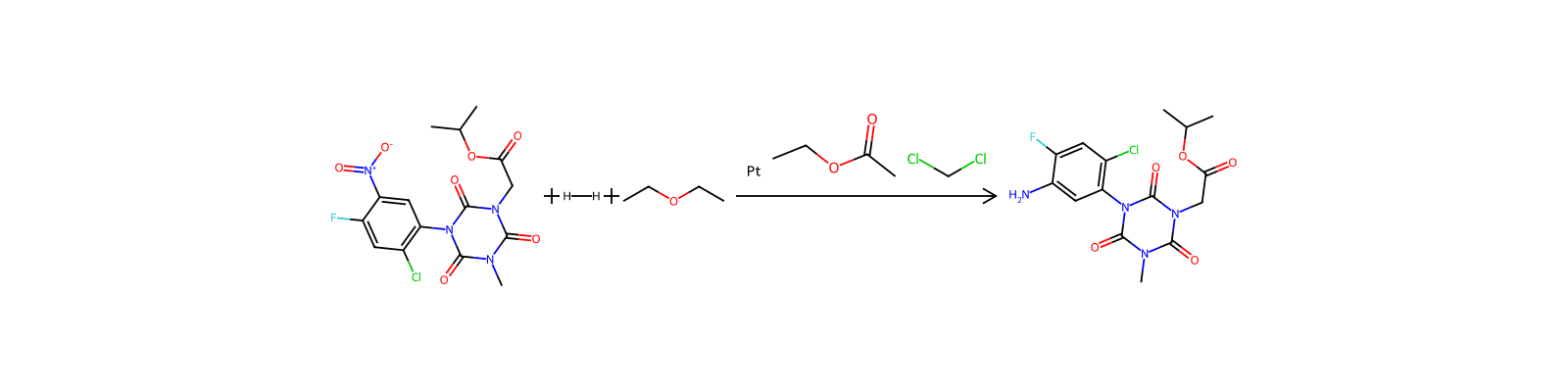
HRID 1466 reaction equation
HRID 1466As catalystuspto-grants-1998_03
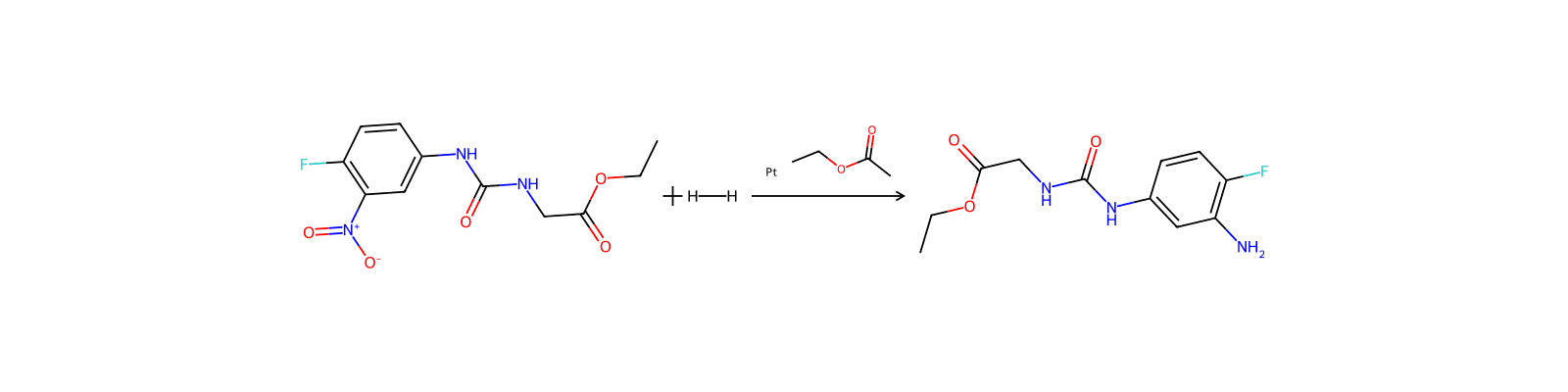
HRID 1468 reaction equation
HRID 1468As catalystuspto-grants-1998_03
HRID 1472 reaction equation
HRID 1472As catalystuspto-grants-1998_03
HRID 1479 reaction equation
HRID 1479As catalystuspto-grants-1998_03
HRID 3311 reaction equation
HRID 3311As catalystuspto-grants-1998_03
HRID 3759 reaction equation
HRID 3759As catalystuspto-grants-1988_02
HRID 4004 reaction equation
HRID 4004As catalystuspto-grants-1988_02
HRID 4034 reaction equation
HRID 4034As catalystuspto-grants-1988_02
Page 1 of 301

Compound notes

Loading…

On this pageBasic informationOverviewNames & identifiersPropertiesSafety & regulationChemistry & industryRelated reactionsCompound notes
More actions
New noteNew reactionRequest quotes

3827 °C

6921 °F

3825 °C @760 [mm Hg]

6921 °F

Melting Point · 6 items

3222 °F (NIOSH, 2024)

1772 °C.

1768.4 °C

1768.3 °C

1769 °C

3222 °F

Vapor Pressure · 5 items

0 mmHg (approx) (NIOSH, 2024)

0.0187 Pa @ melting point

0 mmHg (approx)

depends upon the specific compound

0 mmHg (approx)

Physical Description · 6 items

Silvery, whitish-gray, malleable, ductile metal. Mp: 1772 °C; bp: 2187 °C. Density: 21.45 g cm-3 at room conditions (very dense). Also shipped as a finely divided powder (platinum black), as a sponge, and as particles deposited on a supporting material such as alumina. Has strong catalytic activity in these forms; finely divided platinum can be dangerous to handle in the vicinity of other chemicals on this account. Used platinum catalysts are particularly dangerous and can be explosive.

Appearance and odor vary depending upon the specific soluble platinum salt. [NIOSH]

Silver-grey lustrous solid; Also available as black powder (platinum black) and spongy solid (platinum sponge); [Merck Index]

Solid

BLACK POWDER.

Silvery, whitish-gray, malleable, ductile metal.

Other Experimental Properties · 3 items

Sp heat: 0.0314 cal/g at 0 °C. Electrical resistivity: (20 deg) 10.6 uohm-cm.

/Platinum/ occurs naturally mainly as the isotopes (194)Pt, (195)Pt, and (196)Pt.

Heated platinum adsorbs large amounts of hydrogen; it is a strong complexing agent.

Physicochemical properties

Melting point
1772 °C · 1772 °C (lit.)
Boiling point
3827 °C · 3827 °C (lit.)
Density
21.45 g/cm3 · 21.45 g/cm3 (lit.)
refractive index
20 · n20/D 1.347
Flash point
3825 °C · 3825°C
storage temp.
2 · 2-8°C
solubility
Soluble in hot aqua regia.
form
wire
color
White
Specific Gravity
21.45 · 21.45
PH
0.5 · 0.5 (20°C in H2O)
Viscosity
2500 · 2500-4500mPa.s (Analysis carried out at 20°C with 20mm 4 degree cone/plate; 40 s-1)
Resistivity
10.6 μΩ-cm, · 10.6 μΩ-cm, 20°C
Electrical Conductivity
9.4 · 9.4× 106S/m
Water Solubility
Insoluble
Thermal Conductivity
71 W/ · 71 W/(m·K)
Specific Heat Capacity
0.13 J/ · Cp(crystal): 0.13 J/(g·K); Cp(gas): 0.13 J/(g·K), at 25℃
Merck
14 · 14,7529
Dielectric constant
6.5 · 6.5(Ambient)
Exposure limits
0.002 mg/m3 · ACGIH TLV-TWA:0.002 mg/m3 — Soluble salts,as PtOSHA PEL-TWA:0.002 mg/m3NIOSH REL-TWA:1 mg/m3
Stability
Stable. Platinum black is highly flammable.
Cosmetics Ingredients Functions
SKIN CONDITIONINGSKIN CONDITIONING - MISCELLANEOUSDEODORANTANTIMICROBIALABRASIVEANTIOXIDANT
InChI
1S/Pt
InChIKey
BASFCYQUMIYNBI-UHFFFAOYSA-N
SMILES
[Pt]
CAS DataBase Reference
7440 · 7440-06-4(CAS DataBase Reference)
NCI Dictionary of Cancer Terms
platinum
FDA UNII
49 DFR088MY · 49DFR088MY
NIST Chemistry Reference
Platinum(7440-06-4)
EPA Substance Registry System
Platinum (7440-06-4)
UNSPSC Code
41116107 · 41116107
NACRES
24 · NA.24
Symbol(GHS)
2 · GHS02
Signal word
Danger
Hazard statements
228 · H228
Precautionary statements
210 · P210-P240-P241-P280-P370+P378
Hazard Codes
F,Xi,Xn,N
Risk Statements
11 · 11-37-20-36/37/38-36/37-40-42/43-22-50/53
Safety Statements
36 · 36-7/9-33-16-38-22-26-14-36/37/39-27-24/25-36/37-45-23-61-60
OEB
C
OEL
1 mg/m3 · TWA: 1 mg/m3
RIDADR
3264 · UN 3264 8/PG 3
WGK Germany
3 · 3
RTECS
2160000 · TP2160000
TSCA
TSCA listed
HazardClass
4.1 · 4.1
PackingGroup
III
HS Code
2843900030 · 2843900030
Storage Class
13 · 13 - Non Combustible Solids
Hazardous Substances Data
7440 · 7440-06-4(Hazardous Substances Data)
IDLA
4 mg · 4 mg Pt/m3
REACH Registrations
Active
Limited Quantities
5 Kg · 5.0 Kg (11 lbs) (solid)
Excepted Quantities
Max Inner Pack (30g or 30ml) and Max Outer Pack (1Kg or 1L)

A skin, eye, and respiratory tract irritant; [Merck Index] Catalytic material that is fire and explosion hazard on contact with many organic and inorganic substances; An eye and respiratory tract irritant; (powdered form) [ICSC] Platinum oxides and soluble platinum salts are sensitizers. Platinum is nontoxic in the metallic state, except possibly for the fine powdered form. [Sullivan, p. 911, 913] Platinum dust is inert and nonallergenic; [Nordberg, p. 1136] Tram drivers in Rome were exposed to Pt, Rh and Pd from catalytic converters at levels about 10 times lower than those known to cause adverse effects in workers. [PMID 18849761] In a study of platinum nanoparticles, platinum ions were not released into the culture media suggesting minimal cellular influence; [PMID 21804981] See Platinum, soluble salts.

Reactive GroupMetals, Less Reactive
Reactivity AlertsKnown Catalytic Activity
Reactivity Profile · 1 item

Massive platinum (lump, ingot, etc.) is generally inert. Dissolves readily in aqua regia (mixture of concentrated hydrochloride and concentrated nitric acids). Reacts rapidly with molten alkali metal oxides and peroxides. Reacts with F2 and Cl2 at red heat. Absorbs large volumes of hydrogen when hot. Catalyzes the exothermic oxidation of ammonia by air. Finely divided platinum is incompatible with aluminum, acetone, arsenic, ethane, hydrazine, hydrogen peroxide, lithium, phosphorus, selenium, tellurium and many fluorides. Explosion can occur upon contact with hydrogen peroxide. Platinum black, sponge and supported catalysts have strong catalytic activity; can be dangerous to handle in the vicinity of other chemicals on this account. Used platinum catalysts are particularly dangerous and can cause explosions. Ethanol or methanol can ignite on contact with a platinum-black catalyst. (Urben 1794).

Chemical DangersPlatinium is a catalytic substance and may cause reaction in contact with many organic and inorganic substances, causing fire and explosion hazard.
Flammable LimitsNoncombustible Solid in bulk form, but finely divided powder can be dangerous to handle.

Safety & protection

Fire Fighting · 2 items

Excerpt from ERG Guide 170 [Metals (Powders, Dusts, Shavings, Borings, Turnings, or Cuttings, etc.)]:

In case of fire in the surroundings, use appropriate extinguishing media.

First Aid Measures · 4 items

Fresh air, rest.

Remove contaminated clothes. Rinse and then wash skin with water and soap.

First rinse with plenty of water for several minutes (remove contact lenses if easily possible), then refer for medical attention.

Rinse mouth. Refer for medical attention .

First Aid · 2 items

Excerpt from NIOSH Pocket Guide for Platinum:

(General first aid procedures)

Safe StorageWell closed.
Cleanup Methods · 1 item

Persons not wearing protective equipment and clothing should be restricted from areas of spills until cleanup has been completed. If soluble platinum salts or liquids containing soluble salts are spilled, the following steps should be taken: 1. Ventilate area of spill; 2. Collect spilled material in the most convenient and safe manner for reclamation or for disposal in a secured sanitary landfill. Liquids containing soluble platinum salts should be absorbed in vermiculite, dry sand, earth, or a similar material, /Soluble platinum salts/

Nonfire Spill ResponseExcerpt from ERG Guide 170 [Metals (Powders, Dusts, Shavings, Borings, Turnings, or Cuttings, etc.)]:
Disposal Methods · 1 item

SRP: At the time of review, criteria for land treatment or burial (sanitary landfill) disposal practices are subject to significant revision. Prior to implementing land disposal of waste residue (including waste sludge), consult with environmental regulatory agencies for guidance on acceptable disposal practices.

Spillage Disposal · 1 item

Personal protection: particulate filter respirator adapted to the airborne concentration of the substance. Sweep spilled substance into covered containers. If appropriate, moisten first to prevent dusting. Then store and dispose of according to local regulations.

Preventive Measures · 5 items

Adequate ventilation and protectors. Induce workers to wash constantly.

Eating and smoking should not be permitted in areas where soluble platinum salts or liquids containing soluble platinum salts are handled, processed, or stored. Employees who handle soluble platinum salts or liquids containing soluble platinum salts should wash their hands thoroughly before eating, smoking, or using toilet facilities. /Soluble platinum salts/

Respirators may be used when engineering and work practice controls are not technically feasible, when such controls are in the process of being installed, or when they fail and need to be supplemented. ... If the use of respirators is necessary, the only respirators permitted are those that have been approved by the Mine Safety and Health Admin (formerly Mining Enforcement & Safety Admin) or by the National Institute for Occupational Safety & Health. In addition to respirator selection, a complete respiratory protection program should be instituted which includes regular training, maintenance, inspection, cleaning, and evaluation. /Soluble platinum salts/

Control can only be achieved by preventing the release of the soluble complex platinum salts to the atmosphere of the workshop. Good exhaust ventilation is necessary in platinum refineries. Chemical procedures which may generate these salts should be carried out in ventilated fume cupboards. Open centrifuges should not be used. Good personal hygiene is important. /Platinum compounds/

For more Preventive Measures (Complete) data for PLATINUM (10 total), please visit the HSDB record page.

Isolation and EvacuationExcerpt from ERG Guide 170 [Metals (Powders, Dusts, Shavings, Borings, Turnings, or Cuttings, etc.)]:
Eye PreventionWear safety goggles.
Inhalation RiskEvaporation at 20 °C is negligible; a nuisance-causing concentration of airborne particles can, however, be reached quickly , especially if powdered.

Toxicology

Target OrgansEyes, skin, respiratory system
Adverse EffectsNephrotoxin - The chemical is potentially toxic to the kidneys in the occupational setting.
Exposure Routes · 2 items

The substance can be absorbed into the body by inhalation.

inhalation, ingestion, skin and/or eye contact

Signs and Symptoms · 3 items

Cough. Sore throat.

Redness. Pain.

irritation skin, respiratory system; dermatitis

Human Toxicity Excerpts · 4 items

Platinum metal itself is not associated with any neurological diseases ... .

Clinical signs & symptoms of platinum exposure & toxicity via inhalation & dermal routes are those of classic allergic reactions & include irritation of the eyes & nose; cough, dyspnea, wheezing, & cyanosis; skin sensitization; & lymphocytosis.

Effects on human sperm motility were investigated ... Fresh sperm were incubated for up to5 hr in the presence of strips of platinum or other metals. Motility after 2 and 5 hr was 60 and 30%, respectively, compared to 10 and 0% for copper, 40 and 7% for silver, and 90 and 65% for gold.

Some workers may show ... allergic manifestations with involvement of the nasal mucosa, bronchi and skin. /Platinum cmpd/

Non-Human Toxicity Excerpts · 2 items

Platinum wire inserted into the uterus of rats was reported to reduce the implantation of fertilized ova. An 83% reduction in the number of implantation sites in the affected uterine horn, compared to the unoperated horn, was found in rats unilaterally implanted on day 3. ... No effect /was found/ on embryonic or fetal survival if platinum wire was inserted after implantation on day 6.

... Normal fertility /was found/ in male rabbits with open tube gold/platinum devices inserted into the vas deferens. There was an initial decrease in sperm count and motility, but these parameters returned to normal after three weeks. At 117-426 days after insertion, 7 out of 9 animals were fertile in numerous matings.

Antidote and Emergency Treatment · 2 items

Basic treatment: Establish a patent airway. Suction if necessary. Watch for signs of respiratory insufficiency and assist ventilations if needed. Administer oxygen by nonrebreather mask at 10 to 15 L/min. Monitor for pulmonary edema and treat if necessary ... . Monitor for shock and treat if necessary ... . Anticipate seizures and treat if necessary ... . For eye contamination, flush eyes immediately with water. Irrigate each eye continuously with normal saline during transport ... . Do not use emetics. For ingestion, rinse mouth and administer 5 ml/kg up to 200 ml of water for dilution if the patient can swallow, has a strong gag reflex, and does not drool ... . Cover skin burns with dry sterile dressings after decontamination ... . /Poison A and B/

Advanced treatment: Consider orotracheal or nasotracheal intubation for airway control in the patient who is unconscious, has severe pulmonary edema, or is in respiratory arrest. Positive pressure ventilation techniques with a bag valve mask device may be beneficial. Monitor cardiac rhythm and treat arrhythmias as necessary ... . Start an IV with D5W /SRP: "To keep open", minimal flow rate/. Use lactated Ringer's if signs of hypovolemia are present. Watch for signs of fluid overload. Consider drug therapy for pulmonary edema ... . For hypotension with signs of hypovolemia, administer fluid cautiously. Watch for signs of fluid overload ... . Treat seizures with diazepam (Valium) ... . Use proparacaine hydrochloride to assist eye irrigation ... . /Poison A and B/

Safety data

OEB
C
OEL
TWA: 1 mg/m3
wgk
3
IDLA
4 mg Pt/m3
tsca
TSCA listed
rtecs
TP2160000
ridadr
UN 3264 8/PG 3
hs_code
2843900030
risk_code
11-37-20-36/37/38-36/37-40-42/43-22-50/53
Signal word
Danger
Symbol(GHS)
GHS02
hazard_code
F,Xi,Xn,N
safety_code
36-7/9-33-16-38-22-26-14-36/37/39-27-24/25-36/37-45-23-61-60
hazard_class
4.1
Storage Class
13 - Non Combustible Solids
packing_group
III
Hazard statements
H228
Limited Quantities
5.0 Kg (11 lbs) (solid)
Excepted Quantities
Max Inner Pack (30g or 30ml) and Max Outer Pack (1Kg or 1L)
REACH Registrations
Active
Precautionary statements
P210-P240-P241-P280-P370+P378
Hazardous Substances Data
7440-06-4(Hazardous Substances Data)
U.S. Production · 2 items

Mine: (1999) 2,920 kg; (1998) 3,240 kg; (1997) 2,610 kg; (1996) 1,840 kg; (1995) 1,590 kg

Refinery: (1999) 14,000 kg

Methods of Manufacturing · 2 items

By dissolving the ore concentrate in aqua regia, precipitating the platinum by ammonium chloride as ammonium hexachloroplatinate, igniting the precipitate to form platinum sponge. This is then melted in an oxyhydrogen flame or in an electric furnace.

Nickel refinery anode slimes/copper anodic slimes/ Mond process residues (sulfating roast process/ hydrometallurgical refining; coproduced with gold/silver/palladium/selenium/tellurium)

Formulations/Preparations · 2 items

Grade: Physically pure (99.99%), chemically pure (99.99%), crucible platinum (99.5%), commercial (99.0%).

Forms available: Powder (platinum black), single crystals, wire (2 by 0.05 inches diameter); special composition for electronics, metallizing and decorating ceramics and metals.

General Manufacturing Information · 2 items

Platinum: ACTIVE

Nickel, osmium, ruthenium, copper, gold, silver and iridium are alloyed with platinum to increase hardness. Commercially important alloys of platinum are prepared with copper, gold, iridium, rhodium and ruthenium. Alloys with cobalt have become important because of their strong ferromagnetic properties.

Applications · 9 items

UsesJewelry; oxygen sensor in internal combustion engines; chemical and electrical industries; dentistry; windings of hightemperature furnaces; electroplating; photography; cancer chemotherapeutic agents

UsesCatalysis:Platinum is found in the environment naturally and from anthropogenic sources. Platinum is primarily used in industry as a catalyst, predominately for the production of vehicle catalytic converters. Platinum is also used in the chemical, electrical, glass, dental, healthcare, pharmaceutical, petroleum, and jewelry fields. In addition to its catalytic properties, platinum, in combination with cobalt, has powerful magnetic properties.Platinum metal and its alloys have numerous applications. As a precious metal it is used extensively in jewelry. Other important applications include construction of laboratory crucibles and high temperature electric furnaces; in instruments as thermocouple elements; as wire; for electrical contacts; as electrodes; in dentistry; in cigarette lighters; and for coating missile and jet engine parts.Platinum also is used extensively as a catalyst in hydrogenation, dehydrogenation, oxidation, isomerization, carbonylation, and hydrocracking. Also, it is used in organic synthesis and petroleum refining. Like palladium, platinum also exhibits remarkable ability to absorb hydrogen. An important application of platinum is in the catalytic oxidation of ammonia in Ostwald's process in the manufacture of nitric acid. Platinum is installed in the catalytic converters in automobile engines for pollution control.

DescriptionPlatinum was discovered in Colombia, South America by Ulloa in 1735 and six years later in 1741 by Wood. The metal was isolated from native platinum by Delisle in 1775 and produced in malleable form by Chabaneau in 1786. Wollaston in 1803 developed a method of obtaining pure malleable platinum from crude platinum by extraction with aqua regia. The process led to the discovery of two other platinum group metals, palladium and rhodium, that were found in the aqua regia extract after platinum precipitated. Platinum derived its name from platina originating from the Spanish word plata for silver, because it was thought to be a trivial unwanted material associated with gold in gold mines of Central America. Platinum occurs in nature as a bright-white cubic crystalline solid with metallic luster associated with other noble metals of its group. Platinum also occurs as the mineral sperrylite, PtAs2, found as tin-white brittle cubic crystals containing 52−57% platinum in certain nickel-bearing deposits. Some other minerals of platinum are cooperite PtS (Pt 80-86%); and braggite(Pt, Pd, Ni)S (Pt 58-60%). The abundance of platinum in the earth’s crust is estimated to be 0.005 mg/kg.

OccurrencePlatinum is the 75th most abundant element and, unlike many elements, is found in itspure elemental form in nature, as are deposits of silver and gold. Platinum is widely distributedover the Earth and is mined mainly in the Ural Mountains in Russia and in South Africa,Alaska, the western United States, Columbia in South America, and Ontario in Canada.When found in the mineral sperrylite (PtAs2), it is dissolved with aqua regia to form a precipitatecalled “sponge” that is then converted into platinum metal. It is also recovered as aby-product of nickel mining, mainly in Ontario, Canada.

HistoryDiscovered in South America by Ulloa in 1735 and by Wood in 1741. Platinum was used by pre-Columbian Indians. Platinum occurs native, accompanied by small quantities of iridium, osmium, palladium, ruthenium, and rhodium, all belonging to the same group of metals. These are found in the alluvial deposits of the Ural mountains and in Columbia. Sperrylite (PtAs2), occurring with the nickel-bearing deposits of Sudbury, Ontario, is a source of a considerable amount of metal. The large production of nickel offsets there being only one part of the platinum metals in two million parts of ore. The largest supplier of the platinum group of metals is now South Africa, followed by Russia and Canada. Platinum is a beautiful silvery-white metal, when pure, and is malleable and ductile. It has a coefficient of expansion almost equal to that of soda–lime–silica glass, and is therefore used to make sealed electrodes in glass systems. The metal does not oxidize in air at any temperature, but is corroded by halogens, cyanides, sulfur, and caustic alkalis. It is insoluble in hydrochloric and nitric acid, but dissolves when they are mixed as aqua regia, forming chloroplatinic acid (H2PtCl6), an important compound. Natural platinum contains six isotopes, one of which, 190Pt, is radioactive with a long half-life. Thirtyseven other radioactive isotopes and isomers are recognized. The metal is used extensively in jewelry, wire, and vessels for laboratory use, and in many valuable instruments including thermocouple elements. It is also used for electrical contacts, corrosion-resistant apparatus, and in dentistry. Platinum–cobalt alloys have magnetic properties. One such alloy made of 76.7% Pt and 23.3% Co, by weight, is an extremely powerful magnet that offers a B-H (max) almost twice that of Alnico V. Platinum resistance wires are used for constructing hightemperature electric furnaces. The metal is used for coating missile nose cones, jet engine fuel nozzles, etc., which must perform reliably for long periods of time at high temperatures. The metal, like palladium, absorbs large volumes of hydrogen, retaining it at ordinary temperatures but giving it up at red heat. In the finely divided state platinum is an excellent catalyst, having long been used in the contact process for producing sulfuric acid. It is also used as a catalyst in cracking petroleum products. There is also much current interest in the use of platinum as a catalyst in fuel cells and in its use as antipollution devices for automobiles. Platinum anodes are extensively used in cathodic protection systems for large ships and ocean-going vessels, pipelines, steel piers, etc. Pure platinum wire will glow red hot when placed in the vapor of methyl alcohol. It acts here as a catalyst, converting the alcohol to formaldehyde. This phenomenon has been used commercially to produce cigarette lighters and hand warmers. Hydrogen and oxygen explode in

UsesPlatinum is a white noble metal that looks very much like metallic silver found in copper ore. The name platinum comes from the Spanish word plata, meaning silver. Platinum compounds were used in the platinum printing process and for toning silver images.

Usesmanufacture of apparatus for laboratory and industrial use, thermocouples, platinum resistance thermometers, acidproof containers, electrodes, etc. In dentistry; jewelry; electroplating. As oxidation catalyst in manufacture of acetic acid, nitric acid from ammonia, manufacture of sulfuric acid; control of automotive emissions.

UsesBecause of its chemical and physical properties, platinum has many uses. It is used widelyin jewelry making and is often mixed with gold to improve gold’s strength and durability.In the early 1800s it was known that when hydrogen is passed over powdered platinum, thehydrogen ignites without being heated and without consuming the platinum. This propertyled to a major use of platinum as a catalyst to speed up chemical reactions. An example is presentin the internal combustion engine that produces harmful gases. Gasoline fuel burns insidethe engine, as compared to the steam engine, where the fuel is burned outside the engine. Thecatalytic converter in automobiles uses a platinum-coated ceramic grid in the exhaust systemto convert unburned fuel to carbon dioxide and water. The platinum in the converter will lastas long as the car since a catalyst is not consumed by the chemical reaction.Fuel Cells: As a catalyst, platinum is used for hydrogenation of liquid vegetable oils to produce solidforms of the oil, such as margarine. It is also used in the cracking process that breaks downlarge crude oil molecules into smaller, more useful molecules, such as gasoline. The catalyticproperties of platinum make it useful in the production of sulfuric acid (H2SO4) and in fuelcells that unite hydrogen and oxygen to produce electricity.

General DescriptionSilvery, whitish-gray, malleable, ductile metal. Mp: 1772°C; bp: 2187°C. Density: 21.45 g cm-3 at room conditions (very dense). Also shipped as a finely divided powder (Platinum black), as a sponge, and as particles deposited on a supporting material such as alumina. Has strong catalytic activity in these forms; finely divided Platinum can be dangerous to handle in the vicinity of other chemicals on this account. Used Platinum catalysts are particularly dangerous and can be explosive.

Upstream & downstream products

Upstream raw materials

Nitrohydrochloric acidAmmonium hydroxideSulfur dioxideChlorineAmmonium chloroplatinateAmmonium chlorideSodium chlorateSulfuric acid

Downstream products

Xylene1-Methyl-[4,4']bipiperidinylChloroplantinic acidDisodium 5'-InosinateStyreneToluene4-PiperidineethanolCyclopentanolBenzeneInosineNitric acidVinyl acetateDextranDL-CARNITINEplatinum hexafluoride
Additional notes · 2 items

DefinitionA silvery-white malleable ductile transition metal. It occurs naturally in Australia and Canada, either free or in association with other platinum metals. It is resistant to oxidation and is not attacked by acids (except aqua regia) or alkalis. Platinum is used as a catalyst for ammonia oxidation (to make nitric acid) and in catalytic converters. It is also used in jewelry. Symbol: Pt; m.p. 1772°C; b.p. 3830 ± 100°C; r.d. 21.45 (20°C); p.n. 78; r.a.m. 195.08.

Definitionplatinum: Symbol Pt. A silverywhite metallic transition element(see also platinum metals); a.n. 78;r.a.m. 195.09; r.d. 21.45; m.p. 1772°C;b.p. 3827±100°C. It occurs in somenickel and copper ores and is alsofound native in some deposits. Themain source is the anode sludge obtainedin copper–nickel refining. Theelement is used in jewellery, laboratoryapparatus (e.g. thermocouples,electrodes, etc.), electrical contacts,and in certain alloys (e.g. with iridium or rhodium). It is also a hydrogenationcatalyst. The elementdoes not oxidize nor dissolve inhydrochloric acid. Most of its compoundsare platinum(II) orplatinum(IV) complexes.