HomeMCPWorkbenchSkills
HomeWorkbenchNotificationsMe
llms.txt · MCP GuidePrivacy Policy · Terms of Service · Supportv1.8.0
  1. Home
  2. /Compound

Rhodium

HCID 23948
New noteNew reactionRequest quotes
Print preview
Basic informationOverviewNames & identifiersPropertiesSafety & regulationChemistry & industryRelated reactionsCompound notes
Substructure searchFind similar structures

Basic information

CAS
7440-16-6
Standard SMILES
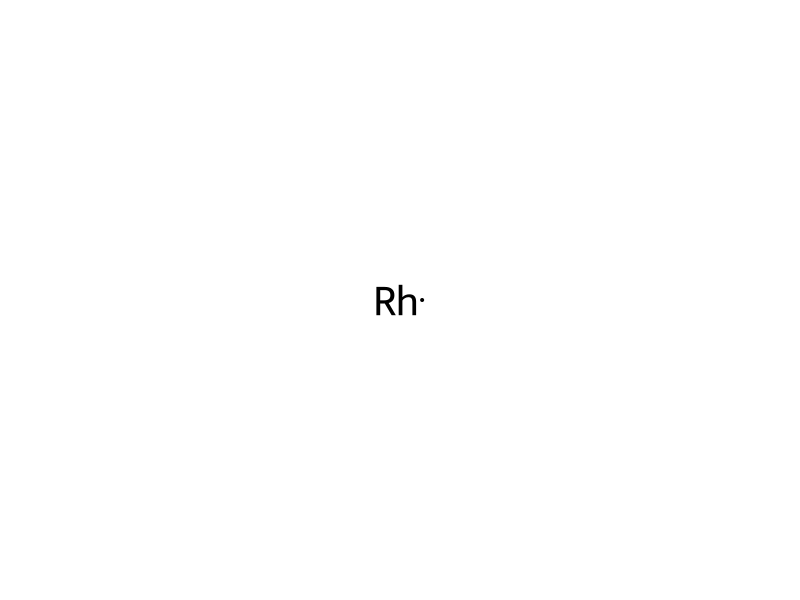
[Rh]
InChIKey
MHOVAHRLVXNVSD-UHFFFAOYSA-N
Molecular formula
Rh
Average molar mass
102.9055 g/mol
Monoisotopic mass
102.90549

Overview

Rhodium metal fume is a reddish-gray to black dust-like powder. mp: 1966 °C, bp: 3727 °C. Insoluble in water. Bulk rhodium is a white or blueish-white, hard, ductile, malleable metal. The appearance and other properties of insoluble Rh compounds varies depending upon the specific compound.

Names & identifiers

Preferred name
Rhodium
IUPAC
rhodium
English name
Rhodium
Molecular formula
Rh
Molecular weight
102.91

Names & synonyms

RHODIUM7440-16-6Rhodium-103RHRHODIUM METALLICUMDMK383DSACElemental rhodiumCHEBI:33359DTXSID3052480Rhodium 103RefChem:389263DTXCID0031053
Show more names
RHODIUM ON ALUMINA5% Rhodium on carbonRh-103RHODIUM SPONGERHODIUM-ALUMINA
231-125-0Rhodium blackRhodium on carbonrhodium atomRhodium fumerhodiumoncarbonRhodium powderRHODIUM(II) ION

Database identifiers

CAS
7440-16-6
PubChem CID
23948
ChEBI
CHEBI:33359
UNII
DMK383DSAC
EC Number
231-125-0
Nikkaji
J1.788.073J、J215.876K、J54.298I

Properties

Computed structural properties

Topological polar surface area
0 Ų
Hydrogen bond donors
0
Hydrogen bond acceptors
0
Rotatable bonds
0
Heavy atoms
1
Formal charge
0
Complexity
0

Experimental & physicochemical properties

Chemical ClassesMetals -> Elements, Metallic
SpringerMaterials Propertieselectron density of states
Density · 6 items

12.41 (metal) (NIOSH, 2024) - Denser than water; will sink

12.41 g/cu cm @ 20 °C

12.4 g/cm³

12.41 (metal)

12.41 @25 °C

12.41 (metal)

Color/Form · 2 items

Silvery-white, soft, ductile, malleable metal; face-centered cubic structure

...In air, it occurs in the form of gray fume or dust.

Solubility · 5 items

Insoluble (NIOSH, 2024)

Insoluble in acids and aqua regia; soluble in fused potassium bisulfate.

Insoluble in hot or cold water; soluble in concentrations of sulfuric acid and in sulfuric acid + hydrochloric acid.

Solubility in water: none

Insoluble

Boiling Point · 6 items

6741 °F at 760 mmHg (NIOSH, 2024)

3695 °C

3695 °C

6741 °F

3727 °C @760 [mm Hg]

6741 °F

Melting Point · 6 items

Safety & regulation

Safety information is for reference only and does not replace the supplier’s Safety Data Sheet (SDS), applicable regulations, or professional assessment.

GHS classification

GHS Classification · 6 items

This chemical does not meet GHS hazard criteria for 81.3% (239 of 294) of all reports.

Danger

H228 (15.3%): Flammable solid [Danger Flammable solids]

P210, P240, P241, P280, and P370+P378 (click each P-code to see the statement)

Aggregated GHS information provided per 294 reports by companies from 11 notifications to the ECHA C&L Inventory.

Danger

Hazard information

Regulatory Information · 4 items

Chemical: Rhodium

Rhodium is listed on the EPA's Chemical Data Reporting (CDR) system. Manufacturers and importers of Rhodium are required to report information about their production and use of this chemical to the EPA under the Toxic Substances Control Act (TSCA). (40 eCFR Part 711)

REACH registered substance: Rhodium (EC: 231-125-0)

Rhodium: Does not have an individual approval but may be used under an appropriate group standard

Other Safety InformationIMAP assessments - Rhodium: Environment tier I assessment
DOT LabelFlammable Solid
Fire Hazards · 2 items

Excerpt from ERG Guide 170 [Metals (Powders, Dusts, Shavings, Borings, Turnings, or Cuttings, etc.)]:

Many reactions may cause fire or explosion.

Fire Potential · 2 items

Moderate when exposed to heat or flame.

Flammable in powder form.

Health HazardsExcerpt from NIOSH Pocket Guide for Rhodium (metal fume and insoluble compounds, as Rh):
Hazards Summary

Chemistry & industry

Uses & manufacturing

Uses · 6 items

Used in rhodium-platinum alloys for spinnerets; Used in furnace windings, laboratory crucibles, catalysts, and nitric acid manufacturing; Also used in the surfacing of reflectors, electrical contacts, scientific instruments, and jewelry; [ACGIH] Main application is catalytic converter for automobiles to reduce emissions; [Nordberg, p. 1143]

As a corrosion-resistant electroplate for protecting silverware from tarnishing; for making high-reflectivity mirrors for cinema projectors, searchlights. Spongy or black rhodium is used as a catalyst in various organic hydrogenation and oxidation reactions.

Plating optical instruments; for jewelry and decoration.

Strong, complexing agent.

Among the industrial applications of rhodium is its use in rhodium-platinum alloys for spinnerets and bushings for synthetic fiber extrusion, high-temperature furnace windings, laboratory crucibles, and as catalysts for various organic and inorganic reactions, including the oxidation of ammonia in the manufacture of nitric acid. Rhodiums capacity for making a highly resistant coating is utilized in the surfacing of reflectors, electrical contacts, scientific instruments and jewelry.

Rhodium coatings are often used with electrodeposited nickel parabolic reflectors. /Rhodium/

U.S. Exports · 2 items

(1972) No Data

(1975) No Data

U.S. Imports · 2 items

(1972) 1.58X10+6 GRAMS

(1975) 2.55X10+6 GRAMS

U.S. Production · 3 items

2023: 75,000 - <500,000 lb

(1972) 1.85X10+6 GRAMS (PRIMARY & SECONDARY)

(1975) 1.77X10+6 G (PRIMARY & SECONDARY)

Consumption Patterns44% as a catalyst; 22% in electrical applications; 13% for electroplating jewelry; 12% for decorating glass and porcelain; 9% in misc applications (1975).
Industry UsesCatalyst
Methods of Manufacturing · 4 items

Related reactions

733 records
New reaction record
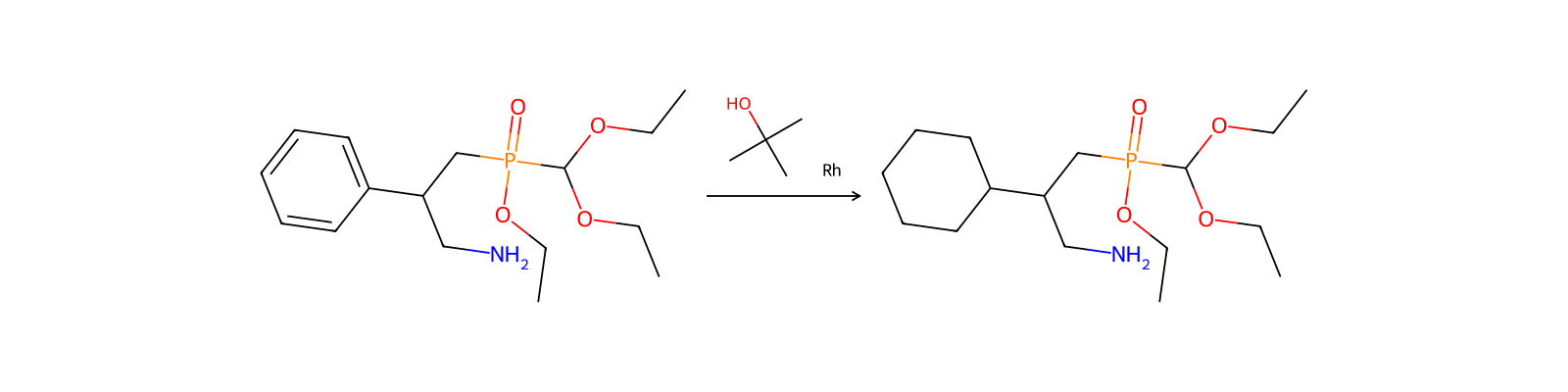
HRID 1589 reaction equation
HRID 1589As catalystuspto-grants-1998_03
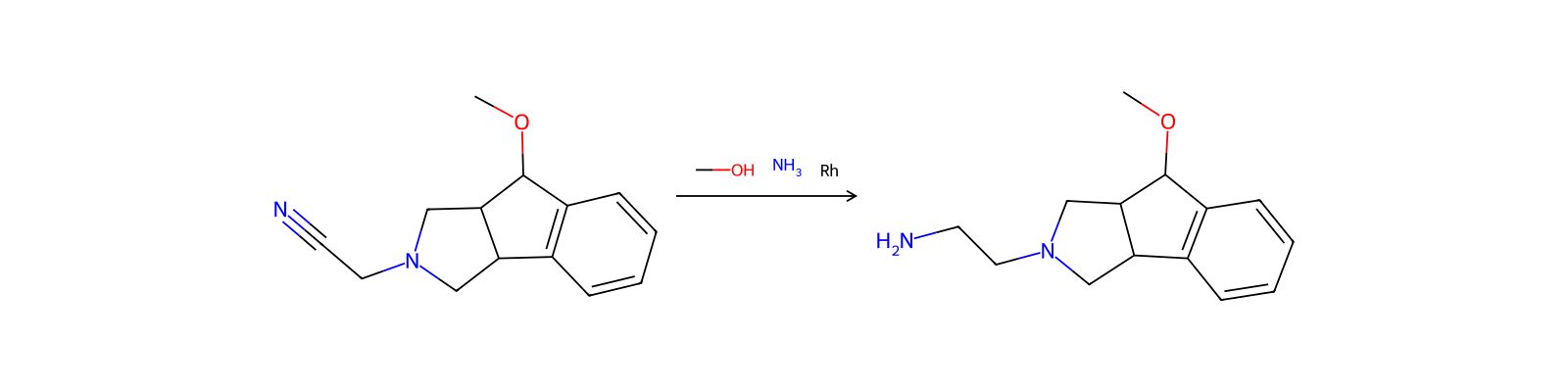
HRID 2693 reaction equation
HRID 2693As catalystuspto-grants-1998_03
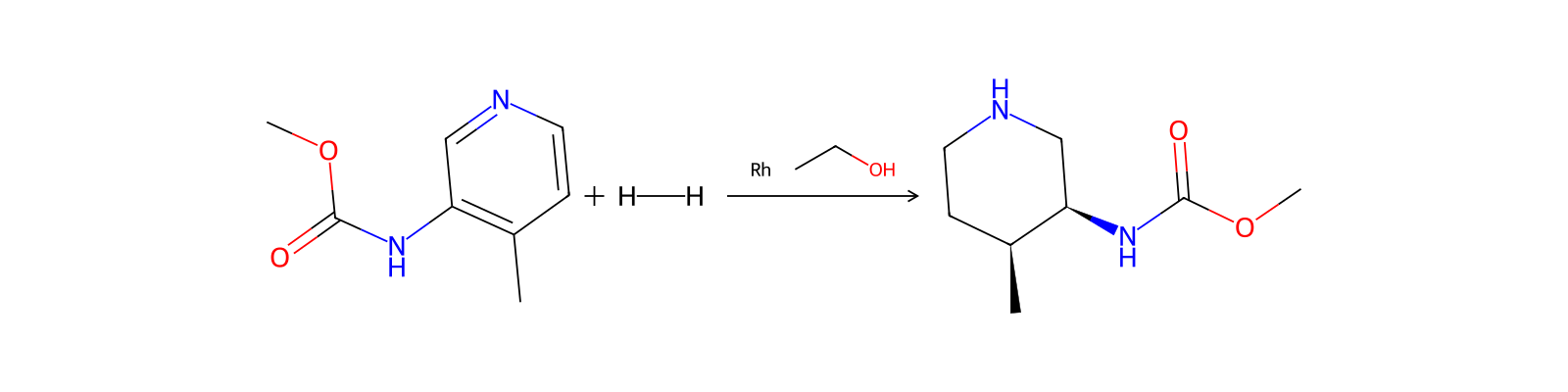
HRID 2696 reaction equation
HRID 2696As catalystuspto-grants-1998_03
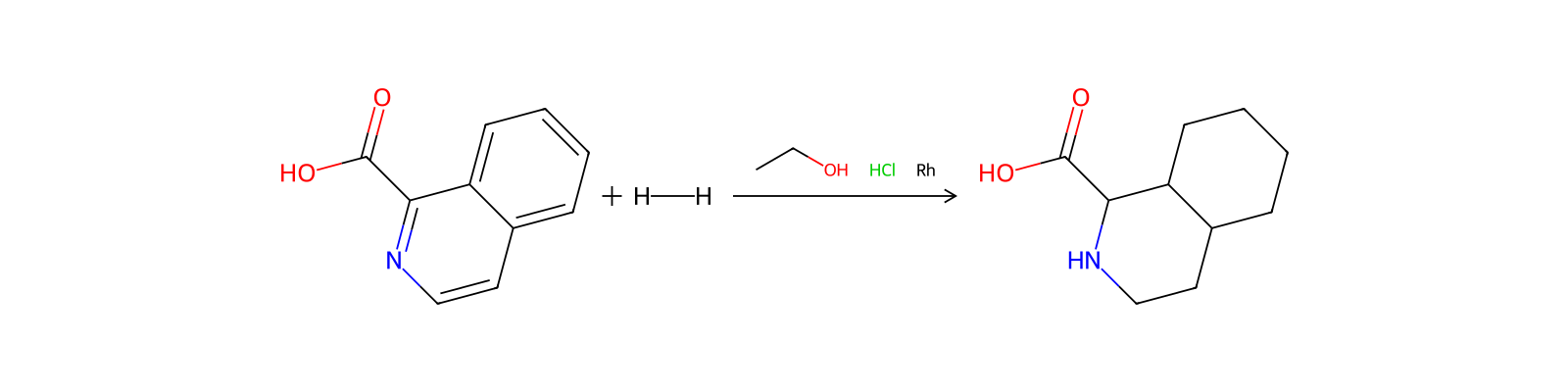
HRID 5183 reaction equation
HRID 5183As catalystuspto-grants-1993_09
HRID 5348 reaction equation
HRID 5348As catalystuspto-grants-1993_09
HRID 6076 reaction equation
HRID 6076As solventuspto-grants-1993_09
HRID 7209 reaction equation
HRID 7209As catalystuspto-grants-2006_08
HRID 9288 reaction equation
HRID 9288As catalystuspto-grants-2006_08
Page 1 of 92

Compound notes

Loading…

On this pageBasic informationOverviewNames & identifiersPropertiesSafety & regulationChemistry & industryRelated reactionsCompound notes
More actions
New noteNew reactionRequest quotes

3571 °F (NIOSH, 2024)

1964 °C

1965 °C

3571 °F

1966 °C

3571 °F

Vapor Pressure · 5 items

0 mmHg (approx) (NIOSH, 2024)

1 Pa @ 2015 °C; 10 Pa @ 2223 °C; 100 Pa @ 2476 °C; 1 kPa @ 2790 °C; 10 kPa @ 3132 °C; 100 kPa @ 3724 °C

0 mmHg (approx)

depends upon the specific compound

0 mmHg (approx)

Physical Description · 6 items

Rhodium metal fume is a reddish-gray to black dust-like powder. mp: 1966 °C, bp: 3727 °C. Insoluble in water. Bulk rhodium is a white or blueish-white, hard, ductile, malleable metal. The appearance and other properties of insoluble Rh compounds varies depending upon the specific compound.

Dry Powder; Other Solid; Other Solid

Metal: White, hard, ductile, malleable solid with a bluish-gray luster; [NIOSH]

GREY-TO-BLACK POWDER.

White, hard, ductile, malleable solid with a bluish-gray luster. Metal fume is a reddish-gray to black dust-like powder.

Appearance and odor vary depending upon the specific soluble rhodium compound.

Stability/Shelf Life · 2 items

Absorbs oxygen when melted; at a red heat is slowly oxidized to the sesquioxide.

Converted to trihalide by chlorine or bromine at a red heat; not attacked by fluorine.

Other Experimental Properties · 5 items

Atomic number 45; valences 1-6; most common states 1, 3; One naturally occurring isotope:103; artificial radioactive isotopes: 97-102; 104-110

Electrical resistivity 4.51 microohm-cm @ 0 °C; Brinell hardness: 100; Not attacked by acids even aqua regia when in compact form; the finely divided metal reacts with aqua regia; Absorbs oxygen when melted; at a read heat is slowly oxidized to the sesquioxide; Converted to the trihalide by chlorine or bromine at a red heat; not attacked by fluorine.

Enthalpy of formation: 556.9 kJ/mol (gas); Heat capacity: 25.0 J/mol K (crystal); 21.0 J/mol K (gas)

Enthalpy of fusion: 26.59 kJ/mol

For more Other Experimental Properties (Complete) data for RHODIUM (9 total), please visit the HSDB record page.

Physicochemical properties

Melting point
1966 °C · 1966 °C (lit.)
Boiling point
3727 °C · 3727 °C (lit.)
Density
12.41 g/cm3 · 12.41 g/cm3 (lit.)
storage temp.
Inert atmosphere,Room Temperature
solubility
insoluble in acid solutions, slightly soluble in aqua regia
form
wire
color
Red
Specific Gravity
12.41 · 12.41
PH
0.5 · 0.5 (20°C in H2O)
Resistivity
4.33 μΩ-cm, · 4.33 μΩ-cm, 20°C
Water Solubility
Insoluble
Electrical Conductivity
2.3 · 2.3× 107S/m
Thermal Conductivity
150 W/ · 150 W/(m·K)
Specific Heat Capacity
0.24 J/ · Cp(crystal): 0.24 J/(g·K); Cp(gas): 0.2 J/(g·K), at 25℃
Merck
14 · 14,8186
Exposure limits
1 mg/m3 · ACGIH:TLV-TWA 1.0 mg/m3 —Metal 1.0 mg/m3,as Rh — Insoluble compounds 0.01 mg/m3,as Rh — Soluble compoundsOSHA:PEL-TWA 0.1 mg/m3NIOSH:REL-TWA 0.1 mg/m3
InChI
1S/Rh
InChIKey
MHOVAHRLVXNVSD-UHFFFAOYSA-N
SMILES
[Rh]
Hardness, Brinell
722 · 722, Converted from Vickers for 3000 kg load/10 mm ball Brinell test.
Hardness, Rockwell A
83 · 83, Converted from Vickers.
Hardness, Rockwell C
63 · 63, Converted from Vickers.
Hardness, Vickers
800 · 800
Modulus of Elasticity
359 GPa · 359 GPa
Hardness, Rockwell B
51 · 51, Converted from Vickers.
CAS DataBase Reference
7440 · 7440-16-6(CAS DataBase Reference)
EWG's Food Scores
2 · 2
FDA UNII
383 DSAC · DMK383DSAC
NIST Chemistry Reference
Rhodium(7440-16-6)
EPA Substance Registry System
Rhodium (7440-16-6)
UNSPSC Code
41116107 · 41116107
NACRES
24 · NA.24
Symbol(GHS)
7 · GHS07,GHS08,GHS02
Signal word
Danger
Hazard statements
315 · H315-H319-H228-H413-H332-H335-H373
Precautionary statements
210 · P210-P240-P241-P280-P370+P378a-P261-P305+P351+P338-P405-P501a-P260-P314-P304+P340-P312a-P403+P233
Hazard Codes
C,Xi,F
Risk Statements
36 · 36/38-11-36/37/38-36-34-23
Safety Statements
26 · 26-24/25-16-22-36-17-45-36/37/39
RIDADR
3089 · UN 3089 4.1/PG 2
OEB
D
OEL
0.1 mg/m3 · TWA: 0.1 mg/m3
WGK Germany
3 · 3
RTECS
9069000 · VI9069000
TSCA
TSCA listed
HazardClass
4.1 · 4.1
PackingGroup
III
HS Code
7110390000 · 7110390000
Storage Class
13 · 13 - Non Combustible Solids
Hazardous Substances Data
7440 · 7440-16-6(Hazardous Substances Data)
IDLA
100 mg · 100 mg Rh/m3
REACH Registrations
Active
Limited Quantities
1 Kg · 1.0 Kg (2.2 lbs)
Excepted Quantities
Max Inner Pack (30g or 30ml) and Max Outer Pack (500g or 500ml)
· 1 item

Can cause occupational contact urticaria; [Kanerva, p. 219] The metals in this group [platinum, palladium, iridium, osmium, rhodium, and ruthenium] generally are nontoxic in the metallic state, but the soluble halide salts (particularly of Pt) and osmium tetroxide are highly reactive. Exposure to these elements results in hypersensitivity allergic reactions in susceptible individuals. [Sullivan, p. 911] Tram drivers in Rome were exposed to Pt, Rh and Pd from catalytic converters at levels about 10 times lower than those known to cause adverse effects in workers. [PMID 18849761] Occupational asthma in a electroplating worker confirmed by bronchoprovocation testing; [Malo]

Reactive GroupMetals, Less Reactive
Reactivity AlertsHighly Flammable
OSHA StandardsPermissible Exposure Limit: Table Z-1 8-Hour Time Weighted Avg: 0.1 mg/cu m. /Rhodium (as Rh), metal fume and insoluble compounds/
Reactivity Profile · 1 item

RHODIUM (METAL FUME) is flammable. Acts as a reducing agent. Reacts violently with BrF5, ClF3 and OF2. Reacts with fluorine, with chlorine (when heated), hydrogen peroxide, sulfur dioxide (when heated), and nitrogen dioxide. Also incompatible with Zn. May catalyze reactions between other materials.

Chemical DangersReacts violently with halogens. This generates fire hazard. Rhodium is a catalytic substance and may cause reaction in contact with many organic and inorganic substances, causing fire and explosion hazard.

Safety & protection

Fire Fighting · 2 items

Excerpt from ERG Guide 170 [Metals (Powders, Dusts, Shavings, Borings, Turnings, or Cuttings, etc.)]:

In case of fire in the surroundings, use appropriate extinguishing media.

First Aid Measures · 4 items

Fresh air, rest.

Rinse and then wash skin with water and soap.

First rinse with plenty of water for several minutes (remove contact lenses if easily possible), then refer for medical attention.

Rinse mouth.

First Aid · 2 items

Excerpt from NIOSH Pocket Guide for Rhodium (metal fume and insoluble compounds, as Rh):

(General first aid procedures)

Safe StorageSee Chemical Dangers.
Nonfire Spill ResponseExcerpt from ERG Guide 170 [Metals (Powders, Dusts, Shavings, Borings, Turnings, or Cuttings, etc.)]:
Disposal Methods · 1 item

SRP: At the time of review, criteria for land treatment or burial (sanitary landfill) disposal practices are subject to significant revision. Prior to implementing land disposal of waste residue (including waste sludge), consult with environmental regulatory agencies for guidance on acceptable disposal practices.

Spillage Disposal · 1 item

Personal protection: particulate filter respirator adapted to the airborne concentration of the substance. Sweep spilled substance into covered containers. If appropriate, moisten first to prevent dusting. Carefully collect remainder. Then store and dispose of according to local regulations.

Isolation and EvacuationExcerpt from ERG Guide 170 [Metals (Powders, Dusts, Shavings, Borings, Turnings, or Cuttings, etc.)]:
Eye PreventionWear safety goggles.
Inhalation RiskA harmful concentration of airborne particles can be reached quickly when dispersed.
Skin PreventionProtective gloves.
Exposure PreventionPREVENT DISPERSION OF DUST!

Toxicology

Target Organsrespiratory system
Adverse EffectsAsthma - Reversible bronchoconstriction (narrowing of bronchioles) initiated by the inhalation of irritating or allergenic agents.
Exposure Routesinhalation
Signs and Symptoms · 3 items

Cough.

Redness.

Possible resp sensitization

Natural Pollution Sources · 2 items

Belongs to the platinum group of metals. One of rarest elements; constitutes about 1x10⁻⁷% of the crust of the earth; found in small quantities associated with all native platinum: in minerals rhodite, sperrylite and iridosmine... Discovered in 1803 by Wollaston...

...Obtained from South America. ...In river sands of the Urals and in North America and South America. ...With other platinum metals in copper-nickel sulfide ores of the Sudbury, Ontario, region.

Human Toxicity Excerpts · 3 items

/HUMAN EXPOSURE STUDIES/ No toxic effects of rhodium have been reported from...observations of human beings.

/HUMAN EXPOSURE STUDIES/ Workers wearing rings coated with rhodium showed negative rhodium patch tests though all other metals of which rings were constituted gave positive results.

/HUMAN EXPOSURE STUDIES/ Potential symptom of overexposure to metal fumes and insoluble compounds is respiratory sensitization.

Evidence for CarcinogenicityA4; Not classifiable as a human carcinogen. /Rhodium metal & insol and sol cmpd, as Rh/
Antidote and Emergency Treatment · 2 items

Basic treatment: Establish a patent airway. Suction if necessary. Watch for signs of respiratory insufficiency and assist ventilations if needed. Administer oxygen by nonrebreather mask at 10 to 15 L/min. Monitor for pulmonary edema and treat if necessary ... . Monitor for shock and treat if necessary ... . Anticipate seizures and treat if necessary ... . For eye contamination, flush eyes immediately with water. Irrigate each eye continuously with normal saline during transport ... . Do not use emetics. For ingestion, rinse mouth and administer 5 ml/kg up to 200 ml of water for dilution if the patient can swallow, has a strong gag reflex, and does not drool ... . Cover skin burns with dry sterile dressings after decontamination ... . /Poison A and B/

Advanced treatment: Consider orotracheal or nasotracheal intubation for airway control in the patient who is unconscious, has severe pulmonary edema, or is in respiratory arrest. Positive pressure ventilation techniques with a bag valve mask device may be beneficial. Monitor cardiac rhythm and treat arrhythmias as necessary ... . Start an IV with D5W /SRP: "To keep open", minimal flow rate/. Use lactated Ringer's if signs of hypovolemia are present. Watch for signs of fluid overload. Consider drug therapy for pulmonary edema ... . For hypotension with signs of hypovolemia, administer fluid cautiously. Watch for signs of fluid overload ... . Treat seizures with diazepam (Valium) ... . Use proparacaine hydrochloride to assist eye irrigation ... . /Poison A and B/

Safety data

OEB
D
OEL
TWA: 0.1 mg/m3
wgk
3
IDLA
100 mg Rh/m3
tsca
TSCA listed
rtecs
VI9069000
ridadr
UN 3089 4.1/PG 2
hs_code
7110390000
risk_code
36/38-11-36/37/38-36-34-23
Signal word
Danger
Symbol(GHS)
GHS07,GHS08,GHS02
hazard_code
C,Xi,F
safety_code
26-24/25-16-22-36-17-45-36/37/39
hazard_class
4.1
Storage Class
13 - Non Combustible Solids
packing_group
III
Hazard statements
H315-H319-H228-H413-H332-H335-H373
Limited Quantities
1.0 Kg (2.2 lbs)
Excepted Quantities
Max Inner Pack (30g or 30ml) and Max Outer Pack (500g or 500ml)
REACH Registrations
Active
Precautionary statements
P210-P240-P241-P280-P370+P378a-P261-P305+P351+P338-P405-P501a-P260-P314-P304+P340-P312a-P403+P233
Hazardous Substances Data
7440-16-6(Hazardous Substances Data)

REACTION OF PLATINUM METAL CONCENTRATE AND NITRIC ACID FOLLOWED BY SEQUENTIAL TREATMENT WITH SODIUM BISULFATE, SODIUM HYDROXIDE, HYDROCHLORIC ACID, SODIUM NITRITE, AMMONIUM CHLORIDE, & HYDROCHLORIC ACID, PURIFIED BY ION EXCHANGE CHROMATOGRAPHY, AND PRECIPITATED WITH FORMIC ACID

VAUQUELIN, ETC, CITED BY MELLOR, A COMPREHENSIVE TREATISE ON INORGANIC & THEORETICAL CHEMISTRY 15, 546 (1936). PRACTICAL METHODS OF SEPARATION: WICHERS, GILCHRIST, TRANS AM INST MINING METALLURG ENG 76, 619 (1928).

POWDERED OSMIRIDIUM IS FUSED WITH SODIUM PEROXIDE...DISTILLED IN CURRENT OF CHLORINE TO ISOLATE OSMIUM & RUTHENIUM. UNDISTILLED LIQ IS TREATED WITH AQUA REGIA TO ISOLATE AMMONIUM CHLOROPLATINATE &...CHLOROIRIDATE LEAVING RH & PALLADIUM IN FILTRATE...RH PRECIPITATED WITH MAGNESIUM.

PURE RHODIUM IS OBTAINED BY THE THERMAL REDN OF ITS AMINO SALT, DICHLOROPENTAMINORHODIUM, THE RESULTING POWDER BEING PRESSED INTO BARS, SINTERED IN HYDROGEN & REDUCED BY FORGING.

Formulations/PreparationsPRODUCED AS POWDER...SINGLE CRYSTALS ARE AVAILABLE.
General Manufacturing Information · 4 items

Not Known or Reasonably Ascertainable

Rhodium: ACTIVE

Annual world production...only 2 or 3 tons. ...Rhodium in small quantities costs about $450/Troy ounce.

Harder and higher-melting than platinum or palladium; highest in electrical and thermal conductivity of platinum group.

Applications · 7 items

DescriptionRhodium is one of the platinum group elements, and is found at very low concentrations in the Earths crust. Rhodium was discovered by William Hyde Wollaston (England) in 1804. The origin of the name comes from the Greek word rhodon, meaning rose. The plated solid is very corrosion resistant and exceptionally hard. While inert in air and acids, it can produce a violent reaction to chlorine, bromine pentafluoride, bromine trifluoride, and fluorine monoxide.

OccurrenceRhodium is rare, but not as rare as ruthenium. It makes up only 1 part in 20 million of theelements found in the Earth’s crust. Even so, it is considered the 79th most abundant elementand is found mixed with platinum ore, and to a lesser extent, it is found with copper andnickel ores. It is found in Siberia, South Africa, and Ontario, Canada.Rhodium is recovered from platinum and other ores by refining and purification processesthat start by dissolving the other platinum group metals and related impurities with strongacids that do not affect the rhodium itself. Any remaining platinum group elements areremoved by oxidation and bathing the mixture in chlorine and ammonia.Rhodium is usually produced as a powder and can be formed by either casting or powdermetallurgy.

HistoryWollaston discovered rhodium in 1803-4 in crude platinum ore he presumably obtained from South America. Rhodium occurs native with other platinum metals in river sands of the Urals and in North and South America. It is also found with other platinum metals in the copper-nickel sulfide ores of the Sudbury, Ontario region. Although the quantity occurring here is very small, the large tonnages of nickel processed make the recovery commercially feasible. The annual world production of rhodium in 1999 was only about 9000 kg. The metal is silvery white and at red heat slowly changes in air to the sesquioxide. At higher temperatures it converts back to the element. Rhodium has a higher melting point and lower density than platinum. Its major use is as an alloying agent to harden platinum and palladium. Such alloys are used for furnace windings, thermocouple elements, bushings for glass fiber production, electrodes for aircraft spark plugs, and laboratory crucibles. It is useful as an electrical contact material as it has a low electrical resistance, a low and stable contact resistance, and is highly resistant to corrosion. Plated rhodium, produced by electroplating or evaporation, is exceptionally hard and is used for optical instruments. It has a high reflectance and is hard and durable. Rhodium is also used for jewelry, for decoration, and as a catalyst. Fifty-two and isomers are now known. Rhodium metal (powder) costs about $180/g (99.9%).isotopes

UsesAs an alloy with platinum; as a corrosion-resistant electroplate for protecting silverware from tarnishing; for making high-reflectivity mirrors for cinema projectors, searchlights. Spongy or black rhodium is used as a catalyst in various organic hydrogenation and oxidation reactions.

UsesRhodium is commercially used as an alloy metal with other metals to form durable hightemperatureelectrical equipment, thermocouples, electrical contacts and switches, and laboratorycrucibles.Because of its high reflectivity, it is used to electroplate jewelry, silverware, optical instruments,mirrors, and reflectors in lighting devices.When rhodium is combined with platinum and palladium, the elements together form theinternal metals of automobile catalytic converters, which convert hot unburned hydrocarbonexhaust gases to less harmful CO2 and H2O. Similar alloys are used to manufacture hightemperatureproducts such as electric coils for metal refining furnaces and high-temperaturespark plugs.

UsesRhodium is a transition metal catalyst used in a multitude of inorganic synthesis.

General DescriptionThis product has been enhanced for energy efficiency.

Upstream & downstream products

Upstream raw materials

Nitrohydrochloric acidAmmonium nitrateRhodium(III) nitrate

Downstream products

Decahydro-quinolin-4-ol hydrochloride3-Benzyloxyaniline
Additional notes · 3 items

DefinitionA rare silvery hard transition metal. It is difficult to work and highly resistant to corrosion. Rhodium occurs native but most is obtained from copper and nickel ores. It is used in protective finishes, alloys, and as a catalyst. Symbol: Rh; m.p. 1966°C; b.p. 3730°C; r.d. 12.41 (20°C); p.n. 45; r.a.m. 102.90550.

Definitionrhodium: Symbol Rh. A silvery whitemetallic transition element;a.n. 45; r.a.m. 102.9; r.d. 12.4; m.p.1966°C; b.p. 3727°C. It occurs withplatinum and is used in certain platinumalloys (e.g. for thermocouples)and in plating jewellery and opticalreflectors. Chemically, it is not attackedby acids (dissolves only slowlyin aqua regia) and reacts with nonmetals(e.g. oxygen and chlorine) atred heat. Its main oxidation state is+3 although it also forms complexesin the +4 state. The element was discoveredin 1803 by William Wollaston(1766–1828).

DefinitionMetallic element having atomic number 45, group VIII of the periodic table, aw 102.9055, no isotopes, valence = 3.