HRID 1822As reactant

12640-89-0O=[Se]=OJPJALAQPGMAKDF-UHFFFAOYSA-NSelenium dioxide appears as a white or creamy-white volatile lustrous crystal or crystalline powder with a pungent sour smell. Melting point 340 deg C. Density 3.954 g / cm3. Toxic by ingestion and inhalation.
12640-89-0、7446-08-4CHEMBL3183452Vapor has a pungent sour smell
Rotten radishes.
3.95 at 68 °F (USCG, 1999) - Denser than water; will sink
3.954 at 15 °C/15 °C
Density (at 15 °C): 3.95 g/cm³
3.95 @25 °C
Lustrous tetragonal needles; yellowish green vapor
White or yellowish-white to slightly reddish, lustrous, crystalline powder or needles.
Soluble in concentrated sulfuric acid
Solubility (parts/100 parts solvent): 10.16 in methanol at 11.8 °C; 6.67 in 93% ethanol at 14 °C; 4.35 in acetone at 15.3 °C; 1.11 in acetic acid at 13.9 °C
In water, 400 g/L at 20 °C
264 g/100 g water at 22 °C
For more Solubility (Complete) data for SELENIUM DIOXIDE (6 total), please visit the HSDB record page.
Solubility in water, g/100ml at 20 °C: 40
In presence of water will corrode most metals
... Soluble in water forming selenic acid, a corrosive material. ...
0.0002 mg/cu m
Air: 2.0 ppm
12.5 mm Hg at 70 °C; 20.2 mm Hg at 94 °C; 39.0 mm Hg at 181 °C; 760 mm Hg at 315 °C; 848 mm Hg at 320 °C
Vapor pressure, kPa at 70 °C: 1.65
Safety information is for reference only and does not replace the supplier’s Safety Data Sheet (SDS), applicable regulations, or professional assessment.
Danger
H301 (100%): Toxic if swallowed [Danger Acute toxicity, oral]
P260, P261, P264, P264+P265, P270, P271, P273, P280, P301+P316, P301+P330+P331, P302+P361+P354, P304+P340, P305+P354+P338, P316, P317, P319, P321, P330, P363, P391, P403+P233, P405, and P501 (click each P-code to see the statement)
Aggregated GHS information provided per 264 reports by companies from 21 notifications to the ECHA C&L Inventory. Each notification may be associated with multiple companies.
Danger
H301: Toxic if swallowed [Danger Acute toxicity, oral]
Chemical: Selenium oxide (SeO2)
REACH registered substance: Selenium dioxide (EC: 231-194-7)
Selenium oxide: HSNO Approval: HSR003738 Approved with controls
The New Jersey Worker and Community Right to Know Act requires public and private employers to provide information about hazardous substances at their workplaces. (N.J.S.A. 34:5A-1 et. seq.)
Special Hazards of Combustion Products: Sublimes and forms toxic vapors when heated in fire. (USCG, 1999)
Not combustible. Gives off irritating or toxic fumes (or gases) in a fire.
Absorption of selenium may be demonstrated by presence of the element in the urine and by a garlic-like odor of the breath. Inhalation of dust can cause bronchial spasms, symptoms of asphyxiation, and pneumonitis. Acute symptoms of ingestion include sternal pain, cough, nausea, pallor, coated tongue, gastrointestinal disorders, nervousness, and conjunctivitis. Contact with eyes causes irritation. (USCG, 1999)
Reacts with water to produce selenious acid; Can cause severe burns and irritation of the eyes and respiratory tract; A strong vesicant and is absorbed through the skin; [Olson, p. 761] A corrosive substance that can induce pulmonary edema; Has potential to cause skin sensitization and liver injury; [ICSC] See Selenium.
WHO; Environ Health Criteria: Selenium 58: 1-306 (1987). EHC are designed for scientists and administrators responsible for the establishment of safety standards and regulations and provide basic scientific risk evaluations of a wide range of chemicals and groups of chemicals.[Available from, as of April 1, 2011: http://www.inchem.org/documents/ehc/ehc/ehc58.htm#SectionNumber:7.1]
US Dept of Interior/Fish & Wildlife Service Contaminant Reviews; Selenium Hazards to Fish, Wildlife, and Invertebrates: A Synoptic Review Biol Rept No (85)1.5 (1985)
D010; A solid waste containing selenium (such as selenium dioxide) may or may not become characterized as a hazardous waste when subjected to the Toxicity Characteristic Leaching Procedure listed in 40 CFR 261.24, and if so characterized, must be managed as a hazardous waste.
U204; As stipulated in 40 CFR 261.33, when selenium dioxide, as a commercial chemical product or manufacturing chemical intermediate or an off-specification commercial chemical product or a manufacturing chemical intermediate, becomes a waste, it must be managed according to Federal and/or State hazardous waste regulations. Also defined as a hazardous waste is any residue, contaminated soil, water, or other debris resulting from the cleanup of a spill, into water or on dry land, of this waste. Generators of small quantities of this waste may qualify for partial exclusion from hazardous waste regulations (40 CFR 261.5).
Excerpt from ERG Guide 151 [Substances - Toxic (Non-Combustible)]:
In case of fire in the surroundings, use appropriate extinguishing media.
Fresh air, rest. Half-upright position. Artificial respiration may be needed. Refer for medical attention.
Remove contaminated clothes. Rinse skin with plenty of water or shower. Refer for medical attention .
First rinse with plenty of water for several minutes (remove contact lenses if easily possible), then refer for medical attention.
Rinse mouth. Do NOT induce vomiting. Refer for medical attention .
If material on fire or involved in fire: Extinguish fire using agent suitable for type of surrounding fire. Material itself does not burn or burns with difficulty. Keep run-off water out of sewers and water sources. /Selenium compound, solid, nos/
Personnel protection: Wear appropriate chemical protective clothing. Wear positive pressure self-contained breathing apparatus when fighting fires involving this material. /Selenium compound, solid, nos/
SRP: Wastewater from contaminant suppression, cleaning of protective clothing/equipment, or contaminated sites should be contained and evaluated for subject chemical or decomposition product concentrations. Concentrations shall be lower than applicable environmental discharge or disposal criteria. Alternatively, pretreatment and/or discharge to a permitted wastewater treatment facility is acceptable only after review by the governing authority and assurance that "pass through" violations will not occur. Due consideration shall be given to remediation worker exposure (inhalation, dermal and ingestion) as well as fate during treatment, transfer and disposal. If it is not practicable to manage the chemical in this fashion, it must be evaluated in accordance with EPA 40 CFR Part 261, specifically Subpart B, in order to determine the appropriate local, state and federal requirements for disposal.
Evacuate danger area! Consult an expert! Sweep spilled substance into covered containers. Carefully collect remainder. Then store and dispose of according to local regulations. Personal protection: complete protective clothing including self-contained breathing apparatus. Do NOT let this chemical enter the environment.
All sources of selenium oxide or fumes should be fitted with exhaust ventilation systems with an air speed of at least 30 m/min. ... smoking, eating and drinking at the workplace should be prohibited, and messrooms and sanitary facilities including showers and locker rooms should be provided ... wherever possible, operations should be mechanized, automated or provided with remote control.
Non-impervious clothing which becomes contaminated with selenium, sodium selenite, sodium selenate, selenium dioxide or liquids containing these compounds should be removed promptly and not reworn until the contaminant is removed from the clothing.
Skin Exposure: If selenium or its inorganic compounds get on the skin, immediately wash the contaminated skin. If selenium, sodium selenite, sodium selenate, or selenium dioxide soak through the clothing, remove the clothing immediately and wash the skin. If irritation persists after washing, get medical attention.
Smoking, eating, & drinking at the workplace should be prohibited, & messrooms & sanitary facilities incl showers & locker rooms should be provided at a point distant from exposure areas. Wherever possible, operations should be mechanized, automated, or provided with remote control. /selenium oxide/
For more Preventive Measures (Complete) data for SELENIUM DIOXIDE (13 total), please visit the HSDB record page.
Acute toxicity tests showed that selenium dioxide (SeO2) was a strong antagonist against mercuric chloride toxicity in goldfish (Carassius auratus). Paradoxically, whole body accumulations of total mercury (Hg) were significantly increased with the admin of selenium (Se).
The chemopreventive efficacies of selenate, selenite, selenium dioxide, selenomethionine and selenocystine were examined during the promotion phase of carcinogenesis in the 7,12-dimethylbenz(a)anthracene-induced mammary tumor model in rats. Each agent was added to the diet of a final concentration of 3 ppm selenium. In general, there was no significant difference in the potency of these five selenium compounds in inhibiting the development of mammary tumors. The interaction of vitamin E (500 ppm) with either selenite or selenomethionine was further characterized in a second carcinogenesis study. Results of this experiment suggested that vitamin E enhanced the protective effect of selenite but not that of selenomethionine. In an attempt to explore the synergistic mechanism of selenium and vitamin E, the effects of these two agents on mitogen-induced blastogenesis and natural killer cytotoxic activity were also investigated. No consistent changes in these in vitro immune functions were detected resulting from supranutritional feeding of either selenite or vitamin E or both. ...
Studies of lipid peroxidation induced by nickel in experimental animals are reviewed. Male Sprague-Dawley rats injected subcutaneously with nickel chloride show significantly increased lipoperoxidation (as indicated by the presence of thiobarbituric-acid (TAB) chromogens) in the liver, kidney, and lung and dose related increases in hepatotoxicity (as measured by serum aspartate-aminotransferase). ... When pretreated with ... selenium dioxide ..., followed by 500 ug/kg nickel-chloride, the increase of TBA chromogens in rat kidney homogenates is partially suppressed by selenium dioxide. ...
The effects of selenium on cadmium toxicokinetics and on the ability of cadmium to induce metallothionein, a metal-binding protein that is thought to confer tolerance to cadmium toxicity /is determined/. To assess the acute protective effects of selenium, male Wistar (WFr) rats were given selenium (as SeO2; 10 umol/kg, sc) at -24, and +24 hr relative to cadmium (as CdCl2; 45 umol/kg, sc). Over a 14-day period this dose of cadmium killed 6 out of 10 rats, while 100% of the cadmium-treated rats given concurrent selenium treatments survived. The acute increases in testicular weight that were seen with cadmium, indicative of edematous damage, were also prevented by concurrent selenium treatments.
Chronic oral exposure to high concentrations of selenium compounds can produce a disease called selenosis. The major signs of selenosis are hair loss, nail brittleness, and neurological abnormalities (such as numbness and other odd sensations in the extremities). Animal studies have shown that selenium may also affect sperm production and the female reproductive cycle. (L619)
EC50; Species: Anabaena flosaquae (Blue-Green Algae); Conditions: freshwater, static, 20 °C; Concentration: 4800 ug/L for 3 days (95% confidence interval: 3200-10000 ug/L); Effect: decreased population biomass
EC50; Species: Chlorella sp. (Green algae); Conditions: freshwater, static, 20 °C; Concentration: 800 ug/L for 3 days (95% confidence interval: 320-1000 ug/L); Effect: decreased population biomass
EC50; Species: Microcystis aeruginosa (Blue-Green algae); Conditions: freshwater, static, 20 °C; Concentration: 7200 ug/L for 3 days (95% confidence interval: 3200-10000 ug/L); Effect: decreased population biomass
EC50; Species: Pseudokirchneriella subcapitata (Green algae); Conditions: freshwater, static, 20 °C; Concentration: 1200 ug/L for 3 days (95% confidence interval: 1000-3200 ug/L); Effect: decreased population biomass
For more Ecotoxicity Values (Complete) data for SELENIUM DIOXIDE (43 total), please visit the HSDB record page.
ATMOSPHERIC FATE: Volatile selenium dioxide is expected to exist in the gaseous state in the atmosphere(1,2). Selenium dioxide released to the air from the combustion of fossil fuels is expected to be reduced to elemental selenium by sulfur dioxide formed during the combustion(2). Selenium dioxide reacting with atmospheric moisture generates selenious acid aerosols(2).
The substance can be absorbed into the body by inhalation of its aerosol and by ingestion.
Oral (L619) ; inhalation (L619) ; dermal (L619)
Selenium readily substitutes for sulfur in biomolecules and in many biochemical reactions, especially when the concentration of selenium is high and the concentration of sulfur is low. Inactivation of the sulfhydryl enzymes necessary for oxidative reactions in cellular respiration, through effects on mitochondrial and microsomal electron transport, might contribute to acute selenium toxicity. Selenomethionine (a common organic selenium compound) also appears to randomly substitute for methionine in protein synthesis. This substitution may affect the structure and functionability of the protein, for example, by altering disulfide bridges. Inorganic forms of selenium appear to react with tissue thiols by redox catalysis, resulting in formation of reactive oxygen species and causing damage by oxidative stress. (L619)
/PLANTS/ The feasibility of using selenite ion (selenium dioxide (SeO2) or sodium selenite (Na2SeO3)) as a systemic deer repellent for the protection of Douglas fir seedlings is evaluated. When applied to the soil, the selenium (Se) is absorbed by the seedling roots, transported to the foliage, and thereafter volatilized. Acute phytotoxicity is observed only when Se foliar concn exceed 100 ppm, while animal repellency is demonstrated at concn as low as 1-2 ppm. ...
Burning sensation. Cough. Laboured breathing. Sore throat. Shortness of breath. Symptoms may be delayed.
Redness. Pain. Skin burns. Blisters.
Redness. Pain. Severe deep burns.
Abdominal pain. Burning sensation. Sore throat. Shock or collapse.
Short-term oral exposure to high concentrations of selenium may cause nausea, vomiting, and diarrhea. Brief exposures to high levels of elemental selenium or selenium dioxide in air can result in respiratory tract irritation, bronchitis, difficulty breathing, and stomach pains. Longer-term exposure to either of these air-borne forms can cause respiratory irritation, bronchial spasms, and coughing. (L619)
Those workers who develop garlic odor of breath should be temporarily removed from work with selenium. 10 days is usually sufficient for garlic breath to disappear. Workers who develop an allergy to selenium dioxide have to be removed permanently from work with selenium or any of Its compounds. /Selenium compounds/
The atmospheric level of selenium in most urban regions ranges from 0.1 to 10 ng/cu m. A greater part of the atmospheric selenium is bound to fly ash and to suspended particles that contain from 1.4 to 11 ug/g and from 1 to 110 ug/g, respectively.
D010; A solid waste containing selenium (such as selenium dioxide) may or may not become characterized as a hazardous waste when subjected to the Toxicity Characteristic Leaching Procedure listed in 40 CFR 261.24, and if so characterized, must be managed as a hazardous waste.
U204; As stipulated in 40 CFR 261.33, when selenium dioxide, as a commercial chemical product or manufacturing chemical intermediate or an off-specification commercial chemical product or a manufacturing chemical intermediate, becomes a waste, it must be managed according to Federal and/or State hazardous waste regulations. Also defined as a hazardous waste is any residue, contaminated soil, water, or other debris resulting from the cleanup of a spill, into water or on dry land, of this waste. Generators of small quantities of this waste may qualify for partial exclusion from hazardous waste regulations (40 CFR 261.5).
Listed as a hazardous air pollutant (HAP) generally known or suspected to cause serious health problems. The Clean Air Act, as amended in 1990, directs EPA to set standards requiring major sources to sharply reduce routine emissions of toxic pollutants. EPA is required to establish and phase in specific performance based standards for all air emission sources that emit one or more of the listed pollutants. Selenium dioxide is included on this list.
Persons in charge of vessels or facilities are required to notify the National Response Center (NRC) immediately, when there is a release of this designated hazardous substance, in an amount equal to or greater than its reportable quantity of 10 lb or 4.54 kg. The toll free number of the NRC is (800) 424-8802. The rule for determining when notification is required is stated in 40 CFR 302.4 (section IV.D.3.b).
Selenium dioxide is designated as a hazardous substance under section 311(b)(2)(A) of the Federal Water Pollution Control Act and further regulated by the Clean Water Act Amendments of 1977 and 1978. These regulations apply to discharges of this substance. This designation includes any isomers and hydrates, as well as any solutions and mixtures containing this substance.
Toxic pollutant designated pursuant to section 307(a)(1) of the Federal Water Pollution Control Act and is subject to effluent limitations. /Selenium and compounds/
(AZ) ARIZONA 10 ug/L /Selenium/
(NY) NEW YORK 10 ug/L /Selenium/
(AZ) ARIZONA 45 ug/L /Selenium/
(CT) CONNECTICUT 10 ug/L /Selenium/
(ME) MAINE 35 ug/L /Selenium/
(MN) MINNESOTA 30 ug/L /Selenium/
... In vitro experiments suggested that trace amounts of hydrogen selenide, which is an intermediate of selenite metabolism, probably induced hemolysis. For evaluation of the therapeutic value of hemoperfusion in selenium poisoning, in vitro hemoperfusion experiments were performed, which revealed only a moderate effect on selenium blood levels.
Selenium may be absorbed through inhalation and ingestion, while some selenium compounds may also be absorbed dermally. Once in the body, selenium is distributed mainly to the liver and kidney. Selenium is an essential micronutrient and is a component of glutathione peroxidase, iodothyronine 5'-deiodinases, and thioredoxin reductase. Organic selenium is first metabolized into inorganic selenium. Inorganic selenium is reduced stepwise to the intermediate hydrogen selenide, which is either incorporated into selenoproteins after being transformed to selenophosphate and selenocysteinyl tRNA or excreted into the urine after being transformed into methylated metabolites of selenide. Elemental selenium is also methylated before excretion. Selenium is primarily eliminated in the urine and feces, but certain selenium compounds may also be exhaled. (L619)
Used to make other selenium compounds; Also used as a reagent and oxidizing agent; [Merck Index #8434]
Photographic Processing [Category: Other]
Glassblowing [Category: Hobbies]
In the manufacture of other selenium compounds.
Analysis (testing for alkaloids), oxidizing agent, antioxidant in lubricating oils, catalyst.
Added to baths used in etching, formation of decorative colors on galvanized iron and nonferrous metals and alloys, and corrosion-protective coatings in magnesium alloys; synthesis of drug products; used in the manufacture of cortisone and nicotinic acid (niacin).
(1977) 1.65X10+7 GRAMS
(1979) 7.00X10+6 GRAMS
(1986) 17248 lb
Selenium dioxide, SeO2, is prepared by burning selenium in a current of air or oxygen and, optionally, by passing it over a catalyst or by oxidation with nitric acid to selenous acid followed by evaporation to dryness by heating.
Prepared by burning selenium in oxygen; ... by burning selenium in oxygen and nitrogen dioxide.
Grades or Purity: Commercial, 99.5+%
-20 mesh, 99.5 and 99.999% purity grades /available/
Selenium oxide (SeO2): ACTIVE
Selenium oxide: ACTIVE
Experimental use: The feasibility of using selenite ion as a systemic deer repellent for the protection of Douglas fir seedlings is evaluated. When applied to the soil, the Se is absorbed by the seedling roots, transported to the foliage, and thereafter volatilized. Animal repellency is demonstrated at concentration as low as 1-2 ppm.
UsesIn the manufacture of other selenium compounds; as a reagent for alkaloids; as oxidizing agent: L. F. Fieser, M. Fieser, Reagents for Organic Chemistry vol. 1 (New York, Wiley, 1967) p 992.
UsesSelenium dioxide (SeO2) is used as an oxidizing agent, as a catalyst, and as an antioxidant for lubricating oils and grease.
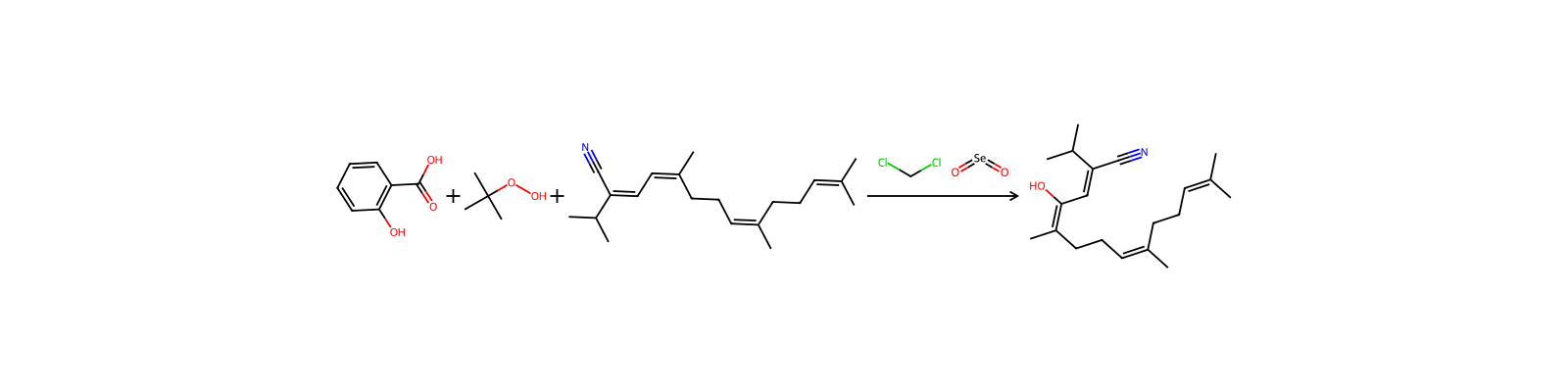
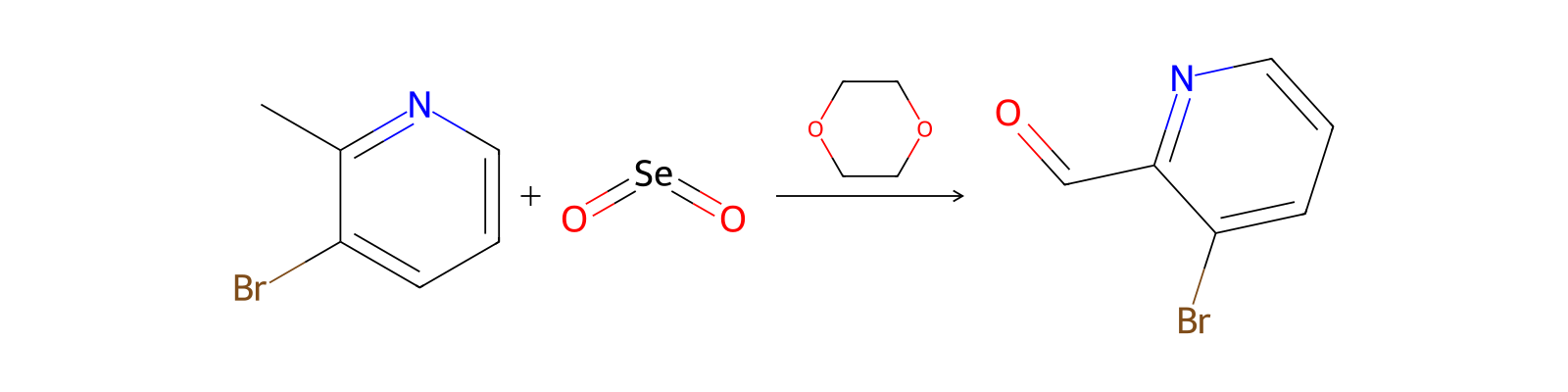
UsesIt is used in the manufacture of other selenium compounds. Selenium dioxide is an oxidizing agent mostly used in the allylic oxidation of alkenes to produce allylic alcohols. It is used in creating colorless glass and toner in photographic developing.
General DescriptionA white or creamy-white volatile lustrous crystal or crystalline powder with a pungent sour smell. Melting point 340°C. Density 3.954 g / cm3 . Toxic by ingestion and inhalation.
PreparationSelenium dioxide is obtained by burning selenium metal in oxygen: Se + O2 → SeO2 Selenium also forms a trioxide, SeO3. In excess oxygen the product mixture may contain both dioxide and trioxide. The trioxide is unstable. Selenium dioxide may be prepared by heating selenium with oxygen and nitrogen dioxide. Presence of excess oxygen would oxidize nitrogen dioxide to pentoxide, instead converting selenium dioxide to trioxide: 2Se + 3O2 + 4NO2 → 2SeO2 + 2N2O5 Selenium dioxide also may be produced by oxidation of selenium by nitric acid. The overall reaction may be written as follows: Se + 2HNO3 → SeO2 + H2O + NO2 + NO