
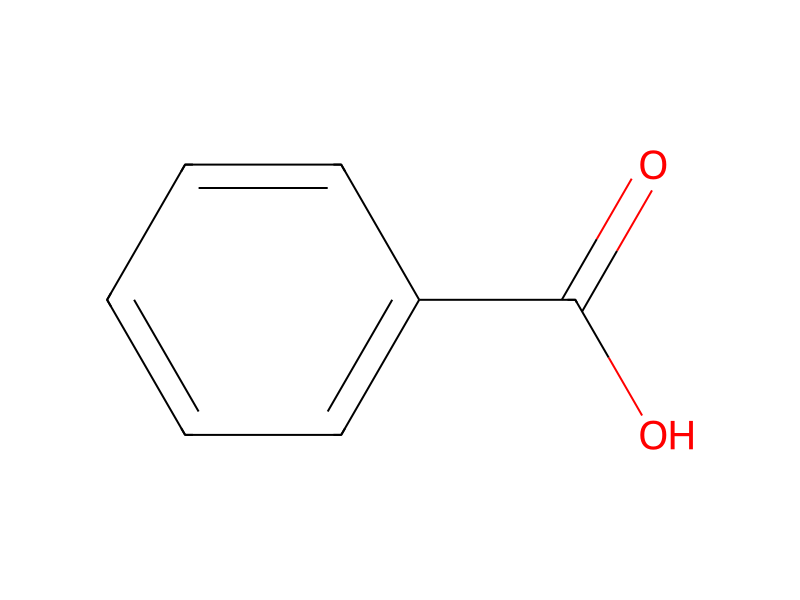
Basic information
- Standard SMILES
O=C(O)c1ccccc1- InChIKey
WPYMKLBDIGXBTP-UHFFFAOYSA-N- Molecular formula
- C7H6O2
- Average molar mass
- 122.12 g/mol
- Monoisotopic mass
- 122.03677943
Names & identifiers
- Preferred name
- Benzoic Acid
- IUPAC
- benzoic acid
- English name
- Benzoic acid
- Molecular formula
- C7H6O2
- Molecular weight
- 122.12
Names & synonyms
benzoic acid65-85-0Dracylic acidbenzenecarboxylic acidBenzeneformic acidCarboxybenzenephenylformic acidBenzenemethanoic acidPhenylcarboxylic acidRetardexRetarder BATenn-Plas
Show more names
Benzyl acidBenzoic acid, for analysis ACSNipacideBenzoic aBenzoic acidcidFEMA 2131a 1 (acid)Benzoic acid naturalBenzoesure
Salvo liquidBenzoesaeure GKBenzoesaeure GVAcide benzoiqueSolvo powderBenzoic acid, tech.Unisept BZABenzoesaeure
Database identifiers
- CAS
65-85-0- PubChem CID
- 243
- DTXSID
DTXSID6020143- ChEMBL
CHEMBL541- ChEBI
CHEBI:30746- UNII
- 8SKN0B0MIM
- EC Number
- 200-618-2
- Nikkaji
- J2.358B
Properties
Computed structural properties
- XLogP
- 1.9
- Topological polar surface area
- 37.3 Ų
- Hydrogen bond donors
- 1
- Hydrogen bond acceptors
- 2
- Rotatable bonds
- 1
- Heavy atoms
- 9
- Formal charge
- 0
- Complexity
- 103
Experimental & physicochemical properties
pH
About 4 (solution in water)
pH = 2.8 (Saturated soln at 25 °C)
LogP
1.87
log Kow = 1.87
1.87
1.87
LogS-1.55
Odor
Odorless or with a slight benzaldehyde odor
FAINT, PLEASANT ODOR
Taste
ALMOST TASTELESS /BENZOIC ACID USP/
BITTER TASTE
Taste detection 8.5X10+1 ppm /Media and purity not specified/
Density
1.316 at 82.4 °F (USCG, 1999) - Denser than water; will sink
1.2659 g/cu cm at 15 °C
Sp gr: 1.316 at 24 °C/4 °C (solid); 1.029 at 180 °C/4 °C (liquid)
1.3 g/cm³
Relative density of the vapour/air-mixture at 20 °C (air = 1): 1
1.316 @ 15°C
Viscosity1.26 cP at 130 °C
Color/Form
Monoclinic tablets, plates, leaflets
White scales or needle crystals
Monoclinic leaflets or needles
Solubility
less than 1 mg/mL at 68 °F (NTP, 1992)
3400
Mixtures of excess benzoic acid & water form 2 liquid phases beginning at 89.7 °C; the two phases unite at critical solution temperature of 117.2 °C; solubility in water increased by alkaline substances.
Monomer & dimer models for solubility of benzoic acid in simple binary and ternary solvents are reported.
In water, 3.5X10+3 mg/L at 25 °C
1 g dissolves in: 2.3 mL alcohol (cold), 1.5 mL alcohol (boiling), 4.5 mL chloroform, 3 mL ether, 3 mL acetone, 30 mL carbon tetrachloride,10 mL benzene, 30 mL carbon disulfide, 23 mL oil of turpentine. Also soluble in volatile and fixed oils; slightly soluble in petroleum ether
Flash Point
250 °F (NTP, 1992)
250 °F (121 °C) (closed cup)
121 °C c.c.
Boiling Point
480 °F at 760 mmHg (NTP, 1992)
249.2
249.2 °C at 760 mm Hg
249 °C
249 °C
249 °C @760 [mm Hg]
DecompositionWhen heated to decomp it emits acrid smoke and irritating fumes.
Physicochemical properties
- Melting point
- 121 · 121-125 °C(lit.)
- Boiling point
- 249 °C · 249 °C(lit.)
- Density
- 1.08 · 1.08
- bulk density
- 500 kg/m3 · 500kg/m3
- vapor density
- 4.21 · 4.21 (vs air)
- vapor pressure
- 10 mm · 10 mm Hg ( 132 °C)
- refractive index
- 1.504 · 1.504
- FEMA
- 2131 · 2131 | BENZOIC ACID
- FLAVIS Number
- 8.021 · 08.021 | Benzoic acid
- Flash point
- 250 °F · 250 °F
- storage temp.
- 2 · 2-8°C
- solubility
- soluble, clear, colorless (95% ethanol, 1gm/3mL)
- form
- Solid
- pka
- 4.19 · 4.19(at 25℃)
- color
- White to yellow-beige to orange
- PH
- 3.66 · 3.66(1 mM solution);3.12(10 mM solution);2.6(100 mM solution);
- Odor
- 100 % · at 100.00 %. faint balsam urine
- Odor Type
- balsamic
- biological source
- synthetic
- Water Solubility
- 0.34 g/100 · Slightly soluble. 0.34 g/100 mL
- Specific Heat Capacity
- 1.2 J/ · Cp(crystal): 1.2 J/(g·K), at 25℃
- JECFA Number
- 850 · 850
- Merck
- 14 · 14,1091
- BRN
- 636131 · 636131
- Henry's Law Constant
- (x 10-8 atmm3/mol): 7.02 (calculated, U.S. EPA, 1980a)
- Stability
- Stable. Combustible. Incompatible with strong bases, strong oxidizing agents, alkalies.
- Cosmetics Ingredients Functions
- pH ADJUSTERSPRESERVATIVEFRAGRANCE
- Cosmetic Ingredient Review (CIR)
- Benzoic acid (65-85-0)
- InChI
- 1S/C7H6O2/c8-7(9)6-4-2-1-3-5-6/h1-5H,(H,8,9)
- InChIKey
- WPYMKLBDIGXBTP-UHFFFAOYSA-N
- SMILES
- OC(=O)c1ccccc1
- LogP
- 1.87 · 1.870
- CAS DataBase Reference
- 65 · 65-85-0(CAS DataBase Reference)
- Substances Added to Food (formerly EAFUS)
- BENZOIC ACID
- FDA 21 CFR
- 175.3 · 175.300; 177.1390
- SCOGS (Select Committee on GRAS Substances)
- Benzoic Acid
- EWG's Food Scores
- 1 · 1-3
- FDA UNII
- 8 SKN0B0MIM · 8SKN0B0MIM
- NIST Chemistry Reference
- Benzoic acid(65-85-0)
- EPA Substance Registry System
- Benzoic acid (65-85-0)
- UNSPSC Code
- 77101502 · 77101502
- NACRES
- 24 · NA.24
- Symbol(GHS)
- 5 · GHS05,GHS08
- Signal word
- Danger
- Hazard statements
- 315 · H315-H318-H372
- Precautionary statements
- 280 · P280-P302+P352-P305+P351+P338+P310-P314
- target organs
- Lungs
- PPE
- 95 · dust mask type N95 (US), Eyeshields, Faceshields, Gloves
- Hazard Codes
- Xn,T,Xi
- Risk Statements
- 22 · 22-36-42/43-36/37/38-40-63-43-23/24/25-45-41-37/38-20/21/22-48/23-38-67-37
- Safety Statements
- 26 · 26-45-37/39-24-22-36/37-24/25-23-53-36-63-39
- RIDADR
- 3077 · UN 3077 9/PG 3
- WGK Germany
- 1 · 1
- RTECS
- 875000 · DG0875000
- F
- 21 · 21
- Autoignition Temperature
- 570 °C · 570 °C
- Hazard Note
- Harmful
- TSCA
- TSCA listed
- HS Code
- 2916 · 2916 31 00
- HazardClass
- 9 · 9
- Storage Class
- 6.1 C · 6.1C - Combustible acute toxic Cat.3toxic compounds or compounds which causing chronic effects
- Hazard Classifications
- 1 Skin · Eye Dam. 1Skin Irrit. 2STOT RE 1 Inhalation
- Hazardous Substances Data
- 65 · 65-85-0(Hazardous Substances Data)
- Toxicity
- 50 orally · LD50 orally in Rabbit: 1700 mg/kg LD50 dermal Rabbit > 5000 mg/kg
- REACH Registrations
- Active
- Limited Quantities
- 5 kg · 5.0 kg (11 lbs) (solid)
- Excepted Quantities
- Max Inner Pack (30g or 30ml) and Max Outer Pack (1Kg or 1L)
Safety & regulation
GHS classification
GHS Classification
Danger
H315: Causes skin irritation [Warning Skin corrosion/irritation];H318: Causes serious eye damage [Danger Serious eye damage/eye irritation];H372: Causes damage to organs through prolonged or repeated exposure [Danger Specific target organ toxicity, repeated exposure]
P260, P264, P264+P265, P270, P280, P302+P352, P305+P354+P338, P317, P319, P321, P332+P317, P362+P364, and P501 (click each P-code to see the statement)
This chemical does not meet GHS hazard criteria for 0.9% (28 of 3274) of reports.
Hazard information
Regulatory Information
Chemical: Benzoic acid
Regulation (EC) No 1831/2003 (amended)
Benzoic acid is listed on the EPA's Chemical Data Reporting (CDR) system. Manufacturers and importers of Benzoic acid are required to report information about their production and use of this chemical to the EPA under the Toxic Substances Control Act (TSCA). (40 eCFR Part 711)
04/30/EC, Reg. (EU) 2016/2016, Reg. (EU) 2017/1113, Reg. (EU) No 540/2011, Reg. (EU) No 823/2012
Status: Active Update: 30-10-2022 https://echa.europa.eu/registration-dossier/-/registered-dossier/13124
Benzoic acid: Does not have an individual approval but may be used under an appropriate group standard
Other Safety InformationIMAP assessments - Benzoic acid: Environment tier I assessment;IMAP assessments - Benzoic acid: Human health tier II assessment
Fire Hazards
Behavior in Fire: Vapor from molten benzoic acid may form explosive mixture with air. Concentrated dust may form explosive mixture. (USCG, 1999)
Combustible. Finely dispersed particles form explosive mixtures in air. Risk of fire and explosion on contact with incompatible substances. See Chemical Dangers.
Fire Potential
Slight, when exposed to heat or flame...
Benzoic acid is burned in oxygen as primary thermochemical standard to calibrate oxygen bomb calorimeters used in... determination of calorific value of liquid hydrocarbon fuels. If the benzoic acid is powdered (rather than pelleted...), very rapid combustion occurs and flame front may burn through the non-metallic... seals on valve seats and the bomb may be destroyed.
Health HazardsDust may be irritating to nose and eyes. At elevated temperatures, fumes may cause irritation of eyes, respiratory system, and skin. (USCG, 1999)
Hazards Summary
A skin and eye irritant; [ICSC] Causes non-immunological contact urticaria; [Kanerva, p. 218] Benzoic acid alkali salts cause pseudoallergic reactions; [MAK] TLV Basis: Irritation of eye and respiratory tract, and lung damage; Low level oral exposures are considered safe . . . [ACGIH] See Sodium benzoate and Potassium benzoate.
FDA Requirements
Substance added directly to human food affirmed as generally recognized as safe (GRAS). Current usage results in a max level of 0.1% in food.
This substance is generally recognized as safe for use at a level not exceeding 0.1 percent in accordance with good manufacturing or feeding practice.
Drug products containing certain active ingredients offered over-the-counter (OTC) for certain uses. A number of active ingredients have been present in OTC drug products for various uses, as described below. However, based on evidence currently available, there are inadequate data to establish general recognition of the safety and effectiveness of these ingredients for the specified uses: Benzoic acid is included in topical acne drug products.
Drug products containing certain active ingredients offered over-the-counter (OTC) for certain uses. A number of active ingredients have been present in OTC drug products for various uses, as described below. However, based on evidence currently available, there are inadequate data to establish general recognition of the safety and effectiveness of these ingredients for the specified uses: Benzoic acid is included in skin protectant drug products.
Drug products containing certain active ingredients offered over-the-counter (OTC) for certain uses. A number of active ingredients have been present in OTC drug products for various uses, as described below. However, based on evidence currently available, there are inadequate data to establish general recognition of the safety and effectiveness of these ingredients for the specified uses: Benzoic acid is included in topical antifungal drug products.
Reactive GroupAcids, Carboxylic
Special Reports
USEPA; Subst Risk Notice, 8EHQ-1177-0018 (1978).
Benzoic acid, Indian Chemical Manufacturers Association, Indian Exchange, Indian Exchange Place, Calcutta 700 001, India, 1986. CIS/88/00785
NTIS/PB85-141216, Benzoic acid. Scientific Literature Review of Benzyl Alcohol, Benzaldehyde, Benzoic Acid and Related Cmpds in Flavor Usage. NTIS Order No. PB85-141216
EPA Safer ChemicalChemical: Benzoic acid; Green circle - The chemical has been verified to be of low concern based on experimental and modeled data.
FIFRA Requirements
Residues of benzoic acid are exempted from the requirement of a tolerance when used in accordance with good agricultural practice as inert (or occasionally active) ingredients in pesticide formulations applied to growing crops or to raw agricultural commodities after harvest. Use: preservative for formulations.
Residues of benzoic acid are exempted from the requirement of a tolerance when used in accordance with good agricultural practice as inert (or occasionally active) ingredients in pesticide formulations applied to animals. Use: preservative for formulations.
As the federal pesticide law FIFRA directs, EPA is conducting a comprehensive review of older pesticides to consider their health and environmental effects and make decisions about their continued use. Under this pesticide reregistration program, EPA examines newer health and safety data for pesticide active ingredients initially registered before November 1, 1984, and determines whether the use of the pesticide does not pose unreasonable risk in accordance to newer saftey standards, such as those described in the Food Quality Protection Act of 1996. Pesticides for which EPA had not issued Registration Standards prior to the effective date of FIFRA '88 were divided into three lists based upon their potential for human exposure and other factors, with List B containing pesticides of greater concern than those on List C, and with List C containing pesticides of greater concern than those on List D. Benzoic acid is found on List D. Case No: 4013; Pesticide type: Insecticide, fungicide; Case Status: OPP is reviewing data from the pesticide's producers regarding its human health and/or environmental effects, or OPP is determining the pesticide's eligibility for reregistration and developing the Reregistration Eligibility Decision (RED) document.; Active ingredient (AI): Benzoic acid; AI Status: The active ingredient is no longer contained in any registered pesticide products ... "cancelled."
Reactivity ProfileAt high temperature BENZOIC ACID can react with oxidizing reagents.
Safety & protection
Fire FightingUse water spray, powder, foam, carbon dioxide. In case of fire: keep drums, etc., cool by spraying with water.
First Aid Measures
Fresh air, rest.
Remove contaminated clothes. Rinse and then wash skin with water and soap.
First rinse with plenty of water for several minutes (remove contact lenses if easily possible), then refer for medical attention.
Rinse mouth. Refer for medical attention .
First Aid
EYES: First check the victim for contact lenses and remove if present. Flush victim's eyes with water or normal saline solution for 20 to 30 minutes while simultaneously calling a hospital or poison control center. Do not put any ointments, oils, or medication in the victim's eyes without specific instructions from a physician. IMMEDIATELY transport the victim after flushing eyes to a hospital even if no symptoms (such as redness or irritation) develop.;SKIN: IMMEDIATELY flood affected skin with water while removing and isolating all contaminated clothing. Gently wash all affected skin areas thoroughly with soap and water. If symptoms such as redness or irritation develop, IMMEDIATELY call a physician and be prepared to transport the victim to a hospital for treatment.;INHALATION: IMMEDIATELY leave the contaminated area; take deep breaths of fresh air. If symptoms (such as wheezing, coughing, shortness of breath, or burning in the mouth, throat, or chest) develop, call a physician and be prepared to transport the victim to a hospital. Provide proper respiratory protection to rescuers entering an unknown atmosphere. Whenever possible, Self-Contained Breathing Apparatus (SCBA) should be used; if not available, use a level of protection greater than or equal to that advised under Protective Clothing.;INGESTION: DO NOT INDUCE VOMITING. If the victim is conscious and not convulsing, give 1 or 2 glasses of water to dilute the chemical and IMMEDIATELY call a hospital or poison control center. Be prepared to transport the victim to a hospital if advised by a physician. If the victim is convulsing or unconscious, do not give anything by mouth, ensure that the victim's airway is open and lay the victim on his/her side with the head lower than the body. DO NOT INDUCE VOMITING. IMMEDIATELY transport the victim to a hospital. (NTP, 1992)
Safe StorageStore only in original container. Separated from incompatible materials. See Chemical Dangers. Fireproof. Store in an area without drain or sewer access.
Exposure Control and Personal Protection0.5 [mg/m3], respirable fraction (2 mg/m3, inhalable fraction)[German Research Foundation (DFG)]
Fire Fighting Procedures
If material on fire or involved in fire: Use water in flooding quantities as fog. Solid streams of water may spread fire. Cool all affected containers with flooding quantities of water. Apply water from as far a distance as possible. Use foam, dry chemical, or carbon dioxide.
Storage ConditionsThe bulk material should be stored in well-closed container in a cool dry place.
Cleanup Methods
Cover with soda ash or sodium bicarbonate. Mix and add water.
Environmental considerations: Land spill: Dig a pit, pond, lagoon, or holding area to contain liquid or solid material. /SRP: If time permits, pits, ponds, lagoons, soak holes, or holding areas should be contained with a flexible impermeable membrane liner./ Cover solids with a plastic sheet to prevent dissolving in rain or fire fighting water.
Environmental considerations: Water spill: If dissolved, in region of 10 ppm or greater concentration, apply activated carbon at ten times the spilled amount. Remove trapped material with suction hoses. Use mechanical dredges or lifts to remove immobilized masses of pollutants and precipitates.
Personal protection: protective clothing and face shield. Sweep spilled substance into covered plastic containers. If appropriate, moisten first to prevent dusting. Wash away remainder with plenty of water.
Disposal Methods
SRP: Wastewater from contaminant suppression, cleaning of protective clothing/equipment, or contaminated sites should be contained and evaluated for subject chemical or decomposition product concentrations. Concentrations shall be lower than applicable environmental discharge or disposal criteria. Alternatively, pretreatment and/or discharge to a permitted wastewater treatment facility is acceptable only after review by the governing authority and assurance that "pass through" violations will not occur. Due consideration shall be given to remediation worker exposure (inhalation, dermal and ingestion) as well as fate during treatment, transfer and disposal. If it is not practicable to manage the chemical in this fashion, it must be evaluated in accordance with EPA 40 CFR Part 261, specifically Subpart B, in order to determine the appropriate local, state and federal requirements for disposal.
The following wastewater treatment technologies have been investigated for benzoic acid: concentration process: biological treatment.
Incineration: Waste material can be burned in an approved incinerator with an afterburner, as a soln in a flammable solvent or as a solid packaged in paper, plastic or cardboard.
The following wastewater treatment technologies have been investigated for benzoic acid: concentration process: activated carbon.
The following wastewater treatment technologies have been investigated for benzoic acid: concentration process: resin adsorption.
Spillage Disposal
Personal protection: protective clothing and face shield. Do NOT let this chemical enter the environment. Sweep spilled substance into covered plastic containers. Carefully collect remainder in covered containers. If appropriate, moisten first to prevent dusting. Then store and dispose of according to local regulations.
Preventive Measures
SRP: The scientific literature for the use of contact lenses by industrial workers is inconsistent. The benefits or detrimental effects of wearing contact lenses depend not only upon the substance, but also on factors including the form of the substance, characteristics and duration of the exposure, the uses of other eye protection equipment, and the hygiene of the lenses. However, there may be individual substances whose irritating or corrosive properties are such that the wearing of contact lenses would be harmful to the eye. In those specific cases, contact lenses should not be worn. In any event, the usual eye protection equipment should be worn even when contact lenses are in place.
SRP: Local exhaust ventilation should be applied wherever there is an incidence of point source emissions or dispersion of regulated contaminants in the work area. Ventilation control of the contaminant as close to its point of generation is both the most economical and safest method to minimize personnel exposure to airborne contaminants. Ensure that the local ventilation moves the contaminant away from the worker.
SRP: Contaminated protective clothing should be segregated in such a manner so that there is no direct personal contact by personnel who handle, dispose, or clean the clothing. The completeness of the cleaning procedures should be considered before the decontaminated protective clothing is returned for reuse by the workers. Contaminated clothing should not be taken home at the end of shift, but should remain at employee's place of work for cleaning.
If material not on fire and not involved in fire: Keep sparks, flames, and other sources of ignition away. Keep material out of water sources and sewers. Build dikes to contain flow as necessary.
For more Preventive Measures (Complete) data for BENZOIC ACID (6 total), please visit the HSDB record page.
Eye PreventionWear safety goggles.
Toxicology
Body BurdenBenzoic acid was found in one of twelve breath samples taken from people in New Jersey. Benzoic acid was not found in the drinking water or air samples from this study(1).
Interactions
The metabolism of the benzoates depletes glycine concentrations and can therefore alter the glycine-dependent metabolism of other compounds. /Investigators/ demonstrated that benzoic acid or sodium benzoate successfully competed with aspirin for glycine, resulting in increased concentration and persistence of salicylic acid in the body. Almost total inhibition of salicyluric acid formation in humans was achieved using either 2.7 g benzoic acid or 3.2 g sodium benzoate.
In rat liver microsomes deferoxamine was a potent inhibitor of the oxidation of the scavenging agent, benzoate. Nearly complete inhibition was observed at 33-100 uM.
Groups of 25 male and 25 female mice were given benzoic acid at a dose of 40 mg/kg bw/day, sodium bisulfite at 80 mg/kg bw/day, or a mixture of the two for 17 months. Mortality was greater in the groups receiving the mixture (62%) than in those receiving the individual substances (32%) at eight months.
Wistar rats /were administered/ 40 mg benzoic acid/kg/day and 80 mg sodium bisulphite/kg/day once daily /for/ 72 weeks. 50 rats /with/ initial body weight /of/ 100-120g /experienced/ reduced weight gain, kidney function and reaction on stress factors were altered (no further information), /and/ the erythrocyte sedimentation rate was increased.
Health Effects
People must absorb small amounts of copper every day because copper is essential for good health, however, high levels of copper can be harmful. Very-high doses of copper can cause damage to your liver and kidneys, and can even cause death. Copper may induce allergic responses in sensitive individuals. (L278, L279)
Ecotoxicity Values
LC50; Species: Colinus virginianus (Northern bobwhite quail) diet >5620 ppm for 8 days
LC50; Species: Anas platyrhynchos (Mallard duck) diet >5620 ppm for 8 days
LD50; Species: Anas platyrhynchos (Mallard duck) oral via capsule >2510 mg/kg
EC50; Species: Anabaena inaequalis (Cyanobacteria); Conditions: static; Concentration: 9 mg/L for 14 days; Effect: cell multiplication inhibition
For more Ecotoxicity Values (Complete) data for BENZOIC ACID (16 total), please visit the HSDB record page.
Environmental Fate
TERRESTRIAL FATE: Based on a classification scheme(1), an estimated Koc value of 15(SRC), determined from a structure estimation method(2), indicates that benzoic acid is expected to have very high mobility in soil(SRC). The pKa of benzoic acid is 4.20(3), indicating that this compound will exist almost entirely in the anion form in the environment and anions generally do not adsorb more strongly to soils containing organic carbon and clay than their neutral counterparts(4). Volatilization from moist soil is not expected because the compound exists as an anion and anions do not volatilize. Benzoic acid is not expected to volatilize from dry soil surfaces(SRC) based upon a vapor pressure of 7.0X10⁻⁴ mm Hg at 25 °C(5). Mineralization half-life in Captina silt loam for benzoic acid in solution was 4.5 hr after a 30 minute lag(6) and complete degradation occurred in 1 day using a Niagra silt loam inoculum(7), suggesting that biodegradation may be an important fate process in soil(SRC).
AQUATIC FATE: Based on a classification scheme(1), an estimated Koc value of 15(SRC), determined from a structure estimation method(2), indicates that benzoic acid is not expected to adsorb to suspended solids and sediment(SRC). A pKa of 4.20(3) indicates benzoic acid will exist almost entirely in the anion form at pH values of 5 to 9 and, therefore, volatilization from water or moist soil surfaces is not expected to be an important fate process(SRC). According to a classification scheme(4), a BCF range of <10 to 21(5) suggests the potential for bioconcentration in aquatic organisms is low(SRC). Biodegradation half-lives of 0.85 and 3.6 days using inoculum from a polluted river and a reservoir, respectively(6), suggest that biodegradation may be an important fate process in water(SRC).
ATMOSPHERIC FATE: According to a model of gas/particle partitioning of semivolatile organic compounds in the atmosphere(1), benzoic acid, which has a vapor pressure of 7X10⁻⁴ mm Hg at 25 °C(2), is expected to exist solely as a vapor in the ambient atmosphere. Vapor-phase benzoic acid is degraded in the atmosphere by reaction with photochemically-produced hydroxyl radicals(SRC); the half-life for this reaction in air is estimated to be 9 days(SRC), calculated from its rate constant of 1.2X10⁻¹² cu cm/molecule-sec at 25 °C(SRC) that was derived using a structure estimation method(3). Benzoic acid absorbs light at wavelengths >290 nm(4) and, therefore, may be expected to be susceptible to direct photolysis by sunlight(SRC).
Food Survey Values
Apple wine and apple essence contain 0.329 and 40 ppm of benzoic acid, respectively(1). Benzoic acid and sodium benzoate are common food additives, being used as food preservatives at a concentration of 0.1% and as antimicrobial agents in food at concentration levels of 0.29-0.00001%(1). Most berries contain about 0.05% of benzoic acid(2). Benzoic acid has been detected but not quantified in pine sprout tea(3). Benzoic acid has been detected in concentrations of 10, 50, 10, and <5 ppb in canned creamed, canned kernel, frozen kernel, and fresh kernel sweet corn, respectively(4). Benzoic acid was detected in fine particle organic matter emitted from Chinese cooking. Four representative restaurants in Guangzhou city, China: Cantonese style (fresh local ingredients, lightly seasoned, stir fry, peanut and blended oil); Hunan style (spicy and sour dishes, steamed, peanut oil); Sichuan style (sharp and spicy, sauteing, blended oil), and Dongbei style (home-cooking, pot roast, simmering, marinating, canola and peanut oil) Average benzoic acid concentrations in fine particulates were 39, 17, 30, and 20 ng/mg of POM (particulate organic matter), respectively(5).
Adverse EffectsACGIH Carcinogen - Not Suspected.
Exposure Routes
The substance can be absorbed into the body by inhalation, by ingestion and through the skin.
Oral (L277) ; inhalation (L277) ; dermal (L277)
Toxicity Summary
Safe in the present practices of use and concentration. Ingredient, concentration, and use information are available in documents discoverable at https://cir-reports.cir-safety.org
Excess copper is sequestered within hepatocyte lysosomes, where it is complexed with metallothionein. Copper hepatotoxicity is believed to occur when the lysosomes become saturated and copper accumulates in the nucleus, causing nuclear damage. This damage is possibly a result of oxidative damage, including lipid peroxidation. Copper inhibits the sulfhydryl group enzymes such as glucose-6-phosphate 1-dehydrogenase, glutathione reductase, and paraoxonases, which protect the cell from free oxygen radicals. It also influences gene expression and is a co-factor for oxidative enzymes such as cytochrome C oxidase and lysyl oxidase. In addition, the oxidative stress induced by copper is thought to activate acid sphingomyelinase, which lead to the production of ceramide, an apoptotic signal, as well as cause hemolytic anemia. Copper-induced emesis results from stimulation of the vagus nerve. (L277, T49, A174, L280)
Average Daily IntakeThe average daily intake of benzoic acid is 312 mg of which 278 mg is absorbed as sodium benzoate and 34 mg as benzoic acid(1).
Ecotoxicity Excerpts
/AQUATIC SPECIES/ 0.5 mg/L of benzoic acid did not affect growth of blue-green alga, Anabaena flosaquae.
/AQUATIC SPECIES/ Lethal to goldfish in 7-96 hr at 200 mg/L; lethal to orange spotted sunfish in 1 hr at 550-570 mg/L. /Conditions of bioassay not specified in source examined/
/AQUATIC SPECIES/ EC50/LC50 values (24-96 hr) for most of the other aquatic species tested (protozoa, molluscs, crustaceans, fish, amphibians) were in the range of 100-1291 mg/L. As seen with daphnids, the pH value of the test medium influences the toxicity of benzoic acid, which proved to be more toxic at lower pH levels.
/AQUATIC SPECIES/ Developmental toxicity effects seen in frog (Xenopus) embryos were craniofacial defects, especially microcephaly, and abnormal gut coiling.
For more Ecotoxicity Excerpts (Complete) data for BENZOIC ACID (6 total), please visit the HSDB record page.
Signs and Symptoms
Sore throat. Cough.
Redness. Swelling. Itching.
Redness. Pain. Corneal damage.
Abdominal pain. Nausea. Vomiting.
Breathing high levels of copper can cause irritation of the nose and throat. Ingesting high levels of copper can cause nausea, vomiting, diarrhea, headache, dizziness, and respiratory difficulty. (L278, L279)
Regulatory information
Regulatory Information
Chemical: Benzoic acid
Regulation (EC) No 1831/2003 (amended)
Benzoic acid is listed on the EPA's Chemical Data Reporting (CDR) system. Manufacturers and importers of Benzoic acid are required to report information about their production and use of this chemical to the EPA under the Toxic Substances Control Act (TSCA). (40 eCFR Part 711)
04/30/EC, Reg. (EU) 2016/2016, Reg. (EU) 2017/1113, Reg. (EU) No 540/2011, Reg. (EU) No 823/2012
Status: Active Update: 30-10-2022 https://echa.europa.eu/registration-dossier/-/registered-dossier/13124
Benzoic acid: Does not have an individual approval but may be used under an appropriate group standard
FDA Requirements
Substance added directly to human food affirmed as generally recognized as safe (GRAS). Current usage results in a max level of 0.1% in food.
This substance is generally recognized as safe for use at a level not exceeding 0.1 percent in accordance with good manufacturing or feeding practice.
Drug products containing certain active ingredients offered over-the-counter (OTC) for certain uses. A number of active ingredients have been present in OTC drug products for various uses, as described below. However, based on evidence currently available, there are inadequate data to establish general recognition of the safety and effectiveness of these ingredients for the specified uses: Benzoic acid is included in topical acne drug products.
Drug products containing certain active ingredients offered over-the-counter (OTC) for certain uses. A number of active ingredients have been present in OTC drug products for various uses, as described below. However, based on evidence currently available, there are inadequate data to establish general recognition of the safety and effectiveness of these ingredients for the specified uses: Benzoic acid is included in skin protectant drug products.
Drug products containing certain active ingredients offered over-the-counter (OTC) for certain uses. A number of active ingredients have been present in OTC drug products for various uses, as described below. However, based on evidence currently available, there are inadequate data to establish general recognition of the safety and effectiveness of these ingredients for the specified uses: Benzoic acid is included in topical antifungal drug products.
FIFRA Requirements
Residues of benzoic acid are exempted from the requirement of a tolerance when used in accordance with good agricultural practice as inert (or occasionally active) ingredients in pesticide formulations applied to growing crops or to raw agricultural commodities after harvest. Use: preservative for formulations.
Residues of benzoic acid are exempted from the requirement of a tolerance when used in accordance with good agricultural practice as inert (or occasionally active) ingredients in pesticide formulations applied to animals. Use: preservative for formulations.
As the federal pesticide law FIFRA directs, EPA is conducting a comprehensive review of older pesticides to consider their health and environmental effects and make decisions about their continued use. Under this pesticide reregistration program, EPA examines newer health and safety data for pesticide active ingredients initially registered before November 1, 1984, and determines whether the use of the pesticide does not pose unreasonable risk in accordance to newer saftey standards, such as those described in the Food Quality Protection Act of 1996. Pesticides for which EPA had not issued Registration Standards prior to the effective date of FIFRA '88 were divided into three lists based upon their potential for human exposure and other factors, with List B containing pesticides of greater concern than those on List C, and with List C containing pesticides of greater concern than those on List D. Benzoic acid is found on List D. Case No: 4013; Pesticide type: Insecticide, fungicide; Case Status: OPP is reviewing data from the pesticide's producers regarding its human health and/or environmental effects, or OPP is determining the pesticide's eligibility for reregistration and developing the Reregistration Eligibility Decision (RED) document.; Active ingredient (AI): Benzoic acid; AI Status: The active ingredient is no longer contained in any registered pesticide products ... "cancelled."
Atmospheric Standards
This action promulgates standards of performance for equipment leaks of Volatile Organic Compounds (VOC) in the Synthetic Organic Chemical Manufacturing Industry (SOCMI). The intended effect of these standards is to require all newly constructed, modified, and reconstructed SOCMI process units to use the best demonstrated system of continuous emission reduction for equipment leaks of VOC, considering costs, non air quality health and environmental impact and energy requirements. Benzoic acid is produced, as an intermediate or a final product, by process units covered under this subpart.
CERCLA Reportable Quantities
Persons in charge of vessels or facilities are required to notify the National Response Center (NRC) immediately, when there is a release of this designated hazardous substance, in an amount equal to or greater than its reportable quantity of 5000 lb or 2270 kg. The toll free number of the NRC is (800) 424-8802. The rule for determining when notification is required is stated in 40 CFR 302.4 (section IV. D.3.b).
Clean Water Act Requirements
Benzoic acid is designated as a hazardous substance under section 311(b)(2)(A) of the Federal Water Pollution Control Act and further regulated by the Clean Water Act Amendments of 1977 and 1978. These regulations apply to discharges of this substance. This designation includes any isomers and hydrates, as well as any solutions and mixtures containing this substance.
State Drinking Water Guidelines
(FL) Florida 28,000 ug/L
(ME) Maine 28,000 ug/L
(MN) Minnesota 30000 ug/L
(NH) New Hampshire 28,000 ug/L
Safety data
- F
- 21
- PPE
- dust mask type N95 (US), Eyeshields, Faceshields, Gloves
- wgk
- 1
- tsca
- TSCA listed
- rtecs
- DG0875000
- ridadr
- UN 3077 9/PG 3
- hs_code
- 2916 31 00
- Toxicity
- LD50 orally in Rabbit: 1700 mg/kg LD50 dermal Rabbit > 5000 mg/kg
- risk_code
- 22-36-42/43-36/37/38-40-63-43-23/24/25-45-41-37/38-20/21/22-48/23-38-67-37
- Signal word
- Danger
- Symbol(GHS)
- GHS05,GHS08
- hazard_code
- Xn,T,Xi
- hazard_note
- Harmful
- safety_code
- 26-45-37/39-24-22-36/37-24/25-23-53-36-63-39
- hazard_class
- 9
- Storage Class
- 6.1C - Combustible acute toxic Cat.3toxic compounds or compounds which causing chronic effects
- target organs
- Lungs
- Hazard statements
- H315-H318-H372
- Limited Quantities
- 5.0 kg (11 lbs) (solid)
- Excepted Quantities
- Max Inner Pack (30g or 30ml) and Max Outer Pack (1Kg or 1L)
- REACH Registrations
- Active
- Hazard Classifications
- Eye Dam. 1Skin Irrit. 2STOT RE 1 Inhalation
- Autoignition Temperature
- 570 °C
- Precautionary statements
- P280-P302+P352-P305+P351+P338+P310-P314
- Hazardous Substances Data
- 65-85-0(Hazardous Substances Data)
Chemistry & industry
Pharmacology
Metabolism/Metabolites
Benzoic acid ... conjugated with glycine to give hippuric acid in ... many mammals (man, monkeys, pig, rabbit, rodents, cat, dog, ferret & hedgehog). Dog, ferret, & hedgehog also excreted ... benzoyl glucuronide ... but indian fruit bat excreted almost all dose as benzoyl glucuronide.
/Investigators/ demonstrated that biotransformation of benzoic acid to hippuric acid follows saturable or Michaelis-Menten kinetics in humans following ingestion of sodium benzoate. /Sodium Benzoate/
The availability of glycine was the rate-limiting factor in the formation of hippuric acid. When insufficient glycine was available benzoyl glucuronide was formed.
/Investigators/ reported that both lipoic acid and valproic acid reduced the clearance of benzoic acid in rats that had been "loaded" with glycine. Both acids reduced the availability of hepatic coenzyme A that is needed for the adenosine triphosphate (ATP)-dependent conjugation with glycine.
For more Metabolism/Metabolites (Complete) data for BENZOIC ACID (11 total), please visit the HSDB record page.
Benzoic acid has known human metabolites that include Benzoyl glucuronide.
FDA Pharmacological Classification
8SKN0B0MIM
BENZOIC ACID
Mechanisms of Action [MoA] - Ammonium Ion Binding Activity
Established Pharmacologic Class [EPC] - Nitrogen Binding Agent
Benzoic acid is a Nitrogen Binding Agent. The mechanism of action of benzoic acid is as an Ammonium Ion Binding Activity.
ACIDUM BENZOICUM
MeSH Pharmacological Classification
Substances that destroy fungi by suppressing their ability to grow or reproduce. They differ from FUNGICIDES, INDUSTRIAL because they defend against fungi present in human or animal tissues.
Substances capable of inhibiting, retarding or arresting the process of fermentation, acidification or other deterioration of foods.
Absorption, Distribution and Excretion
After oral ingestion of benzoic acid and sodium benzoate, there is a rapid absorption (of undissociated benzoic acid) from the gastrointestinal tract in experimental animals or humans. ... 100% absorption can be assumed. In humans, the peak plasma concentration is reached within 1-2 hr.
Experiments on the distribution and elimination of (14)C-benzoate in the rat have shown no accumulation of sodium benzoate or benzoic acid in the body.
Benzoic acid and sodium benzoate are rapidly absorbed from the gastrointestinal tract of mammals and conjugated with glycine in the liver. The resulting hippuric acid is excreted in the urine rapidly (75% to 100% of the dose is excreted within 6 hours; the remaining dose is excreted within 2 to 3 days).
/Investigators/ reported that 42.6% +/-16.5% of a dermally applied (14)C-Benzoic acid dose (4 ug/sq cm; in acetone) was excreted in the urine within 24 hours. When applied in petrolatum, 60.5% of the dose was absorbed.
For more Absorption, Distribution and Excretion (Complete) data for BENZOIC ACID (17 total), please visit the HSDB record page.
Tissue LocationsBladder;Epidermis;Fibroblasts;Kidney;Liver;Placenta;Testis
Cellular LocationsCytoplasm;Endoplasmic reticulum;Extracellular
Uses & manufacturing
Uses
CIR ingredient: Benzoic Acid
Used as a food and drug preservative; Used as a chemical standard and intermediate; [HSDB]
No longer contained in any registered pesticide products; Cancelled by EPA; [HSDB]
For Benzoic acid (USEPA/OPP Pesticide Code: 009101) there are 0 labels match. /SRP: Not registered for current use in the U.S., but approved pesticide uses may change periodically and so federal, state and local authorities must be consulted for currently approved uses./
The active ingredient is no longer contained in any registered pesticide products ... "cancelled."
The largest use of benzoic acid is as a chemical raw material in the production of phenol, caprolactam, glycol dibenzoates esters, and sodium and/or potassium benzoate.
U.S. Exports
(1972) 2.9X10+8 G
(1975) 8.67X10+8 G
U.S. Imports
(1972) NEGLIGIBLE
(1975) 6.04X10+7 G
(1984) 3.87X10+8 g /Summation of two report items for Benzoic Acid/
U.S. Production
2023: 100,000,000 - <250,000,000 lb;2022: 100,000,000 - <250,000,000 lb;2021: 100,000,000 - <250,000,000 lb;2020: 100,000,000 - <250,000,000 lb
(1972) 7.06X10+10 G
(1975) 2.87X10+10 G
(1991) 2.68x10+8 lb
Benzoic acid is listed as a High Production Volume (HPV) chemical (65FR81686). Chemicals listed as HPV were produced in or imported into the U.S. in >1 million pounds in 1990 and/or 1994. The HPV list is based on the 1990 Inventory Update Rule. (IUR) (40 CFR part 710 subpart B; 51FR21438).
For more U.S. Production (Complete) data for BENZOIC ACID (8 total), please visit the HSDB record page.
Consumption Patterns
CHEMICAL PROFILE: Benzoic Acid. Phenol, 55%; benzoate plasticizers, 22%; sodium and potassium benzoate, 8%; benzoylchloride, 7%; alkylated resins, 3%; others, including butyl benzoate, sucrose benzoate, USP applications and exports, 5%.
CHEMICAL PROFILE: Benzoic acid. Demand: 1986: 160 million lb; 1987: 163 million lb; 1991 /projected/: 175 million lb.
The majority of the benzoic acid is utilized captively to produce phenol. The rest comes onto the market. Beverages and food applications accounted for 41% of world consumption of benzoic acid as sodium and potassium benzoate in 2006.
Consumer UsesOther;pH regulating agent;Stabilizing agent;Preservative;Not Known or Reasonably Ascertainable;Plasticizer;Etching agent;Intermediate
Industry UsesMonomers;pH regulating agent;Dispersing agent;Other;Binder;Intermediate;Surface modifier;Plasticizer;Filler;Not Known or Reasonably Ascertainable;Stabilizing agent;Preservative
Methods of Manufacturing
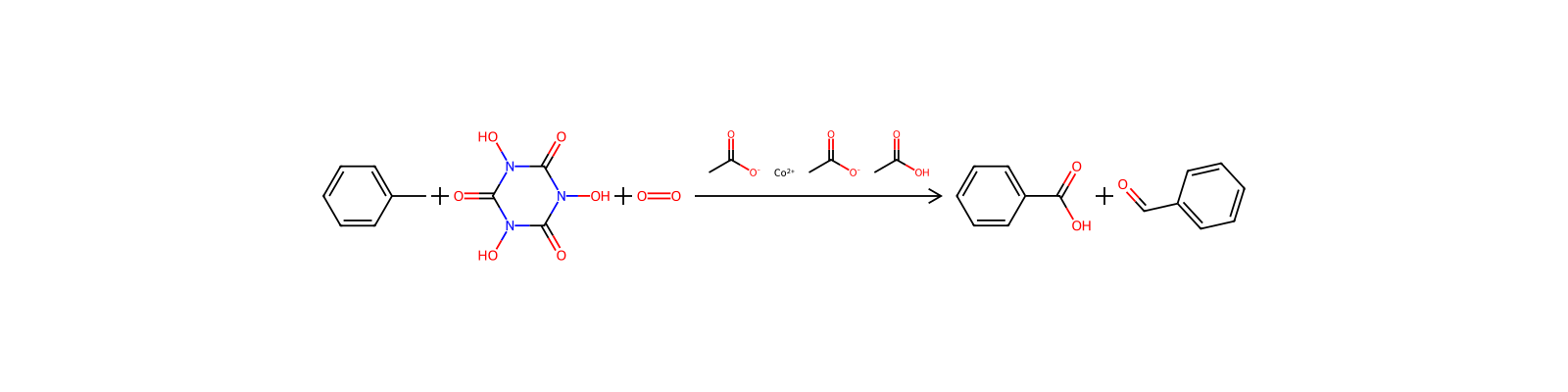
Liquid-Phase Oxidation of Toluene with Molecular Oxygen. ... In a typical modern process the oxidation is conducted at 165 °C and 0.9 MPa. The reaction heat is removed by external circulation of the contents of the reactor. The pressure of the liquid discharged from the reactor is reduced to atmospheric, and unreacted toluene is recovered. Benzoic acid is purified by rectification. The bottom residue is extracted to recover the cobalt catalyst. The exhaust gas is cooled to recover most of the toluene, purified, and vented.
Decarboxylation of phthalic anhydride in the presence of catalysts; chlorination of toluene to yield benzotrichloride, which is hydrolyzed to benzoic acid; oxidation of toluene; from benzoin resin.
Benzoic acid is manufactured by treating molten phthalic anhydride with steam in the presence of a zinc oxide catalyst, by the hydrolysis of benzotrichloride, or by the oxidation of toluene with nitric acid or sodium bichromate or with air in the presence of a transition metal salt catalyst.
Benzoic acid is almost exclusively manufactured by the cobalt catalyzed liquid-phase air oxidation of toluene.
The USP/FCC grade of benzoic acid is usually produced by extraction and crystallization, although distillation has also been used. In the extraction-crystallization process, toluene, water, and methanol have all been used and each is capable of producing a high quality benzoic acid product.
Formulations/Preparations
GRADES: Technical, CP, USP, FCC.
Industrial grade, 97.5%; Technical grade, 99.0%; United States Pharmacopeia/Food Chemicals Codex , 99.5-100.5%. /From table/
Industrial and technical grades of benzoic acid are available in molten as well as solid forms (called flakes or chips). USP/FCC grade is available in solid form either as crystals or powder.
Microl Preservative (Petro-Canada Lubricants, Inc): Active ingredients: benzoic acid 100.0%.
Lubri-Armour (Fiske Brothers Refining Company D/B/A Lubriplate Lubricants): Active ingredients: benzoic acid 100.0%.
Household ProductsInformation on 136 consumer products that contain Benzoic acid in the following categories is provided:;• Auto Products;• Commercial / Institutional;• Inside the Home;• Personal Care;• Pet Care
Use Classification
EPA Safer Chemical Functional Use Classes -> Preservatives and Antioxidants
Safer Chemical Classes -> Green circle - The chemical has been verified to be of low concern
Food additives
Fragrance Ingredients
Food Additives -> PRESERVATIVE -> JECFA Functional Classes
Flavoring Agents -> JECFA Flavorings Index
General Manufacturing Information
Agriculture, Forestry, Fishing and Hunting;Wholesale and Retail Trade;Soap, Cleaning Compound, and Toilet Preparation Manufacturing;Transportation Equipment Manufacturing;Utilities;Other (requires additional information);All Other Basic Organic Chemical Manufacturing;Miscellaneous Manufacturing;Food, beverage, and tobacco product manufacturing;Not Known or Reasonably Ascertainable;Adhesive Manufacturing;All Other Chemical Product and Preparation Manufacturing;Plastics Material and Resin Manufacturing;Paint and Coating Manufacturing;Synthetic Dye and Pigment Manufacturing
Benzoic acid: ACTIVE
Limitations of benzoic acid as a model dissolution substance was studied. Results indicated that benzoic acid was non-ideal on lowering the dissolution temperature & serious deviation from classical diffusion was observed.
Applications
Uses1. Used as a chemical reagent and preservative. 2. Benzoic acid is important type food preservative. Under acidic conditions, It has inhibitory effects to mold, yeast and bacteria , but the effect is weak acid producing bacteria. The most appropriate antimicrobial pH values is ranging from 2.5 to 4, generally lower, the pH value is appropriate from 4.5 to 5. In the food industry with plastic barrels concentrated fruit and vegetable juice, the maximum use amount shall not be over 2.0g/kg; in jam (excluding canned), (taste) juice drink, soy sauce, vinegar in the maximum dose of 1.0g/kg; in soft candy, wine, wine in the maximum dose of 0.8 g/kg separately; in the low salt pickled vegetables, the sauce, candied fruit, maximum dose is 0.5 g/kg; in carbonated drinks in the largest amount of use is 0.2g/kg. due to benzoic acid, slightly soluble in water, its use can be a small amount of ethanol enable dissolved. 3.Preservative; anti microbial agents. Due to the low solubility of benzoic acid and use shall be stirring, or dissolved in a small amount of hot water or ethanol. When used in the soft drink with fruit juice concentrate, for benzoic acid easy volatile with the water vapor, so often used in the sodium salt, besides the above sodium equivalent to benzoic acid 0.847g. 4.Often used as a fixative agent or preservative. Also used as a fruit juice aroma conservation agents. As a perfume with perfume fragrance. Can also be used for chocolate, lemon, orange, berries, nuts, candied fruit type edible essence. Tobacco flavor is also commonly used. 5.Benzoic acid and its sodium salt are food preservatives. Under acidic conditions, it has inhibition of yeasts and molds. When pH 3, antibacterial strength and when pH 6, many fungi effect is very poor, so the antibacterial optimum pH is 2.5-4.0. Benzoic acid is mainly used for the production of sodium benzoate preservatives, dyes intermediates, pesticides, plasticizers, mordant, medicine, spice and also can be used as alkyd resin and polyamide resin modifier for the production of polyester, terephthalic acid and used equipment, iron and steel anti rust agent. 6.Mainly used for antifungal and antiseptic. 7.Used in medicine, dye carriers, plasticizer, spices and food preservatives such as production, and can also be used to paint of alkyd resin performance improvement; used as pharmaceutical and dye intermediates, used for the preparation of plasticizer and spices etc., as well as equipment, iron and steel anti rust agent.
DescriptionBenzoic acid is a colorless, crystalline solid also known as benzenecarboxylic acid. It is the simplest aromatic carboxylic acid, with a carboxyl group (-COOH) bonded directly to the benzene ring. It is found naturally in the benzoin resin of a number of plants.
OccurrenceReported found in fresh apple, apricot (Prunus armeniaca L.), strawberry fruit, cherry (Prunus cerasus L.), butter, boiled and cooked beef, pork fat, white wine, black tea, green tea, fresh plum, mushroom, Bourbon vanilla (Vanilla planifolia Andrews), and other natural sources. Reported as being a constituent of various oils, resins and flower absolutes; hyacinth, tuberose, neroli bigarade, Chinese cinnamon, cinnamon leaves, anise, vertiver, ylang-ylang, Tolu balsam and clove; it is contained in fairly sizable amounts in gum benzoin, from which benzoic acid is extracted by sublimation.
HistoryBenzoic acid was first isolated from the dry distillation of benzoin by Blaise de Vigenère (1523–1596) in the 16th century. Friedrich Whler (1800–1882) and Justus von Liebig (1803–1873) prepared benzoic acid from oxidizing bitter almond oil (benzaldehyde) in 1832 and determined the formula for each of these compounds. They proposed that bitter almond oil, C7H6O, and benzoic acid were derivatives from the benzoyl radical, C7H5O; the radical theory was a major early theory in the development of organic chemistry.
UsesCalorimetry Benzoic acid is the most commonly used chemical standard to determine the heat of capacity of a bomb calorimeter. Feed stock Benzoic acid is used to make a large number of chemicals, important examples of which are : Benzoyl chloride, C6H5C(O)Cl, is obtained by treatment of benzoic with thionyl chloride, phosgene or one of the chlorides of phosphorus. C6H5C(O) Cl is an important starting material for several benzoic acid derivates like benzyl benzoate, which is used in artificial flavours and insect repellents. Food preservative Benzoic acid and its salts are used as a food preservatives, represented by the E-numbers E210 , E211 , E212 , and E213 . Benzoic acid inhibits the growth of mold, yeast and some bacteria. It is either added directly or created from reactions with its sodium, potassium, or calcium salt. The mechanism starts with the absorption of benzoic acid in to the cell. Medicinal Benzoic acid is a constituent of Whitfiel's ointment which is used for the treatment of fungal skin diseases such as tinea, ringworm, and athlete's foot. As the principal component of benzoin resin, benzoic acid is also a major ingredient in both tincture of benzoin and Fria's balsam. Such products have a long history of use as topical antiseptics and inhalant decongestants. Benzoic acid was used as an expectorant, analgesic, and antiseptic in the early 20th century.
UsesSodium benzoate is an important benzoic acid derivative produced industrially by neutralization of benzoic acid using sodium hydroxide or sodium bicarbonate solution. Calcium benzoate, potassium benzoate, and other benzoate salts are also produced. Benzoic acid and sodium benzoate (C6H5COONa) are used as food preservatives and added to foods, juices, and beverages that are acidic.
General DescriptionBoric acid,H3B03, also known as boracic acid, orthoboric acid, and sassolite, is a white solid composed of triclinic crystals.It is a derivative of barium oxide and is soluble in water. A white crystalline solid. Slightly soluble in water. The primary hazard is the potential for environmental damage if released. Immediate steps should be taken to limit spread to the environment. Used to make other chemicals, as a food preservative, and for other uses.
Preparation methods
PreparationIndustrial preparation method The industrial benzoic acid is mainly by toluene liquid phase air oxidation preparation. The process was with cobalt naphthenate as catalyst, in response to temperature is 140-160 ℃ and operating pressure is 0.2-0.3MPa and response generation benzoic acid. Reaction after steaming to toluene, and vacuum distillation and recrystallization to obtain the product. The process uses cheap raw materials, high yield. Therefore, it is industrial uses mainly the method. Laboratory preparation method of the main reaction: 1.C6H5CH3+ KMnO4+H2O-C6H5 COOK+KOH+MnO2+H2O(water in fron of the manganese dioxide is supplied with water reaction environment) 2.C6H5 COOK+HCl--C6H5 COOH Drug and dosage: Toluene 1.5g (1.7ml, 0.016mol), potassium permanganate 5g (0.032mol), CTAB(cetyl trimethyl ammonium bromide) 0.1g. Experimental operation: With 100 ml round bottom flask. Install a refluxing device. add 5g potassium permanganate, 0.1g of hexadecyl trimethyl ammonium bromide, 1.7 ml of toluene and 50 ml of water to the reaction flask, stir heated boiling (vigorous stirring, violent boiling), keep the reactant solution stable boiling. When large amounts of brown precipitate, potassium permanganate purple shallow or disappeared, the toluene layer disappeared, reaction has basically ended. Filter out of manganese dioxide precipitation, landfill leachate by concentrated hydrochloric acid, precipitation of benzoic acid precipitation, filtering to the crude product. The crude product water recrystallization. In a boiling water bath for drying, weighing, measuring the melting point.
PreparationBy oxidation of toluene with nitric acid or sodium bichromate or from benzonitrile.
Upstream & downstream products
Upstream raw materials
Downstream products
Suppliers50 total
国药集团化学试剂有限公司86-21-63210123 · [email protected]
北京华美互利生物化工010-56205725 · [email protected]
梯希爱(上海)化成工业发展有限公司021-67121386 · [email protected]
山西锦洋药用辅料有限公司18234787927
衢州润东化工有限公司0570-8789886 18892685668 · [email protected]
上海阿拉丁生化科技股份有限公司400-6206333 13167063860 · [email protected]
爱斯特(成都)生物制药股份有限公司+86-28-85122536 85324413 · [email protected]
上海如吉生物科技发展有限公司+86-21-65211385-8001 36031160 · [email protected]
韶远科技(上海)有限公司021-50795510 4000665055 · [email protected]
上海将来实业股份有限公司400-0066400 13621662912 · [email protected]
Syntechem Co.,Ltd[email protected]
上海迈瑞尔生化科技有限公司4006356688 18621169109 · [email protected]
大连美仑生物技术有限公司0411-62910999 13889544652 · [email protected]
阿法埃莎(中国)化学有限公司400-6106006 · [email protected]
安耐吉化学&3A(安徽泽升科技股份有限公司)400-0056266 · [email protected]
上海瀚鸿科技股份有限公司021-54306202 13764082696 · [email protected]
上海柯维化学技术有限公司021-64609169 18901607656 · [email protected]
天津万象恒远科技有限公司15722085254 · [email protected]
吉良化学21-62165282 · [email protected]
上海景颜化工科技有限公司13817811078 · [email protected]
上海泰坦科技股份有限公司400-6009262 15618770481 · [email protected]
合肥天健化工有限公司551-65418679 15856988503;15837135945 · [email protected]
武汉丰泰威远科技有限公司027-87465837 19945049750 · [email protected]
云南西力生物技术股份有限公司0871-65217109 · [email protected]
山东西亚化学有限公司13355009207 13355009207 · [email protected]
玛雅试剂+86 (573) 82222445 (0)18006601000 452520369 · [email protected]
天津希恩思生化科技有限公司400 638 7771 · [email protected]
Connect Chemicals GmbH+49 2102 2077 19 · [email protected]
斯百全化学(上海)有限公司021-021-021-67601398-809-809-809 15221380277 · [email protected]
上海源叶生物科技有限公司13636370518 · [email protected]
艾科试剂4008-755-333 18080918076 · [email protected]
青岛保税区鲁联国际贸易有限公司0532-83893697 18561902820 · [email protected]
深圳菲斯生物科技有限公司0755-83725681-603
上海思域化工科技有限公司86-21-34053660 · [email protected]
赛默飞世尔科技(中国)有限公司800-810-5118 · [email protected]
北京伊诺凯科技有限公司400-810-7969 010-59572699 · [email protected]
上海遐瑞医药科技有限公司+86 21 61551611
江苏艾康生物医药研发有限公司025-66113011 13913916777 · [email protected]
TCI AMERICA800-4238616 · [email protected]
TOKYO CHEMICAL INDUSTRY CO., LTD.03-36680489 · [email protected]
TCI Europe320-37350700 · [email protected]
越林试剂021-62960152 · [email protected]
南京杜莱生物技术有限公司025-84699383-8003;025-846993838003-8003 18013301590 · [email protected]
山东博洛达生物科技有限公司0531-68659041 · [email protected]
上海倍卓生物科技有限公司021-61119791,13386096464 · [email protected]
北京环宇世纪化学科技有限公司hysj_bj.com
上海将来实业股份有限公司400-0066400 13621662912 · [email protected]
天津阿尔塔科技有限公司022-65378550-8551 · [email protected]
HBCChem, Inc.+1-510-219-6317 · [email protected]
上海笛柏生物科技有限公司400-008-9730,021-54359730 400-008-9730 · [email protected]
Additional notes
DefinitionChEBI: Benzoic acid is a compound comprising a benzene ring core carrying a carboxylic acid substituent. It has a role as an antimicrobial food preservative, an EC 3.1.1.3 (triacylglycerol lipase) inhibitor, an EC 1.13.11.33 (arachidonate 15-lipoxygenase) inhibitor, a plant metabolite, a human xenobiotic metabolite, an algal metabolite and a drug allergen. It is a conjugate acid of a benzoate.
Related reactions
1,745 records

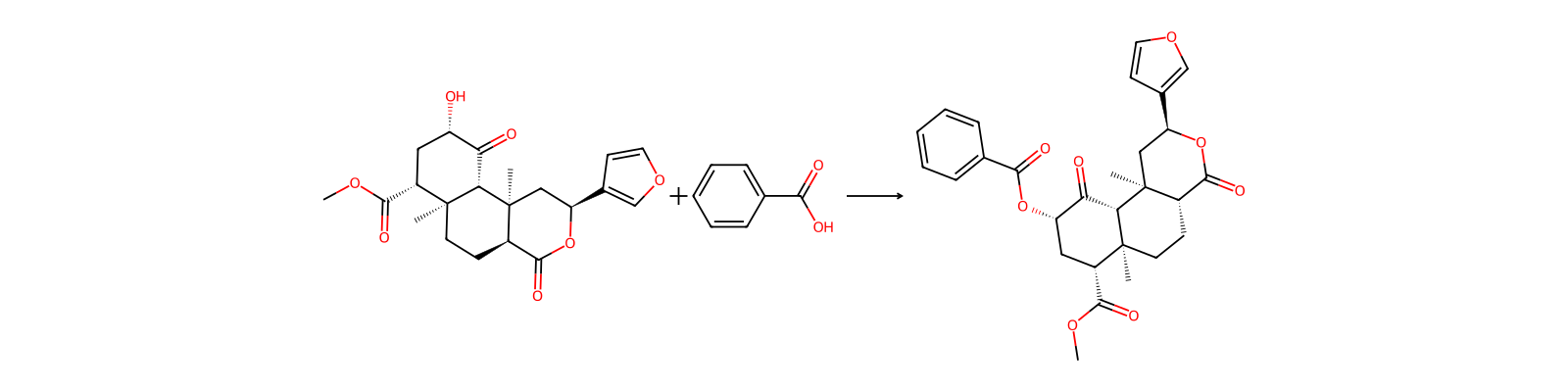
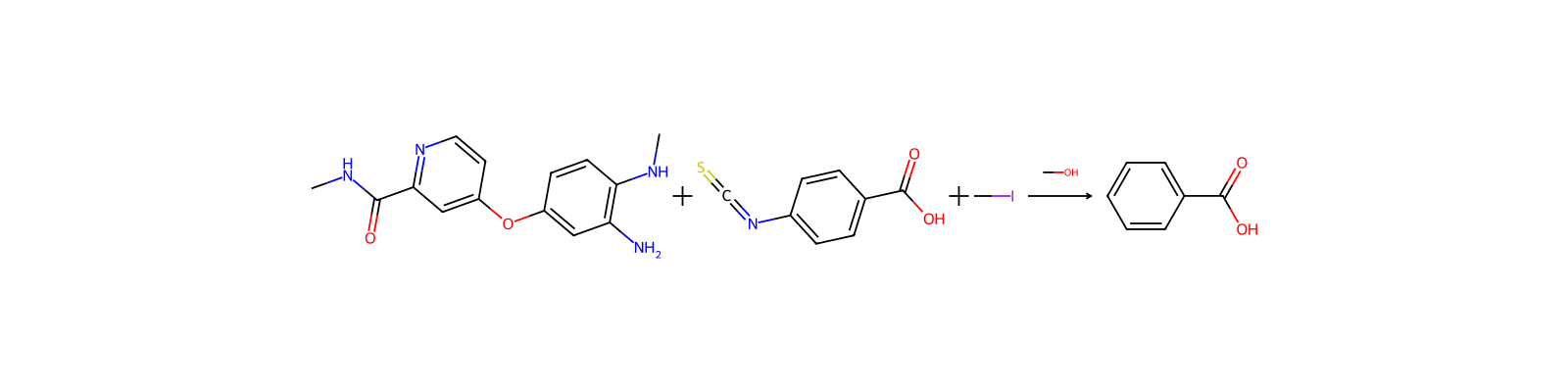

Linked notes
Loading…