
Basic information
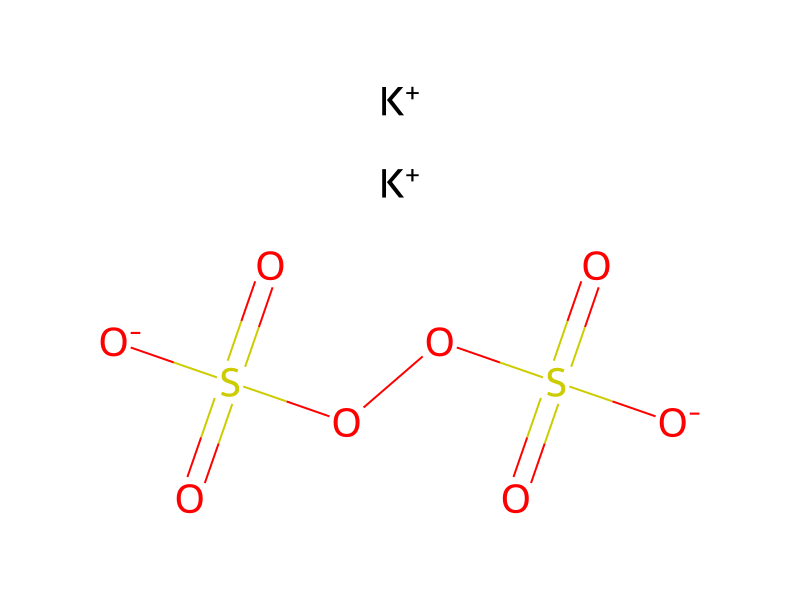
- Standard SMILES
O=S(=O)([O-])OOS(=O)(=O)[O-].[K+].[K+]- InChIKey
USHAGKDGDHPEEY-UHFFFAOYSA-L- Molecular formula
- K2O8S2
- Average molar mass
- 270.33 g/mol
- Monoisotopic mass
- 269.83087232
Overview
Potassium persulfate appears as a white crystalline solid. Specific gravity 2.477. Decomposes below 100 °C.
Names & identifiers
- Preferred name
- Potassium Persulfate
- IUPAC
- dipotassium;sulfonatooxy sulfate
- English name
- Potassium persulfate
- Molecular formula
- K2O8S2
- Molecular weight
- 270.32
Names & synonyms
POTASSIUM PERSULFATE7727-21-1AnthionPotassium peroxydisulfatePotassium peroxodisulfatePotassium peroxydisulphateDipotassium persulfateDipotassium peroxydisulfatepotassium persulphatePeroxydisulfuric acid, dipotassium salt6B86K0MCZCDTXSID4029690
Show more names
KPSdipotassium peroxodisulfatePEROXYDISULFURIC ACIDVirkon SPotassum Suphates
Potassium peroxydisulfate (K2(S2O8))Peroxydisulfuric acid (((HO)S(O)2)2O2), dipotassium saltDTXCID809690NSC-326763RefChem:175575K2S2O8231-781-8POTASSIUM PEROXYDISULFATE (K2S2O3)
Database identifiers
- CAS
7727-21-1- PubChem CID
- 24412
- DTXSID
DTXSID4029690- ChEMBL
CHEMBL3186858- UNII
- 6B86K0MCZC
- EC Number
- 231-781-8
- Nikkaji
- J43.953C
Properties
Computed structural properties
- Topological polar surface area
- 150 Ų
- Hydrogen bond donors
- 0
- Hydrogen bond acceptors
- 8
- Rotatable bonds
- 1
- Heavy atoms
- 12
- Formal charge
- 0
- Complexity
- 206
Experimental & physicochemical properties
Chemical Classes
Other Classes -> Inorganic Oxidizing Agents
Reactive agents - 1st degree
Cosmetics
Cosmetic ingredients (Potassium Persulfate) -> CIR (Cosmetic Ingredient Review)
Oxidising
pHAQUEOUS SOLN IS ACIDIC
OdorODORLESS
Food AdditivesSURFACE-ACTIVE AGENT -> FDA Substance added to food
Density
2.477
2.5 g/cm³
2.477 @25 °C
Color/Form
COLORLESS, TRICLINIC CRYSTALS
WHITE CRYSTALS
Solubility
1.75 G IN 100 CC OF WATER @ 0 °C
5.2 G IN 100 CC OF HOT WATER @ 20 °C
INSOL IN ALCOHOL
Solubility in water, g/100ml at 20 °C: 5.2
DecompositionDangerous when heated to decomp, emits highly toxic fumes of /sulfur oxides/.
Vapor Density2.48
Food Contact SubstancesFCS -> FDA Inventory of Food Contact Substances Listed in 21 CFR
Refractive IndexINDICES OF REFRACTION: 1.461, 1.467, 1.566
Physicochemical properties
- Melting point
- 1067 °C · 1067 °C
- Boiling point
- 1689 °C · 1689 °C
- Density
- 2.47 · 2.47
- bulk density
- 1150 kg/m3 · 1150kg/m3
- vapor density
- 9.3 · 9.3 (vs air)
- vapor pressure
- 0 Pa · 0Pa at 25℃
- storage temp.
- 5 °C · Store at +5°C to +30°C.
- solubility
- 2 O: · H2O: 0.5 M at 20 °C, clear, colorless
- form
- Solid
- Specific Gravity
- 2.477 · 2.477
- color
- White
- PH
- 3.2 · 3.2 (50g/l, H2O, 20℃)
- Odor
- Odorless
- PH Range
- 2.5 · 2.5 - 4.5
- Water Solubility
- 5 g/100 · 5 g/100 mL (20 ºC)
- Merck
- 14 · 14,7656
- Exposure limits
- 0.1 mg/m3 · ACGIH: TWA 0.1 mg/m3
- Stability
- Stable. Strong oxidizer. Incompatible with strong reducing agents, organic materials, combustible materials.
- Cosmetics Ingredients Functions
- OXIDISING
- InChI
- 1S/2K.H2O8S2/c;;1-9(2,3)7-8-10(4,5)6/h;;(H,1,2,3)(H,4,5,6)/q2*+1;/p-2
- InChIKey
- USHAGKDGDHPEEY-UHFFFAOYSA-L
- SMILES
- [K+].[K+].[O-]S(=O)(=O)OOS([O-])(=O)=O
- LogP
- -1 at · -1 at 20℃
- CAS DataBase Reference
- 7727 · 7727-21-1(CAS DataBase Reference)
- Substances Added to Food (formerly EAFUS)
- POTASSIUM PERSULFATE
- FDA 21 CFR
- 175.105 · 175.105; 175.210; 176.170;177.1210; 177.2600
- EWG's Food Scores
- 3 · 3-6
- NCI Dictionary of Cancer Terms
- KPS
- FDA UNII
- 6 B86K0MCZC · 6B86K0MCZC
- EPA Substance Registry System
- Potassium persulfate (7727-21-1)
- Cosmetics Info
- Potassium Persulfate
- UNSPSC Code
- 12352302 · 12352302
- NACRES
- 23 · NA.23
- Symbol(GHS)
- 3 · GHS03,GHS07,GHS08
- Signal word
- Danger
- Hazard statements
- 272 · H272-H302-H315-H319-H317-H335-H334
- Precautionary statements
- 210 · P210-P220-P280-P264-P270-P261-P272-P271-P284-P370+P378-P301+P312-P330-P302+P352-P332+P313-P362+P364-P305+P351+P338-P337+P313-P333+P313-P304+P340-P312-P342+P311-P403+P233-P405-P501
- target organs
- Respiratory system
- Hazard Codes
- O,Xn
- Risk Statements
- 8 · 8-22-36/37/38-42/43
- Safety Statements
- 22 · 22-24-26-37
- RIDADR
- 1492 · UN 1492
- WGK Germany
- 1 · 1
- RTECS
- 5900000 · TT5900000
- TSCA
- TSCA listed
- HS Code
- 2833 · 2833 40 00
- HazardClass
- 5.1 · 5.1
- PackingGroup
- III
- Storage Class
- 5.1 B · 5.1B - Oxidizing hazardous materials
- Hazard Classifications
- 4 OralEye · Acute Tox. 4 OralEye Irrit. 2Ox. Sol. 3Resp. Sens. 1Skin Irrit. 2Skin Sens. 1STOT SE 3
- Hazardous Substances Data
- 7727 · 7727-21-1(Hazardous Substances Data)
- Toxicity
- 50 orally · LD50 orally in Rabbit: 802 mg/kg
- REACH Registrations
- Active
- Limited Quantities
- 5 kg · 5.0 kg (11 lbs) (solid)
- Excepted Quantities
- Max Inner Pack (30g or 30ml) and Max Outer Pack (1Kg or 1L)
Safety & regulation
GHS classification
GHS Classification
Danger
H272: May intensify fire; oxidizer [Danger Oxidizing liquids; Oxidizing solids]
P210, P220, P233, P260, P261, P264, P264+P265, P270, P271, P272, P280, P284, P301+P317, P302+P352, P304+P340, P305+P351+P338, P319, P321, P330, P332+P317, P333+P317, P337+P317, P342+P316, P362+P364, P370+P378, P403, P403+P233, P405, and P501 (click each P-code to see the statement)
Danger
H272 (100%): May intensify fire; oxidizer [Danger Oxidizing liquids; Oxidizing solids]
P210, P220, P233, P260, P261, P264, P264+P265, P270, P271, P272, P280, P284, P301+P317, P302+P352, P304+P340, P305+P351+P338, P319, P321, P330, P332+P317, P333+P317, P337+P317, P342+P316, P362+P364, P370+P378, P403, P403+P233, P405, and P501 (click each P-code to see the statement)
Hazard information
Regulatory Information
Chemical: Peroxydisulfuric acid ([(HO)S(O)2]2O2), potassium salt (1:2)
Hazard Traits - Respiratory Toxicity
Peroxydisulfuric acid ([(HO)S(O)2]2O2), potassium salt (1:2) is listed on the EPA's Chemical Data Reporting (CDR) system. Manufacturers and importers of Peroxydisulfuric acid ([(HO)S(O)2]2O2), potassium salt (1:2) are required to report information about their production and use of this chemical to the EPA under the Toxic Substances Control Act (TSCA). (40 eCFR Part 711)
Status: Active Update: 20-10-2022 https://echa.europa.eu/registration-dossier/-/registered-dossier/14185
Peroxydisulfuric acid, dipotassium salt: HSNO Approval: HSR001343 Approved with controls
The New Jersey Worker and Community Right to Know Act requires public and private employers to provide information about hazardous substances at their workplaces. (N.J.S.A. 34:5A-1 et. seq.)
Other Safety InformationPEC / SN / Other assessments - Ammonium, potassium and sodium persulfate in hairdressing: Health
DOT LabelOxidizer
Fire Hazards
Excerpt from ERG Guide 140 [Oxidizers]:
CAUTION: Ammonium nitrate products may explode if involved in fire or contaminated with hydrocarbons (fuels), organic matter, other contaminants or when hot molten and contained. Treat as an explosive (GUIDE 112).
Not combustible but enhances combustion of other substances. Gives off irritating or toxic fumes (or gases) in a fire. Risk of fire and explosion on contact with combustible substances.
Fire PotentialPOTASSIUM PERSULFATE PLUS A LITTLE POTASSIUM HYDROXIDE & WATER IGNITED POLYTHENE (POLYETHYLENE) LINER OF CONTAINER BY SIMULTANEOUS RELEASE OF HEAT & OXYGEN.
Health Hazards
Excerpt from ERG Guide 140 [Oxidizers]:
· Inhalation, ingestion or contact (skin, eyes) with vapors or substance may cause severe injury, burns or death.
Hazards Summary
Frequent skin rashes are reported in workers exposed to persulfates (S2O8). Rats inhaling 4-20 mg/m3 of ammonium persulfate 23.5 hours/day for 7 days show signs of lung inflammation and loss of body weight. The TLV is proposed to reduce irritation of skin, throat, and respiratory tract. [ACGIH] May cause skin sensitization; [CHEMINFO] May cause respiratory sensitization; [eChemPortal: NICNAS] A skin, eye, and respiratory tract irritant; May cause skin sensitization, dermatitis, and asthma after prolonged contact; May cause general allergic reaction, like urticaria or shock. [ICSC] An irritant; May cause skin and respiratory sensitization after prolonged contact; [MSDSonline] It may induce either Type I reactions (urticaria, anaphylaxis, and asthma) or Type IV reactions (allergic contact dermatitis). [Kanerva, p. 1514] See Ammonium persulfate.
DOT ID and Guide1492 140
Reactive GroupOxidizing Agents, Strong
EC ClassificationSymbol: O, Xn; R: 8-22-36/37/38-42/43; S: (2)-22-24-26-37
UN ClassificationUN Hazard Class: 5.1; UN Pack Group: III
Reactivity AlertsStrong Oxidizing Agent
Safety & protection
Fire Fighting
Excerpt from ERG Guide 140 [Oxidizers]:
In case of fire in the surroundings, use appropriate extinguishing media. In case of fire: keep drums, etc., cool by spraying with water.
First Aid Measures
Fresh air, rest. Artificial respiration may be needed. Refer for medical attention.
First rinse with plenty of water for at least 15 minutes, then remove contaminated clothes and rinse again.
First rinse with plenty of water for several minutes (remove contact lenses if easily possible), then refer for medical attention.
Rinse mouth. Give one or two glasses of water to drink. Refer for medical attention .
Accidental Release Measures
· CALL 911. Then call emergency response telephone number on shipping paper. If shipping paper not available or no answer, refer to appropriate telephone number listed on the inside back cover.
· Keep combustibles (wood, paper, oil, etc.) away from spilled material.
First Aid
Excerpt from ERG Guide 140 [Oxidizers]:
General First Aid:
Safe StorageCool. Dry. Well closed. Separated from combustible substances, reducing agents and strong bases.
Exposure Control and Personal Protection· Wear positive pressure self-contained breathing apparatus (SCBA).
Storage ConditionsKeep containers closed and store in cool dark places.
Cleanup Methods
Cover with reducing agents such as hypo, bisulfites or ferrous salts. Bisulfites or ferrous salts need additional promoter of some 3M sulfuric acid to accelerate reaction. Transfer the slurry (or sludge) into a large container of water and neutralize with soda ash. Drain into a sewer with abundant water.
Nonfire Spill ResponseExcerpt from ERG Guide 140 [Oxidizers]:
Disposal MethodsUse vast volume of concentrated solution of reducing agent (bisulfites or ferrous salts with 3M sulfuric acid or hypo). Neutralize with soda ash or dilute hydrogen chloride. Drain into a sewer with abundant water.
Spillage Disposal
Personal protection: particulate filter respirator adapted to the airborne concentration of the substance. Do NOT let this chemical enter the environment. Do NOT absorb in saw-dust or other combustible absorbents. Sweep spilled substance into covered containers. If appropriate, moisten first to prevent dusting. Cautiously neutralize remainder. Wash away remainder with plenty of water.
Isolation and Evacuation
Excerpt from ERG Guide 140 [Oxidizers]:
Immediate precautionary measure
Toxicology
Adverse EffectsSkin Sensitizer - An agent that can induce an allergic reaction in the skin.
Exposure RoutesThe substance can be absorbed into the body by inhalation of its aerosol and by ingestion.
Toxicity Summary
The CIR Expert Panel concluded that Ammonium, Potassium, and Sodium Persulfate are safe as used as oxidizing agents in hair colorants and hair lighteners designed for brief discontinuous use followed by thorough rinsing from the hair and skin. The Panel also concluded that the available data are insufficient for determining the safety of these persulfates in leave-on products and dentifrices.
Safe for use in cosmetics, with qualifications
Signs and Symptoms
Cough. Wheezing. Sore throat. Laboured breathing.
Redness. Pain.
Redness. Pain.
Nausea. Vomiting. Abdominal pain. Diarrhoea.
ICSC Environmental DataThe substance is harmful to aquatic organisms.
Human Toxicity Excerpts
ONLY ONE INSTANCE OF BURN OF HUMAN CORNEA SEEMS TO HAVE BEEN RECORDED AND THIS HEALED IN 48 HR. NO DETAILS HAVE BEEN FURNISHED.
MODERATE IRRITANT & ALLERGEN.
Toxicity DataLC50 (rat) > 10,725 mg/m3/4h
Safety data
- wgk
- 1
- tsca
- TSCA listed
- rtecs
- TT5900000
- ridadr
- UN 1492
- hs_code
- 2833 40 00
- Toxicity
- LD50 orally in Rabbit: 802 mg/kg
- risk_code
- 8-22-36/37/38-42/43
- Signal word
- Danger
- Symbol(GHS)
- GHS03,GHS07,GHS08
- hazard_code
- O,Xn
- safety_code
- 22-24-26-37
- hazard_class
- 5.1
- Storage Class
- 5.1B - Oxidizing hazardous materials
- packing_group
- III
- target organs
- Respiratory system
- Hazard statements
- H272-H302-H315-H319-H317-H335-H334
- Limited Quantities
- 5.0 kg (11 lbs) (solid)
- Excepted Quantities
- Max Inner Pack (30g or 30ml) and Max Outer Pack (1Kg or 1L)
- REACH Registrations
- Active
- Hazard Classifications
- Acute Tox. 4 OralEye Irrit. 2Ox. Sol. 3Resp. Sens. 1Skin Irrit. 2Skin Sens. 1STOT SE 3
- Precautionary statements
- P210-P220-P280-P264-P270-P261-P272-P271-P284-P370+P378-P301+P312-P330-P302+P352-P332+P313-P362+P364-P305+P351+P338-P337+P313-P333+P313-P304+P340-P312-P342+P311-P403+P233-P405-P501
- Hazardous Substances Data
- 7727-21-1(Hazardous Substances Data)
Chemistry & industry
Uses & manufacturing
Uses
CIR ingredient: Potassium Persulfate
Used to make soap (bleaching), promote polymerization, condition flour, and modify starch; Also used as a reducing agent in photography, a desizing agent in textiles, and an oxidizing agent for dyes; [HSDB]
Photographic Processing [Category: Other]
MEDICATION
SOAP MANUFACTURE; ANALYTICAL REAGENT; POLYMERIZATION PROMOTER; PHARMACEUTICALS; MODIFICATION OF STARCH; FLOUR-MATURING AGENT; DESIZING OF TEXTILES; REDUCING AGENT IN PHOTOGRAPHY
PRINCIPALLY AN INITIATOR IN EMULSION POLYMERIZATIONS; BLEACH FOR SOAP, FAT; OXIDIZING AGENT FOR DYES
U.S. Exports840,916 lb from Japan (1986)
U.S. Production2023: <75,000 lb
Methods of Manufacturing
REACTION OF POTASSIUM BISULFATE SOLN WITH AMMONIUM PEROXYDISULFATE ELECTROLYSIS LIQUORS
BY ELECTROLYSIS OF SATURATED SOLN OF POTASSIUM SULFATE.
Formulations/PreparationsARTICLE OF COMMERCE CONTAINS 93-97% POTASSIUM PERSULFATE.
Household Products
Cosmetics product ingredient: Dipotassium peroxodisulphate
Information on 18 consumer products that contain Potassium persulfate in the following categories is provided:
Use Classification
Food Additives -> FLOUR_TREATMENT_AGENT -> JECFA Functional Classes
Cosmetics -> Oxidising
General Manufacturing Information
Peroxydisulfuric acid ([(HO)S(O)2]2O2), potassium salt (1:2): ACTIVE
... IN PHOTOGRAPHY UNDER THE NAME ANTHION TO REMOVE LAST TRACES OF THIOSULFATE FROM PLATES AND PAPER ...
POTASSIUM PERSULFATE HAS BEEN FOUND USEFUL IN WASTE GAS TREATMENT.
Applications
UsesIt can be used as gluten agent of wheat flour. It is mainly used as a disinfectant and fabric bleach. It can be used as industrial oxidant in dyes and inorganic salts. It can be used as emulsion polymerization initiators in synthetic rubber industry. It can be used as polymerization accelerator in synthetic resin. In addition, it can also be used in the steel, photographic industry and medicine. It can be used as analytical reagents, oxidants and plastic initiator, it can also be used in the film photofinishing. The above information is edited by the chemicalbook of Wang Xiaodong.
DescriptionPotassium persulfate, is composed of white crystals that are soluble in water, and it decomposes below 212°F (100°C). Potassium persulfate is a dangerous fire risk in contact with organic materials. It is a strong oxidizing agent and an irritant, with a four-digit UN identification number of 1492. The primary uses are in bleaching, as an oxidizing agent, as an antiseptic, as a polymerization promoter, and in the manufacture of pharmaceuticals.
UsesPotassium persulfate is used to initiate the polymerization of styrene to form monodispersed, surfactant-free polystyrene spheres. Potassium persulfate is used as an oxidant to generate 2,2-azinobis(3-ethylbenzothiazoline-6-sulfonic acid) (ABTS) radical cation to measure the antioxidant activities of natural compounds.
UsesBleaching fabrics, soaps; in photography under the name Anthion to remove last traces of thiosulfate from plates and paper; in analytical chemistry.
UsesPotassium persulfateis a powerful oxidant, commonly used to initiate polymerizations. Potassium Persulphate used for bleaching and textile desizing, as an oxidizing agent and antiseptic, in purification of ammonium sulfate, and in the manufacture of soap and pharmaceuticals. It is also used as al laboratory oxidant and photography chemical. It is a food additive.
General DescriptionA white crystalline solid. Specific gravity 2.477. Decomposes below 100°C.
Preparation methods
PreparationPotassium persulfate can be prepared by electrolysis of a mixture of potassium sulfate and potassium hydrogen sulfate at a high current density:2KHSO4→K2S2O8+ H2Also, the compound can be prepared by adding potassium hydrogen sulfate,KHSOto an electrolyzed solution of ammonium hydrogen sulfate, NH4HSO4.
Upstream & downstream products
Upstream raw materials
Downstream products
Suppliers50 total
国药集团化学试剂有限公司86-21-63210123 · [email protected]
北京华美互利生物化工010-56205725 · [email protected]
上海阿拉丁生化科技股份有限公司400-6206333 13167063860 · [email protected]
Shandong chuangyingchemical Co., Ltd.18853181302 · [email protected]
南通润丰石油化工有限公司66017690 19952660367 · [email protected]
上海光铧科技有限公司13801626616 · [email protected]
天津市恒兴化学试剂制造有限公司022-26772349 15822233318 · [email protected]
河北创海生物科技有限公司+86-86-13131129325 · [email protected]
Dayang Chem (Hangzhou) Co.,Ltd.+86-0571-88938639 17705817739 · [email protected]
济南创世化工有限公司0531-88770911 18888332244;15154153272
上海迈瑞尔生化科技有限公司4006356688 18621169109 · [email protected]
天津中信凯泰化工有限公司022-66880623 · [email protected]
阿法埃莎(中国)化学有限公司400-6106006 · [email protected]
安耐吉化学&3A(安徽泽升科技股份有限公司)400-0056266 · [email protected]
武汉卡诺斯科技有限公司027-83238443 15327105076 · [email protected]
上海瀚鸿科技股份有限公司021-54306202 13764082696 · [email protected]
上海沃化化工有限公司021-57681602-802 17302146015 · [email protected]
济南世纪通达化工有限公司15605418165
上海景颜化工科技有限公司13817811078 · [email protected]
上海泰坦科技股份有限公司400-6009262 15618770481 · [email protected]
山东艺鸿化工有限公司15253143303 15269100373
山东西亚化学有限公司13355009207 13355009207 · [email protected]
玛雅试剂+86 (573) 82222445 (0)18006601000 452520369 · [email protected]
四川库利南科技有限公司400-1166-196 18981987031 · [email protected]
天津希恩思生化科技有限公司400 638 7771 · [email protected]
南京化学试剂股份有限公司025-58369808 17895012682 · [email protected]
济南利扬化工有限公司18866405560; 18866405560 · [email protected]
斯百全化学(上海)有限公司021-021-021-67601398-809-809-809 15221380277 · [email protected]
艾科试剂4008-755-333 18080918076 · [email protected]
赛默飞世尔科技(中国)有限公司800-810-5118 · [email protected]
北京伊诺凯科技有限公司400-810-7969 010-59572699 · [email protected]
上海遐瑞医药科技有限公司+86 21 61551611
北京环宇世纪化学科技有限公司hysj_bj.com
上海将来实业股份有限公司021-61552785 · [email protected]
日照力德士化工有限公司010-51268198 · [email protected]
大连瑞闻科技有限公司86-0411-62789512 · [email protected]
上海爱蝶实业有限公司021-58957966 18930537195 · [email protected]
成都零六生物科技有限公司400-1166-196 13458535857 · [email protected]
广拓化学(上海)有限公司021-60899189-8001 18918189673 · [email protected]
雷丁试剂0510-85629785 18013409632 · [email protected]
天津普西唐生物医药科技有限公司010-60605840 · [email protected]
上海麦克林生化科技股份有限公司15221275939 15221275939 · [email protected]
武汉弘德悦欣医药科技有限公司027-83855396 15271852016
成都润泽本土化工有限公司13096311329 028-88469284 616445927 · [email protected]
池州凯隆进出口贸易有限公司[email protected]
Sigma-Aldrich西格玛奥德里奇(上海)贸易有限公司021-61415566 800-8193336 · [email protected]
康迪斯化工(湖北)有限公司13343438265 · [email protected]
上海昕凯医药科技有限公司21-619849051-1 18521059765 · [email protected]
九鼎化学(上海)科技有限公司4009209199 · [email protected]
厦门志信化学有限公司+86-5922680277 +86-13806087780 · [email protected]
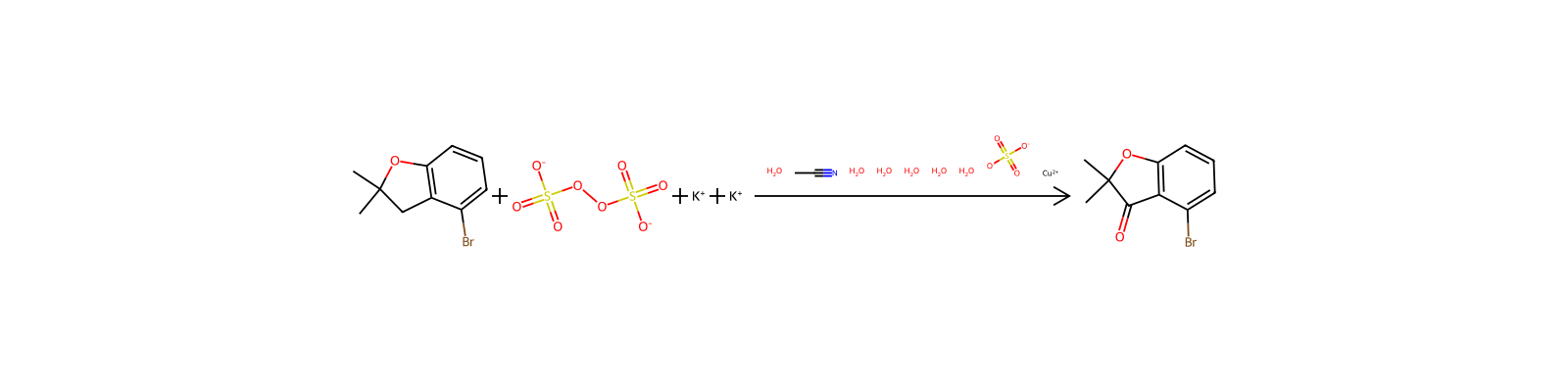
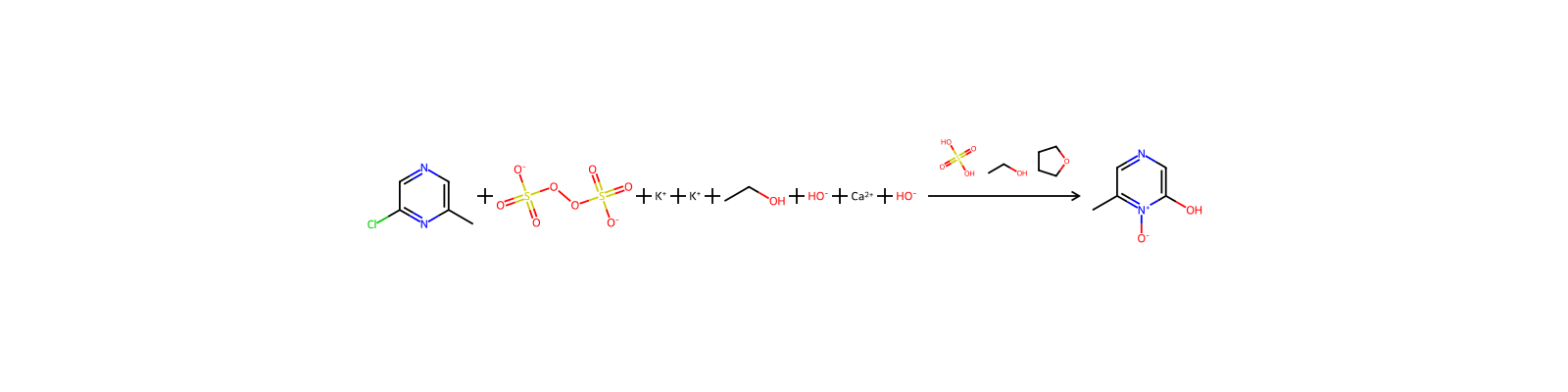
Related reactions
274 records





Linked notes
Loading…