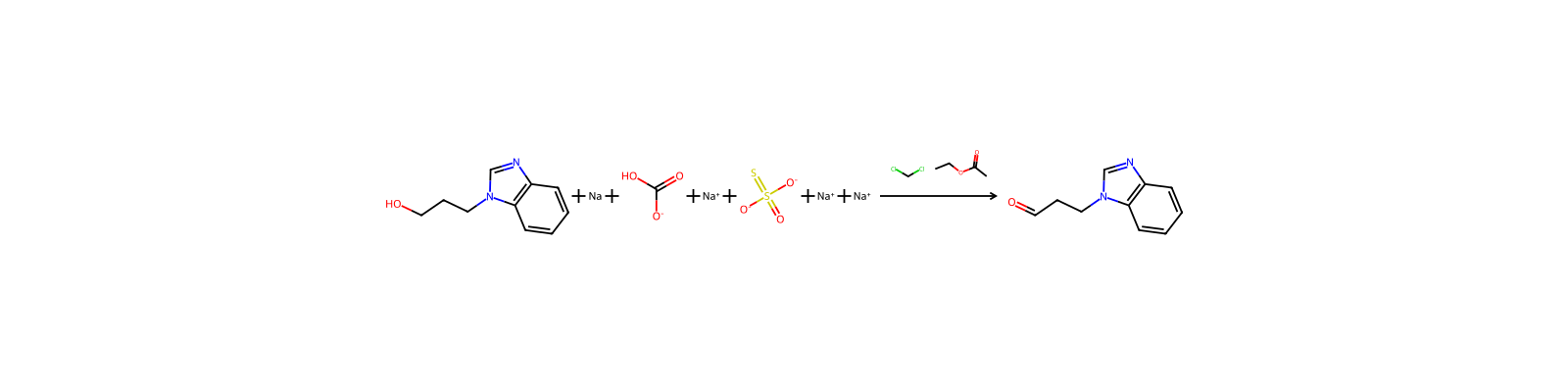
HRID 7127As reactant
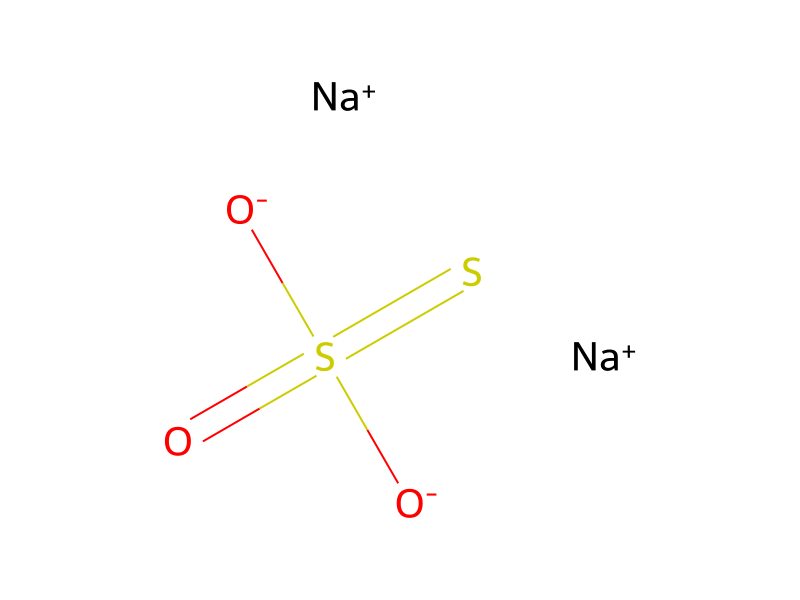
7772-98-7O=S([O-])([O-])=S.[Na+].[Na+]AKHNMLFCWUSKQB-UHFFFAOYSA-LSodium thiosulfate is an inorganic sodium salt composed of sodium and thiosulfate ions in a 2:1 ratio. It has a role as a nephroprotective agent, an antifungal drug and an antidote to cyanide poisoning. It contains a thiosulfate(2-).
7772-98-7DTXSID9042417CHEMBL2096650、CHEMBL37532021.667
1.7 g/cm³
POWDER
COLORLESS MONOCLINIC CRYSTALS
PRACTICALLY INSOL IN ALCOHOL
50 G SOL IN 100 CC WATER; 231 G @ 100 °C
Solubility in water, g/100ml at 20 °C: 20.9
FDA approved drugs -> Active ingredient
EMA approved medicines: Human medicine
FDA approved drugs -> Active ingredient
Antidotes and other substances used in poisonings > Specific
DANGEROUS; WHEN HEATED TO DECOMP, THEY EMIT HIGHLY TOXIC FUMES OF /DISODIUM OXIDE AND SULFUR OXIDES/.
Safety information is for reference only and does not replace the supplier’s Safety Data Sheet (SDS), applicable regulations, or professional assessment.
Not Classified
Aggregated GHS information provided per 2963 reports by companies from 8 notifications to the ECHA C&L Inventory.
Chemical: Thiosulfuric acid (H2S2O3), disodium salt
Thiosulfuric acid (H2S2O3), sodium salt (1:2) is listed on the EPA's Chemical Data Reporting (CDR) system. Manufacturers and importers of Thiosulfuric acid (H2S2O3), sodium salt (1:2) are required to report information about their production and use of this chemical to the EPA under the Toxic Substances Control Act (TSCA). (40 eCFR Part 711)
REACH registered substance: Sodium thiosulphate (EC: 231-867-5)
Sodium thiosulphate: Does not have an individual approval but may be used under an appropriate group standard
Potential combustible dust hazard; Decomposes slowly in water with potential generation of toxic and flammable hydrogen sulfide and corrosive hydrogen sulfite and sulfuric acid; Very soluble in water; Extremely low vapor pressure; May violently decomposes at 223 deg C; [CHEMINFO] ADI = 0-0.7 mg/kg; [JECFA] May be used in food up to 0.1%; [Hawley] See Potassium thiosulfate.
/ANTIFUNGAL ACTION OF SODIUM THIOSULFATE, USP,/...IS PROBABLY ATTRIBUTABLE TO SLOW RELEASE OF COLLOIDAL SULFUR.
IN CYANIDE POISONING, SODIUM NITRITE IS INJECTED IV...TO PRODUCE METHEMOGLOBIN WHICH COMBINES WITH...CYANIDE ION & RENDERS IT TEMPORARILY INACTIVE IN FORM OF CYANMETHEMOGLOBIN. SODIUM THIOSULFATE /USP/ IS THEN INJECTED IV TO FORM NONTOXIC THIOCYANATE.
THIOSULFATE SERVES AS SUBSTRATE FOR ENZYME RHODANESE, WHICH MEDIATES CONVERSION OF CYANIDE TO MUCH LESS TOXIC THIOCYANATE, WHICH IS EXCRETED IN URINE.
Agents counteracting or neutralizing the action of POISONS.
Naturally occurring or synthetic substances that inhibit or retard oxidation reactions. They counteract the damaging effects of oxidation in animal tissues.
Drugs used in the treatment of tuberculosis. They are divided into two main classes: first-line agents, those with the greatest efficacy and acceptable degrees of toxicity used successfully in the great majority of cases; and second-line drugs used in drug-resistant cases or those in which some other patient-related condition has compromised the effectiveness of primary therapy.
Chemicals that bind to and remove ions from solutions. Many chelating agents function through the formation of COORDINATION COMPLEXES with METALS.
It is added in small quantities to ammonium thiosulfate, which is used as a photographic fixing salt. The hydrated salt is used as an anti-chlorine in bleaching, in wastewater purification, for reduction of dichromate in chromed leather production, and as a solvent for silver chloride in the chloride roasting of silver-containing minerals. [Ullmann] Used in paper bleaching, photography (fixer), silver extraction, dyeing textiles (mordant), and leather manufacturing; Also used as an antidote for cyanide poisoning and in vet medicine for bloat and ringworm; [Merck Index]



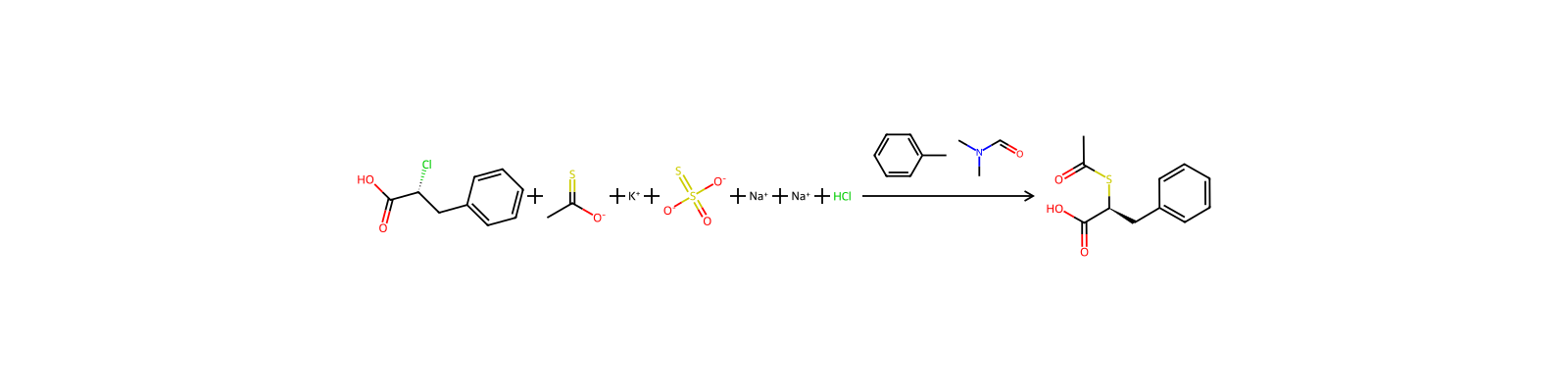
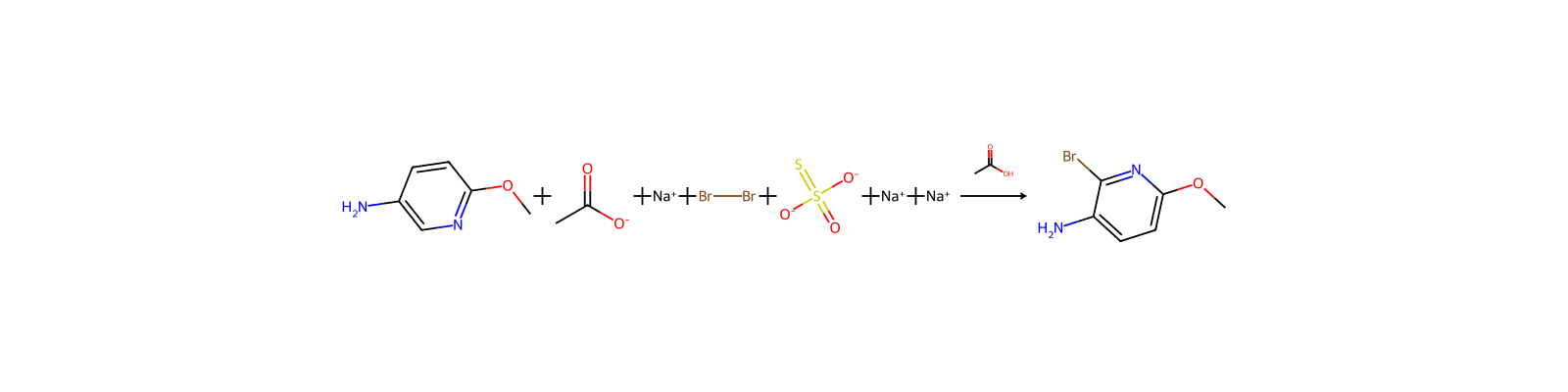


CHEBI:132112300 °C
DRY TRITURATION WITH OXIDIZING AGENTS SUCH AS POTASSIUM CHLORATE, POTASSIUM PERMANGANATE, OR NITRATE MAY CAUSE EXPLOSION.
WHEN SODIUM NITRITE & THIOSULFATE MIXT WAS HEATED TO EVAPORATE TO DRYNESS, VIOLENT EXPLOSION OCCURRED.
Fresh air, rest.
Rinse and then wash skin with water and soap.
Rinse with plenty of water for several minutes (remove contact lenses if easily possible).
Rinse mouth.
5.8 [mg/m3]
64 [mg/m3]
380 [mg/m3]
Drug Induced Liver Injury Rank (DILIrank 2.0)
Sodium thiosulfate
vNo-DILI-concern
0
No match
DOI:10.1016/j.drudis.2016.02.015
Pulp and Paper Processing [Category: Industry]
Applying metallic patinas [Category: Hobbies]
TO REMOVE CHLORINE FROM SOLN; AS "ANTICHLOR" IN BLEACHING OF PAPER PULP; FIXER IN PHOTOGRAPHY; MORDANT IN DYEING & PRINTING TEXTILES; REDUCER IN CHROME DYEING, MFR LEATHER; EXTRACTING OF SILVER FROM ORES; BLEACHING BONE, STRAW, IVORY; REAGENT IN ANALYTICAL CHEMISTRY; ANTIDOTE (CYANIDE POISONING)
SEQUESTRANT IN SALT
PHOTOGRAPHIC AGENT TO DISSOLVE SILVER HALIDES; AGENT IN CHROME LEATHER TANNING; ANTICHLOR IN BLEACHING CELLULOSE PRODUCTS; SOURCE OF SULFUR DIOXIDE IN BLEACHING VARIOUS PRODUCTS; PRESERVATIVE; CHEMICAL INTERMEDIATE
(1972) No Data
(1975) No Data
(1984) 6.54X10+9 g /Sodium Sulfite, Bisulfite, Metabisulfite, and Thiosulfate/
(1972) No Data
(1975) 3.44X10+8 GRAMS (INCL SULFITES)
(1984) 9.51X10+9 g /Sodium Sulfite/, Bisulfite, Metabisulfite, and Thiosulfate/
2023: 85,000,000 - <100,000,000 lb
(1972) 1.96X10+10 GRAMS
(1975) 1.7X10+10 GRAMS
90% FOR PHOTOGRAPHY; 5% FOR LEATHER TANNING; 5% FOR CHEMICALS AND MISC APPLICATIONS (1969)
Photographic, 25%; Anitchlor: Paper-25%, Water-20%, Chlor/Alkali-10%; Oil Well Drilling Muds, 10%; Tetramethyl Lead Manufacture, 5%; Other, 5% (1985)
BY-PRODUCT LIQUOR FROM SODIUM SULFIDE PRODUCTION IS REACTED WITH SULFUR DIOXIDE TO YIELD SODIUM THIOSULFATE; OR ORGANIC NITRO COMPOUNDS ARE BOILED WITH SODIUM POLYSULFIDE SOLUTION TO YIELD A LEACH LIQUOR OF SODIUM THIOSULFATE, WHICH IS THEN PURIFIED, CONCENTRATED AND CRYSTALLIZED
BY DISSOLVING SULFUR IN SODIUM SULFITE SOLN & THEN CRYSTALLIZING. IT IS ALSO PREPARED FROM WASTE LIQUORS OBTAINED IN PRODN OF SODIUM SULFIDE, LIQUORS CONTAINING SODIUM CARBONATE & SMALL AMT OF SODIUM SULFITE & SODIUM SULFATE IN ADDN TO SULFIDE.
EPA Safer Chemical Functional Use Classes -> Processing Aids and Additives
Safer Chemical Classes -> Green half-circle - The chemical is expected to be of low concern
Food Additives -> ANTIOXIDANT; PRESERVATIVE; SEQUESTRANT -> JECFA Functional Classes
Food Additives -> ANTIOXIDANT; PRESERVATIVE; SEQUESTRANT -> JECFA Functional Classes
Cosmetics -> Reducing
All Other Basic Inorganic Chemical Manufacturing
Thiosulfuric acid (H2S2O3), sodium salt (1:2): ACTIVE
INCOMP: ACIDS DECOMP /IT/...WITH...PPTN /OF SULFUR & LIBERATION OF SO2/. IN ACID SOLN.../IT/ HAS REDUCING POWERS, & IS THEREFORE INCOMPATIBLE WITH OXIDIZING AGENTS. LEAD, SILVER & MERCUROUS SALTS PPT AS THIOSULFATES. SILVER HALIDES ARE MADE SOL BY.../IT/. BISMUTH SUBNITRATE IS PARTIALLY CONVERTED TO METALLIC BISMUTH.
SODIUM THIOSULFATE IS ONE OF INGREDIENTS WHICH MAY BE FOUND IN CHEMISTRY SETS. /FROM TABLE/
DescriptionSodium thiosulfate is a commonly used chemical material, as the fixing agent in photography, film and printing plate-making industry, as a reducing agent used in tanning. It is used as a bleaching agent for removing residual and a mordant in the paper and textile industries, as antidotes of cyanide poisoning in medicine, as dechlorination agent and fungicides of drinking water and wastewater in water treatment, as a copper corrosion inhibitor of circulating cooling water and a deoxidizer of boiler water systems. It is also used for Cyanide wastewater treatment. Soda ash and sulfur are generally used as raw materials in industry, soda ash reacts with sulfur dioxide produced by the combustion of sulfur to produce sodium sulfite, then add sulfur for boiling reactions, and then filter, bleach, concentrate and crystallize, etc, can obtain sodium thiosulfate pentahydrate. Other production waste containing sodium sulfide, sodium sulfite, sulfur and sodium hydroxide can also be used, after appropriate treatment to get the product. The above information is edited by Yan Yanyong of Chemicalbook.
Uses1. Sodium thiosulfate is Used in manufacture of the fixing powder and preparation of the photographic industry fixer, desiccant. Used as a reducing agent of dichromate in leather tanning industry. 2. Sodium thiosulfate is an important inorganic chemical raw material. It can be used in the synthesis of pesticides Bisultap, Thiosultap disodium, CARTAP and so on. 3. Used as analytical reagents, mordant and fixer. 4. Used as new insecticides, with stomach poisoning, uptake and contact action effects, it can prevent and treat rice yellow stem borer, stem borer, leaf roller, rice thrips and vegetables, fruit pests. 5. With uptake and strong contact, stomach poisoning effects, it can prevent and treat various rice pests and vegetables, fruit pests. 6. Used as the chlorine removal agent for Pulp and cotton fabric bleached, as chelating agents, anti-oxidants in the food industry, as detergents, disinfectants in the pharmaceutical industry. 7. Used as chelating agents, antioxidants, anti-browning agent, as the dechlorination agent of chlortetracycline hydrochloride (or chlortetracycline) chilled with ice, dechlorination reaction is as follows: More chlorine content will cause side reactions of free sulfur, so only used for very dilute concentrations of chlorine. Used as salt chelating agent, limited content is 0.1% or less.
UsesSodium thiosulfate is a common analytical reagent used in iodometric titration to analyze chlorine, bromine, and sulfide. Other uses are in bleaching paper pulp, bleaching straw, ivory, and bones, for removing chlorine from solutions, silver extraction from its ores, a mordant in dyeing and printing textiles, and as an antidote to cyanide poisoning. Another major application is in photography, where it is used as a fixer to dissolve unchanged silver salts from exposed negatives. Sodium Thiosulfate is used primarily as a medicament against cyanide poisoning, able to convert cyanide into thiocyanate, a reaction which is catalyzed by the enzyme Rhodanese. Antioxidant.
UsesSodium Thiosulfate is a sequestrant, antioxidant, and formulation aid that is a powder soluble in water. it can be used in alcoholic bev- erages at 5 ppm and in table salt at 0.1%. it is also termed sodium hyposulfite.
UsesSodium thiosulfate (thiosulfate) Known simply as “hypo,” an abbreviated form of the incorrect form hyposulfite, this white crystal was made by boiling calcium thiosulfate with sodium sulfate. It is soluble in water and oil of turpentine but not in alcohol. The property of sodium thiosulfate to dissolve silver halides was discovered in 1819 by Sir John Herschel and was probably first used to fix photographic images by L. J. M. Daguerre. After Daguerre published its use in his 1839 manual W. H. F. Talbot finally used it to fix calotype negatives and silver chloride prints, although he continued to stabilize them with potassium iodide and sodium chloride presumably for the variety of colors possible. Sodium thiosulfate was the primary fixing agent throughout the 19th century and is still used today.
General DescriptionSodium thiosulfate (Na2S2O3) can be obtained from Na2S2O3.10H2O by heating above 100 °C. It can be synthesized from sodium sulfate.
PreparationSodium thiosulphate is an important chemical commodity that is known to photographers as "hypo". It can be prepared by the reaction of sodium sulphite and the bisulphite with H2S: 2Na2S03 + 2NaHS03 + 2H2S -> 3Na2S203 + 3H20 It can also be prepared by the reaction of sulphur with sodium sulphite above 60 °C Na2SO3 + S -> Na2S2O3 and by the reaction of H2S and permanganate. Sodium thiosulphate decomposes at 310°C to form sulphur and Na2S03 , and at 400°C to form Na2S4 and Na2S. It absorbs S02 to form free sulphur and Na2S04 . Sodium thiosulphate forms many hydrates and their solubility relationships are quite complex.
PreparationSodium thiosulfate is a common reducing agent. It reduces iodine to iodide anion forming sodium tetrathionate. This reaction is utilized in the so-called iodometric titration: 2S2O32ˉ + I2 → S4O62ˉ + 2IˉSodium thiosulfate reacts with chlorine to form sodium bisulfate and hydrochloric acid. This reaction removes chlorine from aqueous solutions:Na2S2O3 + 4Cl2 + 5H2O → 2NaHSO4 + 8HClSodium thiosulfate reacts with hydrochloric acid, decomposing to sulfur and sulfur dioxide: Na2S2O3 + 2HCl → 2NaCl + S + SO2 + H2O.
DefinitionChEBI: An inorganic sodium salt composed of sodium and thiosulfate ions in a 2:1 ratio.