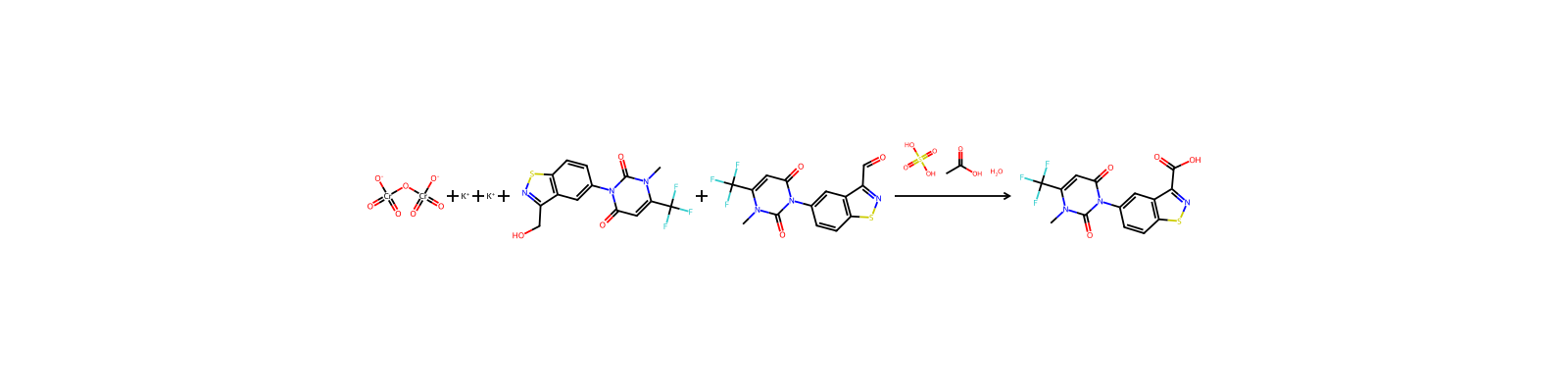
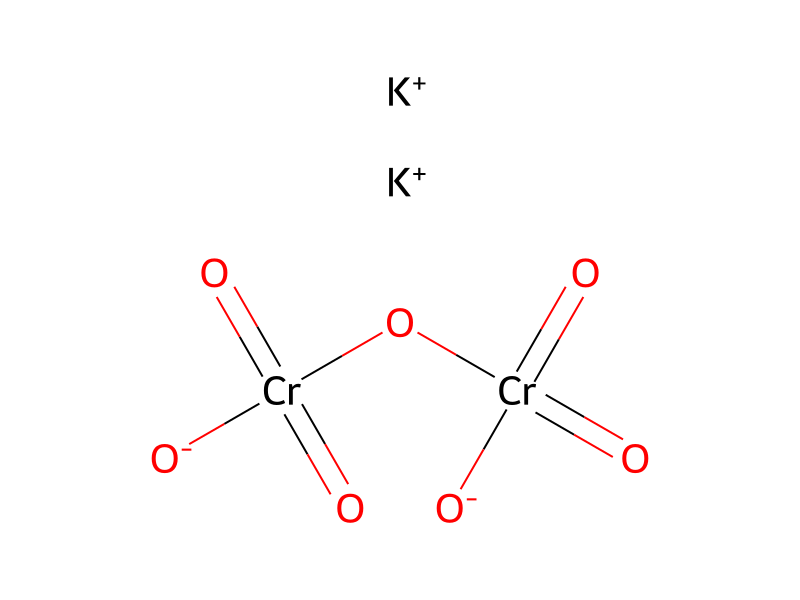
Basic information
- Standard SMILES
[K+].[K+].[O]=[Cr](=[O])([O-])[O][Cr](=[O])(=[O])[O-]- InChIKey
KMUONIBRACKNSN-UHFFFAOYSA-N- Molecular formula
- K2Cr2O7
- Average molar mass
- 294.18 g/mol
- Monoisotopic mass
- 293.7728307
Overview
Potassium bichromate appears as orange red crystals. Denser than water and soluble in water. No distinctive odor. May severely irritate the eyes and respiratory tract. Avoid contact with organic materials. Noncombustible. Used in pyrotehnic displays with tungsten and iron.
Names & identifiers
- Preferred name
- Potassium Dichromate
- IUPAC
- dipotassium;oxido-(oxido(dioxo)chromio)oxy-dioxochromium
Names & synonyms
POTASSIUM DICHROMATE7778-50-9Potassium bichromateIopeziteKaliumdichromatBichromate of potashPotassium dichromate(VI)Dipotassium bichromateDipotassium dichromateDichromic acid dipotassium saltDipotassium dichromium heptaoxideDTXSID5025948
Show more names
SRM 935aPotassium chromate (K2Cr2O7)Kali bichromicumPotassium dichromate (K2Cr2O7)Chromic acid (H2Cr2O7), dipotassium saltPotassium dichromate (K2(Cr2O7))Chromium potassium oxide (K2Cr2O7)Dichromic acid, dipotassium salt
Database identifiers
- CAS
7778-50-9- PubChem CID
- 24502
- DTXSID
DTXSID5025948- ChEMBL
CHEMBL1374101- ChEBI
CHEBI:53444- UNII
- T4423S18FM
- EC Number
- 231-906-6
Properties
Computed structural properties
- Topological polar surface area
- 124 Ų
- Hydrogen bond donors
- 0
- Hydrogen bond acceptors
- 7
- Rotatable bonds
- 0
- Heavy atoms
- 11
- Formal charge
- 0
- Complexity
- 194
Experimental & physicochemical properties
Chemical Classes
Metals -> Chromium Compounds, Inorganic
Carcinogens
pHAcid reaction: a 1% aqueous solution has pH of 4.04 and a 10% solution has a pH of 3.57
OdorOdorless, no distinctive odor
TasteBitter, metallic taste
Density
2.676 at 77 °F (USCG, 1999) - Denser than water; will sink
2.676 at 25 °C/4 °C
Crystal system: triclinic pinacoidal, transition to monoclinic at 241.6 °C; not hygroscopic or deliquescent; crystal habit: prismatic; bulk density: 100 lb/cu ft; heat of solution: -62.5 cal/g; specific heat: 0.186 at 16-98 °C; heat of fusion: 29.8 cal/g
2.7 g/cm³
2.68 @25 °C
Color/Form
Orange-red triclinic crystals
Bright orange-red crystals
Solubility
10 to 50 mg/mL at 68 °F (NTP, 1992)
In water, 45,000 mg/L at 25 °C
Solubility in water: 4.9 g/100 cc at 0 °C; 102 g/100 cc at 100 °C; insoluble in alcohol
Saturated aqueous solution contains 4.3% at 0 °C; 11.7% at 20 °C; 20.9% at 40 °C; 50.2% at 100 °C
Solubility in water, g/100ml at 20 °C: 12 (moderate)
Boiling Point
Decomposes at 932 °F (NTP, 1992)
Decomposes at about 500 °C
Decomposition
When heated to decomposition it emits toxic fumes of /potassium oxide/.
Decomposition @ 500 °C
500 °C
Melting Point
748 °F (NTP, 1992)
398 °C
398 °C
398 °C
Food Contact SubstancesFCS -> FDA Inventory of Food Contact Substances Listed in 21 CFR
Refractive IndexIndex or refraction: 1.738
Safety & regulation
GHS classification
GHS Classification
Danger
H272: May intensify fire; oxidizer [Danger Oxidizing liquids; Oxidizing solids]
P203, P210, P220, P233, P260, P261, P264, P270, P271, P272, P273, P280, P284, P301+P316, P301+P330+P331, P302+P352, P302+P361+P354, P304+P340, P305+P354+P338, P316, P317, P318, P319, P320, P321, P330, P333+P317, P342+P316, P362+P364, P363, P370+P378, P391, P403, P403+P233, P405, and P501 (click each P-code to see the statement)
This chemical does not meet GHS hazard criteria for 0.2% (1 of 491) of reports.
Danger
H272 (92.3%): May intensify fire; oxidizer [Danger Oxidizing liquids; Oxidizing solids]
Hazard information
Regulatory Information
Chemical: Chromic acid (H2Cr2O7), dipotassium salt
Hazard Traits - Carcinogenicity; Genotoxicity; Reproductive Toxicity; Respiratory Toxicity
R - indicates a substance that is the subject of a TSCA section 6 risk management rule.
Status: Active Update: 15-12-2021 https://echa.europa.eu/registration-dossier/-/registered-dossier/15102
Substance: Potassium dichromate
Chromic acid, dipotassium salt: HSNO Approval: HSR001437 Approved with controls
Other Safety InformationIMAP assessments - Chromates and dichromates (soluble): Human health tier II assessment
DOT LabelOxidizer Poison
Fire Hazards
Behavior in Fire: May decompose, generating oxygen. Supports the combustion of other materials. (USCG, 1999)
Not combustible but enhances combustion of other substances. Risk of fire and explosion on contact with combustible substances.
Fire Potential
Dangerous fire risk in contact with organic materials.
Flammable by chemical reaction.
Health Hazards
Highly corrosive to skin and mucous membranes. If ingested, causes violent gastroenteritis, peripheral vascular collapse, vertigo, muscle cramps, coma, and (later) toxic nephritis with glycosuria. Allergic reactions may also occur. (USCG, 1999)
Hazards Summary
CrVI compounds are irritants, sensitizers, and may be corrosive to the skin. CrVI compounds are respiratory tract irritants and may cause pulmonary sensitization. CrVI may cause acute tubular necrosis and liver injury. [ATSDR Case Studies] Corrosive to skin; [CAMEO] A hexavalent chromium compound; [CHEMINFO] See Chromium and linked occupational diseases.
Reactive GroupSalts, Basic
EC ClassificationSymbol: T+, N, O; R: 45-46-60-61-8-21-25-26-34-42/43-48/23-50/53; S: 53-45-60-61; Note: E, 3
UN ClassificationUN Hazard Class: 6.1; UN Pack Group: II
Special ReportsDHHS/ATSDR; Toxicological profile for chromium (September 2012).[DHHS/ATSDR; Toxicological profile for chromium (September 2012); Available from, as of February 8, 2016: ww.atsdr.cdc.gov/toxprofiles/tp7.pdf]
RCRA Requirements
D007; A solid waste containing chromium may or may not become characterized as a hazardous waste when subjected to the Toxicity Characteristic Leaching Procedure listed in 40 CFR 261.24, and if so characterized, must be managed as a hazardous waste. /Chromium/
Safety & protection
Fire Fighting
Excerpt from ERG Guide 141 [Oxidizers - Toxic]:
In case of fire in the surroundings, use appropriate extinguishing media.
First Aid Measures
Fresh air, rest. Half-upright position. Artificial respiration may be needed. Refer for medical attention.
First rinse with plenty of water for at least 15 minutes, then remove contaminated clothes and rinse again. Refer for medical attention .
First rinse with plenty of water for several minutes (remove contact lenses if easily possible), then refer for medical attention.
Rinse mouth. Do NOT induce vomiting. Give one or two glasses of water to drink. Refer for medical attention .
First Aid
EYES: First check the victim for contact lenses and remove if present. Flush victim's eyes with water or normal saline solution for 20 to 30 minutes while simultaneously calling a hospital or poison control center. Do not put any ointments, oils, or medication in the victim's eyes without specific instructions from a physician. IMMEDIATELY transport the victim after flushing eyes to a hospital even if no symptoms (such as redness or irritation) develop.
Safe StorageProvision to contain effluent from fire extinguishing. Separated from combustible substances, reducing agents and food and feedstuffs. Well closed. Store in an area without drain or sewer access.
Exposure Control and Personal Protection
TIH (Toxic Inhalation Hazard) - Term used to describe gases and volatile liquids that are toxic when inhaled. Some are TIH materials themselves, e.g., chlorine, and some release TIH gases when spilled in water, e.g., chlorosilanes. [ERG 2016].
Fire Fighting Procedures
Suitable extinguishing media: Use water spray, alcohol-resistant foam, dry chemical or carbon dioxide.
Advice for firefighters: Wear self-contained breathing apparatus for firefighting if necessary.
Use water spray to cool unopened containers.
If material involved in fire: Extinguish fire using agent suitable for type of surrounding fire (Material itself does not burn or burns with difficulty.)
For more Fire Fighting Procedures (Complete) data for POTASSIUM DICHROMATE (6 total), please visit the HSDB record page.
Storage Conditions
Keep container tightly closed in a dry and well-ventilated place. Storage class (TRGS 510): Oxidizing hazardous materials
... Store in a location separate from other materials, especially flammables and combustibles. ... Store in a secure poison location. ... Potassium chromates must be stored to avoid contact with combustible, organic, or other easily oxidized materials (such as paper, wood, sulfur, aluminum, hydrazine, and plastics) since violent reactions occur. A regulated, marked area should be established where potassium chromate is handled, used, or stored. Where possible, automatically transfer material from drums or other storage containers to process containers. Sources of ignition, such as smoking and open flames, are prohibited where this chemical is handled, used, or stored. Metal containers involving the transfer of this chemical should be grounded and bonded. Wherever this chemical is used, handled, manufactured, or stored, use explosion-proof electrical equipment and fittings.
Cleanup Methods
ACCIDENTAL RELEASE MEASURES: Personal precautions, protective equipment and emergency procedures: Wear respiratory protection. Avoid dust formation. Avoid breathing vapors, mist or gas. Ensure adequate ventilation. Evacuate personnel to safe areas. Avoid breathing dust; Environmental precautions: Prevent further leakage or spillage if safe to do so. Do not let product enter drains. Discharge into the environment must be avoided; Methods and materials for containment and cleaning up: Sweep up and shovel. Contain spillage, and then collect with an electrically protected vacuum cleaner or by wetbrushing and place in container for disposal according to local regulations. Keep in suitable, closed containers for disposal.
1) Ventilate the area of spill. 2. Collect spilled material in the most convenient and safe manner and deposit in sealed containers for reclamation or for disposal in a secured sanitary landspill. Liquid containing chromic acid or chromates should be absorbed in vermiculite, dry sand, earth, or a similar material.
Environmental considerations: Land Spill: Dig a pit, pond, lagoon, holding area to contain liquid or solid material. /SRP: If time permits, pits, ponds, lagoons, soak holes, or holding areas should be sealed with an impermeable flexible membrane liner./ Cover solids with a plastic sheet to prevent dissolving in rain or fire fighting water. Dike surface flow using soil, sand bags, foamed polyurethane, or foamed concrete.
Environmental considerations: Water Spill: Use natural barriers or oil spill control booms to limit spill travel. Remove trapped materials with suction hoses.
For more Cleanup Methods (Complete) data for POTASSIUM DICHROMATE (8 total), please visit the HSDB record page.
Nonfire Spill ResponseExcerpt from ERG Guide 141 [Oxidizers - Toxic]:
Disposal Methods
Generators of waste (equal to or greater than 100 kg/mo) containing this contaminant, EPA hazardous waste number D007, must conform with USEPA regulations in storage, transportation, treatment and disposal of waste. /Chromium/
Product: Burn in a chemical incinerator equipped with an afterburner and scrubber but exert extra care in igniting as this material is highly flammable. Offer surplus and non-recyclable solutions to a licensed disposal company. Contact a licensed professional waste disposal service to dispose of this material. Dissolve or mix the material with a combustible solvent and burn in a chemical incinerator equipped with an afterburner and scrubber; Contaminated packaging: Dispose of as unused product.
SRP: Wastewater from contaminant suppression, cleaning of protective clothing/equipment, or contaminated sites should be contained and evaluated for subject chemical or decomposition product concentrations. Concentrations shall be lower than applicable environmental discharge or disposal criteria. Alternatively, pretreatment and/or discharge to a permitted wastewater treatment facility is acceptable only after review by the governing authority and assurance that "pass through" violations will not occur. Due consideration shall be given to remediation worker exposure (inhalation, dermal and ingestion) as well as fate during treatment, transfer and disposal. If it is not practicable to manage the chemical in this fashion, it must be evaluated in accordance with EPA 40 CFR Part 261, specifically Subpart B, in order to determine the appropriate local, state and federal requirements for disposal.
The following wastewater treatment technology has been investigated for chromium: Concentration process: Biological Treatment. /Chromium/
For more Disposal Methods (Complete) data for POTASSIUM DICHROMATE (10 total), please visit the HSDB record page.
Spillage Disposal
Personal protection: complete protective clothing including self-contained breathing apparatus. Sweep spilled substance into covered non-combustible containers. If appropriate, moisten first to prevent dusting. Carefully collect remainder. Then store and dispose of according to local regulations. Do NOT absorb in saw-dust or other combustible absorbents. Do NOT let this chemical enter the environment.
Preventive Measures
ACCIDENTAL RELEASE MEASURES: Personal precautions, protective equipment and emergency procedures: Wear respiratory protection. Avoid dust formation. Avoid breathing vapors, mist or gas. Ensure adequate ventilation. Evacuate personnel to safe areas. Avoid breathing dust; Environmental precautions: Prevent further leakage or spillage if safe to do so. Do not let product enter drains. Discharge into the environment must be avoided.
Precautions for safe handling: Avoid contact with skin and eyes. Avoid formation of dust and aerosols. Further processing of solid materials may result in the formation of combustible dusts. The potential for combustible dust formation should be taken into consideration before additional processing occurs. Provide appropriate exhaust ventilation at places where dust is formed. Keep away from sources of ignition - No smoking. Keep away from heat and sources of ignition.
Appropriate engineering controls: Avoid contact with skin, eyes and clothing. Wash hands before breaks and immediately after handling the product.
Gloves must be inspected prior to use. Use proper glove removal technique (without touching glove's outer surface) to avoid skin contact with this product. Dispose of contaminated gloves after use in accordance with applicable laws and good laboratory practices. Wash and dry hands.
For more Preventive Measures (Complete) data for POTASSIUM DICHROMATE (15 total), please visit the HSDB record page.
Toxicology
TreatmentThere is no know antidote for chromium poisoning. Exposure is usually handled with symptomatic treatment. (L16)
Interactions
Potassium dichromate enhanced the effects of mercuric chloride or citrinin on renal slice transport of the organic ions p-aminohippurate & tetraethylammonium under certain experimental conditions. At the doses employed & times studied no effects, or only minimal effects were observed on renal slice transport when the toxic compounds were tested individually. Potassium dichromate (10 mg/kg sc) in combination with mercuric chloride (4 mg/kg, sc) or citrinin (35 or 55 mg/kg, ip), resulted in marked depression of organic ion transport. Similarly, the addition of potassium dichromate to fresh renal cortex slices in combination with mercuric chloride, enhanced the mercuric chloride-induced reduction of transport. No other interactions were observed under in vitro conditions.
The interaction between nitrilotriacetic acid and soluble chromium(IV), ie, potassium dichromate (K2Cr2O7), was studied by the Ames test on Salmonella typhimurium strains TA100, TA92, TA104 and TA103, and the sex linked recessive lethal test on Drosophila melanogaster. For the Ames test, potassium dichromate (0, 10, 15, or 20 ug/plate) was dissolved in distilled water or in different concn of nitrilotriacetic acid in water (1%, 5%, or 10% wt/vol). For the Drosophila, adult feeding (for 24 hr) was the route of admin of potassium dichromate (50 mM) and nitrilotriacetic acid (50 mM) dissolved in a 5% sucrose solution. With all the Salmonella strains the dose response curves showed a synergistic effect of nitrilotriacetic acid on potassium dichromate mutagenicity. The effect depended both on the genetic characteristics of the bacterial strains and the relative concn of dichromate and nitrilotriacetic acid. In the strains TA92 and TA103, the decline of revertants due to toxicity took place at 25 to 30 ug dichromate/plate. In a series comprising a large number of replicates, a statistically significant incr of revertants was produced by dichromate (15 ug/plate) and nitrilotriacetic acid (10%) compared to dichromate alone in all Salmonella strains. In the D melanogaster test, a significant dose related incr of lethal mutations was induced by dichromate both in the absence and presence of nitrilotriacetic acid (the regression lines gave t= 7.699, p < 0.005 without nitrilotriacetic acid and t= 5.112, p < 0.01 with. An in vitro assay was set up to measure in the presence or absence of nitrilotriacetic acid the reduction of potassium dichromate by proteins extracted from Salmonella or Drosophila. More Cr(VI) was reduced to Cr(III) by protein extracts in the presence of nitrilotriacetic acid. A similar enhancement of soluble Cr(VI) mutagenicity in S typhimurium TA92 was produced by 0.005 to 0.0005% ethylenediamine tetraacetic acid (EDTA).
This study aimed to assess the effect of ultraviolet radiation (UVR) and chemical stress (triclosan-TCS; potassium dichromate-PD; prochloraz-PCZ) on bacterial communities of zebrafish (Danio rerio) embryos (ZEBC). Embryos were exposed to two UVR intensities and two chemical concentrations not causing mortality or any developmental effect (equivalent to the No-Observed-Effect Concentration-NOEC; NOEC diluted by 10-NOEC/10). Effects on ZEBC were evaluated using denaturing gradient gel electrophoresis (DGGE) and interpreted considering structure, richness and diversity. ZEBC were affected by both stressors even at concentrations/doses not affecting the host-organism (survival/development). Yet, some stress-tolerant bacterial groups were revealed. The structure of the ZEBC was always affected, mainly due to xenobiotic presence. Richness and diversity decreased after exposure to NOEC of PD. Interactive effects occurred for TCS and UVR. Aquatic microbiota imbalance might have repercussions for the host/aquatic system, particularly in a realistic scenario/climate change perspective therefore, future ecotoxicological models should consider xenobiotics interactions with UVR.
At ecosystems level, environmental parameters such as temperature, pH, dissolved oxygen concentration and intensity of UV radiation (UVR) have an important role on the efficiency of organisms' physiological and behavioral performances and consequently on the capacity of response to contaminants. Insignificant alterations of these parameters may compromise this response. In addition, these parameters can additionally alter chemical compounds by inducing their degradation, producing thereafter other metabolites. Understanding the combined effects of chemicals and environmental parameters is absolutely necessary for an adequate prediction of risk in aquatic environments. According to this scenario, this work aims at studying the combined toxicity of UVR and three xenobiotics: the biocide triclosan (TCS), the metal chromium (as potassium dichromate, PD) and the fungicide prochloraz (PCZ). To achieve this goal zebrafish (Danio rerio) embryos (3hr post fertilization (hpf)) were exposed to several concentrations of each chemical combined with different UV intensities; mortality and eggs were recorded every 24hr for the all test duration (96hr). Results showed different response patterns depending on the toxicant, stress levels and duration of exposure. The combination of UVR and TCS indicated a dose ratio deviation where synergism was observed when UVR was the dominant stressor (day 2). The combination of UVR and PD presented a dose level dependency at day 3 indicating antagonism at low stress levels, changing with time where at day 4, a dose ratio deviation showed statistically that synergism occurred at higher PD concentrations. Finally, UVR combined with PCZ indicated a dose ratio at day 3 and dose level deviation at day 4 of exposure, suggesting a synergistic response when PCZ is the dominant stressor in the combination. The obtained results in this study highlighted the importance of taking into account the possible interaction of stressors and time of exposure to better predict environmental risk.
For more Interactions (Complete) data for POTASSIUM DICHROMATE (18 total), please visit the HSDB record page.
Health EffectsHexavalent chromium is a known carcinogen. Chronic inhalation especially has been linked to lung cancer. Hexavalent chromium has also been know to cause reproductive and developmental defects. (A12)
Ecotoxicity Values
LC50; Species: /Coturnix japonica/ (Japanese quail) 14 days old; oral 4400 ppm for 5 days
LC50; Species: /Anas platyrhynchos/ (Mallard duck) 10 days old; oral >5000 ppm for 5 days (no mortality to 5000 ppm)
LC50; Species: Carassius auratus (goldfish); Conditions: flow through, water hardness of 220 mg/L as calcium carbonate; Concentration: 90,000-135,000 ug/L as chromium (range), measured method
LC50; Species: Macrobrachium lamarrei (freshwater prawn); Concentration: 5.44, 3.69, 2.47, and 1.84 mg/L for 24, 48, 72, and 96 hr, respectively /Conditions of bioassay not specified in source examined/
For more Ecotoxicity Values (Complete) data for POTASSIUM DICHROMATE (42 total), please visit the HSDB record page.
Adverse EffectsOccupational hepatotoxin - Secondary hepatotoxins: the potential for toxic effect in the occupational setting is based on cases of poisoning by human ingestion or animal experimentation.
Exposure Routes
The substance can be absorbed into the body by inhalation of its aerosol, through the skin and by ingestion.
Inhalation (L16) ; oral (L16) ; dermal (L16)
Toxicity Summary
IDENTIFICATION AND USE: Potassium dichromate forms bright orange-red crystals. It is used in In tanning leather, dyeing, painting, printing, decorating porcelain, photolithography, pigment-prints, staining wood, pyrotechnics, and safety matches. It is also used for bleaching palm oil; in wax and sponges; waterproofing fabrics; as an oxidizer in the manufacture of organic chemicals; in electric batteries; as a depolarizer for dry cells. It is also used as corrosion inhibitor and pharmaceutical aid (oxidizing agent). HUMAN EXPOSURE AND TOXICITY: In a population of 822 healthy adult volunteers, 2% of the 410 men & 1.5% of the 412 women showed a positive patch test reaction to 0.5% potassium dichromate in petroleum. In 2981 clinic patients tested during a 5-yr period, the frequency of chromate sensitivity was 6.8% in men & 2.8% in women among all patients tested, but 20% in men & 8% in women of the 499 patients with occupational hand eczema. Ulcers (chrome holes, chrome sores or acid bites) from contact with potassium dichromate in dust or liquid form commonly occur at breaks in the skin, nailroots, creases over knuckles, finger webs, backs of hands, and on forearms. Eye contact can cause severe damage with possible loss of vision. Potassium dichromate also quadrupled frequency of sister-chromatid exchanges in cultured human fibroblasts. ANIMAL STUDIES: Flare-up reactions were induced in potassium dichromate hypersensitive guinea pigs by a single oral dose of 55 mg/kg. This dose is systemically toxic and higher than the dose required to induce the same reactions in humans. A total oral dose of 90-115 mg/kg suppressed immunologic responsiveness for at least 6 wk. To guinea pigs, 10 mg administered subcutaneously in a single dose proved lethal, while 20 mg had the same effect on rabbits. To rabbits, 0.8-2 mg administered subcutaneously in a single dose produced nephritis. Sperm obtained from male mice were treated with potassium dichromate (0, 3.125, 6.25, 12.5, 25, or 50 uM) for 3 hr. Cr(VI) significantly decreased sperm viability and acrosome reaction with increasing dose. These Cr(VI)-treated sperms were further used for IVF of oocytes obtained from female mice. Results showed that Cr(VI)-treated sperm caused a significant reduction in IVF success, higher developmental arrest at the two-cell stage of embryos, and delayed blastocyst formation with increasing dose. In particular, most blastocysts from the Cr(VI)-treated sperm resulted in hatching failure as well as decreased inner cell mass and trophectoderm (TE). In male mice treated with potassium dichromate, a reduced number of sperm count and excessive destruction of testicular follicles, including destruction of spermatids, leydig cells, and sertoli cells was found. In female rat subacute treatment causes oxidative stress in rat uterus, leading to endometriotic stromal cells apoptosis. The exposure of pregnant female rabbits to trivalent (chromium chloride) or hexavalent (potassium dichromate) chromium compounds in drinking water (500 ppm) during the organogenesis period (6-18th day of gestation) revealed embryotoxic - and fetotoxic effects. Both trivalent and hexavalent compounds induced dwarfism, kinky and short tail and a significant reduction in the number of implantation sites and in the number of viable fetuses. The number of females with resorption was significantly increased in the hexavalent-exposed group. Visceral abnormalities in the form of lung hypoplasia, heart hypertrophy, intrathoracic hemorrhage and dilated nares and brain lateral ventricles were found in the fetuses of both chromium (III, VI) treated mothers. Skeletal anomalies (reduced number of sternal and caudal bones) were also recorded in both chromium groups. Furthermore, reduced ossification in parietal and interparietal bones was significantly increased in the hexavalent chromium exposed females. Potassium dichromate induced gene conversion in Schizosaccharomyces pombe. It is also induced forward mutations to 8-azaguanine resistance in Chinese hamster V79/4 cells. Potassium dichromate given chronically ip to rats 1 mg/kg body wt, caused significant increase in chromosomal aberrations in bone marrow cells. ECOTOXICITY STUDIES: Potassium dichromate blocked sea urchins embryo development. In acute Daphnia tests, the 24 hr EC50 was 0.35 mg/L for potassium dichromate, the EC0 was 0.11 mg/L. The nominal 21 day no observed effect concn was 0.018 mg/L. The 96-hour LC50 value for potassium dichromate was estimated to be 375.8 mg/L in a static system in Cyprinus carpio.
Hexavalent chromium's carcinogenic effects are caused by its metabolites, pentavalent and trivalent chromium. The DNA damage may be caused by hydroxyl radicals produced during reoxidation of pentavalent chromium by hydrogen peroxide molecules present in the cell. Trivalent chromium may also form complexes with peptides, proteins, and DNA, resulting in DNA-protein crosslinks, DNA strand breaks, DNA-DNA interstrand crosslinks, chromium-DNA adducts, chromosomal aberrations and alterations in cellular signaling pathways. It has been shown to induce carcinogenesis by overstimulating cellular regulatory pathways and increasing peroxide levels by activating certain mitogen-activated protein kinases. It can also cause transcriptional repression by cross-linking histone deacetylase 1-DNA methyltransferase 1 complexes to CYP1A1 promoter chromatin, inhibiting histone modification. Chromium may increase its own toxicity by modifying metal regulatory transcription factor 1, causing the inhibition of zinc-induced metallothionein transcription. (A12, L16, A34, A35, A36)
Ecotoxicity Excerpts
/AQUATIC SPECIES/ Marine diatoms (Skeletonema costatum, 10,000 cells/mL) were exposed to a series of 5 or more concentrations of potassium dichromate (K2CrO7) for 5 days (replicated 3 times). 14.7 mg/L K2CrO7 caused a 50% reduction in the number of cells per mL, and 15.2 mg/L caused a 50% reduction in total cell volume. The no observed effect level (NOEL) was 1 mg/L for both cell measurements.
/AQUATIC SPECIES/ Twenty-one- day Daphnia reproduction tests were conducted in line with the provisional procedure proposed by the Federal Environmental Agency (Umweltbundesamt, FRG), as of Jan 1, 1984. Groups of 20, 24-hr old Daphnia magna Straus were exposed to 4.6 to 142 ug/L potassium dichromate in semi-static test vessels. Parent animals in the test and control vessels had to be pipetted 3 times/wk in freshly prepared test and control media at the corresponding concentration level. The no observed effect concentration (NOEC) was determined from the parameters of mortality of the parent animals, reproduction rate and appearance of the first offspring during the test period. In preliminary acute Daphnia tests, the 24 hr EC50 was 0.35 mg/L for potassium dichromate, the EC0 was 0.11 mg/L. The nominal 21 day no observed effect concentration was 0.018 mg/L, with the more sensitive parameters being parent mortality and reproduction rate.
/AQUATIC SPECIES/ Fertilized eggs of sea urchins were observed morphologically during exposure to /potassium dichromate/.... Potassium dichromate ... blocked embryo development at concentrations ranging between 0.25x10⁻⁴ and 0.25x10⁻⁵ M. ...
/AQUATIC SPECIES/ Experiments were carried out to determine the short-term toxicity of potassium dichromate to Macrobrachium lamarrei (freshwater prawn) and the effect of acute and sub-acute concentration on hemolymph glucose level of the animal. The LC50 values for 24, 48, 72, and 96 hr were 5.44, 3.69, 2.47, and 1.84 mg/L, respectively. Exposure of potassium dichromate decreased the hemolymph glucose level up to 24 hr but thereafter an increase in hemolymph glucose level was observed that continued up to 72 hr. The hemolymph glucose level decreased after 96 hr.
For more Ecotoxicity Excerpts (Complete) data for POTASSIUM DICHROMATE (16 total), please visit the HSDB record page.
Signs and Symptoms
Burning sensation. Sore throat. Cough. Wheezing. Laboured breathing.
Redness. Pain. Skin burns.
Redness. Pain. Blurred vision. Severe deep burns.
Nausea. Vomiting. Abdominal pain. Burning sensation. Diarrhoea. Shock or collapse.
Breathing hexavalent chromium can cause irritation to the lining of the nose, nose ulcers, runny nose, and breathing problems, such as asthma, cough, shortness of breath, or wheezing. Ingestion of hexavalent chromium causes irritation and ulcers in the stomach and small intestine, as well as anemia. Skin contact can cause skin ulcers. (L16)
Ongoing Test Status
EPA has released the Interactive Chemical Safety for Sustainability (iCSS) Dashboard. The iCSS Dashboard provides an interactive tool to explore rapid, automated (or in vitro high-throughput) chemical screening data generated by the Toxicity Forecaster (ToxCast) project and the federal Toxicity Testing in the 21st century (Tox21) collaboration. /The title compound was tested by ToxCast and/or Tox21 assays/[USEPA; ICSS Dashboard Application; Available from, as of December 17, 2015: http://actor.epa.gov/dashboard/]
ICSC Environmental DataThe substance is very toxic to aquatic organisms. The substance may cause long-term effects in the aquatic environment. It is strongly advised not to let the chemical enter into the environment.
Human Toxicity Excerpts
/HUMAN EXPOSURE STUDIES/ In a population of 822 healthy adult volunteers, 2% of the 410 men & 1.5% of the 412 women showed a positive patch test reaction to 0.5% potassium dichromate in petroleum. In 2981 clinic patients tested during a 5-yr period, the frequency of chromate sensitivity was 6.8% in men & 2.8% in women among all patients tested, but 20% in men & 8% in women of the 499 patients with occupational hand eczema.
/HUMAN EXPOSURE STUDIES/ Minimum eliciting levels of chromium have been estimated in 14 chromium-sensitive subjects by patch tests with aq solutions of potassium dichromate. The minimum level of chromium required to provoke a patch test reaction was considerably greater than that found in fabric washing powder solutions & was in the majority of patients tested of the order of 885 ppm hexavalent chromium (0.25% potassium dichromate).
/HUMAN EXPOSURE STUDIES/ Thailand, an agricultural country developing into an industrial country, has differences in work environment, substance exposure, and climate. These factors may lead to a distinct epidemiology of occupational contact dermatitis (OCD). To study the prevalence of allergic and irritant occupational contact dermatitis in Thailand, the records of patients diagnosed of OCD and patch tested between 2006 and 2010 at Siriraj University Hospital were retrospectively reviewed. From 885 patch tested patients, 194 (21.9%) had OCD. Of those 194 patients, 76.8% were female and 23.2% were male. Allergic contact dermatitis (ACD; 76.3%) was found to be more common than irritant contact dermatitis (ICD; 24.2%). The common affected part was hands (51.5%). The most frequent occupation was wet work (35.1%), followed by office work (24.7%), industrial work (16%), and medical personnel (13.4%). The most common occupational allergens were nickel sulfate (33.1%), potassium dichromate (19.6%), and carba mix (15.5%). Water (56.1%), foods (4.9%), and oil/grease (2.4%) were the most common occupational irritants. In our setting, allergic OCD was more common than irritant OCD. Nickel sulfate was the most common occupational allergen. Occupational ACD and lCD are most commonly found in industrial work and wet works, respectively.
/HUMAN EXPOSURE STUDIES/ Until recently, it was thought that in patients with atopic dermatitis (AD), contact hypersensitivity phenomenon occurs less frequently than in the general population because of the impaired cellular immune response. The aim of this study was to evaluate the incidence of contact dermatitis in the population of patients with AD. A total of 39 patients with clinical diagnosis of AD during remission were patch tested with 28 European Baseline Series allergens and 8 corticosteroids allergens in different concentrations and media. Twenty-nine (74.3%) patients were female and 10 (25.6%) patients were male. Thirty-three (84.6%) patients were older than 18 years. The mean duration of AD was 20 years. Nineteen (48%) patients had an allergic reaction to at least 1 European Standard Series allergen, and 5 (12.8%) patients had an allergic reaction to at least 1 corticosteroid. The most common allergens giving positive results were nickel sulfate (28.2%), potassium dichromate (20.5%), cobalt chloride (12.8%), and phenylenediamine, budesonide, betamethasone, clobetasol, and dexamethasone (7.7% each). This study shows that allergic contact hypersensitivity is common among patients with AD and affects up to 40% of cases. Contact allergy to corticosteroids becomes a serious problem in the treatment of chronic inflammatory dermatoses such as AD.
For more Human Toxicity Excerpts (Complete) data for POTASSIUM DICHROMATE (46 total), please visit the HSDB record page.
Regulatory information
RCRA Requirements
D007; A solid waste containing chromium may or may not become characterized as a hazardous waste when subjected to the Toxicity Characteristic Leaching Procedure listed in 40 CFR 261.24, and if so characterized, must be managed as a hazardous waste. /Chromium/
FIFRA Requirements
As the federal pesticide law FIFRA directs, EPA is conducting a comprehensive review of older pesticides to consider their health and environmental effects and make decisions about their future use. Under this pesticide reregistration program, EPA examines health and safety data for pesticide active ingredients initially registered before November 1, 1984, and determines whether they are eligible for reregistration. In addition, all pesticides must meet the new safety standard of the Food Quality Protection Act of 1996. Potassium dichromate is found on List A, which contains most food use pesticides and consists of the 194 chemical cases (or 350 individual active ingredients) for which EPA issued registration standards prior to FIFRA, as amended in 1988. Case No: 0132; Pesticide type: Fungicide (Wood preservative); Registration Standard Date: 06/01/88, 09/10/86; Case Status: OPP is reviewing data from the pesticide's producers regarding its human health and/or environmental effects, or OPP is determining the pesticide's eligibility for reregistration and developing the Reregistration Eligibility Decision (RED) document.; Active ingredient (AI): Potassium dichromate; Data Call-in (DCI) Date(s): 01/31/94; AI Status: The producers of the pesticide has made commitments to conduct the studies and pay the fees required for reregistration, and are meeting those commitments in a timely manner.
Atmospheric Standards
... Substances for which a Federal Register notice has been published that included consideration of the serious health effects, including cancer, from ambient air exposure to the substance. Chromium is included on this list. /Chromium/
Listed as a hazardous air pollutant (HAP) generally known or suspected to cause serious health problems. The Clean Air Act, as amended in 1990, directs EPA to set standards requiring major sources to sharply reduce routine emissions of toxic pollutants. EPA is required to establish and phase in specific performance based standards for all air emission sources that emit one or more of the listed pollutants. Chromium compounds is included on this list. /Chromium compounds/
CERCLA Reportable Quantities
Persons in charge of vessels or facilities are required to notify the National Response Center (NRC) immediately, when there is a release of this designated hazardous substance, in an amount equal to or greater than its reportable quantity of 10 lb or 4.54 kg. The toll free number of the NRC is (800) 424-8802. The rule for determining when notification is required is stated in 40 CFR 302.4 (section IV.D.3.b).
Clean Water Act Requirements
Potassium dichromate is designated as a hazardous substance under section 311(b)(2)(A) of the Federal Water Pollution Control Act and further regulated by the Clean Water Act Amendments of 1977 and 1978. These regulations apply to discharges of this substance. This designation includes any isomers and hydrates, as well as any solutions and mixtures containing this substance.
Toxic pollutant designated pursuant to section 307(a)(1) of the Federal Water Pollution Control Act and is subject to effluent limitations. /Chromium and compounds/
State Drinking Water Standards(CA) CALIFORNIA 10 ug/L /Hexavalent Chromium/
State Drinking Water Guidelines(ME) MAINE 35 ug/L /Cr VI)
Federal Drinking Water StandardsMaximum contaminant level for inorganic contaminants: Contaminant: Chromium; MCL 0.1 mg/L. /Chromium/
Federal Drinking Water GuidelinesMaximum contaminant level goal for inorganic contaminants: Contaminant: Chromium; MCLG 0.1 mg/L. /Chromium/
Chemistry & industry
Pharmacology
Metabolism/Metabolites
Chromium is absorbed from oral, inhalation, or dermal exposure and distributes to nearly all tissues, with the highest concentrations found in kidney and liver. Bone is also a major storage site and may contribute to long-term retention. Hexavalent chromium's similarity to sulfate and chromate allow it to be transported into cells via sulfate transport mechanisms. Inside the cell, hexavalent chromium is reduced first to pentavalent chromium, then to trivalent chromium by many substances including ascorbate, glutathione, and nicotinamide adenine dinucleotide. Chromium is almost entirely excreted with the urine. (A12, L16)
MeSH Pharmacological Classification
Strong alkaline chemicals that destroy soft body tissues resulting in a deep, penetrating type of burn, in contrast to corrosives, that result in a more superficial type of damage via chemical means or inflammation. Caustics are usually hydroxides of light metals. SODIUM HYDROXIDE and potassium hydroxide are the most widely used caustic agents in industry. Medically, they have been used externally to remove diseased or dead tissues and destroy warts and small tumors. The accidental ingestion of products (household and industrial) containing caustic ingredients results in thousands of injuries per year.
Chemicals and substances that impart color including soluble dyes and insoluble pigments. They are used in INKS; PAINTS; and as INDICATORS AND REAGENTS.
Absorption, Distribution and Excretion
The acute and subacute toxicities of several Cr(III) and Cr(VI) compounds (chromium(3+) chloride, chromium(3+) nitrate, chromium(3+) sulfate, chromium trioxide, potassium dichromate) were determined in NZC and (CxO) mice injected ip. The distal median lethal doses (> 10 days after treatment) averaged (17.9 + or - 1.8) X 10(-6) g chromium/g body wt regardless of the oxidation state of the Cr compound injected (chromium(3+) sulfate may be an exception), but acute toxicity (3 days) was much greater with Cr(VI) compounds. Acid digests of entire male mice that were administered ip 1/6 of the distal LD50, either once or repeatedly at weekly intervals, were analyzed to determine the whole body persistence and clearance kinetics of Cr. Mice dosed once with Cr(III) retained 6.5 times more chromium at 21 days than mice treated with Cr(VI). When Cr(III) was given at weekly intervals mice accumulated 6 times more Cr by 8 wk than Cr(VI)-treated mice, though only the latter showed symptoms of chromic toxicity. Whole body Cr concentrations continued to rise with further Cr(III) treatments, but slowly declined with Cr(VI). Analyses of fecal and urinary excretion confirmed that most of the urinary Cr excretion from Cr(VI)-treated animals was much faster in both urine and feces than from mice given Cr(III). The differential storage and clearance kinetics of Cr(III) and Cr(VI) compounds may be significant in experimental Cr carcinogenesis studies and in the toxicology of Cr in workers exposed industrially to potentially carcinogenic chromium-containing dusts or aerosols.
The interaction of potassium dichromate (Cr(VI)) with bovine serum albumin (BSA) was investigated by fluorescence, synchronous fluorescence, resonance light scattering (RLS), ultraviolet-visible absorption, and circular dichroism (CD) spectroscopies under simulated physiological conditions. The experimental results showed that Cr(VI) could quench the intrinsic fluorescence of BSA following a static quenching process, which indicates the formation of a Cr(VI)-BSA complex. The binding constant (KA) and binding site (n) were measured at different temperatures. The spectroscopic results also revealed that the binding of Cr(VI) to BSA can lead to the loosening of the protein conformation and can change the microenvironment and skeleton of BSA.
Uses & manufacturing
Uses
Used as a dry cell depolarizer and in dyeing, staining, leather tanning, bleaching, and oxidizing; Also used in medical practice as an external astringent, antiseptic, and caustic; [ChemIDplus] Used with tungsten and iron in pyrotechnic displays; [CAMEO] Used in painting, printing, wood staining, fabric waterproofing, and corrosion inhibiting; also used to make safety matches and to bleach palm oil, wax, and sponges; [Merck Index] Used as an intensifier in photographic development; Also used as a mordant in textile dyeing; [www.ci.tucson.az.us/arthazards/medium.html]
Battery Manufacturing [Category: Industry]
Textile arts [Category: Hobbies]
For potassium dichromate (USEPA/OPP Pesticide Code: 068302) there are 0 labels match. /SRP: Not registered for current use in the U.S., but approved pesticide uses may change periodically and so federal, state and local authorities must be consulted for currently approved uses./
In tanning leather, dyeing, painting, printing, decorating porcelain, printing, photolithography, pigment-prints, staining wood, pyrotechnics, safety matches; for bleaching palm oil, wax and sponges; waterproofing fabrics; as oxidizer in the manufacture of organic chemicals; in electric batteries; as depolarizer for dry cells. As corrosion inhibitor in preference to sodium dichromate where lower solubility is advantageous. Pharmaceutic aid (oxidizing agent). Redox reagent.
Oxidizing agent (chemicals, dyes, intermediates); analytical reagent; brass pickling compositions; electroplating; ... explosives; ... textiles; dyeing and printing; chrome glues and adhesives; ... poison fly paper; process engraving and lithography; synthetic perfumes; chrome alum manufacture; ... alloys; ceramic products; depolarizer in dry cell batteries; bleaching fats and waxes.
Methods of Manufacturing
In the USA it is usually prepared by the reaction of potassium chloride on sodium dichromate ... In Germany it is obtained from potassium chromate produced by roasting the chrome ore with potassium hydroxide.
Potassium dichromate is produced industrially by roasting chrome ore with potassium carbonate, or, preferably, by reacting sodium dichromate with potassium chloride.
Formulations/Preparations
Technical granular form: Potassium dichromate, 99.9%; Chloride, 0.03%; Insolubles, 0.007%; Sulfate, 0.006%.
Grade: Commercial; highest purity; highest purity fused; reagent.
Iopezite
Potassium dichromate is available at a purity of 99.8%.
General Manufacturing Information
Chromic acid (H2Cr2O7), potassium salt (1:2): ACTIVE
Potassium dichromate has largely been supplanted by the cheaper sodium dichromate but is still used whenever its advantage of being nonhygroscopic is important, for example, in the match, firework, film, and photographic industries.
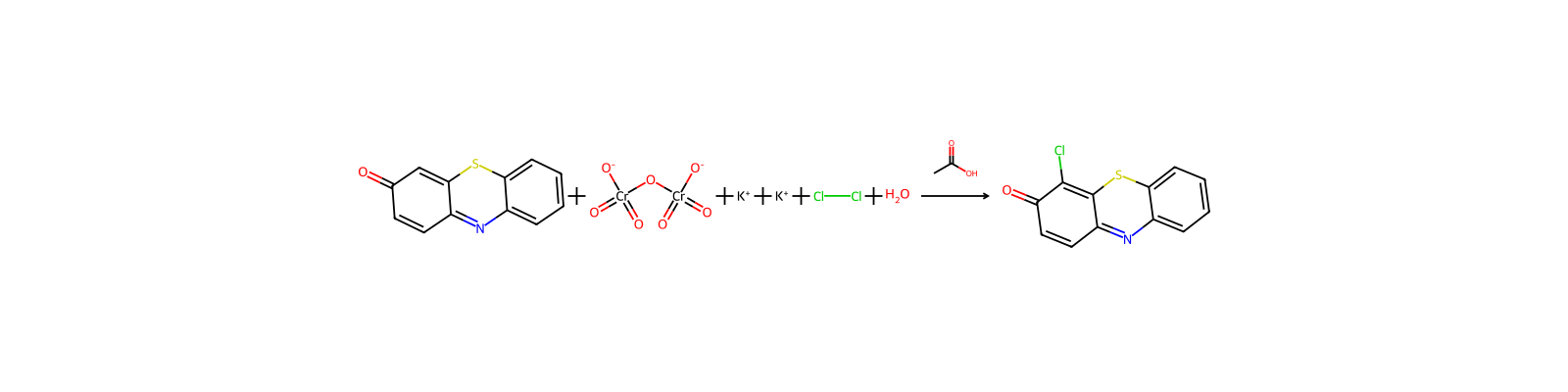
Related reactions
59 records




Linked notes
Loading…