
HRID 18710As catalyst

7787-70-4[Cu][Br]NKNDPYCGAZPOFS-UHFFFAOYSA-MCopper (i) bromide appears as white powder or crystal. Turns green to dark blue on exposure to sunlight. Sinks and mixes slowly with water. (USCG, 1999)
7787-70-4DTXSID60525304.72 at 77 °F (USCG, 1999) - Denser than water; will sink
4.72 @ 25 °C/4 °C
White powder or cubic crystals (zinc blende structure)
White tetrahedral crystals
White crystalline solid becoming green in light
Slightly sol in cold water; sol in hydrochloric acid, hydrobromic acid, ammonium hydroxide with the formation of complexes; practically insoluble in acetone, concentrated sulfuric acid
Soluble in hydrochloric acid and ammonium hydroxide; insoluble in acetone and sulfuric acid
Slightly soluble in water
2453 °F at 760 mmHg (USCG, 1999)
1345 °C
Safety information is for reference only and does not replace the supplier’s Safety Data Sheet (SDS), applicable regulations, or professional assessment.
Danger
H302+H312 (12.3%): Harmful if swallowed or in contact with skin [Warning Acute toxicity, oral; acute toxicity, dermal]
P261, P264, P264+P265, P270, P271, P273, P280, P301+P317, P302+P352, P304+P340, P305+P351+P338, P305+P354+P338, P317, P319, P321, P330, P332+P317, P337+P317, P362+P364, P391, P403+P233, P405, and P501 (click each P-code to see the statement)
Aggregated GHS information provided per 243 reports by companies from 14 notifications to the ECHA C&L Inventory. Each notification may be associated with multiple companies.
Chemical: Copper bromide (CuBr)
REACH registered substance: Copper bromide (EC: 232-131-6)
Copper bromide (CuBr): Does not have an individual approval but may be used as a component in a product covered by a group standard. It is not approved for use as a chemical in its own right.
INHALATION: Irritation of upper respiratory tract. EYES: Irritation of conjunctivae. SKIN: Irritation, acne-like rash (usually from prolonged exposure). INGESTION: Vomiting caused by local irritant and astringent action of ionic Cu on stomach and intestines. Pain in mouth, esophagus, and stomach. Inorganic bromides produce depression, psychoses, and mental deterioration. (USCG, 1999)
A skin, eye, and upper respiratory tract irritant; [HSDB] Acute copper poisoning after ingestion can cause liver injury, methemoglobinemia, and hemolytic anemia. Acute renal failure may result, secondary to massive hemoglobinuria. [Goldfrank, p. 1259] A skin and strong eye irritant; Targets the lungs and liver; [Sigma-Aldrich MSDS] See Bromine. See Copper.
Copper is mainly absorbed through the gastrointestinal tract, but it can also be inhalated and absorbed dermally. It passes through the basolateral membrane, possibly via regulatory copper transporters, and is transported to the liver and kidney bound to serum albumin. The liver is the critical organ for copper homoeostasis. In the liver and other tissues, copper is stored bound to metallothionein, amino acids, and in association with copper-dependent enzymes, then partitioned for excretion through the bile or incorporation into intra- and extracellular proteins. The transport of copper to the peripheral tissues is accomplished through the plasma attached to serum albumin, ceruloplasmin or low-molecular-weight complexes. Copper may induce the production of metallothionein and ceruloplasmin. The membrane-bound copper transporting adenosine triphosphatase (Cu-ATPase) transports copper ions into and out of cells. Physiologically normal levels of copper in the body are held constant by alterations in the rate and amount of copper absorption, compartmental distribution, and excretion. Bromine is mainly absorbed via inhalation, but may also enter the body through dermal contact. Bromine salts can be ingested. Due to its reactivity, bromine quickly forms bromide and may be deposited in the tissues, displacing other halogens. (L626, L277, L279)
Used as a polymerization catalyst; [HSDB]
As a catalyst for organic reactions
As a polymerization catalyst for organic reactions.
Prepn: Briggs, J Chem Soc 127: 496 (1925); Keller, Wycoff, Inorg Syn 2: 3 (1946); Wagner, Wagner, J Chem Phys 26: 1597 (1957).
... By reducing copper(II) sulfate soln containing potassium bromide with sulfur dioxide or other standard reducing agents, or with metallic copper.
Prepared pyrometallurgically or by reducing a copper(II) sulfate solution in the presence of sodium bromide, usually with sulfur dioxide or metallic copper.


939.2 °F (USCG, 1999)
504 °C
FCS -> FDA Cumulative Estimated Daily Intake (CEDI)
FCS -> FDA Inventory of Food Contact Substances Listed in 21 CFR
Copper (i) bromide appears as white powder or crystal. Turns green to dark blue on exposure to sunlight. Sinks and mixes slowly with water. (USCG, 1999)
White solid; Becomes green to dark-blue on sunlight exposure; Slightly soluble in cold water; Decomposed by hot water; [Merck Index] Powder; Isoluble in water; [Sigma-Aldrich MSDS]
COPPER (I) BROMIDE has weak oxidizing or reducing powers. Redox reactions can however still occur. The majority of compounds in this class are slightly soluble or insoluble in water. If soluble in water, then the solutions are usually neither strongly acidic nor strongly basic. These compounds are not water-reactive.
SRP: At the time of review, criteria for land treatment or burial (sanitary landfill) disposal practices are subject to significant revision. Prior to implementing land disposal of waste residue (including waste sludge), consult with environmental regulatory agencies for guidance on acceptable disposal practices.
SRP: The scientific literature for the use of contact lenses in industry is conflicting. The benefit or detrimental effects of wearing contact lenses depend not only upon the substance, but also on factors including the form of the substance, characteristics and duration of the exposure, the uses of other eye protection equipment, and the hygiene of the lenses. However, there may be individual substances whose irritating or corrosive properties are such that the wearing of contact lenses would be harmful to the eye. In those specific cases, contact lenses should not be worn. In any event, the usual eye protection equipment should be worn even when contact lenses are in place.
1.0 [mg/m3], as Cu
8 hr Time Weighted Avg (TWA): 1 mg/cu m /Copper dusts and mists, as Cu/
Excursion Limit Recommendation: Excursions in worker exposure levels may exceed 3 times the TLV-TWA for no more than a total of 30 minutes during a work day, and under no circumstances should they exceed 5 times the TLV-TWA, provided that the TLV-TWA is not exceeded. /Copper dusts and mists, as Cu/
Rubber gloves, safety glasses, and laboratory coat. (USCG, 1999)
Rubber gloves, safety glasses, & lab coat.
EYES: irrigate opened eyes for several minutes under running water. INGESTION: do not induce vomiting. Rinse mouth with water (never give anything by mouth to an unconscious person). Seek immediate medical advice. SKIN: should be treated immediately by rinsing the affected parts in cold running water for at least 15 minutes, followed by thorough washing with soap and water. If necessary, the person should shower and change contaminated clothing and shoes, and then must seek medical attention. INHALATION: supply fresh air. If required provide artificial respiration.
People must absorb small amounts of copper every day because copper is essential for good health, however, high levels of copper can be harmful. Very-high doses of copper can cause damage to your liver and kidneys, and can even cause death. Copper may induce allergic responses in sensitive individuals. Bromine vapour causes irritation and direct damage to the mucous membranes. Elemental bromine also burns the skin. The bromide ion is a central nervous system depressant and chronic exposure produces neuronal effects. This is called bromism and can result in central reactions reaching from somnolence to coma, cachexia, exicosis, loss of reflexes or pathologic reflexes, clonic seizures, tremor, ataxia, loss of neural sensitivity, paresis, papillar edema of the eyes, abnormal speech, cerebral edema, delirium, aggressiveness, and psychoses. (L625, L626, L627, L278, L279)
Excess copper is sequestered within hepatocyte lysosomes, where it is complexed with metallothionein. Copper hepatotoxicity is believed to occur when the lysosomes become saturated and copper accumulates in the nucleus, causing nuclear damage. This damage is possibly a result of oxidative damage, including lipid peroxidation. Copper inhibits the sulfhydryl group enzymes such as glucose-6-phosphate 1-dehydrogenase, glutathione reductase, and paraoxonases, which protect the cell from free oxygen radicals. It also influences gene expression and is a co-factor for oxidative enzymes such as cytochrome C oxidase and lysyl oxidase. In addition, the oxidative stress induced by copper is thought to activate acid sphingomyelinase, which lead to the production of ceramide, an apoptotic signal, as well as cause hemolytic anemia. Copper-induced emesis results from stimulation of the vagus nerve. Bromine is a powerful oxidizing agent and is able to release oxygen free radicals from the water in mucous membranes. These free radicals are also potent oxidizers and produce tissue damage. In additon, the formation of hydrobromic and bromic acids will result in secondary irritation. The bromide ion is also known to affect the central nervous system, causing bromism. This is believed to be a result of bromide ions substituting for chloride ions in the in actions of neurotransmitters and transport systems, thus affecting numerous synaptic processes. (L626, L627, A543, L277, T49, A174, L280)
Breathing high levels of copper can cause irritation of the nose and throat. Ingesting high levels of copper can cause nausea, vomiting, diarrhea, headache, dizziness, and respiratory difficulty. Bromine vapour causes irritation and direct damage to the mucous membranes. Symptoms include lacrimation, rhinorrhoea, eye irritation with mucous secretions from the oropharyngeal and upper airways, coughing, dyspnoea, choking, wheezing, epistaxis, and headache. The bromide ion is a central nervous system depressant producing ataxia, slurred speech, tremor, nausea, vomiting, lethargy, dizziness, visual disturbances, unsteadiness, headaches, impaired memory and concentration, disorientation and hallucinations. This is called bromism. (L626, L627, L278, L279)
Basic treatment: Establish a patent airway. Suction if necessary. Watch for signs of respiratory insufficiency and assist ventilations if necessary. Administer oxygen by nonrebreather mask at 10 to 15 L/min. Monitor for shock and treat if necessary ... . For eye contamination, flush eyes immediately with water. Irrigate each eye continuously with normal saline during transport ... . Do not use emetics. For ingestion, rinse mouth and administer 5 ml/kg up to 200 ml of water for dilution if the patient can swallow, has a strong gag reflex, and does not drool. Administer activated charcoal ... . /Copper and related compounds/
Advanced treatment: Consider orotracheal or nasotracheal intubation for airway control in the patient who is unconscious. Start an IV with lactated Ringer's /SRP: "To keep open", minimal flow rate/. Watch for signs of fluid overload. For hypotension with signs of hypovolemia, administer fluid cautiously. Consider vasopressors if hypotensive with a normal fluid volume. Watch for signs of fluid overload ... . Use proparacaine, hydrochloride to assist eye irrigation ... . /Copper and related compounds/
UsesCopper bromide is also known as cupric bromide, this substance was made by double decomposition when mixing aqueous solutions of copper sulfate and potassium bromide. This greenish blue solution was used as the bleaching step for intensifying collodion and gelatin negatives.
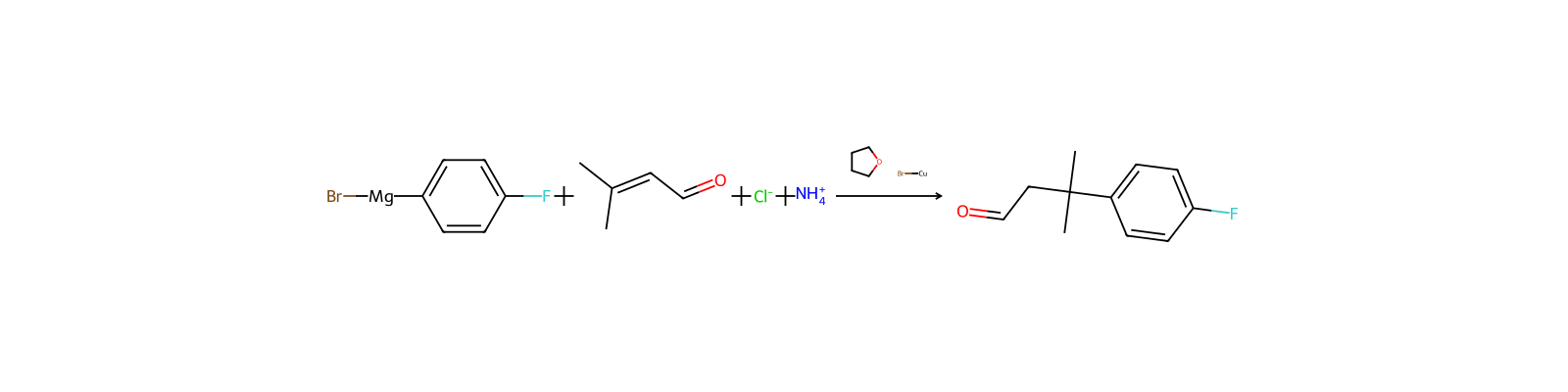
UsesIt is used as effective catalyst for tetrahydropyranylation of alcohols. It can also be used in combination with palladium in catalytic synthesis of 3-haloindoles through annulation process. It is widely used in the synthesis of organic fine chemicals. The compound is widely used in the synthesis of organic compounds. It is also useful for copper-mediated coupling reactions. A silica gel support copper bromide hexa methyltriethylenetetramine complex has shown useful application for the atom transfer radical polymerization of methyl methacrylate in toluene.
UsesAs catalyst for organic reactions.
General DescriptionWhite powder or crystal. Turns green to dark blue on exposure to sunlight. Sinks and mixes slowly with water.
PreparationIt is prepared pyrometallurgically with copper metal and elemental bromine in a process similar to that for copper(I) chloride. It can also be produced by the reduction of copper(II) sulfate solutions in the presence of sodium bromide using metallic copper or sulfite as the reducing agent. Copper(I) bromide is used as a polymerization catalyst in organic reactions.