HomeMCPWorkbenchSkills
HomeWorkbenchNotificationsMe
llms.txt · MCP GuidePrivacy Policy · Terms of Service · Supportv1.8.3
  1. Home
  2. /Compound

Hydrazine hydrate (1:1)

HCID 24654
New reaction
Print
Basic informationOverviewNames & identifiersPropertiesSafety & regulationChemistry & industryRelated reactionsCompound notes
Substructure searchFind similar structures

Basic information

CAS
10217-52-4
Standard SMILES
NN.O
InChIKey
IKDUDTNKRLTJSI-UHFFFAOYSA-N
Molecular formula
H4N2.H2O
Average molar mass
50.061 g/mol
Monoisotopic mass
50.04801282

Overview

Hydrazine hydrate is a hydrate. It contains a hydrazine.

Names & identifiers

Preferred name
Hydrazine hydrate (1:1)
IUPAC
hydrazine;hydrate
English name
Hydrazinium hydroxide solution
Molecular formula
H4N2
Molecular weight
32.05

Names & synonyms

Hydrazine hydrate7803-57-8Hydrazine hydroxideHYDRAZINE, MONOHYDRATEIdrazina idrataHydrazine hydrate (1:1)Hydrazine, hydrate (6CI,7CI)KYD297831PDTXSID9037240CHEBI:35511RefChem:5889DTXCID7017240
Show more names
Hydrazine hydrate, 80%, extra pureHydrazine hydrate, aequeous solutionsHydrazine hydrate, 55% (Hydrazine, 35%) 5MLHydrazine hydrate reagent grade, N2H4 50-60 %Hydrazinium hydrateHYDRAZINE HYDRATE 55Hydrazine hydrate solnHydrazine hydrate, 98+%
DTXSID901014833Hydrazinium hydroxideHydrazine monohydrate10217-52-4hydrazine;hydrateHydrazine, hydratehydrazin hydratehydrazine hydrat

Database identifiers

CAS
10217-52-4、7803-57-8
PubChem CID
24654
DTXSID
DTXSID9037240
ChEBI
CHEBI:35511
UNII
KYD297831P
EC Number
600-285-7、616-584-0

Properties

Computed structural properties

Topological polar surface area
53 Ų
Hydrogen bond donors
3
Hydrogen bond acceptors
3
Rotatable bonds
0
Heavy atoms
3
Formal charge
0
Complexity
0

Experimental & physicochemical properties

Chemical Classes · 2 items

Nitrogen Compounds -> Hydrazines

Corrosives

Density1.03 @ 21°C
Boiling Point119 °C @760 [mm Hg]
Melting Point-51.7 °C
Physical Description · 2 items

Liquid; Other Solid; Liquid

A colorless fuming liquid with a faint ammonia-like odor; Corresponds to a 64% aqueous solution of hydrazine in water; [CAMEO]

Physicochemical properties

Melting point
51.7 °C · −51.7 °C(lit.)
Boiling point
120.1 °C · 120.1 °C(lit.)
Density
1.029 g/mL · 1.029 g/mL at 25 °C (lit.)
vapor density
1 · >1 (vs air)
vapor pressure
5 mm · 5 mm Hg ( 25 °C)
refractive index
20 · n20/D 1.428(lit.)
Flash point
91 °C · 91 °C - closed cup
storage temp.
2 · 2-8°C
form
liquid
explosive limit
99.99 % · 99.99%
Water Solubility
miscible
BRN
878137 · 878137
InChI
1S/H4N2.H2O/c1-2;/h1-2H2;1H2
InChIKey
OAKJQQAXSVQMHS-UHFFFAOYSA-N
SMILES
O.NN
CAS DataBase Reference
10217 · 10217-52-4(CAS DataBase Reference)
EPA Substance Registry System
Hydrazine, monohydrate(10217-52-4)
UNSPSC Code
12352302 · 12352302
NACRES
55 · NA.55
Symbol(GHS)
5 · GHS05,GHS06,GHS08,GHS09
Signal word
Danger
Hazard statements
301 · H301+H311+H331-H314-H317-H350-H410
Precautionary statements
201 · P201-P273-P280-P303+P361+P353-P304+P340+P310-P305+P351+P338
Hazard Codes
T,N
Risk Statements
45 · 45-20/21/22-34-43-51/53-50/53-23/24/25
Safety Statements
53 · 53-45-60-61-36/37/39-26
RIDADR
3293 · UN 3293 (HYDRAZINE, AQUEOUS SOLUTION with not more than 37 % hydrazine, by mass)
WGK Germany
3 · 3
RTECS
8050000 · MV8050000
F
23 · 23
HazardClass
6.1 · 6.1
PackingGroup
III
HS Code
28251010 · 28251010
Hazard Classifications
3 InhalationAcute · Acute Tox. 3 InhalationAcute Tox. 4 DermalAcute Tox. 4 OralAquatic Chronic 2Carc. 1BEye Dam. 1Skin Corr. 1BSkin Sens. 1

Safety & regulation

Safety information is for reference only and does not replace the supplier’s Safety Data Sheet (SDS), applicable regulations, or professional assessment.

GHS classification

GHS Classification · 6 items

This chemical does not meet GHS hazard criteria for 0.5% (1 of 214) of reports.

Danger

H226 (95.3%): Flammable liquid and vapor [Warning Flammable liquids]

P203, P210, P233, P240, P241, P242, P243, P260, P261, P262, P264, P264+P265, P270, P271, P272, P273, P280, P284, P301+P316, P301+P330+P331, P302+P352, P302+P361+P354, P303+P361+P353, P304+P340, P305+P354+P338, P316, P317, P318, P320, P321, P330, P333+P317, P361+P364, P362+P364, P363, P370+P378, P391, P403+P233, P403+P235, P405, and P501 (click each P-code to see the statement)

Aggregated GHS information provided per 214 reports by companies from 14 notifications to the ECHA C&L Inventory. Each notification may be associated with multiple companies.

This chemical does not meet GHS hazard criteria for 11.1% (1 of 9) of reports.

Hazard information

Regulatory Information · 5 items

Chemical: Hydrazine, monohydrate

Hydrazine, monohydrate is listed on the EPA's Chemical Data Reporting (CDR) system. Manufacturers and importers of Hydrazine, monohydrate are required to report information about their production and use of this chemical to the EPA under the Toxic Substances Control Act (TSCA). (40 eCFR Part 711)

Hydrazine, monohydrate: HSNO Approval: HSR007167 Approved with controls

Hydrazine, monohydrate: Does not have an individual approval but may be used under an appropriate group standard

The New Jersey Worker and Community Right to Know Act requires public and private employers to provide information about hazardous substances at their workplaces. (N.J.S.A. 34:5A-1 et. seq.)

Other Safety InformationIMAP assessments - Hydrazine: Human health tier II assessment
Hazards Summary · 1 item

Corrosive to skin; [Quick CPC] Highly toxic by inhalation, ingestion, or skin absorption; [CAMEO] A very strong reducing agent and violent poison; May cause delayed eye irritation; [Merck Index] Causes methemoglobinemia and liver injury in 28-day oral study of rats at 30 mg/kg/day; [JECDB] Causes excitement and muscle contraction or spasticity in oral lethal-dose studies of guinea pigs, mice, rabbits, and rats; [RTECS] Causes burns; Inhalation may cause corrosive injuries to upper respiratory tract and lungs; May cause skin sensitization; Toxic by ingestion, inhalation, and skin absorption; [Alfa Aesar MSDS] See Hydrazine.

Hazard Classes and Categories · 6 items

Flam. Liq. 3 (44.4%)

Flam. Liq. 3 (95.3%)

Acute toxicity - category 3

Flammable liquids - Category 4

Carcinogenicity - Category 1B

Flammable liquids - Category 4

Safety & protection

Protective Action Criteria (PAC) · 3 items

0.10 [ppm]

13 [ppm]

35 [ppm]

Toxicology

Adverse EffectsNeurotoxin - Other CNS neurotoxin

Safety data

F
23
wgk
3
rtecs
MV8050000
ridadr
UN 3293 (HYDRAZINE, AQUEOUS SOLUTION with not more than 37 % hydrazine, by mass)
hs_code
28251010
risk_code
45-20/21/22-34-43-51/53-50/53-23/24/25
Signal word
Danger
Symbol(GHS)
GHS05,GHS06,GHS08,GHS09
hazard_code
T,N
safety_code
53-45-60-61-36/37/39-26
hazard_class
6.1
packing_group
III
Hazard statements
H301+H311+H331-H314-H317-H350-H410
Hazard Classifications
Acute Tox. 3 InhalationAcute Tox. 4 DermalAcute Tox. 4 OralAquatic Chronic 2Carc. 1BEye Dam. 1Skin Corr. 1BSkin Sens. 1
Precautionary statements
P201-P273-P280-P303+P361+P353-P304+P340+P310-P305+P351+P338

Chemistry & industry

Pharmacology

MeSH Pharmacological Classification · 2 items

Substances that inhibit or prevent the proliferation of NEOPLASMS.

Substances that increase the risk of NEOPLASMS in humans or animals. Both genotoxic chemicals, which affect DNA directly, and nongenotoxic chemicals, which induce neoplasms by other mechanism, are included.

Uses & manufacturing

UsesUsed as a reducing agent and solvent for organic materials; Also used to make Helman catalyst (80% hydrazine hydrate that is used in V-2 type rockets) and mixed with methanol for rocket engine propulsion; [Merck Index]
U.S. Production2023: 75,000 - <500,000 lb
Consumer UsesIntermediate
Industry UsesIntermediate
General Manufacturing InformationPesticide, Fertilizer, and Other Agricultural Chemical Manufacturing
Applications · 3 items

UsesHydrazine hydrate may be used to prepare: 3-(2-Benzyloxy-6-hydroxyphenyl)-5-styrylpyrazoles by reacting with 5-benzyloxy-2-styrylchromones.3,5-Diphenyl-2-pyrazoline derivatives by reacting with 1,3-diphenyl-2-propen-1-one.3′-Aryl-1,2,3,4,4′,5′-hexahydrospiro[quinoxalin-2,5′-pyrazol]-3-ones by reacting with 3-arylacylidene-3,4-dihydroquinoxalin-2(1H)-ones.It may also be used in the catalytic reduction of nitroarenes to aromatic amines.

UsesHydrazine hydrate solution has been used as a reducing agent for tellurium oxide during the preparation of tellurium nanowires.

General DescriptionThe addition of hydrazine hydrate to reduced graphene oxide (RGO) counter electrode improves its performance in dye-sensitized solar cells (DSSC).

Upstream & downstream products

Upstream raw materials

Sodium hypochloriteChlorineUreaBone glueChloramine-TPotassium permanganateSodium hydroxideGelatin

Downstream products

5-tert-Butyl-1H-pyrazole-3-carboxylic acidNitrofurazone4-Hydrazinobenzenesulfonamide5-Trifluoromethyl-1H-pyrazole-3-carboxylic acidAllopurinolDirithromycin5-Methyl-1 H-pyrazole-3-carboxylic acid hydrazide2,2'-Oxybis(ethylamine) hydrochloride3-(2-Furyl)-1H-pyrazol-5-amine2-Thiophenecarboxylic acid hydrazide6-Chloro-[1,2,4]triazolo[4,3-b]pyridazineSulfalen1-hydroxybenzotriazole monohydrate3-NitrobenzylamineUniconazole3-Methyl-5-(trifluoromethyl)pyrazole3-Nitro-pyridine-2-carboxylic acid3-(Trifluoromethyl)-1,2,4-triazolo[4,3-a]pyrazine2-Phenyl-1,3-thiazole-4-carbohydrazide5-Chloro-2-thiophenecarboxylic acid hydrazideNicotinic acid hydrazideEthyl 5-thien-2-yl-1H-pyrazole-3-carboxylateSulfachloropyridazine sodium4,5-Dibromopyridazin-3-one3(2H)-Pyridazinone6-MorpholinonicotinohydrazidePyridaben W.P.Ethyl 3-(5-methylfuran-2-yl)-1H-pyrazole-5-carboxylate ,97%3-Methyl-2(3H)-benzothiazolone hydrazone hydrochloride hydrate (1:1:?)4,5-Dimethylthiophene-2-carboxylic acid6-(Aminomethyl)pyridine-2-carbohydrazide2,2'-Azodi(2-methylbutyronitrile)3,5,6-Trichloro-pyridine-2-carboxylic acid2,3-Dimethylthiophene4,4'-Azobis(4-cyanovaleric acid)2-Amino-4-hydroxy-6-hydrazinopyrimidine3-Methyl-2-benzothiazolinone hydrazone hydrochloride monohydrate3-(tert-Butyl)-1H-pyrazole-5-carbohydrazide3-Amino-2,6-dimethylpyridineBromo hydrazine

Additional notes

DefinitionChEBI: Hydrazine hydrate is a hydrate. It contains a hydrazine.

Related reactions

9,961 records
New reaction record
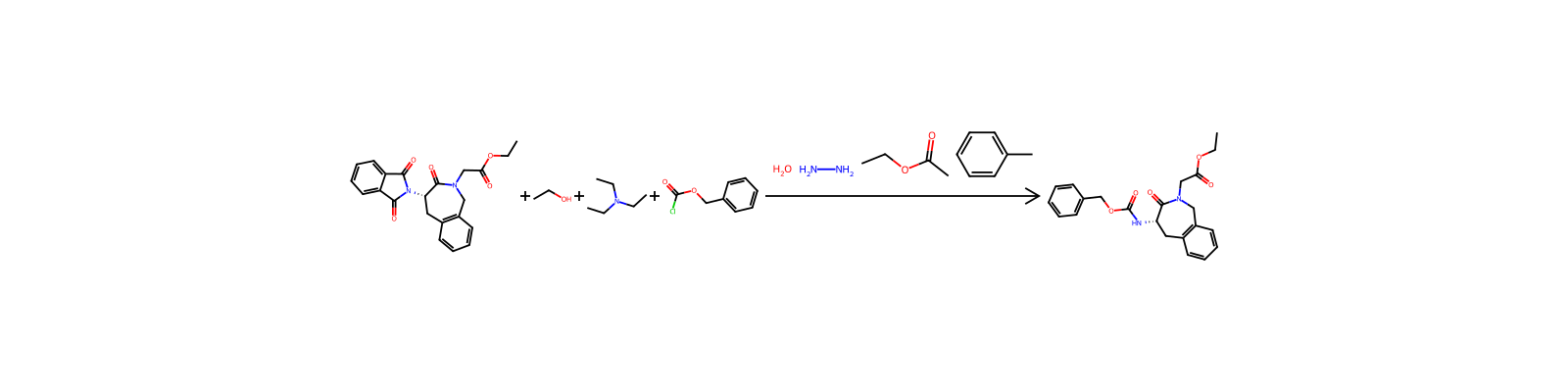
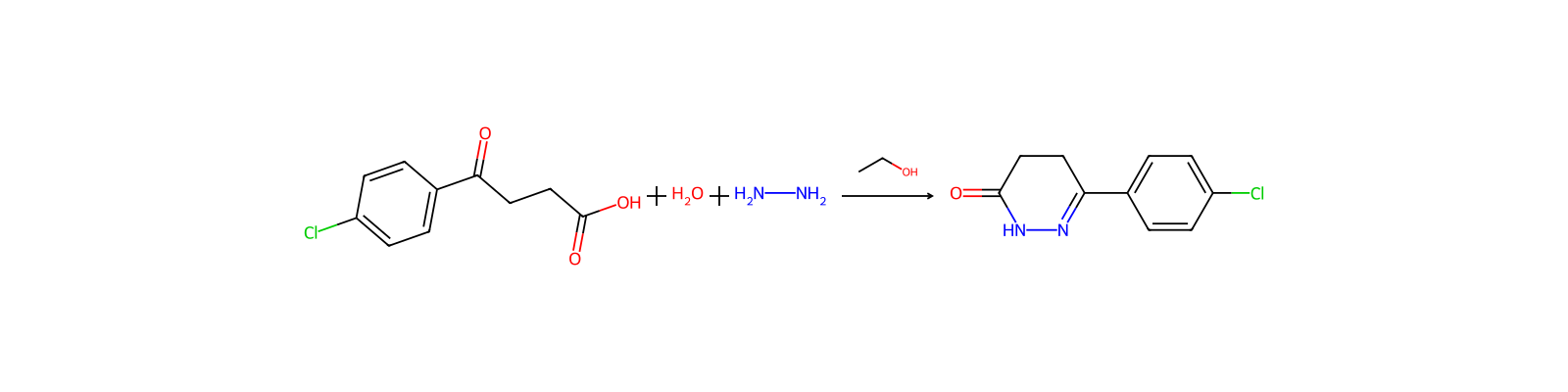
HRID 1078 reaction equation
HRID 1078As reactant

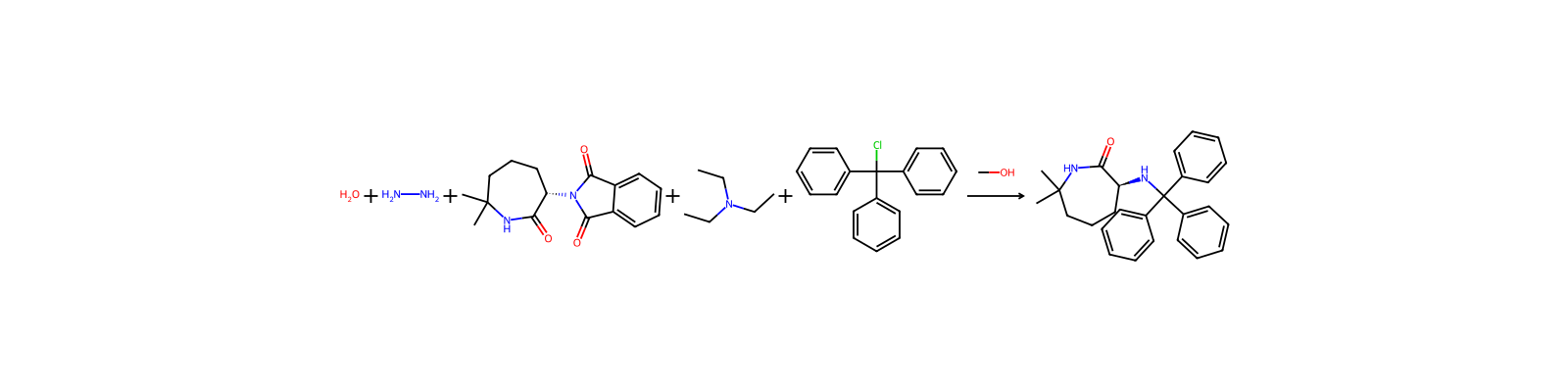
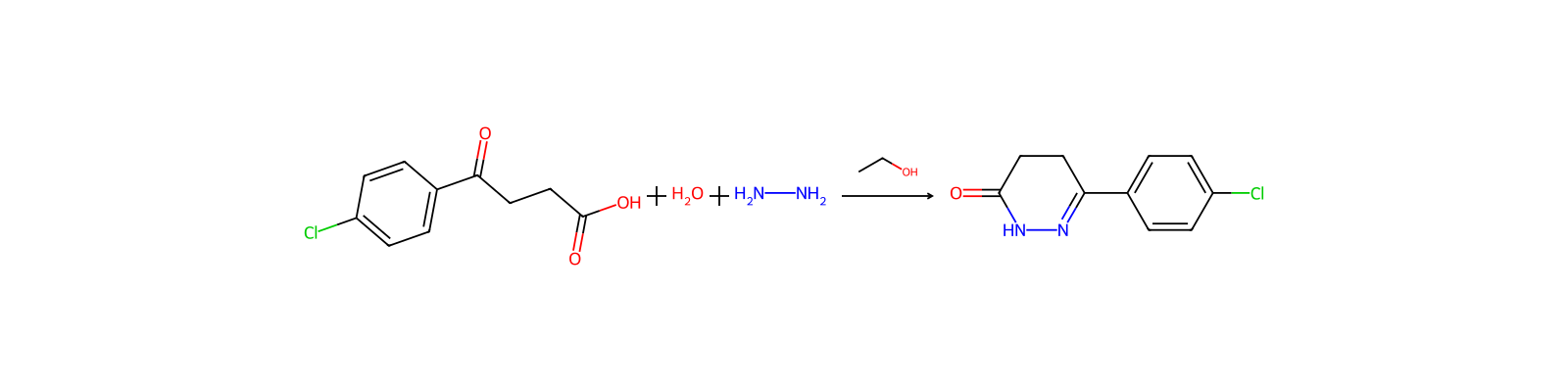
HRID 1088 reaction equation
HRID 1088As reactant
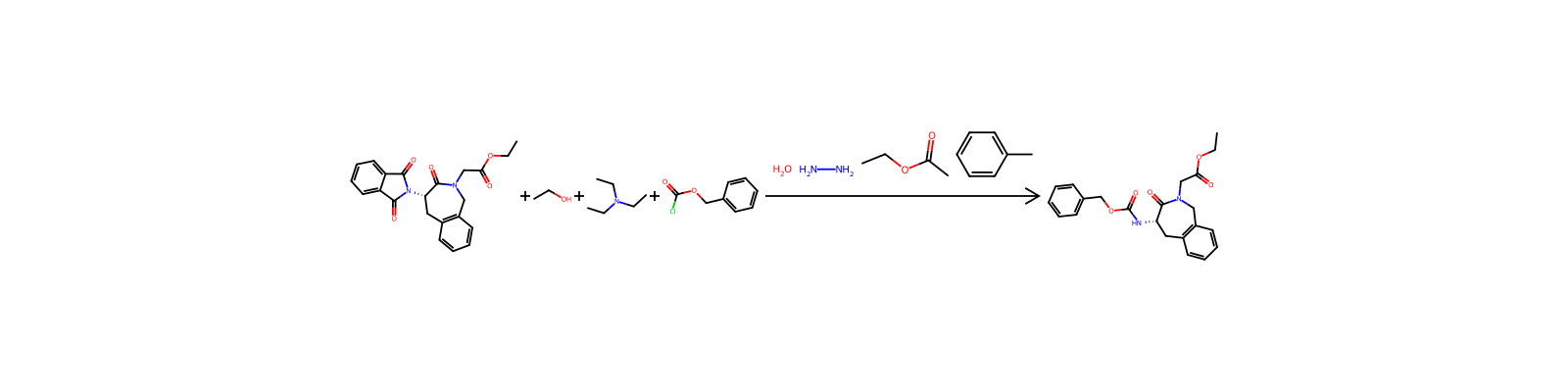
HRID 1186 reaction equation
HRID 1186As solvent
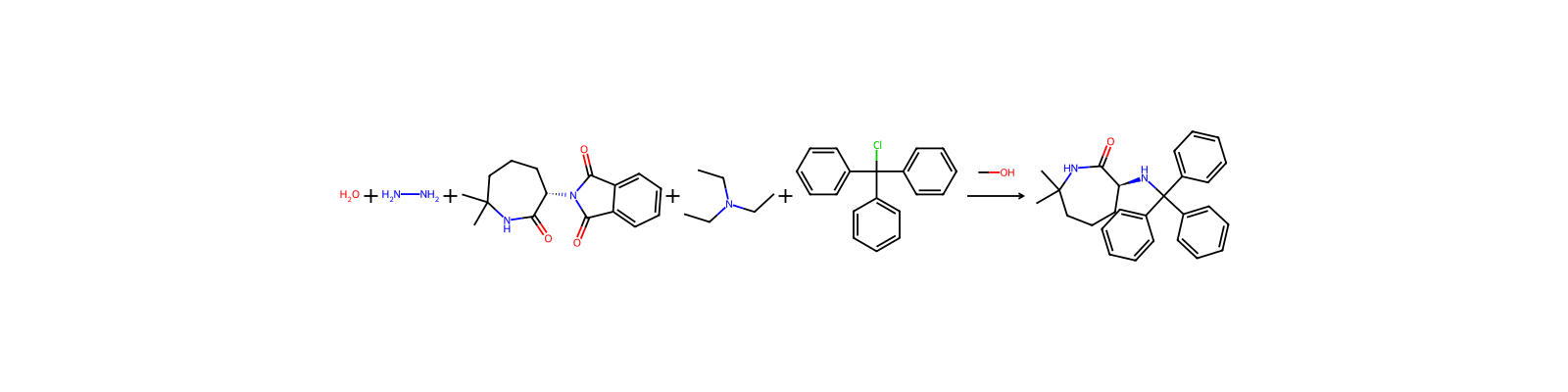
HRID 1202 reaction equation
HRID 1202As reactant
HRID 1318 reaction equation
HRID 1318As solvent
HRID 1338 reaction equation
HRID 1338As reactant
HRID 1491 reaction equation
HRID 1491As reactant
HRID 1559 reaction equation
HRID 1559As reactant
PreviousPage 1 of 1246

Compound notes

On this pageBasic informationOverviewNames & identifiersPropertiesSafety & regulationChemistry & industryRelated reactionsCompound notes