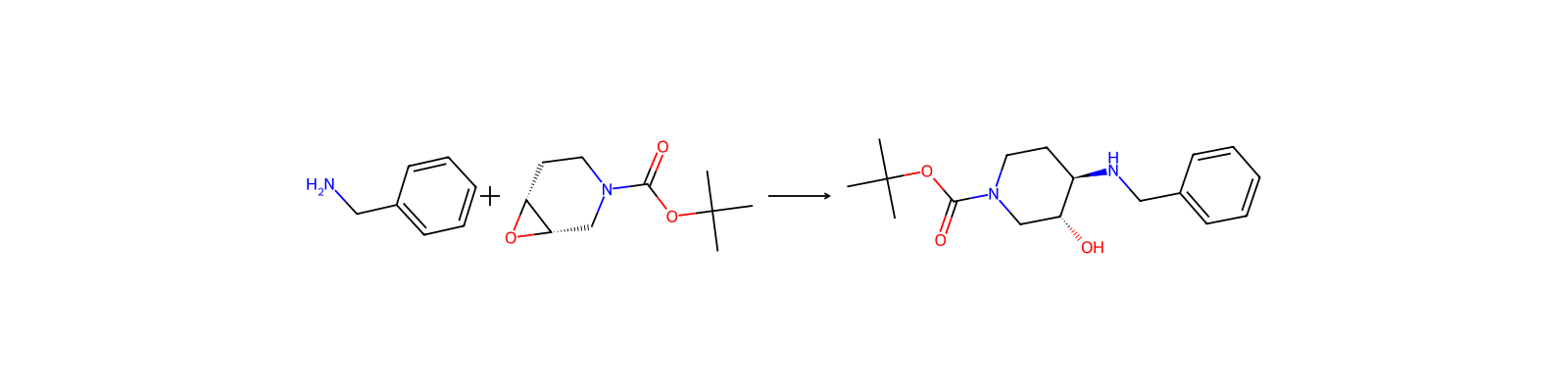
HRID 2000228As reagent

10025-82-8[Cl][In]([Cl])[Cl]PSCMQHVBLHHWTO-UHFFFAOYSA-KRN given refers to parent cpd
10025-82-8、36403-62-0DTXSID80335664.0 g/cu cm
3.46 g/cm³
4 @25 °C
Yellowish, deliquescent crystals
Yellow monoclinic crystals; hygroscopic
Tan to yellow deliquecent crystals
In water, 195.1 g/100 g water at 22 °C
Freely soluble in water
Very soluble in water
Soluble in ethanol
Solubility in water: very soluble
Sublimes at 5 °C
600 °C @760 [mm Hg]
583 °C
MP: 586 °C, volatile at 600 °C
586 °C
583 °C
Tan to yellow deliquescent solid; [Hawley] White crystalline solid; [MSDSonline]
Safety information is for reference only and does not replace the supplier’s Safety Data Sheet (SDS), applicable regulations, or professional assessment.
This chemical does not meet GHS hazard criteria for 1.6% (2 of 125) of reports.
Danger
H302 (64.8%): Harmful if swallowed [Warning Acute toxicity, oral]
P260, P264, P264+P265, P270, P273, P280, P301+P317, P301+P330+P331, P302+P361+P354, P304+P340, P305+P354+P338, P316, P317, P319, P321, P330, P363, P405, and P501 (click each P-code to see the statement)
Aggregated GHS information provided per 125 reports by companies from 13 notifications to the ECHA C&L Inventory. Each notification may be associated with multiple companies.
REACH registered substance: Indium trichloride (EC: 233-043-0)
Indium chloride (InCl3): Does not have an individual approval but may be used under an appropriate group standard
A corrosive substance that can cause injury to the skin, eyes, and respiratory tract; Inhalation may cause pulmonary edema; The substance may have effects on the kidneys, resulting in kidney impairment. Animal tests show that this substance possibly causes malformations in human babies. [ICSC] A corrosive substance that can cause injury to the skin, eyes, and respiratory tract; Inhalation may cause chemical pneumonitis; Effects in high-dose animal studies include acute tubular necrosis; [MSDSonline] See Indium.
The Approved Drug Products with Therapeutic Equivalence Evaluations identifies currently marketed prescription drug products, including indium In-III chloride, approved on the basis of safety and effectiveness by FDA under sections 505 of the Federal Food, Drug, and Cosmetic Act.
Exposure to indium, indium arsenide and indium chloride has been shown to produce a number of effects on gene-expression patterns, including inhibition of expression of a number of stress proteins induced by arsenic . The marked inhibitory effects of indium on protein synthesis may play a role in altering the activities of DNA repair enzymes and the expression of proteins involved in regulating apoptosis: low doses of indium chloride induced apoptosis in rat thymocytes, whereas higher doses caused necrotic cell death. These results provide another possible mechanism by which this element may contribute to the carcinogenic process, depending upon dose.
... Ultrastructural/biochemical studies ... reported that a single ip injection of indium chloride produced an incr in smooth endoplasmic reticulum in renal proximal tubule cells which was assoc with an incr in the specific activity of renal heme oxygenase. /Indium chloride/
/The authors/ studied (114)In administered to mice as ionic indium chloride or as colloidal hydrated indium oxide and reported biphasic excretion patterns for both compounds, with half-life values of 1.9 and 69 days for indium chloride and 2 and 74 days for indium oxide.
Mice given intravenous injections of 114 indium chloride showed a biological half life of 1.9 days for the fast phase component representing about 50% of the body burden, and 69 days for the slow phase.
The effects of indium sesquioxide (1312432) (IS) and indium-114-trichloride (10025828) (IT) hydrolysate aerosols were studied in rats. Rats of unspecified strain were exposed to aerosols containing 2.5 milligrams per cubic meter (mg/cu m) IS or the hydrolysis products of IT at concentrations up to 0.1mg/cu m for 30 to 180 minutes. Body burdens and urinary and fecal excretion rates were studied for up to 14 days for IS and up to 6 days for the IT hydrolysate. Gross and histopathologic studies were conducted on the animals at the end of the experiment. Autoradiographs were made of lungs and bones. Absorption of the substances was essentially complete within 24 hours of exposure, and 78 percent of the unabsorbed indium was excreted within 4 days. Small but statistically significant amounts of indium were found in the liver, kidneys, and blood. Trace amounts were found in other soft tissues. Autoradiograms showed deposits of indium and phagocytosis in the lung parenchyma and indium containing particulates in the alveoli. Accumulations of indium were found in the bone lacunae. No histopathological abnormalities were seen. The authors conclude that indium tends to accumulate in soft tissues and that the transport mechanism involves solubilized particles, not solid particulates.
YELLOWISH HYGROSCOPIC CRYSTALS OR WHITE POWDER.
Storage and disposal of Indium In 111 Chloride Sterile Solution should be controlled in a manner that is in compliance with the appropriate regulations of the government agency authorized to license the use of the radionuclide. The vial should be kept inside its transportation shield whenever possible and should be handled with forceps when contents are being removed.
Indium (111)In decays by electron capture to cadmium (111)Cd (stable) with a physical half-life of 67.32 hours (2.81 days)
White powder. Deliquescent. Density: 3.46 at 25 °C; mp: 586 °C; sublimes at 300 °C. Soluble in alcohol and water /SRP: Finely ground/
Electroplating solution (soln of the salt with dextrose and NaCN) is stable, though it turns dark on standing and deposits a mud which, however, contains no indium
Section 8(a) of TSCA requires manufacturers of this chemical substance to report preliminary assessment information concerned with production, exposure, and use to EPA as cited in the preamble in 51 FR 41329. Effective date: 8/27/01; Reporting date: 10/24/01.
Pursuant to section 8(d) of TSCA, EPA promulgated a model Health and Safety Data Reporting Rule. The section 8(d) model rule requires manufacturers, importers, and processors of listed chemical substances and mixtures to submit to EPA copies and lists of unpublished health and safety studies. Indium trichloride is included on this list. Effective date: 6/3/04; Sunset date: 8/2/04.
Fresh air, rest. Half-upright position. Refer for medical attention.
Remove contaminated clothes. Rinse and then wash skin with water and soap.
First rinse with plenty of water for several minutes (remove contact lenses if easily possible), then refer for medical attention.
Rinse mouth. Do NOT induce vomiting. Give one or two glasses of water to drink. Refer for medical attention .
The contents of the vial are radioactive and adequate shielding and handling precautions must be maintained. Store at controlled room temperature 20-25 °C (68-77 °F) /In-111/
Keep tightly closed.
Storage and disposal of Indium (111)In Chloride Sterile Solution should be controlled in a manner that is in compliance with the appropriate regulations of the government agency authorized to license the use of the radionuclide. The vial should be kept inside its transportation shield whenever possible and should be handled with forceps when contents are being removed.
Separated from strong acids. Well closed.
Storage and disposal of Indium (111)In Chloride Sterile Solution should be controlled in a manner that is in compliance with the appropriate regulations of the government agency authorized to license the use of the radionuclide. The vial should be kept inside its transportation shield whenever possible and should be handled with forceps when contents are being removed.
Personal protection: particulate filter respirator adapted to the airborne concentration of the substance. Do NOT let this chemical enter the environment. Sweep spilled substance into covered containers. Carefully collect remainder. Then store and dispose of according to local regulations.
Local exhaust or breathing protection
SRP: Local exhaust ventilation should be applied wherever there is an incidence of point source emissions or dispersion of regulated contaminants in the work area. Ventilation control of the contaminant as close to its point of generation is both the most economical and safest method to minimize personnel exposure to airborne contaminants. Ensure that the local ventilation moves the contaminant away from the worker.
Do not eat, drink, or smoke during work. Wash hands before eating.
An investigation was conducted to evaluate the influence of some iron chelators of the group of 1,2-dialkyl-3-hydroxypyridin-4-ones on the lipid peroxidation and glutathione depletion. Male ICR-mice and SPF-mice were dosed with indium-chloride (10025828), carbon-tetrachloride (56235) or cadmium-chloride (10108642). Subcutaneous administration of the chelators was able to reduce the lipid peroxidation enhanced by indium pretreatment. The direct binding of indium was presumed...
Cough. Sore throat. Burning sensation. Laboured breathing. Shortness of breath. Symptoms may be delayed.
Redness. Pain. Skin burns. Blisters.
Redness. Pain. Severe burns.
Burning sensation. Abdominal pain. Nausea. Vomiting. Shock or collapse.
/LABORATORY ANIMALS: Acute Exposure/ A single intravenous injection of indium chloride has been reported to cause extensive necrosis of the renal proximal tubules both in rats (3.6 mg/kg) and mice (16.5 mg/kg).
/LABORATORY ANIMALS: Acute Exposure/ A single intraperitoneal injection of indium chloride produced an increase in smooth endoplasmic reticulum in renal proximal tubule cells which was associated with an increase in the specific activity of renal heme oxygenase.
/LABORATORY ANIMALS: Acute Exposure/ The use of indium by the semiconductor industry has risen sharply in recent years with the discovery that the electrical properties of compounds such as indium phosphide and indium arsenide are better than those of silicon. However, relatively little is known about its potential to induce lung damage. These studies examined the effect of indium trichloride (InCl3) on the lung. To examine the disposition and removal of InCl3 from the lung, groups of female Fischer 344 rats received a single intratracheal dose of 1.3 mg In/kg as InCl3 and were euthanized after 1, 2, 4, 7, 14, 28, and 56 days at which time lung samples were analyzed for metal content. Furthermore, the histology, hydroxyproline levels, and bronchoalveolar lavage (BAL) fluid cellularity of the lung were studied. In addition, the effect of 0.00016, 0.00325, 0.065, and 1.3 mg In/kg on inflammatory response and BAL fluid cellularity was compared. While a dose as low as 0.00325 mg In/kg was capable of initiating an influx of inflammatory cells, instillation of 1.3 mg In/kg resulted in an inflammatory response that was still evident 56 days later. After 28 days, the lung weight of the InCl3-treated animals was 2.5 times greater than that of the controls. The total cell number in the BAL fluid of the treated animals after 28 days was 32 times higher than that in the control rats. Sixty-seven percent of these cells were granulocytes. Compared to the controls, the hydroxyproline content of the lungs from the InCl3-treated animals were two-fold greater after 28 and 56 days. Furthermore, the levels of fibronectin and TNF alpha present in the BAL fluid of InCl3-treated rats increased sharply during the first 24 hr and remained elevated 56 days later. These data and the histological examination of the lung following InCl3 treatment suggest that InCl3 is capable of causing severe lung damage and the development of fibrosis.
/LABORATORY ANIMALS: Subchronic or Prechronic Exposure/ /The authors/ have previously shown that rats dosed intratracheally with indium trichloride (InCl3) develop severe lung damage and fibrosis. However, it is not clear what pulmonary effects would result following accidental occupational exposure to low concentrations of indium by inhalation. The present study uses a model of acute lung injury based on single 1-hr nose-only exposures to 0.2, 2.0, or 20 mg InCl3/cu m. Exposure to 0.2 mg InCl3/cu m was capable of initiating an inflammatory response. Seven days following inhalation of 20 mg InCl3/cu m the total cell number, fibronectin, and TNF alpha levels in the bronchial alveolar lavage fluid were 8, 40, and 5 times higher than the control, respectively. Commensurate with the level of lung injury 7 days after exposure, an acute restrictive lung lesion and increased airway responsiveness to acetylcholine were observed. Forty-two days after exposure a compensatory increase in lung volume and carbon monoxide diffusing capacity in the 20 mg InCl3/cu m group suggested recovery from the lung injury. Lung collagen levels were increased in a concentration-dependent manner 42 days postexposure. These data indicate that inhalation of InCl3/cu m causes acute inflammatory changes in the lung.
For more Non-Human Toxicity Excerpts (Complete) data for INDIUM TRICHLORIDE (19 total), please visit the HSDB record page.
/SRP:/ Immediate first aid: Ensure that adequate decontamination has been carried out. If patient is not breathing, start artificial respiration, preferably with a demand valve resuscitator, bag-valve-mask device, or pocket mask, as trained. Perform CPR if necessary. Immediately flush contaminated eyes with gently flowing water. Do not induce vomiting. If vomiting occurs, lean patient forward or place on the left side (head-down position, if possible) to maintain an open airway and prevent aspiration. Keep patient quiet and maintain normal body temperature. Obtain medical attention. /Poisons A and B/
/SRP:/ Basic treatment: Establish a patent airway (oropharyngeal or nasopharyngeal airway, if needed). Suction if necessary. Watch for signs of respiratory insufficiency and assist ventilations if needed. Administer oxygen by nonrebreather mask at 10 to 15 L/min. Monitor for pulmonary edema and treat if necessary ... . Monitor for shock and treat if necessary ... . Anticipate seizures and treat if necessary ... . For eye contamination, flush eyes immediately with water. Irrigate each eye continuously with 0.9% saline (NS) during transport ... . Do not use emetics. For ingestion, rinse mouth and administer 5 mL/kg up to 200 mL of water for dilution if the patient can swallow, has a strong gag reflex, and does not drool ... . Cover skin burns with dry sterile dressings after decontamination ... . /Poisons A and B/
/SRP:/ Advanced treatment: Consider orotracheal or nasotracheal intubation for airway control in the patient who is unconscious, has severe pulmonary edema, or is in severe respiratory distress. Positive-pressure ventilation techniques with a bag valve mask device may be beneficial. Consider drug therapy for pulmonary edema ... . Consider administering a beta agonist such as albuterol for severe bronchospasm ... . Monitor cardiac rhythm and treat arrhythmias as necessary ... . Start IV administration of D5W /SRP: "To keep open", minimal flow rate/. Use 0.9% saline (NS) or lactated Ringer's if signs of hypovolemia are present. For hypotension with signs of hypovolemia, administer fluid cautiously. Watch for signs of fluid overload ... . Treat seizures with diazepam or lorazepam ... . Use proparacaine hydrochloride to assist eye irrigation ... . /Poisons A and B/
LD50 Rat ip 2370 ug/kg
LD50 Rat iv 4460 ug/kg
LD50 Mouse ip 9500 ug/kg
The Approved Drug Products with Therapeutic Equivalence Evaluations identifies currently marketed prescription drug products, including indium In-III chloride, approved on the basis of safety and effectiveness by FDA under sections 505 of the Federal Food, Drug, and Cosmetic Act.
Section 8(a) of TSCA requires manufacturers of this chemical substance to report preliminary assessment information concerned with production, exposure, and use to EPA as cited in the preamble in 51 FR 41329. Effective date: 8/27/01; Reporting date: 10/24/01.
Pursuant to section 8(d) of TSCA, EPA promulgated a model Health and Safety Data Reporting Rule. The section 8(d) model rule requires manufacturers, importers, and processors of listed chemical substances and mixtures to submit to EPA copies and lists of unpublished health and safety studies. Indium trichloride is included on this list. Effective date: 6/3/04; Sunset date: 8/2/04.
/The authors/ studied the metabolism of (114)InCl3 in rats and found that more than half of the administered dose had been absorbed or excreted 4 days after intratracheal instillation, and intramuscular and subcutaneous injections. At 30 days after administration, 33-40% of the indium dose had been eliminated via feces and urine independent of the route of administration.
/The authors/ studied (114)In administered to mice as ionic indium chloride or as colloidal hydrated indium oxide... Ionic indium chloride concentrated primarily in the kidney while colloidal indium oxide was concentrated in the liver and reticuloendothelial system 4 days after a dose sufficient to cause the death of all animals.
/The authors/ studied the distribution of indium trichloride after intratracheal instillation of 1.3 mg/kg bw in Fischer 344 rats. The rats were killed at different time-points up to 56 days after exposure and indium content of the lungs was determined. During the first 8 days after treatment, 87% of the indium was removed from the lung. Over the following 48 days less than 10% of the indium retained at 8 days was eliminated. It was concluded that indium chloride was capable of causing severe lung damage.
Ionic indium is transported in the blood bound to transferrin and has been found to be cleared within 3 days from the blood of mice given an intravenous injection.
Used in electroplating and in tumor treatment and organ scanning (radioisotopes of indium trichloride); [HSDB]
Electroplating [Category: Plate]
In electroplating using a solution of the salt with dextrose and NaCN.
Radioisotopes of indium in compounds such as indium trichloride and colloidal indium hydroxide are used in the treatment of tumors and in organ scanning.
MEDICATION
Indium (111)In Chloride Sterile Solution is tested for the following metallic impurities: copper, iron, cadmium, lead, zinc, nickel, and mercury, and contains extremely low levels of these metals. The sum of the individual impurity ratios for the metals listed is not more than 0.60 ppm.
Indium (111)In Chloride Sterile Solution is supplied in 3 mL vials containing 0.5 mL of solution. It is a sterile non-pyrogenic solution in 0.05 molar hydrochloric acid. No carrier is added to the solution. Each 0.5 mL contains 185 megabequerels (5 millicuries) of (111)In Chloride at time of calibration. The pH of the solution is 1.1 to 1.4.
Indium chloride (InCl3): ACTIVE
Indium (111)In is cyclotron produced by the proton irradiation ((p,2n) reaction) of cadmium (112)Cd enriched target. At time of calibration, it contains not less than 99.925% indium (111)In and, not more than 0.075% indium (114m)In and zinc (65)Zn combined. At the time of expiration, it contains not less than 99.85% indium -111 and not more than 0.15% indium-114m and zinc (65)Zn combined. No carrier has been added.
The most common valence of indium is three. Monovalent and bivalent compounds of indium with oxygen, sulfur, and halogens are also known. The trivalent indium compounds are the most stable. The lower valence compounds tend to disproportionate to give the corresponding trivalent compounds and indium metal. /Indium and Indium compounds/
DescriptionIndium chloride is a useful catalyst for aqueous organic reactions including C-C bond formation, aldol reaction, Friedel-Crafts acylation, Diels-Alder reaction and reduction1-4. It is an efficient, mild, Lewis acid for organic synthesis. It is an efficient catalyst for thioacetalization and its chemoselectivity. It can also catalyze the enantioselective ring-opening of meso-aziridines with thiols. Moreover, it can act as a highly efficient catalyst in water for the preparation of furyl glycosides.
UsesIndium chloride is used as catalyst for aqueous organic reactions including C-C bond formation, aldol reactions, and reductions and for organic synthesis. In electroplating using a solution of the salt with dextrose and NaCN.
General DescriptionIndiumchloride (InCl3) is an indium halide that is a Lewis acid in a variety of organic reactions.