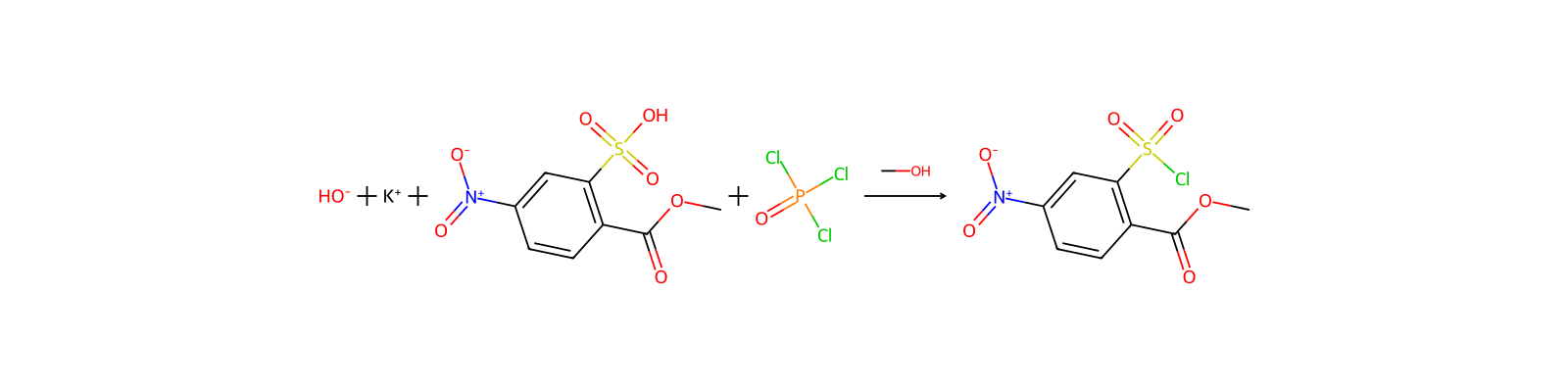

Basic information
- Standard SMILES
O=P(Cl)(Cl)Cl- InChIKey
XHXFXVLFKHQFAL-UHFFFAOYSA-N- Molecular formula
- Cl3OP
- Average molar mass
- 153.33 g/mol
- Monoisotopic mass
- 151.875235
Names & identifiers
- Preferred name
- Phosphorus oxychloride
- IUPAC
- phosphoryl trichloride
- English name
- Phosphorus oxitrichloride
- Molecular formula
- Cl3OP
- Molecular weight
- 153.33
Names & synonyms
PHOSPHORUS OXYCHLORIDEPhosphoryl chloride10025-87-3Phosphoryl trichloridePhosphoric trichloridePhosphorous oxychlorideTrichlorophosphine oxidePhosphorus oxytrichloridePhosphoroxychlorideFosforoxychloridTrichlorophosphorus oxideOxychlorid fosforecny
Show more names
POCl3oxychloridePHOSPHORUS(V) OXYCHLORIDEPhosphoryl oxychlorideOPCl3
Phosphorus oxide trichlorideDTXSID5029710Phosphorus chloride oxide (POCl3)9XM78OL22KDTXCID609710CHEBI:30336RefChem:862976233-046-7
Database identifiers
- CAS
10025-87-3- PubChem CID
- 24813
- DTXSID
DTXSID5029710- ChEMBL
CHEMBL3183103- ChEBI
CHEBI:30336- UNII
- 9XM78OL22K
- EC Number
- 233-046-7
- Nikkaji
- J95.147A
Properties
Computed structural properties
- XLogP
- 1.7
- Topological polar surface area
- 17.1 Ų
- Hydrogen bond donors
- 0
- Hydrogen bond acceptors
- 1
- Rotatable bonds
- 0
- Heavy atoms
- 5
- Formal charge
- 0
- Complexity
- 53
Experimental & physicochemical properties
OdorPungent & musty odor
Density
1.645 at 77 °F (EPA, 1998) - Denser than water; will sink
Specific gravity: 1.645 at 25 °C/4 °C
Relative density (water = 1): 1.645
1.645 at 77 °F
1.685 @ 15.5°C
(77 °F): 1.65
Color/Form
Clear, colorless to yellow, oily liquid [Note: A solid below 34 degrees F].
Mobile, fuming liquid
Solubility
Decomposes (NIOSH, 2024)
Reacts with water
Solubility in water: reaction
Decomposes
CorrosivityPRODUCTS OF ITS REACTION WITH WATER RAPIDLY CORRODE STEEL & MOST METALS
Flash PointNot Flammable (EPA, 1998)
Boiling Point
223 °F at 760 mmHg (EPA, 1998)
105.8 °C
105.8 °C
223 °F
105.1 °C @760 [mm Hg]
222 °F
Decomposition
WHEN HEATED TO DECOMPOSITION, IT EMITS HIGHLY TOXIC FUMES OF CHLORIDES AND PO(X).
PRODUCES PHOSPHORUS TRICHLORIDE & CHLORINE WHEN HEATED; PRODUCES PHOSPHORUS OXYCHLORIDE, PHOSPHORIC ACID, & HYDROCHLORIC ACID WHEN DECOMPOSED IN WATER
Melting Point
34.2 °F (EPA, 1998)
1.25 °C
1 - 1.5 °C
1.25 °C
34.2 °F
1.2 °C
Vapor Density
5.3 (EPA, 1998) - Heavier than air; will sink (Relative to Air)
5.3 (Air = 1)
Relative vapor density (air = 1): 5.3
5.3
Vapor Pressure
40 mmHg at 81.14 °F (EPA, 1998)
40 mm Hg at 27.3 °C
Vapor pressure, kPa at 27.3 °C: 5.3
40 mmHg at 81.14 °F
40 [mm Hg] @27.3 °C
(81 °F): 40 mmHg
Refractive IndexIndex of refraction: 1.460 at 25 °C/D
Physicochemical properties
- Melting point
- 1.25 °C · 1.25 °C(lit.)
- Boiling point
- 107 °C · 107 °C
- Density
- 1.645 g/mL · 1.645 g/mL at 25 °C(lit.)
- vapor density
- 5.3 · 5.3 (vs air)
- vapor pressure
- 104 mm · 104 mm Hg ( 50 °C)
- refractive index
- 20 · n20/D 1.461
- Flash point
- 105.8 °C · 105.8°C
- storage temp.
- 30 °C · Store below +30°C.
- solubility
- Phosphorus(V) oxychloride is soluble in many organic solvents.
- form
- Liquid
- Specific Gravity
- 1.692 · 1.692 (15/15℃)
- color
- Colorless
- PH
- 1 · 1.0 (5g/l, H2O, 25℃)
- Odor
- Pungent odour
- Water Solubility
- reacts exothermically
- Specific Heat Capacity
- 0.91 J/ · Cp(liquid): 0.91 J/(g·K); Cp(gas): 0.55 J/(g·K), at 25℃
- Sensitive
- Moisture Sensitive
- Merck
- 14 · 14,7349
- Dielectric constant
- 14 · 14.0(22℃)
- Exposure limits
- 0.01 ppm · EU LTEL:0.01 ppm(0.064 mg/m3); EU STEL:0.02 ppm(0.13 mg/m3)
- Stability
- Stable. Reacts violently with water. Incompatible with many metals, alcohols, amines, phenol, DMSO, strong bases.
- InChI
- 1S/Cl3OP/c1-5(2,3)4
- InChIKey
- XHXFXVLFKHQFAL-UHFFFAOYSA-N
- LogP
- 0.357 · 0.357 (est)
- Substances Added to Food (formerly EAFUS)
- PHOSPHORUS OXYCHLORIDE
- CAS DataBase Reference
- 10025 · 10025-87-3(CAS DataBase Reference)
- EWG's Food Scores
- 3 · 3
- FDA UNII
- 9 XM78OL22K · 9XM78OL22K
- NIST Chemistry Reference
- Phosphoryl chloride(10025-87-3)
- EPA Substance Registry System
- Phosphorus oxychloride (10025-87-3)
- UNSPSC Code
- 12352300 · 12352300
- NACRES
- 22 · NA.22
- Symbol(GHS)
- 5 · GHS05,GHS06,GHS08
- Signal word
- Danger
- Hazard statements
- 302 · H302-H314-H330-H372
- Precautionary statements
- 264 · P264-P270-P260-P280-P271-P284-P301+P312-P330-P301+P330+P331-P303+P361+P353-P363-P304+P340-P310-P305+P351+P338-P314-P405-P403+P233-P501
- target organs
- Respiratory Tract
- Hazard Codes
- T+,C
- Risk Statements
- 14 · 14-22-26-29-35-48/23-25
- Safety Statements
- 26 · 26-45-7/8-36/37/39
- OEB
- C
- OEL
- 0.1 ppm · TWA: 0.1 ppm (0.6 mg/m3), STEL: 0.5 ppm (3 mg/m3)
- RIDADR
- 1810 · UN 1810 (PHOSPHORUS OXYCHLORIDE)
- WGK Germany
- 1 · 1
- RTECS
- 4897000 · TH4897000
- F
- 19 · 19-21
- TSCA
- TSCA listed
- HazardClass
- 6.1 · 6.1
- PackingGroup
- I
- HS Code
- 28121020 · 28121020
- Storage Class
- 6.1 A · 6.1A - Combustible, acute toxic Cat. 1 and 2very toxic hazardous materials
- Hazard Classifications
- 2 InhalationAcute · Acute Tox. 2 InhalationAcute Tox. 4 OralEye Dam. 1Skin Corr. 1STOT RE 1 Inhalation
- Hazardous Substances Data
- 10025 · 10025-87-3(Hazardous Substances Data)
- REACH Registrations
- Active
Safety & regulation
GHS classification
GHS Classification
Danger
H302: Harmful if swallowed [Warning Acute toxicity, oral];H314: Causes severe skin burns and eye damage [Danger Skin corrosion/irritation];H330: Fatal if inhaled [Danger Acute toxicity, inhalation];H372 **: Causes damage to organs through prolonged or repeated exposure [Danger Specific target organ toxicity, repeated exposure]
P260, P264, P270, P271, P280, P284, P301+P317, P301+P330+P331, P302+P361+P354, P304+P340, P305+P354+P338, P316, P319, P320, P321, P330, P363, P403+P233, P405, and P501 (click each P-code to see the statement)
This chemical does not meet GHS hazard criteria for 3.3% (12 of 359) of reports.
Hazard information
Hazards IdentificationToxic/poison by inhalation (TIH/PIH);Water-reactive material (WR)
Regulatory Information
Chemical: Phosphoryl chloride
Phosphoric trichloride is listed on the EPA's Chemical Data Reporting (CDR) system. Manufacturers and importers of Phosphoric trichloride are required to report information about their production and use of this chemical to the EPA under the Toxic Substances Control Act (TSCA). (40 eCFR Part 711)
Status: Active Update: 11-10-2017 https://echa.europa.eu/registration-dossier/-/registered-dossier/20800;Status: Active Update: 30-07-2021 https://echa.europa.eu/registration-dossier/-/registered-dossier/14557;Status: No longer Valid Update: 28-11-2013 https://echa.europa.eu/registration-dossier/-/registered-dossier/7928;Status: Active Update: 31-10-2012 https://echa.europa.eu/registration-dossier/-/registered-dossier/8155
Phosphoryl chloride: Does not have an individual approval but may be used under an appropriate group standard
The New Jersey Worker and Community Right to Know Act requires public and private employers to provide information about hazardous substances at their workplaces. (N.J.S.A. 34:5A-1 et. seq.)
Other Safety InformationIMAP assessments - Phosphoryl chloride: Human health tier I assessment;IMAP assessments - Phosphoryl chloride: Environment tier I assessment
DOT LabelPoison Inhalation Hazard Corrosive
Fire Hazards
Poisonous, corrosive, and irritating gases are generated when this material is heated or is in contact with water. It may ignite other combustible materials (wood, paper, oil, etc.). It reacts violently with water. When heated to decomposition, it emits toxic fumes of chlorides and oxides of phosphorus; it will react with water or steam to produce heat and toxic and corrosive fumes. Incompatible with carbon disulfide; N,N-dimethylformamide; 2,5-dimethylpyrrole; 2,6-dimethyl- pyridine N-oxide; dimethylsulfoxide; Ferrocene-1,1-dicarboxylic acid; water; and zinc. Do not store with combustible materials, particularly fibrous organic materials, or with electrical or other equipment that can be corroded. Reacts violently with moisture. (EPA, 1998)
· EXCEPT FOR ACETIC ANHYDRIDE (UN1715), THAT IS FLAMMABLE, some of these materials may burn, but none ignite readily.;· May ignite combustibles (wood, paper, oil, clothing, etc.).;· Substance will react with water (some violently), releasing corrosive and/or toxic gases and runoff.;· Flammable/toxic gases may accumulate in confined areas (basement, tanks, hopper/tank cars, etc.).;· Contact with metals may evolve flammable hydrogen gas.;· Containers may explode when heated or if contaminated with water.;· Substance may be transported in a molten form.
Not combustible. Gives off irritating or toxic fumes (or gases) in a fire.
Fire PotentialPRODUCTS OF ITS REACTION WITH WATER RAPIDLY CORRODE STEEL & MOST METALS WITH FORMATION OF FLAMMABLE HYDROGEN GAS.
Health Hazards
Health Hazards : This poison is toxic by inhalation and ingestion and is strongly irritating to skin and tissues. It causes burns of the mucous membranes of the mouth and digestive tractand may be fatal. (EPA, 1998)
· CORROSIVE and/or TOXIC; inhalation, ingestion or contact (skin, eyes) with vapors, dusts or substance may cause severe injury, burns or death.;· Fire will produce irritating, corrosive and/or toxic gases.;· Reaction with water may generate much heat that will increase the concentration of fumes in the air.;· Contact with molten substance may cause severe burns to skin and eyes.;· Runoff from fire control or dilution water may cause environmental contamination.
Hazards Summary
Liquid causes second or third degree burns after short contact; [CHRIS] Highly corrosive to skin; [Quick CPC] Mucous membrane irritation, bronchitis, pulmonary edema, and nephritis have been reported after occupational exposure. [ACGIH] Liver injury in animals in a chronic study; [Desai, H. Phosphorus and Phosphorus Compounds. In: Sullivan J, Krieger G (eds). Hazardous Materials Toxicology. Baltimore:Williams & Wilkins,1992;939] A corrosive substance that can cause pulmonary edema; [ICSC] A lachrymator; [CHEMINFO]
DOT ID and Guide
1810 137
1810 137
Reactive GroupAcyl Halides, Sulfonyl Halides, and Chloroformates
EC ClassificationSymbol: T+, C; R: 14-22-26-29-35-48/23; S: (1/2)-7/8-26-36/37/39-45
UN ClassificationUN Hazard Class: 8; UN Pack Group: II
Safety & protection
Fire Fighting
Avoid breathing vapors; keep upwind. Wear self-contained breathing apparatus. Avoid bodily contact with the material. Wear boots, protective gloves, and goggles. Do not handle broken packages without protective equipment. Wash away any material which may have contacted the body with copious amounts of water or soap and water. If contact with the material is anticipated, wear full protective clothing. Keep unnecessary people away; isolate hazard area and deny entry.;Extinguish by smothering with suitable dry chemical. Use water on combustibles burning in vicinity of this material. Use dry chemical, carbon dioxide, or dry sand; do not use water on material itself; if large quantities of combustibles are involved, use water in flooding quantities as spray and fog; use water spray to absorb vapors; cool all affected containers with flooding quantities of water; apply water from as far a distance as possible. (EPA, 1998)
In case of fire in the surroundings, use appropriate extinguishing media. NO hydrous agents. NO water. In case of fire: keep drums, etc., cool by spraying with water. NO direct contact with water.
First Aid Measures
Fresh air, rest. Half-upright position. Artificial respiration may be needed. Refer for medical attention.
Remove contaminated clothes. Rinse skin with plenty of water or shower. Refer for medical attention .
First rinse with plenty of water for several minutes (remove contact lenses if easily possible), then refer for medical attention.
Rinse mouth. Do NOT induce vomiting. Refer for medical attention .
Accidental Release Measures
· CALL 911. Then call emergency response telephone number on shipping paper. If shipping paper not available or no answer, refer to appropriate telephone number listed on the inside back cover.;· Keep unauthorized personnel away.;· Stay upwind, uphill and/or upstream.;· Ventilate closed spaces before entering, but only if properly trained and equipped.
· Do not touch damaged containers or spilled material unless wearing appropriate protective clothing.;· Stop leak if you can do it without risk.;· Use water spray to reduce vapors; do not put water directly on leak, spill area or inside container.;· Keep combustibles (wood, paper, oil, etc.) away from spilled material.;Small Spill;· Cover with DRY earth, DRY sand or other non-combustible material followed with plastic sheet to minimize spreading or contact with rain.;· Use clean, non-sparking tools to collect material and place it into loosely covered plastic containers for later disposal.;· Prevent entry into waterways, sewers, basements or confined areas.
First Aid
Warning: Phosphorus oxychloride is a corrosive agent. Contact with eyes may result in severe damage to the cornea, conjunctiva, and blood vessels. Caution is advised.;Signs and Symptoms of Phosphorus Oxychloride Exposure: Acute exposure to phosphorus oxychloride may result in irritation and burning of the skin, eyes, and mucous membranes. Light- headedness, drowsiness, slurred speech, pupillary dilation, increased salivation, dysphagia (difficulty swallowing), abdominal pain, and spontaneous vomiting may occur. Stridor (high-pitched, noisy respirations), dyspnea (shortness of breath), and pulmonary edema are also common. Apathy and mental confusion may develop, with progression to coma and death.;Emergency Life-Support Procedures: Acute exposure to phosphorus oxychloride may require decontamination and life support for the victims. Emergency personnel should wear protective clothing appropriate to the type and degree of contamination. Air-purifying or supplied-air respiratory equipment should also be worn, as necessary. Rescue vehicles should carry supplies such as plastic sheeting and disposable plastic bags to assist in preventing spread of contamination.;Inhalation Exposure:;1. Move victims to fresh air. Emergency personnel should avoid self-exposure to phosphorus oxychloride.;2. Evaluate vital signs including pulse and respiratory rate, and note any trauma. If no pulse is detected, provide CPR. If not breathing, provide artificial respiration. If breathing is labored, administer oxygen or other respiratory support.;3. Obtain authorization and/or further instructions from the local hospital for administration of an antidote or performance of other invasive procedures.;4. Transport to a health care facility.;Dermal/Eye Exposure:;1. Remove victims from exposure. Emergency personnel should avoid self-exposure to phosphorus oxychloride.;2. Evaluate vital signs including pulse and respiratory rate, and note any trauma. If no pulse is detected, provide CPR. If not breathing, provide artificial respiration. If breathing is labored, administer oxygen or other respiratory support.;3. Remove and isolate contaminated clothing as soon as possible.;4. If eye exposure has occurred, eyes must be flushed with lukewarm water for at least 30 minutes.;5. Wash exposed skin areas thoroughly with water.;6. Obtain authorization and/or further instructions from the local hospital for administration of an antidote or performance of other invasive procedures.;7. Transport to a health care facility.;Ingestion Exposure:;1. Evaluate vital signs including pulse and respiratory rate, and note any trauma. If no pulse is detected, provide CPR. If not breathing, provide artificial respiration. If breathing is labored, administer oxygen or other respiratory support.;2. DO NOT induce vomiting or attempt to neutralize!;3. Obtain authorization and/or further instructions from the local hospital for administration of an antidote or performance of other invasive procedures.
General First Aid:;· Call 911 or emergency medical service.;· Ensure that medical personnel are aware of the material(s) involved, take precautions to protect themselves and avoid contamination.;· Move victim to fresh air if it can be done safely.;· Administer oxygen if breathing is difficult.;· If victim is not breathing:;-- DO NOT perform mouth-to-mouth resuscitation; the victim may have ingested or inhaled the substance.;-- If equipped and pulse detected, wash face and mouth, then give artificial respiration using a proper respiratory medical device (bag-valve mask, pocket mask equipped with a one-way valve or other device).;-- If no pulse detected or no respiratory medical device available, provide continuous compressions. Conduct a pulse check every two minutes or monitor for any signs of spontaneous respirations.;· Remove and isolate contaminated clothing and shoes.;· For minor skin contact, avoid spreading material on unaffected skin.;· In case of contact with substance, remove immediately by flushing skin or eyes with running water for at least 20 minutes.;· For severe burns, immediate medical attention is required.;· Effects of exposure (inhalation, ingestion, or skin contact) to substance may be delayed.;· Keep victim calm and warm.;· Keep victim under observation.;· For further assistance, contact your local Poison Control Center.;· Note: Basic Life Support (BLS) and Advanced Life Support (ALS) should be done by trained professionals.;Specific First Aid:;· For corrosives, in case of contact, immediately flush skin or eyes with running water for at least 30 minutes. Additional flushing may be required.
(General first aid procedures);Eye: Irrigate immediately - If this chemical contacts the eyes, immediately wash (irrigate) the eyes with large amounts of water, occasionally lifting the lower and upper lids. Get medical attention immediately.;Skin: Water flush immediately - If this chemical contacts the skin, immediately flush the contaminated skin with water. If this chemical penetrates the clothing, immediately remove the clothing and flush the skin with water. Get medical attention promptly.;Breathing: Respiratory support;Swallow: Medical attention immediately - If this chemical has been swallowed, get medical attention immediately.
Safe StorageSee Chemical Dangers. Cool. Dry. Well closed. Keep in a well-ventilated room.
Firefighting Hazards
Not combustible, but if involved in a fire may react to produce hydrogen chloride & phosphoric acid.
Fumes from fires are irritating to respiratory passages, eyes, skin, & may contain phosphine, phosphoric acid, hydrogen chloride.
Exposure Control and Personal Protection
· Wear positive pressure self-contained breathing apparatus (SCBA).;· Wear chemical protective clothing that is specifically recommended by the manufacturer when there is NO RISK OF FIRE.;· Structural firefighters' protective clothing provides thermal protection but only limited chemical protection.
TIH (Toxic Inhalation Hazard) - Term used to describe gases and volatile liquids that are toxic when inhaled. Some are TIH materials themselves, e.g., chlorine, and some release TIH gases when spilled in water, e.g., chlorosilanes. [ERG 2016].
0.02 [ppm]
Fire Fighting Procedures
Use appropriate extinguishing agents on nearby combustible fires. Use water spray to knock down acid vapors.
This chemical reacts violently with moisture producing hydrochloric and phosphoric acids. Poisonous gases including chlorides and phosphorus oxides are produced in fire. Do not use water unless used in flooding quantities to control a large fire by wetting down combustibles burning in vicinity of this material. Use dry chemical, carbon dioxide, or dry sand; do not use water on material itself. Use water spray to absorb vapors and cool all affected containers with flooding quantities of water. Apply water from a s far a distance as possible. Avoid breathing vapors; keep upwind. Wear self-contained breathing apparatus. Avoid bodily contact wit the material. Wear boots, protective gloves, and goggles. Do not handle broken packages without protective equipment. Wash away any material which may have contacted the body with copious amounts of water or soap and water. If contact with the material is anticipated, wear full protective clothing. Keep unnecessary people away; isolate hazard area and deny entry. Vapors are heavier than air and will collect in low areas. Containers may explode in fire. Storage containers and parts of containers may rocket great distances, in many directions. ...From a secure, explosion-proof location, use water spray to cool exposed containers. If cooling streams are ineffective (venting sound increases in volume and pitch, tank discolors, or shows any signs of deforming), withdraw immediately to a secure position.
Storage Conditions
Keep in tightly closed containers.
Store in a cool, dry, well-ventilated location. Separate from acids, alkalies, alkali metals, alcohols.
Phosphorus oxychloride is stored and shipped in 3.8-L (1-gal) or smaller glass containers and DOT-specification wooden overpacking. Bulk POCl3 shipments are in nickel-clad tank cars of 15,000-30,000 L (4000-8000 gal) each. Glass and glass-lined steel equipment frequently is used for storage, as well as for reaction vessels.
Where possible, automatically pump liquid from drums or other storage containers to process containers. Sources of ignition such as smoking and open flames are prohibited where this chemical is handled, used, or stored. Metal containers involving the transfer of 5 gallons or more of this chemical should be grounded and bonded. Drums must be equipped with self-closing valves, pressure vacuum bungs, and flame arresters. Use only non-sparking tools and equipment, especially when opening and closing containers of this chemical. Wherever this chemical is used, handled , manufactured, or stored, use explosion-proof electrical equipment and fittings.
Cleanup Methods
Releases may require isolation or evacuation. Use water spray to cool & disperse vapors & protect personnel.
Keep material out of water sources and sewers; build dikes to contain flow as necessary; use water spray to knock down vapors; do not use water on material itself; and neutralize spilled material with crushed limestone, soda ash, or lime. For a land spell, dig a pit, pond, lagoon, or holding area to contain liquid or solid material; dike surface flow using soil. sand bags, foamed polyurethane, or foamed concrete; absorb bulk liquid with fly ash or cement powder; neutralize with agricultural lime (slaked lime), crushed limestone, or sodium bicarbonate. For a water spill, neutralize with agricultural lime (slaked lime), crushed limestone, or sodium bicarbonate; use mechanical dredges or lifts to remove immobilized masses of pollutants and precipitates; adjust pH to neutral (pH 7). For air spills apply water spray or mist to knock down vapors; vapor knock down water is corrosive or toxic and should be diked for containment. Stop leak if you can do so without risk. Do not touch spilled material. Keep combustibles (wood, paper, oil, etc.) away from spilled material. Clean up only under supervision of an expert. Keep this chemical out of a confined space, such as a sewer, because of the possibility of an explosion, unless the sewer is designed to prevent the build-up of explosive concentrations. It may be necessary to contain and dispose of this chemical as a hazardous waste. If material or contaminated runoff enters water ways, notify downstream users of potentially contaminated waters.
Nonfire Spill Response
Excerpt from ERG Guide 137 [Substances - Water-Reactive - Corrosive]:;Do not touch damaged containers or spilled material unless wearing appropriate protective clothing. Stop leak if you can do it without risk. Use water spray to reduce vapors; do not put water directly on leak, spill area or inside container. Keep combustibles (wood, paper, oil, etc.) away from spilled material.;SMALL SPILL: Cover with DRY earth, DRY sand or other non-combustible material followed with plastic sheet to minimize spreading or contact with rain. Use clean, non-sparking tools to collect material and place it into loosely covered plastic containers for later disposal. Prevent entry into waterways, sewers, basements or confined areas. (ERG, 2024)
Disposal Methods
Principles and methods for destruction of chemical weapons: ... "Destruction of chemical weapons" means a process by which chemicals are converted in an essentially irreversible way to a form unsuitable for production of chemical weapons, and which in an irreversible manner renders munitions and other devices unusable as such. ... Each ... /nation/ shall determine how it shall destroy chemical weapons, except that the following processes may not be used: dumping in any body of water, land burial or open-pit burning. It shall destroy chemical weapons only at specifically designated and appropriately designed and equipped facilities. ... Each ... /nation/ shall ensure that its chemical weapons destruction facilities are constructed and operated in a manner to ensure the destruction of the chemical weapons; and that the destruction process can be verified under the provisions of this Convention.
Toxicology
Target OrgansEyes, skin, respiratory system, central nervous system, kidneys
Environmental Fate
TERRESTRIAL FATE: Hydrolysis is expected to be the most important fate process for phosphorus oxychloride in the environment(1). Phosphorus oxychloride is expected to volatilize from dry soil surfaces(SRC) based upon a vapor pressure of 40 mm Hg(1).
AQUATIC FATE: Phosphorus oxychloride hydrolyzes rapidly in water at room temperature(1).
ATMOSPHERIC FATE: According to a model of gas/particle partitioning of semivolatile organic compounds in the atmosphere(1), phosphorus oxychloride, which has a vapor pressure of 40 mm Hg at 27.3 °C(2), is expected to exist solely as a vapor in the ambient atmosphere. Vapor-phase phosphorus oxychloride is degraded in the atmosphere by reaction with photochemically-produced hydroxyl radicals(SRC); the half-life for this reaction in air is reported to be >290 days, calculated from its rate constant of <4X10-14 cu cm/molecule-sec at 25 deg(3). Phosphorus oxychloride does not contain chromophores that absorb at wavelengths >290 nm(4) and therefore is not expected to be susceptible to direct photolysis by sunlight(SRC).
Adverse Effects
Occupational hepatotoxin - Secondary hepatotoxins: the potential for toxic effect in the occupational setting is based on cases of poisoning by human ingestion or animal experimentation.;Nephrotoxin - The chemical is potentially toxic to the kidneys in the occupational setting.;Dermatotoxin - Skin burns.;Lacrimator (Lachrymator) - A substance that irritates the eyes and induces the flow of tears.;Toxic Pneumonitis - Inflammation of the lungs induced by inhalation of metal fumes or toxic gases and vapors.
Exposure Routes
The substance can be absorbed into the body by inhalation of its vapour and by ingestion.
inhalation, ingestion, skin and/or eye contact
Toxicity Summary
Phosphorus oxychloride. No toxicokinetic studies were located. Phosphorus oxychloride is acutely very toxic when inhaled by rats and guinea pigs, causing extensive irritation of the respiratory tract. It is also acutely toxic to rats via the oral route. The substance is corrosive to rabbit skin and causes severe eye damage. Little reliable information is available on the effects of repeated inhalation in animals. Irritation of the respiratory tract would be expected and has been claimed in one poorly reported rat study, although no reliance can be placed on these data, particularly as it is not clear if continuous or repeated exposure was used. No reliable genotoxicity or animal reproductive toxicity data are available. No animal carcinogenicity study was located. Single exposure of humans to airborne material has been reported to cause conjunctivitis, pharyngitis and respiratory tract irritation, including pulmonary edema. No reliable threshold concentration for these effects is available. Similar effects were seen following repeated exposure including asthmatic bronchitis and, in severe cases, emphysema. Exposure levels were 10-20 mg/cu m, rising to 70 mg/cu m, and sometimes to higher levels. Workers who suffered respiratory effects were reported to show increased respiratory tract sensitivity to phosphorus oxychloride and to other irritant substances, particularly phosphorus bichloride and pentachloride. No human data are available on the genotoxic or carcinogenic potential of phosphorus oxychloride or on its potential to cause reproductive toxicity.
Signs and Symptoms
Sore throat. Cough. Burning sensation. Dizziness. Laboured breathing. Nausea. Headache. Unconsciousness. Vomiting. Weakness. Shortness of breath. Symptoms may be delayed.
Pain. Redness. Blisters. Skin burns.
Pain. Redness. Severe deep burns. Loss of vision.
Burning sensation. Abdominal pain. Shock or collapse. Further see Inhalation.
irritation eyes, skin, respiratory system; eye, skin burns; dyspnea (breathing difficulty), cough, pulmonary edema; dizziness, headache, lassitude (weakness, exhaustion); abdominal pain, nausea, vomiting; nephritis
Soil Adsorption/MobilityPhosphorus oxychloride hydrolyzes rapidly in water at room temperature(1), and therefore will not adsorb to soils and sediments(SRC).
Human Toxicity Excerpts
/SIGNS AND SYMPTOMS/ Potential symptoms of overexposure are irritation of eyes, skin, respiratory system; eye, skin burns; dyspnea, cough, lung edema; dizziness, headache, weakness; abdominal pain, nausea, vomiting; nephritis.
/SIGNS AND SYMPTOMS/ Acute poisoning is characterized by burns and extensive reddening of eyes, pains in throat and bronchi, and cough. Those constantly or frequently exposed to very small doses ... suffer from chronic poisoning which manifests itself in form of pulmonary irritation, cough, and when ingested, asthmatical respiration. /it/ ... causes actual burns of mucous membranes of mouth and the digestive tract.
/SIGNS AND SYMPTOMS/ Burns of ... cornea ... have been noted in 2 cases to be slow in healing ... .
/SIGNS AND SYMPTOMS/ Exposure to the vapor of phosphorus oxychloride may cause irritation of the eyes, dizziness, headache, weakness, anorexia, nausea, vomiting, chest pain, cough, dyspnea, bronchitis, bronchopneumonia, pulmonary edema and nephritis. Both chronic and acute cases of occupational intoxication have been recorded.
For more Human Toxicity Excerpts (Complete) data for PHOSPHORUS OXYCHLORIDE (14 total), please visit the HSDB record page.
Artificial Pollution Sources
Phosphorus oxychloride's production and use to manufacture alkyl and aryl orthophosphate triesters(1), manufacture of insecticides, dye intermediates, pharmaceuticals, synthesis of various nerve agents(2), solvent in cryoscopy(3), manufacture of gasoline additives and hydraulic fluid, chlorinating agent and catalyst, dopant for semiconductor grade silicon, tricresyl phosphate, and fire retarding agent(4) may result in its release to the environment through various waste streams(SRC).
Environmental BioconcentrationPhosphorus oxychloride hydrolyzes rapidly in water at room temperature(1), and therefore is not expected to bioconcentrate in organisms(SRC).
Volatilization from Water/Soil
Phosphorus oxychloride hydrolyzes rapidly in water at room temperature(1), and therefore will not volatilize from water or moist soil surfaces(SRC). Phosphorus oxychloride is expected to volatilize from dry soil surfaces(SRC) based upon a vapor pressure of 40 mm Hg(1).
Non-Human Toxicity Excerpts
/LABORATORY ANIMALS: Acute Exposure/ 6 male Sprague-Dawley rats were exposed for 18 minutes to a concentration of 159.7 g/cu m. This exposure caused laboured breathing within less than 2 minutes, weakness, convulsions, collapse and death in 10 minutes. All animal died within 18 minutes.
/LABORATORY ANIMALS: Acute Exposure/ In a Russian study ..., acute inhalation exposure of rats to lethal or near lethal concentrations of phosphorus oxychloride resulted in immediate signs of irritation (rubbing of faces and restlessness). At 5-15 minutes of exposure, the rats exhibited inactivity and decreased respiration, followed by convulsions. Rats that survived showed continued lacrimation and corneal opacities, and ulcers around the mouth several days after cessation of exposure. The report provided a "threshold concentration" of 0.006 mg/L (0.96 ppm) based upon "integrated characteristics". It is unclear as to what effect this threshold pertains or the precise nature of the "integrated characteristics". Although no further details were provided, information in this report affirms the irritation and lethal capacity of phosphorus oxychloride following acute inhalation exposure.
/LABORATORY ANIMALS: Acute Exposure/ The results of an inhalation study in rats were /reported/. Groups of male Sprague-Dawley rats (number not provided) were exposed for 18 minutes to 159.7 mg phosphorus oxychloride/L (25,462 ppm). Conditions in the 35-L chamber were: 25 °C, 85% humidity, and 4.0 L/minute airflow. The concentration of the test material was such that there was a fog in the chamber. Within two minutes the rats /were/ having difficulty breathing and their eye/s/ were closed. At 10 minutes, weakness, convulsions, and collapse were observed, and one rat died. At 18 minutes all rats were dead. Necropsy revealed lung congestion. No further details were provided.
/LABORATORY ANIMALS: Acute Exposure/ Experiments using groups of 10 male guinea pigs /were also conducted/. The experimental protocol was the same as that described for the experiments with rats. Like the rats, the response of the guinea pigs was consistent with exposure to an irritating chemical (restlessness, lacrimation, pawing at nose and head). The 4-hr LC50 was 52.5 umole/mole of air (numerically equivalent to 52.5 ppm). Deaths occurred within 48 hours after exposure; no further details were provided. Neutralization of the phosphorus oxychloride with ammonia resulted in a lowering of the LC50 to 41.3 umole/mole of air (numerically equivalent to 41.3 ppm). Similar to the results observed for rats, the simultaneous exposure of the guinea pigs to ammonia was thought to decrease the irritation responses to the phosphorus oxychloride exposure but to increase the overall toxicity. The series of exposures and the respective responses used to obtain the median lethal concentration were not provided and, therefore, no other exposure-response data are available.
For more Non-Human Toxicity Excerpts (Complete) data for PHOSPHORUS OXYCHLORIDE (11 total), please visit the HSDB record page.
Regulatory information
Regulatory Information
Chemical: Phosphoryl chloride
Phosphoric trichloride is listed on the EPA's Chemical Data Reporting (CDR) system. Manufacturers and importers of Phosphoric trichloride are required to report information about their production and use of this chemical to the EPA under the Toxic Substances Control Act (TSCA). (40 eCFR Part 711)
Status: Active Update: 11-10-2017 https://echa.europa.eu/registration-dossier/-/registered-dossier/20800;Status: Active Update: 30-07-2021 https://echa.europa.eu/registration-dossier/-/registered-dossier/14557;Status: No longer Valid Update: 28-11-2013 https://echa.europa.eu/registration-dossier/-/registered-dossier/7928;Status: Active Update: 31-10-2012 https://echa.europa.eu/registration-dossier/-/registered-dossier/8155
Phosphoryl chloride: Does not have an individual approval but may be used under an appropriate group standard
The New Jersey Worker and Community Right to Know Act requires public and private employers to provide information about hazardous substances at their workplaces. (N.J.S.A. 34:5A-1 et. seq.)
CERCLA Reportable Quantities
Persons in charge of vessels or facilities are required to notify the National Response Center (NRC) immediately, when there is a release of this designated hazardous substance, in an amount equal to or greater than its reportable quantity of 1000 lb or 454 kg. The toll free number of the NRC is (800) 424-8802. The rule for determining when notification is required is stated in 40 CFR 302.4 (section IV. D.3.b).
Releases of CERCLA hazardous substances are subject to the release reporting requirement of CERCLA section 103, codified at 40 CFR part 302, in addition to the requirements of 40 CFR part 355. Phosphorus oxychloride is an extremely hazardous substance (EHS) subject to reporting requirements when stored in amounts in excess of its threshold planning quantity (TPQ) of 500 lbs.
Clean Water Act Requirements
Phosphorus oxychloride is designated as a hazardous substance under section 311(b)(2)(A) of the Federal Water Pollution Control Act and further regulated by the Clean Water Act Amendments of 1977 and 1978. These regulations apply to discharges of this substance. This designation includes any isomers and hydrates, as well as any solutions and mixtures containing this substance.
DHS Chemicals of Interest (COI)
Phosphorus oxychloride
1
5000
80
220
A Commercial Grade
Safety data
- F
- 19-21
- OEB
- C
- OEL
- TWA: 0.1 ppm (0.6 mg/m3), STEL: 0.5 ppm (3 mg/m3)
- wgk
- 1
- tsca
- TSCA listed
- rtecs
- TH4897000
- ridadr
- UN 1810 (PHOSPHORUS OXYCHLORIDE)
- hs_code
- 28121020
- risk_code
- 14-22-26-29-35-48/23-25
- Signal word
- Danger
- Symbol(GHS)
- GHS05,GHS06,GHS08
- hazard_code
- T+,C
- safety_code
- 26-45-7/8-36/37/39
- hazard_class
- 6.1
- Storage Class
- 6.1A - Combustible, acute toxic Cat. 1 and 2very toxic hazardous materials
- packing_group
- I
- target organs
- Respiratory Tract
- Hazard statements
- H302-H314-H330-H372
- REACH Registrations
- Active
- Hazard Classifications
- Acute Tox. 2 InhalationAcute Tox. 4 OralEye Dam. 1Skin Corr. 1STOT RE 1 Inhalation
- Precautionary statements
- P264-P270-P260-P280-P271-P284-P301+P312-P330-P301+P330+P331-P303+P361+P353-P363-P304+P340-P310-P305+P351+P338-P314-P405-P403+P233-P501
- Hazardous Substances Data
- 10025-87-3(Hazardous Substances Data)
Chemistry & industry
Pharmacology
Absorption, Distribution and Excretion
At low concentrations the free acids resulting from the hydrolysis of phosphoryl trichloride will be neutralised quickly by body fluids. The resulting phosphate and chloride ions are natural components of food and ubiquitously found in living tissues and are not expected to pose a hazard. At high concentrations, which exceed the buffer capacity of body fluids the acids will damage the tissue at the portal of entry dependent upon concentration and duration of exposure. A systemic availability of phosphoryl trichloride or the free acids is hence not expected.
Uses & manufacturing
Uses
Used in chemical synthesis as a chlorinating agent and catalyst and to produce plasticizers, hydraulic fluids, gasoline additives, and fire retardants; [ACGIH]
Semiconductor Manufacturing [Category: Industry];Toxic Gas from Spilling Chemical in Water [Category: Other]
Precursor to N,N-dimethylphosphoramidic dichloride
Phosphoryl trichloride can be converted by multistage chemical synthesis to nerve gases. Therefore the production and export of phosphoryl trichloride is stringently controlled under the International Chemical Weapons Convention (1993). The Chemical Weapons Convention lists phosphoryl trichloride as /a/ precursor to chemical weapons.
Phosphorus oxychloride is used extensively to manufacture alkyl and aryl orthophosphate triesters.
Solvent in cryoscopy
U.S. Exports
CHEMICAL PROFILE: Phosphorus oxychloride: Combined exports of phosphorus trichloride and oxychloride averaged 1,600 tons per year in the 1992-1995 period. ... Exports of oxychloride are estimated to have made up only 30 to 40 percent of the combined volume.
U.S. Imports
(1972) NEGLIGIBLE
(1975) 8.67X10+8 GRAMS
(1984) 1.62X10+8 G
U.S. Production
2023: 10,000,000 - <25,000,000 lb;2022: 10,000,000 - <50,000,000 lb;2021: 10,000,000 - <50,000,000 lb;2020: 40,000,000 - <55,000,000 lb
(1972) 3.14X10+10 GRAMS
(1975) 3.13X10+10 GRAMS
(1984) 2.67X10+10 G
In 1995 the phosphoryl trichloride manufacturing capacities were about 39 900 tonnes in the USA, 100 000 tonnes in Western Europe, and 30 000 tonnes in Japan. The phosphoryl trichloride consumption of the USA increased from 24 300 tonnes in 1983 to about 30 700 tonnes in 1994.
For more U.S. Production (Complete) data for PHOSPHORUS OXYCHLORIDE (9 total), please visit the HSDB record page.
Consumption Patterns
52% AS A CHEM INT FOR TRICRESYL, CRESYL DIPHENYL, AND TRIPHENYL PHOSPHATES (GASOLINE ADDITIVES AND PLASTICIZERS); 20% AS A CHEM INT FOR OTHER CYCLIC PHOSPHATE ESTERS; 15% AS A CHEM INT FOR ACYCLIC PHOSPHATE ESTERS; 13% FOR MISC USES (1972).
DERIVATIVE: AROMATIC PHOSPHATE ESTERS, 60%; ALIPHATIC PHOSPHATE ESTERS, 30%; MISC & PESTICIDES 10% (1984 ESTIMATE).
CHEMICAL PROFILE: Phosphorus Oxychloride. Phosphate esters (flame retardants and plasticizers for plastics and urethanes, 55%; functional fluids, 30%; other esters, 15%) 80%; others, including pesticides and lube oil additives, 20%.
CHEMICAL PROFILE: Phosphorus Oxychloride. Demand: 1987: 31,300 tons; 1988: 32,000 tons; 1992: 34,000 tons /projected/ (Foreign trade is negligible).
For more Consumption Patterns (Complete) data for PHOSPHORUS OXYCHLORIDE (13 total), please visit the HSDB record page.
Consumer UsesFlame retardant;Intermediate
Industry UsesIntermediate;Flame retardant
Methods of Manufacturing
It can be produced industrially either batchwise or in a continuous process. A finely divided stream of oxygen is reacted with phosphorus trichloride until the freezing point of the product is 1 °C. The reaction is accelerated by carrying it out under pressure. The presence of orthophosphoric acid has a catalytic effect, but traces of metallic impurities such as copper and cobalt, or of sulfur compounds, decrease the reaction rate. In a Hoechst process, phosphorus trichloride and oxygen are passed in concurrent through a stainless steel water-cooled packed column. The oxidation process, i.e., the uptake of oxygen, can be followed by the characteristic temperature changes. The first product, which leaves the column at a maximum temperature of 35 °C, has a freezing point of about 0.9 °C, and is taken from the top of the column into a second column where it is again treated with oxygen. This procedure avoids large temperature increases. The excess oxygen leaving the plant passes through a cold trap where entrained phosphoryl chloride is condensed out and recovered. The off-gas is then scrubbed with water. Commercial phosphoryl chloride contains about 99.5% phosphoryl chloride and traces of phosphorus trichloride.
OXIDATION OF PHOSPHORUS TRICHLORIDE.
From phosphorus trichloride, phosphorus pentoxide, and chlorine
Phosphorus oxychloride has been manufactured by oxidizing phosphorus trichloride. When oxygen is bubbled through liquid phosphorus trichloride, complete absorption of pure oxygen is effected in a 1-m depth. When there is good heat exchange, the rate of oxygen absorption remains practically constant until only 3 -5 wt % of phosphorus trichloride remains in the oxychloride. The reaction is inhibited by impurities, especially iron and copper, sulfur compounds, or certain impurities from Cl2 production process. If these impurities are present, the reaction rate between phosphorus trichloride and oxygen exhibits an induction period, and then increases to a maximum, after which it falls steadily as the reaction proceeds. A small amount of dissolved phosphorus in the phosphorus trichloride does not influence the reaction.
For more Methods of Manufacturing (Complete) data for PHOSPHORUS OXYCHLORIDE (7 total), please visit the HSDB record page.
Formulations/PreparationsGRADES: TECHNICAL; 99.999+%.
General Manufacturing Information
Pesticide, Fertilizer, and Other Agricultural Chemical Manufacturing;Plastics Product Manufacturing;All Other Chemical Product and Preparation Manufacturing;All Other Basic Organic Chemical Manufacturing;Miscellaneous Manufacturing
Phosphoric trichloride: ACTIVE
/The Chemical Weapons Convention (CWC) is an international treaty which bans the development, production, stockpiling, and transfer or use of chemical weapons. The Convention mandates the destruction and prohibition of chemical weapons and related facilities and provides for restrictions on international trade in toxic chemicals and precursors./ The Convention's monitoring and verification measures involve submission of declarations regarding ... /Schedule 1, 2, and 3 chemicals/ and inspections by the Organization for the Prohibition of Chemical Weapons of the facilities where these chemicals are produced. ... Schedule 3 chemicals ... /may/ have been stockpiled or used as weapons, but ... are produced /and used/ in large quantities for purposes not prohibited by the Convention (2). Phosphorus oxychloride is listed in the CWC Annex on Chemicals under Schedule 3 (1).
Applications
UsesPhosphorus oxychloride is used to produce hydraulic fluids, plasticizers, and fireretarding agents; as a chlorinating agent; and as a solvent in cryoscopy.
UsesPhosphorus oxychloride is an important intermediate in the production of triarylphosphate esters (e.g., triphenyl phosphate and tricresyl phosphate), which have been used as flame retardants and plasticizers for PVC. It is acutely toxic to the eyes, throat, and respiratory tract. Phosphorus oxychloride is also used in nuclear reprocessing, as chlorinating agent, especially to replace oxygen in organic compounds, as solvent in cryoscopy and the semiconductor industry.
Preparation methods
PreparationPhosphorus oxychloride can be prepared from phosphorus trichloride or phosphorus pentachloride. It can be obtained from phosphorus trichloride by cautious addition of potassium chlorate:3PCl3 + KClO3 → 3POCl3 + KCl The oxychloride also is obtained by the action of boric acid or oxalic acid with phosphorus pentachloride: 3PCl5 + 2B(OH)3 → 3POCl3 + B2O3 + 6HCl PCl5 + (COOH)2 → POCl3 + CO + CO2 + 2HCl Phosphorus oxychloride also is made by heating calcium phosphate in a current of chlorine and carbon monoxide at 350°C: 2Ca3(PO4)2 + 9Cl2 + 6CO → 4POCl3 + 6CaCO3 Alternatively, heating a mixture of calcium phosphate and carbon in a current of chlorine at 750°C yields the oxychloride.
Upstream & downstream products
Upstream raw materials
Downstream products
Suppliers50 total
国药集团化学试剂有限公司86-21-63210123 · [email protected]
上海伟聂化工科技有限公司13046668259 · [email protected]
南通润丰石油化工有限公司66017690 19952660367 · [email protected]
淄博菲帆化工有限公司0533-18678146875 18678146875 · [email protected]
合肥翰刚医药科技有限公司+8618062405514 · [email protected]
常州市紫东联化进出口有限公司0519-85560282 13656141470 · [email protected]
山东前元高分子材料有限公司18678041314 18765609661 · [email protected]
科瑞迪化学400-821-5857 021-64326257 · [email protected]
阿法埃莎(中国)化学有限公司400-6106006 · [email protected]
安耐吉化学&3A(安徽泽升科技股份有限公司)400-0056266 · [email protected]
上海合勒化学科技有限公司16621266837 · [email protected]
山东洛克化工有限公司17653113209 13065062079 · [email protected]
上海沃化化工有限公司021-57681602-802 17302146015 · [email protected]
济南世纪通达化工有限公司15605418165
上海景颜化工科技有限公司13817811078 · [email protected]
嘉兴市艾森化工有限公司0573-85285100 18627885956 · [email protected]
池州捷峰生物科技有限公司0566-8928158 · [email protected]
上海广赞化工科技有限公司021-50426528 50426030 · [email protected]
上海竺钥化工有限公司021-33559231 18964673308 · [email protected]
山东艺鸿化工有限公司15253143303 15269100373
上海凌凯医药科技有限公司021-5895 0110/ 133 9119 2982 · [email protected]
HONG KONG IPURE BIOLOGY CO.,LIMITED86 18062405514 18062405514 · [email protected]
四川库利南科技有限公司400-1166-196 18981987031 · [email protected]
Xiamen AmoyChem Co., Ltd+86-86-5926051114 · [email protected]
南京维奥化工有限公司Please Send Email 18652950785 · [email protected]
Wuhan Demeikai Biotechnology Co., Ltd+8618942921723 · [email protected]
斯百全化学(上海)有限公司021-021-021-67601398-809-809-809 15221380277 · [email protected]
艾科试剂4008-755-333 18080918076 · [email protected]
赛默飞世尔科技(中国)有限公司800-810-5118 · [email protected]
上海特伯化学科技有限公司+86-21-60341587 · [email protected]
TOKYO CHEMICAL INDUSTRY CO., LTD.03-36680489 · [email protected]
深圳康特腾科技有限公司86-0755-86635001 · [email protected]
上海汇凯化学科技有限公司021-61995394 18916691159 · [email protected]
北京环宇世纪化学科技有限公司hysj_bj.com
上海湄水化工科技有限公司021-60549325 18616193163
安徽科迪达化工有限公司0554-2106669 · [email protected]
HBCChem, Inc.+1-510-219-6317 · [email protected]
郑州阿尔法化工有限公司0371-53732842 15981811963 · [email protected]
成都零六生物科技有限公司400-1166-196 13458535857 · [email protected]
雷丁试剂0510-85629785 18013409632 · [email protected]
上海御略医药科技有限公司021-60345187 13671753212 · [email protected]
上海嵩爰化工科技有限公司010-1234567 18521000990 · [email protected]
武汉弘德悦欣医药科技有限公司027-83855396 15271852016
南京协尊医药科技有限公司025-85629050 13912997845 · [email protected]
池州凯隆进出口贸易有限公司[email protected]
康迪斯化工(湖北)有限公司13343438265 · [email protected]
大连易得瑞化工有限公司15141125520 15141125520 · [email protected]
海南瀚海致远生物科技有限公司18171012772 · [email protected]
山东智尚新材料有限公司+8617653113209 · [email protected]
济南康泺源商贸有限公司13953193998 18366183150 · [email protected]
Additional notes
DefinitionA white crystalline solid. It is a monobasic acid forming the anion H2PO2 – in water. The sodium salt, and hence the acid, can be prepared by heating yellow phosphorus with sodium hydroxide solution. The free acid and its salts are powerful reducing agents.
Related reactions
17,281 records


Linked notes
Loading…