HomeMCPWorkbenchSkills
HomeWorkbenchNotificationsMe
llms.txt · MCP GuidePrivacy Policy · Terms of Service · Supportv1.8.0
  1. Home
  2. /Compound

Aluminum Sulfate

HCID 24850
New noteNew reactionRequest quotes
Print preview
Basic informationOverviewNames & identifiersPropertiesSafety & regulationChemistry & industryRelated reactionsCompound notes
Substructure searchFind similar structures

Basic information

CAS
10043-01-3
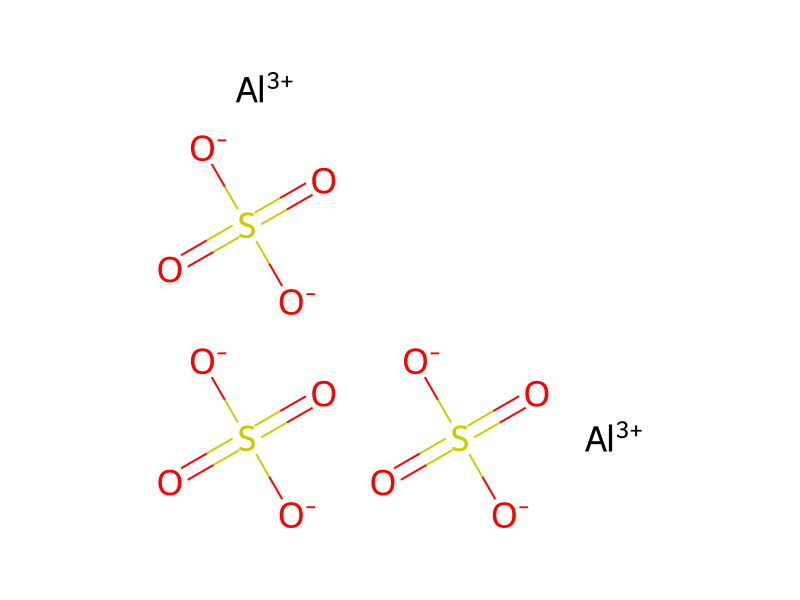
Standard SMILES
O=S(=O)([O-])[O-].O=S(=O)([O-])[O-].O=S(=O)([O-])[O-].[Al+3].[Al+3]
InChIKey
DIZPMCHEQGEION-UHFFFAOYSA-H
Molecular formula
Al2(SO4)3
Average molar mass
342.2 g/mol
Monoisotopic mass
341.818266

Overview

Anhydrous aluminum sulfate is a white crystalline solid. Aluminum sulfate is also obtained as an 18-hydrate Al2(SO4)3.18H2O. Both forms are soluble in water, noncombustible, and nontoxic. The primary hazard is the threat to the environment. Immediate steps should be taken to limit its spread to the environment. It is used in paper making, in firefighting foams, and in sewage treatment and water purification.

Names & identifiers

Preferred name
Aluminum Sulfate
IUPAC
dialuminum;trisulfate
English name
sulphuric acid, aluminium salt
Molecular formula
Al2O12S3
Molecular weight
342.150876

Names & synonyms

ALUMINUM SULFATE10043-01-3Aluminium sulfateDialuminum trisulfateAluminum sulfate anhydrousAluminium sulphateDialuminum sulfateAluminum alumFilter AlumPickle AlumSulfuric acid, aluminum saltPapermaker's Alum
Show more names
Einecs 233-329-5sulphuric acid, aluminium saltSulfuric acid, aluminum salt (1:)
Sulfuric acid, aluminum salt (3:2)Aluminum sulfate (2:3)Pearl AlumDialuminum sulphatealuminium sulfate anhydrousAluminum(III) silfateHi Soft C 2Nalco 7530

Database identifiers

CAS
10043-01-3、10124-29-5、55892-56-3
PubChem CID
24850
DTXSID
DTXSID2040317
ChEMBL
CHEMBL3833332、CHEMBL3833402
ChEBI
CHEBI:74768
UNII
I7T908772F
EC Number
233-135-0

Properties

Computed structural properties

Topological polar surface area
266 Ų
Hydrogen bond donors
0
Hydrogen bond acceptors
12
Rotatable bonds
0
Heavy atoms
17
Formal charge
0
Complexity
62.2

Experimental & physicochemical properties

Chemical Classes · 2 items

Metals -> Metals, Inorganic Compounds

Corrosives

CosmeticsAntiperspirant; Deodorant
pH · 2 items

2,9 or above (5 % solution)

Aq soln (1 g/1 ml water) not less than 2.9

Pesticides · 2 items

Agrochemicals -> Pesticide active substances

Active substance -> EU Pesticides database: Approved

OdorODORLESS
TasteHAS SWEET, MILDLY ASTRINGENT TASTE
Food AdditivesCOLOR OR COLORING ADJUNCT, EMULSIFIER OR EMULSIFIER SALT, FIRMING AGENT, PH CONTROL AGENT, PROCESSING AID, SEQUESTRANT -> FDA Substance added to food
Density · 5 items

2.71 at 68 °F 1.7 at 20 °C (USCG, 1999) - Denser than water; will sink

1.29 to 1.34 at 59 °F (USCG, 1999)

1.61

2.71 g/cm³

2.672 @25 °C

Color/FormWhite, lustrous crystals, pieces, granules, or powder

Safety & regulation

Safety information is for reference only and does not replace the supplier’s Safety Data Sheet (SDS), applicable regulations, or professional assessment.

GHS classification

GHS Classification · 6 items

This chemical does not meet GHS hazard criteria for 4.4% (50 of 1124) of reports.

Danger

H290 (41.1%): May be corrosive to metals [Warning Corrosive to Metals]

P234, P264+P265, P280, P305+P354+P338, P317, P390, and P406 (click each P-code to see the statement)

Aggregated GHS information provided per 1124 reports by companies from 33 notifications to the ECHA C&L Inventory. Each notification may be associated with multiple companies.

Warning

Hazard information

Regulatory Information · 6 items

Chemical: Sulfuric acid, aluminium salt (3:2)

Regulation (EC) No 1333/2008 (amended)

Sulfuric acid, aluminum salt (3:2) is listed on the EPA's Chemical Data Reporting (CDR) system. Manufacturers and importers of Sulfuric acid, aluminum salt (3:2) are required to report information about their production and use of this chemical to the EPA under the Toxic Substances Control Act (TSCA). (40 eCFR Part 711)

2011/47/EU, Reg. (EU) 2020/2007, Reg. (EU) 2024/1206, Reg. (EU) 2026/372 , Reg. (EU) No 2018/1266, Reg. (EU) No 540/2011

REACH registered substance: Aluminium sulphate (EC: 233-135-0)

Aluminium sulphate: Does not have an individual approval but may be used under an appropriate group standard

Other Safety InformationIMAP assessments - Aluminium sulfates (single and double salts): Human health tier II assessment
DOT LabelCorrosive
Fire Hazards · 2 items

Special Hazards of Combustion Products: Produces sulfuric acid upon decomposition. (USCG, 1999)

Not combustible. Gives off irritating or toxic fumes (or gases) in a fire.

Fire Potential

Chemistry & industry

Pharmacology

Pharmacodynamics · 1 item

Aluminum sulfate may be used as a deodorant, as well as an astringent. Aluminum sulfate is also known as an astringent. Astringents are substances that cause contraction or shrinkage of tissues and that dry up secretion. Used as a post-shaving treatment, it can eliminate bleeding from superficial wounds,. It has also shown in vitro anti-microbial activity.

Mechanism of Action · 4 items

When used as a deodorant, the volume of sweat produced is reduced by narrowing sweat ducts. The inhibition of body odor causing bacteria is another important strategy for deodorization. By inhibiting or deactivating odor-producing bacteria, there is little to none metabolism of sweat components thus decreasing the occurrence of body odor. Recent studies suggest that the active binding of alum to the membranes of dendritic cells (DCs) result in alteration of lipid membranes structures as a key process in alum's adjuvant effect in vaccines. As new adjuvants are being developed, alum may remain as an ingredient of adjuvant combinations, or it may eventually be supplemented by other agents that more effectively provide depot and local inflammatory responses to accentuate host immune responses.

...Glioma (C-6) and neuroblastoma (NBP2) cells were utilized to assess early changes in oxidative parameters consequent to a 48-hr exposure to aluminum sulfate. A 500-uM concentration of this salt produced a significant increase in reactive oxygen species (ROS) production and a significant decrease in glutathione (GSH) content in glioma cells. However, the same concentration of the aluminum salt did not lead to any significant changes in the neuroblastoma cells. Mitochondrial respiratory activity in glioma cells was also found to be significantly higher in the aluminum treated cells. As judged by morin-metal complex formation, aluminum can enter glioma cells much more readily than neuroblastoma cells.

... The aim of this work was to assess by in vivo brain microdialysis whether chronic administration of aluminium in the drinking water (2.5% aluminium sulfate) also impairs the glutamate-nitric oxide-cGMP pathway in the cerebellum of rats in vivo. Chronic exposure to aluminium reduced NMDA-induced increase of extracellular cGMP by ca 50%. The increase in extracellular cGMP induced by the nitric oxide generating agent S-nitroso-N-acetylpenicillamine was higher (240%) in rats treated with aluminium than in controls. Immunoblotting experiments showed that aluminium reduced the cerebellar content of calmodulin and nitric oxide synthase by 34 and 15%, respectively. Basal activity of soluble guanylate cyclase was decreased by 66% in aluminium-treated rats, while the activity after stimulation with S-nitroso-N-acetylpenicillamine was similar to controls. Basal cGMP in the cerebellar extracellular space was decreased by 50% in aluminium-treated rats. These results indicate that chronic exposure to aluminium reduces the basal activity of guanylate cyclase and impairs the glutamate-nitric oxide-cGMP pathway in the animal in vivo.

Related reactions

52 records
New reaction record
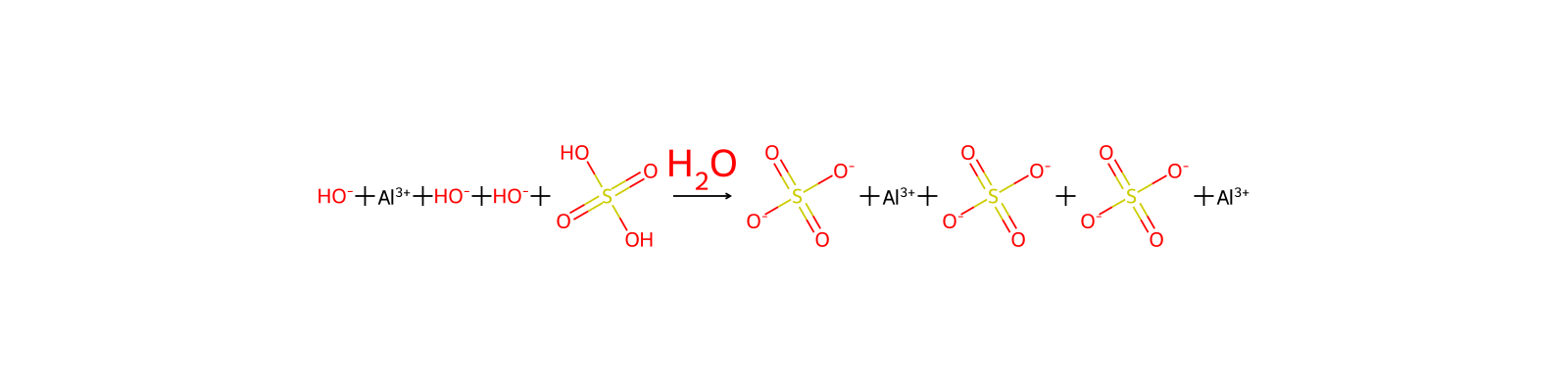
HRID 237167 reaction equation
HRID 237167As productuspto-grants-2014_02
HRID 237168 reaction equation
HRID 237168As productuspto-grants-2014_02
HRID 237169 reaction equation
HRID 237169As productuspto-grants-2014_02
HRID 237170 reaction equation
HRID 237170As productuspto-grants-2014_02
HRID 324908 reaction equation
HRID 324908As productuspto-grants-2001_04
HRID 328560 reaction equation
HRID 328560As reactantuspto-grants-1977_04
HRID 328661 reaction equation
HRID 328661As productuspto-grants-1977_04
HRID 364874 reaction equation
HRID 364874As reactantuspto-grants-1986_08
Page 1 of 7

Compound notes

Loading…

On this pageBasic informationOverviewNames & identifiersPropertiesSafety & regulationChemistry & industryRelated reactionsCompound notes
More actions
New noteNew reactionRequest quotes
Solubility · 4 items

Freely soluble in water, insoluble in ethanol

Soluble in 1 part water.

Soluble in water, insoluble in ethanol.

Solubility in water: good

Corrosivity · 2 items

Aluminum sulfate solution is corrosive to aluminum.

May corrode metals in presence of moisture

Boiling Point214 °F at 760 mmHg (USCG, 1999)

Physicochemical properties

EPA Substance Registry System
Sulfuric acid, aluminum salt (10124-29-5)
Symbol(GHS)
5 · GHS05
Signal word
Danger
Hazard statements
318 · H318
Precautionary statements
280 · P280-P305+P351+P338-P310
TSCA
TSCA listed
· 4 items

May burn, but will not ignite.

Certain polymerization catalysts, such as aluminum alkyls, react & burn violently on contact with water. /Aluminum alkyls/

Aluminum alkyls are organic aluminum compounds that are highly reactive and dangerous because of spontaneous burning in air. /Aluminum alkyls/

Prophoric material in flammable solvent. Vapors are heavier than air & may travel to a source of ignition & flash back. /Aluminum alkyls/

Health Hazards · 2 items

Inhalation of dust irritates nose and mouth. Ingestion of large doses causes gastric irritation, nausea, vomiting, and purging. Dust irritates eyes and skin. (USCG, 1999)

Vapor irritates eyes, nose and respiratory tract due to formation of sulfuric acid. Ingestion of large doses causes gastric irritation, nausea, vomiting, and purging. Liquid irritates eyes and skin. (USCG, 1999)

Hazards Summary · 1 item

A skin, eye, and respiratory tract irritant; [ICSC] The octadecahydrate is CAS # 7784-31-8; Aluminum sulfate anhydrous is a severe eye irritant in animal studies; [CHEMINFO] An irritant; May cause serious eye injury; [MSDSonline] See Aluminum potassium sulfate dodecahydrate. See Aluminum.

FDA Requirements · 3 items

Aluminum sulfate used for multiple purposes in food for human consumption is generally recognized as safe when used in accordance with good manufacturing practice.

Aluminum sulfate used as a general purpose food additive in animal drugs, feeds, and related products is generally recognized as safe when used in accordance with good manufacturing or feeding practice.

Drug products containing certain active ingredients offered over-the-counter (OTC) for certain uses. A number of active ingredients have been present in OTC drug products for various uses, as described below. However, based on evidence currently available, there are inadequate data to establish general recognition of the safety and effectiveness of these ingredients for the specified uses: aluminum sulfate is included in antiperspirant and topical antifungal drug products.

Reactive Group · 2 items

Salts, Acidic

Salts, Acidic

Special Reports · 1 item

Anon; Information profiles on Potential Occupaional Hazards: Aluminum & Compounds, 2nd Draft (Revised); GRA & I Issue 21 NTIS/PB89-216238 (1989)> TD3: Information profiles are working papers used by the National Institute for Occupational Safety and Health to assist the Institute in establishing priorities. The proile summarizes data on organic and inorganic substances containing aluminum as the only metal. Each summary presents data on known and suspected health effects, the extent of worker exposure, physical and chemical properties and the industrial importance of the following aluminum compounds: aluminum metal, aluminum ammonium sulfate, aluminum chlorhydrate, aluminum chloride anhydrous, aluminum chloride hydrous, aluminum distearate, aluminum ethoxide, aluminum fluoride, aluminum hydride, aluminum hydroxide, aluminum nitrate, aluminum oxide, aluminum ortho-phosphate, aluminum potassium sulfate, aluminum silicate, aluminum sodium sulfate, aluminum sulfate, calcium aluminum silicate, diethylaluminum chloride, sodium aluminate, tri-n-butylaluminum, triethylaluminum, tri-n-hexylaluminum, triisobutylaluminum, tri-n-octylaluminum. Detailed literature searches are conducted to identify information to be used in the profile sumaries. Sponsored by National Inst. for Occupational Safety and Health, Rockville, MD.

FIFRA Requirements · 2 items

As the federal pesticide law FIFRA directs, EPA is conducting a comprehensive review of older pesticides to consider their health and environmental effects and make decisions about their future use. Under this pesticide reregistration program, EPA examines health and safety data for pesticide active ingredients initially registered before November 1, 1984, and determines whether they are eligible for reregistration. In addition, all pesticides must meet the new safety standard of the Food Quality Protection Act of 1996. Pesticides for which EPA had not issued Registration Standards prior to the effective date of FIFRA '88 were divided into three lists based upon their potential for human exposure and other factors, with List B containing pesticides of greater concern and List D pesticides of less concern. Aluminum sulfate is found on List D. Case No: 4007; Pesticide type: herbicide, antimicrobial; Case Status: No products containing the pesticide are actively registered. Therefore ... "cancelled." Under FIFRA, pesticide producers may voluntarily cancel their registered products. EPA also may cancel pesticide registrations if registrants fail to pay required fees or make/meet certain reregistration commitments, or if EPA reaches findings of unreasonable adverse effects.; Active ingredient (AI): aluminum sulfate; AI Status: The active ingredient is no longer contained in any registered products ... "cancelled."

Aluminum sulfate is exempted from the requirement of a tolerance when used as a safener adjuvant in accordance with good agricultural practice as inert (or occasionally active) ingredients in pesticide formulations applied to growing crops only.

Reactivity AlertsWater-Reactive

Safety & protection

Fire Fighting · 2 items

Excerpt from ERG Guide 154 [Substances - Toxic and/or Corrosive (Non-Combustible)]:

In case of fire in the surroundings, use appropriate extinguishing media.

First Aid Measures · 4 items

Fresh air, rest. Refer for medical attention.

Rinse skin with plenty of water or shower.

Rinse with plenty of water for several minutes (remove contact lenses if easily possible). Refer immediately for medical attention.

Rinse mouth. Do NOT induce vomiting. Give one or two glasses of water to drink. Refer for medical attention .

First Aid · 2 items

INHALATION: rinse nose and mouth with water.

Call for medical aid.

Safe StorageSeparated from bases and strong oxidants. Dry. Store in an area without drain or sewer access. Provision to contain effluent from fire extinguishing.
Fire Fighting Procedures · 2 items

If material involved in fire: Extinguish fire using agent suitable for type of surrounding fire. (Material itself does not burn or burns with difficulty.)

Stop flow of liquid before extinguishing fire. Use dry chemical or carbon dioxide. DO NOT use water as straight stream directly on spilled material. Water fog can be used to control fire. DO NOT use halogenated extinguishing agents on spilled material. Violent reaction may result. Use water spray to keep fire-exposed containers cool. Fight fire from protected location or maximum possible distance. /Aluminum Alkyls/

Storage Conditions · 5 items

Ambient /Octadecohydrate/

Extremely reactive with air, moisture and compounds containing active hydrogen and therefore must be kept under a blanket of inert gas. /Aluminum alkyls/

In general, materials ... toxic as stored or which can decompose into toxic components ... Should be stored in cool ... ventilated place, out of ... sun, away from ... fire hazard ... be periodically inspected and monitored. Incompatible materials should be isolated ...

All possibility of contact with water must be avoided. Solution containing not more than 20% of these compounds in non-reactive solvents, however, can be handled without risk of spontaneous ignition. /Aluminum alkyls/

For more Storage Conditions (Complete) data for ALUMINUM SULFATE (6 total), please visit the HSDB record page.

Cleanup Methods · 3 items

Environmental considerations: Land spill: Dig a pit, pond, lagoon, holding area to contain liquid or solid material. /SRP: If time permits, pits, ponds, lagoons, soak holes, or holding areas should be sealed with an impermeable flexible membrane liner./ Cover solids with a plastic sheet to prevent dissolving in rain or fire fighting water.

Personnel protection: Keep upwind. ... Avoid breathing vapors or dusts. Wash away any material which may have contacted the body with copious amounts of water or soap and water.

Environmental considerations: Water spill: Neutralize with agricultural lime (CaO), crushed limestone (CaCO3), or sodium bicarbonate (NaHCO3). Use mechanical dredges or lifts to remove immobilized masses of pollutants and precipitates.

Nonfire Spill ResponseExcerpt from ERG Guide 154 [Substances - Toxic and/or Corrosive (Non-Combustible)]:
Disposal Methods · 3 items

Aluminum compounds are treated under anhydrous conditions to prevent violent reactions, recover solvent, and form Al compounds suitable for landfill by reaction with anhydrous hydrolysis agent, eg calcium hydroxide. /Aluminum compounds/

SRP: The most favorable course of action is to use an alternative chemical product with less inherent propensity for occupational exposure or environmental contamination. Recycle any unused portion of the material for its approved use or return it to the manufacturer or supplier. Ultimate disposal of the chemical must consider: the material's impact on air quality; potential migration in soil or water; effects on animal, aquatic, and plant life; and conformance with environmental and public health regulations.

Aluminum sulfate: Pretreatment involves hydrolysis, followed by neutralization with sodium hydroxide.

Spillage Disposal · 1 item

Personal protection: particulate filter respirator adapted to the airborne concentration of the substance. Do NOT let this chemical enter the environment. Sweep spilled substance into covered plastic containers. If appropriate, moisten first to prevent dusting. Store and dispose of according to local regulations.

Preventive Measures · 5 items

If material not involved in fire: Keep material out of water sources and sewers. Build dikes to contain flow as necessary.

Personnel protection: Keep upwind. ... Avoid breathing vapors or dusts. Wash away any material which may have contacted the body with copious amounts of water or soap and water.

SRP: The scientific literature for the use of contact lenses in industry is conflicting. The benefit or detrimental effects of wearing contact lenses depend not only upon the substance, but also on factors including the form of the substance, characteristics and duration of the exposure, the uses of other eye protection equipment, and the hygiene of the lenses. However, there may be individual substances whose irritating or corrosive properties are such that the wearing of contact lenses would be harmful to the eye. In those specific cases, contact lenses should not be worn. In any event, the usual eye protection equipment should be worn even when contact lenses are in place.

Work clothing that becomes wet or significantly contaminated should be removed and replaced. /Aluminum (soluble salts and alkyls, as Al)/

For more Preventive Measures (Complete) data for ALUMINUM SULFATE (7 total), please visit the HSDB record page.

Isolation and EvacuationExcerpt from ERG Guide 154 [Substances - Toxic and/or Corrosive (Non-Combustible)]:

Toxicology

Treatment · 1 item

EYES: irrigate opened eyes for several minutes under running water. INGESTION: do not induce vomiting. Rinse mouth with water (never give anything by mouth to an unconscious person). Seek immediate medical advice. SKIN: should be treated immediately by rinsing the affected parts in cold running water for at least 15 minutes, followed by thorough washing with soap and water. If necessary, the person should shower and change contaminated clothing and shoes, and then must seek medical attention. INHALATION: supply fresh air. If required provide artificial respiration.

Interactions · 2 items

... Aluminum was added to the freshwater tanks as aluminum sulfate and the pH of the tank was adjusted slowly as necessary to avoid localization of the acid. The tanks were then allowed to equilibrate and 20 fish /golden shiners/ were placed in each tank. At pH 4.5 and 5.0 + 100 ppm aluminum, all fish died within a few hr. With total aluminum concn of 10 ppm and 100 ppm and pH 4.5 and 5.0, it appeared that the aluminum and the acid had a synergistic effect. Visual inspection of the fish showed that the aluminum interacted with the gills, which may have caused suffocation. It is possible that some chemical forms of aluminum are more toxic than others. Suspended clay (aluminum silicate) does not appear to be toxic, but in acid solution, aluminum ion is released, which may be toxic. ...

Four cultivars of ryegrass (Lolium multiflorum Lam. cvs. Gulf, Marshall, Urbana, and Wilo) were grown in nutrient solution (pH 4.2 at 0 and 74 uM aluminum). Following a 30 min equilibration period after seeds were exposed to aluminum on day 10 after germination, total and monomeric aluminum concn were 78 + or - 6 and 69 + or - 5 um, respectively. Cations were desorbed from the Donnan free space of roots of 15, 23, and 35 day old plants using barium chloride, barium chloride triethanolamine, ammonium acetate, and potassium chloride. (The ability of desorbents to displace cations varied widely for the desorbent effect). Barium chloride triethanolamine showed the greatest ability to displace aluminum cations from the Donnan free space, while NH4+ did not displace detectable amounts of aluminum +3. The amounts of aluminum +3 displaced by barium +2 and potassium +1 from aluminum treated roots were larger in younger than in older roots. Aluminum considerably decr the amount of desorbed divalent cations (calcium +2, magnesium +2) and increased the amount of desorbed potassium +1 and sodium +1. /Aluminum sulfate octadecahydrate/

Health Effects · 1 item

Aluminum targets the nervous system and causes decreased nervous system performance and is associated with altered function of the blood-brain barrier. The accumulation of aluminum in the body may cause bone or brain diseases. High levels of aluminum have been linked to Alzheimer's disease. A small percentage of people are allergic to aluminium and experience contact dermatitis, digestive disorders, vomiting or other symptoms upon contact or ingestion of products containing aluminium. (L739, L740)

Ecotoxicity Values · 5 items

EC50 Aphanizomenon flos-aquae (Blue-green algae; decreased nitrogen fixation ability) >25 mg/L/1.5 hr and 22 hr; static /technical product/

EC50 Asellus aquaticus (Aquatic sowbug; intoxication/immobilization) 6570 ug/L/48 hr (95% confidence interval: 5050-7760 ug/L); renewal /technical product/

EC50 Asellus aquaticus (Aquatic sowbug; intoxication/immobilization) 4370 ug/L/72 hr (95% confidence interval: 870-5390 ug/L); renewal /technical product/

EC50 Crangonyx pseudogracilis (Amphipod; intoxication/immobilization) 12800 ug/L/48 hr (95% confidence interval: 11800-14000 ug/L); renewal /technical product/

For more Ecotoxicity Values (Complete) data for ALUMINUM SULFATE (22 total), please visit the HSDB record page.

Exposure Routes · 2 items

The substance can be absorbed into the body by inhalation of its aerosol and by ingestion.

Oral (L739) ; inhalation (L739)

Toxicity Summary · 1 item

The main target organs of aluminum are the central nervous system and bone. Aluminum binds with dietary phosphorus and impairs gastrointestinal absorption of phosphorus. The decreased phosphate body burden results in osteomalacia (softening of the bones due to defective bone mineralization) and rickets. Aluminum's neurotoxicity is believed to involve several mechanisms. Changes in cytoskeletal protein functions as a results of altered phosphorylation, proteolysis, transport, and synthesis are believed to be one cause. Aluminum may induce neurobehavioral effects by affecting permeability of the blood-brain barrier, cholinergic activity, signal transduction pathways, lipid peroxidation, and impair neuronal glutamate nitric oxide-cyclic GMP pathway, as well as interfere with metabolism of essential trace elements because of similar coordination chemistries and consequent competitive interactions. It has been suggested that aluminum's interaction with estrogen receptors increases the expression of estrogen-related genes and thereby contributes to the progression of breast cancer (A235), but studies have not been able to establish a clear link between aluminum and increased risk of breast cancer (A15468). Certain aluminum salts induce immune responses by activating inflammasomes. (L739, A235, A236)

Ecotoxicity Excerpts · 5 items

/BIRDS and MAMMALS/ ... The effects of aluminum or acid on growth-related hormones were compared in mallard ducklings: growth hormone, insulin-like growth factor, and insulin-like growth factor binding proteins (IGFBPs). Birds received two levels of acid: sulfuric acid (0.056 or 0.277 moles sulfate per kg) or aluminum sulfate (0.1 or 0.5% aluminum; 0.056 or 0.277 moles sulfate per kg). Two sodium sulfate (0.056 or 0.277 moles sulfate per kg) treatment groups were added as additional controls, and a group was given control diet ad libitum. Ducklings were fed the test diets for 15 days. In addition, there were pair-fed controls to the acid and aluminum diets. Growth as indicated by body weight, average daily gain, and tibiotarsus length was reduced (p < 0.05) in ducklings on the high aluminum diet compared to those fed control diets.

/AQUATIC SPECIES/ The acute and chronic toxicity of aluminum sulfate to Ceriodaphnia dubia larvae and juveniles were examined in static renewal tests. The live offspring of Ceriodaphnia dubia in seven day test ranged from 34.2 to 8.2 for 0 to 100% effluent, respectively. Delayed brood release and significant reductions in Ceriodaphnia dubia reproduction observed in 100% effluent were likely due to the combined effects of reductions in pH and dissolved oxygen concentration, physical stress due to high levels of suspended solids, and possibly, the presence of aqueous aluminum.

/AQUATIC SPECIES/ ...Freshwater benthic algal populations /were exposed/ to aluminium concentrations of 50, 100 and 500 ug Al/L (as aluminium sulfate) at pH 4.8 in artificial streams. During the 28-day test, aluminium in acidified water inhibited the abundance of diatoms and cyanobacteria (blue-green algae) more than the acidity alone. Aluminium decreased chlorophyll abundance beyond the effects of acidity alone at 500 ug/L.

/AQUATIC SPECIES/ The egg and fry stages of lake trout (Salvelinus namaycush) and brook trout (Salvelinus fontinalis) were exposed to 0, 50, 100, 200, or 300 ug/L aluminum (as aluminum sulfate) in soft water at various pH levels (3.8 to 6.0). For both fry stages of brook trout, survival at pH 4.8 was reduced when 200 ug/L were added and at pH 4.2 survival was lower at all aluminum concentrations compared to controls. Mortality was not confined to the exposure period and often continued after transfer to control water following short term exposure of eggs and fry. In general an additional 15 to 30% of cleavage eggs died following exposure. In another experiment, groups of 10 swim-up fry lake and brook trout were exposed to 0, 100, 300, and 1000 ug/L aluminum for 6, 24, 50, or 120 hr at pH 3.8, 4.0, 4.2, or 4.4. Single episodes of exposure required extreme combinations of pH, aluminum or time to produce significant mortality of fry. At pH 3.8, mortality of brook trout was mostly confined to the post exposure period and addition of aluminum improved survival over that in controls. Aluminum lethality of brook trout was apparent within 50 hr at pH 4.0 and post-exposure mortality was confined to aluminum treatments. For brook trout, addition of 1000 ug/L aluminum produced substantial mortality following 24 hr at pH 4.4 (approx 25% at 24 hr, to 95% at 120 hr).

Signs and Symptoms · 5 items

Cough. Sore throat.

Redness.

Redness. Burns.

Burning sensation in the throat and chest. Abdominal pain. Nausea. Vomiting. Diarrhoea.

Inhalating aluminum dust causes coughing and abnormal chest X-rays. A small percentage of people are allergic to aluminium and experience contact dermatitis, digestive disorders, vomiting or other symptoms upon contact or ingestion of products containing aluminium. (L739, L740)

Acute Toxicity LinkChemical: ALUMINUM SULFATE
ICSC Environmental DataThe substance is toxic to aquatic organisms. It is strongly advised not to let the chemical enter into the environment.
Natural Pollution Sources · 2 items

Occurs in nature as mineral alunogenite.

THE CRUDE LUMP ALUM AS IT OCCURS WITH EARTH ATTACHED HAS BEEN KNOWN AS ROCK ALUMINUM (ALUMEN RUPEUM) AND AS ROMAN ALUMINUM. /ALUM/

Human Toxicity Excerpts · 5 items

/HUMAN EXPOSURE STUDIES/ ...The exposures of workers engaged in the synthesis of the simple aluminum sulfate salt /were reported/. ...Exposures were poorly controlled as a result of start-up problems, and atmospheric exposure concentrations ranged form 0-53 mg/cu m as dusts with 25-30% in the respirable range. The employees manifested nocturnal wheezing and breathlessness characteristic of occupational asthma. This reversible airway obstruction persisted despite 2-5 years of nonexposure (mean=41 months) in 11 of the 19 workers initially affected. The similarity of these cases of reversible obstructive airway disease or occupational asthma cases to those seen in aluminum smelters is noteworthy. However, the occupational asthma syndrome is not uncommon, as it has been reported consequent to other irritant metal salt exposures, such as from chromates, platinum, nickel, and vanadium.

/SIGNS AND SYMPTOMS/ ...Simpler salts, such as... the simple sulfate, are capable of evoking irritant effects at biological interfaces. Even here, such effects usually require relatively large dosing or protracted skin contact; when they ar inhaled, irritation can also be seen at higher doses, particularly with respirable particulate sizes.

/CASE REPORTS/ ...On two occasions the ingestion of 30 g /of aluminum/ has killed an adult human. Death is probably due to the corrosive action of the sulfuric acid formed by hydrolysis of the salt.

/CASE REPORTS/ In one plant where the carbon (electrode) plant was separate from the potroom, electrode workers had greater reduction in /forced expiratory volume in one second/ (FEV1) and forced vital capacity (FVC) than potroom workers. In another, after only 4 months' exposure to aluminum, fluoride, and sulfate, nocturnal wheezing, breathlessness, and reversible airways obstruction were found with increased methacholine sensitivity (17 of 19 workers suffered air flow obstruction after inhaling 0.1% methacholine). Bronchoalveolar lavage (BAL) fluid from potroom workers contained more fibronectin, albumin, and hyaluronon and less angiotensin-converting enzyme than fluid from unexposed men.

For more Human Toxicity Excerpts (Complete) data for ALUMINUM SULFATE (8 total), please visit the HSDB record page.

Regulatory information

FDA Requirements · 3 items

Aluminum sulfate used for multiple purposes in food for human consumption is generally recognized as safe when used in accordance with good manufacturing practice.

Aluminum sulfate used as a general purpose food additive in animal drugs, feeds, and related products is generally recognized as safe when used in accordance with good manufacturing or feeding practice.

Drug products containing certain active ingredients offered over-the-counter (OTC) for certain uses. A number of active ingredients have been present in OTC drug products for various uses, as described below. However, based on evidence currently available, there are inadequate data to establish general recognition of the safety and effectiveness of these ingredients for the specified uses: aluminum sulfate is included in antiperspirant and topical antifungal drug products.

FIFRA Requirements · 2 items

As the federal pesticide law FIFRA directs, EPA is conducting a comprehensive review of older pesticides to consider their health and environmental effects and make decisions about their future use. Under this pesticide reregistration program, EPA examines health and safety data for pesticide active ingredients initially registered before November 1, 1984, and determines whether they are eligible for reregistration. In addition, all pesticides must meet the new safety standard of the Food Quality Protection Act of 1996. Pesticides for which EPA had not issued Registration Standards prior to the effective date of FIFRA '88 were divided into three lists based upon their potential for human exposure and other factors, with List B containing pesticides of greater concern and List D pesticides of less concern. Aluminum sulfate is found on List D. Case No: 4007; Pesticide type: herbicide, antimicrobial; Case Status: No products containing the pesticide are actively registered. Therefore ... "cancelled." Under FIFRA, pesticide producers may voluntarily cancel their registered products. EPA also may cancel pesticide registrations if registrants fail to pay required fees or make/meet certain reregistration commitments, or if EPA reaches findings of unreasonable adverse effects.; Active ingredient (AI): aluminum sulfate; AI Status: The active ingredient is no longer contained in any registered products ... "cancelled."

Aluminum sulfate is exempted from the requirement of a tolerance when used as a safener adjuvant in accordance with good agricultural practice as inert (or occasionally active) ingredients in pesticide formulations applied to growing crops only.

CERCLA Reportable Quantities · 1 item

Persons in charge of vessels or facilities are required to notify the National Response Center (NRC) immediately, when there is a release of this designated hazardous substance, in an amount equal to or greater than its reportable quantity of 5000 lb or 2270 kg. The toll free number of the NRC is (800) 424-8802; In the Washington D.C. metropolitan area (202) 426-2675. The rule for determining when notification is required is stated in 40 CFR 302.4 (section IV. D.3.b).

Clean Water Act Requirements · 1 item

Aluminum sulfate is designated as a hazardous substance under section 311(b)(2)(A) of the Federal Water Pollution Control Act and further regulated by the Clean Water Act Amendments of 1977 and 1978. These regulations apply to discharges of this substance. This designation includes any isomers and hydrates, as well as any solutions and mixtures containing this substance.

State Drinking Water Standards(CA) CALIFORNIA 1000 ug/l /Aluminum/
State Drinking Water Guidelines · 3 items

(AZ) ARIZONA 73 ug/l /Aluminum/

(CA) CALIFORNIA 200 ug/l /Aluminum/

(ME) MAINE 1430 ug/l /Aluminum/

Federal Drinking Water GuidelinesEPA 50-200 ug/l /Aluminum/

Safety data

tsca
TSCA listed
Signal word
Danger
Symbol(GHS)
GHS05
Hazard statements
H318
Precautionary statements
P280-P305+P351+P338-P310

Aluminum salts have been shown to stimulate (3)H-thymidine incorporation in primary cultures of bovine brain microvessel endothelial cells. Aluminum chloride or sulfate salts in concentrations between 0.01 to 100 uM were, in general, most effective in stimulating thymidine uptake by bovine brain microvessel endothelial cells with maximal efects observed after a 24 hr exposure to the metal. Concentration of aluminum salts greater than 100 uM inhibited thymidine incorporation. Cell numbers were not affected by exposure to concentrations of the aluminum salts less than approx 100 uM. Concentrations producing half maximal stimulation of bovine brain misrovessel endothelial cell thymidine incorporation were approx, 0.3 uM and 0.5 uM, for aluminum chloride and aluminum sulfate, respectively. These findings indicate that bovine brain microvessel endothelial cells are sensitive to lower concentrations of aluminum salts than other mammalian cell types. Hydroxyurea completely inhibited thymidine incorporation into bovine brain microvessel endothelial cells in the presence and absence of aluminum suggesting that thymidine incorporation into bovine brain microvessel endothelial cells is representative of DNA synthesis. Endothelial cell growth factor stimulated both measured DNA synthesis and bovine brain microvessel endothelial cell numbers in the primary culture system. Aluminum had only slight effects on DNA synthesis in edothelial cell growth factor stimulated bovine brain microvessel endothelial cells. In contrast to endothelial cell growth factor, aluminum then, appears to provide a stimulus for DNA synthesis but not subsequent mitosis in bovine brain microvessel endothelial cells. Results from this study are consistent with previous studies in other cell types and with current knowkedge of the effects of aluminum on the blood brain barrier in vivo. /Aluminum salts/

Biological Half-Life · 1 item

Numerous studies have actually shown that the rate of aluminum clearance in the blood decreases with time following aluminum ingestion, and therefore a single elimination half-life (t1⁄2) cannot depict the whole-body elimination of aluminum.

Metabolism/Metabolites · 1 item

Aluminum is poorly absorbed following either oral or inhalation exposure and is essentially not absorbed dermally. The bioavailability of aluminum is strongly influenced by the aluminum compound and the presence of dietary constituents which can complex with aluminum and enhance or inhibit its absorption. Aluminum binds to various ligands in the blood and distributes to every organ, with highest concentrations found in bone and lung tissues. In living organisms, aluminum is believed to exist in four different forms: as free ions, as low-molecular-weight complexes, as physically bound macromolecular complexes, and as covalently bound macromolecular complexes. Absorbed aluminum is excreted principally in the urine and, to a lesser extent, in the bile, while unabsorbed aluminum is excreted in the faeces. (L739)

MeSH Pharmacological Classification · 1 item

Substances that augment, stimulate, activate, potentiate, or modulate the immune response at either the cellular or humoral level. The classical agents (Freund&apos;s adjuvant, BCG, Corynebacterium parvum, et al.) contain bacterial antigens. Some are endogenous (e.g., histamine, interferon, transfer factor, tuftsin, interleukin-1). Their mode of action is either non-specific, resulting in increased immune responsiveness to a wide variety of antigens, or antigen-specific, i.e., affecting a restricted type of immune response to a narrow group of antigens. The therapeutic efficacy of many biological response modifiers is related to their antigen-specific immunoadjuvanticity.

Absorption, Distribution and Excretion · 6 items

The degree of aluminum absorption depends on a number of factors, such as the aluminum salt ingested, pH (for aluminum speciation and solubility), bioavailability, as well as dietary conditions. These facts should be taken into consideration during tissue dosimetry and response assessment to aluminum sulfate. It can be concluded that the use of currently available animal studies to develop a guideline value is inappropriate at this time due to the above specific toxicokinetic/dynamic factors that may affect results.

Aluminum is excreted predominantly via the kidneys and therefore may accumulate in patients with renal failure. About 2% is excreted in bile.

Aluminium which is absorbed is located primarily in the heart, spleen, and bone.

In mammals GI absorption of ingested aluminum is poor due to transformation of aluminum salts into insoluble aluminum phosphate (AlPO4) in digestive tract, brought about by pH changes and presence of phosphate in diet. At higher doses, such as 200 mg aluminum/kg as aluminum sulfate, intestinal absorption is about 10% in rats ... .

... No increases in urinary excretion of aluminum or in aluminum deposition in organs of rats when twice normal aluminum concentration was given as ... sulfate in food. When concentration was increased to about 15 times normal, both urinary excretion and organ deposition were enhanced.

In rats retention of aluminum in bone, liver, and testes ... increased with large ingested doses such as 200 mg aluminum/kg in the form of aluminum sulfate ... Level in brains of ... rats increased /SRP: to a level/ tenfold that of control. ... Excretion is mainly fecal, representing both unabsorbed ... and aluminum excreted into digestive tract from liver via bile.

Uses & manufacturing

Uses · 6 items

Used for tanning leather, sizing paper, dyeing textiles (mordant), purifying water, treating sewage, manufacturing (lakes, aluminum resinate, aluminum salts, soaps, cosmetics), fireproofing and waterproofing cloth, clarifying oils and fats, waterproofing concrete, controlling pH of soil, and deodorizing/decolorizing petroleum; Also used in antiperspirants, agricultural pesticides, lubricants, food additives, and catalysts to make ethane; [HSDB]

Petroleum Production and Refining [Category: Industry]

An early step in the treatment of raw water ... Either aluminum sulfate or ferric chloride proved a good primary flocculant for virus removal.

The active ingredient is no longer contained in any registered products ... "cancelled."

For aluminum sulfate (USEPA/OPP Pesticide Code: 013906) there are 0 labels match. /SRP: Not registered for current use in the U.S., but approved pesticide uses may change periodically and so federal, state and local authorities must be consulted for currently approved uses./

Tanning leather, sizing paper, mordant in dyeing; purifying water; manufacture lakes, aluminum resinate; fireproofing and waterproofing cloth; clarifying oils and fats; treating sewage; waterproofing concrete; deodorizing and decolorizing petroleum; antiperspirants; agricultural pesticides; manufacture of aluminum salts.

ImpuritiesThe iron-free grade: (<0.005% ferric oxide max) ... using pure alumina trihydrate in place of bauxite or clay.
U.S. Exports · 3 items

(1977) 6.00X10+9 GRAMS

(1979) 1.40X10+10 GRAMS

(1985) 5.70X10+9 g

U.S. Imports · 3 items

(1977) 9.00X10+9 GRAMS

(1979) 1.20X10+10 GRAMS

(1985) 4.57X10+10 g

U.S. Production · 6 items

2023: 2,500,000,000 - <4,000,000,000 lb

(1977) 7.13X10+11 GRAMS

(1979) 7.40X10+11 GRAMS

(1984) 2.16 billion lb

(1983) 2.21 billion lb

For more U.S. Production (Complete) data for ALUMINUM SULFATE (10 total), please visit the HSDB record page.

Consumption Patterns · 2 items

Coagulant for water and waste treatment, 65% (pulp and paper industry, 15%; other industries, 50%); rosin size precipitant for paper, 35%; other, less than 1% (1981)

Water & waste treatment, - potable, 25%, - waste & sewage, 20%, - pulp and paper, 10%; papermaking, - paper, 20% - paper board, 20%; miscellaneous, 5% (1984) /estimate/

Consumer UsesFlocculating agent
Industry UsesReducing agent
Methods of Manufacturing · 4 items

In Germany and most European countries, aluminum sulfate is produced on a large scale only from aluminum hydroxide and sulfuric acid by the Giulini process.

Acid digestion of predominately silicon-rich raw materials gives a solution of aluminum sulfate. The purity depends on the process and starting materials. Iron, which strongly interferes, is precipitated with calcium hexacyanoferrate(II) as Berlin blue (iron hexacyanoferrate (II)), with calcium sulfide as iron sulfide, or by hydrolysis as basic iron sulfate. ... The clear solution is decanted and sold as a liquid or concentrated to 61.5 deg Baume, allowed to solidify, and milled. The final product, which contains about 0.5% Fe2O3 and 0.1% insoluble material, is the technical grade.

By reacting freshly precipitated aluminum hydroxide with appropriate quantity of sulfuric acid. Resulting solution is evaporated and allowed to crystallize.

Treating pure kaolin or aluminum hydroxide or bauxite with sulfuric acid. The insoluble silic acid is removed by filtration and the sulfate is obtained by crystallization. Similarly, from waste coal mining shale and sulfuric acid.

Formulations/Preparations · 5 items

Grades: iron-free; technical; CP; USP /United States Pharmacopeia/; FCC /food chemicals codex/; a liquid form (49.7 water) is also available.

Article of commerce usually contains 5 to 10% less water than theory. /Aluminum sulfate octadecahydrate/

Ground & powder, food grade, and commercial.

The commercial grade is available both as a lump or granular solid containing 17.0-17.5% aluminum oxide (57% aluminum sulfate) and as a solution containing 7.5-8.5% aluminum oxide.

Commercial product is known as cake alum or patent alum. It is about 99.5% pure. /Aluminum sulfate octadecahydrate/

Household Products · 2 items

Information on 14 consumer products that contain Aluminum sulfate anhydrous in the following categories is provided:

Information on 3 consumer products that contain Aluminum sulfate in the following categories is provided:

Use Classification · 4 items

Food additives

Food Additives -> FIRMING_AGENT -> JECFA Functional Classes

Cosmetics -> Antiperspirant; Deodorant

S

For more Ecotoxicity Excerpts (Complete) data for ALUMINUM SULFATE (9 total), please visit the HSDB record page.