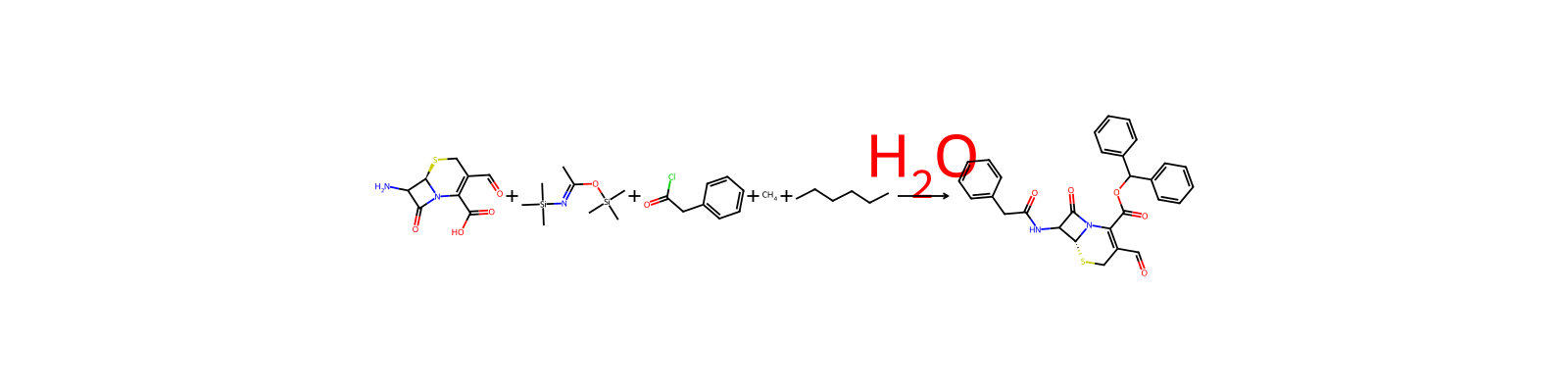
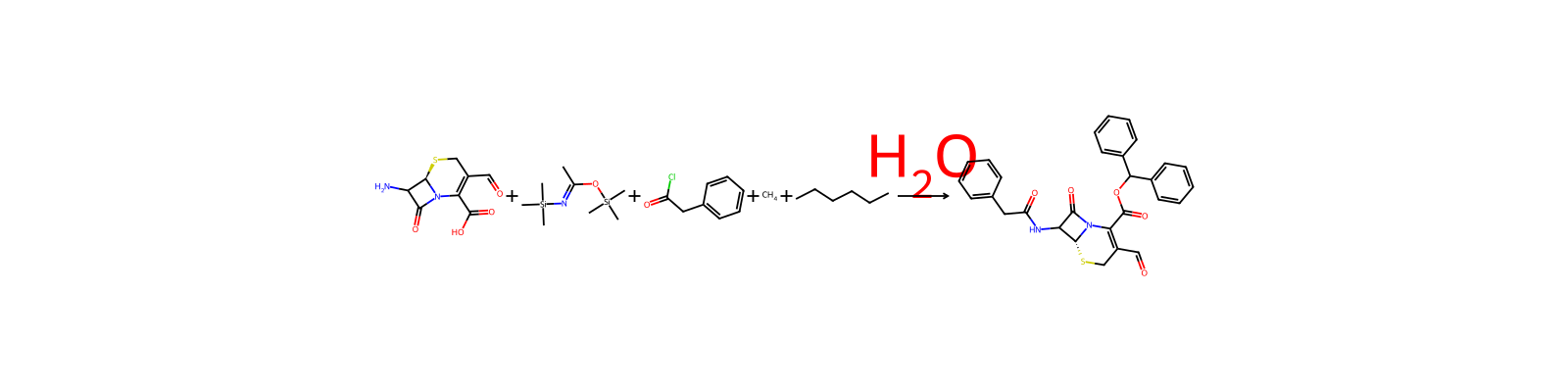
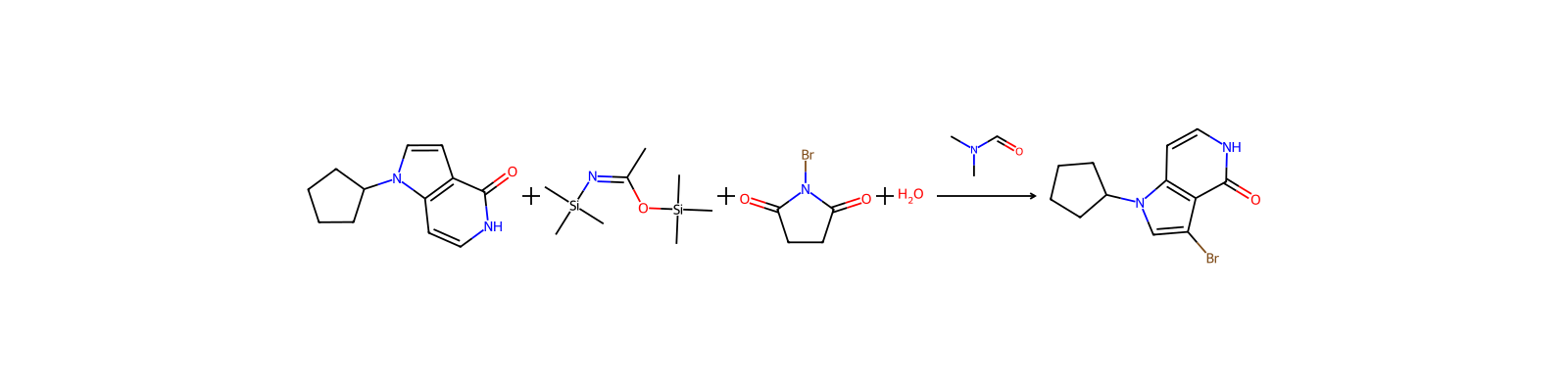
HRID 341906As reactant
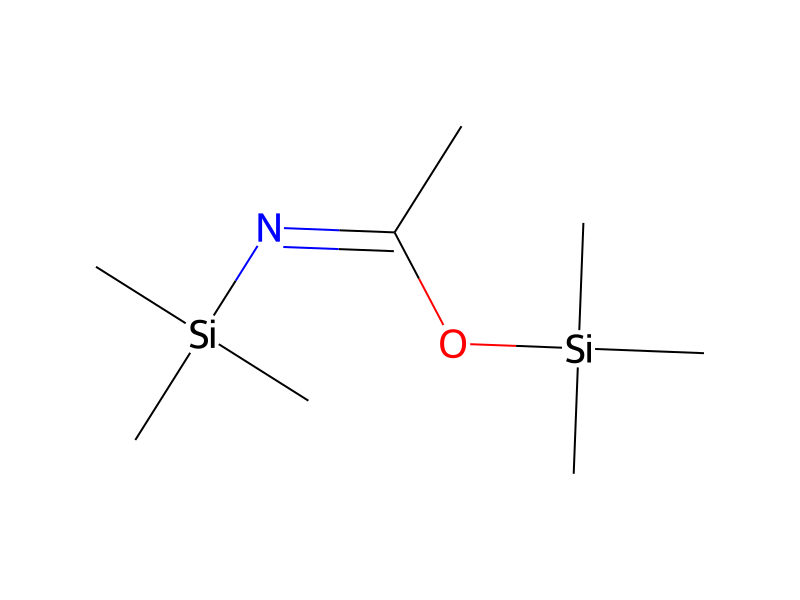
10416-59-8CC(=N[Si](C)(C)C)O[Si](C)(C)CSIOVKLKJSOKLIF-UHFFFAOYSA-N10416-59-8DTXSID5051525Safety information is for reference only and does not replace the supplier’s Safety Data Sheet (SDS), applicable regulations, or professional assessment.
DescriptionClear to yellowish clear liquid liquid which is soluble in many nonpolar and polar aprotic solvents. The trimethylsilyl group is a frequently utilized monofunctional blocking group for protic organic and inorganic materials. As it eliminated during the silylation is neutral acetamide, N,O-Bis(trimethylsilyl)acetamide can be preferably used for substrates which are acid- or base-sensitive. N,O-bis(trimethylsilyl)-acetamide is an effective silylating agent. It is used in the pharmaceutical and in the chemical industry. Typically the silylating reaction with BSA results in neutral by-products only.
UsesUsed for blocking and protection of hydroxyl groups in natural products, e.g. amino acids, carbohydrates; Used for blocking and protection of functional groups in organic intermediates; Used for formation of derivatives of H-acid compounds for analysis; The silylated derivatives are volatile and can therefore be determined by gas chromatography. Deblocking is preferably carried out by means of hydrolysis, giving high yields. In some cases, thermal elimination of the trimethylsilyl group is possible.
UsesPowerful silylation reagent for a wide range of functional groups under mild conditions
UsesN,O-bis(trimethylsilyl)-acetamide (BSA) is frequently used with TMCS as a catalyst to modify a variety of functional groups including carboxyl groups. In one novel application, BSA was used to measure carboxypeptidase activity by forming derivatives which could be determined by gas chromatography.BSA has been used to prepare derivatives of steroids and glucocorticoids.
UsesN,O-Bis(trimethylsilyl)acetamide is a powerful silylating agent; reacts with a wide range of functional groups.BSA was used to trimethylsilylate the hydroxyl group of 12 selectively to form in almost quantitative yield (eq 32).The presence of catalytic amounts (~0.02 equiv) of tetrabutylammonium fluoride (TBAF) significantly promoted the silylation of alcohols under mild conditions with high chemoselectivity, i.e., TBAF plays a role as a smooth silyl transfer catalyst from nitrogen to the hydroxyl group.
General DescriptionN,O-Bis(trimethylsilyl)acetamide is an excellent silylation reagent. For some sterically hindered primary or secondary nitro compounds, N,O-bis(trimethylsilyl)acetamide and BSTFA achieve better results than normal silylation conditions.
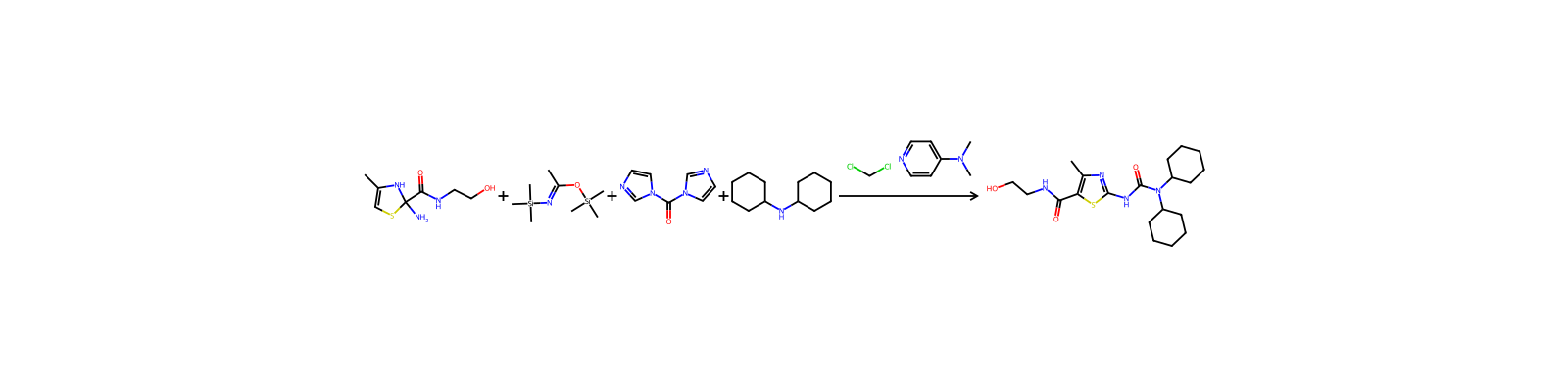

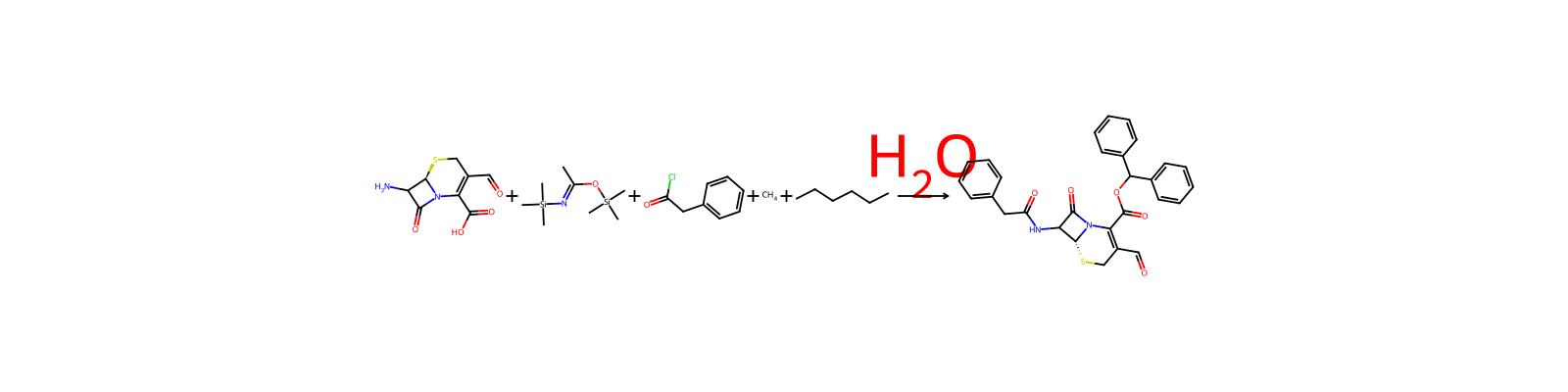
PreparationN,O-Bis(trimethylsilyl)acetamide is made by the reaction of acetamide with a large excess of chlorotrimethylsilane in the presence of triethylamine.