
HRID 850243As reactant
Completing data — refresh the page later to see the latest

13491-79-7CC(C)(C)C1CCCCC1ODLTWBMHADAJAAZ-UHFFFAOYSA-NSee also: 2-tert-Butylcyclohexanol, cis- (annotation moved to); Cyclohexanol, 2-(1,1-dimethylethyl)-, (1R,2R)-rel- (annotation moved to).
13491-79-7、5448-22-6、7214-18-8、98104-30-4Safety information is for reference only and does not replace the supplier’s Safety Data Sheet (SDS), applicable regulations, or professional assessment.
This chemical does not meet GHS hazard criteria for 16.9% (270 of 1595) of reports.
Warning
H319 (80.7%): Causes serious eye irritation [Warning Serious eye damage/eye irritation]
P264+P265, P280, P305+P351+P338, and P337+P317 (click each P-code to see the statement)
Aggregated GHS information provided per 1595 reports by companies from 4 notifications to the ECHA C&L Inventory.
Chemical: Cyclohexanol, 2-(1,1-dimethylethyl)-
Cyclohexanol, 2-(1,1-dimethylethyl)-: Does not have an individual approval but may be used under an appropriate group standard
(-)-Trans-2-tert-butylcyclohexanol: Does not have an individual approval but may be used under an appropriate group standard
Uses2-tert-Butylcyclohexanol as an isomer of the better known para-derivative, this alcohol is used in a similar way, mainly to lend power and radiation to soap perfumes where woody, Cedar-like, Pine-like or even Patchouli-like effects should be emphasized. Its minty character limits its use to a few fragrance types, and it will rarely enter the perfume formulation al more than one or two percent.
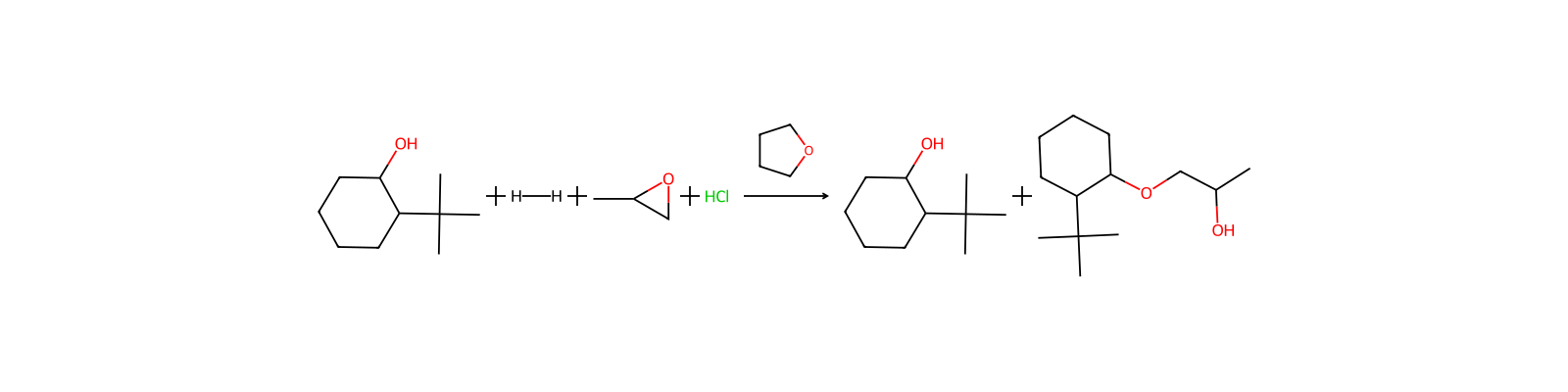
Uses2-tert-Butylcyclohexanol was used in the synthesis of 2-tert-butylcyclohexyl methacrylate via reaction with methacryloyl chloride in the presence of triethylamine.
General Description2-tert-Butylcyclohexanol is the major metabolite of (+/-)-2-tert-butylcyclohexanone.
PreparationBy hydrogenation of 2-tertiury-Butyl-phenol.



DTXSID4044799CHEMBL3184925