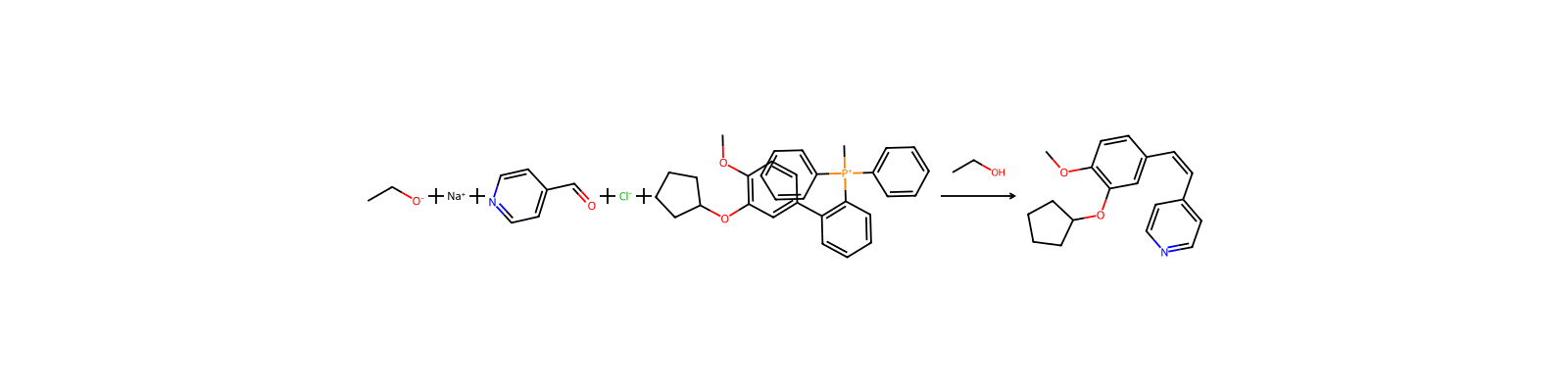
HRID 922As reactant

141-52-6CC[O-].[Na+]QDRKDTQENPPHOJ-UHFFFAOYSA-NSodium ethoxide is an organic monosodium salt that has ethoxide as the counterion. It has a role as a nucleophilic reagent. It contains an ethoxide.
141-52-6DTXSID3027089CHEBI:52096WHITE OR YELLOWISH POWDER
WHITE POWDER SOMETIMES HAVING BROWNISH TINGE
White or yellowish hygroscopic solid; Decomposed by air and water; [Merck Index] Off-white powder with an odor of alcohol; [MSDSonline]
WHITE-TO-YELLOW POWDER.
Safety information is for reference only and does not replace the supplier’s Safety Data Sheet (SDS), applicable regulations, or professional assessment.
Danger
H251: Self-heating; may catch fire [Danger Self-heating substances and mixtures]
P235, P260, P264, P280, P301+P330+P331, P302+P361+P354, P304+P340, P305+P354+P338, P316, P321, P363, P405, P407, P410, P413, P420, and P501 (click each P-code to see the statement)
Danger
H228 (57%): Flammable solid [Danger Flammable solids]
P210, P235, P240, P241, P260, P264, P264+P265, P280, P301+P330+P331, P302+P361+P354, P304+P340, P305+P354+P338, P316, P317, P321, P363, P370+P378, P405, P407, P410, P413, P420, and P501 (click each P-code to see the statement)
Chemical: Ethanol, sodium salt
REACH registered substance: Sodium ethanolate (EC: 205-487-5)
Sodium ethoxide: HSNO Approval: HSR004687 Approved with controls
Reacts violently with water posing fire and explosion risk; Corrosive; [ICSC] Highly flammable; Reacts violently with water; May causes burns; [eChemPortal: ESIS] Reacts violently with water; A corrosive substance that can cause injury to the skin, eyes, and respiratory tract; Inhalation may cause chemical pneumonitis; [MSDSonline]
Flam. Sol. 1 (57%)
Self-heating substance or mixture - category 1
Self-heat. 1
Fresh air, rest. Refer for medical attention.
Remove contaminated clothes. Rinse skin with plenty of water or shower. Refer for medical attention .
First rinse with plenty of water for several minutes (remove contact lenses if easily possible), then refer for medical attention.
Rinse mouth. Do NOT induce vomiting. Refer for medical attention .
Personal protection: chemical protection suit. Personal protection: particulate filter respirator adapted to the airborne concentration of the substance. Remove all ignition sources. Sweep spilled substance into covered air-tight, dry containers.
Burning sensation. Cough. Laboured breathing. Shortness of breath. Sore throat.
Redness. Pain. Blisters. Skin burns.
Redness. Pain. Severe deep burns.
Burning sensation. Abdominal pain. Shock or collapse.
Used in hair straighteners and to make other organic chemicals; [HSDB]
Dressing Hair [Category: Other]
ORGANIC SYNTHESIS
IN HAIR STRAIGHTENERS
Ethanol, sodium salt (1:1): ACTIVE
AN ADDITIVE IN SOLID HAIR STRAIGHTENING COMPD.
UsesSodium ethoxide is used in organic synthesis for condensation reactions. It also is a catalyst in many organic reactions.
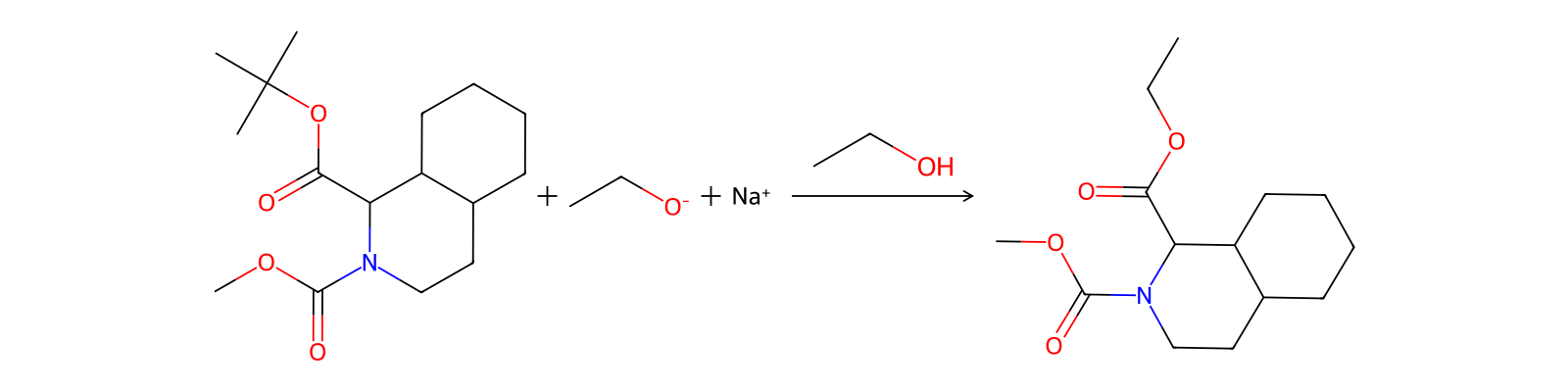
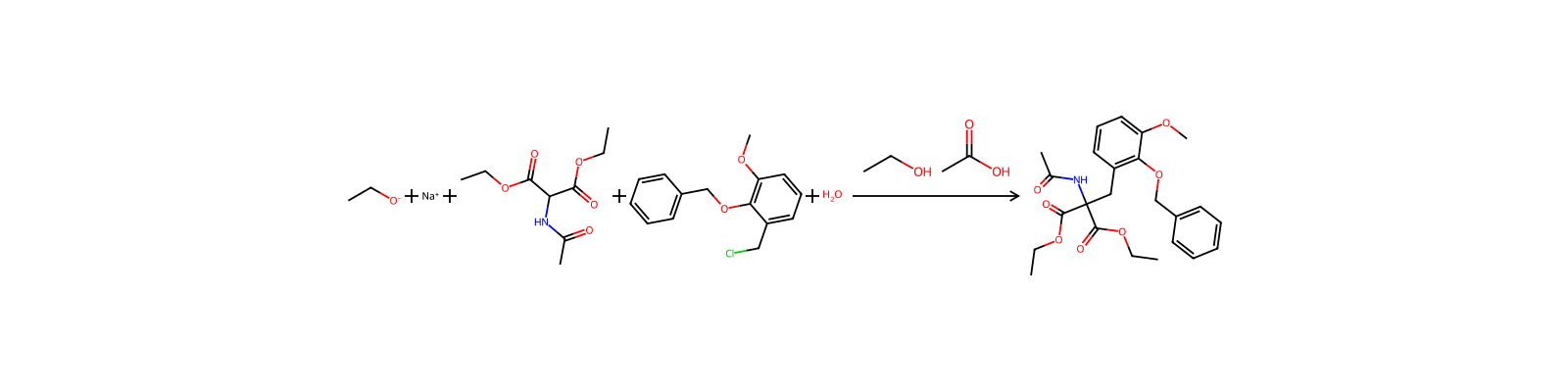
UsesSodium ethoxide, 21% w/w in ethanol is used as a strong base in organic synthesis. It finds application in various chemical reactions such as condensation, esterification, alkoxylation and etherifcation. It is actively involved in Claisen condensation, Stobbe reaction and Wolf-kishner reduction. It is an important starting material for the synthesis of ethyl ester and diethyl ester of malonic acid. In Williamson ether synthesis, it reacts with ethyl bromide to form diethyl ether.
General DescriptionSodium ethoxide is an alkoxide salt mainly used as a strong base in organic reactions such as deprotonation, dehydration and dehalogenation.
PreparationSodium ethoxide is prepared by reacting sodium with absolute ethanol: 2Na + 2C2H5OH → 2C2H5ONa + H2 Sodium in small quantities is added to absolute alcohol at 10°C. The temperature is raised to warming (to about 38°C). The mixture is cooled again and sodium and absolute alcohol are added gradually followed by careful warming. The process is repeated to obtain a sufficient yield of the p
DefinitionChEBI: An organic monosodium salt that has ethoxide as the counterion.