2,6-Dichloro-3-iodopyridine
Completing data — refresh the page later to see the latest

Basic information
- CAS
148493-37-2- Standard SMILES
Clc1ccc(I)c(Cl)n1- InChIKey
DPCQIHCGMIPSQV-UHFFFAOYSA-N- Molecular formula
- C5H2Cl2IN
- Average molar mass
- 273.88 g/mol
- Monoisotopic mass
- 272.8609
Names & identifiers
- Preferred name
- 2,6-Dichloro-3-iodopyridine
- IUPAC
- 2,6-dichloro-3-iodopyridine
- English name
- 2,6-Dichloro-3-iodopyridine
- Molecular formula
- C5H2Cl2IN
- Molecular weight
- 273.89
Names & synonyms
2,6-Dichloro-3-iodopyridine148493-37-2DTXSID10371076RefChem:248218DTXCID20322110640-726-0Pyridine, 2,6-dichloro-3-iodo-MFCD03094686SCHEMBL1344323SCHEMBL29782947DPCQIHCGMIPSQV-UHFFFAOYSA-NGEO-03682
Show more names
2-Dichloro-3-Iodopyridine2,6-Dichloro-3-iodopyridine,98%2,6-Dichloro-3-iodopyridine ISO 9001:2015 REACH
2,6-Dichloro-3-iodopyridine, 97%AKOS007930390AC-9481CS-W010089GS-6733SY016472DB-027660D5061
Database identifiers
- CAS
148493-37-2- PubChem CID
- 2736002
- DTXSID
DTXSID10371076- EC Number
- 640-726-0
- Nikkaji
- J1.537.714C
Properties
Computed structural propertiesFilling in
- XLogP
- 3.4
- Topological polar surface area
- 12.9 Ų
- Hydrogen bond donors
- 0
- Hydrogen bond acceptors
- 1
- Rotatable bonds
- 0
- Heavy atoms
- 9
- Formal charge
- 0
- Complexity
- 101
Physicochemical properties
- Melting point
- 74 · 74-79 °C
- Boiling point
- 294.8 · 294.8±35.0 °C(Predicted)
- Density
- 2.129 · 2.129±0.06 g/cm3(Predicted)
- storage temp.
- 2 · 2-8°C
- pka
- -3.87 · -3.87±0.10(Predicted)
- form
- Powder
- color
- White to brown
- Water Solubility
- Slightly soluble in water.
- Sensitive
- Light Sensitive
- InChI
- 1S/C5H2Cl2IN/c6-4-2-1-3(8)5(7)9-4/h1-2H
- InChIKey
- DPCQIHCGMIPSQV-UHFFFAOYSA-N
- SMILES
- Clc1ccc(I)c(Cl)n1
- CAS DataBase Reference
- 148493 · 148493-37-2(CAS DataBase Reference)
- UNSPSC Code
- 12352100 · 12352100
- NACRES
- 22 · NA.22
- Symbol(GHS)
- 5 · GHS05,GHS06
Safety & regulation
Safety information is for reference only and does not replace the supplier’s Safety Data Sheet (SDS), applicable regulations, or professional assessment.
GHS classification
GHS Classification
Danger
H301 (97.6%): Toxic if swallowed [Danger Acute toxicity, oral];H315 (100%): Causes skin irritation [Warning Skin corrosion/irritation];H318 (92.9%): Causes serious eye damage [Danger Serious eye damage/eye irritation];H335 (97.6%): May cause respiratory irritation [Warning Specific target organ toxicity, single exposure; Respiratory tract irritation]
P261, P264, P264+P265, P270, P271, P280, P301+P316, P302+P352, P304+P340, P305+P354+P338, P317, P319, P321, P330, P332+P317, P362+P364, P403+P233, P405, and P501 (click each P-code to see the statement)
Aggregated GHS information provided per 42 reports by companies from 5 notifications to the ECHA C&L Inventory. Each notification may be associated with multiple companies.;Information may vary between notifications depending on impurities, additives, and other factors. The percentage value in parenthesis indicates the notified classification ratio from companies that provide hazard codes. Only hazard codes with percentage values above 10% are shown. For more detailed information, please visit ECHA C&L website.
Hazard information
Hazard Classes and CategoriesAcute Tox. 3 (97.6%);Skin Irrit. 2 (100%);Eye Dam. 1 (92.9%);STOT SE 3 (97.6%)
Safety data
- wgk
- 3
- ridadr
- UN 2811 6.1 / PGIII
- hs_code
- 2933399990
- risk_code
- 22-37/38-41
- Signal word
- Danger
- Symbol(GHS)
- GHS05,GHS06
- hazard_code
- Xi,Xn
- hazard_note
- Irritant
Chemistry & industry
Applications
UsesIt is used as pharmaceutical raw material and intermediate.
Upstream & downstream products
Downstream products
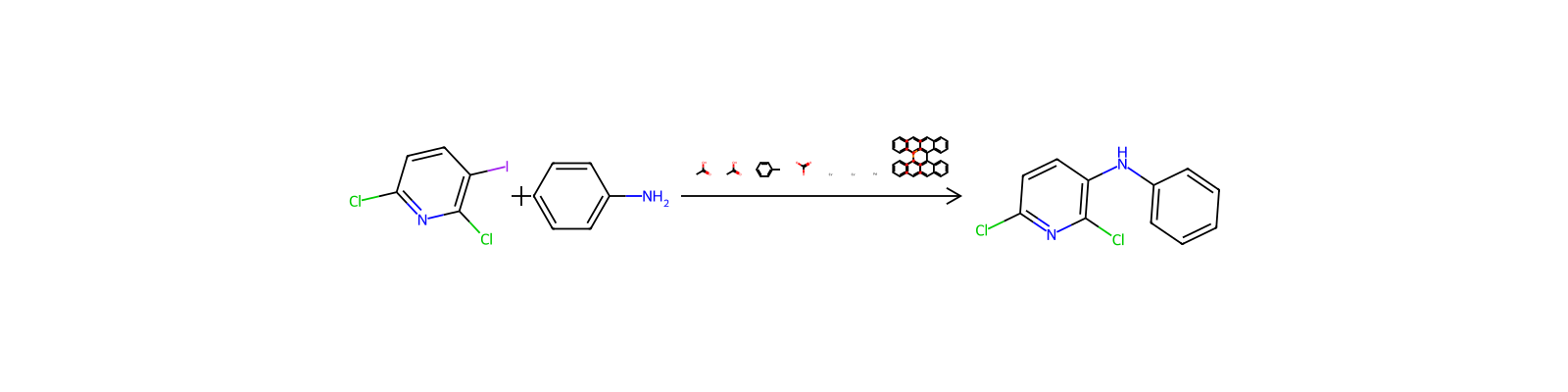
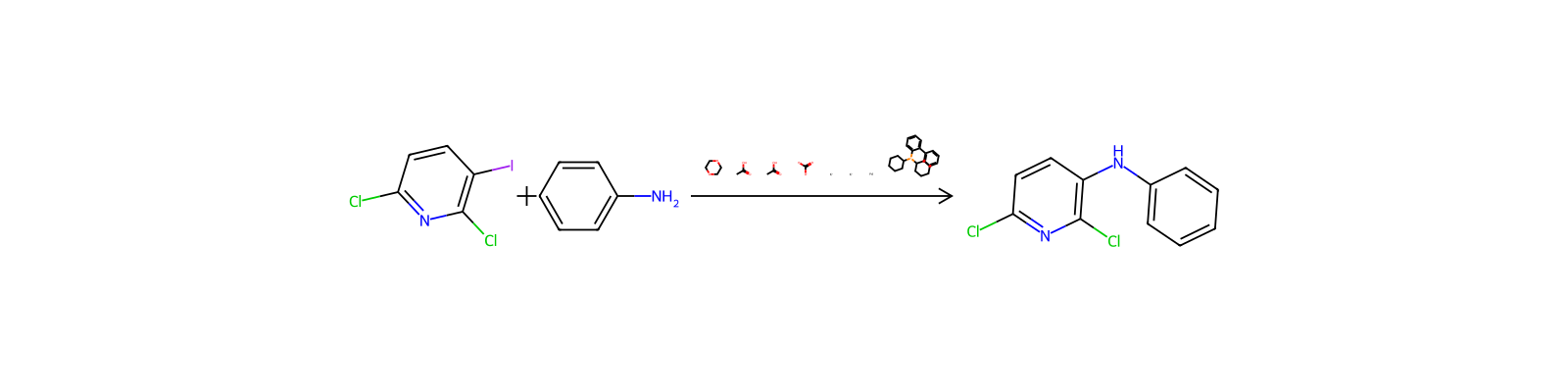
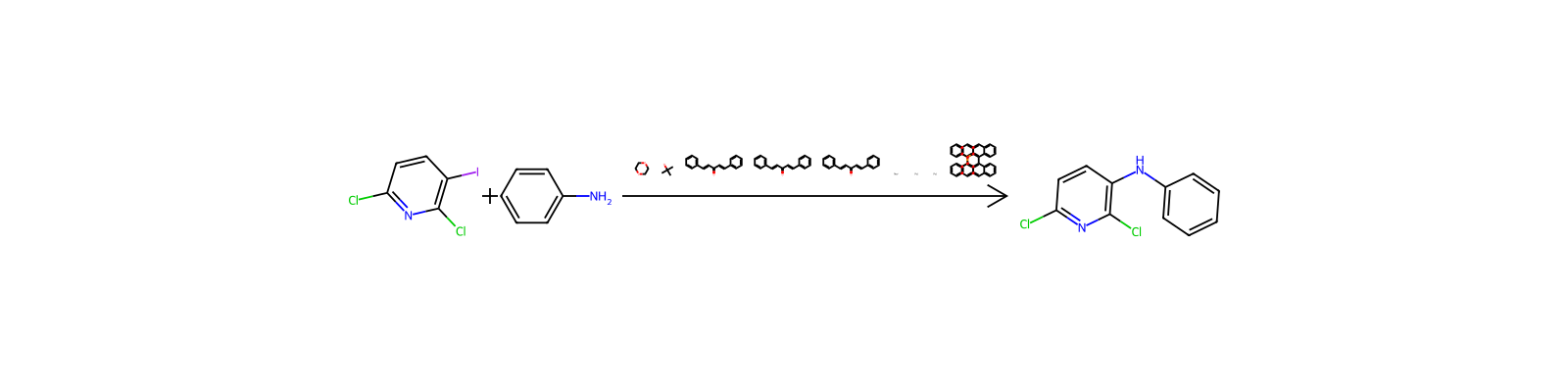
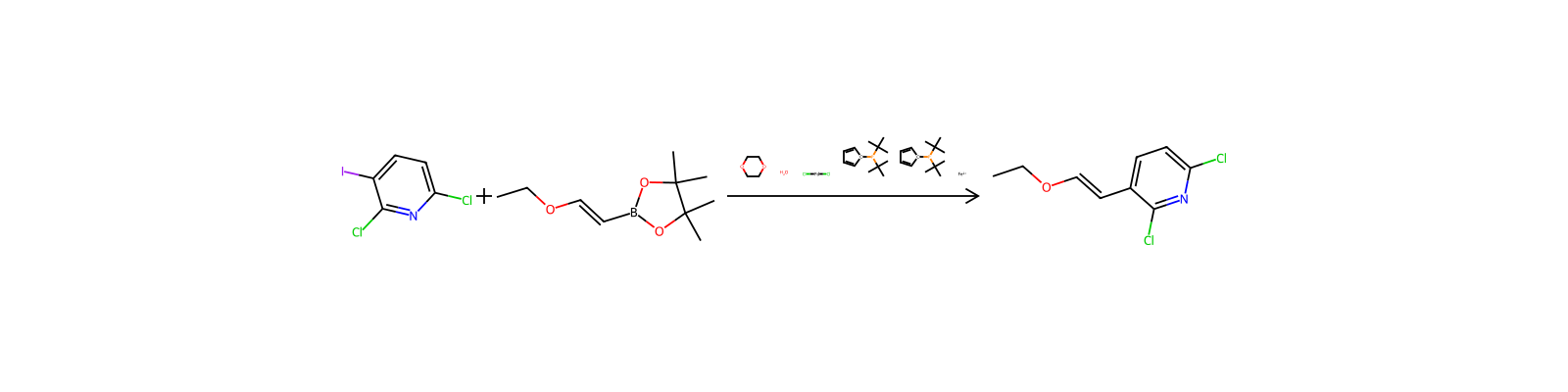
Related reactions
9 records



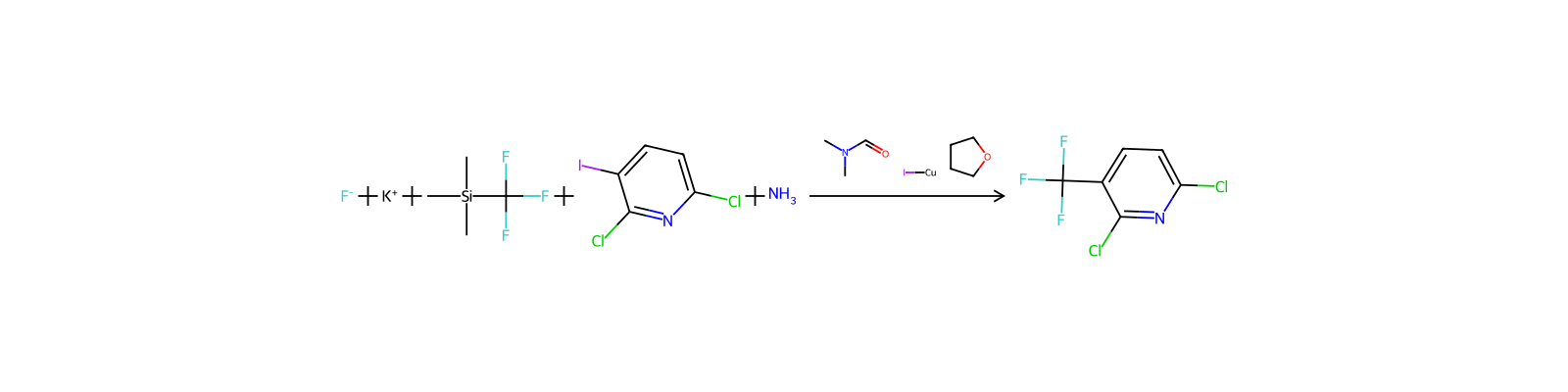
Compound notes
Loading…