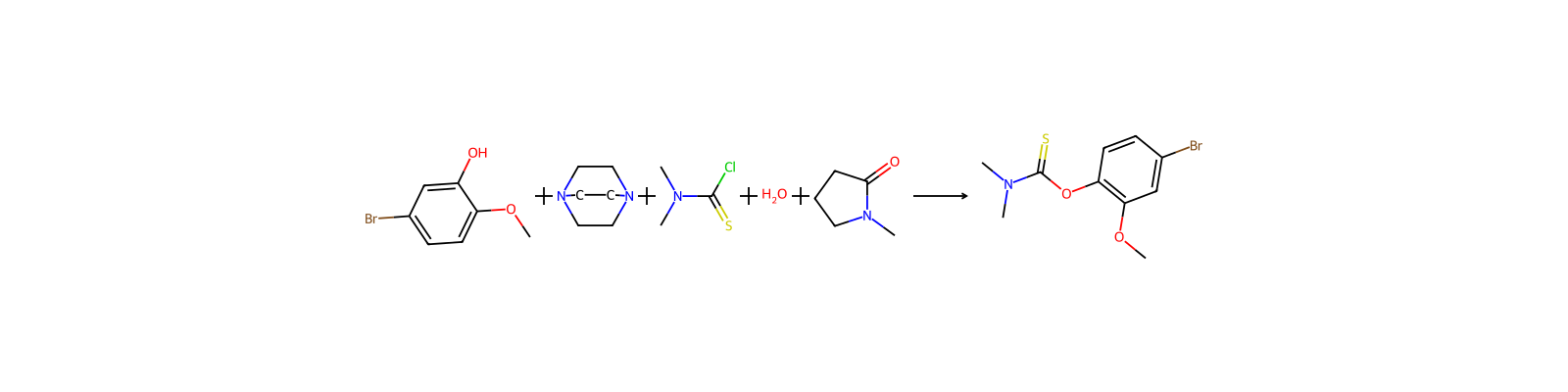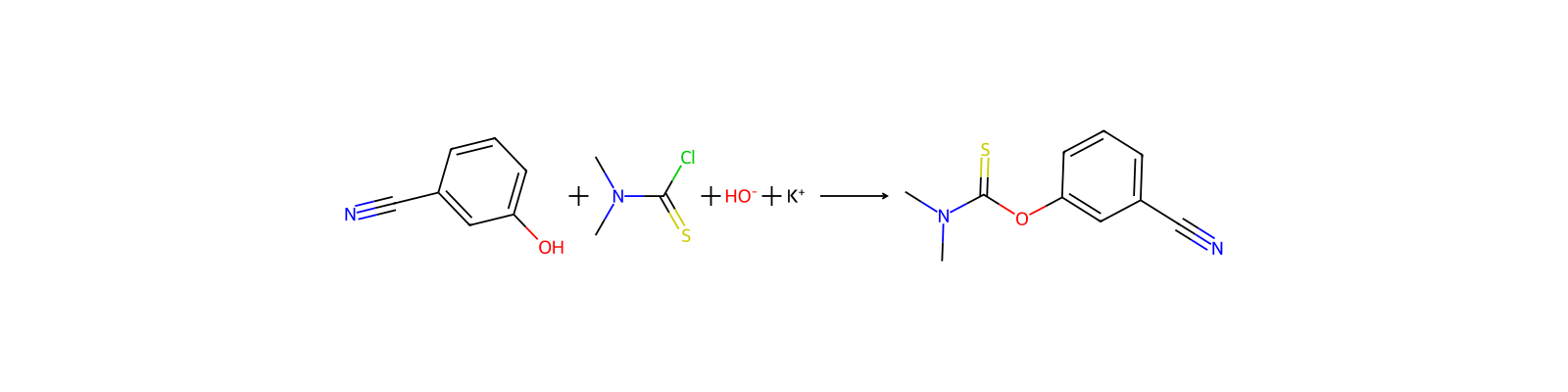
HRID 6001As reactant

16420-13-6CN(C)C(=S)ClPHWISQNXPLXQRU-UHFFFAOYSA-Nstructure in first source
16420-13-6DTXSID4066048Safety information is for reference only and does not replace the supplier’s Safety Data Sheet (SDS), applicable regulations, or professional assessment.
Danger
H290 (13.2%): May be corrosive to metals [Warning Corrosive to Metals]
P234, P260, P261, P264, P264+P265, P270, P272, P280, P301+P317, P301+P330+P331, P302+P352, P302+P361+P354, P304+P340, P305+P354+P338, P316, P317, P321, P330, P333+P317, P362+P364, P363, P390, P405, P406, and P501 (click each P-code to see the statement)
Aggregated GHS information provided per 53 reports by companies from 7 notifications to the ECHA C&L Inventory. Each notification may be associated with multiple companies.
UsesDimethylthiocarbamoyl chloride is used as an intermediate in the synthesis of pharmaceuticals. It finds application in chemoselective deoxygenation of pyridine-N-oxides. It is also used as a starting reagent in the synthesis of dimethylthiocarbamates.
UsesDimethylthiocarbamoyl chloride was used in chemoselective deoxygenation of pyridine-N-oxides. It was used in the synthesis of (±)-thia-calanolide A. It was used as starting reagent in the synthesis of dimethylthiocarbamates.