
18-Crown-6
Completing data — refresh the page later to see the latest

Basic information
- CAS
17455-13-9- Standard SMILES
C1COCCOCCOCCOCCOCCO1- InChIKey
XEZNGIUYQVAUSS-UHFFFAOYSA-N- Molecular formula
- C12H24O6
- Average molar mass
- 264.31 g/mol
- Monoisotopic mass
- 264.15728849
Overview
18-crown-6 is a crown ether that is cyclooctadecane in which the carbon atoms at positions 1, 4, 7, 10, 13 and 16 have been replaced by oxygen atoms. It has a role as a phase-transfer catalyst. It is a saturated organic heteromonocyclic parent and a crown ether.
Names & identifiers
- Preferred name
- 18-Crown-6
- IUPAC
- 1,4,7,10,13,16-hexaoxacyclooctadecane
- English name
- 18-Crown-6
- Molecular formula
- C12H24O6
- Molecular weight
- 264.32
Names & synonyms
18-Crown-617455-13-91,4,7,10,13,16-HEXAOXACYCLOOCTADECANEEthylene oxide cyclic hexamerCHEBI:3239763J177NC5BNSC-159836DTXSID7058626RefChem:79335DTXCID5032313241-473-518-crown-6-ether
Show more names
18-c-68-Crown-6HEXAOXACYCLOOCTADECANE18-Crown ether-6NSC 15983618-Crown-6 99%
18-Crown-6 ether18-Crown 6-EtherMFCD0000511318-crown61,4,7,10,13,16-Hexaoxacyclooctadecane (18-Crown-6)CHEMBL155204CCRIS 3587EINECS 241-473-5
Database identifiers
- CAS
17455-13-9- PubChem CID
- 28557
- DTXSID
DTXSID7058626- ChEMBL
CHEMBL155204- ChEBI
CHEBI:32397- UNII
- 63J177NC5B
- EC Number
- 241-473-5
- Nikkaji
- J49.431C
Properties
Computed structural propertiesFilling in
- XLogP
- -0.7
- Topological polar surface area
- 55.4 Ų
- Hydrogen bond donors
- 0
- Hydrogen bond acceptors
- 6
- Rotatable bonds
- 0
- Heavy atoms
- 18
- Formal charge
- 0
- Complexity
- 108
Experimental & physicochemical properties
Chemical Classes
Other Classes -> Other Organic Compounds
Industrial compound
SpringerMaterials PropertiesChemical shift
LogP-0.68
Vapor Pressure0.0000667 [mmHg]
Food Contact SubstancesFCS -> FDA Inventory of Food Contact Substances Listed in 21 CFR
Physical DescriptionClear, odorless, hygroscopic liquid soluble in water and most organic solvents; [Ullmann] White crystals; [MSDSonline]
Physicochemical properties
- Melting point
- 42 · 42-45 °C(lit.)
- Boiling point
- 116 °C · 116°C 0,2mm
- Density
- 1 · 1,175 g/cm3
- refractive index
- 1.458 · 1.4580 (estimate)
Safety & regulation
Safety information is for reference only and does not replace the supplier’s Safety Data Sheet (SDS), applicable regulations, or professional assessment.
GHS classification
GHS Classification
Warning
H302 (98.7%): Harmful if swallowed [Warning Acute toxicity, oral]
P261, P264, P264+P265, P270, P271, P280, P301+P317, P302+P352, P304+P340, P305+P351+P338, P319, P321, P330, P332+P317, P337+P317, P362+P364, P403+P233, P405, and P501 (click each P-code to see the statement)
Aggregated GHS information provided per 314 reports by companies from 11 notifications to the ECHA C&L Inventory. Each notification may be associated with multiple companies.
Hazard information
Regulatory Information
Chemical: 1,4,7,10,13,16-Hexaoxacyclooctadecane
Crown ether 18-crown-6: Does not have an individual approval but may be used under an appropriate group standard
Hazards Summary
If absorbed, can cause electrolyte imbalance affecting the CNS; Signs of intoxication include hyperventilation, tremor, incoordination, and CNS depression; May damage the skin and eyes; LD50 (mouse) by ingestion is 0.7 g/kg; LD50 (rabbit) by skin absorption is 200 mg/kg; [Ullmann] Toxic by ingestion; A skin, eye, and respiratory tract irritant; Oral LD50 (rat) = 525 mg/kg; Dermal LDLo (rat) = 7000 mg/kg; High-dose feeding causes seizures, weight loss, and liver injury in experimental animals; [MSDSonline]
Hazard Classes and CategoriesAcute Tox. 4 (98.7%)
Toxicology
Adverse EffectsNeurotoxin - Other CNS neurotoxin
Safety data
Chemistry & industry
Uses & manufacturing
UsesDrug/ Therapeutic Agent; [ChemIDplus] Used as complexing agents with ammonium ions and metal ions (alkali and alkaline-earth metals); Used as catalysts to make organic chemicals; [Ullmann]
General Manufacturing Information1,4,7,10,13,16-Hexaoxacyclooctadecane: ACTIVE
Applications
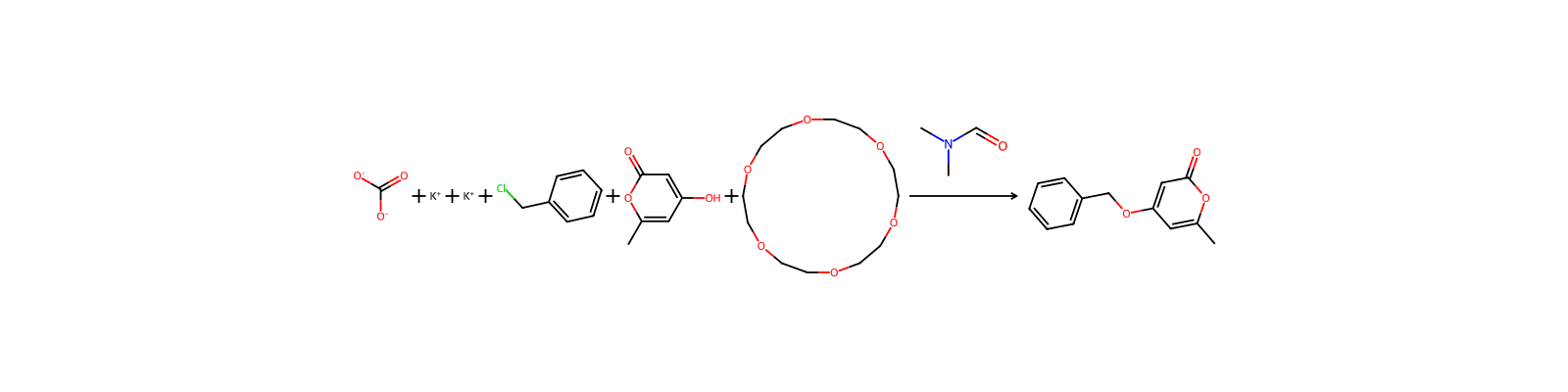
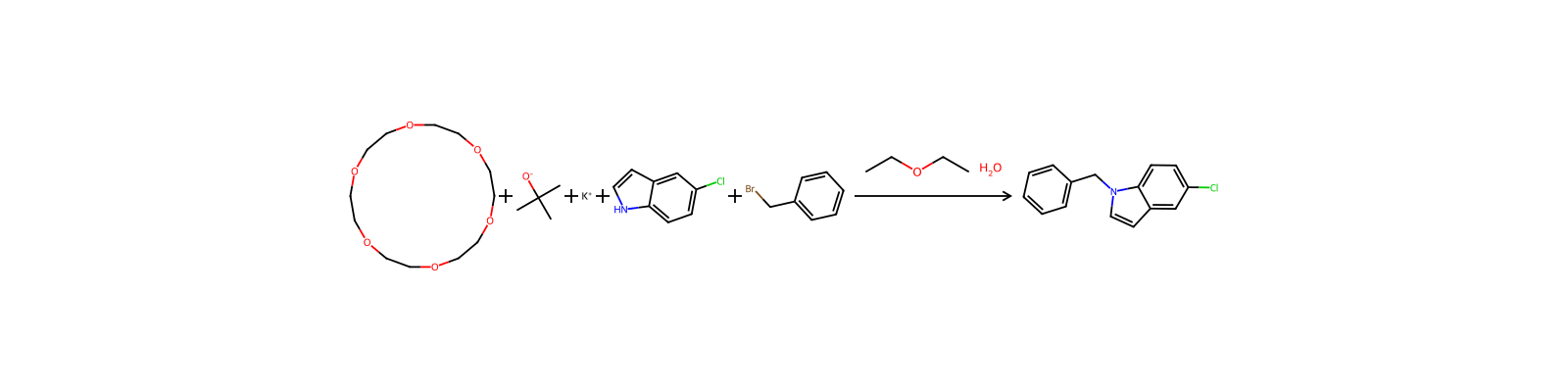
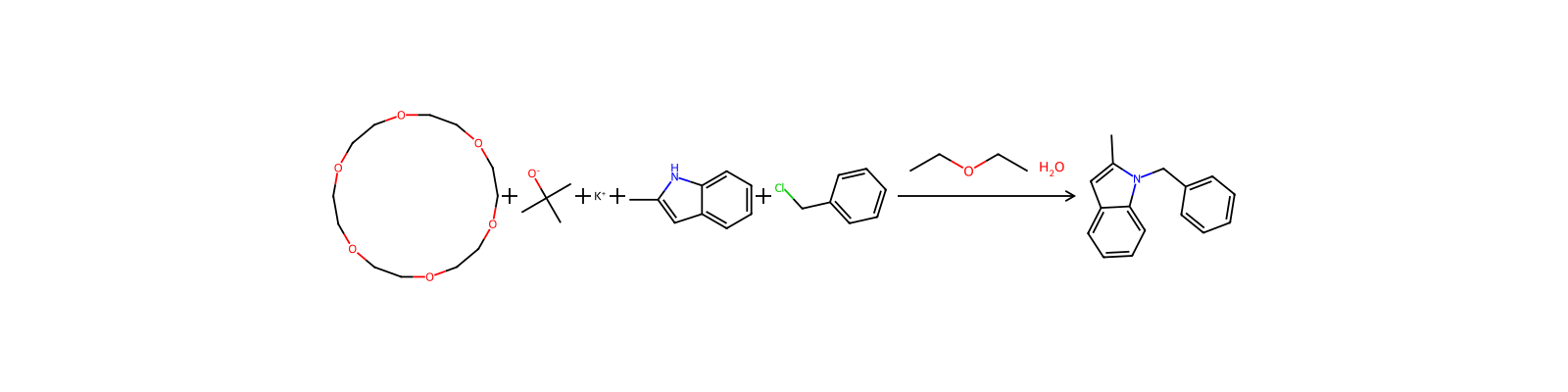
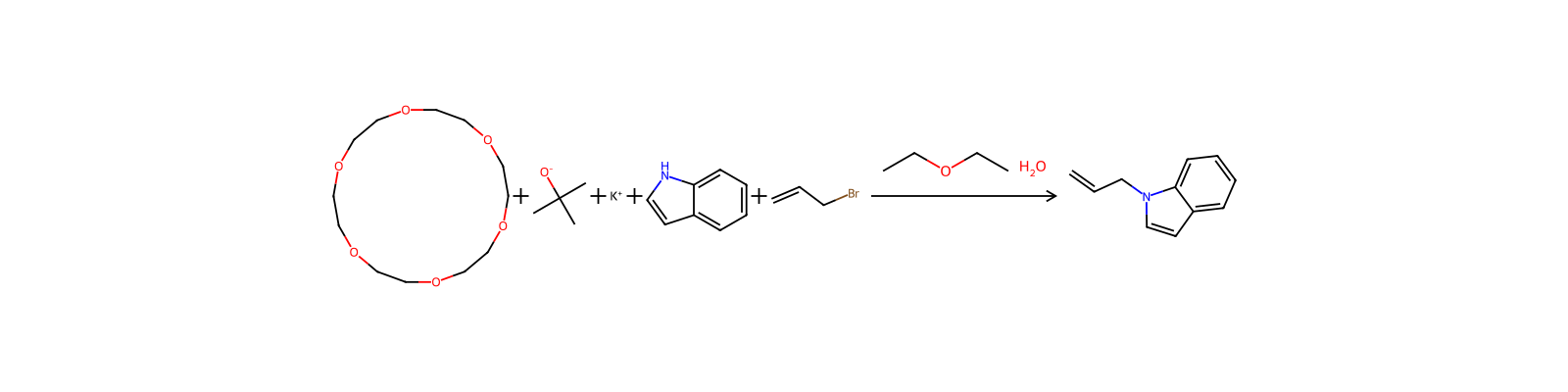
Uses18-Crown-6 may be used to catalyze the N-alkylation of heterocyclic compounds and allylation of functionalized aldehydes.
UsesA useful phase transfer catalyst.
Uses18-Crown-6 is used as an efficient phase transfer catalyst and as a complexing agent with a variety of small cation. It is involved in the synthesis of diaryl ethers, diaryl thioethers, and diarylamines mediated by potassium fluoride-alumina and 18-crown-6. It facilitates the solubility of potassium permanganate in benzene, which is used for oxidizing the organic compounds. It is used to accelerate various substitution reactions as well as enhances the power of nucleophiles such as potassium acetate. It is utilized in the alkylation reactions in the presence of potassium carbonate, N-alkylation of glutarimide and succinimide with dimethylcarbonate. The complex formed by its reaction with potassium cyanide acts as a catalyst in the cyanosilylation of aldehydes, ketones and quinines with trimethylsilyl cyanide (TMSCN).
General Description18-Crown-6 is the simplest crown ether that can be prepared by reacting triethylene glycol with triethylene glycol dichloride in the presence of potassium hydroxide as a base. 18-Crown-6 can solubilize metal salts, particularly potassium salts, in nonpolar and dipolar aprotic solvents. Thus, it is widely used as a phase transfer catalyst. It can also be used as a metal complexing agent to prepare a variety of molecular complexes.
Upstream & downstream products
Upstream raw materials
Related reactions
2,203 records



Compound notes
Loading…