

Basic information
- Standard SMILES
Cc1ccc(O)cc1- InChIKey
IWDCLRJOBJJRNH-UHFFFAOYSA-N- Molecular formula
- C7H8O
- Average molar mass
- 108.14 g/mol
- Monoisotopic mass
- 108.05751487
Names & identifiers
- Preferred name
- P-Cresol
- IUPAC
- 4-methylphenol
- English name
- p-Cresol
- Molecular formula
- C7H8O
- Molecular weight
- 108.13782
Names & synonyms
P-CRESOL4-Methylphenol106-44-54-Cresol4-Hydroxytoluenep-Methylphenolp-Hydroxytoluenep-Tolyl alcoholPhenol, 4-methyl-para-Cresolp-Kresolp-Toluol
Show more names
p-Oxytoluenep-Cresylic acidParacresol1-Hydroxy-4-methylbenzenep-Methylhydroxybenzene1-Methyl-4-hydroxybenzeneParamethyl phenol4-methyl phenol
Database identifiers
- CAS
106-44-5、1319-77-3、2876-02-0- PubChem CID
- 2879
- DTXSID
DTXSID7021869- ChEMBL
CHEMBL16645- ChEBI
CHEBI:17847- UNII
- 1MXY2UM8NV
- EC Number
- 203-398-6
- Nikkaji
- J1.185A
Properties
Computed structural properties
- XLogP
- 1.9
- Topological polar surface area
- 20.2 Ų
- Hydrogen bond donors
- 1
- Hydrogen bond acceptors
- 1
- Rotatable bonds
- 0
- Heavy atoms
- 8
- Formal charge
- 0
- Complexity
- 62
Experimental & physicochemical properties
LogP
1.94
log Kow = 1.94
1.94
1.94
LogS-0.7
Odor
Phenolic odor
Sweet, tarry odor
Density
1.034 at 68 °F (USCG, 1999) - Denser than water; will sink
1.0185 at 40 °C/4 °C
Percent in saturated air at 25 °C: 0.0142; density of saturated air at 25 °C: 1.00039 (Air= 1)
1.02 g/cm³
1.04
Viscosity4.48 mPa.s (cP) at 50 °C
Color/FormCrystalline solid [Note: A liquid above 95 degees F]
Solubility
less than 1 mg/mL at 70 °F (NTP, 1992)
21500
In water, 2.15X10+4 mg/L at 25 °C
2.5 g in 100 mL water at 50 °C; 5.0 g in 100 mL water at 100 °C. Soluble in aqueous alkali hydroxides. Souble in organic solvents.
Miscible with ethanol, ether, acetone, benzene and carbon tetrachloride
Soluble in vegetable oils, glycerin and dilute alkai
Flash Point
187 °F (NTP, 1992)
85 °C (185 °F) - closed cup
187 °F (86 °C) (Closed cup)
86 °C c.c.
187 °F
Boiling Point
395.2 °F at 760 mmHg (NTP, 1992)
201.9
201.9 °C
201.80 to 202.00 °C. @ 760.00 mm Hg
202 °C
201-202 °C
Melting Point
94.6 °F (NTP, 1992)
35.5
34.77 °C
35.5 °C
35 °C
95 °F
Vapor Density
3.72 (NTP, 1992) - Heavier than air; will sink (Relative to Air)
3.7 (Air = 1)
Relative vapor density (air = 1): 1.00
Odor Threshold
Odor Threshold Low: 0.00046 [mg/m3];Odor Threshold High: 0.2 [mg/m3];Odor threshold low (detection) and high (recognition) from CHRIS
0.2 ppm recognition in air; 0.46 ppb detection in air.
Physicochemical properties
- Melting point
- 35.5 °C · 35.5 °C
- Boiling point
- 201.8 °C · 201.8 °C
- Density
- 1.0185 g/cm3 · 1.0185 g/cm3(Temp: 40 °C)
- pka
- 10.21 · 10.21±0.13(Predicted)
- Symbol(GHS)
- 5 · GHS05,GHS06
- Signal word
- Danger
- Hazard statements
- 301 · H301+H311-H314
- Precautionary statements
- 260 · P260-P270-P280-P303+P361+P353-P304+P340+P310-P305+P351+P338
- RIDADR
- 3455 · 3455
- HazardClass
- 6.1 · 6.1
- PackingGroup
- II
Safety & regulation
GHS classification
GHS Classification
Danger
H301: Toxic if swallowed [Danger Acute toxicity, oral];H311: Toxic in contact with skin [Danger Acute toxicity, dermal];H314: Causes severe skin burns and eye damage [Danger Skin corrosion/irritation]
P260, P262, P264, P270, P280, P301+P316, P301+P330+P331, P302+P352, P302+P361+P354, P304+P340, P305+P354+P338, P316, P321, P330, P361+P364, P363, P405, and P501 (click each P-code to see the statement)
Danger
Hazard information
Regulatory Information
Chemical: Phenol, 4-methyl-
Hazard Traits - Musculoskeletal Toxicity; Respiratory Toxicity;Authoritative List - CA TACs;Report - if used as a fragrance or flavor ingredient
Commission Regulation (EC) No 1565/2000 (Repealed by Com. Implementing Reg. (EU) No 872/2012)
Phenol, 4-methyl- is listed on the EPA's Chemical Data Reporting (CDR) system. Manufacturers and importers of Phenol, 4-methyl- are required to report information about their production and use of this chemical to the EPA under the Toxic Substances Control Act (TSCA). (40 eCFR Part 711)
Status: Active Update: 03-05-2023 https://echa.europa.eu/registration-dossier/-/registered-dossier/15980
4-Cresol: Does not have an individual approval but may be used under an appropriate group standard
Other Safety InformationIMAP assessments - Phenol, 4-methyl-: Environment tier I assessment;IMAP assessments - Methylphenols (Cresols): Human health tier II assessment
DOT LabelPoison Corrosive
Fire Hazards
Special Hazards of Combustion Products: Emits highly toxic fumes.;Behavior in Fire: Flammable toxic vapors may be given off. (USCG, 1999)
Combustible. Gives off irritating or toxic fumes (or gases) in a fire. Above 86 °C explosive vapour/air mixtures may be formed.
Fire Potential
Flammable when exposed to /SRP66: spark/ heat, flames, or oxidants.
Combustible liquid
Health Hazards
INHALATION: Irritation of nose or throat. EYES: Intense irritation and pain, swelling of conjunctiva and corneal damage may occur. SKIN: Intense burning, loss of feeling, white discoloration and softening. Gangrene may occur. INGESTION: Burning sensation in mouth and esophagus. Vomiting may result. Absorption by all routes may cause muscular weakness, gastroenteric disturbance, severe depression and collapse. Effects are primarily on central nervous system, edema of lungs, injury of spleen and pancreas may occur. (USCG, 1999)
Hazards Summary
Causes burns; Inhalation may cause pulmonary edema; Short-term exposure may have effects on the CNS (lowering of consciousness) and blood (destruction of blood cells); Prolonged or repeated exposure may have effects on the nervous system (impaired functions) and blood (anemia); Can be absorbed through skin; [ICSC] May cause second degree skin burns after a few minutes contact; [CHRIS] The most toxic of the three cresol isomers; May cause skin sensitization; [HSDB] No evidence of skin sensitization in limited studies of humans and guinea pigs using p-cresol and m-/p-cresol; A survey reports hypersensitivity reactions of certain individuals to cresol (unspecified isomer); Neither isomer produced mortality or clinical signs of toxicity following exposure to saturated vapor concentrations, although inhalation of aerosols may be fatal; [OECD SIDS: m-/p-Cresol Category - 2003] Safe when used as a flavoring agent in food; [JECFA] Causes burns; Inhalation may cause corrosive injuries to upper respiratory tract and lungs; Highly toxic by inhalation; Toxic by ingestion and skin absorption; Targets the CNS, lungs, liver, kidney, and eyes; [Sigma-Aldrich MSDS] See Cresol, all isomers.
The major hazards encountered in the use and handling of p-cresol stem from its toxicologic properties. Toxic by all routes (ie, inhalation, ingestion, and dermal absorption), exposure to this colorless to white, tar-smelling, crystalline substance may occur from its use in coal desulfurization, and in the production of disinfectants, explosives, perfumery materials, and phenolic resins. Effects from exposure may include nausea, contact burns to the skin and eyes, ventricular arrhythmias, pulmonary edema, seizures, coma, and death. Both the OSHA PEL and the ACGIH TLV have been set at a TWA of 5 ppm. In activities or situations where over exposure may occur, wear a self-contained breathing apparatus and full chemical protective clothing which is specifically recommended by the shipper or producer to prevent skin contact with p-cresol. If contact should occur, immediately flush affected skin or eyes with running water for at least 15 minutes, and remove contaminated clothing and shoes at the site. Eyewash and quick drench facilities should be readily available in p-cresol work areas. While p-cresol does not ignite easily, it can burn with the production of irritating and poisonous gases. Also, containers of p-cresol can explode violently in the heat of a fire. Fires involving p-cresol may be extinguished with dry chemical, CO2, Halon, water spray, or standard foam. Water spray, if used, should be applied with caution because it may cause frothing. Fight the fire from a maximum distance and dike runoff from fire control water. p-Cresol should be stored in iron or steel containers, in cool, dry, well-ventilated areas, away from oxidizing materials, and sources of ignition and physical damage. p-Cresol may be shipped via air, rail, road, and water. Small spills of p-cresol may be shovelled into clean, dry, covered containers for later disposal (solutions are first absorbed with sand or other noncombustible material). Large spills on land should be contained in pits or ot
DOT ID and Guide2076 153
FDA Requirements
p-Cresol is a food additive permitted for direct addition to food for human consumption as a synthetic flavoring substance and adjuvant in accordance with the following conditions: a) they are used in the minimum quantity required to produce their intended effect, and otherwise in accordance with all the principles of good manufacturing practice, and 2) they consist of one or more of the following, used alone or in combination with flavoring substances and adjuvants generally recognized as safe in food, prior-sanctioned for such use, or regulated by an appropriate section in this part.
Reactive GroupPhenols and Cresols
EC ClassificationSymbol: T, C; R: 24/25-34; S: (1/2)-36/37/39-45; Note: C
UN ClassificationUN Hazard Class: 6.1; UN Subsidiary Risks: 8; UN Pack Group: II
Safety & protection
Fire Fighting
Fire Extinguishing Agents Not to Be Used: Water may cause frothing.;Fire Extinguishing Agents: CO2, dry chemical, foam, water spray or fog. (USCG, 1999)
Use water spray, foam, powder, carbon dioxide.
First Aid Measures
Fresh air, rest. Half-upright position. Artificial respiration may be needed. Refer immediately for medical attention.
Remove contaminated clothes. Rinse skin with plenty of water or shower. Refer immediately for medical attention.
Rinse with plenty of water (remove contact lenses if easily possible). Refer immediately for medical attention.
Rinse mouth. Do NOT induce vomiting. Refer immediately for medical attention.
First Aid
EYES: First check the victim for contact lenses and remove if present. Flush victim's eyes with water or normal saline solution for 20 to 30 minutes while simultaneously calling a hospital or poison control center. Do not put any ointments, oils, or medication in the victim's eyes without specific instructions from a physician. IMMEDIATELY transport the victim after flushing eyes to a hospital even if no symptoms (such as redness or irritation) develop.;SKIN: IMMEDIATELY flood affected skin with water while removing and isolating all contaminated clothing. Gently wash all affected skin areas thoroughly with soap and water. IMMEDIATELY call a hospital or poison control center even if no symptoms (such as redness or irritation) develop. IMMEDIATELY transport the victim to a hospital for treatment after washing the affected areas.;INHALATION: IMMEDIATELY leave the contaminated area; take deep breaths of fresh air. If symptoms (such as wheezing, coughing, shortness of breath, or burning in the mouth, throat, or chest) develop, call a physician and be prepared to transport the victim to a hospital. Provide proper respiratory protection to rescuers entering an unknown atmosphere. Whenever possible, Self-Contained Breathing Apparatus (SCBA) should be used; if not available, use a level of protection greater than or equal to that advised under Protective Clothing.;INGESTION: DO NOT INDUCE VOMITING. Phenols are very toxic poisons AND corrosive and irritating, so that inducing vomiting may make medical problems worse. IMMEDIATELY call a hospital or poison control center and locate activated charcoal, egg whites, or milk in case the medical advisor recommends administering one of them. If advice from a physician is not readily available and the victim is conscious and not convulsing, give the victim a glass of activated charcoal slurry in water or, if this is not available, a glass of milk, or beaten egg whites and IMMEDIATELY transport victim to a hospital. If the victim is convulsing or unconscious, do not give anything by mouth, assure that the victim's airway is open and lay the victim on his/her side with the head lower than the body. DO NOT INDUCE VOMITING. IMMEDIATELY transport the victim to a hospital. (NTP, 1992)
(General first aid procedures);Eye: Irrigate immediately - If this chemical contacts the eyes, immediately wash (irrigate) the eyes with large amounts of water, occasionally lifting the lower and upper lids. Get medical attention immediately.;Skin: Soap wash immediately - If this chemical contacts the skin, immediately wash the contaminated skin with soap and water. If this chemical penetrates the clothing, immediately remove the clothing, wash the skin with soap and water, and get medical attention promptly.;Breathing: Respiratory support;Swallow: Medical attention immediately - If this chemical has been swallowed, get medical attention immediately.
Safe StorageSeparated from strong oxidants and food and feedstuffs. Store in an area without drain or sewer access. Provision to contain effluent from fire extinguishing.
Firefighting Hazards
...Vapors will seek out low-lying areas where they can accumulate.
Sealed closed containers can build up pressure if exposed to heat (fire).
Fire Fighting Procedures
Wear goggles & self-contained breathing apparatus.
Use water spray, dry chemical, foam, or carbon dioxide. Use water spray to keep fire-exposed containers cool.
Water may be used to blanket fire.
If material on fire or involved in fire: Use water in flooding quantities as fog. Solid streams of water may be ineffective. Cool all affected containers with flooding quantities of water. Apply water from as far a distance as possible. Use foam, dry chemical, or carbon dioxide. Use water spray to knock-down vapors.
For more Fire Fighting Procedures (Complete) data for p-CRESOL (6 total), please visit the HSDB record page.
Storage Conditions
Keep container tightly closed in a dry and well-ventilated place. Hygroscopic. Air and light sensitive. Handle and store under inert gas.
Avoid loading together with explosives, oxidizing materials and organic peroxides.
Store in a cool, dry, well ventilated location. Separate from oxidizing materials.
All bulk containers that hold cresol shall carry, in a readily visible location, a label that bears the trade name of the product, if appropriate, and information on the effects of exposure to the compound on human health.
Cresol should be stored in iron or steel containers, properly labelled.
Cleanup Methods
Optimum conditions for removing cresol from wastewater with Lewatit MP 500 (a strong-base, large-pore, polystyrene-based anion exchange resin) were pH 6, 30 °C, and a flow rate of 1 L/hr, and when removing cresol from 10 mg/L solutions, the capacity of the exchanger was 0.46 equiv/L.
Approach release from upwind. Control runoff and isolate discharged material for proper disposal.
Environmental considerations - Water spill: Use natural deep water pockets, excavated lagoons, or sand bag barriers to trap material at bottom. If dissolved, in region of 10 ppm or greater concentration, apply activated carbon at ten times the spilled amount. Use mechanical dredges or lifts to remove immobilized masses of pollutants and precipitates.
Environmental considerations - Land spill: Dig a pit, pond, lagoon, or holding area to contain liquid or solid material. /SRP: If time permits, pits, ponds, lagoons, soak holes, or holding areas should be sealed with an impermeable flexible membrane liner./ Dike surface flow using soil, sand bags, foamed polyurethane, or foamed concrete. Absorb bulk liquid with fly ash, cement powder, or commercial sorbents.
For more Cleanup Methods (Complete) data for p-CRESOL (6 total), please visit the HSDB record page.
Nonfire Spill Response
SMALL SPILLS AND LEAKAGE: Should a spill occur while you are handling this chemical, FIRST REMOVE ALL SOURCES OF IGNITION, then you should dampen the solid spill material with 60-70% ethanol and transfer the dampened material to a suitable container. Use absorbent paper dampened with 60-70% ethanol to pick up any remaining material. Seal the absorbent paper, and any of your clothes, which may be contaminated, in a vapor-tight plastic bag for eventual disposal. Solvent wash all contaminated surfaces with 60-70% ethanol followed by washing with a soap and water solution. Do not reenter the contaminated area until the Safety Officer (or other responsible person) has verified that the area has been properly cleaned.;STORAGE PRECAUTIONS: You should protect this chemical from exposure to light. Keep the container tightly closed under an inert atmosphere, and store under refrigerated temperatures. (NTP, 1992)
Disposal Methods
Generators of waste (equal to or greater than 100 kg/mo) containing this contaminant, EPA hazardous waste numbers F004, U052 and D025, must conform with USEPA regulations in storage, transportation, treatment and disposal of waste.
Chemical Treatability of p-Cresol; Concentration Process: Biological Treatment; Chemical Classification: Phenols; Scale of Study: Unknown; Type of Wastewater Used: Pure (one solute in a solvent); Results of Study: 95.5% reduction based on chemical oxygen demand; rate of biodegradation 55 mg chemical oxygen demand/g hr. (Activated sludge process).
Chemical Treatability of p-Cresol; Concentration Process: Solvent Extraction; Chemical Classification: Phenols; Scale of Study: Laboratory Scale, Continuous flow; Type of Wastewater Used: Industrial Wastewater; Results of Study: 91% reduction (Extraction of evaporation condensate from spent caustic processing using isobutylene (S/W= 1.8); spray extractor used).
Cresol: A good candidate for rotary kiln incineration at temperature range of 820 to 1,600 °C and residence times of seconds for liquids and gases, and hours for solids. A good candidate for fluidized bed incineration at a temperature range of 450 to 980 °C and residence times of seconds for liquids and gases, and longer for solids. /Cresols/
For more Disposal Methods (Complete) data for p-CRESOL (6 total), please visit the HSDB record page.
Spillage Disposal
Personal protection: filter respirator for organic gases and particulates adapted to the airborne concentration of the substance and chemical protection suit. Do NOT let this chemical enter the environment. Sweep spilled substance into containers. If appropriate, moisten first to prevent dusting. Carefully collect remainder. Then store and dispose of according to local regulations.
Preventive Measures
Avoid contact with skin, eyes and clothing. Wash hands before breaks and immediately after handling the product.
Gloves must be inspected prior to use. Use proper glove removal technique (without touching glove's outer surface) to avoid skin contact with this product. Dispose of contaminated gloves after use in accordance with applicable laws and good laboratory practices. Wash and dry hands.
Avoid contact with skin and eyes. Avoid formation of dust and aerosols. Provide appropriate exhaust ventilation at places where dust is formed.
Workers whose clothing may have become contaminated should change into uncontaminated clothing before leaving the work premises.
For more Preventive Measures (Complete) data for p-CRESOL (12 total), please visit the HSDB record page.
Toxicology
Body BurdenUrine of 10 men exposed to approximately 200 ppm toluene for 4 hr: Urinary p-cresol concentration was 31.206 mg/L, (mean concentration) before exposure; 40.968 mg/L, (mean concentration) 4 hr after exposure(1).
Treatment
If the compound has been ingested, rapid gastric lavage should be performed using 5% sodium bicarbonate. For skin contact, the skin should be washed with soap and water. If the compound has entered the eyes, they should be washed with large quantities of isotonic saline or water. In serious cases, atropine and/or pralidoxime should be administered. Anti-cholinergic drugs work to counteract the effects of excess acetylcholine and reactivate AChE. Atropine can be used as an antidote in conjunction with pralidoxime or other pyridinium oximes (such as trimedoxime or obidoxime), though the use of '-oximes' has been found to be of no benefit, or possibly harmful, in at least two meta-analyses. Atropine is a muscarinic antagonist, and thus blocks the action of acetylcholine peripherally.
Interactions
/LABORATORY ANIMALS: Chronic Exposure or Carcinogenicity/ Mice were given a single dermal application of 9,10-dimethyl-1,2-benzanthracene (DMBA), a cancer initiator, followed by application of 20% solutions of o-, p-, or m-cresol in benzene twice a week for 12 weeks. This level of cresols exposure proved to be acutely toxic, producing relatively high nontumor-related mortality. Consequently, all tumor results were based on number of survivors (14-20 per group). Promotion with cresols led to increases in the average number of skin papillomas per mouse and the percentage of exposed mice with at least one papilloma. o-Cresol was the most potent isomer, and p-cresol the least. Carcinomas were not observed following cresols exposure, although the observed papillomas have the potential to develop into carcinomas. A problem with the study was use of benzene, a known carcinogen, as the solvent for the cresols. However, benzene controls in the cresols experiment did not develop papillomas, and neither did benzene controls in four parallel series of experiments (a few papillomas were observed in a fifth benzene control group). Therefore, the results of this study showing that all three cresol isomers are capable of promoting skin tumors initiated by DMBA appear to be valid.
P-cresol is a well-known uremic toxin and environmental toxicant that may affect platelet functions. In this study, p-cresol (1-5 uM) inhibited the arachidonic acid (AA)-induced platelet aggregation, with 47% and 82% of inhibition at concentrations of 2 and 5 uM, respectively. Under similar experimental condition, p-cresol showed little effect on the U46619-induced platelet aggregation. p-cresol (<500 uM) revealed no discernable cytotoxicity to platelets as analyzed by quantification of lactate dehydrogenase release. Antiplatelet effect of p-cresol was related to inhibition of thromboxane A(2) (TXA(2)) and prostaglandin D(2) (PGD(2)) formation. P-cresol (2-100 uM) partly inhibited the AA-induced reactive oxygen species (ROS) production as well as the extracellular signal-regulated kinase (ERK1/2) and p38 phosphorylation in platelets. P-cresol further inhibited the AA-induced aggregation of rabbit platelet-rich plasma (PRP) with an IC50 of 2 uM and aggregation of human PRP (IC50 = 13.6 uM). Intravenous administration of p-cresol (250-1000 nmole) into mice effectively suppressed the ex vivo platelet aggregation, whereas showed little effect on the value of RBC, hemoglobin (HGB), hematocrit, MCV, MCH, MCHC, platelets and lymphocyte counts. These results indicate that in acute p-cresol-poisoning and long-term exposure to cresol as in severe uremic patients, p-cresol may potentially inhibit blood clot formation and lead to hemorrhagic disorders via inhibition of platelet aggregation, ROS production, ERK/p38 activation and TXA(2) production.
... DNA adduct formation in myeloperoxidase containing HL-60 cells treated with the toluene metabolite p-cresol /was examined/. Treatment of HL-60 cells with the combination of p-cresol and H2O2 produced four DNA adducts 1: (75.0%), 2: (9.1%), 3: (7.0%) and 4: (8.8%) and adduct levels ranging from 0.3 to 33.6 x 10⁻⁷. The levels of DNA adducts formed by p-cresol were dependent on concentrations of p-cresol, H2O2 and treatment time. In vitro incubation of p-cresol with myeloperoxidase and H2O2 produced three DNA adducts 1: (40.5%), 2: (28.4%) and 3: (29.7%) with a relative adduct level of 0.7x10⁻⁷. The quinone methide derivative of p-cresol (PCQM) was prepared by Ag(I)O oxidation. Reaction of calf thymus DNA with PCQM produced four adducts 1: (18.5%), 2: (36.4%), 3: (29.0%) and 5: (16.0%) with a relative adduct level 1.6x10⁻⁷. Rechromatography analyses indicates that DNA adducts 1-3 formed in HL-60 cells treated with p-cresol and after myeloperoxidase activation of p-cresol were similar to those formed by reaction of DNA with PCQM. This observation suggests that p-cresol is activated to a quinone methide intermediate in each of these activation systems. Taken together, these results suggest PCQM is the reactive intermediate leading to the formation of DNA adducts in HL-60 cells treated with p-cresol. Furthermore, the DNA adducts formed by PCQM may provide a biomarker to assess occupational exposure to toluene.
Target OrgansEyes, skin, respiratory system, central nervous system, liver, kidneys, pancreas, cardiovascular system
Health Effects
Acute exposure to cholinesterase inhibitors can cause a cholinergic crisis characterized by severe nausea/vomiting, salivation, sweating, bradycardia, hypotension, collapse, and convulsions. Increasing muscle weakness is a possibility and may result in death if respiratory muscles are involved. Accumulation of ACh at motor nerves causes overstimulation of nicotinic expression at the neuromuscular junction. When this occurs symptoms such as muscle weakness, fatigue, muscle cramps, fasciculation, and paralysis can be seen. When there is an accumulation of ACh at autonomic ganglia this causes overstimulation of nicotinic expression in the sympathetic system. Symptoms associated with this are hypertension, and hypoglycemia. Overstimulation of nicotinic acetylcholine receptors in the central nervous system, due to accumulation of ACh, results in anxiety, headache, convulsions, ataxia, depression of respiration and circulation, tremor, general weakness, and potentially coma. When there is expression of muscarinic overstimulation due to excess acetylcholine at muscarinic acetylcholine receptors symptoms of visual disturbances, tightness in chest, wheezing due to bronchoconstriction, increased bronchial secretions, increased salivation, lacrimation, sweating, peristalsis, and urination can occur. Certain reproductive effects in fertility, growth, and development for males and females have been linked specifically to organophosphate pesticide exposure. Most of the research on reproductive effects has been conducted on farmers working with pesticides and insecticdes in rural areas. In females menstrual cycle disturbances, longer pregnancies, spontaneous abortions, stillbirths, and some developmental effects in offspring have been linked to organophosphate pesticide exposure. Prenatal exposure has been linked to impaired fetal growth and development. Neurotoxic effects have also been linked to poisoning with OP pesticides causing four neurotoxic effects in humans: cholinergi
Ecotoxicity Values
LC50; Species: Pimephales promelas (Fathead minnow) juvenile; Conditions: static, 18-22 °C; Concentration: >30 mg/L for 1 hr
LC50; Species: Pimephales promelas (Fathead minnow) juvenile; Conditions: static, 18-22 °C; Concentration: 26 mg/L for 24 hr
LC50; Species: Pimephales promelas (Fathead minnow) juvenile; Conditions: static, 18-22 °C; Concentration: 21 mg/L for 48 hr
LC50; Species: Pimephales promelas (Fathead minnow) juvenile; Conditions: static, 18-22 °C; Concentration: 21 mg/L for 72 hr
For more Ecotoxicity Values (Complete) data for p-CRESOL (22 total), please visit the HSDB record page.
Environmental Fate
TERRESTRIAL FATE: Based on a classification scheme(1), a measured Koc range of 27-500(2-4) indicates that p-cresol is expected to have very high to moderate mobility in soil(SRC). Volatilization of p-cresol from moist soil surfaces is expected to occur(SRC) given a Henry's Law constant of 1.0X10⁻⁶ atm-cu m/mole(5). p-Cresol may volatilize from dry soil surfaces(SRC) based upon a vapor pressure of 0.11 mm Hg at 25 °C(6). Based upon available test results, including OECD screening methods, p-cresol can be considered as being readily biodegradable under aerobic conditions(7). Biodegradation half-lives of 1 and 0.5 days were reported for 2 agricultural soils(8).
AQUATIC FATE: Based on a classification scheme(1), a measured soil Koc range of 27-500(2-4) and a reported sediment Koc of 645(4) indicate that p-cresol is not expected to adsorb to suspended solids and sediment in water(SRC). Volatilization from water surfaces is expected(5) based upon a Henry's Law constant of 1.0X10⁻⁶ atm-cu m/mole(6). Using this Henry's Law constant and an estimation method(5), volatilization half-lives for a model river and model lake are 38 and 281 days, respectively(SRC). According to a classification scheme(7), an estimated BCF of 9(SRC), from a log Kow of 1.94(8), and a regression derived equation(9), suggests the potential for bioconcentration in aquatic organisms is low. Based upon available test results, including OECD screening methods, p-cresol can be considered as being readily biodegradable under aerobic conditions(10). Aerobic biodegradation is considered to be the major removal mechanism for p-cresol in the hydrosphere(10). Complete degradation of p-cresol occurred within 4 and 6 days using Lake Tahoe, CA water(11). p-Cresol is a phenol and phenols in surface waters exposed to sunlight react with photo-oxidants (such as hydroxyl radicals, peroxy radicals and singlet oxygen) with a half-life on the order of 13 days(12). p-Cresol is not expected to undergo hydrolysis in the environment due to the lack of functional groups that hydrolyze under environmental conditions(5).
ATMOSPHERIC FATE: According to a model of gas/particle partitioning of semivolatile organic compounds in the atmosphere(1), p-cresol, which has a vapor pressure of 0.11 mm Hg at 25 °C(2), is expected to exist solely as a vapor in the ambient atmosphere. Vapor-phase p-cresol is degraded in the atmosphere by reaction with photochemically-produced hydroxyl radicals(SRC); the half-life for this reaction in air is estimated to be 7 hours(SRC) from its rate constant of 4.96X10⁻¹¹ cu cm/molecule-sec at 21 °C(3). Vapor-phase p-cresol is also degraded in the atmosphere by reaction with nitrate radicals(SRC); the half-life for this reaction in air is estimated to be 3 minutes(SRC) from its rate constant of 1.66X10⁻¹¹ cu cm/molecule-sec at 25 °C(3). The nitrate radical is the dominant atmospheric oxidant during the night-time in most atmospheric environments(4), therefore, night-time degradation appears to be a major atmospheric loss process for p-cresol(SRC). p-Cresol absorbs at wavelengths >290 nm(5) and, therefore, may be susceptible to direct photolysis by sunlight(SRC). p-Cresol has been detected in rain water(6,7) indicating it may be removed from the air by wet deposition(SRC).
Food Survey Values
p-Cresol has been identified, not quantified, in the volatiles of cooked pork(1) and roasted filberts(2). p-Cresol was detected in 3 sets of fermented soybean samples at mean concentrations of 67.3, 63.9 and 52 ug/kg(3). Unspecified cresol isomers were detected in various brands of Scotch whiskey, whiskeys made outside of Scotland, cognac, armagnac, brandy other than cognac and armagnac, and white and dark rums at concentrations ranging from 0.01 to 0.20 ppm, 0.01 to 0.07 ppm, trace to 0.02 ppm, trace to 0.02 ppm, trace to 0.02 ppm, and trace to 0.20 ppm, respectively(4). Honey samples from holm-oak, oak and forest honeydews contained mean p-cresol concentrations of 17.2, 26.3 and 10.3 ug/kg respectively(5). p-Creosol has been reportedly found in asparagus, peppermint oil, cheddar cheese, provolone cheese, butter, milk, lean fish, boiled egg, smoked pork, rum, Scotch whiskey, red wine, whitw wine, coffee and mango(6).
Adverse Effects
Occupational hepatotoxin - Secondary hepatotoxins: the potential for toxic effect in the occupational setting is based on cases of poisoning by human ingestion or animal experimentation.;Methemoglobinemia - The presence of increased methemoglobin in the blood; the compound is classified as secondary toxic effect;Hemolytic anemia - Decreased hemoglobin or number of red blood cells.;Dermatotoxin - Skin burns.;Toxic Pneumonitis - Inflammation of the lungs induced by inhalation of metal fumes or toxic gases and vapors.;ACGIH Carcinogen - Not Classifiable.
Exposure Routes
The substance can be absorbed into the body by inhalation, through the skin and by ingestion. Serious local effects by all routes of exposure.
inhalation, skin absorption, ingestion, skin and/or eye contact
Inhalation (L528) ; dermal (L528) ; oral (L528)
Milk Concentrationsp-Cresol has been reportedly detected in milk(1).
Toxicity Summary
The CIR Expert panel concludes Sodium p-Chloro-m-Cresol, p-Chloro-m-Cresol, Chlorothymol, m-Cresol, o-Cresol, Isopropyl Cresols, Thymol, o-Cymen-5-ol, Cavacrol are safe at concentrations up to 0.5% in cosmetics; however, the available data are insufficient to support the safety of p-Cresol and Mixed Cresols for use in cosmetic products.
Ingredients for which the data are insufficient and their use in cosmetics is not supported
IDENTIFICATION AND USE: p-Cresol is a crystalline solid below 95 °F. It has been used in explosive, petroleum, photographic, paint and agricultural industries, for making synthetic resins; in disinfectants and fumigants; as industrial solvent. p-Cresol is used in the formulation of antioxidants. p-Cresol has many applications in the fragrance and dye industries. Synthetic food flavors also contain p-cresol. It is used as local antiseptic, parasiticide, disinfectant in veterinary. HUMAN EXPOSURE AND TOXICITY: p-Cresol, an end product of aromatic amino acids, is produced from food proteins by intestinal bacteria, and is detectable in blood, urine and feces. p-Cresol may contribute to atherosclerosis and thrombosis in patients with uremia. Higher serum levels of p-cresol in chronic kidney disease populations have been associated with increased cardiovascular mortality. p-Cresol reduced the spontaneous contraction rates of cardiomyocytes, and caused irregular cardiomyocyte beating. In acute p-cresol-poisoning and long-term exposure to cresol as in severe uremic patients, p-cresol may potentially inhibit blood clot formation and lead to hemorrhagic disorders via inhibition of platelet aggregation. p-Cresol may play a role in the immune defect of uremic patients. Studies on the induction of unscheduled DNA synthesis showed p-cresol to be positive in human lung fibroblast cells in the presence of hepatic homogenates. ANIMAL STUDIES: p-Cresol can cause severe local irritation and corrosion following dermal and ocular exposure. Glaucoma has been induced experimentally in rabbits & monkeys by injection of 0.5-1.0% p-cresol emulsion in physiologic saline into the anterior chamber. Application of 0.5% p-cresol to the skin for 6 weeks resulted in permanent depigmentation of the skin and hair in black and agouti mice. All three cresols isomers are more toxic to mice than to rats when administered by gavage. o-Cresol is the most toxic, followed by p-cresol and then m-cresol. The
p-Cresol is a cholinesterase or acetylcholinesterase (AChE) inhibitor. A cholinesterase inhibitor (or 'anticholinesterase') suppresses the action of acetylcholinesterase. Because of its essential function, chemicals that interfere with the action of acetylcholinesterase are potent neurotoxins, causing excessive salivation and eye-watering in low doses, followed by muscle spasms and ultimately death. Nerve gases and many substances used in insecticides have been shown to act by binding a serine in the active site of acetylcholine esterase, inhibiting the enzyme completely. Acetylcholine esterase breaks down the neurotransmitter acetylcholine, which is released at nerve and muscle junctions, in order to allow the muscle or organ to relax. The result of acetylcholine esterase inhibition is that acetylcholine builds up and continues to act so that any nerve impulses are continually transmitted and muscle contractions do not stop. Among the most common acetylcholinesterase inhibitors are phosphorus-based compounds, which are designed to bind to the active site of the enzyme. The structural requirements are a phosphorus atom bearing two lipophilic groups, a leaving group (such as a halide or thiocyanate), and a terminal oxygen.
Regulatory information
Regulatory Information
Chemical: Phenol, 4-methyl-
Hazard Traits - Musculoskeletal Toxicity; Respiratory Toxicity;Authoritative List - CA TACs;Report - if used as a fragrance or flavor ingredient
Commission Regulation (EC) No 1565/2000 (Repealed by Com. Implementing Reg. (EU) No 872/2012)
Phenol, 4-methyl- is listed on the EPA's Chemical Data Reporting (CDR) system. Manufacturers and importers of Phenol, 4-methyl- are required to report information about their production and use of this chemical to the EPA under the Toxic Substances Control Act (TSCA). (40 eCFR Part 711)
Status: Active Update: 03-05-2023 https://echa.europa.eu/registration-dossier/-/registered-dossier/15980
4-Cresol: Does not have an individual approval but may be used under an appropriate group standard
FDA Requirements
p-Cresol is a food additive permitted for direct addition to food for human consumption as a synthetic flavoring substance and adjuvant in accordance with the following conditions: a) they are used in the minimum quantity required to produce their intended effect, and otherwise in accordance with all the principles of good manufacturing practice, and 2) they consist of one or more of the following, used alone or in combination with flavoring substances and adjuvants generally recognized as safe in food, prior-sanctioned for such use, or regulated by an appropriate section in this part.
RCRA Requirements
U052; As stipulated in 40 CFR 261.33, when cresol, as a commercial chemical product or manufacturing chemical intermediate or an off-specification commercial chemical product or a manufacturing chemical intermediate, becomes a waste, it must be managed according to Federal and/or State hazardous waste regulations. Also defined as a hazardous waste is any residue, contaminated soil, water, or other debris resulting from the cleanup of a spill, into water or on dry land, of this waste. Generators of small quantities of this waste may qualify for partial exclusion from hazardous waste regulations (40 CFR 261.5). /Cresol/
F004; When cresols are a spent solvent, they are classified as a hazardous waste from a nonspecific source (F004), as stated in 40 CFR 261.31, and must be managed according to State and/or Federal hazardous waste regulations.
D025; A solid waste containing p-cresol may become characterized as a hazardous waste when subjected to testing for toxicity as stipulated in 40 CFR 261.24, and if so characterized, must be managed as a hazardous waste. If o-, m-, and p-cresol concentrations cannot be differentiated, the total cresol (D026) concentration is used.
TSCA Requirements
Pursuant to section 8(d) of TSCA, EPA promulgated a model Health and Safety Data Reporting Rule. The section 8(d) model rule requires manufacturers, importers, and processors of listed chemical substances and mixtures to submit to EPA copies and lists of unpublished health and safety studies. p-Cresol is included on this list. Effective date: 10/04/82; Sunset date: 10/04/92.
Atmospheric Standards
This action promulgates standards of performance for equipment leaks of Volatile Organic Compounds (VOC) in the Synthetic Organic Chemical Manufacturing Industry (SOCMI). The intended effect of these standards is to require all newly constructed, modified, and reconstructed SOCMI process units to use the best demonstrated system of continuous emission reduction for equipment leaks of VOC, considering costs, non air quality health and environmental impact and energy requirements. p-Cresol is produced, as an intermediate or a final product, by process units covered under this subpart.
CERCLA Reportable Quantities
Persons in charge of vessels or facilities are required to notify the National Response Center (NRC) immediately, when there is a release of this designated hazardous substance, in an amount equal to or greater than its reportable quantity of 100 lb or 45.4 kg. The toll free number of the NRC is (800) 424-8802. The rule for determining when notification is required is stated in 40 CFR 302.4 (section IV.D.3.b).
Clean Water Act Requirements
p-Cresol is designated as a hazardous substance under section 311(b)(2)(A) of the Federal Water Pollution Control Act and further regulated by the Clean Water Act Amendments of 1977 and 1978. These regulations apply to discharges of this substance. This designation includes any isomers and hydrates, as well as any solutions and mixtures containing this substance.
State Drinking Water Guidelines
(FL) FLORIDA 35 ug/L
(ME) MAINE 3.5 ug/L
(MN) MINNESOTA 3 ug/L
(NH) NEW HAMPSHIRE 40 ug/L
Safety data
- ridadr
- 3455
- Signal word
- Danger
- Symbol(GHS)
- GHS05,GHS06
- hazard_class
- 6.1
- packing_group
- II
- Hazard statements
- H301+H311-H314
- Precautionary statements
- P260-P270-P280-P303+P361+P353-P304+P340+P310-P305+P351+P338
Chemistry & industry
Pharmacology
Bionecessityp-Cresol, an end product of aromatic amino acids, is produced from food proteins by intestinal bacteria, and is detectable in blood and feces.
Metabolism/Metabolites
p-Cresol fed to rabbits is excreted in the urine as the glucuronide (60%) and sulfate (15%) conjugates, some 10% is oxidized to p-hydroxybenzoic acid and a trace is hydroxylated to 3,4-dihydroxytoluene.
p-Cresol yields p-cresyl-beta-d-glucuronide, p-cresyl sulfate, p-hydroxybenzyl alcohol, 4-methylcatechol, and p-methylanisole in rabbits.
p-Cresol yields p-cresyl sulfate in man.
p-Cresol yields p-cresyl sulfate and p-methylanisole in rats.
For more Metabolism/Metabolites (Complete) data for p-CRESOL (18 total), please visit the HSDB record page.
4-Methylphenol has known human metabolites that include (2S,3S,4S,5R)-3,4,5-Trihydroxy-6-(4-methylphenoxy)oxane-2-carboxylic acid, 4-Hydroxybenzyl alcohol, 4-Methyl-2,5-cyclohexadien-1-one, and 4-methyl-hydroquinone.;4-Methylphenol is a known human metabolite of toluene.
Absorption, Distribution and Excretion
Humans normally excrete approximately 50 mg of p-cresol in the urine daily. p-Cresol is produced endogenously from tyrosine by anaerobic bacteria in the gastrointestinal tract.
The normal human excretes 16 to 39 mg p-cresol/day.
Cresols are slightly more corrosive /to the skin or eyes/ than phenol, but systemic effects may be a little milder because of slower absorption.
Healthy humans excrete an average of about 50 mg (range 16-74 mg) of p-cresol in the urine daily. Endogenous p-cresol is produced from tyrosine, an amino acid present in most proteins, by anaerobic bacteria in the intestine. Free p-cresol formed in this way is absorbed from the intestine and eliminated in the urine as conjugates.
For more Absorption, Distribution and Excretion (Complete) data for p-CRESOL (9 total), please visit the HSDB record page.
Tissue LocationsAdipose Tissue;Fibroblasts
Cellular LocationsMembrane
Uses & manufacturing
Uses
CIR ingredient: p-Cresol
Used as an industrial solvent, to make synthetic resins, and in disinfectants and fungicides; [Merck Index] Used to make explosives, fragrances, antioxidants, lubricating oils, motor oils, rubbers, polymers, elastomers, and other chemicals; Also used as a metal cleaning agent, solvent for wire enamels, ore flotation agent, coal desulfurizing agent, flavoring agent, and in the petroleum, photographic, paint, dye, and agricultural industries; [HSDB] Used in degreasing compounds, paintbrush cleaners, engine cleaners, and in the textile industry; [NTP] Naturally occurring in many plants, human urine, petroleum, and coal tar, as well as emissions from the combustion of wastes, coal, wood, vehicles, and cigarettes; Used primarily as an intermediate for BHT (antioxidant), other antioxidants, anisaldehyde, and other intermediates; Uses for all cresol isomers include as preservatives or stabilizers in cleaning/washing agents, surface treatment products, paints, adhesives, binding agents, corrosion inhibitors, and impregnation materials; [OECD SIDS: m-/p-Cresol Category - 2003]
Metal Degreasing [Category: Clean];Textiles (Fiber & Fabric Manufacturing) [Category: Industry];Painting (Solvents) [Category: Paint];Working with Glues and Adhesives [Category: Other];Using Disinfectants or Biocides [Category: Clean];Farming (Pesticides) [Category: Industry];Photographic Processing [Category: Other];Metal Extraction and Refining [Category: Industry]
Chemical intermediate for tricresyl phosphate & cresyl diphenyl phosphate; agent in production of disinfectants, explosives, & synthetic perfumery materials; metal cleaning agent; solvent for wire enamels; agent in ore flotation; monomer for phenolic resins
Organic sulfur is removed from coal by extraction with p-cresol.
p-Cresol has been used in synthetic resins, explosive, petroleum, photographic, paint and agricultural industries.
U.S. Imports
(1975) 2.15X10+9 g
(1983) 9.06X10+8 g
U.S. Production
2023: 25,000,000 - <40,000,000 lb;2022: 40,000,000 - <55,000,000 lb;2021: 40,000,000 - <55,000,000 lb;2020: 40,000,000 - <55,000,000 lb
(1986) >10 million-50 million pounds
(1990) >10 million-50 million pounds
(1994) >50 million-100 million pounds
(1998) >50 million-100 million pounds
For more U.S. Production (Complete) data for p-CRESOL (8 total), please visit the HSDB record page.
Consumer UsesSolvent;Binder;Processing aids, specific to petroleum production;Intermediate;Cleaning agent;Fragrance;Not Known or Reasonably Ascertainable
Industry Uses
Dye;Intermediate;Processing aids, specific to petroleum production;Catalyst;Not Known or Reasonably Ascertainable;Corrosion inhibitor;Cleaning agent;Fragrance;Fuel agents;Antioxidant;Fuel;Surfactant (surface active agent);Processing aids not otherwise specified;Other;Solvent
IFRA Fragrance Standards
p-Cresol
106-44-5:; p-Cresol; 1-Hydroxy-4-methylbenzene; 1-Methyl-4-hydroxybenzene; 4-Cresol; 4-Methylphenol; para-Cresol; p-Cresylic acid; Phenol, 4-methyl-; p-Hydroxytoluene; p-Methylphenol; 1319-77-3:; Cresols; Cresol (mixed isomers); Cresol, pure; Methylphenol; Mixed cresols; Phenol, methyl-
IFRA_STD_260.pdf
51
IFRA 51st Amendment - Guidance for the use of IFRA Standards
Restriction: This material should be used only in the limited quantity as stated in the Standard
Methods of Manufacturing
... From benzene by the cumene process. Method of purification: crystallization.
... p-Cymene is oxidized and cleaved to produce p-cresol and acetone
Para-cresol is prepared synthetically by methylation of phenol using methanol or by fusion hydrolysis of toluenesulfonic acid
Most nonsynthetic cresol used in industry is derived from petroleum or coal tar acids. Petroleum-based cresol is a by-product of the naphtha-cracking process and is present in the spent caustic liquor used to wash petroleum distillate. Coal tar acids are obtained from coke oven by-products, gas-retort oven tars and distilled tar by-products. The initial fractionation of petroleum or coal tar acids yields a phenolic mixture composed mainly of cresol, phenol, and xylenols. Pure o-cresol can be obtained by further distillation of this mixture, but because of their similar boiling points, the meta and para isomers of cresol must be separated by other methods.
p-Cresol is a 4-methyl deriviative of phenol and is prepared from m-toluic acid or obtained from coal tar or petroleum. Crude cresol is obtained by distilling "gray phenic acid" at a temperature of 180 to 201 °C. p-Cresol may be separated from the crude or purified mixture by repeated fractional distillation in vacuo. It can also be prepared synthetically by diazotization of the specific toluene, or by fusion of the corresponding toluenesulfonic acid with sodium hydroxide.
Formulations/Preparations
Grades: Technical, 98%, 99.0% minimum purity or 34 °C minimum freezing point.
Generally, ... /m- and p-/ isomers are used industrially as a mixture containing 40% to 65% m-cresol.
Household Products
Cosmetics product ingredient: p-Cresol;Reason for Listing: Identified as a Toxic Air Contaminant under sections 93000 and 93001 of title 17 of the California Code of Regulations.;Potential Health Impacts: Musculoskeletal Toxicity and Respiratory Toxicity;Product count: 214
Information on 11 consumer products that contain P-Cresol in the following categories is provided:;• Commercial / Institutional;• Inside the Home
Use Classification
Fragrance Ingredients
Flavouring Agent -> FLAVOURING_AGENT -> JECFA Functional Classes
Flavoring Agents -> JECFA Flavorings Index
Flavouring Agent -> FLAVOURING_AGENT -> JECFA Functional Classes
Flavouring Agent -> FLAVOURING_AGENT -> JECFA Functional Classes
Flavouring Agent -> FLAVOURING_AGENT -> JECFA Functional Classes
General Manufacturing Information
All Other Chemical Product and Preparation Manufacturing;Not Known or Reasonably Ascertainable;Paint and Coating Manufacturing;Non-metallic Mineral Product Manufacturing (includes clay, glass, cement, concrete, lime, gypsum, and other non-metallic mineral product manufacturing);Petroleum Refineries;All other Petroleum and Coal Products Manufacturing;Plastics Material and Resin Manufacturing;All Other Basic Organic Chemical Manufacturing;Textiles, apparel, and leather manufacturing;Mining (except Oil and Gas) and support activities;Computer and Electronic Product Manufacturing;Soap, Cleaning Compound, and Toilet Preparation Manufacturing;Oil and Gas Drilling, Extraction, and Support activities
Phenol, 4-methyl-: ACTIVE
Meta- & para-cresol are separated by treating the mixture with sulfuric acid. ... Liquid fraction, when hydrolyzed with steam at 130 °C, yields meta-cresol, which may be further purified by double distillation in vacuo.
Zeolite absorbants are used to separate p-cresol from m-cresol after coal tar distillation
Restriction Limits in the Finished Product (%)
0.0050 [Products applied to the lips]
0.0050 [Products applied to the axillae]
0.0050 [Products applied to the face/body using fingertips]
0.0050 [Products related to fine fragrances]
0.0050 [Products applied to the body using the hands (palms), primarily leave-on (Body lotion)]
0.0050 [Products applied to the face using the hands (palms), primarily leave-on (Face moisturizer)]
Suppliers50 total
国药集团化学试剂有限公司86-21-63210123 · [email protected]
北京华美互利生物化工010-56205725 · [email protected]
梯希爱(上海)化成工业发展有限公司021-67121386 · [email protected]
上海阿拉丁生化科技股份有限公司400-6206333 13167063860 · [email protected]
南通润丰石油化工有限公司66017690 19952660367 · [email protected]
广州纳珑化工有限公司13192879270; 13192879270 · [email protected]
湖北鑫杰成化工科技有限公司13554075426 · [email protected]
常州市君驰化工有限公司0519-85518211 15195021697 · [email protected]
杭州品高化工有限公司0571-87658025 · [email protected]
河北创海生物科技有限公司+86-86-13131129325 · [email protected]
爱斯特(成都)生物制药股份有限公司+86-28-85122536 85324413 · [email protected]
Dayang Chem (Hangzhou) Co.,Ltd.+86-0571-88938639 17705817739 · [email protected]
武汉绿景丰华生物科技有限公司19972070065 · [email protected]
上海迈瑞尔生化科技有限公司4006356688 18621169109 · [email protected]
江苏普乐司生物科技有限公司0513-66017706 18551496367 · [email protected]
武汉市聚舜化工有限公司027-02783261126 18971318572 · [email protected]
安耐吉化学&3A(安徽泽升科技股份有限公司)400-0056266 · [email protected]
武汉卡诺斯科技有限公司027-83238443 15327105076 · [email protected]
广东云星生物技术有限公司0751-18902340975/189023400307 18902340307 · [email protected]
MedChemexpress LLC021-58955995 · [email protected]
上海毕楷科技有限公司18516304666
山东西亚化学有限公司13355009207 13355009207 · [email protected]
ChemeGen 中国18818260767 · [email protected]
四川库利南科技有限公司400-1166-196 18981987031 · [email protected]
Xiamen AmoyChem Co., Ltd+86-86-5926051114 · [email protected]
斯百全化学(上海)有限公司021-021-021-67601398-809-809-809 15221380277 · [email protected]
艾科试剂4008-755-333 18080918076 · [email protected]
上海思域化工科技有限公司86-21-34053660 · [email protected]
TCI AMERICA800-4238616 · [email protected]
TOKYO CHEMICAL INDUSTRY CO., LTD.03-36680489 · [email protected]
TCI Europe320-37350700 · [email protected]
上海将来实业股份有限公司400-0066400 13621662912 · [email protected]
上海将来实业股份有限公司021-61552785 · [email protected]
安徽科迪达化工有限公司0554-2106669 · [email protected]
成都零六生物科技有限公司400-1166-196 13458535857 · [email protected]
上海德榜化工有限公司021-61531158 · [email protected]
上海麦克林生化科技股份有限公司15221275939 15221275939 · [email protected]
康迪斯化工(湖北)有限公司13125172151 · [email protected]
上海孚一生物科技有限公司+86 (21) 61124340
成都润泽本土化工有限公司13096311329 028-88469284 616445927 · [email protected]
池州凯隆进出口贸易有限公司[email protected]
Sigma-Aldrich西格玛奥德里奇(上海)贸易有限公司021-61415566 800-8193336 · [email protected]
康迪斯化工(湖北)有限公司13343438265 · [email protected]
九鼎化学(上海)科技有限公司4009209199 · [email protected]
厦门志信化学有限公司+86-5922680277 +86-13806087780 · [email protected]
昆山中莱特贸易有限公司0512-55170668 13913095008;13770601296 · [email protected]
上海玻尔化学试剂有限公司19102157732 · [email protected]
江苏奥维新材料科技有限公司13335217656; 13335217656
陕西缔都医药化工有限公司029-029-81120477 17792793610 · [email protected]
启源(广东)医药化工有限公司18026564465 · [email protected]
Additional notes
DefinitionChEBI: P-cresol is a cresol that consists of toluene substituted by a hydroxy group at position 4. It is a metabolite of aromatic amino acid metabolism produced by intestinal microflora in humans and animals. It has a role as a uremic toxin, a human metabolite and an Escherichia coli metabolite.
Related reactions
431 records
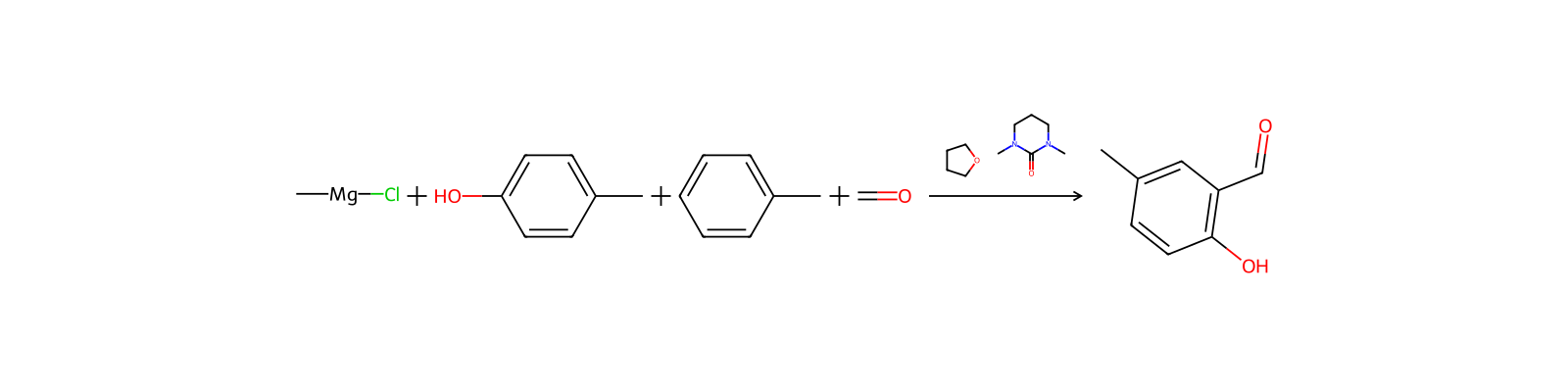
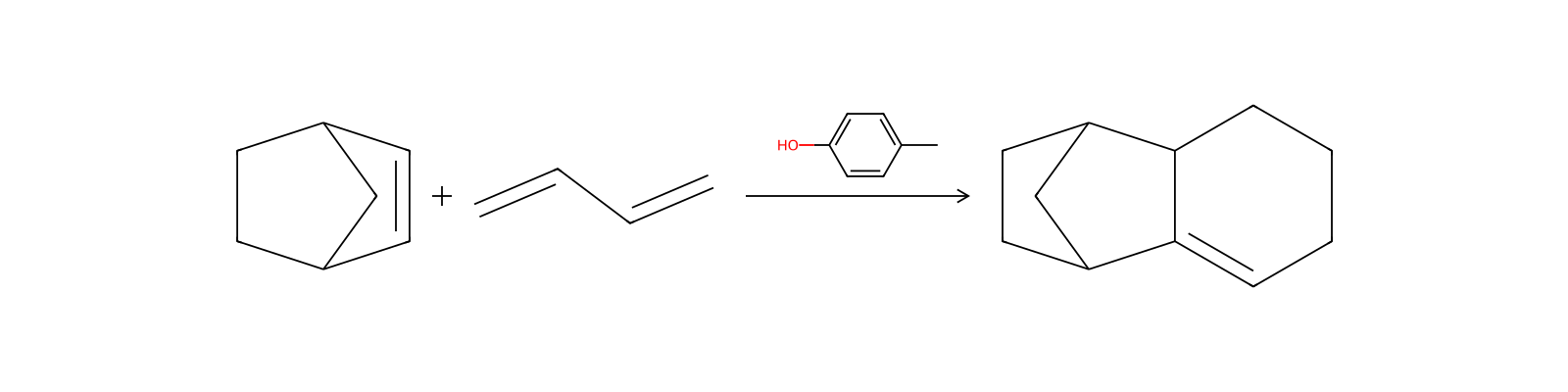


Linked notes
Loading…