3-Chloro-4-hydroxy-5-methoxybenzaldehyde

Basic information
- CAS
19463-48-0- Standard SMILES
COc1cc(C=O)cc(Cl)c1O- InChIKey
ONIVKFDMLVBDRK-UHFFFAOYSA-N- Molecular formula
- C8H7ClO3
- Average molar mass
- 186.59 g/mol
- Monoisotopic mass
- 186.00837176
Names & identifiers
- Preferred name
- 3-Chloro-4-hydroxy-5-methoxybenzaldehyde
- IUPAC
- 3-chloro-4-hydroxy-5-methoxybenzaldehyde
- English name
- 5-Chlorovanillin
- Molecular formula
- C8H7ClO3
- Molecular weight
- 186.59
Names & synonyms
3-CHLORO-4-HYDROXY-5-METHOXYBENZALDEHYDE19463-48-05-Chlorovanillin3-ChlorovanillinVanillin, 5-chloro-6L2HJ5NXQ8NSC-45929RefChem:500551243-086-7Benzaldehyde, 3-chloro-4-hydroxy-5-methoxy-MFCD000169823-Chloro-4-hydroxy-5-methoxy-benzaldehyde
Show more names
AKOS B004155250G 500G 1KGAKOS BBS-000069845-CHLOROVANILLIN 97%5-Monochlorovanillin
3-chloro-4-hydroxy-5-methoxy benzaldehyde61670-76-65-chlorovanilline5-chloro vanillinEINECS 243-086-7NSC 459295-Chloro-4-hydroxy-3-methoxybenzaldehydeCHLORO-4-HYDROXY-3-METHOXYBENZALDEHYDE
Database identifiers
- CAS
19463-48-0、61670-76-6- PubChem CID
- 29622
- DTXSID
DTXSID9075161- ChEMBL
CHEMBL2205139- UNII
- 6L2HJ5NXQ8
- EC Number
- 243-086-7
- Nikkaji
- J242.825C
Properties
Computed structural properties
- XLogP
- 1.6
- Topological polar surface area
- 46.5 Ų
- Hydrogen bond donors
- 1
- Hydrogen bond acceptors
- 3
- Rotatable bonds
- 2
- Heavy atoms
- 12
- Formal charge
- 0
- Complexity
- 162
Experimental & physicochemical properties
SpringerMaterials Properties13C nuclear magnetic resonance spectrum
Endocrine DisruptorsPotential endocrine disrupting compound
Physicochemical properties
- Melting point
- 165 · 165-169 °C(lit.)
- Boiling point
- 266.91 °C · 266.91°C (rough estimate)
- Density
- 1.3245 · 1.3245 (rough estimate)
- refractive index
- 1.525 · 1.5250 (estimate)
- storage temp.
- Inert atmosphere,Room Temperature
- pka
- 6.32 · 6.32±0.23(Predicted)
- Appearance
- White to light yellow Solid
- CAS DataBase Reference
- 19463 · 19463-48-0(CAS DataBase Reference)
- FDA UNII
- 6 L2HJ5NXQ8 · 6L2HJ5NXQ8
- EPA Substance Registry System
- 3 · Benzaldehyde, 3-chloro-4-hydroxy-5-methoxy- (19463-48-0)
- Symbol(GHS)
- 7 · GHS07
- Signal word
- Warning
- Hazard statements
- 315 · H315-H319-H335-H413
- Precautionary statements
- 273 · P273-P302+P352-P305+P351+P338
- Hazard Codes
- Xi
- Risk Statements
- 36 · 36/37/38
- Safety Statements
- 26 · 26-36
- RIDADR
- 3077 · UN 3077 9 / PGIII
- WGK Germany
- 3 · 3
- HS Code
- 2913000090 · 2913000090
Safety & regulation
Safety information is for reference only and does not replace the supplier’s Safety Data Sheet (SDS), applicable regulations, or professional assessment.
GHS classification
GHS Classification
Warning
H315 (100%): Causes skin irritation [Warning Skin corrosion/irritation]
P261, P264, P264+P265, P271, P273, P280, P302+P352, P304+P340, P305+P351+P338, P319, P321, P332+P317, P337+P317, P362+P364, P403+P233, P405, and P501 (click each P-code to see the statement)
Aggregated GHS information provided per 40 reports by companies from 3 notifications to the ECHA C&L Inventory. Each notification may be associated with multiple companies.
Hazard information
Hazard Classes and CategoriesSkin Irrit. 2 (100%)
Safety data
- wgk
- 3
- ridadr
- UN 3077 9 / PGIII
- hs_code
- 2913000090
- risk_code
- 36/37/38
- Signal word
- Warning
- Symbol(GHS)
- GHS07
- hazard_code
- Xi
- safety_code
- 26-36
- Hazard statements
- H315-H319-H335-H413
- Precautionary statements
- P273-P302+P352-P305+P351+P338
Chemistry & industry
Pharmacology
MeSH Pharmacological Classification
Drugs used to prevent SEIZURES or reduce their severity.
Naturally occurring or synthetic substances that inhibit or retard oxidation reactions. They counteract the damaging effects of oxidation in animal tissues.
Agents that reduce the frequency or rate of spontaneous or induced mutations independently of the mechanism involved.
Applications
UsesThe product has been used for an oxidation reaction by laccase to form hydroxymethine quinone.
Upstream & downstream products
Upstream raw materials
Downstream products
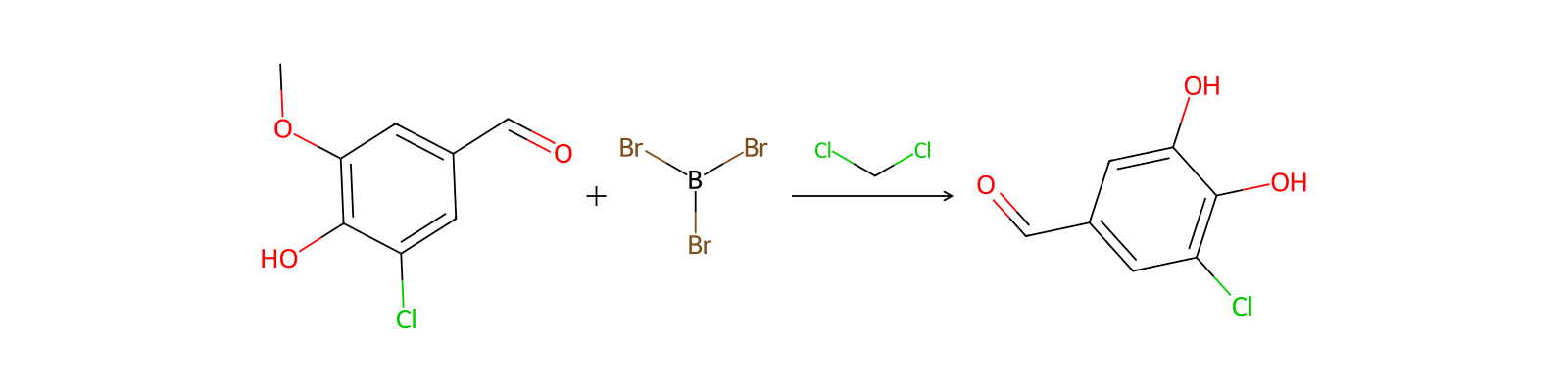
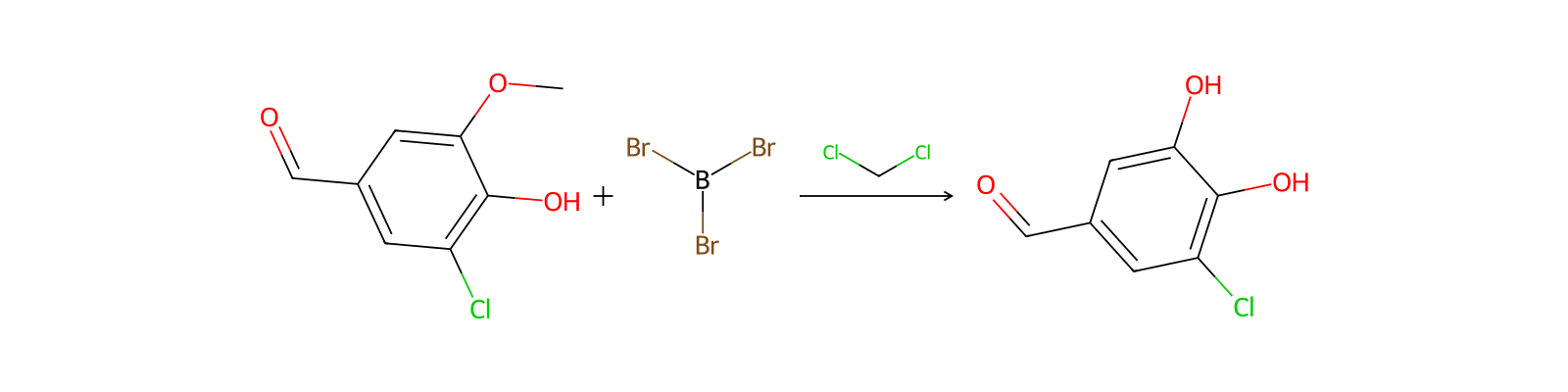
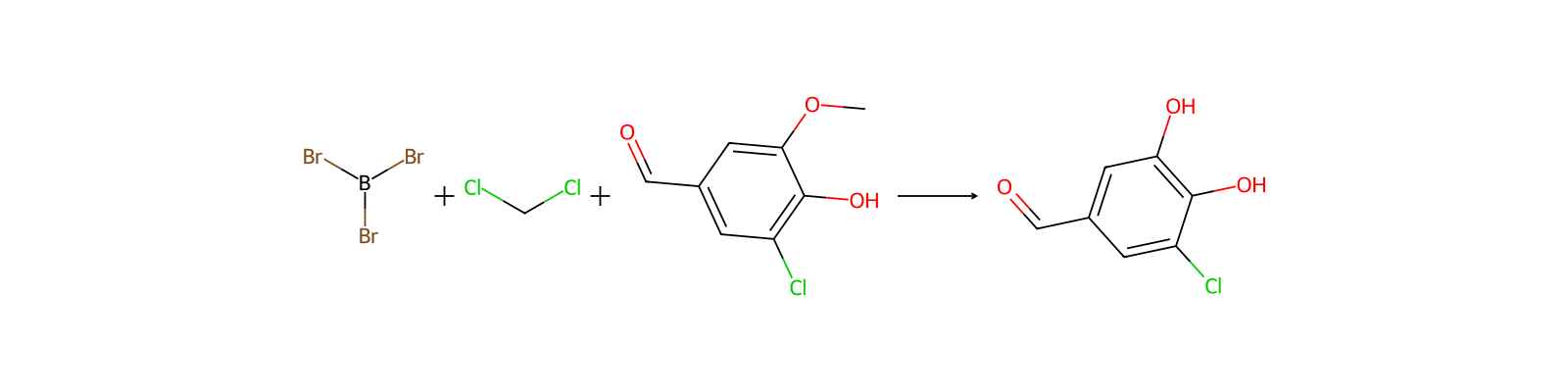
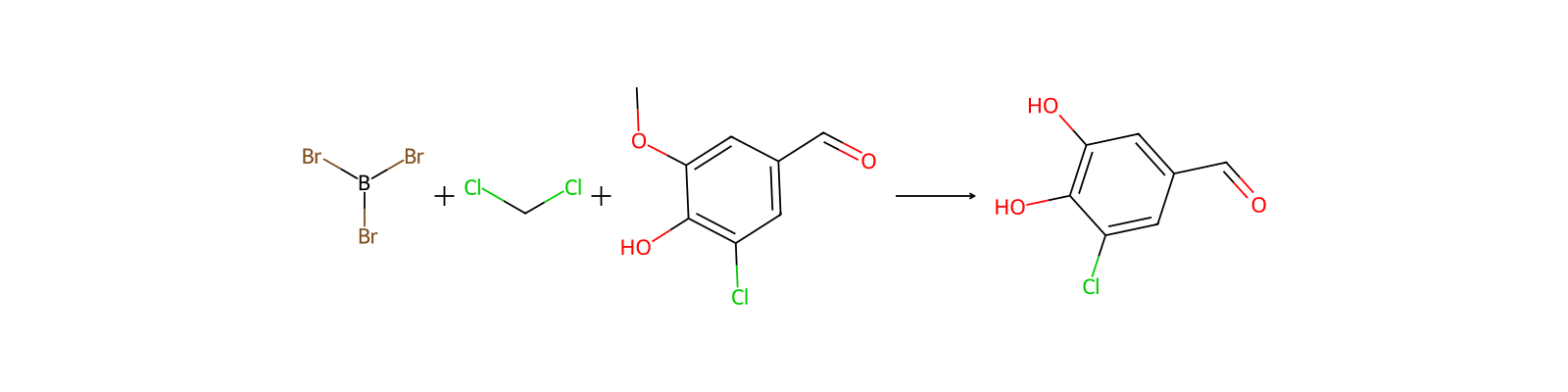
Related reactions
53 records



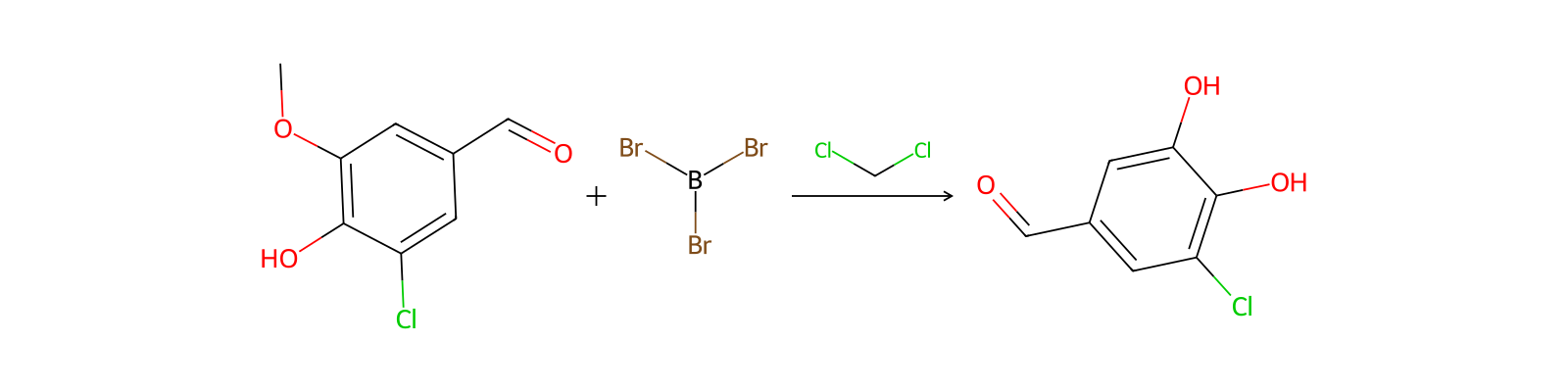
Compound notes
Loading…