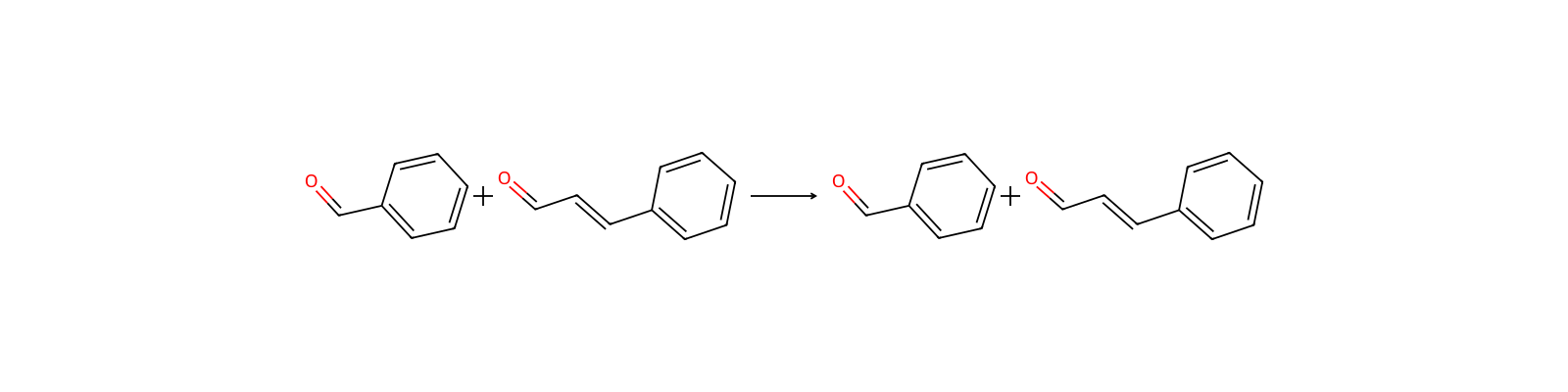
3-Phenylprop-2-Enal
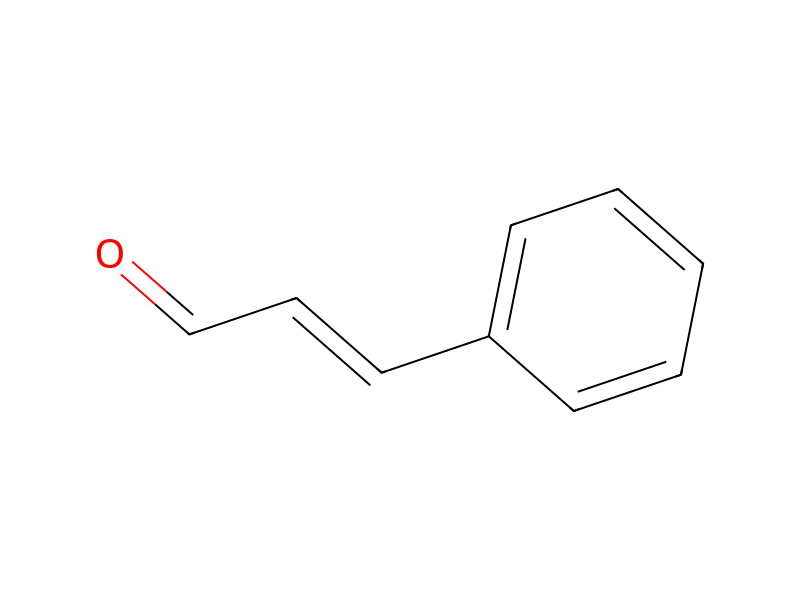
Basic information
- CAS
104-55-2- Standard SMILES
O=CC=Cc1ccccc1- InChIKey
KJPRLNWUNMBNBZ-UHFFFAOYSA-N- Molecular formula
- C9H8O
- Average molar mass
- 132.16 g/mol
- Monoisotopic mass
- 132.05751487
Overview
3-phenylprop-2-enal has been reported in Curcuma xanthorrhiza, Alpinia latilabris, and other organisms with data available.
Names & identifiers
- Preferred name
- 3-Phenylprop-2-Enal
- IUPAC
- 3-phenylprop-2-enal
- English name
- Cinnamaldehyde
- Molecular formula
- C9H8O
- Molecular weight
- 132.16
Names & synonyms
3-phenylprop-2-enalDTXSID1024835DTXCID904835CHEBI:142921RefChem:10684953-phenyl-propenaltrans-3-PhenylacrylaldehydeformylstyreneNSC 169353-phenyl-prop-2-enalPropenaldehyde, 3-phenyl-3-phenyl-2-propen-1-one
Show more names
CINNAMIC ALDEHYDE2-Propenal, 3-phenyl-3-Phenyl-2-propenalSTYRONE203-213-93-PhenylacrylaldehydeFEMA 2286Zimtaldehyd3-PHENYLPROPENAL2-propenal,3-phenyl-
SCHEMBL3442SCHEMBL277462-Propenaldehyde, 3-phenyl-SCHEMBL787790orb1222698orb1222904orb1302312orb3025776
Database identifiers
- CAS
104-55-2- PubChem CID
- 307
- DTXSID
DTXSID1024835- ChEMBL
CHEMBL3187944
Properties
Computed structural properties
- XLogP
- 1.9
- Topological polar surface area
- 17.1 Ų
- Hydrogen bond donors
- 0
- Hydrogen bond acceptors
- 1
- Rotatable bonds
- 2
- Heavy atoms
- 10
- Formal charge
- 0
- Complexity
- 121
Experimental & physicochemical properties
SpringerMaterials Properties13C nuclear magnetic resonance spectrum
Physicochemical properties
- Melting point
- 9 · −9-−4 °C(lit.)
- Boiling point
- 248 °C · 248 °C (lit.)
- Density
- 1.05 g/mL · 1.05 g/mL at 25 °C (lit.)
- vapor density
- 4.6 · 4.6 (vs air)
- vapor pressure
- 0.1 hPa · <0.1 hPa (20 °C)
- FEMA
- 2286 · 2286 | CINNAMALDEHYDE
- refractive index
- 20 · n20/D 1.622(lit.)
- FLAVIS Number
- 5.014 · 05.014 | Cinnamaldehyde
- Flash point
- 160 °F · 160 °F
- storage temp.
- 30 °C · Store below +30°C.
- solubility
- 1 g/l · 1g/l soluble
- form
- Liquid
- pka
- 0 · 0[at 20 ℃]
- color
- Clear yellow
- Specific Gravity
- 1.05 · 1.05
- Odor
- Strong odor of cinnamon
- Odor Type
- spicy
- biological source
- cassia oil
- Viscosity
- 21.25 mm2/s · 21.25mm2/s
- Water Solubility
- Slightly soluble
- Merck
- 13 · 13,2319
- JECFA Number
- 656 · 656
- Henry's Law Constant
- 2.8 · 2.8×100 mol/(m3Pa) at 25℃, HSDB (2015)
- Dielectric constant
- 16.9 · 16.9(24℃)
- Stability
- Stable. Combustible. Incompatible with strong oxidizing agents, strong bases.
- Major Application
- flavors and fragrances
- Cosmetics Ingredients Functions
- FLAVOURINGDENATURANTPERFUMING
- InChI
- 1S/C9H8O/c10-8-4-7-9-5-2-1-3-6-9/h1-8H/b7-4+
- InChIKey
- KJPRLNWUNMBNBZ-QPJJXVBHSA-N
- SMILES
- O=C\C=C\c1ccccc1
- LogP
- 1.83 · 1.83-2.1 at 25-27℃
- CAS DataBase Reference
- 104 · 104-55-2(CAS DataBase Reference)
- Substances Added to Food (formerly EAFUS)
- CINNAMALDEHYDE
- FDA 21 CFR
- 182.6 · 182.60
- FDA UNII
- 60 A3XG0F · SR60A3XG0F
- NIST Chemistry Reference
- Cinnamylaldehyde(104-55-2)
- EPA Substance Registry System
- Cinnamaldehyde (104-55-2)
- UNSPSC Code
- 12352114 · 12352114
- NACRES
- 22 · NA.22
- Symbol(GHS)
- 7 · GHS07
- Signal word
- Warning
- Hazard statements
- 315 · H315-H317-H319-H335
- Precautionary statements
- 261 · P261-P264-P271-P280-P302+P352-P305+P351+P338
- PPE
- Faceshields, Gloves, Goggles, type ABEK (EN14387) respirator filter
- Hazard Codes
- Xi
- Risk Statements
- 36 · 36/37/38-43
- Safety Statements
- 26 · 26-36/37
- RIDADR
- 8027 · UN8027
- WGK Germany
- 3 · 3
- RTECS
- 6476000 · GD6476000
- F
- 10 · 10-23
- TSCA
- TSCA listed
- HS Code
- 29122900 · 29122900
- Storage Class
- 10 · 10 - Combustible liquids
- Hazard Classifications
- 4 DermalAquatic · Acute Tox. 4 DermalAquatic Chronic 3Eye Irrit. 2Skin Irrit. 2Skin Sens. 1
- Hazardous Substances Data
- 104 · 104-55-2(Hazardous Substances Data)
- Toxicity
- 50 in · LD50 in rats (mg/kg): 2220 orally (Jenner)
- REACH Registrations
- Active
Safety & regulation
Safety information is for reference only and does not replace the supplier’s Safety Data Sheet (SDS), applicable regulations, or professional assessment.
GHS classification
GHS Classification
Warning
H317: May cause an allergic skin reaction [Warning Sensitization, Skin]
P261, P272, P280, P302+P352, P321, P333+P317, P362+P364, and P501 (click each P-code to see the statement)
Hazard information
Hazard Classes and CategoriesSkin Sens. 1A
Toxicology
Health EffectsAllergic reaction.
Exposure RoutesInhalation; dermal; ingestion
Toxicity SummaryCinnamaldehyde is an allergen. The physiologic effect of cinnamaldehyde is by means of increased histamine release and cell-mediated immunity.
Signs and SymptomsThe specific symptoms that can result from cinnamic aldehyde allergy can vary considerably amongst patients from a severe anaphylactic reaction to asthma, abdominal symptoms, eczema or headaches. (L2140)
Carcinogen ClassificationNo indication of carcinogenicity to humans (not listed by IARC).
Toxicity DataLD50: 3400 mg/kg (rat, oral)
Safety data
- F
- 10-23
- PPE
- Faceshields, Gloves, Goggles, type ABEK (EN14387) respirator filter
- wgk
- 3
- tsca
- TSCA listed
- rtecs
- GD6476000
- ridadr
- UN8027
- hs_code
- 29122900
- Toxicity
- LD50 in rats (mg/kg): 2220 orally (Jenner)
- risk_code
- 36/37/38-43
- Signal word
- Warning
- Symbol(GHS)
- GHS07
- hazard_code
- Xi
- safety_code
- 26-36/37
- Storage Class
- 10 - Combustible liquids
- Hazard statements
- H315-H317-H319-H335
- REACH Registrations
- Active
- Hazard Classifications
- Acute Tox. 4 DermalAquatic Chronic 3Eye Irrit. 2Skin Irrit. 2Skin Sens. 1
- Precautionary statements
- P261-P264-P271-P280-P302+P352-P305+P351+P338
- Hazardous Substances Data
- 104-55-2(Hazardous Substances Data)
Chemistry & industry
Pharmacology
Metabolism/MetabolitesCinnamaldehyde is converted to cinnamoyl-CoA by cinnamoyl-CoA reductase.
Applications
DescriptionCinnamic aldehyde is used as a flavoring agent, ingredient of fragrance in soft drinks, ice creams, dentifrices, pastries, chewing-gum, etc. It can induce both contact urticaria and delayed-type reactions. It can be implicated in contact dermatitis in those who work in the perfume industry or food handlers. Cinnamic aldehyde is contained in the "fragrance mix".
OccurrenceReported found in celery seed, cinnamon, cinnamon leaf, cassia leaf, clove stem and lemon balm.
UsesCinnamic aldehyde is a common ingredient in perfumes for household products like deodorizers, detergents, and soap; flavor in toothpaste, sweets, ice cream, soft drinks, chewing gums, and cakes; in balsam of Tolu and Peru, hyacinth plant, spices, cinnamon, Ceylon and cassia oil; some perfumery uses (Canoe; hyacinth; bubblegum; Balsam; Cassia); natural occurrence (cinnamon).
UsesCinnamaldehyde is used in flavor and perfumes.It occurs in cinnamon oils.
UsesIn the flavor and perfume industry.
General DescriptionYellow oily liquid with a cinnamon odor and sweet taste.
Upstream & downstream products
Upstream raw materials
Downstream products
Additional notes
DefinitionChEBI: (E)-cinnamaldehyde is the E (trans) stereoisomer of cinnamaldehyde, the parent of the class of cinnamaldehydes. It has a role as a hypoglycemic agent, an EC 4.3.1.24 (phenylalanine ammonia-lyase) inhibitor, a vasodilator agent, an antifungal agent, a flavouring agent, a plant metabolite and a sensitiser. It is a 3-phenylprop-2-enal and a member of cinnamaldehydes.
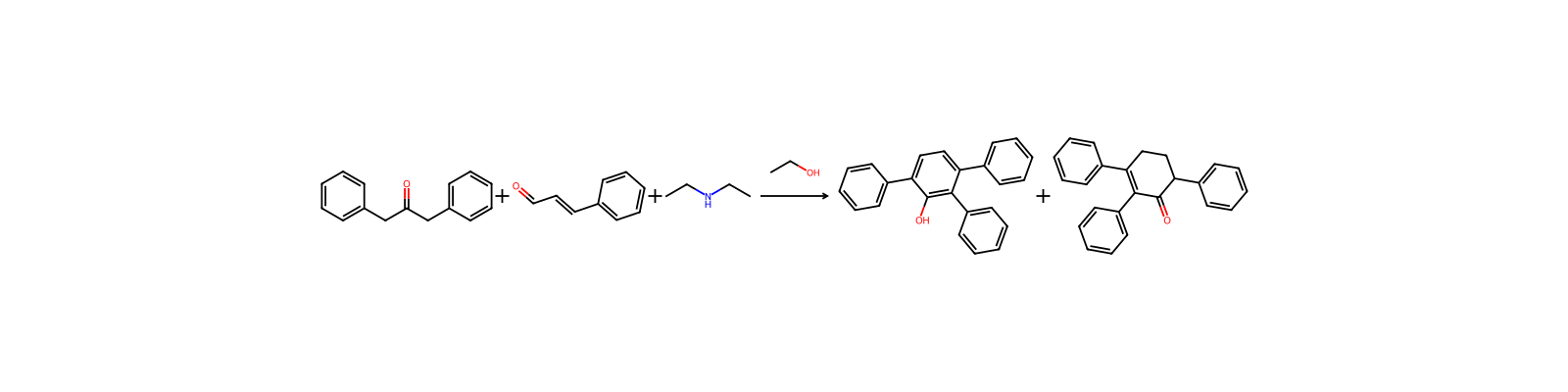
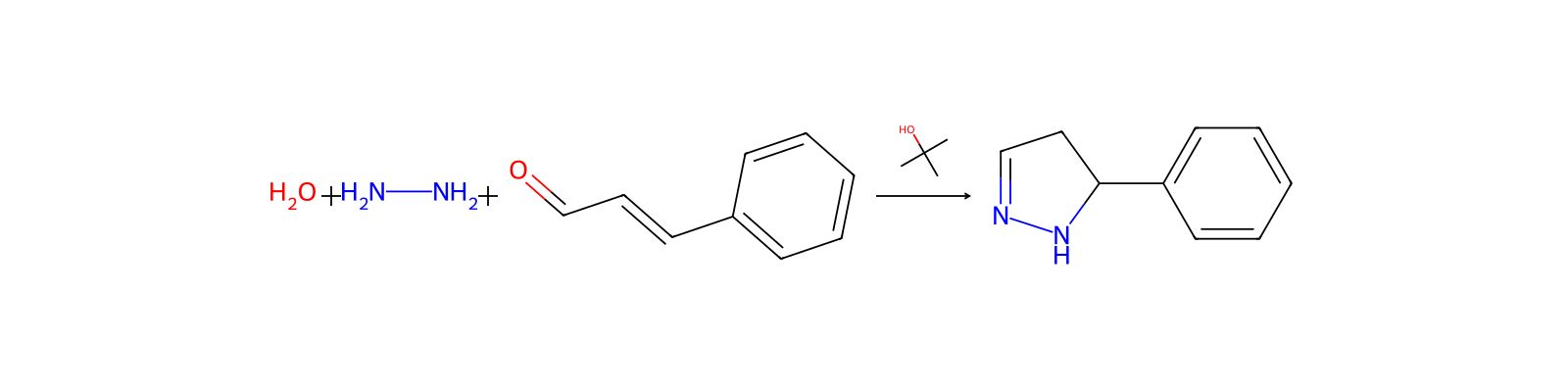
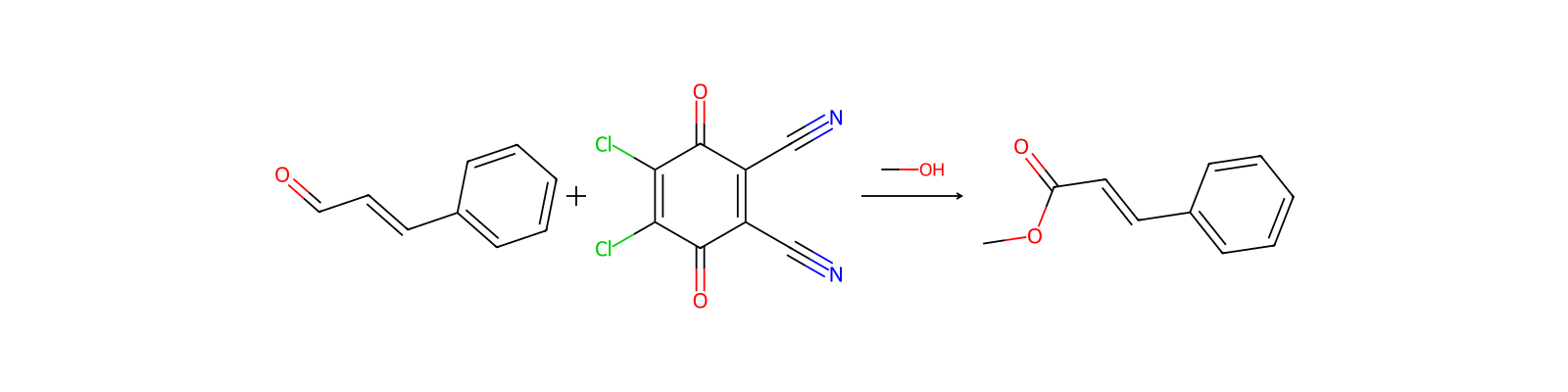
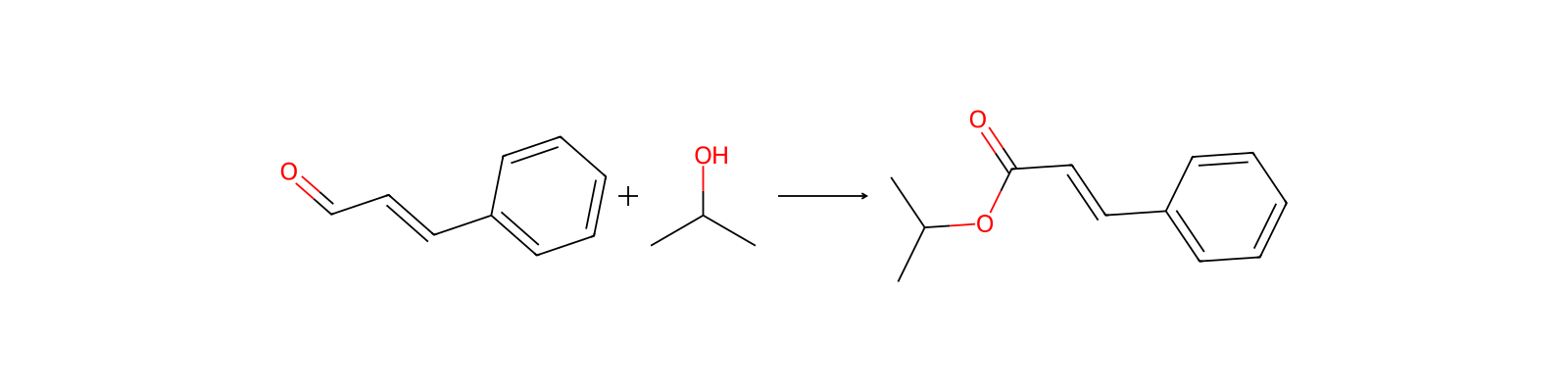
Related reactions
221 records



Compound notes
Loading…