Basic information
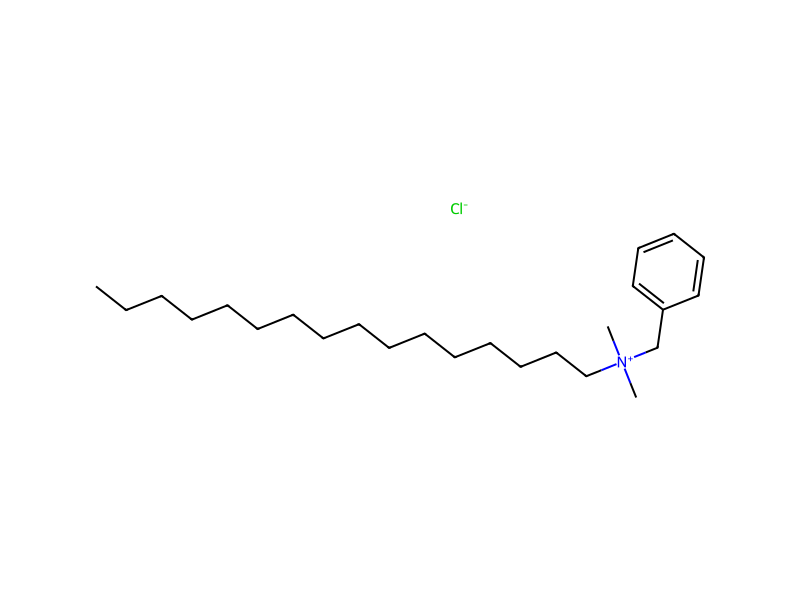
- Standard SMILES
CCCCCCCCCCCCCCCC[N+](C)(C)Cc1ccccc1.[Cl-]- InChIKey
SXPWTBGAZSPLHA-UHFFFAOYSA-M- Molecular formula
- C25H46ClN
- Average molar mass
- 396.1 g/mol
- Monoisotopic mass
- 395.3318782
Names & identifiers
- Preferred name
- Benzylhexadecyldimethylammonium chloride
- IUPAC
- benzyl-hexadecyl-dimethylazanium chloride
- English name
- Benzyldimethylhexadecylammonium chloride
- Molecular formula
- C25H46ClN
- Molecular weight
- 396.09
Names & synonyms
122-18-9Cetalkonium chlorideBenzyldimethylhexadecylammonium chlorideCetyl zephiranBanicolAcinolCdbacBicetoniumZettynCetyldimethylbenzylammonium chlorideBenzaletasTetraseptan
Show more names
HDBACBENZYLCETYLDIMETHYLAMMONIUM CHLORIDECKCcetalkoniumHEXADECYL DIMETHYL BENZYL AMMONIUM CHLORIDE1627
BaktoniumCetylonCetolDmcbacSpilanBenzylhexadecyldimethylammonium chlorideAmmonyx GDehyquart CBB
Database identifiers
- CAS
122-18-9- PubChem CID
- 31202
- ChEMBL
CHEMBL1644450- UNII
- 85474O1N9D
- EC Number
- 204-526-3
Properties
Computed structural properties
- Topological polar surface area
- 0 Ų
- Hydrogen bond donors
- 0
- Hydrogen bond acceptors
- 1
- Rotatable bonds
- 17
- Heavy atoms
- 27
- Formal charge
- 0
- Complexity
- 291
Experimental & physicochemical properties
Physical DescriptionSolid; [Merck Index] White powder; [Alfa Aesar MSDS]
Physicochemical properties
- Melting point
- 55 · 55-65 °C(lit.)
- Boiling point
- 550.14 °C · 550.14°C (rough estimate)
- Density
- 0.9089 · 0.9089 (rough estimate)
- vapor pressure
- 0 Pa · 0Pa at 25℃
- refractive index
- 1.6 · 1.6000 (estimate)
- storage temp.
- room temp
- solubility
- 100 mg/mL · DMSO: 100 mg/mL (252.47 mM)
- form
- Powder
- color
- White to creamy-white
- Water Solubility
- MODERATELY SOLUBLE
- Merck
- 14 · 14,2017
- BRN
- 3802341 · 3802341
- Cosmetics Ingredients Functions
- ANTIMICROBIALANTISTATICPRESERVATIVE
- InChI
- 1S/C25H46N.ClH/c1-4-5-6-7-8-9-10-11-12-13-14-15-16-20-23-26(2,3)24-25-21-18-17-19-22-25;/h17-19,21-22H,4-16,20,23-24H2,1-3H3;1H/q+1;/p-1
- InChIKey
- SXPWTBGAZSPLHA-UHFFFAOYSA-M
- SMILES
- [Cl-].CCCCCCCCCCCCCCCC[N+](C)(C)Cc1ccccc1
- LogP
- 3.022 at · 3.022 at 25℃
- CAS DataBase Reference
- 122 · 122-18-9(CAS DataBase Reference)
- FDA 21 CFR
- 310.545 · 310.545
- EWG's Food Scores
- 1 · 1-4
- FDA UNII
- 85474 O1N9D · 85474O1N9D
- EPA Substance Registry System
- Benzyl hexadecyl dimethyl ammonium chloride (122-18-9)
- UNSPSC Code
- 41116107 · 41116107
- NACRES
- 25 · NA.25
- Symbol(GHS)
- 5 · GHS05,GHS07,GHS09
- Signal word
- Danger
- Hazard statements
- 302 · H302-H314-H410
- Precautionary statements
- 260 · P260-P273-P280-P301+P312-P303+P361+P353-P305+P351+P338
- Hazard Codes
- Xi,N,C
- Risk Statements
- 36 · 36/37/38-50/53-50-34-21/22
- Safety Statements
- 61 · 61-45-36/37/39-26-60
- RIDADR
- 3077 · UN 3077 9/PG 3
- WGK Germany
- 3 · 3
- RTECS
- 6822450 · BO6822450
- F
- 3 · 3
- TSCA
- TSCA listed
- HazardClass
- 8 · 8
- HS Code
- 29239000 · 29239000
- Storage Class
- 8 A · 8A - Combustible corrosive hazardous materials
- Hazard Classifications
- 4 OralAquatic · Acute Tox. 4 OralAquatic Acute 1Aquatic Chronic 1Eye Dam. 1Skin Corr. 1B
- Toxicity
- 150 mg · eye-rbt 150 mg MLD ARZNAD 9,349,59
- REACH Registrations
- Active
Safety & regulation
GHS classification
GHS Classification
Danger
H302 (98.4%): Harmful if swallowed [Warning Acute toxicity, oral];H312 (77%): Harmful in contact with skin [Warning Acute toxicity, dermal];H314 (96%): Causes severe skin burns and eye damage [Danger Skin corrosion/irritation];H318 (18.3%): Causes serious eye damage [Danger Serious eye damage/eye irritation];H400 (96.8%): Very toxic to aquatic life [Warning Hazardous to the aquatic environment, acute hazard];H410 (17.5%): Very toxic to aquatic life with long lasting effects [Warning Hazardous to the aquatic environment, long-term hazard]
P260, P264, P264+P265, P270, P273, P280, P301+P317, P301+P330+P331, P302+P352, P302+P361+P354, P304+P340, P305+P354+P338, P316, P317, P321, P330, P362+P364, P363, P391, P405, and P501 (click each P-code to see the statement)
Aggregated GHS information provided per 126 reports by companies from 10 notifications to the ECHA C&L Inventory. Each notification may be associated with multiple companies.;Information may vary between notifications depending on impurities, additives, and other factors. The percentage value in parenthesis indicates the notified classification ratio from companies that provide hazard codes. Only hazard codes with percentage values above 10% are shown. For more detailed information, please visit ECHA C&L website.
Hazard information
Regulatory Information
Chemical: Benzenemethanaminium, N-hexadecyl-N,N-dimethyl-, chloride
Hazard Traits - Hazard Trait Undefined;Authoritative List - CECBP - Priority Chemicals;Report - if used as a fragrance or flavor ingredient
Status: Active Update: 04-09-2018 https://echa.europa.eu/registration-dossier/-/registered-dossier/23672
Cetalkonium chloride: Does not have an individual approval but may be used as a component in a product covered by a group standard. It is not approved for use as a chemical in its own right.
Other Safety InformationEvaluation - Benzalkonium halides
Hazards Summary
A mild to moderate eye irritant; Oral lethal-dose (rat) >500 mg/kg; [RTECS] Quaternary ammonium compounds are corrosive in concentrated solutions and may cause skin sensitization from repeated occupational exposure; [Reference #1] Causes burns; Toxic by ingestion and skin absorption; [Alfa Aesar MSDS]
Hazard Classes and Categories
Acute Tox. 4 (98.4%);Acute Tox. 4 (77%);Skin Corr. 1A (96%);Eye Dam. 1 (18.3%);Aquatic Acute 1 (96.8%);Aquatic Chronic 1 (17.5%)
Acute toxicity (ingestion) - category 4;Acute toxicity (dermal) - category 4;Acute toxicity (inhalation) - category 2;Skin corrosion - category 1B
Hazardous to the aquatic environment (Acute) - Category 1;Hazardous to the aquatic environment (Long-term) - Category 1
Skin corrosion/irritation - Category 1;Serious eye damage/eye irritation - Category 1
Hazardous to the aquatic environment (Acute) - Category 1
Toxicology
Adverse EffectsDermatotoxin - Skin burns.;Skin Sensitizer - An agent that can induce an allergic reaction in the skin.
Regulatory information
Regulatory Information
Chemical: Benzenemethanaminium, N-hexadecyl-N,N-dimethyl-, chloride
Hazard Traits - Hazard Trait Undefined;Authoritative List - CECBP - Priority Chemicals;Report - if used as a fragrance or flavor ingredient
Status: Active Update: 04-09-2018 https://echa.europa.eu/registration-dossier/-/registered-dossier/23672
Cetalkonium chloride: Does not have an individual approval but may be used as a component in a product covered by a group standard. It is not approved for use as a chemical in its own right.
Safety data
- F
- 3
- wgk
- 3
- tsca
- TSCA listed
- rtecs
- BO6822450
- ridadr
- UN 3077 9/PG 3
- hs_code
- 29239000
- Toxicity
- eye-rbt 150 mg MLD ARZNAD 9,349,59
- risk_code
- 36/37/38-50/53-50-34-21/22
- Signal word
- Danger
- Symbol(GHS)
- GHS05,GHS07,GHS09
- hazard_code
- Xi,N,C
- safety_code
- 61-45-36/37/39-26-60
- hazard_class
- 8
- Storage Class
- 8A - Combustible corrosive hazardous materials
- Hazard statements
- H302-H314-H410
- REACH Registrations
- Active
- Hazard Classifications
- Acute Tox. 4 OralAquatic Acute 1Aquatic Chronic 1Eye Dam. 1Skin Corr. 1B
- Precautionary statements
- P260-P273-P280-P301+P312-P303+P361+P353-P305+P351+P338
Chemistry & industry
Pharmacology
MeSH Pharmacological Classification
Substances used on humans and other animals that destroy harmful microorganisms or inhibit their activity. They are distinguished from DISINFECTANTS, which are used on inanimate objects.
Agents that modify interfacial tension of water; usually substances that have one lipophilic and one hydrophilic group in the molecule; includes soaps, detergents, emulsifiers, dispersing and wetting agents, and several groups of antiseptics.
Uses & manufacturing
Uses
A quaternary surfactant used as a germicide/fungicide in leather processing, textile dyeing, and silicone-based water repellents; [Merck Index]
Leather Tanning and Processing [Category: Industry];Textiles (Printing, Dyeing, or Finishing) [Category: Industry]
Use ClassificationCosmetics -> Preservative
General Manufacturing InformationBenzenemethanaminium, N-hexadecyl-N,N-dimethyl-, chloride (1:1): ACTIVE
Applications
UsesBenzyldimethylhexadecylammonium chloride is used in leather processing, textile dyeing. A mildew preventive in silicone-based water repellents. Compatible with many nonionic detergents. Active in moderately alkaline solutions.
UsesLabelled Cetalkonium Chloride. Cationic quaternary ammonium surfactant germicide and fungicide. Used in leather processing, textile dyeing. A mildew preventive in silicone-based water repellents. Comp atible with many nonionic detergents. Active in moderately alkaline solutions. Anti-infective (topical).
Usesquaternary ammonium compound for use as germicide and fungicide in ophthalmie products and cosmetics like deodorants; in leather processing, textile dyeing; as a topical anti-infective.
General DescriptionBenzyldimethylhexadecylammonium chloride is a cationic surfactant.
Upstream & downstream products
Upstream raw materials
Suppliers50 total
北京华美互利生物化工010-56205725 · [email protected]
梯希爱(上海)化成工业发展有限公司021-67121386 · [email protected]
上海阿拉丁生化科技股份有限公司400-6206333 13167063860 · [email protected]
杭州埃肯新材料有限公司15258847994
爱斯特(成都)生物制药股份有限公司+86-28-85122536 85324413 · [email protected]
科瑞迪化学400-821-5857 021-64326257 · [email protected]
Syntechem Co.,Ltd[email protected]
上海迈瑞尔生化科技有限公司4006356688 18621169109 · [email protected]
北京华威锐科化工有限公司0757-86329057 18934348241 · [email protected]
武汉易泰科技有限公司上海分公司18930552037 · [email protected]
大连美仑生物技术有限公司0411-62910999 13889544652 · [email protected]
阿法埃莎(中国)化学有限公司400-6106006 · [email protected]
安耐吉化学&3A(安徽泽升科技股份有限公司)400-0056266 · [email protected]
上海柏卡化学技术有限公司400-026-1533/(021) 6478-0600 · [email protected]
孝感深远化工有限公司15527621225; 15527621225 · [email protected]
山东西亚化学有限公司13355009207 13355009207 · [email protected]
玛雅试剂+86 (573) 82222445 (0)18006601000 452520369 · [email protected]
四川库利南科技有限公司400-1166-196 18981987031 · [email protected]
上海耐士化工科技有限公司400-188-0725 +86 21 34310725 13611771617
天津希恩思生化科技有限公司400 638 7771 · [email protected]
湖南汇百侍生物科技有限公司0731-85526065 13308475853 · [email protected]
斯百全化学(上海)有限公司021-021-021-67601398-809-809-809 15221380277 · [email protected]
上海源叶生物科技有限公司13636370518 · [email protected]
上海思域化工科技有限公司86-21-34053660 · [email protected]
赛默飞世尔科技(中国)有限公司800-810-5118 · [email protected]
江苏艾康生物医药研发有限公司025-66113011 13913916777 · [email protected]
TCI AMERICA800-4238616 · [email protected]
TOKYO CHEMICAL INDUSTRY CO., LTD.03-36680489 · [email protected]
TCI Europe320-37350700 · [email protected]
深圳振强药物研发有限公司0755-66853366 13670046396 · [email protected]
南京杜莱生物技术有限公司025-84699383-8003;025-846993838003-8003 18013301590 · [email protected]
上海将来实业股份有限公司400-0066400 13621662912 · [email protected]
上海将来实业股份有限公司021-61552785 · [email protected]
四川省维克奇生物科技有限公司028-81700200 18116577057 · [email protected]
成都零六生物科技有限公司400-1166-196 13458535857 · [email protected]
湖南华腾制药有限公司400-8592883 · [email protected]
上海创赛科技有限公司400-6087598 15021221957 · [email protected]
上海麦克林生化科技股份有限公司15221275939 15221275939 · [email protected]
杭州杰恒化工有限公司0571-87396432 · [email protected]
上海嵩爰化工科技有限公司010-1234567 18521000990 · [email protected]
南京恰风和医药科技有限公司025-57018978 18251899859 · [email protected]
上海有朋化工有限公司021-69005955 13701776567 · [email protected]
北京海力扬化学科技有限公司13718199399 · [email protected]
北京欣赛维化学科技有限公司010-56218822 13717722232 · [email protected]
四川海诺威科技有限公司13708085536 13708085536 · [email protected]
上海凯赛化工有限公司021-33516722 13701817765 · [email protected]
上海彤源化工有限公司021-021-69182866 13701855675 · [email protected]
凯试(上海)科技有限公司021-50135380 · [email protected]
北京华扬致成科技有限公司13716033033 · [email protected]
上海蓝润化学有限公司021-69515658 ; 69515628 13701998368 · [email protected]
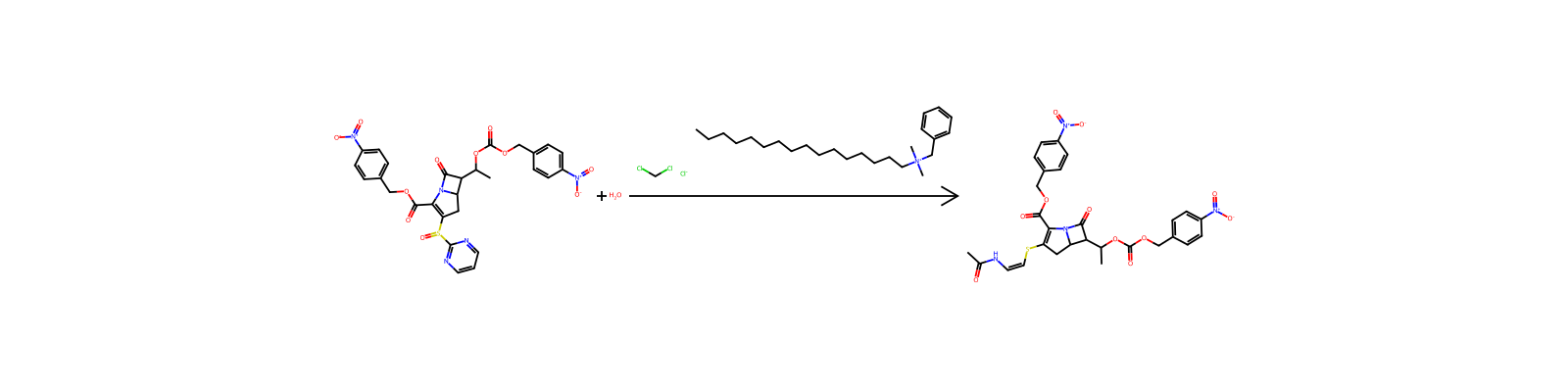
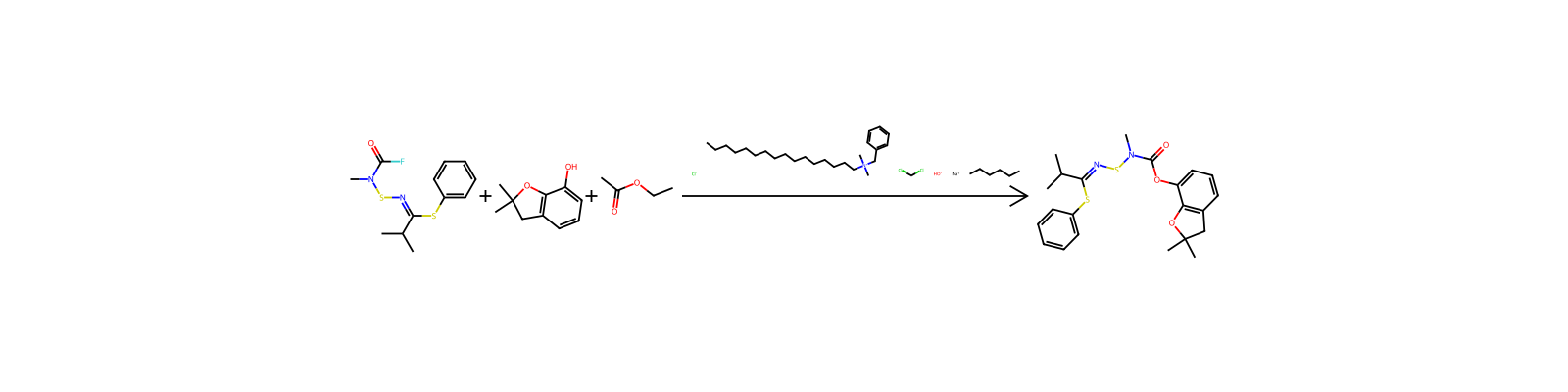
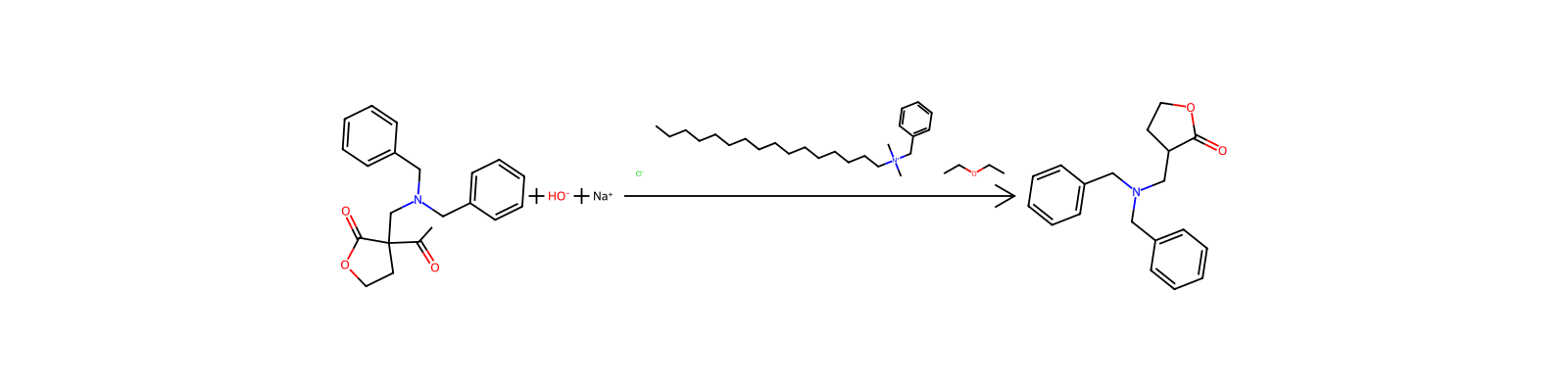
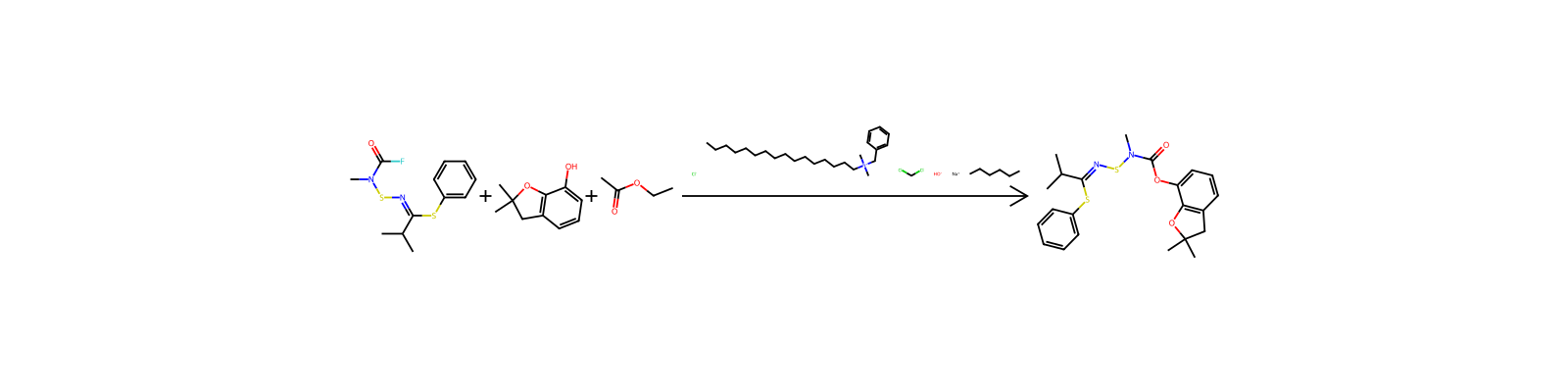
Related reactions
5 records

Linked notes
Loading…