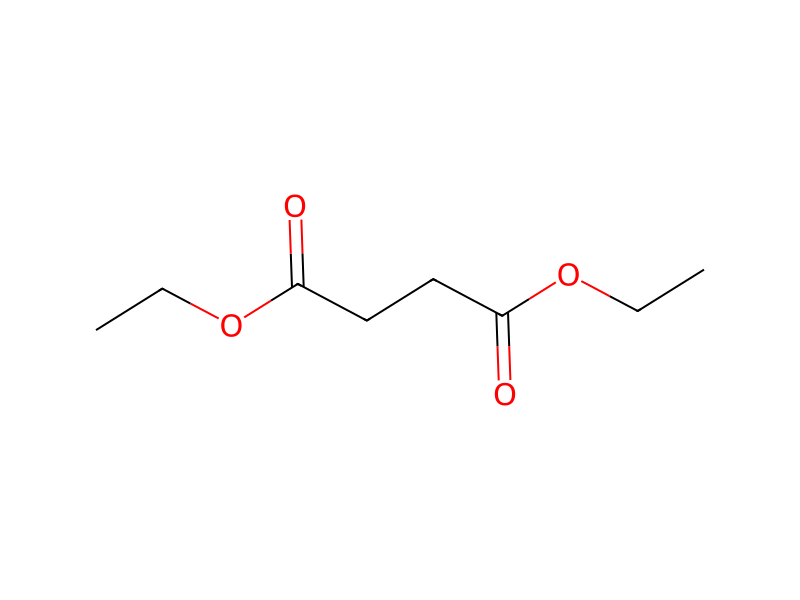
Diethyl Succinate
Completing data — refresh the page later to see the latest
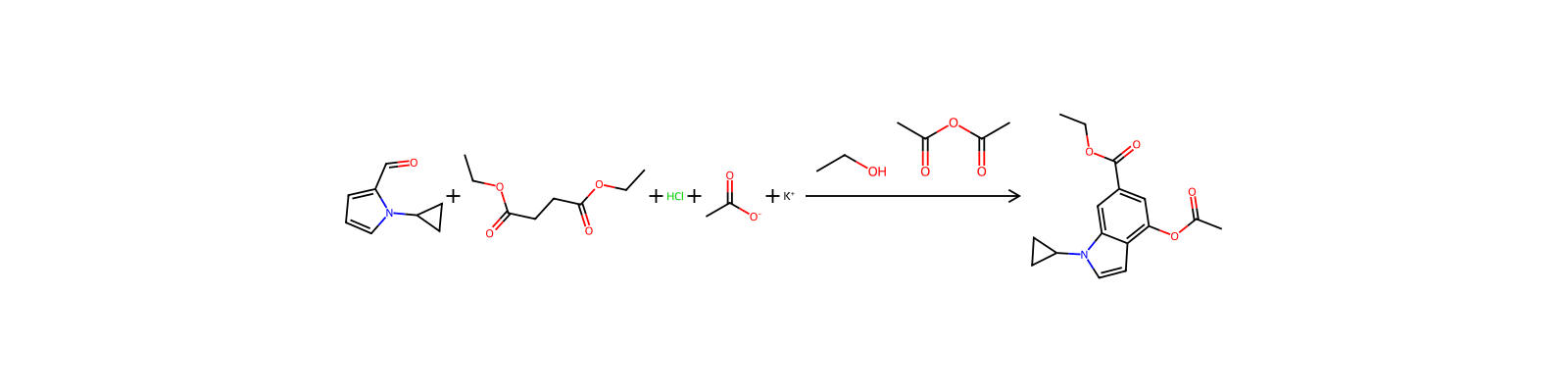
Basic information
- CAS
123-25-1- Standard SMILES
CCOC(=O)CCC(=O)OCC- InChIKey
DKMROQRQHGEIOW-UHFFFAOYSA-N- Molecular formula
- C8H14O4
- Average molar mass
- 174.19 g/mol
- Monoisotopic mass
- 174.08920893
Overview
Diethyl succinate is a fatty acid ester.
Names & identifiers
- Preferred name
- Diethyl Succinate
- IUPAC
- diethyl butanedioate
- English name
- Diethyl succinate
- Molecular formula
- C8H14O4
- Molecular weight
- 174.19
Names & synonyms
DIETHYL SUCCINATE123-25-1Diethyl butanedioateEthyl succinateButanedioic acid, diethyl esterSuccinic acid diethyl ester1,4-diethyl butanedioateSuccinic acid, diethyl esterButanedioic acid, 1,4-diethyl esterDiethylester kyseliny jantaroveFEMA No. 2377DTXSID2038732
Show more names
CloriusBUTANEDIOIC ACID DIETHYL ESTERFEMA 2377Diethyl ester of butanedioic acid45993Diethyl succite
ELP55C13DRNSC-8875DTXCID0018732RefChem:571068204-612-07071-15-0DIETHYLSUCCINATEDiethyl ethanedicarboxylate
Database identifiers
- CAS
123-25-1- PubChem CID
- 31249
- DTXSID
DTXSID2038732- ChEMBL
CHEMBL369243- ChEBI
CHEBI:169507- UNII
- ELP55C13DR
- EC Number
- 204-612-0
- Nikkaji
- J21.267I
Properties
Computed structural propertiesFilling in
- XLogP
- 1.2
- Topological polar surface area
- 52.6 Ų
- Hydrogen bond donors
- 0
- Hydrogen bond acceptors
- 4
- Rotatable bonds
- 7
- Heavy atoms
- 12
- Formal charge
- 0
- Complexity
- 135
Experimental & physicochemical properties
Chemical ClassesOther Classes -> Other Organic Compounds
Cosmetics
Cosmetic ingredients (Diethyl Succinate) -> CIR (Cosmetic Ingredient Review)
Emollient
SpringerMaterials PropertiesBoiling point
FragrancesFragrance Ingredient (Diethyl succinate) -> IFRA transparency List
LogP
1.20
1.19
Food AdditivesFLAVORING AGENT OR ADJUVANT -> FDA Substance added to food
Density
1.04 g/cm³
1.031-1.041
Flavoring AgentsEU Flavoring substances
Solubility
19.1 mg/mL at 25 °C
Solubility in water, g/100ml at 25 °C: 0.2
1 mL in 50 mL water; miscible in alcohol, ether, oils
(in ethanol)
Flash Point90 °C c.c.
Boiling Point
217.00 to 218.00 °C. @ 760.00 mm Hg
217 °C
216-218 °C
217.7 °C @760 [mm Hg]
Melting Point
-21 °C
-21 °C
-21 °C
Physicochemical properties
- Melting point
- -20 °C · -20 °C (lit.)
- Boiling point
- 218 °C · 218 °C (lit.)
- Density
- 1.047 g/mL · 1.047 g/mL at 25 °C (lit.)
- vapor density
- 6 · 6 (vs air)
- vapor pressure
- 1.33 hPa · 1.33 hPa (55 °C)
- FEMA
- 2377 · 2377 | DIETHYL SUCCINATE
- refractive index
- 20 · n20/D 1.42(lit.)
- FLAVIS Number
- 9.444 · 09.444 | Diethyl succinate
- Flash point
- 195 °F · 195 °F
- storage temp.
- 30 °C · Store below +30°C.
- solubility
- 2 g/l · 2.00g/l
- form
- Liquid
- color
- Clear colorless to yellow
- Odor
- 100 % · at 100.00 %. mild fruity cooked apple ylang
- Odor Type
- fruity
- biological source
- synthetic
- Viscosity
- 2.685 mm2/s · 2.685mm2/s
- Water Solubility
- Slightly soluble in water.
- Merck
- 14 · 14,8869
- JECFA Number
- 617 · 617
- BRN
- 907645 · 907645
- Henry's Law Constant
- 1.9 · 1.9×101 mol/(m3Pa) at 25℃, Duchowicz et al. (2020)
- Dielectric constant
- 6.6 · 6.6(30℃)
- Cosmetics Ingredients Functions
- FRAGRANCESOLVENTSKIN CONDITIONING - EMOLLIENTPLASTICISER
- Cosmetic Ingredient Review (CIR)
- Diethyl succinate (123-25-1)
- InChI
- 1S/C8H14O4/c1-3-11-7(9)5-6-8(10)12-4-2/h3-6H2,1-2H3
- InChIKey
- DKMROQRQHGEIOW-UHFFFAOYSA-N
- SMILES
- CCOC(=O)CCC(=O)OCC
- LogP
- 1.4 at · 1.4 at 40℃
- CAS DataBase Reference
- 123 · 123-25-1(CAS DataBase Reference)
- Substances Added to Food (formerly EAFUS)
- DIETHYL SUCCINATE
- FDA 21 CFR
- 172.515 · 172.515
- EWG's Food Scores
- 1 · 1
- FDA UNII
- 55 C13DR · ELP55C13DR
- NIST Chemistry Reference
- Diethyl succinate(123-25-1)
- EPA Substance Registry System
- 1 · Butanedioic acid, 1,4-diethyl ester (123-25-1)
- UNSPSC Code
- 41116107 · 41116107
- NACRES
- 24 · NA.24
- Symbol(GHS)
- 7 · GHS07
- Signal word
- Warning
- Hazard statements
- 227 · H227
- Precautionary statements
- 210 e-P280a-P370+P378a-P403+P235-P501a · P210e-P280a-P370+P378a-P403+P235-P501a
- Hazard Codes
- Xi
- Risk Statements
- 36 · 36/37/38
- Safety Statements
- 26 · 26-36-24/25-22-S24/25
- WGK Germany
- 2 · 2
- RTECS
- 7400000 · WM7400000
- TSCA
- TSCA listed
- HS Code
- 29171990 · 29171990
- Storage Class
- 10 · 10 - Combustible liquids
- Toxicity
- 50 orally · LD50 orally in Rabbit: 8530 mg/kg LD50 dermal Rat > 5000 mg/kg
- REACH Registrations
- Active
Safety & regulation
Safety information is for reference only and does not replace the supplier’s Safety Data Sheet (SDS), applicable regulations, or professional assessment.
GHS classification
GHS Classification
This chemical does not meet GHS hazard criteria for 99.5% (405 of 407) of all reports.
Not Classified
Aggregated GHS information provided per 407 reports by companies from 4 notifications to the ECHA C&L Inventory.
Hazard information
Regulatory Information
Chemical: Butanedioic acid, diethyl ester
Regulation (EC) No 1831/2003 (amended)
Status: Active Update: 19-07-2022 https://echa.europa.eu/registration-dossier/-/registered-dossier/27981
Diethyl succinate: Does not have an individual approval but may be used under an appropriate group standard
Fire HazardsCombustible.
Hazards SummaryA mild skin and eye irritant; [RTECS] Carboxylesterase substrate. [ChemIDplus] A mild eye irritant; [ICSC] Safe when used as a flavoring agent in food; [JECFA] A mild irritant; [Sigma-Aldrich MSDS]
EPA Safer ChemicalChemical: Diethyl succinate
Chemical DangersOn combustion, forms toxic gases.
Hazard Classes and CategoriesNot Classified
Safety & protection
Fire FightingUse dry powder, foam, carbon dioxide.
First Aid Measures
Fresh air, rest.
Rinse and then wash skin with water and soap.
First rinse with plenty of water for several minutes (remove contact lenses if easily possible), then refer for medical attention.
Rinse mouth.
Spillage Disposal
Personal protection: filter respirator for organic gases and vapours adapted to the airborne concentration of the substance. Collect leaking and spilled liquid in sealable containers as far as possible. Cover the spilled material with inert absorbent.
Eye PreventionWear safety spectacles.
Fire PreventionNO open flames.
Inhalation RiskNo indication can be given about the rate at which a harmful concentration of this substance in the air is reached on evaporation at 20 °C.
Skin PreventionProtective gloves.
Ingestion PreventionDo not eat, drink, or smoke during work.
Inhalation PreventionUse ventilation.
Effects of Short Term ExposureThe substance is mildly irritating to the eyes.
Protective Action Criteria (PAC)
26 [mg/m3]
280 [mg/m3]
1700 [mg/m3]
Toxicology
Toxicity SummarySafe in the present practices of use and concentration. Ingredient, concentration, and use information are available in documents discoverable at https://cir-reports.cir-safety.org
Signs and SymptomsRedness.
Safety data
- wgk
- 2
- tsca
- TSCA listed
- rtecs
- WM7400000
- hs_code
- 29171990
- Toxicity
- LD50 orally in Rabbit: 8530 mg/kg LD50 dermal Rat > 5000 mg/kg
- risk_code
- 36/37/38
- Signal word
- Warning
- Symbol(GHS)
- GHS07
- hazard_code
- Xi
- safety_code
- 26-36-24/25-22-S24/25
- Storage Class
- 10 - Combustible liquids
- Hazard statements
- H227
- REACH Registrations
- Active
- Precautionary statements
- P210e-P280a-P370+P378a-P403+P235-P501a
Chemistry & industry
Pharmacology
Cellular LocationsCytoplasm
Uses & manufacturing
Uses
CIR ingredient: Diethyl Succinate
Permitted for use as an inert ingredient in non-food pesticide products; [EPA] Used as flavoring agent or adjuvant; [FDA]
Use Classification
EPA Safer Chemical Functional Use Classes -> Solvents
Safer Chemical Classes -> Green circle - The chemical has been verified to be of low concern
Fragrance Ingredients
Flavouring Agent -> FLAVOURING_AGENT -> JECFA Functional Classes
Flavoring Agents -> JECFA Flavorings Index
Flavouring Agent -> FLAVOURING_AGENT -> JECFA Functional Classes
General Manufacturing InformationButanedioic acid, 1,4-diethyl ester: ACTIVE
Applications
DescriptionDiethyl succinate is obtained by the direct esterification of a carboxylic acid and an alcohol in the presence of concentrated H2SO4 in benzene solution. It has a faint, pleasant odor. It occurs naturally in apple, raspberry, cognac, rum, whiskey, cider, sherry, plum brandy, apple brandy, grape brandy, cherry brandy, cocoa, arrack and red, white, port, strawberry and sparking wines. It is used as a flavor agent in foods including nonalcoholic/alcoholic beverages, baked goods, frozen dairy, hard/soft candy, gelatins, and puddings.
OccurrenceReported found in apple, raspberry, cognac, rum, whiskey, cider, sherry, plum brandy, apple brandy, grape brandy, cherry brandy, cocoa, arrack and red, white, port, strawberry and sparkling wines.
UsesDiethyl succinate can be used as solvent; food flavoring agent; organic synthesis intermediate; gas chromatography stationary solution (maximum use temperature 60°C, solvent is ether). Alkyl succinates have been used as ashless dispersants and detergent additives for lubricating oils.
UsesDiethyl Succinate is a diester molecule present naturally in plant and animal tissues. Used commonly in fragrances and food flavourings.
General DescriptionDiethyl succinate(DES) is a diethyl ester with succinate molecules. It has two ester groups and is majorly used in fragrances. It produced by the esterification of succinic acid with ethanol.
Preparation methods
PreparationDiethyl succinate is synthesized by esterification of succinic acid and ethanol; by direct esterification of the acid in the presence of concentrated H2SO4 in benzene solution.
Upstream & downstream products
Upstream raw materials
Downstream products
Additional notes
DefinitionChEBI: Diethyl succinate is a fatty acid ester.
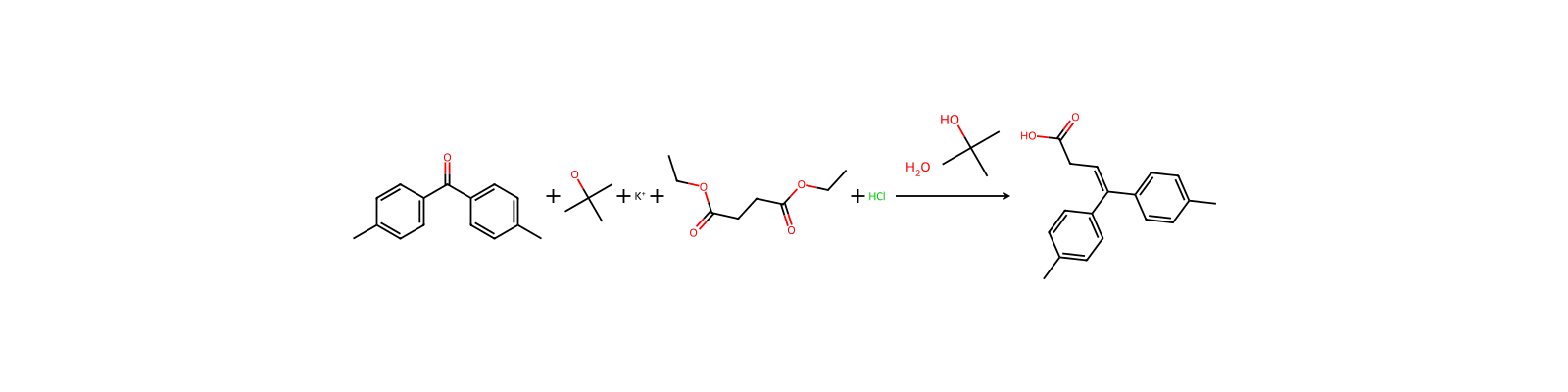
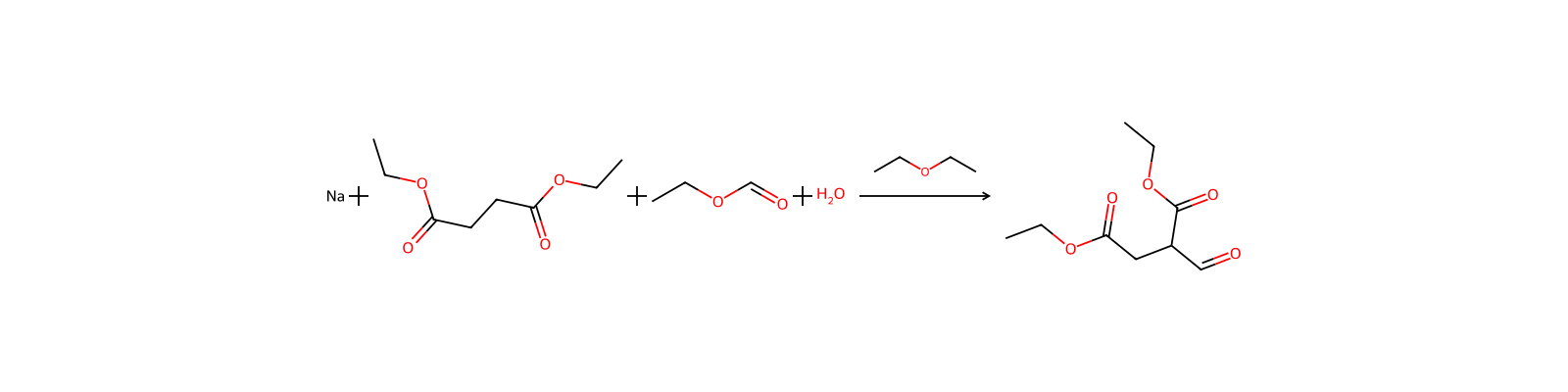
Related reactions
76 records



Compound notes
Loading…