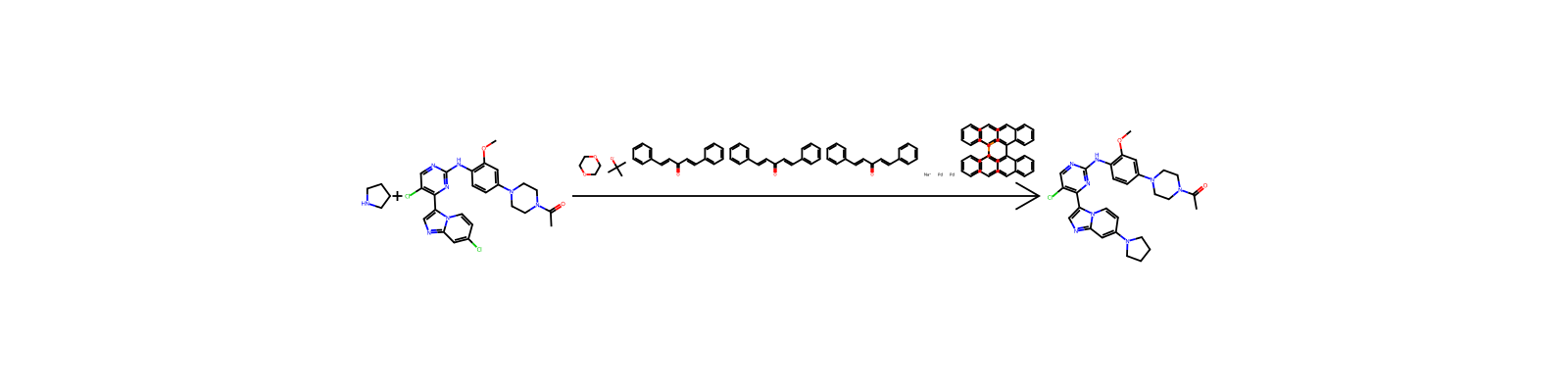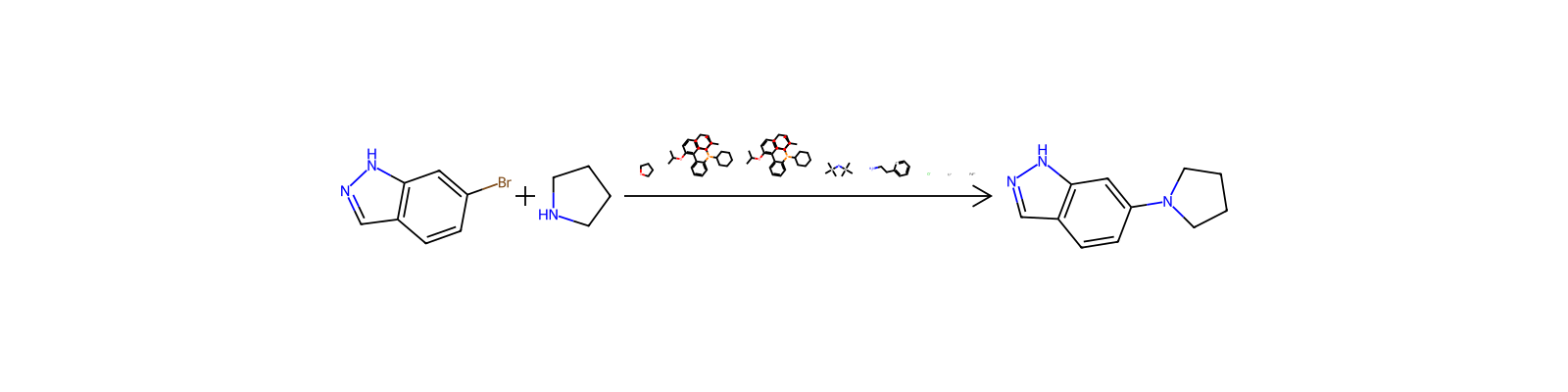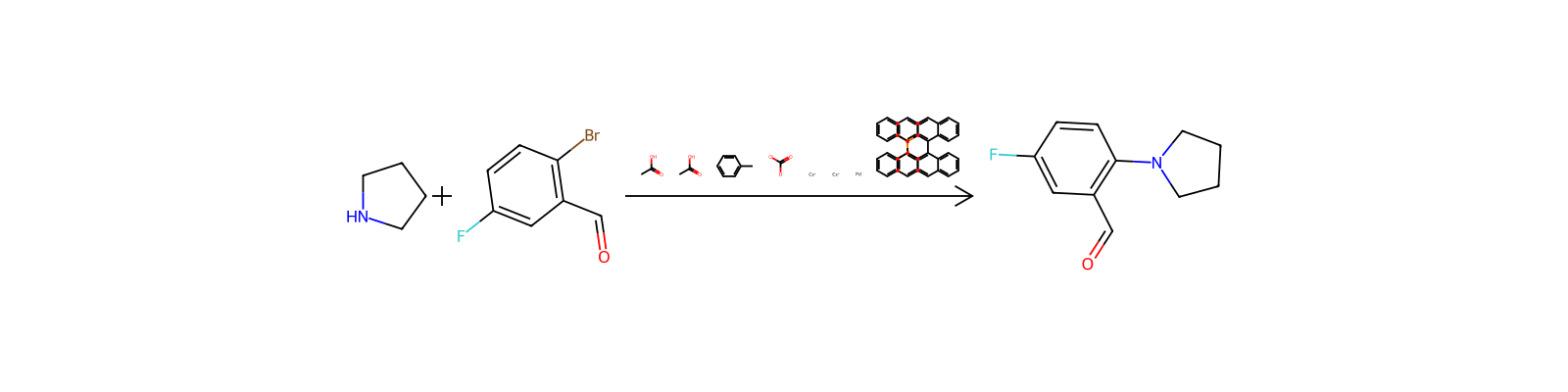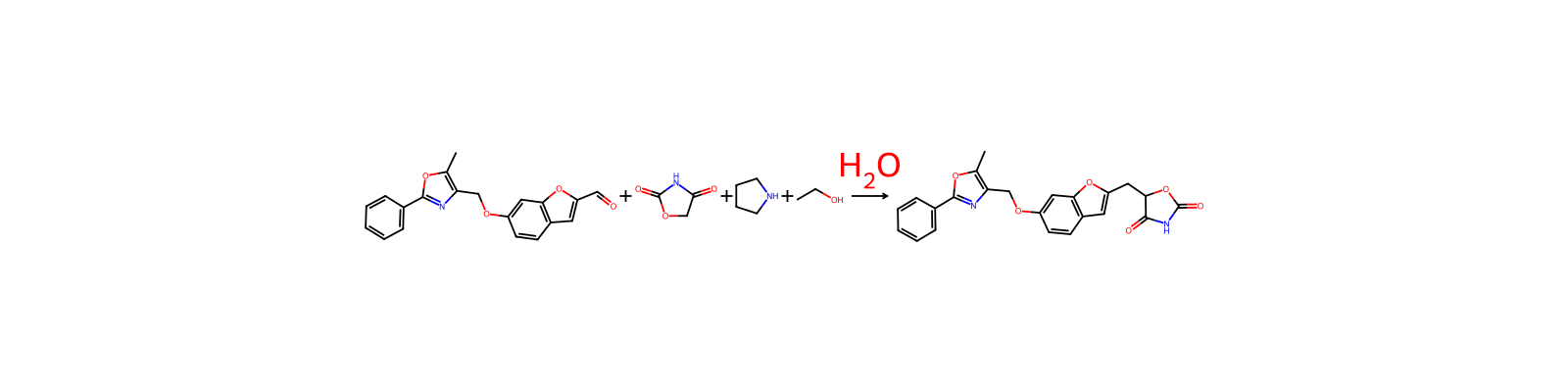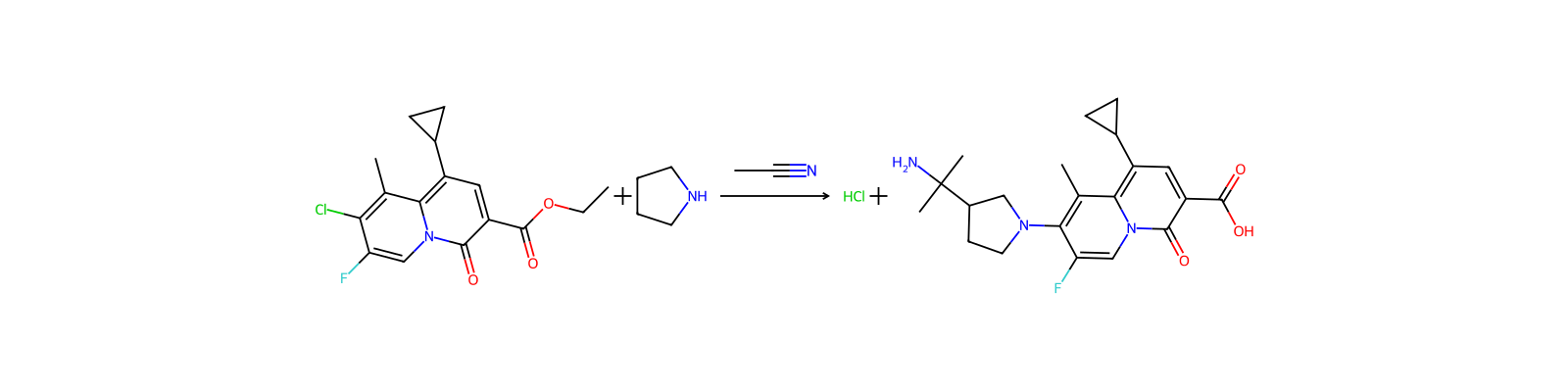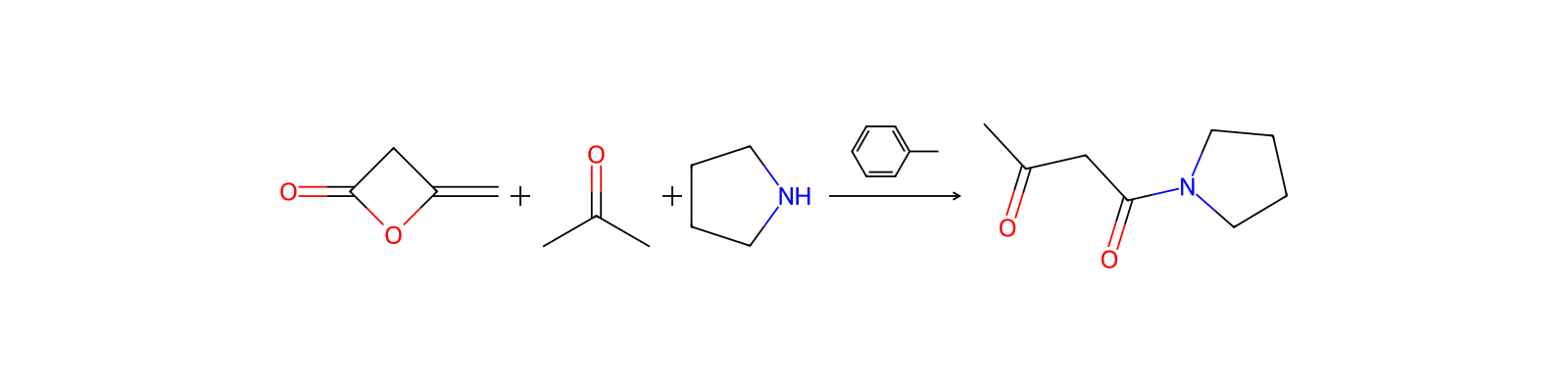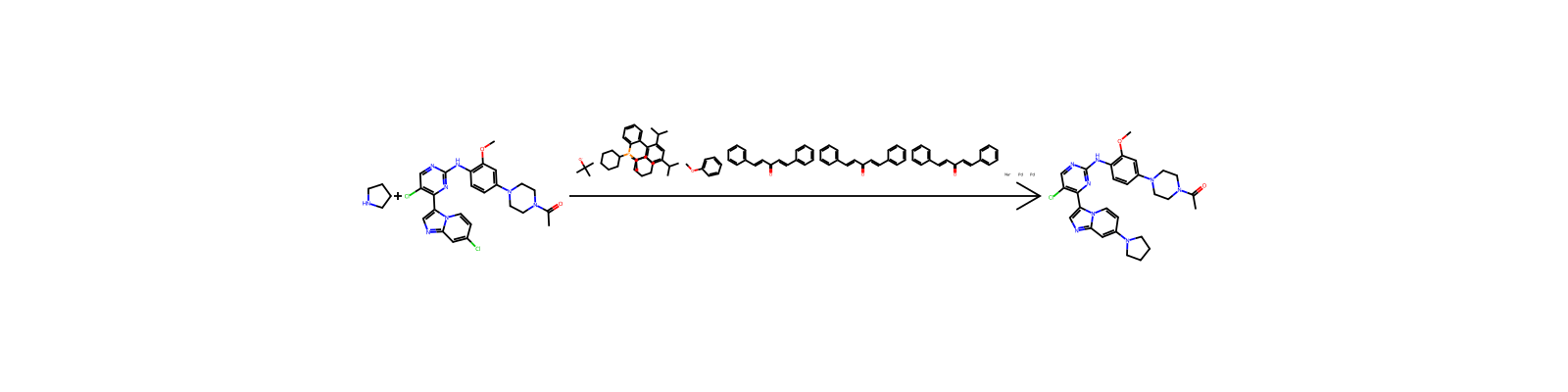
HRID 114As reactant

123-75-1C1CCNC1RWRDLPDLKQPQOW-UHFFFAOYSA-NPyrrolidine appears as a colorless to pale yellow liquid with an ammonia-like odor. Vapors heavier than air. Produces toxic oxides of nitrogen during combustion.
123-75-1DTXSID3059559CHEMBL22830CHEBI:33135Nitrogen Compounds -> Amines, Cyclic
Flammable agents - 3rd degree
log Kow = 0.46 at pH 13
0.460
0.46
0.46
0.8520 at 22.5 °C/4 °C
Relative density (water = 1): 0.85
0.847-0.853
0.8618 @25 °C
Soluble in ethanol, ethyl ether; slightly soluble in benzene, chloroform
In water, 1.0X10+6 mg/L (miscible) at 20 °C
1.00E+06 mg/L @ 20 °C (exp)
Solubility in water: miscible
Soluble in water, fats
Soluble (in ethanol)
Safety information is for reference only and does not replace the supplier’s Safety Data Sheet (SDS), applicable regulations, or professional assessment.
Danger
H225 (22%): Highly Flammable liquid and vapor [Danger Flammable liquids]
P210, P233, P240, P241, P242, P243, P260, P261, P264, P264+P265, P270, P271, P280, P301+P317, P301+P330+P331, P302+P361+P354, P303+P361+P353, P304+P340, P305+P354+P338, P316, P317, P321, P330, P363, P370+P378, P403+P235, P405, and P501 (click each P-code to see the statement)
Aggregated GHS information provided per 1650 reports by companies from 18 notifications to the ECHA C&L Inventory. Each notification may be associated with multiple companies.
Danger
H225: Highly Flammable liquid and vapor [Danger Flammable liquids]
Chemical: Pyrrolidine
Regulation (EC) No 1831/2003 (amended)
Pyrrolidine is listed on the EPA's Chemical Data Reporting (CDR) system. Manufacturers and importers of Pyrrolidine are required to report information about their production and use of this chemical to the EPA under the Toxic Substances Control Act (TSCA). (40 eCFR Part 711)
REACH registered substance: Pyrrolidine (EC: 204-648-7)
Pyrrolidine: HSNO Approval: HSR001050 Approved with controls
The New Jersey Worker and Community Right to Know Act requires public and private employers to provide information about hazardous substances at their workplaces. (N.J.S.A. 34:5A-1 et. seq.)
Excerpt from ERG Guide 132 [Flammable Liquids - Corrosive]:
· Flammable/combustible material.
Highly flammable. Gives off irritating or toxic fumes (or gases) in a fire. Vapour/air mixtures are explosive.
Dangerous fire hazard when exposed to heat or flame.
Vapor/air mixtures are explosive.
Excerpt from ERG Guide 132 [Flammable Liquids - Corrosive]:
· May cause toxic effects if inhaled or ingested.
Corrosive to skin; [Quick CPC] In high-dose animal studies, causes damage to the liver, kidneys, and CNS (seizures); In 6-hour inhalation studies with concentrations of 2600 ppm, no rats died. [HSDB] Corrosive to skin and eyes; A respiratory tract irritant; May have effects on the nervous system; [ICSC] Safe when used as a flavoring agent in food; [JECFA] Causes convulsions in inhalation lethal-concentration studies of mice and oral lethal-dose studies of rats; [RTECS] Causes burns; Inhalation may cause corrosive injuries to upper respiratory tract and lungs; Harmful by ingestion and inhalation; [Alfa Aesar MSDS]
PYRROLIDINE neutralizes acids in exothermic reactions to form salts plus water. May be incompatible with isocyanates, halogenated organics, peroxides, phenols (acidic), epoxides, anhydrides, and acid halides. May generate hydrogen, a flammable gas, in combination with strong reducing agents such as hydrides. An explosion occurred when a mixture of pyrrolidine, benzaldehyde, and propionic acid was heated in an attempt to form porphyrins.
Excerpt from ERG Guide 132 [Flammable Liquids - Corrosive]:
Use foam, powder, carbon dioxide. In case of fire: keep drums, etc., cool by spraying with water.
Fresh air, rest. Refer for medical attention.
Rinse skin with plenty of water or shower. Refer for medical attention .
First rinse with plenty of water for several minutes (remove contact lenses if easily possible), then refer for medical attention.
Refer for medical attention .
· CALL 911. Then call emergency response telephone number on shipping paper. If shipping paper not available or no answer, refer to appropriate telephone number listed on the inside back cover.
· ELIMINATE all ignition sources (no smoking, flares, sparks or flames) from immediate area.
Excerpt from ERG Guide 132 [Flammable Liquids - Corrosive]:
General First Aid:
Alcohol foam, carbon dioxide, dry chemical
If material on fire or involved in fire: Do not extinguish fire unless flow can be stopped. Use water in flooding quantities as fog. Solid streams of water may be ineffective. Cool all affected containers with flooding quantities of water. Apply water from as far a distance as possible. Use "alcohol" foam, dry chemical or carbon dioxide.
Remove all ignition sources. Collect leaking and spilled liquid in sealable containers as far as possible. Absorb remaining liquid in sand or inert absorbent and remove to safe place. Personal protection: chemical protection suit including self-contained breathing apparatus.
SRP: The most favorable course of action is to use an alternative chemical product with less inherent propensity for occupational exposure or environmental contamination. Recycle any unused portion of the material for its approved use or return it to the manufacturer or supplier. Ultimate disposal of the chemical must consider: the material's impact on air quality; potential migration in soil or water; effects on animal, aquatic, and plant life; and conformance with environmental and public health regulations.
Remove all ignition sources. Collect leaking and spilled liquid in sealable containers as far as possible. Absorb remaining liquid in sand or inert absorbent. Then store and dispose of according to local regulations. Personal protection: chemical protection suit including self-contained breathing apparatus.
TERRESTRIAL FATE: Based on a classification scheme(1), an estimated Koc value of 42(SRC), determined from a log Kow of 0.46(2) and a regression-derived equation(3), indicates that pyrrolidine is expected to have very high mobility in soil(SRC). The pKa of pyrrolidine is 11.31(4), indicating that this compound will primarily exist in the cation form in the environment and cations generally adsorb more strongly to soils containing organic carbon and clay than their neutral counterparts(5). Volatilization of pyrrolidine from moist soil surfaces is not expected to be an important fate process as cations do not volatilize(SRC). Pyrrolidine is expected to volatilize from dry soil surfaces(SRC) based upon a vapor pressure of 62.7 mm Hg(6). Pyrrolidine was found to degrade anaerobically via denitrification in 7-15 days in microbial consortia from freshwater sediments, estuarine sediments and activated sludge(7).
AQUATIC FATE: Based on a classification scheme(1), an estimated Koc value of 42(SRC), determined from a log Kow of 0.46(2) and a regression-derived equation(3), indicates that pyrrolidine is not expected to adsorb to suspended solids and sediment(SRC). A pKa of 11.31(4) indicates pyrrolidine will exist almost entirely in the cation form at pH values of 5 to 9 and therefore volatilization from water surfaces is not expected to be an important fate process(5). According to a classification scheme(6), an estimated BCF of 3(SRC), from its log Kow(2) and a regression-derived equation(7), suggests the potential for bioconcentration in aquatic organisms is low(SRC). Pyrrolidine was found to degrade anaerobically via denitrification in 7-15 days in microbial consortia from freshwater sediments, estuarine sediments and activated sludge(8).
ATMOSPHERIC FATE: According to a model of gas/particle partitioning of semivolatile organic compounds in the atmosphere(1), pyrrolidine, which has a vapor pressure of 62.7 mm Hg at 25 °C(2), is expected to exist solely as a vapor in the ambient atmosphere. Vapor-phase pyrrolidine is degraded in the atmosphere by reaction with photochemically-produced hydroxyl radicals(SRC); the half-life for this reaction in air is estimated to be 5 hours(SRC), calculated from its rate constant of 7.8X10⁻¹¹ cu cm/molecule-sec at 25 °C(SRC) that was derived using a structure estimation method(3). Pyrrolidine does not contain chromophores that absorb at wavelengths >290 nm(4) and therefore is not expected to be susceptible to direct photolysis by sunlight(SRC).
Pyrrolidine was detected in 10 g samples of baked ham at 0.013 ppm(1). Pyrrolidine can be found in tilsiter, camembert, limburger, and brown bread cheeses at 19.9 mg/kg, 1 mg/kg, 0.1 mg/kg and 0.3 mg/kg, respectively(2). In coffee, pyrrolidine was detected in coffee extract and freeze dried coffee at 10 mg/kg and 11 mg/kg, respectively(3).
Pyrrolidine was detected in 10 g samples of spinach and miso at 0.250 ppm and 0.020 ppm, respectively(1). Pyrrolidine can be found in spinach, red radish, and celery at 2.5 mg/kg, 38 mg/kg, and 0.4 mg/kg, respectively(2). It can also be found in maize, apple peels, beans, kale, paprika red and cornichons at 3.5 mg/kg, 1.5 mg/kg, 0.2 mg/kg, 1.6 mg/kg, 0.6 mg/kg, and 0.1 mg/kg, respectively(2). It is also found in barley, hops, and malt at 0.9 mg/kg, 1 mg/kg, and 1.5 mg/kg, respectively(2).
Burning sensation. Convulsions. Cough. Headache. Nausea. Sore throat. Vomiting.
Redness. Skin burns. Pain. Blisters.
Redness. Pain. Blurred vision. Severe deep burns.
Convulsions. Sore throat. Vomiting. See Inhalation.
The Koc of pyrrolidine is estimated as 42(SRC), using a log Kow of 0.46(1) and a regression-derived equation(2). According to a classification scheme(3), this estimated Koc value suggests that pyrrolidine is expected to have very high mobility in soil. The pKa of pyrrolidine is 11.31(4), indicating that this compound will primarily exist in the cation form in the environment and cations generally adsorb more strongly to soils containing organic carbon and clay than their neutral counterparts(5).
FOUND IN TOBACCO & CARROT LEAVES. PROBABLE BIOSYNTHESIS FROM ORNITHINE & PUTRESCINE.
Pyrrolidine was detected in spinach(1,2) and miso(1). Pyrrolidine was also detected in red radish, celery, maize, apple peels, beans, kale, paprika red, cornichons, barley, hops, and malt(2).
/SIGNS AND SYMPTOMS/ Inhalation: Burning sensation. Convulsions. Cough. Headache. Nausea. Sore throat. Vomiting. Skin: Redness. Skin burns. Pain. Blisters. Eyes: Redness. Pain. Blurred vision. Severe deep burns. Ingestion: Convulsions. Sore throat. Vomiting. (See Inhalation).
When orally admin, secondary amine pyrrolidine, which is present in normal human urine, was converted to n-nitrosamines in the Escherichia coli-infected bladder of rats.
When microsomes and post-microsomal supernatant are used together, 4 major products are produced, 2 of which can be shown to arise from the major microsomal product. Several of these products have been isolated and 1 of the major products has been tentatively identified as piperidine.
Formation of n-nitrosopyrrolidine in a dog's stomach from Na nitrate & pyrrolidine. N-nitrosopyrrolidine disappeared rapidly from stomach, probably due to absorption.
Carcinogen n-nitrosopyrrolidine formed from free proline via pyrrolidine.
Drugs that selectively bind to and activate alpha adrenergic receptors.
Agents that are used to suppress appetite.
Drugs that mimic the effects of stimulating postganglionic adrenergic sympathetic nerves. Included here are drugs that directly stimulate adrenergic receptors and drugs that act indirectly by provoking the release of adrenergic transmitters.
Drugs designed to treat inflammation of the nasal passages, generally the result of an infection (more often than not the common cold) or an allergy related condition, e.g., hay fever. The inflammation involves swelling of the mucous membrane that lines the nasal passages and results in inordinate mucus production. The primary class of nasal decongestants are vasoconstrictor agents. (From PharmAssist, The Family Guide to Health and Medicine, 1993)
Pyrrolidine, one of biogenic volatile amines, possesses nicotine-like synaptotropic actions on the nervous systems. Pyrrolidine levels in the tissue were examined by using mass fragmentographic technique. High concn of pyrrolidine were found in the seminal vesicle and lung of rabbits. Only trace amt of pyrrolidine existed in the brain of mice and rats, although higher concn were detected in the brain of rabbits. In the rat brain, however, high levels of pyrrolidine were found in the pineal gland, pituitary gland and corpus striatum.
Used as an intermediate in chemical production and as a curing agent in epoxy resin systems; [HSDB]
Plastic Composites Manufacturing [Category: Industry]
Intermediate for pharmaceuticals, fungicides, insecticides, rubber accelerators, citrus decay control, curing agent for epoxy resins, inhibitor.
Useful in tobacco flavors
Used in vulcanization accelerators.
Reported uses (ppm): (FEMA, 1994) [Table#361]
2023: 550,000 - <1,000,000 lb
Production volumes for non-confidential chemicals reported under the Inventory Update Rule. [Table#360]
Reaction of 1,4-butanediol and ammonia over a dehydration catalyst
Usually prepared by reduction of pyrrole.
Pyrrolidine can be produced from butanediol and ammonia, e.g., over an aluminum thorium oxide catalyst at 300 °C or over a nickel catalyst at 200 °C and 20 MPa under hydrogenation conditions. It can also be produced from tetrahydrofuran and ammonia over aluminum oxide at 275-375 °C.
Production can be obtained by reaction of 1,4-dihydroxyalkanes with amines in the presence of dehydrating agents at elevated temperatures or by reaction of primary amines with 1,4-dihaloalkanes. The dry distillation of 1,4-butanediamine dihydrochloride also generates pyrrolidine.
Via overall 5-endo-trig cyclizations of homoallylic tosylamides.
Flavouring Agent -> FLAVOURING_AGENT -> JECFA Functional Classes
Flavoring Agents -> JECFA Flavorings Index
Flavouring Agent -> FLAVOURING_AGENT -> JECFA Functional Classes
All Other Basic Organic Chemical Manufacturing
Pyrrolidine: ACTIVE
A study of the rates of the competitive nitrosations of pyrrolidine, p-cresol & l-cysteine hydrochloride. Formation of n-nitrosopyrrolidine was observed only in reactions done @ 120 °C.
OccurrenceReported found in beer, bread, wheat bread, salmon caviar, fish, milk, leaves and stalks of celery, Camembert cheese, Limburger cheese, Russian cheeses, tilsit cheese, other cheeses, caviar, raw fatty fish, beer, Finnish whiskey, white wine, red wine, coffee, radish, malt, roasted peanut, sweet corn and roasted barley.
UsesPyrrolidine is a flammable alkaline liquid that undergoes reactions typical of secondary amines. It is used to prepare pesticides and rubber accelerators and as a chemical intermediate (usually the hydrochloride form) in the pharmaceutical industry. There is relatively limited industrial exposure to this material.
General DescriptionPyrrolidine is a saturated heterocycliccompound having one nitrogenatom in a five-membered ring. It is a colorless to pale yellow liquid with an ammonia-like odor. It is found in certain plants andthe ring structure is present in manyalkaloids. Flash point 37°F. Density 0.85 g / cm3. Vapors heavier than air. Produces toxic oxides of nitrogen during combustion.
PreparationPyrrolidine is formed by reduction of pyrrole. Via overall 5-endo-trig cyclizations of homoallylic tosylamides. Pyrrolidine can be produced from butanediol and ammonia, e.g., over an aluminum thorium oxide catalyst at 300°C or over a nickel catalyst at 200°C and 20 MPa under hydrogenation conditions. It can also be produced from THF and ammonia over aluminum oxide at 275-375°C.
DefinitionChEBI: Pyrrolidine is a cyclic amine whose five-membered ring contains four carbon atoms and one nitrogen atom; the parent compound of the pyrrolidine family. It is a saturated organic heteromonocyclic parent, a member of pyrrolidines and an azacycloalkane. It is a conjugate base of a pyrrolidinium ion.