HomeMCPWorkbenchSkills
HomeWorkbenchNotificationsMe
llms.txt · MCP GuidePrivacy Policy · Terms of Service · Supportv1.8.0
  1. Home
  2. /Compound

Chlorosuccinimide

HCID 31398
New noteNew reactionRequest quotes
Print preview

Completing data — refresh the page later to see the latest

Basic informationOverviewNames & identifiersPropertiesSafety & regulationChemistry & industryRelated reactionsCompound notes
Substructure searchFind similar structures

Basic information

CAS
128-09-6
Standard SMILES
O=C1CCC(=O)N1Cl
InChIKey
JRNVZBWKYDBUCA-UHFFFAOYSA-N
Molecular formula
C4H4ClNO2
Average molar mass
133.53 g/mol
Monoisotopic mass
132.99305605

Overview

N-chlorosuccinimide is a five-membered cyclic dicarboximide compound having a chloro substituent on the nitrogen atom. It is a dicarboximide and a pyrrolidinone. It is functionally related to a succinimide.

Names & identifiers

Preferred name
Chlorosuccinimide
IUPAC
1-chloropyrrolidine-2,5-dione
English name
N-Chlorosuccinimide
Molecular formula
C4H4ClNO2
Molecular weight
133.53

Names & synonyms

N-CHLOROSUCCINIMIDE128-09-61-chloropyrrolidine-2,5-dioneSuccinchlorimideChlorosuccinimideSuccinochlorimideSuccinic N-chloroimide2,5-Pyrrolidinedione, 1-chloro-1-Chloro-2,5-pyrrolidinedioneDTXSID2042199Succinic acid, imide, N-chloro-NSC-8748
Show more names
N-CHLOROSUCCINAMIDEN-Chlorosuccinimide≥ 99% (Iodometric Titration)N-Chlorosuccinimide (NCS)N-ChlorosucciniMide, 98.5%1-Chloro-2,5-piperidinedioneNSC 8748orosuccinimide
0FWP306H7XDTXCID0022199CHEBI:53203RefChem:163119204-878-8Succinimide, N-chloro-NCSC4H4ClNO2

Database identifiers

CAS
128-09-6
PubChem CID
31398
DTXSID
DTXSID2042199
ChEMBL
CHEMBL2107513
ChEBI
CHEBI:53203
UNII
0FWP306H7X
EC Number
204-878-8
Nikkaji
J5.406B

Properties

Computed structural propertiesFilling in

XLogP
-0.2
Topological polar surface area
37.4 Ų
Hydrogen bond donors
0
Hydrogen bond acceptors
2
Rotatable bonds
0
Heavy atoms
8
Formal charge
0
Complexity
129

Experimental & physicochemical properties

Chemical ClassesNitrogen Compounds -> Succinimides
pHAcid to litmus (1:50 aqueous solution)
SpringerMaterials PropertiesCrystal structure
OdorSlight chlorine odor
Density1.65 g/cu cm at 25 °C
Color/Form · 3 items

Orthorhombic crystals

Plates from carbon tetrachloride

White crystalline powder

Solubility · 5 items

In water, 14 g/L at 25 °C

Slightly soluble in water

1 g dissolves in about 70 mL water (1.43X10+4 mg/L) at 25 °C

1 g dissolves in about 150 mL alcohol, about 50 mL benzene; sparingly soluble in ether, chloroform, carbon tetrachloride

Slightly soluble in ethanol, chloroform, benzene, lignin; soluble in acetone, acetic acid

DecompositionWhen heated to decomposition it emits toxic fumes of /chloride and nitrogen oxides/.

Safety & regulation

Safety information is for reference only and does not replace the supplier’s Safety Data Sheet (SDS), applicable regulations, or professional assessment.

GHS classification

GHS Classification · 6 items

This chemical does not meet GHS hazard criteria for 2.7% (6 of 226) of reports.

Danger

H302 (96.9%): Harmful if swallowed [Warning Acute toxicity, oral]

P260, P261, P264, P264+P265, P270, P271, P273, P280, P301+P317, P301+P330+P331, P302+P361+P354, P304+P340, P305+P351+P338, P305+P354+P338, P316, P317, P319, P321, P330, P337+P317, P363, P391, P403+P233, P405, and P501 (click each P-code to see the statement)

Aggregated GHS information provided per 226 reports by companies from 18 notifications to the ECHA C&L Inventory. Each notification may be associated with multiple companies.

Danger

Hazard information

Regulatory Information · 3 items

Chemical: 2,5-Pyrrolidinedione, 1-chloro-

Status: Active Update: 19-06-2019 https://echa.europa.eu/registration-dossier/-/registered-dossier/24876

Succinchlorimide: Does not have an individual approval but may be used under an appropriate group standard

Fire PotentialStored as a dust it heats spontaneously.
Hazards Summary · 1 item

Highly irritating to skin; Slowly releases chlorine--may cause gastric irritation; Emergency treatment: See Sodium hypochlorite. [HSDB] A corrosive substance that can cause injury to the skin, eyes, and respiratory tract; Inhalation may cause chemical pneumonitis; [MSDSonline]

Toxic Combustion ProductsSpecial hazards arising from the substance or mixture: Carbon oxides, nitrogen oxides (NOx), hydrogen chloride gas.
Hazard Classes and CategoriesAcute Tox. 4 (96.9%)

Chemistry & industry

Uses & manufacturing

Uses · 6 items

Used as a chlorinating agent, swimming pool disinfectant, and bactericide; Also used as a titrant in the microdetermination of hydrazine salts and to detect arsenic in the +3 oxidative state; [HSDB]

Using Disinfectants or Biocides [Category: Clean]

For N-chlorosuccinimide (USEPA/OPP Pesticide Code: 77301) there are 0 labels match. /SRP: Not registered for current use in the U.S., but approved pesticide uses may change periodically and so federal, state and local authorities must be consulted for currently approved uses./

Chlorinating agent, disinfectant for swimming pools, bactericide.

As titrant in microdetermination of hydrazine salts and derivatives.

Used in disinfectants for drinking water.

Methods of Manufacturing · 2 items

Preparation from succinimide.

Prepared from succinimide and hypochlorous acid.

General Manufacturing Information2,5-Pyrrolidinedione, 1-chloro-: ACTIVE
Applications · 2 items

UsesN-Chlorosuccinimide is a chlorinating agent for the side-chain halogenation of alkylarenes. It is used frequently for the side-chain chlorination of sensitive hetarenes.

UsesN-Chlorosuccinimide (NCS) is a chlorinating and oxidizing reagent. It is more efficient when compared to other chlorinating agents, such as 1,3-dichloro-5,5-dimethylhydantoin (NDDH) and trichloroisocyanuric acid (TCCA) due to its high regioselectivity.N-Chlorosuccinimide is used as a chlorinating agent, mild oxidant and swimming pool disinfectant. It is used in the microdetermination of hydrazine salts by titrimetry as well as in the detection of arsenic in the +3 oxidative state. It is also employed in the production of rubber additives. Further, it is used as pharmaceutical intermediate and antibiotic drugs intermediate.

Upstream & downstream products

Upstream raw materials

Related reactions

4,819 records
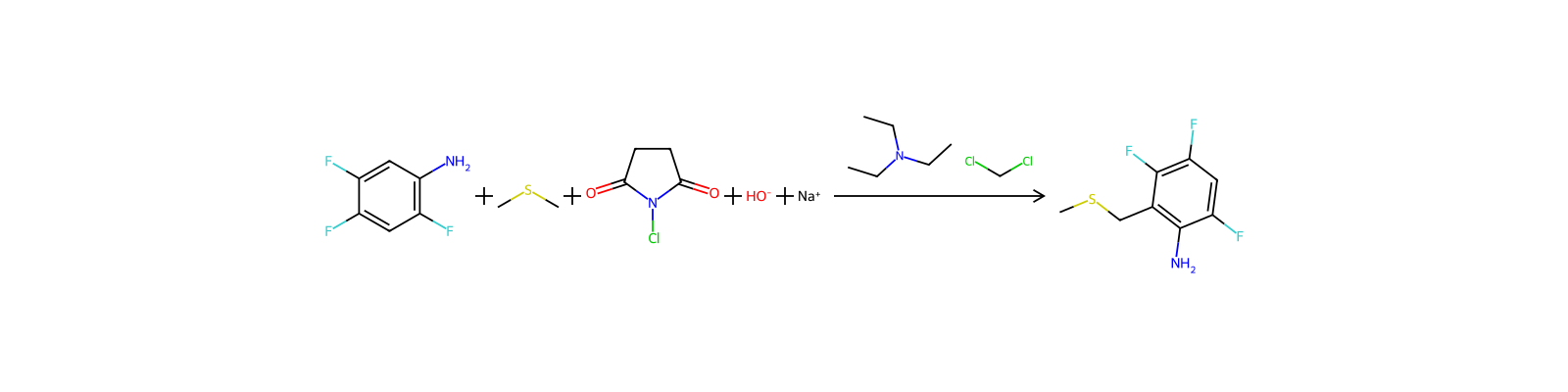
New reaction record
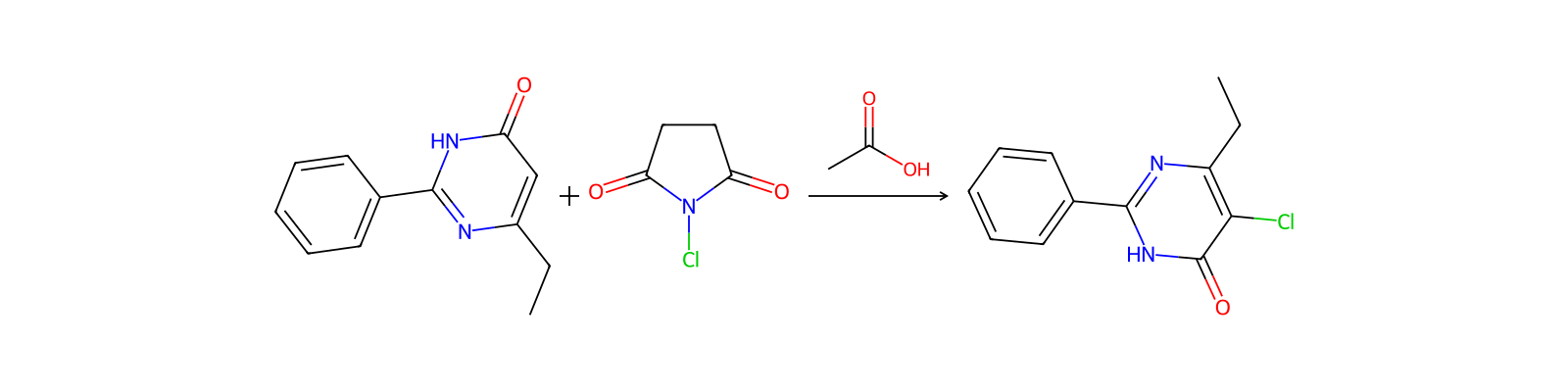
HRID 823 reaction equation
HRID 823As reactantuspto-grants-1998_03
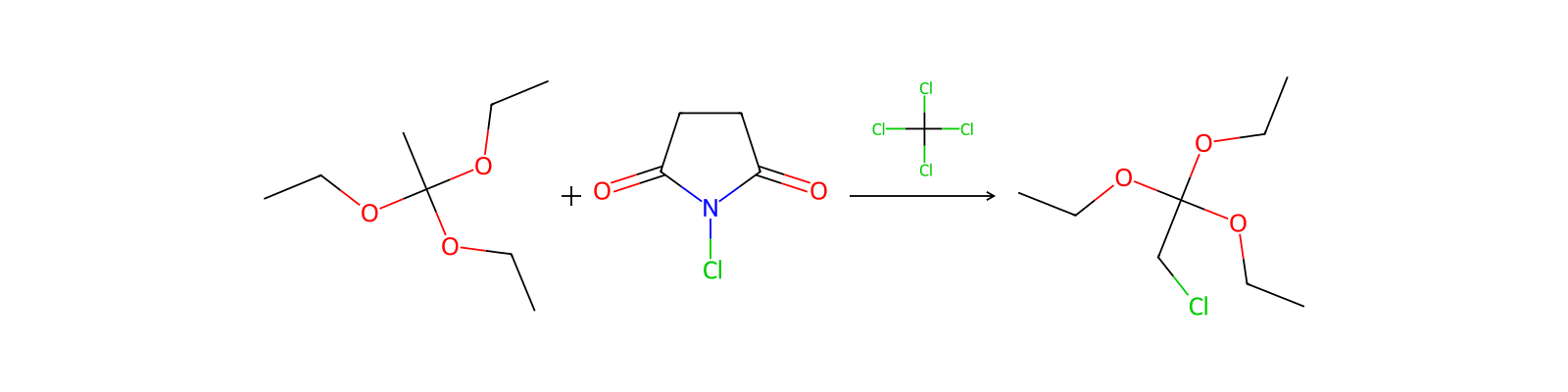
HRID 1270 reaction equation
HRID 1270As reactantuspto-grants-1998_03
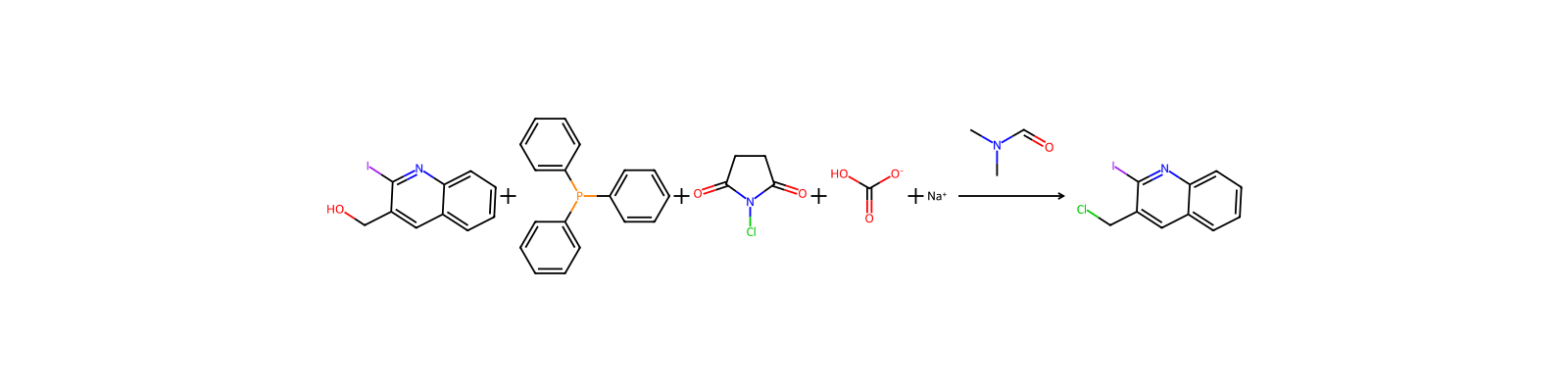
HRID 1449 reaction equation
HRID 1449As reactantuspto-grants-1998_03
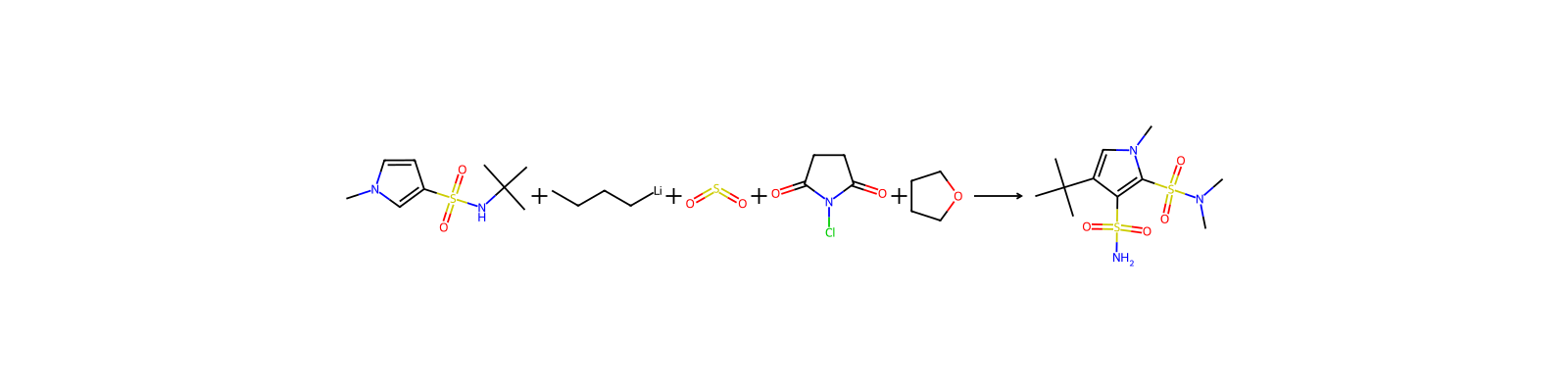
HRID 3501 reaction equation
HRID 3501As reactantuspto-grants-1998_03
HRID 3502 reaction equation
HRID 3502As reactantuspto-grants-1998_03
HRID 3584 reaction equation
HRID 3584As reactantuspto-grants-1998_03
HRID 3920 reaction equation
HRID 3920As reactantuspto-grants-1988_02
HRID 5125 reaction equation
HRID 5125As reactantuspto-grants-1993_09
Page 1 of 500

Compound notes

Loading…

On this pageBasic informationOverviewNames & identifiersPropertiesSafety & regulationChemistry & industryRelated reactionsCompound notes
More actions
New noteNew reactionRequest quotes
Melting Point150 °C
Vapor Pressure0.00768 [mmHg]
Physical DescriptionWhite solid; [Hawley] White powder; [MSDSonline]
Stability/Shelf LifeStable under recommended storage conditions.

Physicochemical properties

Melting point
148 · 148-150 °C (lit.)
Density
1 · 1,65 g/cm3
bulk density
600 kg/m3 · 600kg/m3
vapor pressure
1.04 Pa · 1.04Pa at 25℃
refractive index
1.4378 · 1.4378 (estimate)
Flash point
110 °C · >110°C
storage temp.
2 °C · Store at +2°C to +8°C.
solubility
14 g/l · 14g/l
pka
-2.78 · -2.78±0.20(Predicted)
form
Crystalline Powder
color
White
Odor
chlorine odor
Water Solubility
Soluble in water, alcohol, benzene, acetone and acetic acid. Slightly soluble in ether, chloroform, carbon tetrachloride and petroleum ether.
Sensitive
Moisture Sensitive
Merck
14 · 14,2164
Boiling point
216.5 °C · 216.5°C
BRN
113915 · 113915
InChI
1S/C4H4ClNO2/c5-6-3(7)1-2-4(6)8/h1-2H2
InChIKey
JRNVZBWKYDBUCA-UHFFFAOYSA-N
SMILES
ClN1C(=O)CCC1=O
LogP
-1.19 · -1.19
CAS DataBase Reference
128 · 128-09-6(CAS DataBase Reference)
EWG's Food Scores
1 · 1
FDA UNII
0 FWP306H7X · 0FWP306H7X
NIST Chemistry Reference
N-Chlorosuccinimide(128-09-6)
EPA Substance Registry System
N-Chlorosuccinimide (128-09-6)
UNSPSC Code
12352115 · 12352115
NACRES
22 · NA.22
Symbol(GHS)
5 · GHS05,GHS07,GHS09
Signal word
Danger
Hazard statements
290 · H290-H302-H314-H335-H410
Precautionary statements
260 · P260-P273-P280-P301+P312-P303+P361+P353-P305+P351+P338
target organs
Respiratory system
PPE
3 · Eyeshields, Faceshields, Gloves, type P3 (EN 143) respirator cartridges
Hazard Codes
C,Xi
Risk Statements
22 · 22-34
Safety Statements
26 · 26-36/37/39-45-37/39
RIDADR
3261 · UN 3261 8/PG 2
WGK Germany
3 · 3
RTECS
1013500 · UY1013500
F
21 · 21
Hazard Note
Irritant
TSCA
TSCA listed
HazardClass
8 · 8
PackingGroup
III
HS Code
2925190090 · 2925190090
Storage Class
8 A · 8A - Combustible corrosive hazardous materials
Hazard Classifications
4 OralAquatic · Acute Tox. 4 OralAquatic Acute 1Aquatic Chronic 1Eye Dam. 1Met. Corr. 1Skin Corr. 1BSTOT SE 3
Hazardous Substances Data
128 · 128-09-6(Hazardous Substances Data)
Toxicity
2.7 g/kg · MLD orally in rats: 2.7 g/kg (Stohlman, Smith)
REACH Registrations
Active
Limited Quantities
1 Kg · 1 Kg (2.2 lbs) (solid)
Excepted Quantities
Max Inner Pack (30g or 30ml) and Max Outer Pack (500g or 500ml)
Explosive Limits and Potential
Reaction of N-chlorosuccinimide with aliphatic alcohols or benzylamine or hydrazine hydrate is extremely violent or explosive.
Hazardous Reactivities and Incompatibilities · 2 items

Incompatible materials: Strong oxidizing agents, strong acids, strong bases, amines, ammonia, iron and iron salts.

Explosive reaction with aliphatic alcohols, benzylamine or hydrazine hydrate.

Safety & protection

Fire Fighting Procedures · 2 items

Suitable extinguishing media: Use water spray, alcohol-resistant foam, dry chemical or carbon dioxide.

Advice for firefighters: Wear self contained breathing apparatus for fire fighting if necessary.

Storage Conditions · 2 items

Keep container tightly closed in a dry and well-ventilated place. Light sensitive. Moisture sensitive.

Stored as a dust it heats spontaneously.

Cleanup Methods · 1 item

ACCIDENTAL RELEASE MEASURES: Personal precautions, protective equipment and emergency procedures: Use personal protective equipment. Avoid dust formation. Avoid breathing vapors, mist or gas. Ensure adequate ventilation. Evacuate personnel to safe areas. Avoid breathing dust. Environmental precautions: Do not let product enter drains. Methods and materials for containment and cleaning up: Pick up and arrange disposal without creating dust. Sweep up and shovel. Keep in suitable, closed containers for disposal.

Disposal Methods · 2 items

SRP: Recycle any unused portion of the material for its approved use or return it to the manufacturer or supplier. Ultimate disposal of the chemical must consider: the material's impact on air quality; potential migration in air, soil or water; effects on animal, aquatic and plant life; and conformance with environmental and public health regulations. If it is possible or reasonable use an alternative chemical product with less inherent propensity for occupational harm/injury/toxicity or environmental contamination.

Product: Offer surplus and non-recyclable solutions to a licensed disposal company. Contact a licensed professional waste disposal service to dispose of this material. Dissolve or mix the material with a combustible solvent and burn in a chemical incinerator equipped with an afterburner and scrubber. Contaminated packaging: Dispose of as unused product.

Preventive Measures · 5 items

ACCIDENTAL RELEASE MEASURES: Personal precautions, protective equipment and emergency procedures: Use personal protective equipment. Avoid dust formation. Avoid breathing vapors, mist or gas. Ensure adequate ventilation. Evacuate personnel to safe areas. Avoid breathing dust. Environmental precautions: Do not let product enter drains.

Precautions for safe handling: Avoid contact with skin and eyes. Avoid formation of dust and aerosols. Provide appropriate exhaust ventilation at places where dust is formed. Normal measures for preventive fire protection.

Appropriate engineering controls: Handle in accordance with good industrial hygiene and safety practice. Wash hands before breaks and at the end of workday.

Gloves must be inspected prior to use. Use proper glove removal technique (without touching glove's outer surface) to avoid skin contact with this product. Dispose of contaminated gloves after use in accordance with applicable laws and good laboratory practices. Wash and dry hands.

For more Preventive Measures (Complete) data for N-Chlorosuccinimide (6 total), please visit the HSDB record page.

Personal Protective Equipment (PPE) · 4 items

Eye/face protection: Face shield and safety glasses. Use equipment for eye protection tested and approved under appropriate government standards such as NIOSH (US) or EN 166(EU).

Skin protection: Handle with gloves.

Body Protection: Complete suit protecting against chemicals. The type of protective equipment must be selected according to the concentration and amount of the dangerous substance at the specific workplace.

Respiratory protection: Where risk assessment shows air-purifying respirators are appropriate use a full-face particle respirator type N100 (US) or type P3 (EN 143) respirator cartridges as a backup to engineering controls. If the respirator is the sole means of protection, use a full-face supplied air respirator. Use respirators and components tested and approved under appropriate government standards such as NIOSH (US) or CEN (EU).

Toxicology

Interactions · 2 items

Hyperoxia, a model of oxidative stress, can disrupt brain stem function, presumably by an increase in O2 free radicals. Breathing hyperbaric oxygen (HBO2) initially causes hyperoxic hyperventilation, whereas extended exposure to HBO2 disrupts cardiorespiratory control ... We have tested the hypothesis that hyperoxia increases excitability of neurons of the solitary complex neurons, which is an important region for cardiorespiratory control and central CO2/H+ chemoreception. Intracellular recordings were made in rat medullary slices during exposure to 2-3 atm of HBO2, HBO2 plus antioxidant (Trolox C), and chemical oxidants (N-chlorosuccinimide, chloramine-T). HBO2 increased input resistance and stimulated firing rate in 38% of neurons; both effects of HBO2 were blocked by antioxidant and mimicked by chemical oxidants. Hypercapnia stimulated 32 of 60 (53%) neurons. Remarkably, these CO2/H+-chemosensitive neurons were preferentially sensitive to HBO2; 90% of neurons sensitive to HBO2 and/or chemical oxidants were also CO2/H+ chemosensitive. Conversely, only 19% of HBO2-insensitive neurons were CO2/H+ chemosensitive. We conclude that hyperoxia decreases membrane conductance and stimulates firing of putative central CO2/H+-chemoreceptor neurons by an O2 free radical mechanism. These findings may explain why hyperoxia, paradoxically, stimulates ventilation.

The lethal activity of Clostridium perfringens epsilon toxin was inactivated by N-bromosuccinimide and N-chlorosuccinimide. Amino acid analysis of N-bromosuccinimide-treated prototoxin indicated that the one tryptophan residue present in the protein was abolished, and methionine and tyrosine reduced markedly. N-Chloro-succinimide-treated prototoxin lost completely both tryptophan and methionine residues. The toxin was not inactivated by chloramine T, but all of methionine residues present in the protein was found to be oxidized by the agent. The data suggest that the one tryptophan residue present in the toxin is important for the lethal activity.

Environmental Fate · 3 items

TERRESTRIAL FATE: Based on a classification scheme(1), an estimated Koc value of 3(SRC), determined from a structure estimation method(2), indicates that N-chlorosuccinimide is expected to have very high mobility in soil(SRC). Volatilization of N-chlorosuccinimide from moist soil surfaces is expected to be an important fate process(SRC) given an estimated Henry's Law constant of 4.9X10⁻⁷ atm-cu m/mole(SRC), using a fragment constant estimation method(3). N-Chlorosuccinimide is not expected to volatilize from dry soil surfaces(SRC) based upon an estimated vapor pressure of 7.8X10⁻³ mm Hg at 25 °C(SRC), determined from a fragment constant method(2). Biodegradation data in soil were not available(SRC, 2017).

AQUATIC FATE: Based on a classification scheme(1), an estimated Koc value of 3(SRC), determined from a structure estimation method(2), indicates that N-chlorosuccinimide is not expected to adsorb to suspended solids and sediment(SRC). Gradual volatilization from water surfaces is expected(3) based upon an estimated Henry's Law constant of 4.9X10⁻⁷ atm-cu m/mole(SRC), developed using a fragment constant estimation method(4). Using this Henry's Law constant and an estimation method(3), volatilization half-lives for a model river and model lake are 87 and 640 days, respectively(SRC). According to a classification scheme(5), an estimated BCF of 3(SRC), from an estimated log Kow of -1.19(2) and a regression-derived equation(2), suggests the potential for bioconcentration in aquatic organisms is low(SRC). The quantitative hydrolysis constant (K) is 6.6X10⁻⁵(5). Biodegradation data in water were not available(SRC, 2017).

ATMOSPHERIC FATE: According to a model of gas/particle partitioning of semivolatile organic compounds in the atmosphere(1), N-chlorosuccinimide, which has an estimated vapor pressure of 7.8X10⁻³ mm Hg at 25 °C(SRC), determined from a fragment constant method(2), is expected to exist solely as a vapor in the ambient atmosphere. Vapor-phase N-chlorosuccinimide is degraded in the atmosphere by reaction with photochemically-produced hydroxyl radicals(SRC); the half-life for this reaction in air is estimated to be 0.9 days(SRC), calculated from its rate constant of 1.9X10⁻¹¹ cu cm/molecule-sec at 25 °C(SRC) that was derived using a structure estimation method(3). N-Chlorosuccinimide contains chromophores that absorb at wavelengths >290 nm(4) and, therefore, may be susceptible to direct photolysis by sunlight(SRC).

Adverse EffectsDermatotoxin - Skin burns.
Toxicity Summary · 1 item

IDENTIFICATION AND USE: N-Chlorosuccinimide is used as a chlorinating agent, disinfectant for swimming pools, and bactericide. It is also used as titrant in microdetermination of hydrazine salts and derivatives. HUMAN STUDIES: There are no data available. ANIMAL STUDIES: The effect of N-chlorosuccinimide was studied on electrophysiological responses in the hippocampal slice isolated from the brains of guinea pigs. It decreased a population postsynaptic potential in a dose-dependent manner. The effect of N-chlorosuccinimide on the contractile responses to electrical field stimulation and acetylcholine was studied in isolated rat tracheal smooth muscle segments. Active staining showed that both acetylcholinesterase (EC 3.1.1.7) and butyrylcholinesterase (EC 3.1.1.8) activities were found in the smooth muscle of the rat trachea. N-Chlorosuccinimide inhibited both enzyme activities from rat tracheal homogenates in a concentration-dependent fashion. N-Chlorosuccinimide potentiated cholinergically induced contraction by decreasing cholinesterase activity and the oxidation of cholinesterase may cause hyperresponsiveness of airway smooth muscle by inhibition of the enzyme activity.

Ongoing Test Status · 1 item

EPA has released the Interactive Chemical Safety for Sustainability (iCSS) Dashboard. The iCSS Dashboard provides an interactive tool to explore rapid, automated (or in vitro high-throughput) chemical screening data generated by the Toxicity Forecaster (ToxCast) project and the federal Toxicity Testing in the 21st century (Tox21) collaboration. /The title compound was tested by ToxCast and/or Tox21 assays/[USEPA; ICSS Dashboard Application; Available from, as of May 1, 2017: http://actor.epa.gov/dashboard/]

Soil Adsorption/Mobility · 1 item

Using a structure estimation method based on molecular connectivity indices(1), the Koc of N-chlorosuccinimide can be estimated to be 3(SRC). According to a classification scheme(2), this estimated Koc value suggests that N-chlorosuccinimide is expected to have very high mobility in soil(SRC).

Artificial Pollution Sources · 1 item

N-Chlorosuccinimide's production and use as a chlorinating agent in organic synthesis(1-3), bactericide(3) and to a lesser extent as a bleaching agent(4) may result in its release to the environment through various waste streams(SRC). It's use in disinfectants for drinking water(5) will result in its direct release to the environment; its former use in swimming pools(3) may have resulted in its direct release to the environment(SRC).

Environmental Bioconcentration · 1 item

An estimated BCF of 3 was calculated in fish for N-chlorosuccinimide(SRC), using an estimated log Kow of -1.19(1) and a regression-derived equation(1. According to a classification scheme(2), this BCF suggests the potential for bioconcentration in aquatic organisms is low(SRC).

Volatilization from Water/Soil · 1 item

The Henry's Law constant for N-chlorosuccinimide is estimated as 4.9X10⁻⁷ atm-cu m/mole(SRC) using a fragment constant estimation method(1). This Henry's Law constant indicates that N-chlorosuccinimide is expected to volatilize slowly from water surfaces(2). Based on this Henry's Law constant, the volatilization half-life from a model river (1 m deep, flowing 1 m/sec, wind velocity of 3 m/sec)(2) is estimated as 87 days(SRC). The volatilization half-life from a model lake (1 m deep, flowing 0.05 m/sec, wind velocity of 0.5 m/sec)(2) is estimated as 640 days(SRC). N-Chlorosuccinimide's Henry's Law constant indicates that volatilization from moist soil surfaces may occur(SRC). N-Chlorosuccinimide is not expected to volatilize from dry soil surfaces(SRC) based upon an estimated vapor pressure of 7.8X10⁻³ mm Hg(SRC), determined from a fragment constant method(3).

Non-Human Toxicity Excerpts · 3 items

/ALTERNATIVE and IN VITRO TESTS/ Free radicals and active oxygen compounds are implicated in brain ischemia and head trauma. Previous studies have shown that free radicals, generated by radiation and through the Fenton reaction, produce both synaptic and postsynaptic damage in the hippocampal brain slice. To evaluate the contribution of oxidation to the observed damage, the actions of the oxidants, chloramine-T and N-chlorosuccinimide (NCS), were studied on electrophysiological responses in the hippocampal slice isolated from the brains of guinea pigs. Electrical stimulation of afferents to neurons of the CA1 region of hippocampus evoked a population postsynaptic potential (population PSP) in the dendritic layer and a population spike in the cell body layer. Chloramine-T (25-500 uM) and NCS (750-4000 uM) decreased the population spike in a dose-dependent manner (ED50 congruent to 125 uM and 1100 uM, respectively). Input/output curves revealed that both the population PSP were significantly reduced with both oxidants; but, the ability of the population PSP to produce a population spike was not impaired. These studies suggest that oxidation reactions can account for the synaptic component of the damage produced by free radicals but cannot account for the postsynaptic effects.

/ALTERNATIVE and IN VITRO TESTS/ To determine the roles of oxidants in airway responsiveness, we studied the effects of the chemical oxidant N-chlorosuccinimide on the contractile responses to electrical field stimulation and acetylcholine in isolated rat tracheal smooth muscle segments. Effects of N-chlorosuccinimide on the contractile response to electrical field stimulation (5 Hz, 20 sec of duration, 50 V) reached the maximum with a 60-min incubation time. N-Chlorosuccinimide potentiated the contractile response to electrical field stimulation, with a maximum effect at 3 x 10(-7) M and to acetylcholine, with a maximum effect at 3 x 10(-6) M. Thus, at a concentration of 3 x 10(-6) M, N-chlorosuccinimide significantly decreased log ED50 concentration of acetylcholine from a control value of -5.56 +/- 0.05 to -6.24 +/- 0.06. Physostigmine (10(-7) M), at a concentration that did not alter resting tension, mimicked N-chlorosuccinimide-induced effects on contractile responses to acetylcholine and electrical field stimulation with the greater degree of shift in the respective dose-response curves. However, N-chlorosuccinimide failed to alter dose-response curves to carbachol. Removal of the epithelium shifted the dose-response curves to acetylcholine to lower concentrations, but N-chlorosuccinimide showed similar effects on dose-response curves to acetylcholine with and without the epithelium. Active staining showed that both acetylcholinesterase (EC 3.1.1.7) and butyrylcholinesterase (EC 3.1.1.8) activities were found in the smooth muscle of the rat trachea. N-Chlorosuccinimide inhibited both enzyme activities from rat tracheal homogenates in a concentration-dependent fashion. ... N-Chlorosuccinimide potentiates cholinergically induced contraction by decreasing cholinesterase activity and that the oxidation of cholinesterase may cause hyperresponsiveness of airway smooth muscle by inhibition of the enzyme activity.

Environmental Abiotic Degradation · 1 item

The rate constant for the vapor-phase reaction of N-chlorosuccinimide with photochemically-produced hydroxyl radicals has been estimated as 1.9X10⁻¹¹ cu cm/molecule-sec at 25 °C(SRC) using a structure estimation method(1). This corresponds to an atmospheric half-life of about 0.9 days at an atmospheric concentration of 5X10+5 hydroxyl radicals per cu cm(1). N-Chlorosuccinimide is expected to undergo hydrolysis in the environment due to the presence of functional groups that hydrolyze under environmental conditions(2). A quantitative chemical hydrolysis constant (K) of 6.6X10⁻⁵ has been reported(3). N-Chlorosuccinimide contains chromophores that absorb at wavelengths >290 nm(2) and, therefore, may be susceptible to direct photolysis by sunlight(SRC).

Probable Routes of Human Exposure · 1 item

Occupational exposure to N-chlorosuccinimide may occur through inhalation and dermal contact with this compound at workplaces where N-chlorosuccinimide is produced or used. The general population may have been exposed to N-chlorosuccinimide through the use of some swimming pool disinfection products. (SRC)

Safety data

F
21
PPE
Eyeshields, Faceshields, Gloves, type P3 (EN 143) respirator cartridges
wgk
3
tsca
TSCA listed
rtecs
UY1013500
ridadr
UN 3261 8/PG 2
hs_code
2925190090
Toxicity
MLD orally in rats: 2.7 g/kg (Stohlman, Smith)
risk_code
22-34
Signal word
Danger
Symbol(GHS)
GHS05,GHS07,GHS09
hazard_code
C,Xi
hazard_note
Irritant
safety_code
26-36/37/39-45-37/39
hazard_class
8
Storage Class
8A - Combustible corrosive hazardous materials
packing_group
III
target organs
Respiratory system
Hazard statements
H290-H302-H314-H335-H410
Limited Quantities
1 Kg (2.2 lbs) (solid)
Excepted Quantities
Max Inner Pack (30g or 30ml) and Max Outer Pack (500g or 500ml)
REACH Registrations
Active
Hazard Classifications
Acute Tox. 4 OralAquatic Acute 1Aquatic Chronic 1Eye Dam. 1Met. Corr. 1Skin Corr. 1BSTOT SE 3
Precautionary statements
P260-P273-P280-P301+P312-P303+P361+P353-P305+P351+P338
Hazardous Substances Data
128-09-6(Hazardous Substances Data)
Sodium hypochloriteChlorineSuccinimideSodium chloratehypochlorous acidSuccinic acidAmmonia

Downstream products

5-Amino-2,3-dichloropyridine5-Chloro-2'-deoxyuridine5-Methyl-3-phenylisoxazole-4-carboxylic acidTau-fluvalinate2-Chloro-4-(trifluoromethyl)benzenesulfonyl chloride3-Chloro-2-hydroxy-5-nitropyridine(2-Butyl-5-chloro-1H-imidazol-4-yl)methanolCefaclor monohydrate3-(2,6-Dichlorophenyl)-5-methylisoxazole-4-carbaldehyde2-Amino-5-chlorobenzonitrile2-EthylcyclohexanoneEthyl 2-amino-4-phenyl-5-thiazolecarboxylate2-Chloro-1,4-diaminobenzene2,3-Dichloro-5-nitropyridine5,6-Dichloronicotinic acid ethyl ester3-(Chloromethyl)-N,N-dimethylbenzenesulfonamide2-ChloroquinolineKetorolac6-Chloroquinazolin-4-amine5-Methylfuran-2-boronic acid4'-Bromo-3'-fluoroacetanilide

Additional notes

DefinitionChEBI: N-chlorosuccinimide is a five-membered cyclic dicarboximide compound having a chloro substituent on the nitrogen atom. It is a pyrrolidinone and a dicarboximide. It derives from a succinimide.

/OTHER TOXICITY INFORMATION/ Exposure of protein kinase C to low concentrations of either N-chlorosuccinimide or hydrogen peroxide resulted in rapid and parallel loss of phosphotransferase activity and phorbol ester binding. ...