Completing data — refresh the page later to see the latest
91-64-5O=c1ccc2ccccc2o1ZYGHJZDHTFUPRJ-UHFFFAOYSA-NCoumarin appears as colorless crystals, flakes or colorless to white powder with a pleasant fragrant vanilla odor and a bitter aromatic burning taste. (NTP, 1992)
91-64-5DTXSID7020348CHEMBL6466CHEBI:28794Pharmaceuticals -> Listed in ZINC15
Pharmaceuticals
Cosmetics ingredient -> Antioxidant; Base; Flavor; Fragrance; Moisturizing/Humectant; Other (Specify)
Masking
Fragrance Ingredient (Coumarin) -> IFRA transparency List
Fragrance
log Kow = 1.39
2.23
1.39
1.59
Pleasant, fragrant odor resembling that of vanilla beans.
Hay-like bittersweet odor
Bitter undertone; nut-like flavor on dilution
Bitter, aromatic
Burning taste
Safety information is for reference only and does not replace the supplier’s Safety Data Sheet (SDS), applicable regulations, or professional assessment.
This chemical does not meet GHS hazard criteria for 1.5% (43 of 2825) of reports.
Danger
H301 (12.1%): Toxic if swallowed [Danger Acute toxicity, oral]
P261, P264, P270, P272, P280, P301+P316, P301+P317, P302+P352, P321, P330, P333+P317, P362+P364, P405, and P501 (click each P-code to see the statement)
Aggregated GHS information provided per 2825 reports by companies from 49 notifications to the ECHA C&L Inventory. Each notification may be associated with multiple companies.
Warning
Chemical: 2H-1-Benzopyran-2-one
Hazard Traits - Fragrance Allergen
Regulation (EC) No 178/2002 (amended)
2H-1-Benzopyran-2-one is listed on the EPA's Chemical Data Reporting (CDR) system. Manufacturers and importers of 2H-1-Benzopyran-2-one are required to report information about their production and use of this chemical to the EPA under the Toxic Substances Control Act (TSCA). (40 eCFR Part 711)
REACH registered substance: Coumarin (EC: 202-086-7)
Coumarin: Does not have an individual approval but may be used under an appropriate group standard
This chemical is combustible. (NTP, 1992)
Combustible.
Coumarin and some of its metabolites have been shown to inhibit glucose-6-phosphatase in liver and in liver microsomal preparation. It interferes with excision repair processes on ultra-violet-damaged DNA and with host cell reactivation of ultra-violet-irradiated phage T1 in E coli WP2.
Both 4-hydroxycoumarin derivatives and indandiones (also known as oral anticoagulants) are antagonists of vitamin K. Their use as rodenticides is based on the inhibition of the vitamin K-dependent step in the synthesis of a number of blood coagulation factors. The vitamin K-dependent proteins ...in the coagulation cascade... are the procoagulant factors II (prothrombin), VII (proconvertin), IX (Christmas factor) and X (Stuart-Prower factor), and the coagulation-inhibiting proteins C and S. All these proteins are synthesized in the liver. Before they are released into the circulation the various precursor proteins undergo substantial (intracellular) post-translational modification. Vitamin K functions as a co-enzyme in one of these modifications, namely the carboxylation at well-defined positions of 10-12 glutamate residues into gamma-carboxyglutamate (Gla). The presence of these Gla residues is essential for the procoagulant activity of the various coagulations factors. Vitamin K hydroquinone (KH2) is the active co-enzyme, and its oxidation to vitamin K 2,3-epoxide (KO) provides the energy required for the carboxylation reaction. The epoxide is than recycled in two reduction steps mediated by the enzyme KO reductase... . The latter enzyme is the target enzyme for coumarin anticoagulants. Their blocking of the KO reductase leads to a rapid exhaustion of the supply of KH2, and thus to an effective prevention of the formation of Gla residues. This leads to an accumulation of non-carboxylated coagulation factor precursors in the liver. In some cases these precursors are processed further without being carboxylated, and (depending on the species) may appear in the circulation. At that stage the under-carboxylated proteins are designated as descarboxy coagulation factors. Normal coagulation factors circulate in the form of zymogens, which can only participate in the coagulation cascade after being activated by limited proteolytic degradation. Descarboxy coagulation factors have no procoagulant activity (i.e. they cannot be activated) and neither they can be converted into the active zymogens by vitamin K action. Whereas in anticoagulated humans high levels of circulating descarboxy coagulation factors are detectable, these levels are negligible in warfarin-treated rats and mice. /Anticoagulant rodenticides/
Loading…
0.935 at 68 °F (NTP, 1992) - Less dense than water; will float
0.935 @ 20 °C/4 °C
0.94 g/cm³
0.935 @25 °C
Orthorhombic, rectangular plates
Colorless, crystals, flakes, or powder
White crystals
less than 0.1 mg/mL at 63.5 °F (NTP, 1992)
Soluble in ethanol; very soluble in ether and chloroform
Freely soluble in oils
Soluble in aqueous alkali, oxygenated and chlorinated solvents
In chloroform 49.4 g/100 g @ 25 °C; in pyridine 87.7 g/100 g @ 20-25 °C
In water, 1,900 mg/l @ 20 °C
Emergency treatment: Coumarin; After an ingestion of 4 grams of coumarin, a patient developed muscle paralysis but no cardiovascular effects; Has liver toxicity in rats, but humans are relatively resistant; Not active as an anti-coagulant; [HSDB] A skin irritant; May be a human carcinogen; [ICSC] May cause narcosis and liver damage; [CAMEO] May cause irritation; Harmful if swallowed: causes liver injury and somnolence; [MSDSonline] Coumarin is a fragrance allergen that causes allergic contact dermatitis. [Marks, p. 168, 172]
(a) Coumarin is the chemical 1,2-benzopyrone, C9H6O2. It is found in tonka beans and extract of tonka beans, among other natural sources, and is also synthesized. It has been used as a flavoring agent. (b) Food containing any added coumarin as such or as a constituent of tonka beans or tonka extract is deemed to be adulterated under the act, based upon an order published in the Federal Register of March 5, 1954 (19 FR 1239).
DHHS/NTP; Toxicology & Carcinogenesis Studies of Coumarin in F344/N Rats and B6C3F1 Mice (Gavage Studies) Technical Report Series No. 422 (1993) NIH Publication No. 93-3153
Cole MS et al; Surgery 103 (3): 271-7 (1988). Coumarin necrosis, a review of the literature.
Comp PC; Drug Saf 8 (2): 128-35 (1993). A review of coumarin induced skin necrosis.
Pelkonen O et al; J Cancer Res Clin Oncol 120: S30-1 (1994). Review of the regulation of coumarin 7-hydroxylation in man.
COUMARIN is sensitive to exposure to light. It is also sensitive to heat. This chemical is incompatible with strong acids, strong bases and oxidizers. It is hydrolyzed by hot concentrated alkalis. It can be halogenated, nitrated and hydrogenated (in the presence of catalysts). (NTP, 1992)
Fires involving this material can be controlled with a dry chemical, carbon dioxide or Halon extinguisher. A water spray may also be used. (NTP, 1992)
Use water spray, foam, powder, carbon dioxide.
Fresh air, rest.
Remove contaminated clothes. Rinse and then wash skin with water and soap.
First rinse with plenty of water for several minutes (remove contact lenses if easily possible), then refer for medical attention.
Rinse mouth. Refer for medical attention .
EYES: First check the victim for contact lenses and remove if present. Flush victim's eyes with water or normal saline solution for 20 to 30 minutes while simultaneously calling a hospital or poison control center. Do not put any ointments, oils, or medication in the victim's eyes without specific instructions from a physician. IMMEDIATELY transport the victim after flushing eyes to a hospital even if no symptoms (such as redness or irritation) develop.
SMALL SPILLS AND LEAKAGE: Should a spill occur while you are handling this chemical, FIRST REMOVE ALL SOURCES OF IGNITION, then you should dampen the solid spill material with 60-70% ethanol and transfer the dampened material to a suitable container. Use absorbent paper dampened with 60-70% ethanol to pick up any remaining material. Seal the absorbent paper, and any of your clothes, which may be contaminated, in a vapor-tight plastic bag for eventual disposal. Solvent wash all contaminated surfaces with 60-70% ethanol followed by washing with a soap and water solution. Do not reenter the contaminated area until the Safety Officer (or other responsible person) has verified that the area has been properly cleaned.
SRP: At the time of review, criteria for land treatment or burial (sanitary landfill) disposal practices are subject to significant revision. Prior to implementing land disposal of waste residue (including waste sludge), consult with environmental regulatory agencies for guidance on acceptable disposal practices.
Incineration: Coumarin should be combined with paper or other flammable material. An alternate procedure is to dissolve the solid in a flammable solvent and spray the soln into the fire chamber.
SRP: Local exhaust ventilation should be applied wherever there is an incidence of point source emissions or dispersion of regulated contaminants in the work area. Ventilation control of the contaminant as close to its point of generation is both the most economical and safest method to minimize personnel exposure to airborne contaminants.
...Substitution of less irritating substances, ...redesign of operations...prevent contact, provision of a physical barrier against contact, proper washing facilities, work clothing and storage facilities, protective clothing, and barrier creams. Medical control... .
In 387 expired air samples from 54 normal subjects, 63.1% contained coumarin(1). The geometric mean concentration was 1.0(1). As part of EPA's National Human Adipose Tissue Survey, 46 composite adipose fat samples in FY82 were analyzed(2). One of these samples, from an over 45 yr age group from the northeast, contained coumarin.
Coumarin was a moderate inhibitor of 7,12-dimethylbenz(a)anthracene-induced neoplasia of rat mammary gland. It also inhibited benzo(a)pyrene-induced neoplasia of mouse forestomach.
The possibility that pretreatment with coumarin would inhibit the genotoxicity of benzo(a)pyrene was investigated in ICR mice. Male and female mice weighing 21 to 24 g were given coumarin in olive oil at doses of 65 g/kg or 139 mg/kg body weight by oral gavage. Controls received only olive oil. The animals were treated daily for 1 week with 1 day of no treatment at midweek. After the six treatments the animals were given benzo(a)pyrene injections (150 mg/kg in olive oil). At various times (12-72 hr) after the BP injection, ... bone marrow smears were examined for the presence of micronuclei in polychromatic erythrocytes. ... Pretreatment with coumarin alone did not cause formation in polychromatic erythrocytes in both males and females. In male animals treated with coumarin prior to benzo(a)pyrene treatment there was a statistically significant reduction in the number of micronucleated polychromatic erythrocytes. To clarify that this reduction was not due to a phase shift in the start of micronuclei production studies were conducted at several time intervals after benzo(a)pyrene injection. Again there was no micronuclei induction by coumarin alone and there was a significant reduction in benzo(a)pyrene induced micronuclei when male mice were pretreated with coumarin. This protective effect of coumarin pretreatment was not seen in female animals.
The following drugs ... may increase ... response to coumarin or indandione derivatives: alcohol (acute intoxication), allopurinol, aminosalicylic acid, amiodarone, anabolic steroids, chloral hydrate, chloramphenicol, cimetidine, clofibrate, co-trimoxazole, danazol, dextrothyroxine sodium, diazoxide, diflunisal, disulfiram, erythromycin, ethacrynic acid, fenoprofen calcium, glucagon, ibuprofen, indomethacin, influenza virus vaccine, isoniazid, meclofenamate, mefenamic acid, methylthiouracil, metronidazole, miconazole, nalidixic acid, neomycin (oral), pentoxifylline, phenylbutazone, propoxyphene, propylthiouracil, quinidine, quinine, salicylates, streptokinase, sulfinpyrazone, sulfonamides, sulindac, tetracyclines, thiazides, thyroid drugs, tricyclic antidepressants, urokinase, vitamin E. /Coumarin & indandione derivatives/
The following drugs ... may ... decrease ... response to coumarin or indandione derivatives: alcohol (chronic alcoholism), barbiturates, carbamazepine, corticosteroids, corticotropin, ethchlorvynol, glutethimide, griseofulvin, mercaptopurine, methaqualone, oral contraceptives containing estrogen, rifampin, spironolactone, vitamin K. /Coumarin & indandione derivatives/
TERRESTRIAL FATE: Based on a classification scheme(1), an estimated Koc value of 140(SRC), determined from a log Kow of 1.39(2) and a regression-derived equation(3), indicates that coumarin is expected to have high mobility in soil(SRC). Volatilization of coumarin from moist soil surfaces is not expected to be an important fate process(SRC) based upon a Henry's Law constant of 9.9X10⁻⁸ atm-cu m/mole(SRC), derived from its vapor pressure, 9.8X10⁻⁴ mm Hg(4), and water solubility, 1,900 mg/l(5). Coumarin is not expected to volatilize from dry soil surfaces(SRC) based upon a vapor pressure of 9.8X10⁻⁴ mm Hg(4). Coumarin is confirmed to be biodegradable according to the standard test of the Japanese Ministry of Industry and Trade (MITI) that employs a mixed inoculum obtained from freshwater, soil, and sludge(6). Therefore, biodegradation may be an important environmental fate process in soil(SRC).
AQUATIC FATE: Based on a classification scheme(1), an estimated Koc value of 140(SRC), determined from a log Kow of 1.39(2) and a regression-derived equation(3), indicates that coumarin is not expected to adsorb to suspended solids and sediment(SRC). Volatilization from water surfaces is not expected(3) based upon a Henry's Law constant of 9.9X10⁻⁸ atm-cu m/mole(SRC), derived from its vapor pressure, 9.8X10⁻⁴ mm Hg(3), and water solubility, 1,900 mg/l(4). According to a classification scheme(5), a BCF <10 in golden orfe(6), suggests the potential for bioconcentration in aquatic organisms is low(SRC). The lactone is hydrolyzed by alkalies to the corresponding salts of coumarinic acid or o-hydroxy-cis-cinnamic acid(8); however, no data are available concerning the hydrolysis of coumarin under environmental conditions. Coumarin is confirmed to be biodegradable according to the standard test of the Japanese Ministry of Industry and Trade (MITI) that employs a mixed inoculum obtained from freshwater, soil, and sludge(7). Therefore, biodegradation may be an important environmental fate process in water(SRC).
ATMOSPHERIC FATE: According to a model of gas/particle partitioning of semivolatile organic compounds in the atmosphere(1), coumarin, which has a vapor pressure of 9.8X10⁻⁴ mm Hg at 25 °C(2), will exist in both the vapor and particulate phases in the ambient atmosphere. Vapor-phase coumarin is degraded in the atmosphere by reaction with photochemically-produced hydroxyl radicals(SRC); the half-life for this reaction in air is estimated to be 29 hrs(SRC), calculated from its rate constant of 1.3X10⁻¹¹ cu cm/molecule-sec at 25 °C(SRC) that was derived using a structure estimation method(3). Particulate-phase coumarin may be removed from the air by wet and dry deposition(SRC). 59.2% of the initial concn of coumarin was mineralized to CO2 when exposed to UV radiation >290 nm for 17 hr(4).
IDENTIFICATION: Coumarin occurs in fruits, roots, bark, stalks, leaves and branches of a wide variety of plants including Tonka bean, cassie, levender, lovage, yellow sweet clover, deer tongue and woodruff. It is used as a flavoring agent in food; a fixative and enhancer for the odor of essential oils in perfumes; in toilet soaps, toothpastes and in hair preparations; in tobacco products to enhance and fix the natural taste, flavor and aroma; and in industrial products to mask disagreeable odors. HUMAN EXPOSURE: Four male and four female volunteers were given 200 mg each of coumarin in a capsule. Most of dose was excreted in the first 24 hr, primarily as 7-hydroxycoumarin and another metabolic product O-hydroxyphenylacetic acid. Blood concentration time profiles calculated after oral or iv administration of coumarin to four male and two female adults indicated an open two compartment model. The major site of metabolism is the liver and the glucuronidation of the metabolites may occur at several sites, including the liver and intestinal wall along with other tissues. ANIMAL STUDIES: Coumarin administered to female Albino rats caused hyperglycemia which lasted about 24 hr. An oral dose of coumarin dissolved in Arachis oil administered daily for seven dats to virgin female Wistar rats resulted in a decrease in serum progesterone levels. Groups of six male rats were given coumarin in Arachis oil daily for seven days by oral intubation. There was no increase in relative liver weight at lower doses; however, there was a dose related increase at the highest dose tested. Histological changes at the highest dose consisted of fatty change abd vacuolar degeneration in the centrilobular hepatocytes. A centrilobular loss of G6P and aniline hydroxylase resulted at the two highest doses. Lysosomal and ultrastructural changes also occurred at the two highest doses; the latter consisted of hypertrophy and dilation of the rough endoplasmic reticulium in centrilobular hepatocytes, increases in the size of lysosomes and the number of autophagic vacoules. Dose related depression in cytochrome p-450 and aminopyridine demethylase also occurred at the two highest dose levels. Coumarin was fed for 32 weeks in the diet to DBA/2 mice and to CH3/HeJ mice. Minimal increases in serum glutamate oxalate transferase, gamma-glutamyl transferase and sorbitol dehydrogenase activities were noted, but no gross or microscopic liver lestions were reported. Coumarin was found to inhibit Uvr repair of ultraviolet induced lesions in Escherichia coli. Groups of pregnant mice were fed in the diet on days 6-17 of pregnancy. No increase in malformations at any dose was noted although delayed ossification and increased still births at the high dose group was found. Groups of three male and three female Orsborne-Mendel rats were fed coumarin in the diet for four weeks. Marked growth retardation, testicular atrophy and slight to moderate liver damage was noted. Liver damage consisted of dead and dying cells, a decrease in oxyphillia and cytoplasm in the centrilobular cells and proliferation of bile ducts. One male and one female dog were given coumarin by capsures 6 days/wk for up to 16 days. The male was sacrificed in extremis after nime days and the female was found dead on day 16. The livers were yellow colored and had a nutmeg appearance. Microscopically there was marked disorganization of the lobular pattern, moderate increase in the size of liver cells, vacoulation, a large amount of diffusely distributed fat, focal necrosis, fibrosis and a very slight to moderate bile duct proliferation. The spleen was pale colored and the bone marrow was thin and fatty and the gall bladder moderately distended. Groups of 4 to 8 male baboons of several species were fed coumarin in the diet for two years. No changes in body weight were noted. Relative liver weights were increased in the high dose animals. No treatment related effects on liver histology were observed in six to ten month biopsy specimens. No biliary hyperplasia or fibrosis was seen at any dose. Marked dilation of the endoplasmic reticulum was seen upon sultrastructural examination of the liver in three high dose animals.[
/ACCIDENTAL POISONINGS/ Coumarin, contained in sweetclover hay (melilotus spp), is converted to dicoumarin by molds under certain conditions. This compound interferes with prothrombin synthesis and results in hemorrhagic disease when molded sweetclover hay is ingested over period of time.
The following link will take the user to the National Toxicology Program (NTP) Test Agent Search Results page, which tabulates all of the "Standard Toxicology & Carcinogenesis Studies", "Developmental Studies", and "Genetic Toxicity Studies" performed with this chemical. Clicking on the "Testing Status" link will take the user to the status (i.e., in review, in progress, in preparation, on test, completed, etc.) and results of all the studies that the NTP has done on this chemical. [http://ntp-apps.niehs.nih.gov/ntp_tox/index.cfm?fuseaction=ntpsearch.searchresults&searchterm=91-64-5]
Coumarin was detected in fine particle emissions from fireplace combustion of northeastern US woods at the following concns: 0.077, 0.049, 0.359, 0.110, 0.080, and 0.067 mg/g organic carbon from the residential fireplace burning of red maple, northern red oak, paper birch, eastern white pine, eastern hemlock, and balsam fir, respectively(1).
The Koc of coumarin is estimated as 140(SRC), using a log Kow of 1.39(1) and a regression-derived equation(2). According to a classification scheme(3), this estimated Koc value suggests that coumarin is expected to have high mobility in soil.
REPORTED IN TONKA BEAN (DIPTERYX ODORATA) SEED, THE FLOWERS OF MELILOTUS OFFICIALIS, THE LEAVES OF MELILOTUS ALBUS, IN LIATRIS ODORATISSIMA, ASPERULA ODOROSA, WILD VANILLA (ACHLYS TRIPHYLLA), LAVENDER OIL, & SEVERAL VARIETIES OF ORCHID.
...FOUND IN EDIBLE PLANTS SUCH AS STRAWBERRIES, BLACKCURRENTS, APRICOTS, & CHERRIES...
Coumarin is a naturally occurring compound found in a large number of plants belonging to many different families, including tonka beans, lavender oil, woodruff (Asperula species), cassia, meliot and sweet clover (Melilotus)(1,2).
(a) Coumarin is the chemical 1,2-benzopyrone, C9H6O2. It is found in tonka beans and extract of tonka beans, among other natural sources, and is also synthesized. It has been used as a flavoring agent. (b) Food containing any added coumarin as such or as a constituent of tonka beans or tonka extract is deemed to be adulterated under the act, based upon an order published in the Federal Register of March 5, 1954 (19 FR 1239).
...Recombinant human and rat CYP1A forms and recombinant human CYP2E1 readily catalyzed CE /coumarin-3,4-epoxide/ production. Coinhibition with CYP1A1/2 and CYP2E1 antibodies blocked CE formation by 38, 84, and 67 to 92% (n=3 individual samples) in mouse, rat, and human hepatic microsomes, respectively. Although CYP1A and 2E forms seem to be the most active catalysts of CE formation in liver, studies conducted with the mechanism-based inhibitor 5-phenyl-pentyne demonstrated that CYP2F2 is responsible for up to 67% of CE formation in whole mouse lung microsomes. In contrast to the CE pathway, coumarin 3-hydroxylation is a minor product of coumarin in liver microsomes from mice, rats, and humans and is catalyzed predominately by CYP3A and CYP1A forms, confirming that CE and 3-hydroxycoumarin are formed via distinct metabolic pathways.
...To examine species differences in CYP2A function, liver microsomes from nine mammalian species (rat, mouse, hamster, rabbit, guinea pig, cat, dog, cynomolgus monkey and human were tested for their ability to catalyze the 7 alpha- and 15 alpha-hydroxylation of testosterone and the 7-hydroxylation of coumarin. Antibody against rat CYP2Al recognized one or more proteins in liver microsomes from all mammalian species examined. However, liver microsomes from cat, dog, cynomolgus monkey, and human catalyzed negligible rates of testosterone 7 alpha- and/or 15 alpha-hydroxylation, whereas rat and cat liver microsomes catalyzed negligible rates of coumarin 7-hydroxylation. Formation of 7-hydroxycoumarin accounted for a different proportion of the coumarin metabolites formed by liver microsomes from each of the various species examined. 7-Hydroxycoumarin was the major metabolite (>70%) in human and monkey, but only a minor metabolite (<1%) in rat. The 7-hydroxylation of coumarin by human liver microsomes was catalyzed by a single, high-affinity enzyme (Km 0.2-0.6 uM, which was markedly inhibited (>95%) by antibody against rat CYP2Al. The rate of coumarin 7-hydroxylation varied approximately 17-fold among liver microsomes from 22 human subjects. This variation was highly correlated (r2=0.956) with interindividual differences in the levels of CYP2A6... . These results indicate that CYP2A6 is largely or entirely responsible for catalyzing the 7-hydroxylation of coumarin in human liver, microsomes. Treatment of monkeys with phenobarbital or dexamethasone increased coumarin 7-hydroxylase activity, whereas treatment with beta-naphthoflavone caused a slight decr. In contrast to rats and mice, the expression of CYP2A enzymes in cynomolgus monkeys and humans was not sexually differentiated. Despite their structural similarity to coumarin, the anticoagulants dicumarol and warfarin do not appear to be substrates for CYP2A6. ...
/The rat can/ hydroxylate coumarin in the 3-position. As can... the rabbit... .
The hepatic enzyme system, coumarin-7-hydroxylase, responsible for a high proportion of the hydroxylation of coumarin in cats, guinea pigs, hamsters, rabbits, and especially in man, is absent from the livers of ferrets, mice and rats. Rat liver contains an inhibitor of this enzyme.
For more Metabolism/Metabolites (Complete) data for COUMARIN (15 total), please visit the HSDB record page.
Coumarin has known human metabolites that include 3-Hydroxycoumarin, 7-Hydroxycoumarin, and Coumarin 3,4-epoxide.
A species difference has been reported for the excretion of an oral dose of (14)C-coumarin. Within 4 days rats excreted 47% of the label in the urine and 39% in the feces, whereas rabbits excreted 92% in the urine and negligible amount in the feces.
Female rabbits dosed orally with 50 mg/kg of 3-14C-coumarin excreted over 80% of the label in the urine in 24 hours. No label was found in the expired air and only a small amount in the feces.
The reason for the considerable fecal excretion of (14)C /after oral administration of (14)C-coumarin/ in rat... may represent unabsorbed material.
Twenty-four hr after an IP dose to rats of... (14)C-coumarin, 38% had been excreted in the urine, 13% in the feces, 30% was excreted in the air as (14)C-carbon dioxide and 9% of the remainder was mainly present in the cecum.
For more Absorption, Distribution and Excretion (Complete) data for COUMARIN (14 total), please visit the HSDB record page.
Occurs naturally in the tonka beans, Cassia, and lavender oils; [Marks, p. 172] Used in soaps, tobacco, pharmaceuticals, and rubber products; Also used in the fragrance industry and in the electroplating industry to polish chrome-plated steel; Coumarin banned in US since 1954 as a flavor in food, it may contaminate vanilla imported from Mexico and Caribbean countries; [HSDB] The anticoagulant warfarin (Coumadin) is synthesized from 4-hydroxycoumarin and benzalacetone with pyridine as a catalyst; Many coumarins are effective laser dyes; [Ullmann]
Electroplating [Category: Plate]
For Coumarin (USEPA/OPP Pesticide Code: 127301) there are 0 labels match. /SRP: Not registered for current use in the U.S., but approved pesticide uses may change periodically and so federal, state and local authorities must be consulted for currently approved uses./
Formerly important as a flavor and perfume in foods and pharmaceuticals.
As deodorizing and odor enhancing agent in soaps, tobacco and rubber products.
Pharmaceutic aid (flavor).
2023: 8,500,000 - <10,000,000 lb
(1990) >500 tons
Coumarin
2H-1-Benzopyran-2-one; 2H-chromen-2-one; 1,2-Benzopyrone; cis-o-Coumaric acid lactone; Coumarinic anhydride; 2-Oxo-1,2-benzopyran; Tonka bean camphor
IFRA_STD_023.pdf
49
IFRA 51st Amendment - Guidance for the use of IFRA Standards
Restriction: This material should be used only in the limited quantity as stated in the Standard
...Made synthetically by heating salicylic aldehyde, sodium acetate, and acetic acid anhydride.
From o-cresol and carbonyl chloride followed by chlorination of the carbonate and fusion with a mixture of alkali acetate, acetic anhydride, and a catalyst.
Synthesis from salicyladehyde by the Perkin reaction. In the presence of sodium acetate, salicylaldehyde reacts with acetic anhydride to produce coumarin and acetic acid. The reaction is carried out in the liquid phase at elevated temperatures.
Synthesis from o-cresol by the Raschig process. The hydroxyl group of o-cresol is protected by a carbonate or phosphate group, and the ester can be converted into the corresponding benzal chloride derivative by chlorination of the methyl group. Reaction of this intermediate with acetic anhydride yields o-acetylsalicylaldehyde and acetyl chloride. Ring closure of the aldehyde with acetic anhydride gives coumarin.
Cosmetics product ingredient: 2H-1-Benzopyran-2-one (COUMARIN)
Information on 416 consumer products that contain Coumarin in the following categories is provided:
Fragrance Ingredients
Pharmaceuticals -> Animal Drugs -> Approved in Taiwan
Cosmetics -> Masking
Wholesale and Retail Trade
2H-1-Benzopyran-2-one: ACTIVE
Commercially, in detergents, soaps, and cosmetics, and as flavoring agent for cattle medicines.
Use in foods not permitted in USA.
... Is widely distributed in the plant kingdom but most of it has been produced synthetically for many years for commercial use.
0.089 [Products applied to the lips]
0.08 [Products applied to the axillae]
0.089 [Products applied to the face/body using fingertips]
1.5 [Products related to fine fragrances]
0.38 [Products applied to the body using the hands (palms), primarily leave-on (Body lotion)]
0.11 [Products applied to the face using the hands (palms), primarily leave-on (Face moisturizer)]
Usesused as a spice for the preparation of floral fragrances such as lavender, rosemary and rosemary, used in perfumes, cosmetics, soaps and detergents; used as flavoring agents for blending fragrances to make the aroma be lasting and unchanged; used as an electroplating additive to prevent the occurrence of pores in coating and can increase the brightness; as the flavor enhancer of printing ink and plastic; formerly used as spices and cigarettes spices, banned from 197; Since then, China had also prohibited it application in food; used as pharmaceutical raw materials.Coumarin, as a laser dye, has an output laser range be within the blue-green region (420 ~ 570nm), has high fluorescence quantum efficiency, such as 7-ethylamino-6-methyl-4-trifluoromethyl coumarin Lactone 307), the structure is as follows:
DescriptionCoumarin is a naturally occurring Benzopyrone compound. It is found in a large number of plants belonging to many different families including tonka beans, woodruff, lavender oil, cassia, melilot (sweet clover), and other plants. It is found in edible plants such as strawberries, cinnamon, peppermint, green tea, carrots, and celery, as well as in partially fermented tea, red wine, beer, and other foodstuffs. Concentrations range from 87 000 ppm in cassia and 40 000 ppm in cinnamon to 20 ppm in peppermint and 5 ppb in tangerines.
OccurrenceFound in many plants and essential oils such as cassia, melilot, orchid, lavender and balsam of Peru (Spth, 1937; Gildemeister & Hoffman, 1966).
Usescoumarin is considered a blood thinner, it can also increase blood flow. Some sources cite anti-oxidant capacities, as well. It is a specific plant constituent and is what creates the fragrance of freshly mowed hay. Coumarin is found in such plants as cherries, lavender, licorice, and sweet clover.
UsesPharmaceutic aid (flavor). Found in tonka beans, levender oil, woodruff, sweet clover.
Usesantineoplastic, antiinflammatory, antihyperglycaemic
General DescriptionColorless crystals, flakes or colorless to white powder with a pleasant fragrant vanilla odor and a bitter aromatic burning taste.
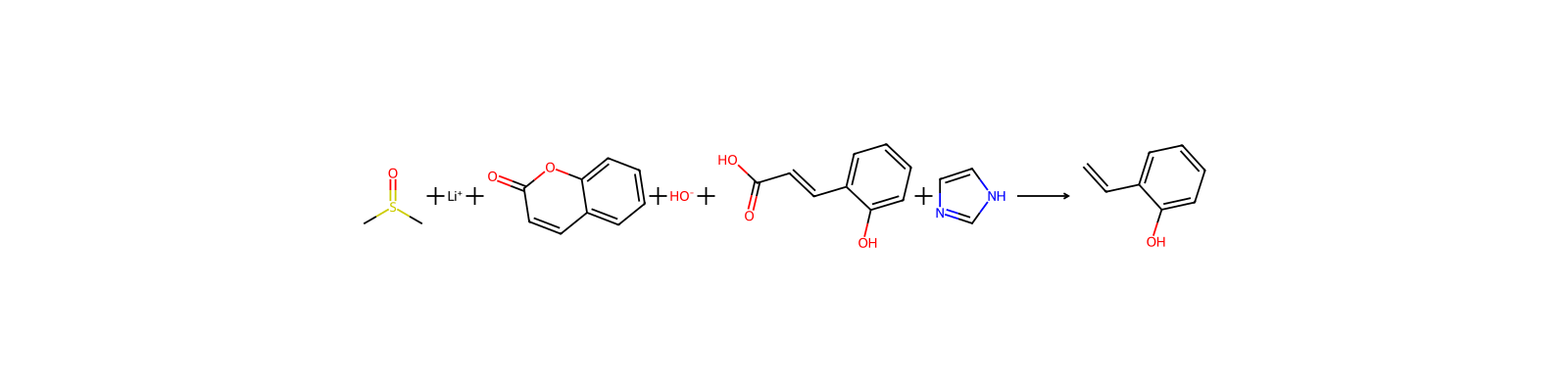
PreparationCoumarin is currently produced by Perkin synthesis from salicylaldehyde. In the presence of sodium acetate, salicylaldehyde reacts with acetic anhydride to produce coumarin and acetic acid. The reaction is carried out in the liquid phase at elevated temperature.A process for the production of coumarin from hexahydrocoumarin by dehydrogenation has also been elaborated.Since the odor of coumarin is relatively weak, strong-smelling by-products (e.g., vinylphenol) must be removed. Many purification methods have been reported and patented.
DefinitionChEBI: A chromenone having the keto group located at the 2-position.
DefinitionA colorless crystalline compound with a pleasant odor, used in making perfumes. On hydrolysis with sodium hydroxide it forms coumarinic acid.