
Azide
Completing data — refresh the page later to see the latest

Basic information
- CAS
14343-69-2- Standard SMILES
[N-]=[N+]=[N-]- InChIKey
IVRMZWNICZWHMI-UHFFFAOYSA-N- Molecular formula
- N3-
- Average molar mass
- 42.021 g/mol
- Monoisotopic mass
- 42.00922201
Names & identifiers
- Preferred name
- Azide
- IUPAC
- azide
- English name
- Azide
- Molecular formula
- N3
- Molecular weight
- 42
Names & synonyms
azideAzide ionHydrazoate14343-69-2Nitrogen ion (N3-)Azide ion(1-)AzidesAzide(1-)Trinitrogen ion (N3-)88BIA49L8PDTXSID8074310RefChem:560535
Show more names
Irbesartan EP Impurity B(E/Z)-N,N-Didesmethyl-4-hydroxy Tamoxifen 2&rsquo
DTXCID2034673CHEBI:22680Azide anionCHEMBL79455Azide (N3-)Hydrazoic acid, ion (1-)UNII-88BIA49L8PCCRIS 1791
Database identifiers
- CAS
14343-69-2- PubChem CID
- 33558
- DTXSID
DTXSID8074310- ChEMBL
CHEMBL79455- ChEBI
CHEBI:40910- UNII
- 88BIA49L8P
- Nikkaji
- J231.714A
Properties
Computed structural propertiesFilling in
- XLogP
- 1.5
- Topological polar surface area
- 3 Ų
- Hydrogen bond donors
- 0
- Hydrogen bond acceptors
- 2
- Rotatable bonds
- 0
- Heavy atoms
- 3
- Formal charge
- -1
- Complexity
- 15
Physicochemical properties
- Melting point
- 119 · 119-120 °C (decomp)
- FDA UNII
- 88 BIA49L8P · 88BIA49L8P
- EPA Substance Registry System
- Azide (14343-69-2)
Safety & regulation
Safety information is for reference only and does not replace the supplier’s Safety Data Sheet (SDS), applicable regulations, or professional assessment.
Hazard information
Regulatory InformationAzide (anion): Does not have an individual approval but may be used as a component in a product covered by a group standard. It is not approved for use as a chemical in its own right.
Hazards Summary
All azide salts are unstable, and some explode after heat or shock. Organic azides are sensitized by metal salts or strong acids. Azides emit toxic fumes when heated to decomposition. [Sax] The azide group (N3) has an affinity for ferric iron in mitochondrial cytochrome oxidase. Like cyanide poisoning, azide poisoning disrupts cellular aerobic metabolism. [AHLS, p. 202] Most of the fulminates and azides of heavy metals are sensitive explosives. These materials do not make efficient explosives; their sole attraction is their sensitivity. [Reference #1] See Sodium azide.
Toxicology
Adverse EffectsOther Poison - Chemical Asphyxiant
Regulatory information
Regulatory InformationAzide (anion): Does not have an individual approval but may be used as a component in a product covered by a group standard. It is not approved for use as a chemical in its own right.
Chemistry & industry
Upstream & downstream products
Upstream raw materials
Additional notes
Definition1. An inorganic compound containing the ion N3-. 2. An organic compound of general formula R N3.
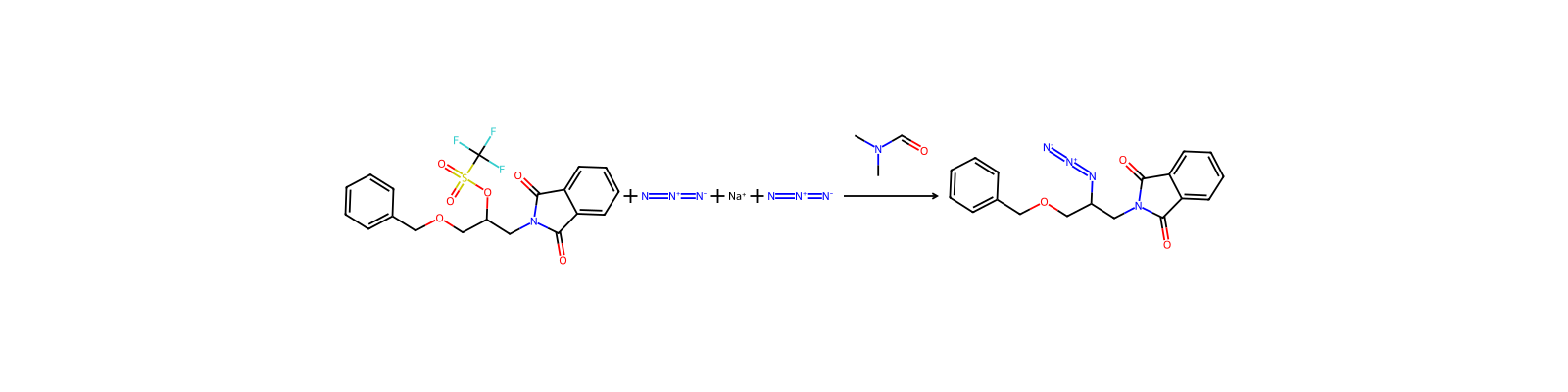
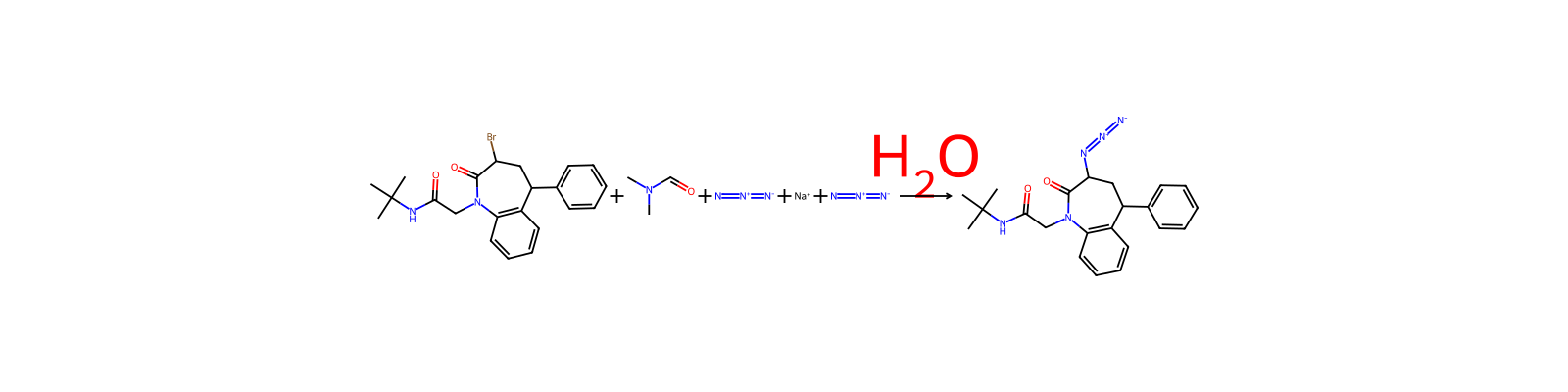
Related reactions
2,039 records





Compound notes
Loading…