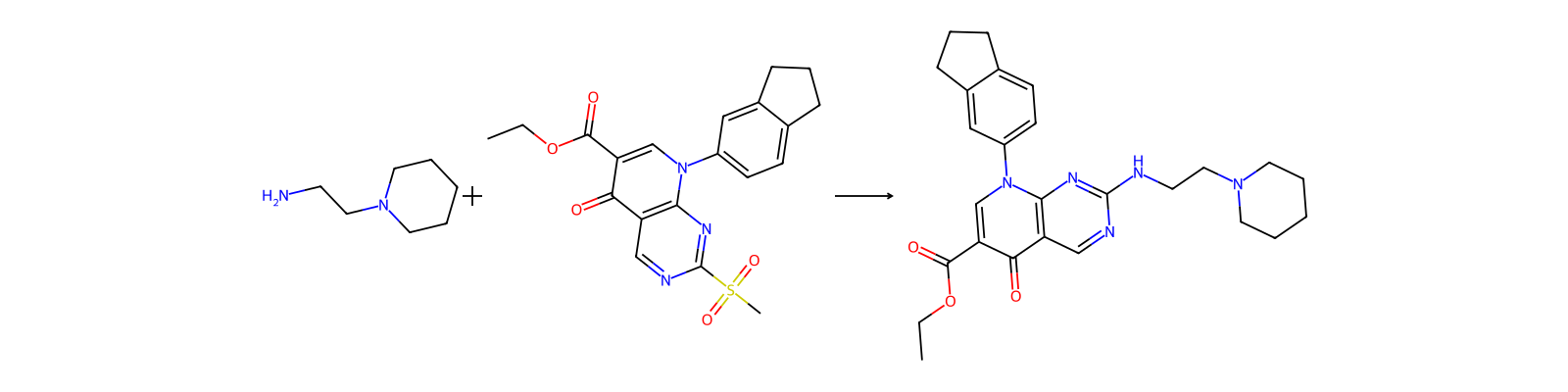
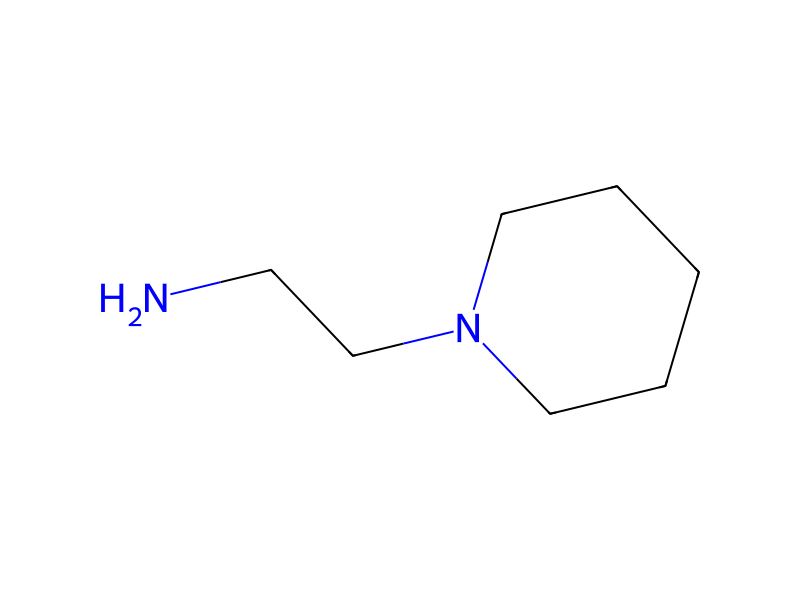
N-(2-Aminoethyl)piperidine
Completing data — refresh the page later to see the latest
Basic information
- CAS
27578-60-5- Standard SMILES
NCCN1CCCCC1- InChIKey
CJNRGSHEMCMUOE-UHFFFAOYSA-N- Molecular formula
- C7H16N2
- Average molar mass
- 128.22 g/mol
- Monoisotopic mass
- 128.13134851
Names & identifiers
- Preferred name
- N-(2-Aminoethyl)piperidine
- IUPAC
- 2-piperidin-1-ylethanamine
- English name
- N-(2-Aminoethyl)piperidine
- Molecular formula
- C7H16N2
- Molecular weight
- 128.22
Names & synonyms
27578-60-5N-(2-AMINOETHYL)PIPERIDINE1-PiperidineethanamineEINECS 248-540-8AI3-11524DTXSID30181977NSC 54993RefChem:824985DTXCID70104468248-540-81-(2-Aminoethyl)piperidine2-(piperidin-1-yl)ethan-1-amine
Show more names
RARECHEM AL BW 0414LABOTEST-BB LT021006172-PiperidinoethanamineAMINO ETHYL PIPERIDINEN-AMINOETHYL PIPERIDINE1-PIPERIDINE ETHYLAMINE1-Piperidine ethanamine
2-piperidin-1-ylethanamine2-(piperidin-1-yl)ethanamine2-Piperidinoethylamine2-(1-Piperidinyl)ethanamineMFCD000065162-(1-Piperidinyl)ethylamine(2-Piperidin-1-ylethyl)amineN-Aminoethylpiperidine
Database identifiers
- CAS
27578-60-5- PubChem CID
- 33944
- DTXSID
DTXSID30181977- EC Number
- 248-540-8
- Nikkaji
- J309C
Properties
Computed structural propertiesFilling in
- XLogP
- 0.4
- Topological polar surface area
- 29.3 Ų
- Hydrogen bond donors
- 1
- Hydrogen bond acceptors
- 2
- Rotatable bonds
- 2
- Heavy atoms
- 9
- Formal charge
- 0
- Complexity
- 67.3
Physicochemical properties
- Melting point
- 67 · 67-70 °C(Solv: ligroine (8032-32-4); dichloromethane (75-09-2))
- Boiling point
- 186 °C · 186 °C(lit.)
- Density
- 0.899 g/mL · 0.899 g/mL at 25 °C(lit.)
- refractive index
- 20 · n20/D 1.473(lit.)
- Flash point
- 136 °F · 136 °F
- storage temp.
- 2 · under inert gas (nitrogen or Argon) at 2–8 °C
- form
- Liquid
- pka
- 1 · pK1: 6.38;pK2: 9.89 (30°C)
- color
- Clear colorless to yellow
- Water Solubility
- Partly miscible in water.
- Sensitive
- Air Sensitive
- BRN
- 103469 · 103469
- InChI
- InChI=1S/C7H16N2/c8-4-7-9-5-2-1-3-6-9/h1-8H2
- InChIKey
- CJNRGSHEMCMUOE-UHFFFAOYSA-N
- SMILES
- N1(CCN)CCCCC1
Safety & regulation
Safety information is for reference only and does not replace the supplier’s Safety Data Sheet (SDS), applicable regulations, or professional assessment.
GHS classification
GHS Classification
Danger
H226 (100%): Flammable liquid and vapor [Warning Flammable liquids]
P210, P233, P240, P241, P242, P243, P260, P264, P280, P301+P330+P331, P302+P361+P354, P303+P361+P353, P304+P340, P305+P354+P338, P316, P321, P363, P370+P378, P403+P235, P405, and P501 (click each P-code to see the statement)
Aggregated GHS information provided per 45 reports by companies from 3 notifications to the ECHA C&L Inventory. Each notification may be associated with multiple companies.
Hazard information
Hazard Classes and CategoriesFlam. Liq. 3 (100%)
Safety data
- PPE
- Faceshields, Gloves, Goggles, type ABEK (EN14387) respirator filter
- wgk
- 3
- ridadr
- UN 2734 8/PG 2
- hs_code
- 29333990
- risk_code
- 34
- Signal word
- Danger
- Symbol(GHS)
- GHS02,GHS05
- hazard_code
- C,Xi
- hazard_note
- Irritant
- safety_code
- 26-36/37/39-45
- hazard_class
- 3
- Storage Class
- 3 - Flammable liquids
- packing_group
- III
- Hazard statements
- H226-H314
- Limited Quantities
- 5.0 L (1.3 gallons) (liquid)
Chemistry & industry
Applications
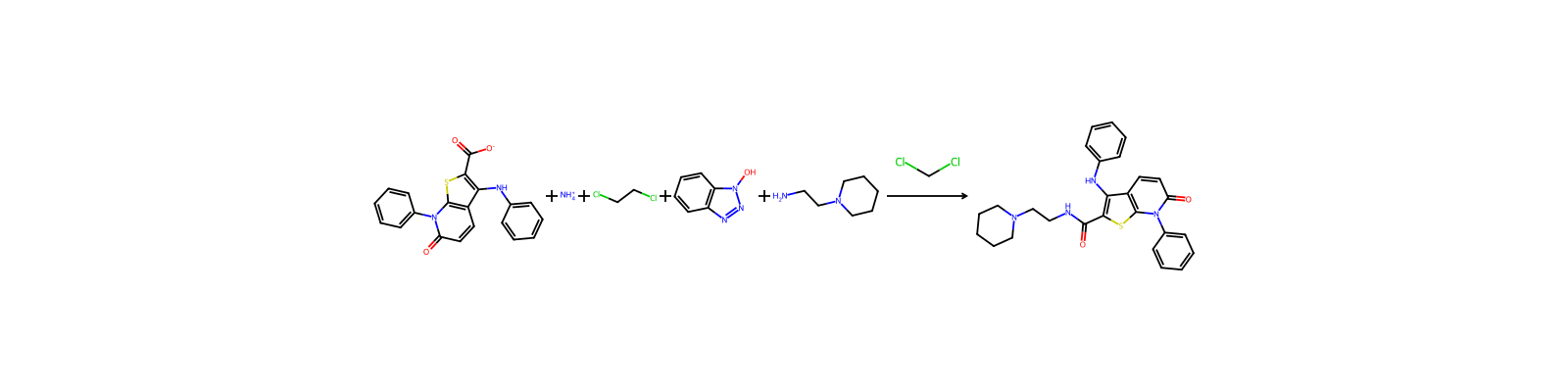
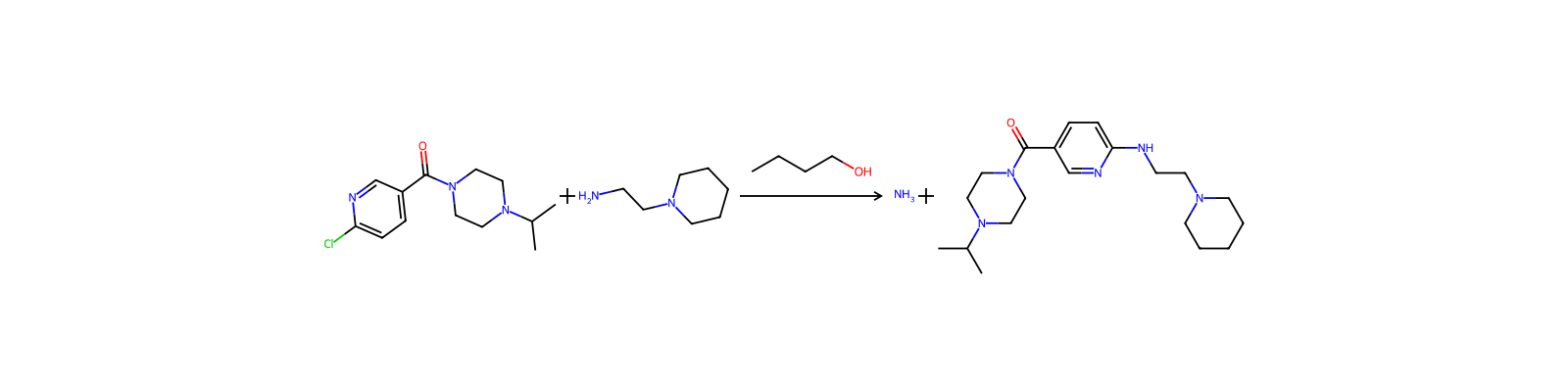
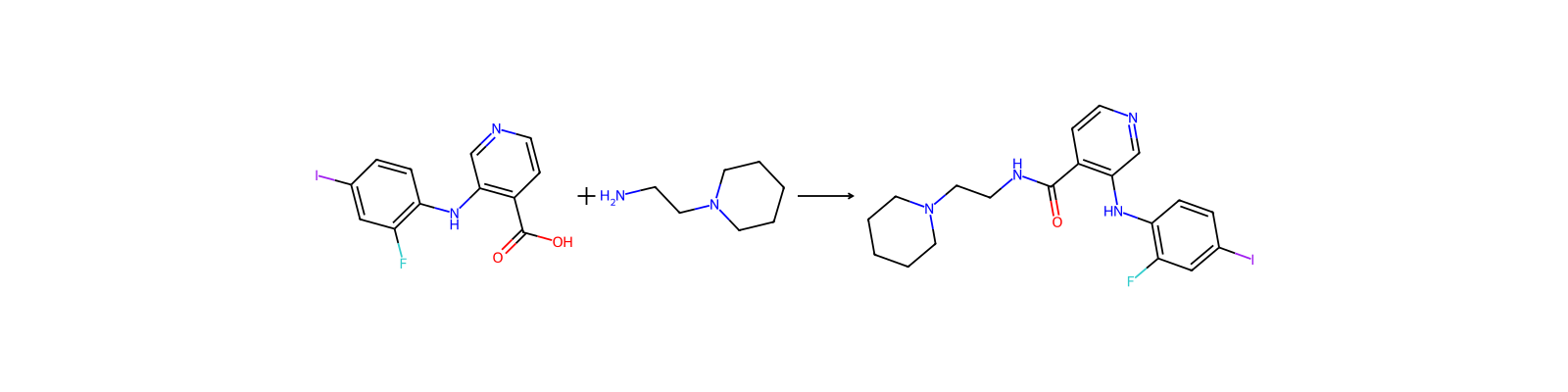
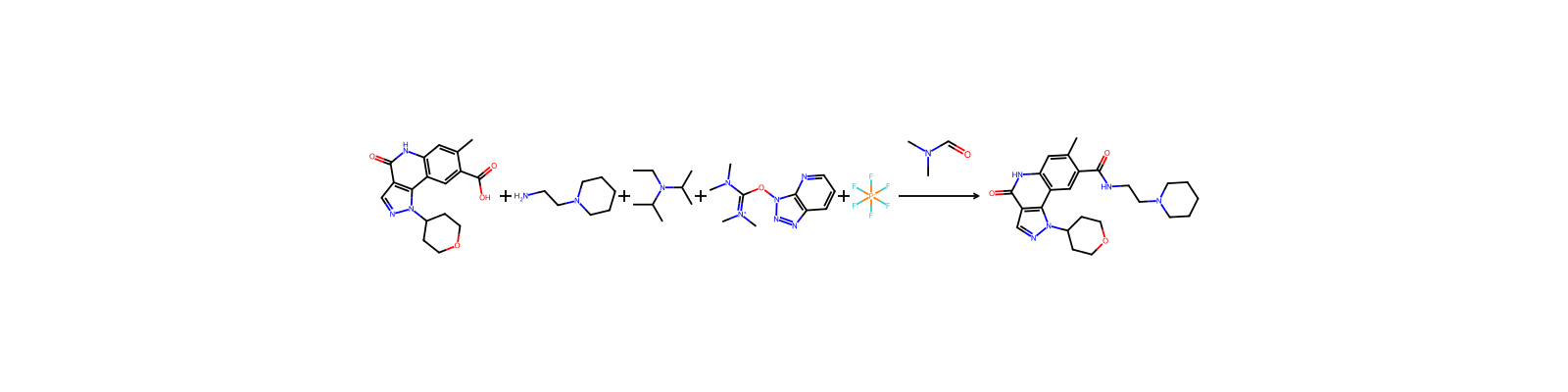
Uses1-(2-Aminoethyl)piperidine is used in modification of vinylbenzyl chloride/divinylbenzene gel copolymer bead and in the synthesis of linkage isomers trans-bis[1-(2-aminoethyl)piperidine]dinitronickel and trans-bis[1-(2-aminoethyl)-piperidine]dinitritonickel. It is also used as a reactant for synthesis of: analogs of anticancer agents, inhibitor of botulinum neurotoxin serotype A light chain, P. falciparum malaria, and Ebola filovirus, cannabinoid CB1 receptor antagonists, small molecules that restore E-cadherin expression and reduce invasion in colorectal carcinoma cells, potent and selective 5-HT6 antagonists and N-mustards as anticancer agents. 1-(2-Aminoethyl)piperidine on [1+1] condensation reaction with 3-methoxy salicylaldehyde yields tridentate Schiff base ligand.
General Description1-(2-Aminoethyl)piperidine on [1+1] condensation reaction with 3-methoxy salicylaldehyde yields tridentate Schiff base ligand.
Upstream & downstream products
Upstream raw materials
Downstream products
Related reactions
267 records



Compound notes
Loading…