Completing data — refresh the page later to see the latest
30674-80-7C=C(C)C(=O)OCCN=C=ORBQRWNWVPQDTJJ-UHFFFAOYSA-NMethacryloyloxyethyl isocyanate is a liquid. (EPA, 1998)
30674-80-7DTXSID6051986Methacryloyloxyethyl isocyanate is a liquid. (EPA, 1998)
Colorless liquid with a peppery odor; [CHEMINFO]
Compound is stable in moist air for up to 5.2 hours at 5% and 2.6 hours at 50% RH.
Compound is readily hydrolyzed in dilute water solution.
Safety information is for reference only and does not replace the supplier’s Safety Data Sheet (SDS), applicable regulations, or professional assessment.
Danger
H302 (100%): Harmful if swallowed [Warning Acute toxicity, oral]
P233, P260, P261, P264, P264+P265, P270, P271, P272, P280, P284, P301+P317, P302+P352, P304+P340, P305+P351+P338, P305+P354+P338, P316, P317, P319, P320, P321, P330, P332+P317, P333+P317, P337+P317, P342+P316, P362+P364, P403, P403+P233, P405, and P501 (click each P-code to see the statement)
Aggregated GHS information provided per 53 reports by companies from 8 notifications to the ECHA C&L Inventory. Each notification may be associated with multiple companies.
Danger
H302: Harmful if swallowed [Warning Acute toxicity, oral]
Chemical: 2-Propenoic acid, 2-methyl-, 2-isocyanatoethyl ester
Status: Active Update: 20-09-2022 https://echa.europa.eu/registration-dossier/-/registered-dossier/5762
The New Jersey Worker and Community Right to Know Act requires public and private employers to provide information about hazardous substances at their workplaces. (N.J.S.A. 34:5A-1 et. seq.)
(Non-Specific -- Isocyanates and Solutions, n.o.s. (Flammable, Poisonous)) May be ignited by heat, sparks, or flames. Container may explode in heat of fire. Vapor explosion and poison hazard indoors, outdoors or in sewers. Runoff from fire control or dilution water may cause pollution. (EPA, 1998)
Cyanide is rapidly alsorbed through oral, inhalation, and dermal routes and distributed throughout the body. Cyanide is mainly metabolized into thiocyanate by either rhodanese or 3-mercaptopyruvate sulfur transferase. Cyanide metabolites are excreted in the urine. (L96)
Used in adhesives, epoxy resins, and marine and automotive coatings; [CHEMINFO]
Painting (Pigments, Binders, and Biocides) [Category: Paint]
UsesA latent cross-linker for resins.1
General DescriptionLiquid.
Loading…
Section 8(a) of TSCA requires manufacturers of this chemical substance to report preliminary assessment information concerned with production, use, and exposure to EPA as cited in the preamble in 51 FR 41329.
Pursuant to section 8(d) of TSCA, EPA promulgated a model Health and Safety Data Reporting Rule. The section 8(d) model rule requires manufacturers, importers, and processors of listed chemical substances and mixtures to submit to EPA copies and lists of unpublished health and safety studies. 2-Propenoic acid, 2-methyl-,2-isocyanatoethyl ester is included on this list.
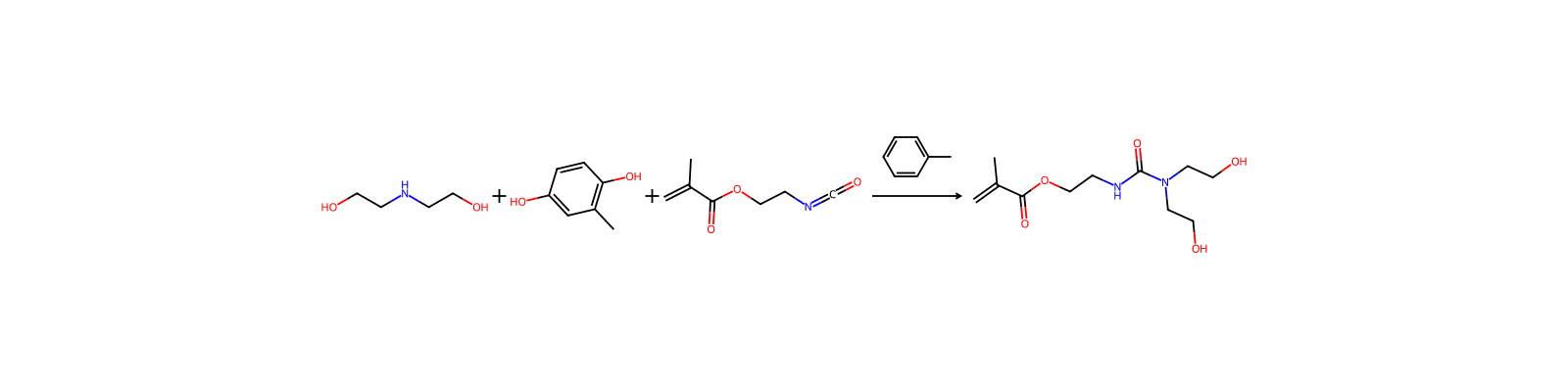
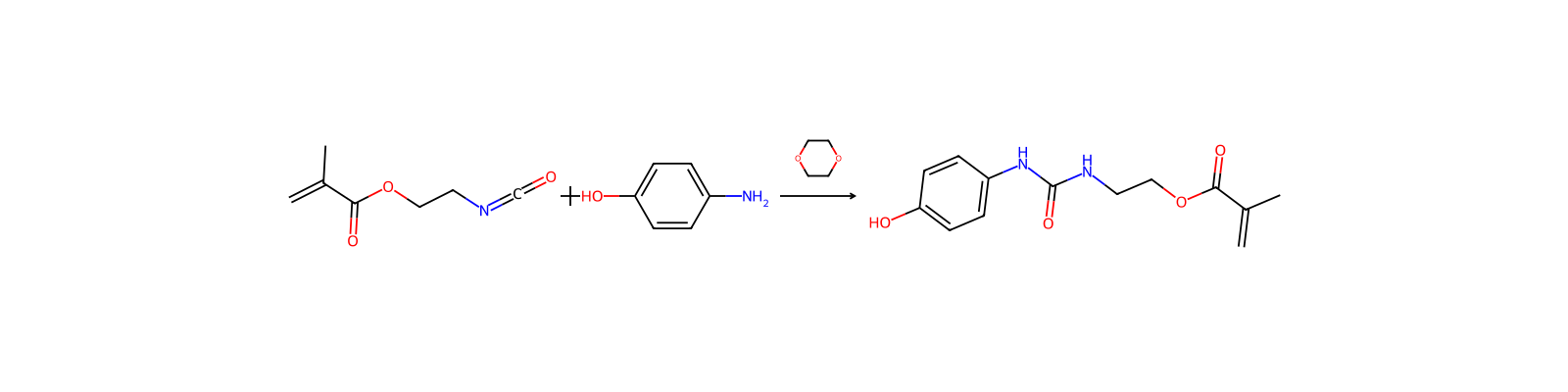
Isocyanates and thioisocyanates, such as METHACRYLOYLOXYETHYL ISOCYANATE, are incompatible with many classes of compounds, reacting exothermically to release toxic gases. Reactions with amines, aldehydes, alcohols, alkali metals, ketones, mercaptans, strong oxidizers, hydrides, phenols, and peroxides can cause vigorous releases of heat. Acids and bases initiate polymerization reactions in these materials. Some isocyanates react with water to form amines and liberate carbon dioxide.
Releases of CERCLA hazardous substances are subject to the release reporting requirement of CERCLA section 103, codified at 40 CFR part 302, in addition to the requirements of 40 CFR part 355. Methacryloyloxyethyl isocyanate is an extremely hazardous substance (EHS) subject to reporting requirements when stored in amounts in excess of its threshold planning quantity (TPQ) of 100 lbs.
(Non-Specific -- Isocyanates and Solutions, n.o.s. (Flammable, Poisonous)) Keep unnecessary people away; isolate hazard area and deny entry. Stay upwind; keep out of low areas. Ventilate closed spaces before entering them. Wear positive pressure breathing apparatus and special protective clothing. Move container from fire area if you can do it without risk. Cool containers that are exposed to flames with water from the side until well after fire is out. Fight fire from maximum distance. Dike fire control water for later disposal; do not scatter the material.
(Non-Specific -- Isocyanates and Solutions, n.o.s. (Flammable, Poisonous)) Keep unnecessary people away; isolate hazard area and deny entry. Stay upwind; keep out of low areas. Ventilate closed spaces before entering them. Shut off ignition sources; no flares, smoking or flames in hazard area. Do not touch spilled material; stop leak if you can do so without risk. Use water spray to reduce vapors.
SRP: At the time of review, criteria for land treatment or burial (sanitary landfill) disposal practices are subject to significant revision. Prior to implementing land disposal of waste residue (including waste sludge), consult with environmental regulatory agencies for guidance on acceptable disposal practices.
SRP: The scientific literature for the use of contact lenses in industry is conflicting. The benefit or detrimental effects of wearing contact lenses depend not only upon the substance, but also on factors including the form of the substance, characteristics and duration of the exposure, the uses of other eye protection equipment, and the hygiene of the lenses. However, there may be individual substances whose irritating or corrosive properties are such that the wearing of contact lenses would be harmful to the eye. In those specific cases, contact lenses should not be worn. In any event, the usual eye protection equipment should be worn even when contact lenses are in place.
0.0091 [ppm]
0.10 [ppm]
1.0 [ppm]
For emergency situations, wear a positive pressure, pressure-demand, full facepiece self-contained breathing apparatus (SCBA) or pressure- demand supplied air respirator with escape SCBA and a fully-encapsulating, chemical resistant suit. (EPA, 1998)
Antidotes to cyanide poisoning include hydroxocobalamin and sodium nitrite, which release the cyanide from the cytochrome system, and rhodanase, which is an enzyme occurring naturally in mammals that combines serum cyanide with thiosulfate, producing comparatively harmless thiocyanate. Oxygen therapy can also be administered. (L97)
Exposure to high levels of cyanide for a short time harms the brain and heart and can even cause coma, seizures, apnea, cardiac arrest and death. Chronic inhalation of cyanide causes breathing difficulties, chest pain, vomiting, blood changes, headaches, and enlargement of the thyroid gland. Skin contact with cyanide salts can irritate and produce sores. (L96, L97)
Cyanide is an inhibitor of cytochrome c oxidase in the fourth complex of the electron transport chain (found in the membrane of the mitochondria of eukaryotic cells). It complexes with the ferric iron atom in this enzyme. The binding of cyanide to this cytochrome prevents transport of electrons from cytochrome c oxidase to oxygen. As a result, the electron transport chain is disrupted and the cell can no longer aerobically produce ATP for energy. Tissues that mainly depend on aerobic respiration, such as the central nervous system and the heart, are particularly affected. Cyanide is also known produce some of its toxic effects by binding to catalase, glutathione peroxidase, methemoglobin, hydroxocobalamin, phosphatase, tyrosinase, ascorbic acid oxidase, xanthine oxidase, succinic dehydrogenase, and Cu/Zn superoxide dismutase. Cyanide binds to the ferric ion of methemoglobin to form inactive cyanmethemoglobin. (L97)
Isocyanates are irritating to the skin and the mucous membranes, the skin conditions ranging from localized itching to more or less widespread eczema. Eye affections are less common and, although lacrimation is often found, conjunctivitis is rare. The commonest and most serious troubles, however, are those affecting the respiratory systems. /Isocyanates/
Guinea pigs were exposed to daily induction exposures with an aerosol of bovine serum albumin (BSA) or bovine serum albumin conjugated with isocyanatoethyl methacrylate (IEM) or isocyanatoethyl propionate (IEP). After approx 2 wk significant incr in respiratory rate occurred in the guinea pigs exposed to the isocyanate conjugates. The number of animals responding was related to the degree of conjugation of isocyanate to protein. The isocyanates conjugated to another carrier, guinea pig serum albumin (GSA), elicited responses. In guinea pigs responding to bovine serum albumin-isocyanatoethyl methacrylate, 0.01 ppm isocyanatoethyl methacrylate monomer did not elicit responses; 0.1-0.4 ppm isocyanatoethyl methacrylate vapor elicited responses similar to conjugates but which were delayed; 0.5 and 0.6 ppm induced irritation responses. Guinea pigs developing responses to either of the isocyanate conjugates displayed cross-reactions to challenge with the other. Application of bovine serum albumin-isocyanatoethyl propionate or isocyanatoethyl propionate monomer to the scratched skin of guinea pigs that responded by inhalation to bovine serum albumin-isocyanato propionate resulted in immediate wheal and flare responses not seen in unexposed animals.
The dominant lethal test was used to evaluate the mutagenic potential of isocyanatoethyl methacrylate in rats. Male Sprague-Dawley rats were exposed to 0, 25, 80, or 250 ppb of isocyanatoethyl methacrylate by inhalation for 6 hr/day for 10 wk (one spermatogenic cycle). After the exposure period, the males were bred with untreated virgin female rats. At approx mid-gestation, the females were sacrificed and the number of corpora lutea, implantations and resorptions were recorded. Statistical analysis of these data indicated that the treated males were comparable to control males in all reproductive parameters evaluated. Isocyanatoethyl methacrylate did not affect male fertility or produce dominant lethal mutations in male rats.
Noncardiogenic pulmonary edema and bronchospasm are the most immediate serious clinical consequences of isocyanate exposure. Markedly symptomatic patients should receive oxygen, ventilatory support, and an intravenous line. Treatment for asthma includes inhaled sympathomimetics (salbutamol, metaproterenol), intravenous theophylline, parenteral sympathomimetics (epinephrine, terbutaline), and steroids. /Isocyanates/
Most treatment is symptomatic. Mydriatics, systemic analgesics, and topical antibiotics (Sulamyd) may be used for corneal abrasions. There is no effective therapy for sensitized workers, and these people should be moved to a work site devoid of exposure to isocyanates. /Isocyanates/
Section 8(a) of TSCA requires manufacturers of this chemical substance to report preliminary assessment information concerned with production, use, and exposure to EPA as cited in the preamble in 51 FR 41329.
Pursuant to section 8(d) of TSCA, EPA promulgated a model Health and Safety Data Reporting Rule. The section 8(d) model rule requires manufacturers, importers, and processors of listed chemical substances and mixtures to submit to EPA copies and lists of unpublished health and safety studies. 2-Propenoic acid, 2-methyl-,2-isocyanatoethyl ester is included on this list.
Releases of CERCLA hazardous substances are subject to the release reporting requirement of CERCLA section 103, codified at 40 CFR part 302, in addition to the requirements of 40 CFR part 355. Methacryloyloxyethyl isocyanate is an extremely hazardous substance (EHS) subject to reporting requirements when stored in amounts in excess of its threshold planning quantity (TPQ) of 100 lbs.