HomeMCPWorkbenchSkills
HomeWorkbenchNotificationsMe
llms.txt · MCP GuidePrivacy Policy · Terms of Service · Supportv1.8.3
  1. Home
  2. /Compound

Hafnium tetrachloride

HCID 37715
New reaction
Print

Completing data — refresh the page later to see the latest

Basic informationNames & identifiersPropertiesSafety & regulationChemistry & industryRelated reactionsCompound notes
Substructure searchFind similar structures

Basic information

CAS
13499-05-3
Standard SMILES
[Cl][Hf]([Cl])([Cl])[Cl]
InChIKey
PDPJQWYGJJBYLF-UHFFFAOYSA-J
Molecular formula
Cl4Hf
Average molar mass
320.3 g/mol
Monoisotopic mass
319.82197

Names & identifiers

Preferred name
Hafnium tetrachloride
IUPAC
tetrachlorohafnium
English name
HAFNIUMCHLORIDE
Molecular weight
0

Names & synonyms

Hafnium tetrachlorideHafnium(IV) chloridetetrachlorohafniumHafnium chloride (HfCl4), (T-4)-37230-84-5EINECS 236-826-5CNZ9V5JM5HEC 236-826-5RefChem:783342DTXCID0034273DTXSID201044330Hafnium chloride (HfCl4), (T4)
Show more names
236-826-513499-05-3DTXSID0065513HAFNIUM CHLORIDEHAFNIUM TETRACHLORIDE [MI]HfCl4Hafnium(IV) chloride, sublimed gradeUNII-CNZ9V5JM5H

Database identifiers

CAS
13499-05-3、37230-84-5
PubChem CID
37715
EC Number
236-826-5

Properties

Computed structural propertiesFilling in

Topological polar surface area
0 Ų
Hydrogen bond donors
0
Hydrogen bond acceptors
0
Rotatable bonds
0
Heavy atoms
5
Formal charge
0
Complexity
19.1

Experimental & physicochemical properties

Chemical ClassesMetals -> Metals, Inorganic Compounds
Physical Description · 2 items

Dry Powder

Powder; [Sigma-Aldrich MSDS]

Safety & regulation

Safety information is for reference only and does not replace the supplier’s Safety Data Sheet (SDS), applicable regulations, or professional assessment.

GHS classification

GHS Classification · 4 items

Danger

H314 (100%): Causes severe skin burns and eye damage [Danger Skin corrosion/irritation]

P260, P261, P264, P272, P280, P301+P330+P331, P302+P352, P302+P361+P354, P304+P340, P305+P354+P338, P316, P321, P333+P317, P362+P364, P363, P405, and P501 (click each P-code to see the statement)

Aggregated GHS information provided per 127 reports by companies from 10 notifications to the ECHA C&L Inventory. Each notification may be associated with multiple companies.

Hazard information

Regulatory Information · 2 items

Hafnium chloride (HfCl4), (T-4)- is listed on the EPA's Chemical Data Reporting (CDR) system. Manufacturers and importers of Hafnium chloride (HfCl4), (T-4)- are required to report information about their production and use of this chemical to the EPA under the Toxic Substances Control Act (TSCA). (40 eCFR Part 711)

REACH registered substance: Hafnium tetrachloride (EC: 236-826-5)

Hazards Summary · 1 item

Causes skin and eye irritation in rabbits; Borderline liver effects observed in rats at 1% dietary level (occasionally at 0.1% level); [HSDB] A mild skin irritant; [RTECS] Causes burns; Inhalation may cause corrosive injuries to upper respiratory tract and lungs; Targets the liver; [Sigma-Aldrich MSDS] See Hafnium. See Zirconium tetrachloride.

Hazard Classes and CategoriesSkin Corr. 1B (100%)

Safety & protection

Threshold Limit Values (TLV)0.5 [mg/m3], as Hf

Chemistry & industry

Uses & manufacturing

U.S. Production2023: 75,000 - <500,000 lb
Industry UsesIntermediate
General Manufacturing Information · 2 items

Primary Metal Manufacturing

Hafnium chloride (HfCl4), (T-4)-: ACTIVE

Related reactions

8 records
New reaction record
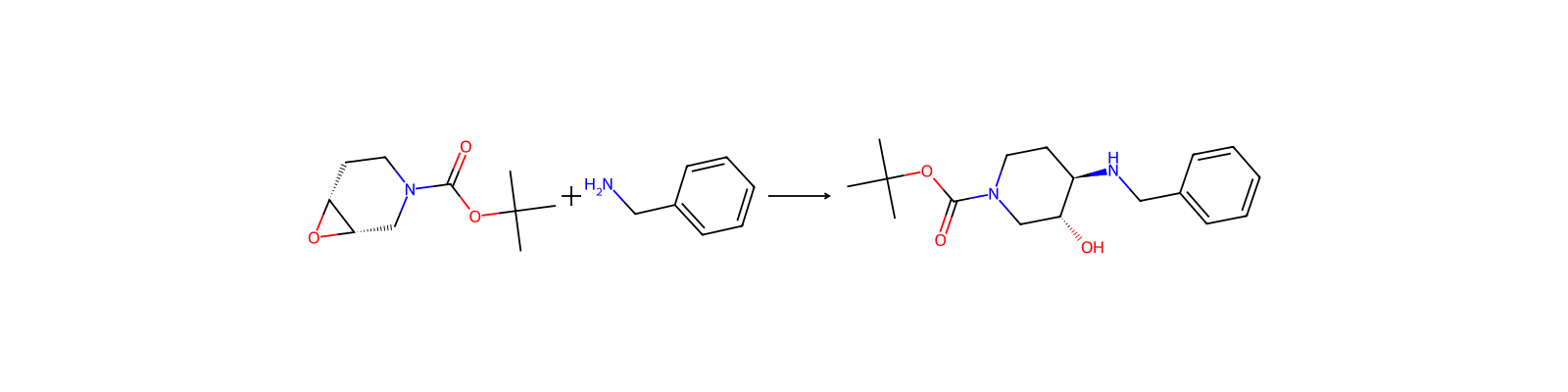
HRID 2000210 reaction equation
HRID 2000210As reagent
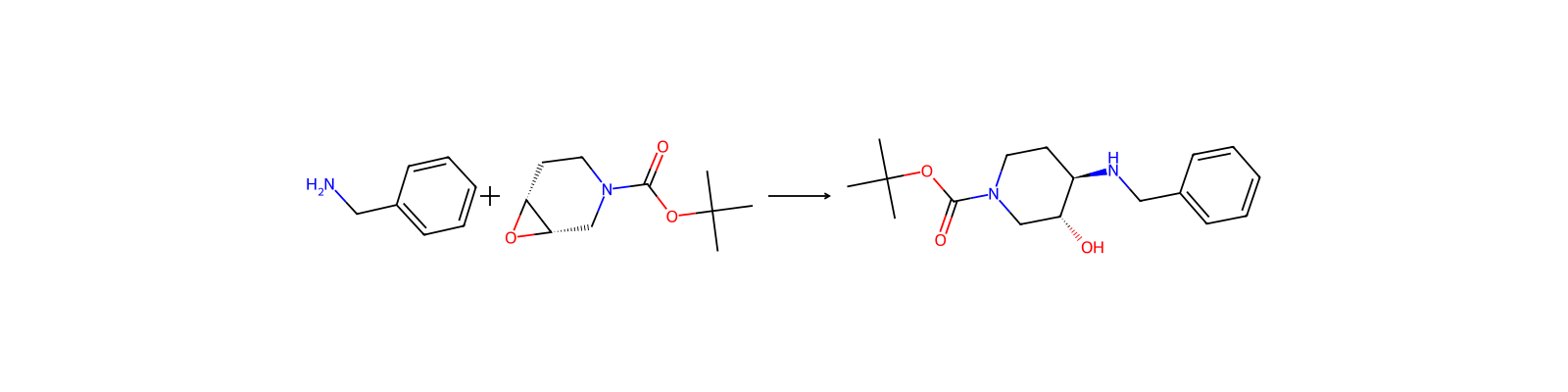
HRID 2000225 reaction equation
HRID 2000225As reagent
HRID 2000262 reaction equation
HRID 2000262As reagent
HRID 2000298 reaction equation
HRID 2000298As reagent
HRID 2033612 reaction equation
HRID 2033612As reagent
HRID 2033696 reaction equation
HRID 2033696As reagent
HRID 2033767 reaction equation
HRID 2033767As reagent
HRID 2033851 reaction equation
HRID 2033851As reagent

Compound notes

On this pageBasic informationNames & identifiersPropertiesSafety & regulationChemistry & industryRelated reactionsCompound notes
Permissible Exposure Limit (PEL)
0.5 [mg/m3], as Hf
Immediately Dangerous to Life or Health (IDLH)50.0 [mg/m3], as Hf

Toxicology

Adverse EffectsOccupational hepatotoxin - Secondary hepatotoxins: the potential for toxic effect in the occupational setting is based on cases of poisoning by human ingestion or animal experimentation.