
Basic information
- Standard SMILES
Nc1ccc(O)cc1- InChIKey
PLIKAWJENQZMHA-UHFFFAOYSA-N- Molecular formula
- C6H7NO
- Average molar mass
- 109.13 g/mol
- Monoisotopic mass
- 109.05276385
Names & identifiers
- Preferred name
- 4-Aminophenol
- IUPAC
- 4-aminophenol
- English name
- 4-Aminophenol
- Molecular formula
- C6H7NO
- Molecular weight
- 109.13
Names & synonyms
4-aminophenol123-30-8p-aminophenol4-hydroxyanilinep-hydroxyanilinePhenol, 4-amino-ParanolCertinalActivolCitolAzolRodinal
Show more names
PARA AMINO PHENOLaminophenolp-AminofenolAMINOPHENOL-4Mesalazine EP IMpurity ACAS:123-30-8p-Aminophenol 4-Aminophenol(17α)-Pregn-4-ene-3,20-dione
Ursol P Base4-aminobenzenolFouramine PBenzofur Pp-HydroxyphenylaminePelagol P BaseUrsol PFourrine P Base
Database identifiers
- CAS
123-30-8- PubChem CID
- 403
- DTXSID
DTXSID3024499- ChEMBL
CHEMBL1142- ChEBI
CHEBI:17602- UNII
- R7P8FRP05V
- EC Number
- 204-616-2
- Nikkaji
- J3.620J
Properties
Computed structural properties
- XLogP
- 0
- Topological polar surface area
- 46.3 Ų
- Hydrogen bond donors
- 2
- Hydrogen bond acceptors
- 2
- Rotatable bonds
- 0
- Heavy atoms
- 8
- Formal charge
- 0
- Complexity
- 66
Experimental & physicochemical properties
LogP
log Kow = 0.04 at pH 7.4
0.04
Density4-Aminophenol crystals exist in two forms. The alpha form (from alcohol, water, or ethyl acetate) is the more stable and has an orthorhombic pyramidal structure, density 1.290 g/cu cm /alpha-4-Aminophenol/
Color/Form
Orthorhombic plates from water
White plates from water
Colorless crystals
White or reddish yellow crystals turn violet on exposure to light
Solubility
less than 1 mg/mL at 73 °F (NTP, 1992)
Solubility in water: 0.39% at 0 °C; 0.65% at 24 °C; 0.80% at 30 °C; in ethyl methyl ketone: 9.3% at 58.5 °C; in absolute ethanol: 4.5% at 0 °C; practically insoluble in benzene and chloroform
Slightly soluble in toluene, diethyl ether, ethanol, cold water; soluble in acetonitrile, ethyl acetate, acetone, hot water; very soluble in dimethylsulfoxide.
Very soluble in ethanol; insoluble in benzene, chloroform; slightly soluble in trifluoroacetic acid; soluble in alkalies
In water, 1.6X10+3 mg/L at 20 °C
16.0 mg/mL
Flash Point195 °C (383 °F) - closed cup
Boiling Point
543 °F at 760 mmHg (Decomposes) (NTP, 1992)
284 °C at 760 mm Hg, decomposes; 167 °C at 8.0 mm Hg; 150 °C at 3.0 mm Hg; 130.2 °C at 0.3 mm Hg
BP: Can be sublimed at 0.3 mm Hg and 110 °C without decomposition ... forms salts with acids and bases ... Deteriorates under the influence of air and light ... Commercial product usually pink ... MP of commercial product 186 °C
187.5 °C
DecompositionWhen heated to decomposition it emits toxic fumes of /nitric oxides/.
Melting Point
367 to 369 °F (NTP, 1992)
367-369 °F
187.5 °C
187.50 °C. @ 760.00 mm Hg
Vapor Pressure
0.00004 [mmHg]
4.0X10⁻⁵ mm Hg at 25 °C
Physical Description
P-aminophenol appears as white or reddish-yellow crystals or light brown powder. Turns violet when exposed to light. (NTP, 1992)
Dry Powder
White or reddish-yellow crystals or light-brown powder that turns violet when exposed to light; [CAMEO]
Solid
Stability/Shelf LifeDeteriorates under influence of air and light
Ionization Efficiency
Positive
2.56
2.7
Agilent XCT
Electrospray ionization
formic acid (5.3nM)
Physicochemical properties
- Melting point
- 188 °C · 188 °C
- Boiling point
- 284 °C · 284 °C
- Density
- 1.29 · 1.29
- vapor pressure
- 0.4 hPa · 0.4 hPa (110 °C)
- refractive index
- 1.5444 · 1.5444 (estimate)
- Flash point
- 189 °C · 189 °C
- storage temp.
- 2 · 2-8°C
- solubility
- water: slightly soluble
- form
- Crystalline Powder
- pka
- 5.48 · 5.48, 10.30(at 25℃)
- color
- White to cream
- Water Solubility
- 1.5 g/100 · 1.5 g/100 mL (20 ºC)
- Sensitive
- Air & Light Sensitive
- Decomposition
- 284 °C · 284 °C
- Merck
- 14 · 14,462
- BRN
- 385836 · 385836
- Henry's Law Constant
- 2.7 · 2.7×104 mol/(m3Pa) at 25℃, Duchowicz et al. (2020)
- Stability
- Stable, though may discolour in air. Incompatible with acids, chloroformates, strong oxidizing agents.
- Cosmetics Ingredients Functions
- HAIR DYEING
- Cosmetic Ingredient Review (CIR)
- 4 · 4-Aminophenol (123-30-8)
- InChI
- 1S/C6H7NO/c7-5-1-3-6(8)4-2-5/h1-4,8H,7H2
- InChIKey
- PLIKAWJENQZMHA-UHFFFAOYSA-N
- SMILES
- Nc1ccc(O)cc1
- LogP
- -0.09 · -0.09-0.04 at 25℃
- CAS DataBase Reference
- 123 · 123-30-8(CAS DataBase Reference)
- EWG's Food Scores
- 4 · 4-6
- FDA UNII
- 7 P8FRP05V · R7P8FRP05V
- NIST Chemistry Reference
- 4 · Phenol, 4-amino-(123-30-8)
- EPA Substance Registry System
- p-Aminophenol (123-30-8)
- UNSPSC Code
- 41116107 · 41116107
- NACRES
- 24 · NA.24
- Symbol(GHS)
- 7 · GHS07,GHS08,GHS09
- Signal word
- Danger
- Hazard statements
- 302 · H302+H332-H316-H320-H361-H370-H372-H317-H334-H341-H410
- Precautionary statements
- 501 · P501-P273-P272-P260-P270-P202-P201-P271-P264-P280-P284-P302+P352-P391-P342+P311-P337+P313-P305+P351+P338-P308+P311-P362+P364-P333+P313-P301+P312+P330-P304+P340+P312-P405
- target organs
- Kidney
- PPE
- 95 · dust mask type N95 (US), Eyeshields, Faceshields, Gloves
- Hazard Codes
- Xn,N
- Risk Statements
- 20 · 20/22-50/53-68-40-R68-R50/53-R20/22
- Safety Statements
- 28 · 28-36/37-60-61-28A-S61-S60-S36/37-S28A
- RIDADR
- 2512 · UN 2512 (AMINOPHENOLS (o-, m-, p-))
- WGK Germany
- 3 · 3
- RTECS
- 5075000 · SJ5075000
- F
- 8 · 8
- Autoignition Temperature
- 250 °C · >250 °C
- TSCA
- TSCA listed
- HazardClass
- 6.1 · 6.1
- PackingGroup
- III
- HS Code
- 28402090 · 28402090
- Storage Class
- 6.1 C · 6.1C - Combustible acute toxic Cat.3toxic compounds or compounds which causing chronic effects
- Hazard Classifications
- 4 InhalationAcute · Acute Tox. 4 InhalationAcute Tox. 4 OralAquatic Acute 1Aquatic Chronic 1Muta. 2Skin Sens. 1STOT RE 2
- Hazardous Substances Data
- 123 · 123-30-8(Hazardous Substances Data)
- Toxicity
- 50 orally · LD50 orally in Rabbit: 375 mg/kg LD50 dermal Rabbit > 10000 mg/kg
- REACH Registrations
- Active
- Limited Quantities
- 5 kg · 5.0 kg (11 lbs) (solid)
- Excepted Quantities
- Max Inner Pack (30g or 30ml) and Max Outer Pack (1Kg or 1L)
Safety & regulation
GHS classification
GHS Classification
Warning
H302: Harmful if swallowed [Warning Acute toxicity, oral];H332: Harmful if inhaled [Warning Acute toxicity, inhalation];H341: Suspected of causing genetic defects [Warning Germ cell mutagenicity];H400: Very toxic to aquatic life [Warning Hazardous to the aquatic environment, acute hazard];H410: Very toxic to aquatic life with long lasting effects [Warning Hazardous to the aquatic environment, long-term hazard]
P203, P261, P264, P270, P271, P273, P280, P301+P317, P304+P340, P317, P318, P330, P391, P405, and P501 (click each P-code to see the statement)
Warning
Hazard information
Regulatory Information
Chemical: Phenol, 4-amino-
Commission Regulation No 844/2012
Phenol, 4-amino- is listed on the EPA's Chemical Data Reporting (CDR) system. Manufacturers and importers of Phenol, 4-amino- are required to report information about their production and use of this chemical to the EPA under the Toxic Substances Control Act (TSCA). (40 eCFR Part 711)
TP - indicates a substance that is the subject of a proposed TSCA section 4 test rule.
Status: Active Update: 05-07-2021 https://echa.europa.eu/registration-dossier/-/registered-dossier/13807;Status: Active Update: 30-04-2014 https://echa.europa.eu/registration-dossier/-/registered-dossier/6216;Status: Active Update: 16-05-2013 https://echa.europa.eu/registration-dossier/-/registered-dossier/6407
4-Aminophenol: Does not have an individual approval but may be used under an appropriate group standard
Other Safety InformationIMAP assessments - Phenol, 4-amino-: Human health tier II assessment
DOT LabelPoison
Fire HazardsFlash point data are not available for this chemical. It is probably combustible. (NTP, 1992)
Health Hazards
SYMPTOMS: Symptoms of exposure to this chemical may include asthma, irritation of the skin and eyes, dermatitis and methemoglobinemia with cyanosis.;ACUTE/CHRONIC HAZARDS: This compound is a skin and eye irritant and an allergen. When heated to decomposition it emits toxic fumes. (NTP, 1992)
Hazards Summary
The lethal oral dose in humans is in the range of 50-500 mg/kg. p-Aminiophenol induces methemoglobinemia in experimental animals, but it is not as potent as aniline. It is a potential sensitizer of the skin and respiratory tract. [HSDB] Symptoms of exposure to this chemical may include asthma, irritation of the skin and eyes, dermatitis and methemoglobinemia with cyanosis; This compound is a skin and eye irritant and an allergen. [CAMEO] Danger of skin sensitization; [MAK]
Reactive GroupPhenols and Cresols;Amines, Aromatic
Reactivity ProfileP-AMINOPHENOL is sensitive to: Heat (decomposition forming HCN, nitrous vapors, CO); water (CO2); reacts violently with acids, bases, alcohols and amines causing fire and explosion hazards [Handling Chemicals Safely 1980 p. 647].
Atmospheric Standards
This action promulgates standards of performance for equipment leaks of Volatile Organic Compounds (VOC) in the Synthetic Organic Chemical Manufacturing Industry (SOCMI). The intended effect of these standards is to require all newly constructed, modified, and reconstructed SOCMI process units to use the best demonstrated system of continuous emission reduction for equipment leaks of VOC, considering costs, non air quality health and environmental impact and energy requirements. p-Aminophenol is produced, as an intermediate or a final product, by process units covered under this subpart.
DOT Emergency Guidelines
/GUIDE 152: SUBSTANCES - TOXIC (COMBUSTIBLE)/ Health: Highly toxic, may be fatal if inhaled, swallowed or absorbed through skin. Contact with molten substance may cause severe burns to skin and eyes. Avoid any skin contact. Effects of contact or inhalation may be delayed. Fire may produce irritating, corrosive and/or toxic gases. Runoff from fire control or dilution water may be corrosive and/or toxic and cause pollution. /Aminophenols/
/GUIDE 152: SUBSTANCES - TOXIC (COMBUSTIBLE)/ Fire or Explosion: Combustible material: may burn but does not ignite readily. Containers may explode when heated. Runoff may pollute waterways. Substance may be transported in a molten form. /Aminophenols/
/GUIDE 152: SUBSTANCES - TOXIC (COMBUSTIBLE)/ Public Safety: CALL Emergency Response Telephone Number ... As an immediate precautionary measure, isolate spill or leak area in all directions for at least 50 meters (150 feet) for liquids and at least 25 meters (75 feet) for solids. Keep unauthorized personnel away. Stay upwind. Keep out of low areas. /Aminophenols/
/GUIDE 152: SUBSTANCES - TOXIC (COMBUSTIBLE)/ Protective Clothing: Wear positive pressure self-contained breathing apparatus (SCBA). Wear chemical protective clothing that is specifically recommended by the manufacturer. It may provide little or no thermal protection. Structural firefighters' protective clothing provides limited protection in fire situations ONLY; it is not effective in spill situations where direct contact with the substance is possible. /Aminophenols/
For more DOT Emergency Guidelines (Complete) data for 4-Aminophenol (8 total), please visit the HSDB record page.
Air and Water ReactionsInsoluble in water.
NFPA Hazard Classification
4 - Materials that, under emergency conditions, can be lethal.
1 - Materials that must be preheated before ignition can occur. Materials require considerable preheating, under all ambient temperature conditions, before ignition and combustion can occur.
0 - Materials that in themselves are normally stable, even under fire conditions.
Safety & protection
Fire FightingFires involving this material can be controlled with a dry chemical, carbon dioxide or Halon extinguisher. (NTP, 1992)
First Aid
EYES: First check the victim for contact lenses and remove if present. Flush victim's eyes with water or normal saline solution for 20 to 30 minutes while simultaneously calling a hospital or poison control center. Do not put any ointments, oils, or medication in the victim's eyes without specific instructions from a physician. IMMEDIATELY transport the victim after flushing eyes to a hospital even if no symptoms (such as redness or irritation) develop.;SKIN: IMMEDIATELY flood affected skin with water while removing and isolating all contaminated clothing. Gently wash all affected skin areas thoroughly with soap and water. If symptoms such as redness or irritation develop, IMMEDIATELY call a physician and be prepared to transport the victim to a hospital for treatment.;INHALATION: IMMEDIATELY leave the contaminated area; take deep breaths of fresh air. If symptoms (such as wheezing, coughing, shortness of breath, or burning in the mouth, throat, or chest) develop, call a physician and be prepared to transport the victim to a hospital. Provide proper respiratory protection to rescuers entering an unknown atmosphere. Whenever possible, Self-Contained Breathing Apparatus (SCBA) should be used; if not available, use a level of protection greater than or equal to that advised under Protective Clothing.;INGESTION: DO NOT INDUCE VOMITING. Phenols are very toxic poisons AND corrosive and irritating, so that inducing vomiting may make medical problems worse. IMMEDIATELY call a hospital or poison control center and locate activated charcoal, egg whites, or milk in case the medical advisor recommends administering one of them. If advice from a physician is not readily available and the victim is conscious and not convulsing, give the victim a glass of activated charcoal slurry in water or, if this is not available, a glass of milk, or beaten egg whites and IMMEDIATELY transport victim to a hospital. If the victim is convulsing or unconscious, do not give anything by mouth, assure that the victim's airway is open and lay the victim on his/her side with the head lower than the body. DO NOT INDUCE VOMITING. IMMEDIATELY transport the victim to a hospital. (NTP, 1992)
Fire Fighting Procedures
Use dry chemical, carbon dioxide, or alcohol foam extinguishers. Vapors are heavier than air and will collect in low areas. Vapors may travel long distances to ignition sources and flashback. Vapors in confined areas may explode when exposed to fire. Storage containers and parts of containers may rocket great distances, in many directions. If material or contaminated runoff enters waterways, notify downstream users of potentially contaminated waters. Notify local health and fire officials and pollution control agencies. From a secure, explosion-proof location, use water spray to cool exposed containers. If cooling streams are ineffective (venting sound increases in volume and pitch, tank discolors or shows any signs of deforming), withdraw immediately to a secure position ... The only respirators recommended for fire fighting are self-contained breathing apparatuses that have full facepieces and are operated in a pressure-demand or other positive-pressure mode. /Anisidines/
If material on fire or involved in fire: Extinguish fire using agent suitable for type of surrounding fire. (Material itself does not burn or burns with difficulty.) Use water in flooding quantities as fog. Use foam, dry chemical, or carbon dioxide. Keep run-off water out of sewers and water sources. /Aminophenols/
Storage ConditionsStore in tightly closed containers in a cool, well-ventilated area. Aminophenols must be stored to avoid contact with strong oxidizers (such as chlorine, bromine, and fluorine), since violent reactions occur. /Aminophenols/
Cleanup Methods
Spill handling: keep dust under control. Use a vacuum or wet method to reduce dust during clean-up. Do not sweep. Evacuate persons not wearing protective equipment from area of spill or leak until clean-up is complete. Remove all ignition sources. Collect powdered material in the most convenient and safe manner and deposit in sealed containers. Ventilate area after clean-up is complete. It may be necessary to contain and dispose of this chemical as a hazardous waste. If material or contaminated runoff enters waterways, notify downstream users of potentially contaminated waters. Contact your Department of Environmental Protection of your regional office of the federal EPA for specific recommendations. /Aminophenols/
Nonfire Spill Response
SMALL SPILLS AND LEAKAGE: If a spill of this chemical occurs, FIRST REMOVE ALL SOURCES OF IGNITION, then you should dampen the solid spill material with acetone and transfer the dampened material to a suitable container. Use absorbent paper dampened with acetone to pick up any remaining material. Seal your contaminated clothing and the absorbent paper in a vapor-tight plastic bag for eventual disposal. Solvent wash all contaminated surfaces with acetone followed by washing with a soap and water solution. Do not reenter the contaminated area until the Safety Officer (or other responsible person) has verified that the area has been properly cleaned.;STORAGE PRECAUTIONS: You should protect this chemical from exposure to light. Keep the container tightly closed under an inert atmosphere, and store under refrigerated temperatures. (NTP, 1992)
Disposal Methods
SRP: The most favorable course of action is to use an alternative chemical product with less inherent propensity for occupational harm/injury/toxicity or environmental contamination. Recycle any unused portion of the material for its approved use or return it to the manufacturer or supplier. Ultimate disposal of the chemical must consider: the material's impact on air quality; potential migration in soil or water; effects on animal and plant life; and conformance with environmental and public health regulations.
Incineration. /Aminophenols/
Preventive Measures
SRP: The scientific literature for the use of contact lenses by industrial workers is inconsistent. The benefits or detrimental effects of wearing contact lenses depend not only upon the substance, but also on factors including the form of the substance, characteristics and duration of the exposure, the uses of other eye protection equipment, and the hygiene of the lenses. However, there may be individual substances whose irritating or corrosive properties are such that the wearing of contact lenses would be harmful to the eye. In those specific cases, contact lenses should not be worn. In any event, the usual eye protection equipment should be worn even when contact lenses are in place.
... Disposable natural rubber latex gloves and disposable PVC gloves should not be used repeatedly for handling the hair dye products /p-aminophenol, m-aminophenol, o-aminophenol, and p-phenylenediamine/.
If material not on fire and not involved in fire: Keep sparks, flames, and other sources of ignition away. Keep material out of water sources and sewers. /Aminophenols/
Personnel protection: Avoid breathing dusts, and fumes from burning material. Keep upwind ... Avoid bodily contact with the material ... Do not handle broken packages unless wearing appropriate personal protective equipment. /Aminophenols/
Isolation and Evacuation
Excerpt from ERG Guide 152 [Substances - Toxic (Combustible)]:;IMMEDIATE PRECAUTIONARY MEASURE: Isolate spill or leak area in all directions for at least 50 meters (150 feet) for liquids and at least 25 meters (75 feet) for solids.;SPILL: Increase the immediate precautionary measure distance, in the downwind direction, as necessary.;FIRE: If tank, rail tank car or highway tank is involved in a fire, ISOLATE for 800 meters (1/2 mile) in all directions; also, consider initial evacuation for 800 meters (1/2 mile) in all directions. (ERG, 2024)
Personal Protective Equipment (PPE)
RECOMMENDED RESPIRATOR: Where the neat test chemical is weighed and diluted, wear a NIOSH-approved half face respirator equipped with an organic vapor/acid gas cartridge (specific for organic vapors, HCl, acid gas and SO2) with a dust/mist filter. (NTP, 1992)
Wear protective gloves and clothing to prevent any reasonable probability of skin contact ... Wear dust-proof chemical goggles and face shield unless full facepiece respiratory protection is worn. /Aminophenols/
Toxicology
Treatment
Methemoglobinemia can be treated with supplemental oxygen and methylene blue 1% solution administered intravenously slowly over five minutes followed by IV flush with normal saline. Methylene blue restores the iron in hemoglobin to its normal (reduced) oxygen-carrying state. (L1613)
Interactions
p-Aminophenol (pAP, 225 mg/kg) administration to rats induced renal failure and has been associated with markers of endoplasmic reticulum (ER) stress, as well as calpain and caspase-12 activation in kidneys. To determine the importance of ER stress and calpain during pAP-induced nephrotoxicity, rats were pretreated with low, nontoxic, doses of ER stress inducers or with the selective calpain inhibitor PD150606 (3 mg/kg). Prior ER stress induced by tunicamycin and oxidized dithiothreitol did not result in protection against renal failure, but PD150606 administration was protective and decreased significantly the rise in creatinine and blood urea nitrogen observed after 24-hr post-pAP administration. pAP-induced XBP1 upregulation was not modified by calpain inhibition, but a trend to lower GRP94 induction was determined, suggesting that pAP-induced ER stress was mostly calpain independent. In contrast, pAP-induced caspase-12 cleavage products were significantly decreased with PD150606 pretreatment, demonstrating that caspase-12 activation was calpain dependent ...
The effects of a glutathione depletor, buthionine sulfoximine (BSO) and biliary cannulation on the nephrotoxicity of p-aminophenol (PAP) have been investigated in the F344 rat. Pretreatment with BSO completely protected against the nephrotoxicity of a 50 mg/kg dose of PAP, assessed by clinical chemistry, renal histopathology, and (1)H-NMR urinalysis. Biliary cannulation partially protects against nephrotoxicity induced by 100 mg/kg PAP. These data suggest that the nephrotoxicity of PAP may be due in part to the formation of a proximate toxic metabolite in the liver which is excreted in the bile, subsequently reabsorbed and transported via the systemic circulation to the kidney where the toxic effects occur.
Screening tests revealed that aniline increased urine trimethoprim (TMP) excretion in rat. The study attempted to investigate the effect of aniline under conditions of repeated exposure on the course of TMP excretion with urine. ... Three groups of rats (10 rats each) were used. Group I was exposed for 12 days (6 hr a day) to aniline vapour. Group II received TMP only. Group III was exposed both to aniline & TMP. Concns of TMP & p-aminophenol (an aniline metabolite) were determined in the 24 hr urine samples after 1, 6, & 12 days. The exposure to aniline vapors was found to cause almost 3-fold incr of TMP removal. No effect of TMP on p-aminophenol excretion was observed.
An investigation was carried out of the effects of ortho-aminophenol (95556) (o-AP), meta-aminophenol (591275) (m-AP), para-aminophenol (123308) (p-AP) & acetaminophen (103902) (AAP) on the induction of preneoplastic lesions in the liver & kidney of male Fischer-344-rats by N-ethyl-N-hydroxyethylnitrosamine (13147256) (EHEN). The rats in this 52 wk investigation included those give 0.1% EHEN in their drinking water for 2 wk & then, beginning 1 wk later, given 0.8% of either o-AP, m-AP, p-AP or AAP in the basal diet for 49 wk; those given EHEN & thereafter only the basal diet; & those given one of the test cmpds without prior EHEN admin. Body, liver & kidney weights were determined for sacrificed rats, & liver sections were subjected to immunohistochemical exam of glutathione-S-transferase placental type (GSTP) positive foci. The numbers of GSTP positive foci in the liver were significantly decreased in rats given o-AP, m-AP, p-AP or AAP after EHEN as compared to values for rats given EHEN alone. However, lowered incidences of GSTP positive foci were observed only in rats given o-AP or AAP after EHEN. Only p-AP & AAP gave significantly higher incidences of microadenoma & adenoma in the kidney.
Health Effects4-Aminophenol may act as a skin sensitizer and cause contact dermatitis. In addition, inhalation of large amounts can cause methemoglobinemia and bronchial asthma. (T21)
Ecotoxicity Values
LC50; Species: Oncorhynchus mykiss (rainbow trout); Concentration: 1.2 mg/L for 96 hr /Conditions of bioassay not specified/
EC50; Species: Tetrahymena thermophila (ciliate protozoa, B-III); Conditions: freshwater; Concentration: 16.4 mg/L (16400 ug/L) for 90 minutes; Effect: Behavioral changes, general
EC50; Species: Tetrahymena thermophila (ciliate protozoa, B-III); Conditions: freshwater; Concentration: 0.31 mg/L (310 ug/L) for 48 hr; Effect: Population growth rate
EC50; Species: Tetrahymena thermophila (ciliate protozoa, B-III); Conditions: freshwater; Concentration: 0.44 mg/L (440 ug/L) for 48 hr; Effect: Population growth rate
For more Ecotoxicity Values (Complete) data for 4-Aminophenol (6 total), please visit the HSDB record page.
Environmental Fate
TERRESTRIAL FATE: Based on a classification scheme(1), an estimated Koc value of 90(SRC), determined from a structure estimation method(2), indicates that 4-aminophenol is expected to have high mobility in soil(SRC). However, anilines are expected to bind strongly to humus or organic matter in soils due to the high reactivity of the aromatic amino group(3,4), suggesting that mobility may be much lower in some soils(SRC). Measured pKa values are 5.48(5) and 10.46(6), for the amine and hydroxy functional groups, respectively(7). 4-Aminophenol is amphoteric and behaves either as a weak acid or weak base; the basic character usually predominates(8). Volatilization of 4-aminophenol from moist soil surfaces is not expected to be an important fate process(SRC) given an estimated Henry's Law constant of 3.6X10⁻¹⁰ atm-cu m/mole(SRC), based upon its vapor pressure, 4X10⁻⁵ mm Hg(9), and water solubility, 16,000 mg/L(10). 4-Aminophenol is not expected to volatilize from dry soil surfaces(SRC) based upon its vapor pressure(9). A 6% of theoretical BOD using activated sludge in the Japanese MITI test(11) suggests that biodegradation may not be important environmental fate process in soil(SRC). However, 87% chemical oxygen demand removal was reached in 5 days in a screening test using acclimated activated sludge at 100 mg/L and 4-aminophenol at 200 mg/L chemical oxygen demand(12).
AQUATIC FATE: Based on a classification scheme(1), an estimated Koc value of 90(SRC), determined from a structure estimation method(2), indicates that 4-aminophenol is expected to adsorb to suspended solids and sediment(SRC). Volatilization from water surfaces is not expected(3) based upon an estimated Henry's Law constant of 3.6X10⁻¹⁰ atm-cu m/mole(SRC), derived from its vapor pressure, 4X10⁻⁵ mm Hg(4), and water solubility, 16,000 mg/L(5). According to a classification scheme(6), BCFs of 10-39 and 15-46 in carp (Cyprinus carpio)(7) suggest bioconcentration in aquatic organisms is low to moderate(SRC). 4-Aminophenol is not expected to undergo hydrolysis in the environment due to the lack of functional groups that hydrolyze under environmental conditions(3). 4-Aminophenol, under aerobic conditions, seems to biodegrade as shown by studies where 85 and 100% of 10 mg/L 4-aminophenol was degraded in river and seawater, respectively, however at 50 mg/L no biodegradation was observed(8). Under denitrifying and methanogenic conditions in sediment, 4-aminophenol was mineralized following a long lag phase at a rate of 15.7 and 20 umol/L/day, respectively(9).
ATMOSPHERIC FATE: According to a model of gas/particle partitioning of semivolatile organic compounds in the atmosphere(1), 4-aminophenol, which has a vapor pressure of 4X10⁻⁵ mm Hg at 25 °C(2), will exist in both the vapor and particulate phases in the ambient atmosphere. Vapor-phase 4-aminophenol is degraded in the atmosphere by reaction with photochemically-produced hydroxyl radicals(SRC); the half-life for this reaction in air is estimated to be 5 hours(SRC), calculated from its rate constant of 7.4X10⁻¹¹ cu cm/molecule-sec at 25 °C(SRC) that was derived using a structure estimation method(3). Particulate-phase 4-aminophenol may be removed from the air by wet or dry deposition(SRC). 4-Aminophenol absorbs light at wavelengths of 294 nm(4) and, therefore, may be susceptible to direct photolysis by sunlight(SRC).
Adverse Effects
Methemoglobinemia - The presence of increased methemoglobin in the blood; the compound is classified as secondary toxic effect;Skin Sensitizer - An agent that can induce an allergic reaction in the skin.;Asthma - Reversible bronchoconstriction (narrowing of bronchioles) initiated by the inhalation of irritating or allergenic agents.
Exposure RoutesOral (L138) ; inhalation (L138)
Toxicity Summary
Safe in the present practices of use and concentration. Ingredient, concentration, and use information are available in documents discoverable at https://cir-reports.cir-safety.org
4-Aminobiphenyl requires metabolic activation in order to exert its toxicity. This is catalyzed by N-hydroxylation via cytochrome P450 1A2, then followed by O-sulfation and O-acetylation by sulfotransferase 1A1 and arylamine N-acetyltransferase 2. The metabolites of 4-aminobiphenyl then form adducts with DNA, inducing mutations. 4-Aminobiphenyl and its metabolites may also cross the placenta and have fetal effects. (1, 2, 3, 4). It is also though that the mode of action involves metabolic activation by N-hydroxylation, followed by N-esterification leading to the formation of a reactive electrophile, which binds covalently to DNA, principally to deoxyguanosine, leading to an increased rate of DNA mutations and ultimately to the development of cancer. In humans and dogs, the urinary bladder urothelium is the target organ, whereas in mice it is the bladder and liver; in other species, other tissues can be involved. Differences in organ specificity are thought to be due to differences in metabolic activation versus inactivation (A15085).
Signs and Symptoms
4-Aminophenol may cause contact dermatitis. Signs and symptoms of methemoglobinemia may include shortness of breath, cyanosis, mental status changes, headache, fatigue, exercise intolerance, dizziness and loss of consciousness. Severe methemoglobinemia can result in dysrhythmias, seizures, coma, and death. (T21, L1613)
Soil Adsorption/Mobility
Using a structure estimation method based on molecular connectivity indices(1), the Koc of 4-aminophenol can be estimated to be 90(SRC). According to a classification scheme(2), this estimated Koc value suggests that 4-aminophenol is expected to have high mobility in soil. However, anilines are expected to bind strongly to humus or organic matter in soils due to the high reactivity of the aromatic amino group(3-4), suggesting that mobility may be much lower in some soils(SRC). Measured pKa values are 5.48(5) and 10.46(6), for the amine and hydroxy functional groups, respectively(7). 4-Aminophenol is amphoteric and behaves either as a weak acid or weak base; the basic character usually predominates(8).
Human Toxicity Excerpts
/HUMAN EXPOSURE STUDIES/ An examination of 31 employees from a chemical factory producing 4-aminophenol (PAP) and other aromatic compounds was conducted using single 48-hr occlusive patches with five of the suspected chemicaIs. Ten of the 31 employees reacted positively to PAP in petrolatum at one or more of the applied doses. Generally dose related, these responses ranged from 1+ at 0.1% PAP (1/31) to 2+ (3/31) and 3+ (1/31) at 1% PAP, with 6/10 employees having 1+ reactions at 0.5% PAP. PAP did not induce primary irritant contact dermatitis in any of the 5 controls, and none of the 31 sensitized subjects who were tested with PAP had cross sensitization when later challenged with dinitrochlorobenzene.
/HUMAN EXPOSURE STUDIES/ Aqueous solutions of 1.0% 3-aminopheol (MAP) and 0.5% 4-aminophenol (PAP) were tested for depigmentation and discoloration after repeated topical application to the skin on one of the forearms of 26 volunteers (20 black and 6 white). The subjects were separated into 2 groups of 13; 1 group received 0.1 5 mL applications of the PAP solution, and the other group received 0.1 5 mL of the MAP solution. Sites were washed by the subjects 1 hr after application of the solutions. The solutions were applied to the same sites for 3 consecutive days the first week and for 4 consecutive days the second and third weeks. Three days after the 11th application, the subjects' arms were evaluated for "circumscribed areas on either forearm in which the skin color appeared different from that of the surrounding area." Subjects were asked to comment on the test procedure or any adverse effects experienced during the study. There was no evidence of skin color changes, lightening or darkening, in any of the 6 white subjects. No lightening of skin color was observed in any of the black subjects. A slight darkening of the skin of 2 black subjects treated with the PAP solution was noted. Slight to moderate primary skin irritation was found in I subject after three to seven applications of the PAP solution.
/HUMAN EXPOSURE STUDIES/ In 80 patients, positive to at least one hapten of the para group (para-phenylenediamine, diaminodiphenylmethane, benzocaine, PPD mix), patch tests were carried out with freshly prepared solutions of para-phenylenediamine (PPD) and of 3 selected aromatic compounds related structurally to PPD (para-aminophenol, ortho-aminophenol, hydroquinone). The number of positive reactions correlated with the rate of decomposition of the substances as evaluated by high-pressure liquid chromatography. PPD, which was almost decomposed after 24 hr, gave the highest number of positive reactions, followed by ortho-aminophenol and by para-aminophenol, while hydroquinone, which was oxidized to the extent of 35%, did not give any reactions ... The results suggest that the rate of decomposition and therefore the amount of quinone(s) generated, might be the key to eliciting patch test responses to oxidizable aromatic haptens.
/SIGNS AND SYMPTOMS/ Short term exposure: Aminophenols can be absorbed through the skin, thereby increasing exposure. Can cause lung irritation. Poisonous if swallowed. These chemicals lower the blood's ability to carry oxygen (methemoglobinemia). This condition causes a bluish color to the skin and lips, headaches, dizziness; higher exposures can result in unconsciousness and death. Irritates eyes, skin, and respiratory tract. Skin contact can cause burning sensation and rash ... May produce dermatitis, methemoglobinemia, bronchial asthma, and restlessness. Long term exposure: prolonged or repeated contact can cause blood damage, skin disorders, liver, kidney, and brain damage. Aminophenols may cause mutations, and there is limited teratogenic evidence. Skin allergy or asthma may develop; future exposures, even in low doses, can cause symptoms to occur. /Aminophenols/
For more Human Toxicity Excerpts (Complete) data for 4-Aminophenol (16 total), please visit the HSDB record page.
Artificial Pollution Sources
4-Aminophenol's production and use as a photographic developer; as a dyeing agent for textiles, fur, feathers, hair; in pharmaceuticals; as an antioxidant; as an oil additive(1) and as a chemical intermediate(2) may result in its release to the environment through various waste streams(SRC).
Regulatory information
Regulatory Information
Chemical: Phenol, 4-amino-
Commission Regulation No 844/2012
Phenol, 4-amino- is listed on the EPA's Chemical Data Reporting (CDR) system. Manufacturers and importers of Phenol, 4-amino- are required to report information about their production and use of this chemical to the EPA under the Toxic Substances Control Act (TSCA). (40 eCFR Part 711)
TP - indicates a substance that is the subject of a proposed TSCA section 4 test rule.
Status: Active Update: 05-07-2021 https://echa.europa.eu/registration-dossier/-/registered-dossier/13807;Status: Active Update: 30-04-2014 https://echa.europa.eu/registration-dossier/-/registered-dossier/6216;Status: Active Update: 16-05-2013 https://echa.europa.eu/registration-dossier/-/registered-dossier/6407
4-Aminophenol: Does not have an individual approval but may be used under an appropriate group standard
Atmospheric Standards
This action promulgates standards of performance for equipment leaks of Volatile Organic Compounds (VOC) in the Synthetic Organic Chemical Manufacturing Industry (SOCMI). The intended effect of these standards is to require all newly constructed, modified, and reconstructed SOCMI process units to use the best demonstrated system of continuous emission reduction for equipment leaks of VOC, considering costs, non air quality health and environmental impact and energy requirements. p-Aminophenol is produced, as an intermediate or a final product, by process units covered under this subpart.
Safety data
- F
- 8
- PPE
- dust mask type N95 (US), Eyeshields, Faceshields, Gloves
- wgk
- 3
- tsca
- TSCA listed
- rtecs
- SJ5075000
- ridadr
- UN 2512 (AMINOPHENOLS (o-, m-, p-))
- hs_code
- 29222900
- Toxicity
- LD50 orally in Rabbit: 375 mg/kg LD50 dermal Rabbit > 10000 mg/kg
- risk_code
- 20/22-50/53-68-40-R68-R50/53-R20/22
- Signal word
- Danger
- Symbol(GHS)
- GHS07,GHS08,GHS09
- hazard_code
- Xn,N
- safety_code
- 28-36/37-60-61-28A-S61-S60-S36/37-S28A
- hazard_class
- 6.1
- Storage Class
- 6.1C - Combustible acute toxic Cat.3toxic compounds or compounds which causing chronic effects
- packing_group
- III
- target organs
- Kidney
- Hazard statements
- H302+H332-H316-H320-H361-H370-H372-H317-H334-H341-H410
- Limited Quantities
- 5.0 kg (11 lbs) (solid)
- Excepted Quantities
- Max Inner Pack (30g or 30ml) and Max Outer Pack (1Kg or 1L)
- REACH Registrations
- Active
- Hazard Classifications
- Acute Tox. 4 InhalationAcute Tox. 4 OralAquatic Acute 1Aquatic Chronic 1Muta. 2Skin Sens. 1STOT RE 2
- Autoignition Temperature
- >250 °C
- Precautionary statements
- P501-P273-P272-P260-P270-P202-P201-P271-P264-P280-P284-P302+P352-P391-P342+P311-P337+P313-P305+P351+P338-P308+P311-P362+P364-P333+P313-P301+P312+P330-P304+P340+P312-P405
- Hazardous Substances Data
- 123-30-8(Hazardous Substances Data)
Chemistry & industry
Pharmacology
Mechanism of Action
... Markers of ER stress (XBP1 messenger RNA processing and protein expression; GRP78 and GRP94 upregulation) and ER-mediated cell death (caspase-12 and calpain activation) were examined in kidney tissue of rats exposed to nephrotoxic doses of cisplatin (CIS), gentamicin (GEN), and p-aminophenol (PAP), a nephrotoxic metabolite of acetaminophen. XBP1 signaling was observed with all three drugs and was associated with increased expression of GRP94 and GRP78 in GEN- and PAP-treated animals, but not after CIS exposure. m-Calpain expression was increased after 7 days of CIS treatment, whereas it was decreased in PAP-treated rats. Caspase-12 cleavage products were increased after CIS, GEN, and PAP administration. The results of this study demonstrate that three clinically relevant nephrotoxic drugs are all associated with changes in markers of ER stress and ER-mediated cell death in vivo ...
4-Aminophenol (4-AP), D-serine, and cisplatin are established rodent nephrotoxins that damage proximal tubules within the renal cortex ... High throughput 2D gel proteomics to profile protein changes in the plasma of compound-treated animals, ... /demonstrated/ several markers of kidney toxicity. Male F344 and Alpk rats were treated with increasing doses of 4-AP, D-serine, or cisplatin, and plasma samples were collected over time ... Several isoforms of the rat-specific T-kininogen protein were identified in each study. T-kininogen was elevated in the plasma of 4-AP-, D-serine-, and cisplatin-treated animals at early time points, returning to baseline levels 3 weeks after treatment. The protein was not elevated in the plasma of control animals or those treated with nontoxic compounds. /It was proposed/ that T-kininogen may be required to counteract apoptosis in proximal tubular cells in order to minimize tissue damage following a toxic insult. In addition, T-kininogen may be required to stimulate localized inflammation to aid tissue repair ... Several isoforms of the inter-alpha inhibitor H4P heavy chain /were identified/ in the 4-AP and D-serine studies. In each case, the protein expression levels in the blood samples paralleled the extent of kidney toxicity, highlighting the correlation between protein alterations and clinical chemistry endpoints. A further set of proteins correlating with kidney damage was found to be a component of the complement cascade and other blood clotting factors, indicating a contribution of the immune system to the observed toxicity. These observations underscore the value of proteomics in identifying new biomarkers and in the elucidation of mechanisms of toxicity.
One of the primary effects found from exposure to p-aminophenol is the formation of methemoglobin. This effect has been found in many species with a wide degree of susceptibility. The oxidation of hemoglobin to methemoglobin interferes with normal oxygen transport functions of hemoglobin and can result in a chemical asphyxia (usually at levels of 60% or more). It is believed that p-aminophenol forms a covalent bond with the reactive -SH groups of hemoglobin and transfers electrons to oxygen to created methemoglobin.
p-Aminophenol is a significantly toxic chemical and one mechanism associated with its cytotoxicity has been attributed to its activity as a tissue respiratory (oxidative phosphorylation) inhibitor ... .
Metabolism/Metabolites
... Hepatocytes prepared from male Sprague-Dawley rats ... converted para-aminophenol (PAP) to two major metabolites (PAP-GSH conjugates and PAP-N-acetylcysteine conjugates) and several minor metabolites [PAP-O-glucuronide, acetaminophen (APAP), APAP-O-glucuronide, APAP-GSH conjugates, and 4-hydroxyformanilide]. Preincubating hepatoyctes with 1-aminobenzotriazole, an inhibitor of cytochromes P450, did not alter the pattern of PAP metabolism. In conclusion, we found that PAP was metabolized in hepatocytes predominantly to PAP-GSH conjugates and PAP-N-acetylcysteine conjugates in sufficient quantities to account for the nephrotoxicity of PAP.
... The hepatic metabolism of p-aminophenol in Wistar rats and the cytotoxicity of formed glutathione S-conjugates in rat renal epithelial cells /were examined/. After ip application of p-aminophenol (100 mg/kg), the following metabolites were identified in rat bile: 4-amino-2-(glutathion-S-yl)phenol, 4-amino-3-(glutathion-S-yl)-phenol, 4-amino-2,5-bis(glutathion-S-yl)phenol, 4-amino-2,3,5(or 6)-tris(glutathion-S-yl)phenol, an aminophenol conjugate (likely a sulfate or glucuronide), acetaminophen glucuronide, and 3-(glutathion-S-yl)acetaminophen. 4-Amino-3-(glutathion-S-yl)phenol, 4-amino-2,5-bis(glutathion-S-yl)phenol, and 4-amino-2,3,5(or 6)-tris(glutathion-S-yl)phenol induced a dose- and time-dependent loss of cell viability in rat kidney cortical cells. Cell killing was significantly reduced by inhibition of gamma-glutamyl transpeptidase with Acivicin. p-Aminophenol was also toxic to renal epithelial cells. Coincubation of p-aminophenol with tetraethylammonium bromide, a competitive inhibitor of the organic cation transporter, and with SKF-525A, an inhibitor of cytochrome P450, protected cells from p-aminophenol-induced toxicity. p-Aminophenol would thus be accumulated in the kidney mainly by organic cation transport systems, which are concentrated in the S-1 segment of the proximal tubule. However, p-aminophenol toxicity in vivo is directed toward the S-2 and S-3 segments, which are rich in gamma-glutamyl transpeptidase. These results and the observation that biliary cannulation and glutathione depletion reduce p-aminophenol nephrotoxicity suggest that the biosynthesis of toxic glutathione conjugates is responsible for p-aminophenol nephrotoxicity in vivo. The aminophenol glutathione S-conjugates formed induce p-aminophenol nephrotoxicity by a pathway dependent on gamma-glutamyl transpeptidase.
4-Aminophenol in the presence of oxyhemoglobin forms numerous adducts with glutathione (GSH). Using (14)C-4-aminophenol and (3)H-glutathione, ten different thioethers were isolated, by HPLC, with isotope ratios of 1:1, 1:2, 1:3, respectively ... In erythrocytes of humans and dogs, and in dog blood, in vivo, the same pattern of 4-aminophenol conjugates with GSH was found. In vivo, 5% of administered 4-aminophenol is converted into thioethers within erythrocytes, accompanied by a 60% decrease in the cellular GSH, indicating the role of erythrocytes in the biotransformation of xenobiotics.
p-Aminophenol yields p-acetamidophenol, p-aminophenyl-beta-d-glucuronide, p-aminophenyl sulfate, 4-aminoresorcinol, and p-methylaminophenol in rabbit.
For more Metabolism/Metabolites (Complete) data for 4-Aminophenol (12 total), please visit the HSDB record page.
4-aminophenol is a known human metabolite of aniline.
MeSH Pharmacological Classification
Compounds which inhibit or antagonize the action or biosynthesis of estrogenic compounds.
Chemical agents that increase the rate of genetic mutation by interfering with the function of nucleic acids. A clastogen is a specific mutagen that causes breaks in chromosomes.
Absorption, Distribution and Excretion
An absorption and excretion study of permanent hair dye intermediates containing 14-C was conducted in hairless Wistar rats under conditions of oxidation hair dyeing (ie, intermediates were mixed with H202 immediately before application). The cutaneous penetration of 14C-4-aminophenol (PAP) alone and in admixture with a nonradioactive coupler (3-amino-6-methylphenol, a 3-aminophenol (MAP) derivative) and that of the resultant 14C-indamine (N-[4-hydroxyphenyl}-3-amino-6-methyl benzoquinone imine) was determined. Hair dye solutions containing uniformly labeled PAP (0.75% or 70 nM) in a simple vehicle were applied to a 10 sq cm dorsal surface of up to 5 rats. Doses of PAP of 0.14 uM/sq cm, 0.69 uM/sq cm, and 3.44/ uM/sq cm yielded respective concentrations of 15.9 +/- 4.76 nM/sq cm, 52.04 +/- 6.73 nM/sq cm, and 58.4 +/- 11.5 nM/sq cm, which penetrated the skin and were detected in the excreta, the viscera, and the skin (excluding PAP found at the site of application) of the treated rats after 4 days. At the highest 14C-PAP concentration applied, the total quantity of 14C-PAP detected per sq cm of skin was approximately the same for PAP alone as for PAP mixed with nonradioactive MAP coupler (56.8 +/- 4.0 nM/sq cm). Penetration of the 14C-indamine was approximately 17 times less (3.6 +/- 0.46 nM) than that of PAP or of the mixture of PAP with the nonradioactive coupler..
Tissue LocationsEpidermis;Spleen
Uses & manufacturing
Uses
CIR ingredient: p-Aminophenol
Used as a dye for textiles, hair, furs, and feathers; also used as a photographic developer and chemical intermediate for pharmaceuticals and dyes; [HSDB]
Photographic Processing [Category: Other];Fur Dressing and Dyeing [Category: Industry];Textiles (Printing, Dyeing, or Finishing) [Category: Industry];Dressing Hair [Category: Other]
Dyeing textiles, hair, furs, feathers; photographic developer; pharmaceuticals; antioxidants, oil additives
Intermediate in the manufacture of sulfur and azo dyes
CHEM INT FOR THE ANALGESIC, PHENACETIN, AND FOR OTHER ANALGESICS & ANTIPYRETICS; CHEM INT FOR THE DYES, DISPERSE YELLOW 1, ACID YELLOW 40, AND ACID YELLOW 76
U.S. Imports
(1972) 2.61x10+6 grams (princpl custms dists)
(1975) 1.27X10+6 GRAMS (PRINCPL CUSTMS DISTS)
U.S. Production
2023: 834,974 lb;2022: 1,121,091 lb;2021: 1,113,635 lb;2020: 663,029 lb
(1972) GREATER THAN 4.54X10+6 GRAMS
(1975) GREATER THAN 9.08X10+5 GRAMS
Production figures for the aminophenols are scarce, the compounds usually being classified along with many other aniline derivatives. Most production of the technical grade materials (95% purity) occurs on-site as they are chiefly used as intermediate reactants in continuous chemical syntheses. World production of the fine chemicals (99% purity) is probably no more than a few hundred metric tons yearly... /Aminophenols/
Phenol, 4-amino- is listed as a High Production Volume (HPV) chemical (65FR81686). Chemicals listed as HPV were produced in or imported into the U.S. in >1 million pounds in 1990 and/or 1994. The HPV list is based on the 1990 Inventory Update Rule. (IUR) (40 CFR part 710 subpart B; 51FR21438).
For more U.S. Production (Complete) data for 4-Aminophenol (6 total), please visit the HSDB record page.
Consumer UsesAdhesion/cohesion promoter;Intermediate
Industry UsesOther;Not Known or Reasonably Ascertainable;Intermediate;Adhesion/cohesion promoter
Methods of Manufacturing
REDUCTION OF NITROBENZENE WITH IRON FILINGS IN ACID OR BY CATALYTIC HYDROGENATION
Usually prepared by the reduction of p-nitrophenol
(1) By reduction of p-nitrophenol with iron filings and hydrochloric acid; (2) by electrolytic reduction of nitrobenzene in concentrated sulfuric acid and treatment with an alkali to free the base.
Formulations/PreparationsGrades: Technical; photographic
Household ProductsInformation on 242 consumer products that contain p-Aminophenol in the following categories is provided:;• Inside the Home;• Personal Care
Use Classification
Environmental transformation -> Pesticide transformation products (metabolite, successor)
Cosmetics -> Hair dyeing
General Manufacturing Information
Adhesive Manufacturing;Not Known or Reasonably Ascertainable;Plastics Material and Resin Manufacturing;All Other Basic Organic Chemical Manufacturing
Phenol, 4-amino-: ACTIVE
Applications
Uses4-Aminophenol is widely used in the synthesis of pharmaceuticals, dyes and other organic products and is mainly for the synthesis of paracetamol, clofibrate ketone, vitamin B1 and compound nicotinamide. It can be used for the production of Sulphur Blue FBG and weak acid dyes such as yellow 5G.The product is the intermediate of pharmaceutical intermediates, dyes and other fine chemicals. It can be used for the production of paracetamol, azo dyes, sulfur dyes, acid dyes, fur dye and developer, antioxidants as well as oil additive.It can be used for gold assay as well as determination of copper, iron, magnesium, vanadium, nitrite and cyanate, antioxidants.p-Aminophenol is an oxidative hair dye precursor. It is incorporated in oxidative hair dye formulations and in the bottle on the market at a maximum concentration of 1.8% and is typically mixed in a 1:1 ratio with an oxidative agent thereby reaching a concentration of 0.9% for in use application.
Description4-Aminophenol, also known as 4-hydroxyaniline, is an organic building block. Its quantification in water samples upto the detection limit of 8×10⁻¹⁰mol l-1 has been proposed by employing single-wall carbon nanotubes (SWNT)-nafion film coated glassy carbon electrodes. It is present as the main contaminant in pharmaceutical formulations of paracetamol. High-performance liquid chromatographic (HPLC) method with amperometric detection has been reported for its determination in various analgesic formulations. It has been reported to be formed from the reduction of 4-nitrophenol (Nip) under metal-free conditions catalyzed by N-doped graphene (NG).
Uses4-Aminophenol is suitable for use in the synthesis of 2,2-bis(4-aminophenoxy) benzonitrile [4-APBN], a monomer required for the preparation of series of polyamides and poly(amide-imide)s. It may be used as derivatization reagent to improve the ionization of aliphatic and aromatic aldehydes by paper spray ionization mass spectrometry.
General DescriptionP-aminophenol appears as white or reddish-yellow crystals or light brown powder. Turns violet when exposed to light. (NTP, 1992)
Preparation methods
Preparation5 g of phenylhydroxylamine are slowly added to 100 ml of 50% sulphuric acid, cooled in a freezing mixture, 500 ml of water poured in, and the whole boiled until a sample, tested with chromic acid solution, gives a smell of quinone and no smell of nitrobenzene. The liquid is neutralised with sodium bicarbonate, saturated with common salt, and extracted with ether. The ether is removed by evaporation, and the residue washed with cold water and dissolved in hot water. The solution is filtered hot, and cooled, and the 4-aminophenol again extracted with ether. Yield almost theoretical. Colourless crystals; somewhat soluble in water; m.p. 185° C.Systematic organic chemistry, by W. M. Cumming, 209, 1937.
PreparationConventionally 4-aminophenol was manufactured using iron-acid reduction of p-nitrobenzene. Reduction using iron-acid is a multi-step process. The modern method is the catalytic dehydrogenation of nitrobenzene to 4-aminophenol using a noble metal catalyst in the presence of an acidic medium. This method also produces aniline as a side-product. The advantage of a reduction using a noble metal catalyst is that it involves a single step reaction, an environment friendly and more efficient process, as there is no evolution of an environmentally harmful gas. Moreover, the side-product aniline is also a valuable chemical.synthesis of 4-aminophenol
Upstream & downstream products
Upstream raw materials
Downstream products
Suppliers50 total
国药集团化学试剂有限公司86-21-63210123 · [email protected]
北京华美互利生物化工010-56205725 · [email protected]
梯希爱(上海)化成工业发展有限公司021-67121386 · [email protected]
衢州润东化工有限公司0570-8789886 18892685668 · [email protected]
上海阿拉丁生化科技股份有限公司400-6206333 13167063860 · [email protected]
玉门市海鼎化工有限公司09376971818 13079324666 · [email protected]
T&W GROUP021-61551611 13296011611 · [email protected]
爱斯特(成都)生物制药股份有限公司+86-28-85122536 85324413 · [email protected]
北京安司莫森技术有限公司010-82954736 13391601435 · [email protected]
科瑞迪化学400-821-5857 021-64326257 · [email protected]
Syntechem Co.,Ltd[email protected]
上海迈瑞尔生化科技有限公司4006356688 18621169109 · [email protected]
阿法埃莎(中国)化学有限公司400-6106006 · [email protected]
上海德默医药科技有限公司400-021-7337 2355568890 · [email protected]
安耐吉化学&3A(安徽泽升科技股份有限公司)400-0056266 · [email protected]
上海瀚鸿科技股份有限公司021-54306202 13764082696 · [email protected]
上海景颜化工科技有限公司13817811078 · [email protected]
嘉兴市艾森化工有限公司0573-85285100 18627885956 · [email protected]
Pure Chemistry Scientific Inc.001-857-928-2050 or 1-888-588-9418 · [email protected]
超彩实业有限公司0574-83851061 · [email protected]
合肥天健化工有限公司551-65418679 15856988503;15837135945 · [email protected]
Beckmann-Kenko GmbH+49 4241 9308 88 · [email protected]
山东西亚化学有限公司13355009207 13355009207 · [email protected]
玛雅试剂+86 (573) 82222445 (0)18006601000 452520369 · [email protected]
四川库利南科技有限公司400-1166-196 18981987031 · [email protected]
天津希恩思生化科技有限公司400 638 7771 · [email protected]
南京维奥化工有限公司Please Send Email 18652950785 · [email protected]
北京泰亚杰科技有限公司021-33690831-8001 13552411790;18616022633 · [email protected]
艾科试剂4008-755-333 18080918076 · [email protected]
深圳菲斯生物科技有限公司0755-83725681-603
天津科创医药中间体技术生产力促进有限公司022-60116533 13207668525 · [email protected]
上海思域化工科技有限公司86-21-34053660 · [email protected]
赛默飞世尔科技(中国)有限公司800-810-5118 · [email protected]
北京伊诺凯科技有限公司400-810-7969 010-59572699 · [email protected]
张家港保税区凯利特化工有限公司18606289633 15862625988 · [email protected]
上海遐瑞医药科技有限公司+86 21 61551611
南京诺利斯医药科技有限公司13901585132 · [email protected]
江苏艾康生物医药研发有限公司025-66113011 13913916777 · [email protected]
TCI AMERICA800-4238616 · [email protected]
TOKYO CHEMICAL INDUSTRY CO., LTD.03-36680489 · [email protected]
TCI Europe320-37350700 · [email protected]
上海贤鼎生物科技有限公司4009209199 · [email protected]
上海卓锐化工有限公司021-69180038
深圳康特腾科技有限公司86-0755-86635001 · [email protected]
Shanghai Witofly Chemical Co.,Ltd[email protected]
越林试剂021-62960152 · [email protected]
无锡中坤生化科技有限公司+86 0510-85629785
北京环宇世纪化学科技有限公司hysj_bj.com
上海将来实业股份有限公司021-61552785 · [email protected]
HBCChem, Inc.+1-510-219-6317 · [email protected]
Additional notes
DefinitionChEBI: 4-aminophenol is an amino phenol (one of the three possible isomers) which has the single amino substituent located para to the phenolic -OH group. It has a role as a metabolite and an allergen.
Related reactions
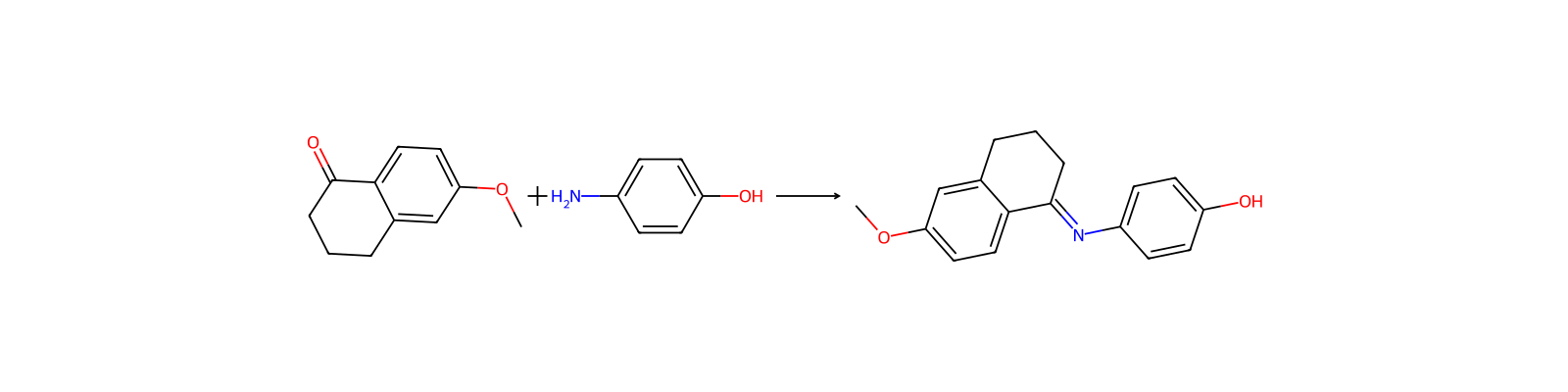
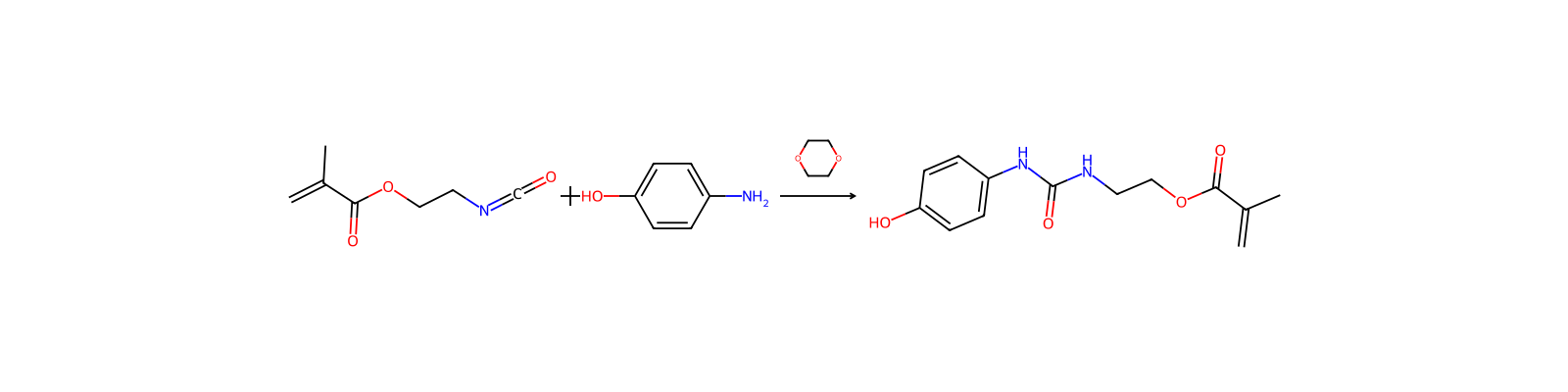
836 records


Linked notes
Loading…