

Basic information
- Standard SMILES
CCn1cc(C(=O)O)c(=O)c2cc(F)c(N3CCNCC3)cc21- InChIKey
OGJPXUAPXNRGGI-UHFFFAOYSA-N- Molecular formula
- C16H18FN3O3
- Average molar mass
- 319.33 g/mol
- Monoisotopic mass
- 319.13321966
Overview
Norfloxacin is a quinolinemonocarboxylic acid with broad-spectrum antibacterial activity against most gram-negative and gram-positive bacteria. Norfloxacin is bactericidal and its mode of action depends on blocking of bacterial DNA replication by binding itself to an enzyme called DNA gyrase. It has a role as a xenobiotic, an antibacterial drug, a DNA synthesis inhibitor and an environmental contaminant. It is a quinolone, a quinolinemonocarboxylic acid, a N-arylpiperazine, a quinolone antibiotic and a fluoroquinolone antibiotic.
Names & identifiers
- Preferred name
- Norfloxacin
- IUPAC
- 1-ethyl-6-fluoro-4-oxo-7-piperazin-1-ylquinoline-3-carboxylic acid
Names & synonyms
norfloxacin70458-96-7NoroxinNorfloxacineChibroxinBaccidalSebercimNorfloxacinoFulgramMK-366Norfloxacinum1-ethyl-6-fluoro-4-oxo-7-(piperazin-1-yl)-1,4-dihydroquinoline-3-carboxylic acid
Show more names
AM-715NFLX1-Ethyl-6-fluoro-1,4-dihydro-4-oxo-7-(1-piperazinyl)-3-quinolinecarboxylic acid3-Quinolinecarboxylic acid, 1-ethyl-6-fluoro-1,4-dihydro-4-oxo-7-(1-piperazinyl)-DTXSID7037680Utinor1-ethyl-6-fluoro-4-oxo-7-piperazin-1-ylquinoline-3-carboxylic acid1,4-Dihydro-1-ethyl-6-fluoro-4-oxo-7-(1-piperazinyl)-3-quinolinecarboxylic acid
Database identifiers
- CAS
70458-96-7- PubChem CID
- 4539
- DTXSID
DTXSID7037680- ChEMBL
CHEMBL9- ChEBI
CHEBI:100246- UNII
- N0F8P22L1P
- EC Number
- 274-614-4
- Nikkaji
- J1.144D
Properties
Computed structural properties
- XLogP
- -1
- Topological polar surface area
- 72.9 Ų
- Hydrogen bond donors
- 2
- Hydrogen bond acceptors
- 7
- Rotatable bonds
- 3
- Heavy atoms
- 23
- Formal charge
- 0
- Complexity
- 519
Experimental & physicochemical properties
Drugs
Pharmaceuticals -> Antibiotics (Quinolones)
Pharmaceuticals -> Anti infectives for systemic use -> Antibacterials for systemic use
Pharmaceuticals -> Antibiotics
Pharmaceuticals -> Listed in ZINC15
Pharmaceuticals -> Used in Switzerland
Pharmaceuticals
LogP
log Kow = 0.46
2.1
Color/FormWhite to light-yellow crystalline powder
Solubility
In water, 0.28 mg/mL at 25 °C. Solubility in water is pH dependent, increasing sharply at pH<5 or pH >10
Solubility at 25 °C (mg/mL): methanol 0.98; ethanol 1.9; acetone 5.1; chloroform 5.5; diethyl ether 0.01; benzene 0.15; ethyl acetate 0.94; octyl alcohol 5.1; glacial acetic acid 340
1.01e+00 g/L
Human Drugs
Breast Feeding; Lactation; Milk, Human; Anti-Infective Agents; Antibacterial Agents; Quinolones; Fluoroquinolones
FDA approved drugs -> Active ingredient
FDA approved drugs -> Active ingredient
Animal DrugsPharmaceuticals -> Animal Drugs -> Approved in Taiwan
DecompositionWhen heated to decompostion it emits toxic fumes of /hydrogen fluoride and nitrogen oxides/.
Melting Point
227-228 °C
220-221 °C
227 - 228 °C
Physical DescriptionSolid
Ionization Efficiency
Positive
3.02
2.7
Agilent XCT
Electrospray ionization
formic acid (5.3nM)
Dissociation Constants
6.23
8.51
8.8
6.54
6.05
9
Collision Cross Section
171 Ų [M+H]+ [CCS Type: TW]
170 Ų [M+H]+ [CCS Type: TW; Method: calibrated with polyalanine and drug standards]
186.9 Ų [M+H]+ [CCS Type: TW; Method: calibrated with Waters Major Mix]
166.49 Ų [M+H-H2O]+ [CCS Type: TW; Method: calibrated with polyalanine and drug standards]
187.6 Ų [M+H]+
Safety & regulation
GHS classification
GHS Classification
This chemical does not meet GHS hazard criteria for 4.5% (5 of 110) of reports.
Danger
H318 (31.8%): Causes serious eye damage [Danger Serious eye damage/eye irritation]
P203, P264+P265, P280, P305+P351+P338, P305+P354+P338, P317, P318, P337+P317, P405, and P501 (click each P-code to see the statement)
Aggregated GHS information provided per 110 reports by companies from 12 notifications to the ECHA C&L Inventory. Each notification may be associated with multiple companies.
Hazard information
Fire PotentialThis material is assumed to be combustible.
FDA Requirements
The Approved Drug Products with Therapeutic Equivalence Evaluations identifies currently marketed prescription drug products, including norfloxacin, approved on the basis of safety and effectiveness by FDA under sections 505 of the Federal Food, Drug, and Cosmetic Act.
Toxic Combustion ProductsEmits toxic fumes under fire conditions.
Hazard Classes and CategoriesEye Dam. 1 (31.8%)
Safety & protection
Fire Fighting ProceduresWater spray, dry chemical, carbon dioxide, or foam as appropriate for surrounding fire and materials.
Storage ConditionsStore in tight, light-resistant container as defined in the USP-NF. This material should be handled and stored per label instructions to ensure product integrity.
Cleanup Methods
Wear approved respiratory protection, chemically compatible gloves and protective clothing. Wipe up spillage or collect spillage using a high efficiency vacuum cleaner. Avoid breathing dust. Place spillage in appropriately labelled container for disposal. Wash spill site.
Disposal Methods
SRP: Expired or waste pharmaceuticals shall carefully take into consideration applicable DEA, EPA, and FDA regulations. It is not appropriate to dispose by flushing the pharmaceutical down the toilet or discarding to trash. If possible return the pharmaceutical to the manufacturer for proper disposal being careful to properly label and securely package the material. Alternatively, the waste pharmaceutical shall be labeled, securely packaged and transported by a state licensed medical waste contractor to dispose by burial in a licensed hazardous or toxic waste landfill or incinerator.
SRP: At the time of review, regulatory criteria for small quantity disposal are subject to significant revision, however, household quantities of waste pharmaceuticals may be managed as follows: Mix with wet cat litter or coffee grounds, double bag in plastic, discard in trash.
Preventive Measures
Engineering controls such as exhaust ventilation are recommended.
As with all dry powders it is advisable to ground mechanical equipment in contact with dry material to dissipate the potential buildup of static electricity.
As a general rule, when handling USP Reference Standards avoid all contact and inhalation of dust, mists, and/or vapors associated with the material. Wash thoroughly after handling.
SRP: Local exhaust ventilation should be applied wherever there is an incidence of point source emissions or dispersion of regulated contaminants in the work area. Ventilation control of the contaminant as close to its point of generation is both the most economical and safest method to minimize personnel exposure to airborne contaminants. Ensure that the local ventilation moves the contaminant away from the worker.
Personal Protective Equipment (PPE)
Respiratory Protection: Use a NIOSH-approved respirator, if it is determined to be necessary by an industrial hygiene survey involving air monitoring. In the event that a respirator is not required, an approved dust mask should be used. Gloves: Chemically compatible. Eye Protection: Safety glasses or goggles. Protective Clothing: Protect exposed skin.
Toxicology
Interactions
Concomitant use of some quinolones (e.g., ciprofloxacin, norfloxacin) in patients receiving theophylline has resulted in increased plasma theophylline concentrations and decreased clearance of the drug and may increase the risk of theophylline-related adverse effects. There have been conflicting reports concerning the effect of norfloxacin on the pharmacokinetics of theophylline and additional study and experience are necessary to evaluate the interaction; however, the risk of norfloxacin inducing substantial alterations in theophylline pharmacokinetics appears to be less than with some other quinolones (e.g., ciprofloxacin). Concomitant administration of norfloxacin and an extended-release theophylline preparation to a limited number of individuals produced only slight increases in serum theophylline concentrations compared with that of some other quinolone derivatives. In other studies, concomitant administration of norfloxacin in patients stabilized on theophylline resulted in at most an 18% increase in plasma theophylline concentrations and a decrease in theophylline clearance of 5-28%. Some clinicians suggest that the interaction between norfloxacin and theophylline may not be clinically important in most patients. However, there have been reports of theophylline-related adverse effects in patients receiving norfloxacin concomitantly. Therefore, some clinicians suggest that norfloxacin be used with caution in patients receiving theophylline. The manufacturer of norfloxacin states that consideration should be given to monitoring plasma theophylline concentrations and theophylline dosage should be adjusted as required. Some quinolones (e.g., ciprofloxacin) also have been reported to alter the pharmacokinetics of caffeine, and the possibility of exaggerated or prolonged effects of caffeine during concomitant use with a quinolone should be considered.
Concomitant administration of sucralfate may interfere with oral absorption of norfloxacin resulting in decreased serum and urine concentrations of the quinolone, and some clinicians state that concomitant use of ofloxacin with sucralfate is not recommended. If concomitant use of ofloxacin and sucralfate is necessary, the manufacturer and some clinicians recommend that norfloxacin doses should be taken at least 2 hours before or after sucralfate doses.
Concomitant administration of probenecid substantially decreases urinary excretion of norfloxacin, possibly by blocking renal tubular secretion of the anti-infective, but serum concentrations and half-life of norfloxacin generally are not affected.
In vitro, chloramphenicol, rifampin, or tetracycline can inhibit the bactericidal activity of norfloxacin. In an in vitro study, the combination of norfloxacin and chloramphenicol or tetracycline was antagonistic against all Salmonella isolates tested. In an in vitro study using strains of Ps. aeruginosa resistant to aminoglycosides and carbenicillin, the antibacterial activities of imipenem and norfloxacin were synergistic or partially synergistic against about one-third and indifferent against about two-thirds of strains tested; antagonism did not occur. In vitro studies using both gram-positive and gram-negative bacteria indicate that neither synergism nor antagonism occurs when norfloxacin is used in conjunction with a beta-lactam antibiotic (e.g., ampicillin, cefotaxime, cefoxitin).
For more Interactions (Complete) data for Norfloxacin (16 total), please visit the HSDB record page.
Hepatotoxicity
Norfloxacin like other fluoroquinolones is associated with a low rate (1% to 3%) of serum enzyme elevations during therapy. These abnormalities are generally mild, asymptomatic and transient, resolving even with continuation of therapy. Norfloxacin has also been linked to rare but occasionally severe and even fatal cases of acute liver injury. While the numbers of cases have been few, the clinical pattern has been consistent with short latency period of 1 day to 3 weeks and abrupt onset of hepatocellular injury. The pattern of serum enzyme elevations can be either hepatocellular or cholestatic, cases with the shorter times to onset usually being more hepatocellular with markedly elevated ALT levels, and occasionally with rapid worsening of prothrombin time and signs of hepatic failure. The onset of illness may occur a few days after the medication is stopped. Many (but not all) cases have had allergic manifestations with fever, rash and eosinophilia. Autoantibodies are usually not present. Cholestatic and mixed patterns of injury have also been described particularly with delayed recognition of the liver injury. These features are typical of all fluoroquinolone associated hepatotoxicity and the injury is believed to be class specific.
Ecotoxicity ValuesLC50; Species: Ctenopharyngodon idella (Grass Carp) fingerling; Conditions: freshwater, ; Concentration: 1000000 ug/L for 96 hr /formulation/
Environmental Fate
TERRESTRIAL FATE: Based on a classification scheme(1), Koc of 61,000 for analogous ciprofloxacin(2) indicates that norfloxacin is expected to be immobile in soil(SRC). Norfloxacin is an amphoteric compound with pKa values of 6.32 for the carboxylic acid group and 8.47 for the nitrogen on the piperazinyl ring(3); at pHs greater than 6.32, the acid will be primarily dissociated and at pHs less than 8.47, the nitrogen will be primarily protonated(SRC); therefore, norfloxacin will have an ionic charge at any environmental pH(SRC). Volatilization from moist soil is not expected because the compound exists as an ion and ions do not volatilize. Norfloxacin is not expected to volatilize from dry soil surfaces(SRC) based upon an estimated vapor pressure of 6.8X10⁻¹³ mm Hg at 25 °C(SRC), determined from a fragment constant method(4). Norfloxacin, present at 100 ug/L, was not biodegraded in 6 hours using wastewater treatment plant freshwater sewage inoculum in a batch test(5) suggesting that biodegradation is not an important environmental fate process in soil(SRC).
AQUATIC FATE: Based on a classification scheme(1), a Koc of 61,000 for analogous ciprofloxacin(2) indicates that norfloxacin is expected to adsorb to suspended solids and sediment(SRC). Norfloxacin is an amphoteric compound with pKa values of 6.32 for the carboxylic acid group and 8.47 for the nitrogen on the piperazinyl ring(3); at pHs greater than 6.32, the acid will be primarily dissociated and at pHs less than 8.47, the nitrogen will be primarily protonated(SRC); therefore, volatilization from water and moist soil surfaces is not expected to be an important fate process(SRC). According to a classification scheme(4), an estimated BCF of 3(SRC), from its log Kow of -1.03(5) and a regression-derived equation(6), suggests the potential for bioconcentration in aquatic organisms is low(SRC). Norfloxacin, present at 100 ug/L, was not biodegraded in 6 hours using wastewater treatment plant freshwater sewage inoculum in a batch test(7) suggesting that biodegradation is not an important environmental fate process in water(SRC).
ATMOSPHERIC FATE: According to a model of gas/particle partitioning of semivolatile organic compounds in the atmosphere(1), norfloxacin, which has an estimated vapor pressure of 6.8X10⁻¹³ mm Hg at 25 °C(SRC), determined from a fragment constant method(2), is expected to exist solely in the particulate phase in the ambient atmosphere. Particulate-phase norfloxacin may be removed from the air by wet or dry deposition(SRC). Norfloxacin ((14)C ring-labeled oxo group) photodegradation in aqueous solution proceeds first by degradation of the piperazine substitution and ultimately, over 18 days approximately 15% of the radioactivity was mineralized(4). Therefore, norfloxacin may be susceptible to direct photolysis by sunlight(SRC).
Ecotoxicity Excerpts
/AQUATIC SPECIES/ The growth-inhibiting and binary joint effects of 12 antibacterial agents on the freshwater green alga Pseudokirchneriella subcapitata (Korschikov) Hindak were investigated over 72-hr exposures. The toxicity values (the median inhibitory concentration value, in uM) in decreasing order of sensitivity were triclosan (0.0018) > triclocarban (0.054) > roxithromycin (0.056) > clarithromycin (0.062) > tylosin (0.20) > tetracycline (2.25) > chlortetracycline (3.49) > norfloxacin (5.64) > sulfamethoxazole (7.50) > ciprofloxacin (20.22) > sulfamethazine (31.26) > trimethoprim (137.78). Several of these antibacterial compounds would be toxic at the ug/L concentrations reported in surface waters and sewage effluents. Simple additive effects were observed in binary mixtures of sulfonamides, and most tylosin, triclosan, or triclocarban combinations. Potentially synergistic effects were observed in binary mixtures of the same class, such as macrolides, tetracyclines, and fluoroquinolones, as well as in some combined drugs, such as trimethoprim and sulfonamides or tylosin and tetracyclines. Potentially antagonistic effects were only observed between tylosin and triclocarban, triclosan and norfloxacin, and triclocarban and norfloxacin. Although present at low concentrations in the aquatic environment, mixtures of these antibacterial agents can potentially affect algal growth in freshwater systems due to their combined action.
Effluent Concentrations
Average norfloxacin concentrations of 0.25 and 0.33 ug/L have been reported for influent and effluent respectively, of wastewater treatment plants sampled in Wisconsin(1). Norfloxacin was detected in treated wastewater effluents from 8 treatment plants in 5 Canadian cities at a median concentration of 0.050 ug/L (maximum of 0.112 ug/L); sampling was conducted in 2002(2). Norfloxaxin was reported in sewage treatment plant effluents at concentrations of 0.05-0.08, 0.07, 0.06-0.07, 0.03, and 0.05-0.12 ug/L sampled in France, Greece, Italy, Sweden, and Germany and Switzerland, respectively(3).
Soil Adsorption/Mobility
A Koc of 61,000 was determined for analogous ciprofloxacin in batch sorption studies using a German soil(1). According to a classification scheme(2), this Koc value suggests that norfloxacin is expected to be immobile in soil. Norfloxacin is an amphoteric compound with pKa values of 6.32 for the carboxylic acid group and 8.47 for the nitrogen on the piperazinyl ring(3); at pHs greater than 6.32, the acid will be primarily dissociated and at pHs less than 8.47, the nitrogen will be primarily protonated(SRC); therefore, norfloxacin will have an ionic charge at any environmental pH(SRC). Norfloxacin, added at 20, 30, 40, 50, 60, and 80 g/kg exhibited Kd values of 5791, 6234, 5382, 4984, 3073, and 1942, respectively, using a Louisiana wastewater treatment wetland soil, Bayou Castine. These values correspond to 91.0, 91.5, 90.0, 89.4, 83.6, and 76.7% sorption, respectively(4).
Human Toxicity Excerpts
/SIGNS AND SYMPTOMS/ Eosinophilia has been reported in up to 1.8% and rash, fever, erythema, urticaria, and pruritus in up to 1% of patients receiving norfloxacin. Angioedema, toxic epidermal necrolysis, exfoliative dermatitis, vasculitis, erythema multiforme, and Stevens-Johnson syndrome also have been reported. Anaphylactoid reactions have occurred in patients receiving norfloxacin; the reaction reportedly consisted of swollen tongue, rash, dry mouth, extreme anxiety, and epiphora in one patient receiving the drug. The manufacturer recommends that norfloxacin be immediately discontinued at the first sign of rash, jaundice, or any other sign of hypersensitivity. In addition, serious and occasionally fatal hypersensitivity (anaphylactic) reactions have occurred, some with the initial dose, in patients receiving quinolone therapy, including norfloxacin. Some such reactions were accompanied by cardiovascular collapse, loss of consciousness, paresthesia, pharyngeal or facial edema, dyspnea, urticaria, and/or pruritus; there was a history of hypersensitivity in only a few of these cases. In addition, serious (sometimes fatal) adverse reactions of unknown etiology have been reported rarely in patients receiving norfloxacin; these reactions usually occur after multiple doses of the drug. Clinical manifestations of these reactions include one of more of the following: fever, rash or severe dermatologic reaction (e.g., toxic epidermal necrolysis, Stevens-Johnson syndrome), vasculitis, arthralgia, myalgia, serum sickness, allergic pneumonitis, interstitial nephritis, acute renal insufficiency or failure, hepatitis, jaundice, acute hepatic necrosis or failure, anemia (including hemolytic and aplastic anemia), thrombocytopenia (including thrombotic thrombocytopenic purpura), leukopenia, agranulocytosis, pancytopenia, and/or other hematologic abnormalities. If a severe hypersensitivity reaction occurs during norfloxacin therapy, the drug should be discontinued and the patient given appropriate therapy (e.g., epinephrine, corticosteroids, maintenance of an adequate airway, oxygen, maintenance of blood pressure) as indicated. Moderate to severe photosensitivity/phototoxicity reactions have been reported with fluoroquinolones, including norfloxacin. Phototoxicity may manifest as exaggerated sunburn reactions (e.g., burning, erythema, exudation, vesicles, blistering, edema) on areas exposed to sun or artificial ultraviolet (UV) light (usually the face, neck, extensor surfaces of forearms, dorsa of hands). The relative potential of the various fluoroquinolones to cause photosensitivity/phototoxicity is unclear. Factors that contribute to susceptibility to this adverse effect during fluoroquinolone therapy include patient's skin pigmentation, frequency and duration of exposure to sun and UV light, use of protective clothing and sunscreen, concomitant use of other drugs, and dosage and duration of fluoroquinolone therapy.
/CASE REPORTS/ A 40-year-old man presented with a severe skin reaction, which was diagnosed as toxic epidermal necrolysis. He had received norfloxacin 800 mg/day over a 14-day period for prostatitis and, 10 days after finishing the treatment regimen, he developed cutaneous and mucous lesions typical of toxic epidermal necrolysis. After a prolonged hospitalization and treatment with oral prednisolone therapy, fluid resuscitation, and wound dressing, the man recovered Toxic epidermal necrolysis is an infrequent, yet often fatal, severe systemic and cutaneous disease that is most often an adverse drug reaction. There are few case reports of toxic epidermal necrolysis induced by fluoroquinolones. ... An objective causality assessment suggests that toxic epidermal necrolysis was probably related to norfloxacin in this patient.
/CASE REPORTS/ A case of nephrotic syndrome following oral therapy with norfloxacin 400 mg twice daily in a 47-yr-old woman with a history of recurrent urinary tract infections (UTIs) is reported. About 24 h after the start of treatment, she developed edema of the eyelid. Eight days later, while still taking norfloxacin, she complained of edema of the limbs. Norfloxacin was stopped after 10 days. Abdominal urinary protein excretion was detected. At the time, no relation between norfloxacin treatment and renal abnormalities was suspected. A renal biopsy specimen showed minimum glomerular changes with slight mesangial hypercellularity. Prednisone was started on day 20 and 4 days later diuresis had increased to 1500 ml per day. Six days later, a UTI was diagnosed and norfloxacin was reintroduced. Within 24 h after reintroduction, the patient had oliguria and had gained 2 kg. The norfloxacin was discontinued. Prednisone 90 mg daily was maintained. Within 24 h after norfloxacin was stopped, diuresis had increased and the patient's edema had decreased. One wk later proteinuria was negative and the edema had regressed.
/SURVEILLANCE/ The aim of this retrospective study was to evaluate postmarketing adverse event reports submitted to the US FDA and case reports published in the scientific literature for a potential association between fluoroquinolone exposure and acute exacerbations of myasthenia gravis. On 1 March 2011, /the investigators/ searched the FDA Adverse Event Reporting System (AERS) database to retrieve all reports of myasthenia gravis exacerbation as a serious adverse event in patients treated with fluoroquinolones.... /The investigators/ identified a total of 37 unique cases describing myasthenia gravis exacerbation following fluoroquinolone systemic exposure. /The investigators/ retrieved AERS reports for 27 non-ventilated patients administered the following fluoroquinolones: levofloxacin (n=9), moxifloxacin (n=6), ciprofloxacin (n=6), ofloxacin (n=2), gatifloxacin (n=2), norfloxacin (n=1) and trovafloxacin (n=1). Additionally, /the investigators/ retrieved ten case reports published in the literature involving non-ventilated patients administered ciprofloxacin (n=4), levofloxacin (n=2) and ofloxacin, norfloxacin, pefloxacin and prulifloxacin (1 patient each). Myasthenia gravis exacerbations developed a median of 1 day following fluoroquinolone exposure. The 37 cases describe dyspnoea (n=19; 51%), myasthenic crisis requiring ventilatory support (n=11; 30%) and death (n=2; 5%). Additional exacerbation-related adverse events were generalized muscle weakness (n=20; 54%), dysphagia (n=9; 24%), diplopia (n=6; 16%) and ptosis (n=6; 16%). Six patients (16%) experienced a positive rechallenge, with recurrent myasthenia gravis exacerbation after fluoroquinolone reintroduction. Fluoroquinolone exposure may result in potentially life-threatening myasthenia gravis exacerbations in patients with underlying disease. Healthcare professionals should be aware of this serious drug-disease association and carefully weigh the benefit-risks of fluoroquinolones when treating infections in non-ventilated myasthenic patients.
/OTHER TOXICITY INFORMATION/ Arthralgia, arthritis, myalgia, joint swelling, and increased creatine kinase (CK, creatine phosphokinase, CPK) have occurred rarely in patients receiving norfloxacin. Quinolones, including norfloxacin, may exacerbate myasthenia gravis and lead to life-threatening weakness of the respiratory muscles. In immature dogs, a single oral dose of norfloxacin times the usual human dose caused lameness; histologic evaluation of the weight-bearing joints of these dogs revealed permanent lesions of the cartilage. Norfloxacin, like most other fluoroquinolones (e.g., ciprofloxacin, gatifloxacin, moxifloxacin, levofloxacin, ofloxacin) causes arthropathies (arthrosis) in immature animals of various species. Morphologic changes observed in animals with quinolone-induced arthropathies include erosions in joint cartilage accompanied by noninflammatory, cell-free effusion of the joint space; the cartilage is incapable of regeneration and may serve as a site for the development of arthropathy deformans. In addition, breakdown products of cartilage may irritate the synovia The relevance of these adverse effects in immature animals to use in humans is unknown.
Artificial Pollution SourcesNorfloxacin's production and use as an antibiotic(1) may result in its release to the environment through various waste streams(SRC).
Environmental Biodegradation
AEROBIC: Norfloxacin, present at 100 ug/L, was not biodegraded in 6 hours using Hong Kong wastewater treatment plant freshwater sewage inoculum (Stanley plant: freshwater sewage; hydraulic retention time 17 hrs; sewage retention time 7 days) in a batch test. Adsorption was the dominant process (adsorption elimination efficiency of 91.6%). Using a saltwater sewage inoculum (Shatin plant: saline sewage; hydraulic retention time 10 hrs; sewage retention time 12 hrs), ciprofloxacin, present at 100 ug/L, was 26.7% biodegraded following an initial adsorption-dominant period of 15 minutes (adsorption elimination efficiency of 60.5%)(1).
Using a mass flow analysis approach, norfloxacin, at an average concentration of 431 ng/L in raw sewage entering an urban wastewater treatment plant (Zurish-Werdhoelzli, Switzerland) was removed (tertiary effluent concentration of 51 ng/L) mainly due to sorption on sewage sludge. A sludge-wastewater partition coefficient (log Kd 4.2) was calculated in activated sludge reactors with a hydraulic residence time of about 8 hrs. Removal under methanogenic operations, biodegradation did not occur. Norfloxin was present on average at a concentration of 2.9 mg/kg in the anaerobically digested sludge which was applied to an experimental field in Reckenholz near Zurich. The compound proved persistent in soil (54% sand, 21% silt, 18% clay, 4% organic matter, pH 6.7; cation exchange capacity 28 mequiv/100 g) and exhibiting limited mobility(1).
Drug Induced Liver Injury
Drug Induced Liver Injury Rank (DILIrank 2.0)
Norfloxacin
vLess-DILI-concern
3
Warnings & precautions
DOI:10.1016/j.drudis.2016.02.015
Environmental Bioconcentration
An estimated BCF of 3 was calculated in fish for norfloxacin(SRC), using a log Kow of -1.03(1) and a regression-derived equation(2). According to a classification scheme(3), this BCF suggests the potential for bioconcentration in aquatic organisms is low(SRC).
Regulatory information
FDA Requirements
The Approved Drug Products with Therapeutic Equivalence Evaluations identifies currently marketed prescription drug products, including norfloxacin, approved on the basis of safety and effectiveness by FDA under sections 505 of the Federal Food, Drug, and Cosmetic Act.
Chemistry & industry
Pharmacology
ATC Code
J01MA06
S - Sensory organs
J - Antiinfectives for systemic use
QJ - Antiinfectives for systemic use
QS - Sensory organs
Protein Binding10 and 15% (Serum protein binding)
Pharmacodynamics
Norfloxacin is a quinolone/fluoroquinolone antibiotic. Norfloxacin is bactericidal and its mode of action depends on blocking of bacterial DNA replication by binding itself to an enzyme called DNA gyrase, which allows the untwisting required to replicate one DNA double helix into two. Notably the drug has 100 times higher affinity for bacterial DNA gyrase than for mammalian.
Mechanism of Action
The bactericidal action of Norfloxacin results from inhibition of the enzymes topoisomerase II (DNA gyrase) and topoisomerase IV, which are required for bacterial DNA replication, transcription, repair, and recombination. Norfloxacin is a broad-spectrum antibiotic agent that is shown to be effective against various Gram-positive and Gram-negative bacterial species. The fluorine atom at the 6 position increases potency against gram-negative organisms, and the piperazine moiety at the 7 position is responsible for anti-pseudomonal activity
Norfloxacin usually is bactericidal in action. Like other fluoroquinolone anti-infectives, norfloxacin inhibits DNA synthesis in susceptible organisms via inhibition of type II DNA topoisomerases (DNA gyrase, topoisomerase IV).
Fluoroquinolones prolong the QT interval by blocking voltage-gated potassium channels, especially the rapid component of the delayed rectifier potassium current I(Kr), expressed by HERG (the human ether-a-go-go-related gene). According to the available case reports and clinical studies, moxifloxacin carries the greatest risk of QT prolongation from all available quinolones in clinical practice and it should be used with caution in patients with predisposing factors for Torsades de pointes (TdP).
Biological Half-Life
3-4 hours
In patients with impaired renal function, serum concentrations of norfloxacin are higher and its half-life is prolonged. In adults with renal impairment, the half-life of norfloxacin averaged 4.4, 6.6, or 7.6 hours in adults with creatinine clearances of 30-80, 10-29, or less than 10 mL/minute per 1.73 sq m, respectively. Limited data suggest that half-life of the drug is not substantially affected by hepatic impairment.
The effective plasma or serum half-life of norfloxacin in adults with normal renal function is 2.3-4 hours. The effective half-life of the drug averages 4 hours in geriatric individuals 65-75 years of age with renal function normal for their age.
Metabolism/Metabolites
Via liver and kidney
Norfloxacin is eliminated by renal and nonrenal mechanisms. The drug is partially metabolized by modification of the piperazinyl group to 6 metabolites, designated M-1, M-2, M-3, M-4(1), M-4(2), and M-5.2 Although some of the metabolites are microbiologically active, they are less active than the parent drug. It has been suggested that norfloxacin undergoes first-pass metabolism in the liver, but further study is needed to fully elucidate the metabolic fate of the drug.
Pefloxacin, N-desmethyl is a known human metabolite of Pefloxacin.
FDA Pharmacological Classification
N0F8P22L1P
NORFLOXACIN
Established Pharmacologic Class [EPC] - Quinolone Antimicrobial
Chemical Structure [CS] - Quinolones
Norfloxacin is a Quinolone Antimicrobial.
MeSH Pharmacological Classification
Substances that inhibit the growth or reproduction of BACTERIA.
Compounds that inhibit the activity of DNA TOPOISOMERASE II. Included in this category are a variety of ANTINEOPLASTIC AGENTS which target the eukaryotic form of topoisomerase II and ANTIBACTERIAL AGENTS which target the prokaryotic form of topoisomerase II.
Drugs and compounds which inhibit or antagonize the biosynthesis or actions of CYTOCHROME P-450 CYP1A2.
Absorption, Distribution and Excretion
Rapid
Norfloxacin is eliminated through metabolism, biliary excretion, and renal excretion. It is expected to undergo both glomerular filtration and tubular secretion during renal excretion, as shown by its high renal clearance rate of approximately 275 mL/min.
Norfloxacin crosses the placenta and is distributed into cord blood and amniotic fluid. It is not known whether the drug is distributed into milk. Norfloxacin was not detected in the milk of lactating women following a single 200-mg oral dose of the drug, but the possibility of distribution into milk following higher doses remains to be determined. Some other quinolones (e.g., ciprofloxacin, levofloxacin ofloxacin) are distributed into milk.
In adults who received 400 mg of oral norfloxacin twice daily, prostatic tissue concentrations of the drug ranged from 0.24-4.65 ug/g in specimens obtained 1-4 hours after the second dose; concurrent serum concentrations ranged from 0.42-5.3 ug/mL. Norfloxacin is 10-15% bound to serum proteins.
Biliary concentrations of norfloxacin may be up to 10 times higher than concurrent serum concentrations. In cholecystectomy patients who received a single 400-mg oral dose of norfloxacin prior to surgery, concentrations of the drug ranged from 0.6-15.6 ug/mL in gallbladder bile, from 0.4-7.5 mcg/g in gallbladder tissue, and from 0.4-1.8 ug/mL in serum in specimens obtained approximately 3.5-6 hours after the dose.
There is limited information on the distribution of norfloxacin. Following oral administration in adults, norfloxacin is distributed into renal parenchyma, gallbladder, liver, prostatic tissue, testicles, seminal fluid, uterus, fallopian tubes, cervical and vaginal tissue, blister fluid, tonsils, maxillary sinus mucosa, sputum, and bile.
Tissue LocationsKidney
Cellular LocationsCytoplasm
Uses & manufacturing
Uses
MEDICATION
Use (kg) in Switzerland (2009): >1000
Methods of Manufacturing
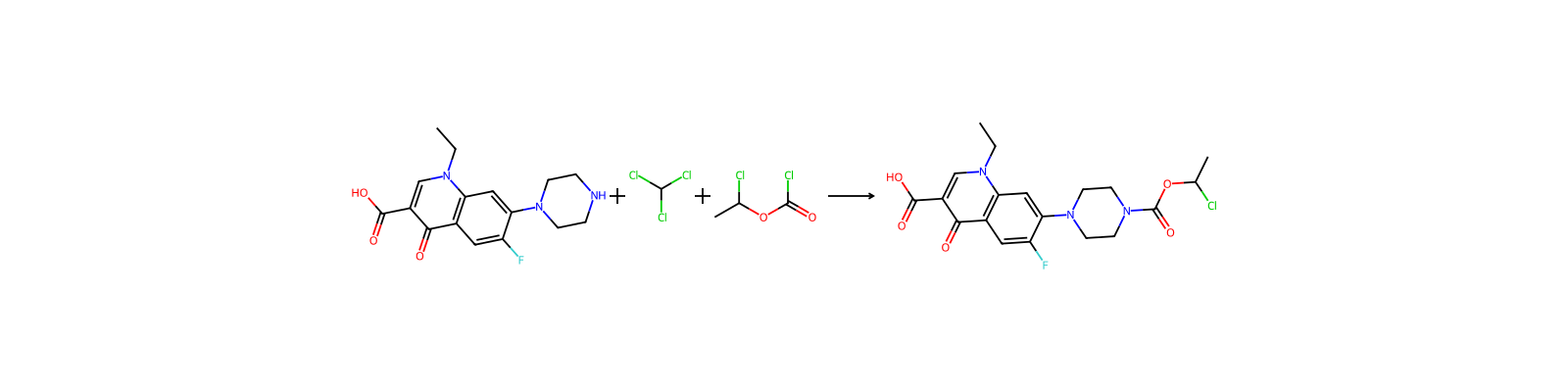
... Condensation of 1-ethyl-6-fluoro-7-chloro-1,4-dihydro-4-oxo-3-quinolinecarboxylic acid with piperazine at 170 °C in water in a pressure tube.
Preparation: T. Irikura, BE 863429; eidem, US 4146719 (1978, 1979 both to Kyorin); M. Pesson, DE 2840910; eidem, US 4292317 (1979, 1981 both to Roger Bellon/Dainippon)
Formulations/Preparations
Oral: Tablets, film-coated: 400 mg Noroxin ( Merck).
Chibroxin /Norfloxacin ophthalmic solution/
Use ClassificationPharmaceuticals -> Animal Drugs -> Approved in Taiwan
Related reactions
38 records





Linked notes
Loading…