

Basic information
- Standard SMILES
CC1COc2c(N3CCN(C)CC3)c(F)cc3c(=O)c(C(=O)O)cn1c23- InChIKey
GSDSWSVVBLHKDQ-UHFFFAOYSA-N- Molecular formula
- C18H20FN3O4
- Average molar mass
- 361.4 g/mol
- Monoisotopic mass
- 361.14378434
Overview
Ofloxacin is a racemate comprising equimolar amounts of levofloxacin and dextrofloxacin. It is a synthetic fluoroquinolone antibacterial agent which inhibits the supercoiling activity of bacterial DNA gyrase, halting DNA replication. It has a role as an antiinfective agent, an antibacterial drug, an EC 5.99.1.3 [DNA topoisomerase (ATP-hydrolysing)] inhibitor, a topoisomerase IV inhibitor and a DNA synthesis inhibitor. It is a racemate, a quinolone antibiotic and a fluoroquinolone antibiotic. It contains a dextrofloxacin and a levofloxacin.
Names & identifiers
- Preferred name
- Ofloxacin
- IUPAC
- 7-fluoro-2-methyl-6-(4-methylpiperazin-1-yl)-10-oxo-4-oxa-1-azatricyclo[7.3.1.05,13]trideca-5(13),6,8,11-tetraene-11-carboxylic acid
- English name
- OFLOXACIN
- Molecular formula
- C18H20FN3O4
- Molecular weight
- 361.37
Names & synonyms
ofloxacin82419-36-1FloxinOfloxacineTarividOcufloxOfloxacinoVisirenOfloxacinumDL-8280OfloxacinaExocin
Show more names
KFLOXACINAKOS NCG1-0050Mesylate ofloxacin
Hoe-280Floxin oticOfloxacin OticOFLXHOE 280FLOXIN IN DEXTROSE 5%DTXSID3041085DL 8280
Database identifiers
- CAS
82419-36-1、83380-47-6- PubChem CID
- 4583
- DTXSID
DTXSID3041085- ChEMBL
CHEMBL4- ChEBI
CHEBI:7731- UNII
- A4P49JAZ9H
- EC Number
- 617-457-2、680-263-1
- Nikkaji
- J242.858J
Properties
Computed structural properties
- XLogP
- -0.4
- Topological polar surface area
- 73.3 Ų
- Hydrogen bond donors
- 1
- Hydrogen bond acceptors
- 8
- Rotatable bonds
- 2
- Heavy atoms
- 26
- Formal charge
- 0
- Complexity
- 634
Experimental & physicochemical properties
Drugs
Pharmaceuticals -> Antibiotics
Pharmaceuticals -> Anti infectives for systemic use -> Antibacterials for systemic use
Pharmaceuticals -> Antibiotics (Quinolones)
LogP
log Kow = -0.39
2.1
-0.05
Color/Form
Off-white to pale yellow crystalline powder
Colorless needles from ethanol
Solubility
Soluble in aqueous solutions with pH between 2 and 5. Sparingly to slightly soluble in aqueous solutions with pH 7 (solubility falls to 4 mg/mL) and freely soluble in aqueous solutions with pH above 9.
1.44e+00 g/L
Human Drugs
Breast Feeding; Lactation; Milk, Human; Anti-Infective Agents; Antibacterial Agents; Quinolones; Fluoroquinolones
FDA approved drugs -> Active ingredient
FDA approved drugs -> Active ingredient
Antituberculosis medicines
Animal DrugsPharmaceuticals -> Animal Drugs -> Approved in Taiwan
DecompositionWhen heated to decomposition it emits toxic fumes of /hydrogen fluoride and nitrogen oxides/.
Melting Point
250-257 °C (decomposes)
250 - 257 °C
Physical DescriptionSolid
Ionization Efficiency
Positive
3.3
2.7
Agilent XCT
Electrospray ionization
formic acid (5.3nM)
Dissociation Constants
8.31
pKa1 = 5.97 (carboxylic acid); pKa2 = 9.28 (piperizinyl ring)
Collision Cross Section
187.89 Ų [M+H]+ [CCS Type: TW; Method: calibrated with polyalanine and drug standards]
188.5 Ų [M+H]+ [CCS Type: TW; Method: calibrated with polyalanine and drug standards]
200.1 Ų [M+Na]+ [CCS Type: TW; Method: calibrated with Waters Major Mix]
Physicochemical properties
- storage temp.
- 2 · 2-8°C
- Symbol(GHS)
- 8 · GHS08,GHS07
- Signal word
- Danger
- Hazard statements
- 332 · H332-H312-H341-H334-H317-H302
- Precautionary statements
- 261 · P261-P285-P304+P341-P342+P311-P501-P261-P272-P280-P302+P352-P333+P313-P321-P363-P501-P264-P270-P301+P312-P330-P501-P261-P271-P304+P340-P312-P201-P202-P281-P308+P313-P405-P501-P280-P302+P352-P312-P322-P363-P501
- Safety Statements
- 22 · 22-24/25
- WGK Germany
- 2 · 2
- RTECS
- 8815500 · UU8815500
Safety & regulation
GHS classification
GHS Classification
Danger
H302 (85.2%): Harmful if swallowed [Warning Acute toxicity, oral]
P203, P233, P260, P261, P264, P270, P271, P272, P280, P284, P301+P317, P302+P352, P304+P340, P317, P318, P321, P330, P333+P317, P342+P316, P362+P364, P403, P405, and P501 (click each P-code to see the statement)
Aggregated GHS information provided per 61 reports by companies from 2 notifications to the ECHA C&L Inventory. Each notification may be associated with multiple companies.
This chemical does not meet GHS hazard criteria for 23.1% (3 of 13) of reports.
Danger
Hazard information
Fire PotentialThis material is assumed to be combustible.
FDA Requirements
The Approved Drug Products with Therapeutic Equivalence Evaluations identifies currently marketed prescription drug products, including ofloxacin, approved on the basis of safety and effectiveness by FDA under sections 505 of the Federal Food, Drug, and Cosmetic Act.
Toxic Combustion ProductsEmits toxic fumes under fire conditions.
Hazard Classes and Categories
Acute Tox. 4 (85.2%)
Acute Tox. 4 (30.8%)
Safety & protection
Fire Fighting ProceduresWater spray, dry chemical, carbon dioxide, or foam as appropriate for surrounding fire and materials.
Storage Conditions
Ofloxacin ophthalmic solution and otic solution should be stored at 15-30 °C.
Store in tight, light-resistant container as defined in the USP-NF. This material should be handled and stored per label instructions to ensure product integrity.
Cleanup Methods
Wear approved respiratory protection, chemically compatible gloves and protective clothing. Wipe up spillage or collect spillage using a high efficiency vacuum cleaner. Avoid breathing dust. Place spillage in appropriately labelled container for disposal. Wash spill site.
Disposal Methods
SRP: Expired or waste pharmaceuticals shall carefully take into consideration applicable DEA, EPA, and FDA regulations. It is not appropriate to dispose by flushing the pharmaceutical down the toilet or discarding to trash. If possible return the pharmaceutical to the manufacturer for proper disposal being careful to properly label and securely package the material. Alternatively, the waste pharmaceutical shall be labeled, securely packaged and transported by a state licensed medical waste contractor to dispose by burial in a licensed hazardous or toxic waste landfill or incinerator.
SRP: At the time of review, regulatory criteria for small quantity disposal are subject to significant revision, however, household quantities of waste pharmaceuticals may be managed as follows: Mix with wet cat litter or coffee grounds, double bag in plastic, discard in trash.
Preventive Measures
Engineering controls such as exhaust ventilation are recommended.
As a general rule, when handling USP Reference Standards avoid all contact and inhalation of dust, mists, and/or vapors associated with the material. Wash thoroughly after handling.
SRP: Local exhaust ventilation should be applied wherever there is an incidence of point source emissions or dispersion of regulated contaminants in the work area. Ventilation control of the contaminant as close to its point of generation is both the most economical and safest method to minimize personnel exposure to airborne contaminants. Ensure that the local ventilation moves the contaminant away from the worker.
Personal Protective Equipment (PPE)
Respiratory Protection: Use a NIOSH-approved respirator, if it is determined to be necessary by an industrial hygiene survey involving air monitoring. In the event that a respirator is not required, an approved dust mask should be used. Gloves: Chemically compatible. Eye Protection: Safety glasses or goggles. Protective Clothing: Protect exposed skin.
Toxicology
TreatmentIn the event of an acute overdosage, the stomach should be emptied. The patient should be observed and appropriate hydration maintained. Levofloxacin is not efficiently removed by hemodialysis or peritoneal dialysis. (L1009)
Interactions
Concomitant administration of some fluoroquinolone anti-infectives (e.g., ciprofloxacin, norfloxacin, ofloxacin) in patients receiving theophylline has resulted in higher and prolonged serum theophylline concentrations and may increase the risk of theophylline-related adverse effects. The extent of this interaction varies considerably among the commercially available fluoroquinolones; the effect is less pronounced with norfloxacin or ofloxacin than with ciprofloxacin. While it has been suggested that the 4-oxo metabolites of these quinolones may inhibit metabolism of theophylline in the liver, and there is some evidence that the degree to which the various quinolones are metabolized to 4-oxo metabolites may correlate with the extent of alteration in theophylline pharmacokinetics when the drugs are administered concomitantly, the potential contribution, if any, of the 4-oxo metabolites to this interaction has not been fully elucidated. In addition, other evidence indicates that, while formation of these metabolites may correlate with inhibition of theophylline metabolism, the 4-oxo metabolites themselves are not responsible for the observed effect.
Studies using other fluoroquinolones (e.g., ciprofloxacin) indicate that concomitant administration of probenecid interferes with renal tubular secretion of the drugs. The effect of concomitant administration of probenecid and ofloxacin has not been studied to date.
Concomitant administration of a fluoroquinolone (i.e., ofloxacin) and fenbufen (a nonsteroidal anti-inflammatory agent (NSAIA)) reportedly resulted in an increased incidence of seizures. Concomitant use of a fluoroquinolone with an NSAIA could increase the risk of CNS stimulation (e.g., seizures). Animal studies using other fluoroquinolones suggest that the risk may vary depending on the specific NSAIA.
Oral multivitamin and mineral supplements containing divalent or trivalent cations such as iron or zinc may decrease oral absorption of ofloxacin resulting in decreased serum concentrations of the quinolone; therefore, these multivitamins and/or mineral supplements should not be ingested concomitantly with or within 2 hours of an ofloxacin dose. In a crossover study, concomitant administration of a single dose of oral ferrous sulfate complex and ofloxacin decreased the AUC of the anti-infective by 36%.
For more Interactions (Complete) data for Ofloxacin (19 total), please visit the HSDB record page.
Health Effects
Irreversible peripheral neuropathy, central nervous system toxicity, cardiovascular toxicity, tendon / articular toxicity, and hepatic toxicity. Toxic epidermal necrolysis, coagulation abnormalities and pancytopenia are other possible adverse effect of levofloxacin. Administration of commercial levofloxin (Levaquin), increased risk of tendinitis and tendon rupture in all ages. This adverse reaction most frequently involves the Achilles tendon (L1009, L1017).
Hepatotoxicity
Mild elevations in ALT and alkaline phosphatase levels occur in 1 to 2% of patients on ofloxacin. These abnormalities are generally mild, asymptomatic and transient, resolving even with continuation of therapy. Ofloxacin has also been linked to rare but occasionally severe and even fatal cases of acute liver injury. The time to onset is typically short (2 days to 2 weeks) and the presentation is often abrupt with nausea, fatigue, abdominal pain and jaundice. The pattern of serum enzyme elevations can be either hepatocellular or cholestatic, cases with the shorter times to onset usually being more hepatocellular with markedly elevated ALT levels, and occasionally with rapid worsening of prothrombin time and signs of hepatic failure. The onset of illness may occur a few days after the medication is stopped. Cases with a cholestatic pattern of enzymes may run a prolonged course but are usually self-limiting. Many (but not all) cases have had allergic manifestations with fever, rash and eosinophilia. Autoantibodies are usually not present. The hepatotoxicity of ofloxacin is similar to that of other fluoroquinolones and appears to represent a class effect.
Ecotoxicity Values
EC50; Species: Microcystis aeruginosa (Blue-Green Algae); Conditions: freshwater, static, 20 °C; Concentration: 21 ug/L for 5 days (95% confidence interval: 18-24 ug/L); Effect: population, decreased chlorophyll A concentration /99% purity formulation/
EC50; Species: Pseudokirchneriella subcapitata (Green Algae); Conditions: freshwater, static, 20 °C; Concentration: 12100 ug/L for 3 days (95% confidence interval: 10400-13700 ug/L); Effect: population, decreased chlorophyll A concentration /99% purity formulation/
EC50; Species: Lemna minor (Duckweed); Conditions: freshwater, renewal, 25 °C; Concentration: 126 ug/L for 7 days (95% confidence interval: 52-201 ug/L); Effect: population, decreased abundance (counted number of fronds) /99% purity formulation/
Environmental Fate
TERRESTRIAL FATE: Based on a classification scheme(1), a Koc value of 44,143(2) indicates that ofloxacin is expected to be immobile in soil(SRC). Ofloxacin is an amphoteric compound with pKa values of 5.97 for the carboxylic acid group and 8.28 for the nitrogen on the piperazinyl ring(3); at pHs greater than 5.97, the acid will be primarily dissociated and at pHs less than 8.28, the nitrogen will be primarily protonated(SRC); therefore, ofloxacin will have an ionic charge at any environmental pH. Volatilization from moist soil is not expected because the compound exists as an ion and ions do not volatilize. Ofloxacin is not expected to volatilize from dry soil surfaces(SRC) based upon an estimated vapor pressure of 9.8X10⁻¹³ mm Hg at 25 °C(SRC), determined from a fragment constant method(4). A 0% of theoretical BOD using activated sludge in the Closed Bottle test(5) suggests that biodegradation is not an important environmental fate process in soil(SRC).
AQUATIC FATE: Based on a classification scheme(1), an estimated Koc value of 44,143(2) indicates that ofloxacin is expected to adsorb to suspended solids and sediment(SRC). Ofloxacin is an amphoteric compound with pKa values of 5.97 for the carboxylic acid group and 8.28 for the nitrogen on the piperazinyl ring(3); at pHs greater than 5.97, the acid will be primarily dissociated and at pHs less than 8.28, the nitrogen will be primarily protonated(SRC); therefore, volatilization from water surfaces is not expected to be an important fate process. According to a classification scheme(4), an estimated BCF of 3(SRC), from its log Kow of -0.39(5) and a regression-derived equation(6), suggests the potential for bioconcentration in aquatic organisms is low(SRC). A 0% of theoretical BOD using activated sludge in the Closed Bottle test(7) suggests that biodegradation is not an important environmental fate process in water(SRC).
ATMOSPHERIC FATE: According to a model of gas/particle partitioning of semivolatile organic compounds in the atmosphere(1), ofloxacin, which has an estimated vapor pressure of 9.8X10⁻¹³ mm Hg at 25 °C(SRC), determined from a fragment constant method(2), is expected to exist solely in the particulate phase in the ambient atmosphere. Particulate-phase ofloxacin may be removed from the air by wet or dry deposition(SRC). The quantum yield for the direct photolysis of ofloxacin in bi-distilled water at pH 5 is 4.29X10⁻⁵ Mol/E(4), suggesting that ofloxacin may be susceptible to direct photolysis by sunlight(SRC).
Adverse Effects
Tendinopathy: The most characteristic adverse effect of ofloxacin treatment and other fluoroquinolone treatments is tendinopathy, typically presenting as pain or swelling along a tendon’s path. Such injury has been observed both during drug administration and several months after. In addition, there is a particularly high risk of tendon rupture in patients receiving corticosteroid therapy or engaging in strenuous physical activity with concurrent ofloxacin administration. This injury primarily affects the Achilles tendon and necessitates surgical repair.
Exposure RoutesIngestion; injection; skin contact (L1017).
Absorption of ofloxacin after single or multiple doses of 200 to 400 mg is predictable, and the amount of drug absorbed increases proportionately with the dose.
Toxicity Summary
Information on toxicity with ofloxacin is limited. One case report of accidental overdosage has been described in which an adult female received 3 grams of ofloxacin intravenously over 45 minutes. The patient developed dizziness, hot and cold flushes, drowsiness, nausea, slurring of speech, and mild to moderate disorientation during the infusion. Laboratory testing detected no clinically significant changes in routine parameters in this patient.
Levofloxacin inhibits bacterial type II topoisomerases, topoisomerase IV and DNA gyrase. Levofloxacin, like other fluoroquinolones, inhibits the A subunits of DNA gyrase, two subunits encoded by the gyrA gene. This results in strand breakage on a bacterial chromosome, supercoiling, and resealing; DNA replication and transcription is inhibited.
Ecotoxicity Excerpts
/AQUATIC SPECIES/ Toxicity tests were performed with seven fluoroquinolone antibiotics, ciprofloxacin, lomefloxacin, ofloxacin, levofloxacin, clinafloxacin, enrofloxacin, and flumequine, on five aquatic organisms. Overall toxicity values ranged from 7.9 to 23,000 ug/L. The cyanobacterium Microcystis aeruginosa was the most sensitive organism (5-day growth and reproduction, effective concentrations [EC50s] ranging from 7.9 to 1,960 ug/L and a median of 49 ug/L), followed by duckweed (Lemna minor, 7-day reproduction, EC50 values ranged from 53 to 2,470 ug/L with a median of 106 ug/L) and the green alga Pseudokirchneriella subcapitata (3-day growth and reproduction, EC50 values ranged from 1,100 to 22,700 ug/L with a median 7,400 ug/L). Results from tests with the crustacean Daphnia magna (48-hr survival) and fathead minnow (Pimephales promelas, 7-day early life stage survival and growth) showed limited toxicity with no-observed-effect concentrations at or near 10 mg/L. Fish dry weights obtained in the ciprofloxacin, levofloxacin, and ofloxacin treatments (10 mg/L) were significantly higher than in control fish. The hazard of adverse effects occurring to the tested organisms in the environment was quantified by using hazard quotients. An estimated environmental concentration of 1 ug/L was chosen based on measured environmental concentrations previously reported in surface water; at this level, only M. aeruginosa may be at risk in surface water. However, the selective toxicity of these compounds may have implications for aquatic community structure.
Signs and SymptomsSide effects include disorientation, dizziness, drowsiness, hot and cold flashes, nausea, slurring of speech, swelling and numbness in the face.
Effluent Concentrations
Ofloxacin was detected in treated wastewater effluents from 8 treatment plants in 5 Canadian cities at a median concentration of 0.094 ug/L (maximum of 0.506 ug/L); sampling was conducted in 2002(1). Ofloxacin was reported in sewage treatment plant effluents at concentrations of 0.33-0.51, 0.46, 0.29-0.58, 0.12, and 0.33-0.58 ug/L sampled in France, Greece, Italy, Sweden, and Germany and Switzerland, respectively(2). Ofloxacin was not detected at higher than the detection limit of 0.1 mg/kg in sewage water and sludge grab samples from a treatment plant in Umea, Sweden, sampled for three consecutive days in November and December, 2004(3). Ofloxacin was detected at a concentration of 55,000 ng/L in undiluted effluent from the Patancheru Enviro Tech Ltd. Treatment plant, Patancheru, India; limit of detection = 10 ng/L(4). Ofloxacin loads ranged from 83-614 mg/day/1000 inhabitants (influent) to 26-268 mg/day/1000 inhabitants (effluent) in a study 6 sewage treatment plants from different regions of Italy(5).
Regulatory information
FDA Requirements
The Approved Drug Products with Therapeutic Equivalence Evaluations identifies currently marketed prescription drug products, including ofloxacin, approved on the basis of safety and effectiveness by FDA under sections 505 of the Federal Food, Drug, and Cosmetic Act.
Safety data
- wgk
- 2
- rtecs
- UU8815500
- Signal word
- Danger
- Symbol(GHS)
- GHS08,GHS07
- safety_code
- 22-24/25
- Hazard statements
- H332-H312-H341-H334-H317-H302
- Precautionary statements
- P261-P285-P304+P341-P342+P311-P501-P261-P272-P280-P302+P352-P333+P313-P321-P363-P501-P264-P270-P301+P312-P330-P501-P261-P271-P304+P340-P312-P201-P202-P281-P308+P313-P405-P501-P280-P302+P352-P312-P322-P363-P501
Chemistry & industry
Pharmacology
ATC Code
J01MA01
J - Antiinfectives for systemic use
S - Sensory organs
S - Sensory organs
QS - Sensory organs
QJ - Antiinfectives for systemic use
Protein Binding32%
Pharmacodynamics
Ofloxacin is a quinolone/fluoroquinolone antibiotic. Ofloxacin is bactericidal and its mode of action depends on blocking of bacterial DNA replication by binding itself to an enzyme called DNA gyrase, which allows the untwisting required to replicate one DNA double helix into two. Notably the drug has 100 times higher affinity for bacterial DNA gyrase than for mammalian. Ofloxacin is a broad-spectrum antibiotic that is active against both Gram-positive and Gram-negative bacteria.
Mechanism of Action
Ofloxacin acts on DNA gyrase and toposiomerase IV, enzymes which, like human topoisomerase, prevents the excessive supercoiling of DNA during replication or transcription. By inhibiting their function, the drug thereby inhibits normal cell division.
Quinolone(s) (QNs) is widely used in infection therapy due to its good antimicrobial characteristics. However, QNs-induced arthropathy of immature animals has led to restrictions on the therapeutic use of these antimicrobial agents. The exact mechanism(s) of QNs-induced chondrotoxicity remain unknown. In the present study, .../the authors/ investigated the possible mechanism of ofloxacin (one typical QNs)-induced injuries of chondrocytes. Juvenile rabbit joint chondrocytes cultured in alginate microspheres were incubated with ofloxacin at concentrations of 0, 2, 5, 10, 20, and 40 microg/mL for up to 96 hr. Concentration of 10 microg/mL ofloxacin induced apoptosis of chondrocyte with visible apoptotic signs, including degradation of poly(ADP-ribose) polymerase, caspase-3 activation, and DNA ladder formation. Furthermore, extracellular signal-regulated kinase 1/2 (phospho-ERK1/2) and growth factor receptor-bound protein 2 (Grb2) were significantly reduced, and similar changes were also observed in the beta(1)-integrin receptor as assessed by immunoblotting. However, the mRNA level of beta(1)-integrin obtained from reverse transcription-polymerase chain reaction remained unchanged. Results of beta(1)-integrin immunoprecipitation have also shown that beta(1)-integrin did not interact with activated intracellular signaling proteins. In addition, ofloxacin did not induce apoptosis and decrease beta(1)-integrin expression in chondrocytes supplemented with Mg(2+), and the ofloxacin-induced apoptosis was caspase-8-dependent, inhibition of which did not affect the expression mode of phospho-ERK1/2 and beta(1)-integrin. Our results demonstrate that ofloxacin affects beta(1)-integrin receptor functions and the ERK mitogen-activated protein kinase signaling pathway, causing caspase-8-dependent apoptosis after exposure of 48 hr.
Quinolones are widely used in infection therapy due to their good antimicrobial characteristics. However, there potential joint chondrotoxicity on immature animals has stood in the way of the therapeutic application of these agents, the exact mechanism of which is still unclear. This study was undertaken to investigate the role of oxidative damage in ofloxacin (one typical quinolones)-induced arthropathy. Chondrocytes from juvenile rabbit joints were incubated with ofloxacin at concentrations of 0, 5, 10, 20, 40 and 80 ug/mL, respectively. The extent of oxidative damage was assessed by measuring the reactive oxygen species level, activities of antioxidant enzymes, and oxidative damage to some macromolecules. It was observed that ofloxacin induced a concentration-dependent increase in intracellular reactive oxygen species production, which may be an early mediator of ofloxacin cytotoxicity. Similarly, ofloxacin resulted in a significant lipid peroxidation, revealed by a concentration-dependent increase in the level of thiobarbituric acid reactive substances. At the same time, ofloxacin induced DNA damage in a concentration-dependent manner for 24 hr measured by comet assay, which may be a cause for overproduction of reactive oxygen species. Furthermore, antioxidant enzyme activities, such as glutathione peroxidase (GPx), catalase and superoxide dismutase (SOD), were rapidly decreased after treatment with ofloxacin. In addition, SOD decline and reactive oxygen species production were strongly inhibited, and the loss in cell viability was partly abated by additional glutathione (GSH), N-acetylcysteine (NAC) and dithiothreitol (DTT). In conclusion, these results clearly demonstrated that ofloxacin could induce oxidative stress, lipid peroxidation and DNA oxidative damage to chondrocytes.
Ofloxacin is a quinolone antimicrobial agent. The mechanism of action of ofloxacin and other fluoroquinolone antimicrobials involves inhibition of bacterial topoisomerase IV and DNA gyrase (both of which are type II topoisomerases), enzymes required for DNA replication, transcription, repair and recombination. Ofloxacin has in vitro activity against a wide range of gram-negative and gram-positive microorganisms. Ofloxacin is often bactericidal at concentrations equal to or slightly greater than inhibitory concentrations. Fluoroquinolones, including ofloxacin, differ in chemical structure and mode of action from aminoglycosides, macrolides and beta-lactam antibiotics, including penicillins. Fluoroquinolones may, therefore, be active against bacteria resistant to these antimicrobials. Resistance to ofloxacin due to spontaneous mutation in vitro is a rare occurrence (range: 10(-9) to 10(-11)). Although cross-resistance has been observed between ofloxacin and some other fluoroquinolones, some microorganisms resistant to other fluoroquinolones may be susceptible to ofloxacin.
Fluoroquinolones prolong the QT interval by blocking voltage-gated potassium channels, especially the rapid component of the delayed rectifier potassium current I(Kr), expressed by HERG (the human ether-a-go-go-related gene). According to the available case reports and clinical studies, moxifloxacin carries the greatest risk of QT prolongation from all available quinolones in clinical practice and it should be used with caution in patients with predisposing factors for Torsades de pointes (TdP).
Biological Half-Life
9 hours
In adults with creatinine clearances of 10-50 mL/minute, half-life of the drug averages 16.4 hours (range: 11-33.5 hours); in adults with creatinine clearances less than 10 mL/minute, half-life averages 21.7 hours (range: 16.9-28.4 hours). In patients with end-stage renal failure, half-life of the drug may range from 25-48 hours.
In healthy adults with normal renal function, the elimination half-life of ofloxacin in the distribution phase averages 0.5-0.6 hours and the elimination half-life in the terminal phase averages 4-8 hours.In healthy geriatric adults 64-86 years of age with renal function normal for their age, half-life of the drug averages 6.4-8.5 hours.
Following ocular instillation of 1 drop of ofloxacin 0.3% 4 times daily for 12 doses in healthy individuals, the elimination half-life of drug in tear film was approximately 226 minutes. In a study in rabbits, the terminal elimination half-life of ofloxacin in tear film following topical application to the eye was approximately 210 minutes. In adults with normal renal function, the serum elimination half-life of ofloxacin in the terminal phase averages 4-8 hours.
Metabolism/Metabolites
Hepatic
Less than 10% of a single dose of ofloxacin is metabolized; approximately 3-6% of the dose is metabolized to desmethyl ofloxacin and 1-5% is metabolized to ofloxacin N-oxide. Desmethyl ofloxacin is microbiologically active, but is less active against susceptible organisms than is ofloxacin; ofloxacin N-oxide has only minimal antibacterial activity.
Seven patients with end-stage renal disease on regular hemodialysis were treated orally with a loading dose of 200 mg ofloxacin and multiple maintenance doses of 100 mg per 24 hr for 10 days. The pharmacokinetics of ofloxacin and its metabolites were studied at the end of the treatment period. Plasma and dialysate concentrations of ofloxacin and ofloxacin metabolites were measured by HPLC. Peak (3.1 mg.L-1) and trough levels (1.6 mg.L-1) and the AUC of ofloxacin were comparable to the values in healthy volunteers given 300 to 400 mg ofloxacin p.o. The mean half-life, determined in the dialysis-free interval (t1/2 beta) and during the haemodialysis session (t1/2 HD), was 38.5 h and 9.9 h, respectively. Extrarenal clearance (32.7 mL.min-1) was unchanged as compared to that reported in healthy volunteers after a single dose of ofloxacin. The fractional removal by haemodialysis amounted to 21.5%. Two metabolites, ofloxacin-N-oxide and demethyl-ofloxacin, were detected in plasma. Despite prolonged t1/2 beta of both metabolites (66.1 and 50.9 hr) and multiple doses of ofloxacin the peak concentrations of the metabolites reached only 14% and 5% of that of the parent drug, respectively. It is concluded that in patients on regular hemodialysis treatment the dosage adjustment employed resulted in safe and therapeutically favourable plasma concentrations. The observed accumulation of ofloxacin metabolites does not appear to have any toxic or therapeutic significance.
Mainly excreted as unchanged drug (87%); undergoes limited metabolism in humans. Levofloxacin is rapidly and essentially completely absorbed after oral administration. It is distributed into body tissues, especially in the skin and lung tissues. Levofloxacin is stereochemically stable in plasma and urine and does not invert metabolically to its enantiomer, D-ofloxacin. Levofloxacin undergoes limited metabolism in humans and is primarily excreted as unchanged drug in the urine. Following oral administration, approximately 87% of an administered dose was recovered as unchanged drug in urine within 48 hours, whereas less than 4% of the dose was recovered in feces in 72 hours. Less than 5% of an administered dose was recovered in the urine as the desmethyl and N-oxide metabolites, the only metabolites identified in humans. These metabolites have little relevant pharmacological activity. Levofloxacin is excreted largely as unchanged drug in the urine (L1009). Route of Elimination: Mainly excreted as unchanged drug in the urine. Half Life: 6-8 hours
FDA Pharmacological Classification
A4P49JAZ9H
OFLOXACIN
Established Pharmacologic Class [EPC] - Quinolone Antimicrobial
Chemical Structure [CS] - Quinolones
Ofloxacin is a Quinolone Antimicrobial.
OFLOXACIN
MeSH Pharmacological Classification
Substances capable of killing agents causing urinary tract infections or of preventing them from spreading.
Substances that inhibit the growth or reproduction of BACTERIA.
Compounds that inhibit the activity of DNA TOPOISOMERASE II. Included in this category are a variety of ANTINEOPLASTIC AGENTS which target the eukaryotic form of topoisomerase II and ANTIBACTERIAL AGENTS which target the prokaryotic form of topoisomerase II.
Drugs and compounds which inhibit or antagonize the biosynthesis or actions of CYTOCHROME P-450 CYP1A2.
Absorption, Distribution and Excretion
Bioavailability of ofloxacin in the tablet formulation is approximately 98%
Ofloxacin is mainly eliminated by renal excretion, where between 65% and 80% of an administered oral dose of ofloxacin is excreted unchanged via urine within 48 hours of dosing. About 4-8% of an ofloxacin dose is excreted in the feces and the drug is minimally subject to biliary excretion.
Ofloxacin is distributed into bone, cartilage, bile, skin, sputum, bronchial secretions, pleural effusions, tonsils, saliva, gingival mucosa, nasal secretions, aqueous humor, tears, sweat, lung, blister fluid, pancreatic fluid, ascitic fluid, peritoneal fluid, gynecologic tissue, vaginal fluid, cervix, ovary, semen, prostatic fluid, and prostatic tissue. For most of these tissues and fluids, ofloxacin concentrations are approximately 0.5-1.7 times concurrent serum concentrations. Ofloxacin is concentrated within neutrophils, achieving concentrations in these cells that may be up to 8 times greater than extracellular concentrations.
Ofloxacin is widely distributed into body tissues and fluids following oral administration. In healthy adults, the apparent volume of distribution of ofloxacin averages 1-2.5 L/kg. Impaired renal function does not appear to affect the volume of distribution of ofloxacin; the apparent volume of distribution of the drug averages 1.1-2 L/kg in patients with impaired renal function, including those with severe renal failure undergoing hemodialysis.
Pharmacokinetic parameters in geriatric patients receiving ofloxacin generally are similar to those in younger adults. Although results of pharmacokinetic studies in geriatric individuals 65-81 years of age indicate that the rate of absorption, volume of distribution, and route of excretion in geriatric individuals are similar to those in younger adults, peak serum concentrations are slightly higher (9-21% higher) and half-life more prolonged in geriatric patients than in younger adults. There also is evidence that peak plasma concentration are higher in geriatric women than geriatric men (114% higher following single doses or 54% higher following multiple doses).
The oral bioavailability of ofloxacin is 85-100% in healthy, fasting adults, and peak serum concentrations of the drug generally are attained within 0.5-2 hours. In patients with normal renal and hepatic function, peak serum concentrations and AUCs increase in proportion to the dose over the oral dosage range of 100-600 mg and generally are unaffected by age. Following oral administration of a single 100-, 200-, 300-, or 400-mg dose of ofloxacin in healthy, fasting adults, peak serum concentrations average 1-1.3, 1.5-2.7, 2.4-4.6, or 2.9-5.6 ug/mL, respectively. Some accumulation occurs following multiple doses. Steady-state serum concentrations of ofloxacin are achieved after 4 doses of the drug and are approximately 40% higher than concentrations achieved following single oral doses.
Cellular LocationsCytoplasm
Uses & manufacturing
Uses
MEDICATION
Use (kg; approx.) in Germany (2009): >1000
For the treatment of bacterial conjunctivitis caused by susceptible strains of the following organisms: <i>Corynebacterium</i> species, <i>Staphylococus aureus</i>, <i>Staphylococcus epidermidis</i>, <i>Streptococcus pneumoniae</i>, <i>Streptococcus</i> (Groups C/F/G), Viridans group streptococci, <i>Acinetobacter lwoffii</i>, <i>Haemophilus influenzae</i>, <i>Serratia marcescens</i>. Levofloxacin is a synthetic chemotherapeutic agent used to treat severe and life threatening bacterial infection (L1009).
Methods of ManufacturingPreparation: I. Hayakawa et al., EP 47005; eidem, US 4382892 (1982, 1983 both to Daiichi)
Formulations/Preparations
Table: Ofloxacin Preparations [Table#7976]
Table: Ofloxacin Preparations [Table#7977]
Use ClassificationPharmaceuticals -> Animal Drugs -> Approved in Taiwan
General Manufacturing Information
The methyl group at the C-3 position in the oxazine ring results in the formation of isoenantiomers; ofloxacin occurs as a racemic mixture of the two isomers. The S-(-)isomer is 8-128 times as active against susceptible gram-positive and gram-negative organisms as the R-(+)isomer and approximately twice as active as racemic ofloxacin.
Upstream & downstream products
Upstream raw materials
Suppliers9 total
北京华美互利生物化工010-56205725 · [email protected]
Career Henan Chemica Co+86-0371-86658258 +86-13203830695 · [email protected]
Hangzhou Verychem Science And Technology Co.Ltd+86-86-57188162785 +8613606544505 · [email protected]
武汉易泰科技有限公司上海分公司18930552037 · [email protected]
孝感深远化工有限公司15527621225; 15527621225 · [email protected]
湖北鑫源顺医药化工有限公司13971561712, 13995564702, 027-50664929 · [email protected]
广州牌牌生物科技有限公司+86-13602409664 +86-17788709170 · [email protected]
Hefei TNJ Chemical Industry Co.,Ltd.+86-0551-65418684 +86-18949823763 · [email protected]
四川普西奥标物科技有限公司19150123681 · [email protected]
Additional notes
DefinitionChEBI: Ofloxacin is a racemate comprising equimolar amounts of levofloxacin and dextrofloxacin. It is a synthetic fluoroquinolone antibacterial agent which inhibits the supercoiling activity of bacterial DNA gyrase, halting DNA replication. It has a role as a DNA synthesis inhibitor, an antiinfective agent, an antibacterial drug, an EC 5.99.1.3 [DNA topoisomerase (ATP-hydrolysing)] inhibitor and a topoisomerase IV inhibitor. It is a quinolone antibiotic, a fluoroquinolone antibiotic and a racemate. It contains a levofloxacin and a dextrofloxacin.
Related reactions
8 records

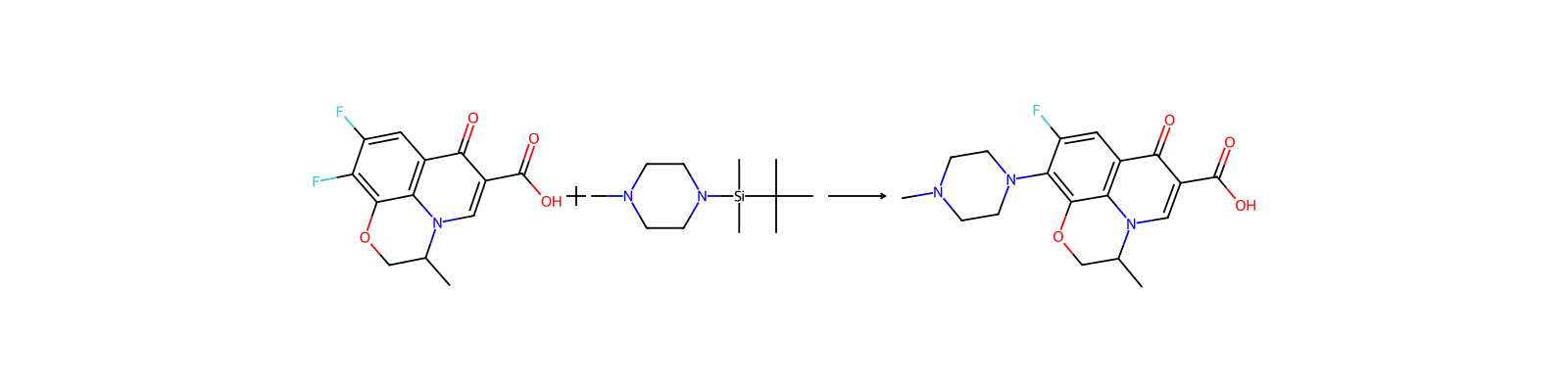


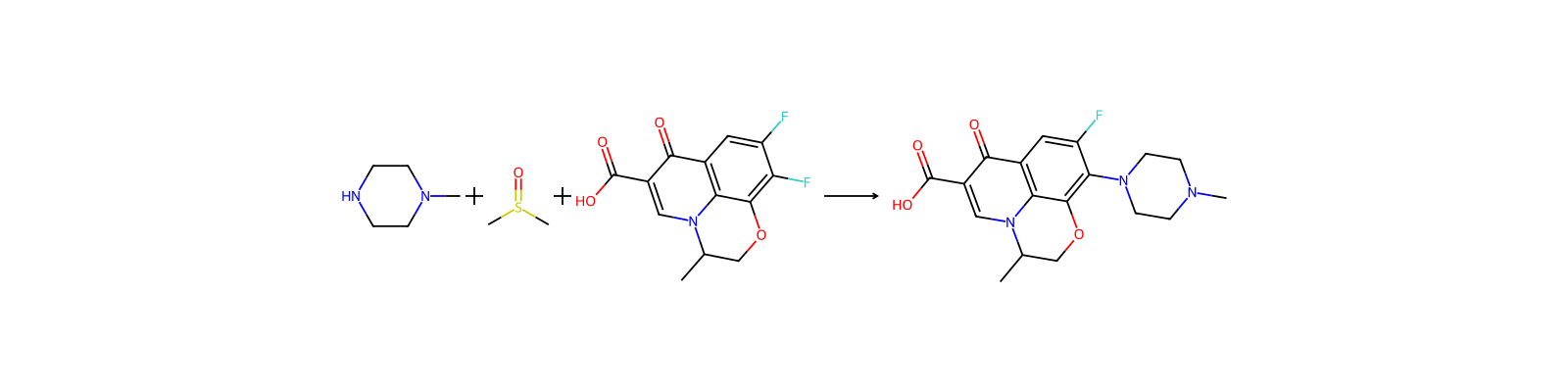

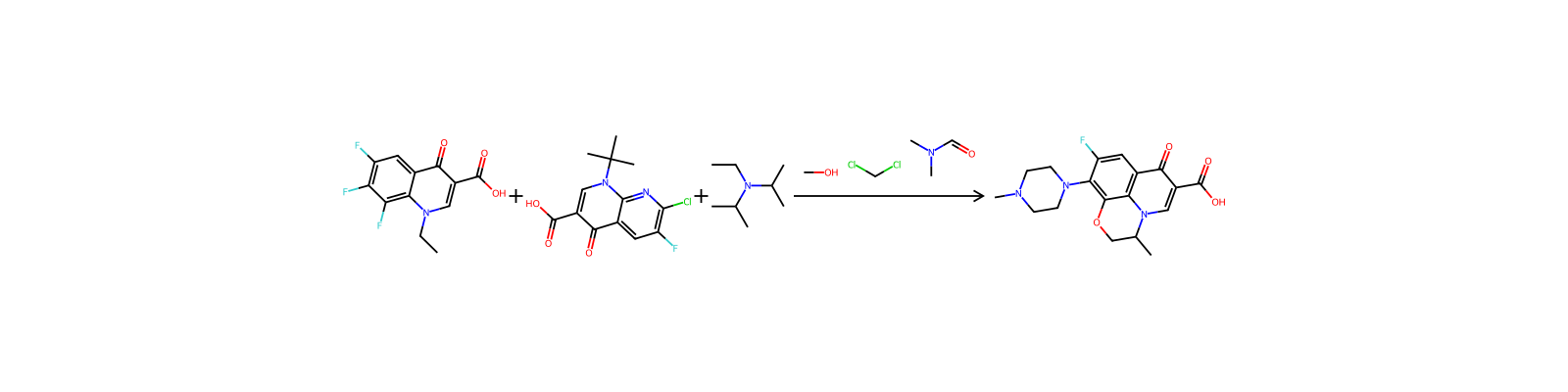
Linked notes
Loading…