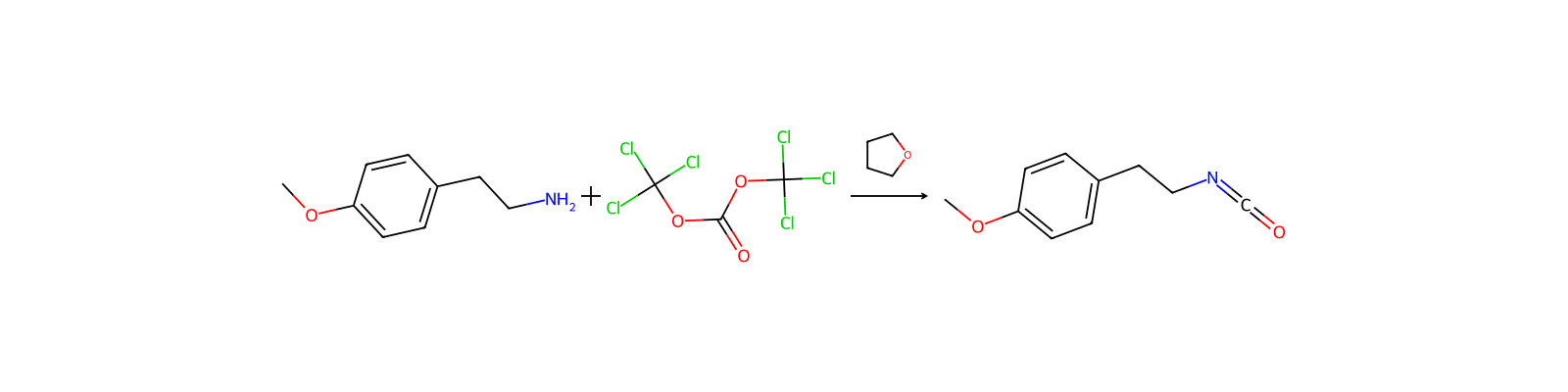
O-Methyltyramine

Basic information
- CAS
2045-79-6- Standard SMILES
COc1ccc(CCN)cc1- InChIKey
LTPVSOCPYWDIFU-UHFFFAOYSA-N- Molecular formula
- C9H13NO
- Average molar mass
- 151.21 g/mol
- Monoisotopic mass
- 151.09971404
Overview
4-methoxyphenylethylamine is a primary amino compound consisting of ethylamine having a 4-methoxyphenyl substituent at the 2-position. It derives from a hydride of a 2-phenylethylamine.
Names & identifiers
- Preferred name
- O-Methyltyramine
- IUPAC
- 2-(4-methoxyphenyl)ethanamine
- English name
- 4-Methoxyphenethylamine
- Molecular formula
- C9H13NO
- Molecular weight
- 151.21
Names & synonyms
4-Methoxyphenethylamine55-81-2Homoanisylaminep-Methoxyphenethylamine4-MethoxybenzeneethanamineO-Methyltyramine4-MethoxyphenylethylamineBenzeneethanamine, 4-methoxy-P-METHOXYPHENYLETHYLAMINE2-(4-Methoxyphenyl)Ethan-1-AmineTyramine, O-methyl-USAF EL-52
Show more names
2-(4-Methoxyphenyl)ethanamineMethyl Tyramine2-(4-METHOXYPHENYL)ETHYLAMINE4-MPEAusafel-52RARECHEM AL BW 0058
PHENETHYLAMINE, p-METHOXY-NSC 43687EINECS 200-245-5BRN 0508967DTXSID6058764NSC-436872-(4-methoxyphenyl)-ethylamineCHEBI:266039
Database identifiers
- CAS
2045-79-6、55-81-2- PubChem CID
- 4657
- DTXSID
DTXSID6058764- ChEMBL
CHEMBL101036- ChEBI
CHEBI:266039- UNII
- UCE8P23XWF
- EC Number
- 200-245-5、218-066-6
- Nikkaji
- J74.924I
Properties
Computed structural properties
- XLogP
- 1.6
- Topological polar surface area
- 35.3 Ų
- Hydrogen bond donors
- 1
- Hydrogen bond acceptors
- 2
- Rotatable bonds
- 3
- Heavy atoms
- 11
- Formal charge
- 0
- Complexity
- 97.7
Physicochemical properties
- Melting point
- 249 · 249-251°C
- Boiling point
- 138 · 138-140 °C20 mm Hg(lit.)
- Density
- 1.031 g/mL · 1.031 g/mL at 20 °C(lit.)
- refractive index
- 20 · n20/D 1.538(lit.)
- Flash point
- 230 °F · >230 °F
- storage temp.
- 2 · 2-8°C
- solubility
- Chloroform (Sparingly), Methanol (Slightly)
- pka
- 9.96 · 9.96±0.10(Predicted)
- form
- liquid
- color
- light yellow
- BRN
- 508967 · 508967
- InChI
- InChI=1S/C9H13NO/c1-11-9-4-2-8(3-5-9)6-7-10/h2-5H,6-7,10H2,1H3
- InChIKey
- LTPVSOCPYWDIFU-UHFFFAOYSA-N
- SMILES
- C1(CCN)=CC=C(OC)C=C1
- CAS DataBase Reference
- 55 · 55-81-2(CAS DataBase Reference)
- EWG's Food Scores
- 1 · 1
Safety & regulation
Safety information is for reference only and does not replace the supplier’s Safety Data Sheet (SDS), applicable regulations, or professional assessment.
GHS classification
GHS Classification
This chemical does not meet GHS hazard criteria for 0.9% (1 of 106) of reports.
Danger
H314 (99.1%): Causes severe skin burns and eye damage [Danger Skin corrosion/irritation]
P260, P264, P264+P265, P280, P301+P330+P331, P302+P361+P354, P304+P340, P305+P354+P338, P316, P317, P321, P363, P405, and P501 (click each P-code to see the statement)
Aggregated GHS information provided per 106 reports by companies from 4 notifications to the ECHA C&L Inventory. Each notification may be associated with multiple companies.
Danger
Hazard information
Regulatory Information
REACH registered substance: p-methoxyphenethylamine (EC: 200-245-5)
2-(4-Methoxyphenyl)-ethylamine: Does not have an individual approval but may be used under an appropriate group standard
Hazard Classes and Categories
Skin Corr. 1C (99.1%)
Skin Corr. 1B (100%)
Safety data
- F
- 10-23
- PPE
- Faceshields, Gloves, Goggles, type ABEK (EN14387) respirator filter
- wgk
- 3
- tsca
- TSCA listed
- rtecs
- SH7875000
- ridadr
- UN 2735 8/PG 3
- hs_code
- 29222900
- risk_code
- 34
- Signal word
- Danger
- Symbol(GHS)
- GHS05
Chemistry & industry
Uses & manufacturing
General Manufacturing InformationBenzeneethanamine, 4-methoxy-: ACTIVE
Applications
Uses4-Methoxyphenethylamine an inhibitor of the deamination of tyramine and tryptamine. It is intermediates of ritodrine. ritodrine is an adrenergic β2 receptor agonists used to prevent premature birth.
General Description4-Methoxyphenethylamine inhibits the monoamine oxidase-catalyzed deamination of both tyramine and tryptamine.
Upstream & downstream products
Upstream raw materials
Downstream products
Related reactions
149 records


Compound notes
Loading…