
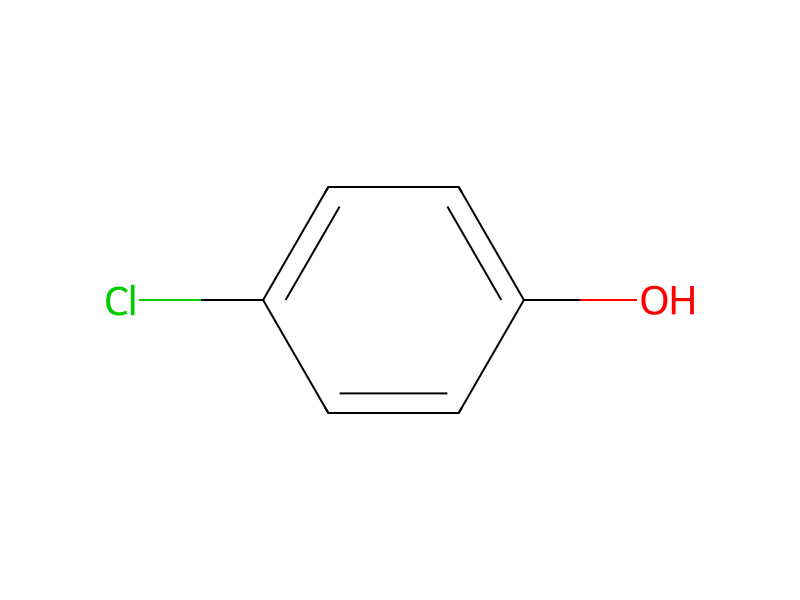
Basic information
- Standard SMILES
Oc1ccc(Cl)cc1- InChIKey
WXNZTHHGJRFXKQ-UHFFFAOYSA-N- Molecular formula
- C6H5ClO
- Average molar mass
- 128.55 g/mol
- Monoisotopic mass
- 128.00289246
Overview
P-chlorophenol appears as white crystals with a strong phenol odor. Slightly soluble to soluble in water, depending on the isomer, and denser than water. Noncombustible. Used as an intermediate in organic synthesis of dyes and drugs.
Names & identifiers
- Preferred name
- 4-Chlorophenol
- IUPAC
- 4-chlorophenol
- English name
- p-Chlorophenol
- Molecular formula
- C6H5ClO
- Molecular weight
- 128.5563
Names & synonyms
4-CHLOROPHENOL106-48-9p-ChlorophenolparachlorophenolPhenol, 4-chloro-4-HydroxychlorobenzenePhenol, p-chloro-4-ChlorphenolApplied 3-784-Monochlorophenolp-Chlorophenic acidp-Chlorfenol
Show more names
4-Chloro-1-hydroxybenzeneDTXSID1021871NSC-28773DLC36A01XDTXCID201871CHEBI:28078NSC2877para-monochlorophenol
Database identifiers
- CAS
106-48-9- PubChem CID
- 4684
- DTXSID
DTXSID1021871- ChEMBL
CHEMBL57053- ChEBI
CHEBI:28078- UNII
- 3DLC36A01X
- EC Number
- 203-402-6
- Nikkaji
- J3.611K
Properties
Computed structural properties
- XLogP
- 2.4
- Topological polar surface area
- 20.2 Ų
- Hydrogen bond donors
- 1
- Hydrogen bond acceptors
- 1
- Rotatable bonds
- 0
- Heavy atoms
- 8
- Formal charge
- 0
- Complexity
- 66.9
Experimental & physicochemical properties
Chemical Classes
Other Classes -> Chlorophenols
Corrosives
Drugs
Pharmaceuticals -> Listed in ZINC15
Pharmaceuticals
CosmeticsAntimicrobial
pH1% solution is acidic to litmus
SpringerMaterials Properties13C nuclear magnetic resonance spectrum
PesticidesEnvironmental transformation -> Pesticide transformation products (metabolite, successor)
LogP
log Kow = 2.39
2.39
2.43
Odor
Characeteristic phenolic odor
Unpleasant, penetrating odor
Chlorophenolic odor
Density
1.31 at 68 °F (USCG, 1999) - Denser than water; will sink
1.2238 at 78 °C/4 °C
Density/Specific gravity: 1.2651 at 40 °C/4 °C
1.3 g/cm³
Relative density of the vapour/air-mixture at 20 °C (air = 1): 1.00
1.224 @ 78°C
Viscosity5 cP at 50 °C
Color/Form
Needle like, white to straw-colored crystals
White crystals (yellow or pink when impure)
Yellow solid
Solubility
10 to 50 mg/mL at 59 °F (NTP, 1992)
2.71 PARTS SOL IN 100 PARTS WATER @ 20 °C
Very sol in alc, glycerin, ether, chloroform, fixed and volatile oils; sparingly sol in liquid petroleum
Very sol in ethanol, benzene, ethyl ether; soluble in alkali
Soluble in aqueous alkali, oxygenated and aromatic solvents
In water, 2.40X10+4 mg/L at 25 °C
Physicochemical properties
- Symbol(GHS)
- 5 · GHS05,GHS07,GHS09
- Signal word
- Danger
- Hazard statements
- 302 · H302+H312+H332-H314-H411
- Precautionary statements
- 260 · P260-P273-P280-P303+P361+P353-P304+P340+P310-P305+P351+P338
Safety & regulation
GHS classification
GHS Classification
Warning
H302: Harmful if swallowed [Warning Acute toxicity, oral]
P261, P264, P270, P271, P273, P280, P301+P317, P302+P352, P304+P340, P317, P321, P330, P362+P364, P391, and P501 (click each P-code to see the statement)
Danger
H290 (38.9%): May be corrosive to metals [Warning Corrosive to Metals]
P234, P260, P261, P264, P264+P265, P270, P271, P273, P280, P301+P316, P301+P317, P301+P330+P331, P302+P352, P302+P361+P354, P304+P340, P305+P354+P338, P316, P317, P321, P330, P362+P364, P363, P390, P391, P405, P406, and P501 (click each P-code to see the statement)
Hazard information
Regulatory Information
Chemical: Phenol, 4-chloro-
Status: Active Update: 04-03-2020 https://echa.europa.eu/registration-dossier/-/registered-dossier/30700
4-Chlorophenol: Does not have an individual approval but may be used under an appropriate group standard
The New Jersey Worker and Community Right to Know Act requires public and private employers to provide information about hazardous substances at their workplaces. (N.J.S.A. 34:5A-1 et. seq.)
DOT LabelPoison
Fire Hazards
Special Hazards of Combustion Products: Toxic and irritating hydrogen chloride and chlorine gases may form in fires. (USCG, 1999)
Combustible. Gives off irritating or toxic fumes (or gases) in a fire.
Fire PotentialCOMBUSTIBLE WHEN EXPOSED TO HEAT OR FLAME
Health Hazards
Inhalation causes headache, dizziness, weak pulse. Ingestion causes irritation of mouth and stomach; headache, dizziness, weak pulse. Contact with eyes causes severe irritation and burning. Contact with skin causes irritation and burn; if absorbed, causes same symptoms as inhalation. (USCG, 1999)
Hazards Summary
A strong skin, eye, and respiratory tract irritant; May cause CNS effects; [ICSC] Causes burns to eyes and skin; Adverse effects are similar to those of phenol; [HSDB] A corrosive substance that can cause injury to the skin, eyes, and respiratory tract; Inhalation may cause chemical pneumonitis; May be absorbed through skin; Effects in high-dose animal studies include convulsions; [MSDSonline] See Phenol. See CHLOROPHENOLS.
The major hazards encountered in the use and handling of 4-chlorophenol stem from its toxicologic properties. Toxic by all routes (ie, ingestion, inhalation, dermal absorption), exposure to this white to straw colored, crystalline substance may occur from its use as a synthetic intermediate for dyes and higher chlorinated phenols and as a denaturant for alcohol. Effects from exposure can include burns to the skin and eyes, weakness, headache, dizziness, shock, and death from cardiac or pulmonary failure. Contact with 4-chlorophenol should be protected against by wearing a self-contained breathing apparatus, chemical protective clothing specifically recommended by the shipper or producer, rubber gloves, and boots. No skin surface should be exposed. However, if contact does occur, immediately flush affected skin or eyes with running water for at least 15 minutes, and remove and isolate contaminated clothing. While 4-chlorophenol does not ignite easily, it can burn, producing irritating and poisonous gases. Also, containers may explode in the heat of a fire. For small fires involving 4-chlorophenol, extinguish with dry chemical, CO2, Halon, water spray, or standard foam. Runoff from fire control water may give off poisonous gases and should be controlled by diking, as necessary. 4-Chlorophenol may be shipped via air, rail, road, or water in containers bearing the label, "Keep away from food." Small spills of 4-chlorophenol may be taken up with sand or other noncombustible absorbent and placed into containers for later disposal. Prior to implementing land disposal of waste residue (including waste sludge), consult with environmental regulatory agencies for guidance.
Reactive GroupPhenols and Cresols
EC ClassificationSymbol: Xn, N; R: 20/21/22-51/53; S: (2)-28-61; Note: C
UN ClassificationUN Hazard Class: 6.1; UN Pack Group: III
Special Reports
USEPA; Ambient Water Quality Criteria Doc: Chlorinated Phenols (1980) EPA 440/5-80-032.
Nat'l Research Council Canada; Chlorinated Phenols (1982) NRCC No 18578
Environmental Protection Service; Chlorophenols and Their Impurities in the Canandian Environment Report EPS 3-EC-81-2 (1981).
U.S. Dept Health & Human Services/Agency for Toxic Substances & Disease Registry; Toxicological Profile for Chlorophenols PB/99/166639 (July 1999). Available from the Database Query page at: http://www.atsdr.cdc.gov/toxpro2.html# as of October 28, 2008
Reactivity ProfileP-CHLOROPHENOL is incompatible with acid chlorides, acid anhydrides and oxidizing agents. Also incompatible with iron (NTP, 1992). Liquefies and darkens in color at temperatures above 108 °F.
Atmospheric Standards
This action promulgates standards of performance for equipment leaks of Volatile Organic Compounds (VOC) in the Synthetic Organic Chemical Manufacturing Industry (SOCMI). The intended effect of these standards is to require all newly constructed, modified, and reconstructed SOCMI process units to use the best demonstrated system of continuous emission reduction for equipment leaks of VOC, considering costs, non air quality health and environmental impact and energy requirements. Chlorophenols is produced, as an intermediate or final product, by process units covered under this subpart. /Chlorophenols/
Safety & protection
Fire Fighting
Excerpt from ERG Guide 153 [Substances - Toxic and/or Corrosive (Combustible)]:
Use water spray, powder, foam, carbon dioxide.
First Aid Measures
Fresh air, rest. Refer for medical attention.
Remove contaminated clothes. Rinse and then wash skin with water and soap. Refer for medical attention .
First rinse with plenty of water for several minutes (remove contact lenses if easily possible), then refer for medical attention.
Rinse mouth. Do NOT induce vomiting. Refer for medical attention .
First Aid
EYES: First check the victim for contact lenses and remove if present. Flush victim's eyes with water or normal saline solution for 20 to 30 minutes while simultaneously calling a hospital or poison control center. Do not put any ointments, oils, or medication in the victim's eyes without specific instructions from a physician. IMMEDIATELY transport the victim after flushing eyes to a hospital even if no symptoms (such as redness or irritation) develop.
Safe StorageSeparated from strong oxidants and food and feedstuffs. Well closed.
Fire Fighting Procedures
WATER, SPRAY, MIST, FOG, FOAM, DRY CHEMICAL
Use dry chemical, carbon dioxide, or foam extinguishers. Vapors are heavier than air and well collect in low areas. ... Vapors in confined areas may explode when exposed to fire. Containers may explode in fire. Storage containers and parts of containers may rocket great distances, in many directions. ...From a secure, explosion-proof location, use water spray to cool exposed containers. If cooling streams are ineffective (venting sound increases in volume and pitch, tank discolors, or shows any signs of deforming), withdraw immediately to a secure position. /Monochlorophenols/
Use dry chemical foam, carbon dioxide, or water spray. Approach fire from upwind to avoid hazardous vapors and toxic decomposition products. Use water spray to keep fire-exposed containers cool.
Storage Conditions
Store in tightly closed containers in a cool, well ventilated area. Metal containers involving the transfer of this chemical should be grounded and bonded. Where possible, automatically pump liquid from drums or other storage containers to precess containers. Drums must be equipped with self-closing valves, pressure vacuum bungs, and flame arresters. Use only non-sparking tools and equipment, especially when opening and closing containers of this chemical. Sources of ignition such as smoking and open flames, are prohibited where this chemical is used, handled, or stored in a manner that could create a potential fire or explosion hazard. /Monochlorophenols/
Cleanup Methods
Phenolic cmpd in wastewater are oxidized with hydrogen peroxide catalyzed by iron(3+)-iron(2+). When the wt ratio of phenol:hydrogen peroxide is 1:3 and iron 5-100 ppm, more than 95% of the phenols are removed in 30 min from a 500 ppm phenol soln at pH 5-6 and 25-50 °C. /Phenolic cmpd/
Evacuate and restrict persons not wearing protective equipment from area of spill or leak until cleanup is complete. Remove all ignition sources. Ventilate area of spill or leak. Absorb liquids in vermiculite, dry sand, earth, peat, carbon, or a similar material and deposit in sealed containers. Collect powdered material in the most convenient and safe manner and deposit in sealed containers. It may be necessary to contain and dispose of this chemical as a hazardous waste. /Monochlorophenols/
Shovel into suitable dry container.
Nonfire Spill ResponseExcerpt from ERG Guide 153 [Substances - Toxic and/or Corrosive (Combustible)]:
Disposal Methods
SRP: The most favorable course of action is to use an alternative chemical product with less inherent propensity for occupational exposure or environmental contamination. Recycle any unused portion of the material for its approved use or return it to the manufacturer or supplier. Ultimate disposal of the chemical must consider: the material's impact on air quality; potential migration in soil or water; effects on animal, aquatic, and plant life; and conformance with environmental and public health regulations.
Chemical Treatability of p-Chlorophenol; Concentration Process: Biological Treatment; Chemical Classification: Phenols; Scale of Study: Unknown; Type of Wastewater Used: Pure Compound (one solute in a solvent); Results of Study: 96% reduction based on chemical oxygen demand, rate of biodegradation 11 mg/g hr; (Activated Sludge Process).
Chemical Treatability of p-Chlorophenol; Concentration Process: Biological Treatment; Chemical Classification: Phenols; Scale of Study: Laboratory Scale; Type of Wastewater Used: Pure Compound (one solute in a solvent); Results of Study: 100% reduction in 33 hours; (Biodegradation by mutant pseudomonas species).
This work presents the results of the application of an optimally controlled influent flow rate strategy to biodegrade, in a discontinuous reactor, high concentrations of 4-chlorophenol used as toxic compound model. The influent is fed into the reactor in such a way as to obtain the maximal degradation rate, thus avoiding the inhibition of the microorganisms. The optimal strategy was able to manage increments of toxic concentrations in the influent up to 7,000 mg 4CP/L without any problem. It was shown not only that higher concentrations of toxic could be treated, but also that a reduction in degradation time (around 52%) and in the supplied air volume was obtained.
For more Disposal Methods (Complete) data for 4-CHLOROPHENOL (10 total), please visit the HSDB record page.
Spillage Disposal
Personal protection: chemical protection suit and filter respirator for organic gases and vapours adapted to the airborne concentration of the substance. Do NOT let this chemical enter the environment. Sweep spilled substance into covered containers. Carefully collect remainder. Then store and dispose of according to local regulations.
Preventive Measures
SRP: The scientific literature for the use of contact lenses in industry is conflicting. The benefit or detrimental effects of wearing contact lenses depend not only upon the substance, but also on factors including the form of the substance, characteristics and duration of the exposure, the uses of other eye protection equipment, and the hygiene of the lenses. However, there may be individual substances whose irritating or corrosive properties are such that the wearing of contact lenses would be harmful to the eye. In those specific cases, contact lenses should not be worn. In any event, the usual eye protection equipment should be worn even when contact lenses are in place.
Wash contaminated areas of skin with concentrated soap solution without delay. Contaminated gloves, clothing, shoes should be immediately removed and disposed of in an incinerator.
SRP: Contaminated protective clothing should be segregated in such a manner so that there is no direct personal contact by personnel who handle, dispose, or clean the clothing. Quality assurance to ascertain the completeness of the cleaning procedures should be implemented before the decontaminated protective clothing is returned for reuse by the workers.
SRP: Contaminated protective clothing should be segregated in such a manner so that there is no direct personal contact by personnel who handle, dispose, or clean the clothing. Quality assurance to ascertain the completeness of the cleaning procedures should be implemented before the decontaminated protective clothing is returned for reuse by the workers. Contaminated clothing should not be taken home at end of shift, but should remain at employee's place of work for cleaning.
Isolation and EvacuationExcerpt from ERG Guide 153 [Substances - Toxic and/or Corrosive (Combustible)]:
Toxicology
Treatment
Avoid dilution following oral exposure; instead, administer charcoal as a slurry. Following inhalation, move patient to fresh air. Monitor for respiratory distress. If cough or difficulty breathing develops, evaluate for respiratory tract irritation, bronchitis, or pneumonitis. Administer oxygen and assist ventilation as required. Treat bronchospasm with inhaled beta2 agonist and oral or parenteral corticosteroids. If the exposure occurs through eye contact, irrigate exposed eyes with copious amounts of room temperature water for at least 15 minutes. Following dermal exposure, remove phenol with undiluted polyethylene glycol 300 to 400 or isopropyl alcohol prior to washing, if readily available. Wash exposed areas twice or for at least 10 minutes with large quantities of soapy water. Water alone may be harmful. (T36)
Interactions
Male mice were administered 4-Chlorophenol (4-CP), 1.5 mmol/kg body weight, ip, and were killed at 10, 20, 30 and 50 min after drug injection. Either i.p. or oral 4-CP administration significantly lowered total liver thiol levels by 20-30% after 30 min and 3 hr respectively. This time-dependent effect of 4-CP after ip treatment was enhanced when mice were pretreated with hepatic microsomal enzyme inducers (phenobarbital, 40 mg/kg body weight, b.i.d., 7 days; and beta-naphthoflavone, 80 mg/kg body weight once daily, 4 days). Further, the microsomal cytochrome P-450 inhibitor, SKF 525-A, 75 mg/kg body weight injected i.p. to mice 30 min prior to 4-CP administration, blocked the reduction of liver thiol content produced by 4-CP. The results suggest that a chemically reactive intermediate of 4-CP may be formed in liver which is responsible for the observed decrease in liver thiol content. Other investigations were done to characterize the in vitro irreversible binding of [14C]4-CP. [14C]4-CP was bound irreversibly to mouse liver microsomal proteins in a concentration-dependent manner. Binding was NADPH dependent and gave a maximal binding of 12.0 nmol/mg protein/20 min and an apparent binding constant of 0.222 mM. [14C]-Binding of 4-CP was increased by 155 and 127% in liver microsomes of phenobarbital- and beta-naphthoflavone. SKF 525-A, and CO:O2 (4:1, v/v)] and selected nucleophilic compounds (glutathione, L-cysteine or L-lysine) significantly reduced [14C]4-CP binding to mouse liver microsomes. An epoxide hydrolase inhibitor, cyclohexene oxide, did not alter the extent of irreversible binding, whereas scavengers of superoxide anions or agents that are reported to reduce accumulation of active semiquinone and quinone species (L-ascorbic acid, superoxide dismutase or epinephrine) decreased the binding of [14C]4-CP to mouse liver microsomal proteins by 56, 31 and 92% respectively...
Health Effects
4-chlorophenol is corrosive to epithelial tissue. It produce effects ranging from slight hyperemia to severe corrosion when applied to the corneas. Acute inhalation exposure may lead to hemorrhage in the lungs and tachypnea. Oral exposure to 2-chlorophenol can produce a variety of neurological effects, including tremors, myoclonic convulsions, a hunched posture, dyspnea, collapse, and coma (L159).
Ecotoxicity Values
EC50; Species: Chlorella vulgaris (Green algae, exponential growth phase, 50000 cells/mL); Conditions: freshwater, static, 21 °C; Concentration: 29000 ug/L for 96 hr; Effect: growth, general /formulated product/
EC50; Species: Pseudokirchneriella subcapitata (Green algae, exponential growth phase, 50000 cells/mL); Conditions: freshwater, static, 21 °C; Concentration: 38000 ug/L for 96 hr; Effect: growth, general /formulated product/
EC50; Species: Pseudokirchneriella subcapitata (Green algae, exponential growth phase); Conditions: saltwater, static; Concentration: 400 uM for 72 hr (95% confidence interval: 340-510 uM); Effect: decreased population growth rate /formulated product/
EC50; Species: Lemna gibba (Inflated duckweed, age 3 frond); Conditions: freshwater, static, 27.5 °C; Concentration: 183 uM for 7 days; Effect: decreased vegetative frond reproduction /formulated product/
For more Ecotoxicity Values (Complete) data for 4-CHLOROPHENOL (47 total), please visit the HSDB record page.
Environmental Fate
TERRESTRIAL FATE: Based on a classification scheme(1), an experimental Koc value range of 70 to 485.6(2-4), indicates that 4-chlorophenol is expected to have high to moderate mobility in soil(SRC). The pKa of 4-chlorophenol is 9.41(5), indicating that this compound will partially exist in the anion form in the environment and anions generally do not adsorb more strongly to soils containing organic carbon and clay than their neutral counterparts(6). Volatilization of 4-chlorophenol from moist soil surfaces is not expected to be an important fate process(SRC) given an estimated Henry's Law constant of 6.3X10⁻⁷ atm-cu m/mole for the neutral species(SRC) derived from its vapor pressure, 8.90X10⁻² mm Hg(7), and water solubility, 2.40X10+4 mg/L(8). 4-Chlorophenol is not expected to volatilize from dry soil surfaces(SRC) based upon a vapor pressure of 8.2X10⁻² mm Hg(7). 4-Chlorophenol reached 2% of its theoretical BOD using activated sludge in the Japanese MITI test(9) while complete degradation was reported within 3 days in acclimated sludges(10,11). 4-Chlorophenol degraded in clay and silt loams soils from 84-100% in 3-16 days(12-14) and 22.2% and 35% in 1 and 10 weeks, respectively, in para-brown soil(15). These data suggest that biodegradation of 4-chlorophenol in soils is variable depending on conditions(SRC).
AQUATIC FATE: Based on a classification scheme(1), an experimental Koc value range of 70 to 485.6(2-4), indicates that 4-chlorophenol may exhibit low to moderate absorption to suspended solids and sediment(SRC). Volatilization from water surfaces is not expected(5) based upon an estimated Henry's Law constant of 6.3X10⁻⁷ atm-cu m/mole for the neutral species(SRC) derived from its vapor pressure, 8.90X10⁻² mm Hg(6), and water solubility, 2.40X10+4 mg/L(7). According to a classification scheme(8), a BCF range of 6.0-18(6,9, 10) suggests the potential for bioconcentration in aquatic organisms is low(SRC). 4-Chlorophenol undergoes flash-induced aquatic photolysis in both aerated and non-aerated solns(11) and photolytic oxidation by UV/ozone(12). Biodegradation of 4-chlorophenol in water varies depending on the conditions. Complete removals have been reported in water after 13 days for acclimated water(13) and 30 days in farm stream sediment(14), 44% degradation after 5 days(15) and 33% after 25 days in non-acclimated water(13). These data suggest that biodegradation will vary depending on the conditions(SRC). Since the pKa of 4-chlorophenol is 9.41(16), it will exist in water and sediment in a partially dissociated state which may effect its transport and reactivity in water and sediment(SRC). The suggested half-life of 4-chlorophenol in water is 55 hours(6), although it is not expected to undergo hydrolysis in the environment due to the lack of functional groups that hydrolyze under environmental conditions(17).
ATMOSPHERIC FATE: According to a model of gas/particle partitioning of semivolatile organic compounds in the atmosphere(1), 4-chlorophenol, which has a vapor pressure of 8.90X10⁻² mm Hg at 25 °C(2), is expected to exist solely as a vapor in the ambient atmosphere. Vapor-phase 4-chlorophenol is degraded in the atmosphere by reaction with photochemically-produced hydroxyl radicals(SRC); the half-life for this reaction in air is estimated to be 3.3 days(SRC), calculated from its rate constant of 9.9X10⁻¹² cu cm/molecule-sec at 25 °C(SRC) that was derived using a structure estimation method(3). The quantum yield for the disappearance of 4-chlorophenol was 0.25 when it was irradiated at 296 nm in aqueous solution at pH 1-13; products of photolysis included hydroquinone(4).
Adverse EffectsNeurotoxin - Other CNS neurotoxin
Exposure Routes
The substance can be absorbed into the body by inhalation of its aerosol, through the skin and by ingestion.
Inhalation (L159) ; oral (L159) ; dermal (L159)
Toxicity Summary
4-chlorophenol works as a weak uncoupler of oxidative phosphorylation and inhibitors of cellular respiration. The ability of chlorophenols to uncouple oxidative phosphorylation increases with increasing chlorination. In fact, studies indicate a concentration-dependent triphasic effect of chlorophenols on phosphorylation and cellular respiration. At low concentrations, uncoupling produces stimulation of the resting state respiration as a result of increased adenosine triphosphatase (ATPase) activity in the absence of a phosphate acceptor.Inhibition of active respiration is also observed. At moderate concentrations, resting respiration is neither stimulated nor inhibited. Significant inhibition of respiration, associated with a breakdown of the electron transport process and decreased ATPase activity, occurs at very high concentrations. Uncoupling activity has been attributed to a protonophoric effect (a disruption of the energy gradient across the mitochondrial membrane resulting from distribution of chlorophenols in the phospholipid bilayer of the membrane), whereas inhibition of cellular respiration has been attributed to a direct action on intracellular proteins (L159).
Ecotoxicity Excerpts
/AQUATIC SPECIES/ ...The response of enclosed marine plankton to chlorophenol additions /was monitored/, and /it was/ determined that exposure to chlorophenols affected algal biomass, composition, and activity. In the first of 3 studies, 1 mg 4-MCP or 2,4-DCP/L prevented the increase in algal biomass (as chlorophyll) that occurred in control enclosures. Large flagellates made up a greater proportion of the algal community in 1 mg/L-treated enclosures compared with controls, perhaps because grazing was reduced. Primary productivity generally parallelled the dynamics of algal biomass, as it was reduced by exposure to 1 mg 4-MCP/L; however, the addition of 1 mg 2,4-DCP/litre did not affect photosynthetic radiolabelled dissolved inorganic carbon (DIC) uptake. Results were generally similar during the 2 subsequent manipulations, though the magnitude and timing of the effects varied.
/AQUATIC SPECIES/ Marine zooplankton were strongly affected by chlorophenol additions during field studies in 1500-L plastic enclosures. While the zooplankton communities in the control enclosures and those treated with 0.1 mg 4-MCP/L or 0.1 mg 2,4-DCP/L displayed similar dynamics, total biomass and production in enclosures treated with 1 mg 4-MCP/L and 1 mg 2,4-DCP/L were reduced relative to controls throughout the first three-quarters of the study. All life-history stages of several copepod species were similarly affected. Results in subsequent studies were generally similar, though the magnitude of the impact varied.
/AQUATIC SPECIES/ Toxicity and metabolism of para-chlorophenol (p-CP) in the marine microalga Tetraselmis marina have been studied. The inhibition constant EC(50) for p-CP was 272+/-17 uM (34.8+/-2.2 mg/L) under the experimental conditions. Two metabolites were detected in the growth medium in the presence of p-CP by reverse phase HPLC and their concentrations increased at the expense of p-CP. The two metabolites, which were found to be more polar than p-CP, were isolated by a C18 column. They were identified as p-chlorophenyl-beta-D-glucopyranoside (p-CPG) and p-chlorophenyl-beta-D-(6-O-malonyl)-glucopyranoside (p-CPGM) by electrospray ionization-mass spectrometric analysis in a negative ion mode. The molecular structures of p-CPG and p-CPGM were further confirmed by enzymatic and alkaline hydrolyses. Treatment with beta-glucosidase released free p-CP and glucose from p-CPG, whereas p-CPGM was completely resistant. Alkaline hydrolysis completely cleaved the esteric bond of the malonylated glucoconjugate and yielded p-CPG and malonic acid. It was concluded that the pathway of p-CP metabolism in T. marina involves an initial conjugation of p-CP to glucose to form p-chlorophenyl-beta-d-glucopyranoside, followed by acylation of the glucoconjugate to form p-chlorophenyl-beta-D-(6-O-malonyl)-glucopyranoside. The metabolism of p-CP in T. marina was mainly driven by photosynthesis, and to a lesser extent by anabolic metabolism in the dark. Accordingly, the detoxification rate under light was about seven times higher than in the darkness. This work provides the first evidence that microalgae can adopt a combined glucosyl transfer and malonyl transfer process as a survival strategy for detoxification of such xenobiotics as p-CP.
/AQUATIC SPECIES/ The potential for using pink hydra (Hydra vulgaris) and green hydra (Hydra viridissima) as a model invertebrate for the toxicity testing of xenobiotics was investigated. Test compounds were 4-chlorophenol /and/ endosulfan ... . Hydra had a low sensitivity to 4-chlorophenol and endosulfan compared to other freshwater species. The 96-hr LC50 (SE) values for 4-chlorophenol and endosulfan were 32 mg/L (1.3) and 0.81 mg/L (0.1), respectively, for pink hydra, and 45 mg/L (6.1) and 0.67 mg/L (0.02), respectively, for green hydra. Based on population growth rates, the 6-day NOEC and LOEC results for pink hydra exposed to 4-chlorophenol and endosulfan were <1.1 and 1.1 mg/L, and 0.044 ug/L and 0.080 mg/L, respectively; results for green hydra were 10.3 and 22.3 mg/L, and 0.060 and 0.080 mg/L, respectively. ...
For more Ecotoxicity Excerpts (Complete) data for 4-CHLOROPHENOL (13 total), please visit the HSDB record page.
Signs and Symptoms
Cough. Dizziness. Headache. Laboured breathing. Nausea. Sore throat. Vomiting. Weakness.
MAY BE ABSORBED! Redness. Pain.
Redness. Pain. Blurred vision.
Abdominal pain. Unconsciousness. Further see Inhalation.
Cough, shortness of breath and sore throat can result from inhalation of 2-chlorophenol. These symptoms may be delayed. Abdominal pain, drowsiness, weakness, and convulsions can result from ingestion as well as inhalation. moreover, ingestion of 2-chlorophenol can cause restlessness, tremors, or central nervous system depression to occur. Eye exposure to 2-chlorophenol can lead to redness, pain, and blurred vision, while dermal contact can lead to redness and pain of the skin. Moreover, the substance can be rapidily absorbed after derma exposure (L159).
Effluent Concentrations
The concentration of 4-chlorophenol, a by-product of wood pulp chlorination, in Canadian pulp mill effluents was determined to range from 90 to 93 ug/L(1). In Jacksonville, AR, industrial waste, the concentration of 4-chlorophenol was determined to be 1.7 ppm in January 1970, 14.3 ppm in March 1970, 22.9 ppm in April 1970, 22.4 ppm in May 1970, and 2.1 ppm in August 1970(3). 4-Chlorophenol was detected but not quantified in Love Canal, NY water, sediment, and/or soil(2). The average concentration of 4-chlorophenol in the sewage treatment effluents in England and Wales was 115.53 ug/L with a 10.9% frequency of detection(4).
Analysis of chlorinated sewage treatment plants ... 4-chlorophenol was found at a concn of 0.7 ug/l.
The concentration of 4-chlorophenol ranged from 0.1 to 46.7 ug/cu m in emissions from the Heinola plant of Kuusakoski Ltd, a metals reclamation in Finland, analyzed in December 1989 and January 1990(1).
ICSC Environmental DataThe substance is toxic to aquatic organisms. The substance may cause long-term effects in the aquatic environment.
Regulatory information
Atmospheric Standards
This action promulgates standards of performance for equipment leaks of Volatile Organic Compounds (VOC) in the Synthetic Organic Chemical Manufacturing Industry (SOCMI). The intended effect of these standards is to require all newly constructed, modified, and reconstructed SOCMI process units to use the best demonstrated system of continuous emission reduction for equipment leaks of VOC, considering costs, non air quality health and environmental impact and energy requirements. Chlorophenols is produced, as an intermediate or final product, by process units covered under this subpart. /Chlorophenols/
Clean Water Act RequirementsToxic pollutant designated pursuant to section 307(a)(1) of the Federal Water Pollution Control Act and is subject to effluent limitations. /Chlorinated phenols/
State Drinking Water Guidelines(FL) FLORIDA 5.5 ug/L
Safety data
- Signal word
- Danger
- Symbol(GHS)
- GHS05,GHS07,GHS09
- Hazard statements
- H302+H312+H332-H314-H411
- Precautionary statements
- P260-P273-P280-P303+P361+P353-P304+P340+P310-P305+P351+P338
Chemistry & industry
Pharmacology
Mechanism of Action
The major mode of action of chlorophenols appears to be the uncoupling of oxidative phosphorylation. The strength of the uncoupling effect is related to the degree of chlorination: PCP is the strongest inhibitor of oxidative phosphorylation, MCP the weakest. To a lesser extent, inhibition of oxidative phosphorylation is affected by the positions of the chlorine atoms on the molecule.
Metabolism/Metabolites
P-Chlorophenol yields p-chloroanisole in guinea pigs. P-Chlorophenol yields 4-chlorocatechol p-chloro phenyl-beta-D-glucuronide & p-chlorphenyl sulfate in rabbits. P-Chlorophenol yields p-chlorophenyl sulfate in rats.
P-Chlorophenol yields p-chloroanisole in guinea pigs.
P-Chlorophenol yields 4-chlorocatechol p-chloro phenyl-beta-D-glucuronide & p-chlorphenyl sulfate in rabbits.
P-Chlorophenol yields p-chlorophenyl-beta-D-glucuronide * p-chlorophenyl sulfate in hens.
P-Chlorophenol yields p-chlorophenyl sulfate in rats.
For more Metabolism/Metabolites (Complete) data for 4-CHLOROPHENOL (10 total), please visit the HSDB record page.
MeSH Pharmacological ClassificationSubstances used on humans and other animals that destroy harmful microorganisms or inhibit their activity. They are distinguished from DISINFECTANTS, which are used on inanimate objects.
Absorption, Distribution and Excretion
absorbed from gastrointestinal tract.
87% of 4-chlorophenol was excreted in urine of dogs as sulfate and glucuronide.
A number of rabbit studies have shown that metabolism of the monochlorophenols is principally via conjugation. In one study, groups of 6 rabbits were treated by gavage with 171.3 mg/kg of 2-CP or 4-CP emulsified in water as a single dose. For both isomers, the 24-hour urine analysis indicated that between 78.1 and 88.3% of the administered dose was excreted as the glucuronide, and between 12.8 and 20.6% of the administered dose was excreted as the ethereal sulfate. A total of 101.7 and 101.1% of the administered 2-CP or 4-CP doses, respectively, was accounted for as urinary glucuronide and sulfate conjugates.
Metabolism was ... investigated in 4 rabbits, each treated by gavage with an average dose of 395 mg/kg/day of 4-CP. After 36 hours, 54.1% of the administered dose appeared in the urine as the glucuronide conjugate, and 10.4% of the administered dose appeared in the ethereal sulfate fraction. Only 0.1% of the administered dose was excreted as 4-chlorocatechol. The low total recovery (64.5%) in the latter experiment limits conclusions.
In a limited study in dogs about half of an oral dose of 2- or 4-CP was excreted in the urine as the ethereal sulfate. No evidence for metabolism to mercapturic acid was found.
... Absorbed from ... gastrointestinal tract & ... parenteral sites of injection. ... Excreted as conjugates of sulfuric & glucuronic acid. ... Urine darkens after standing /Chlorophenols/
Uses & manufacturing
Uses
Used as a chemical intermediate for pesticides, dyestuffs, and pharmaceuticals; Also used as a denaturant for alcohol, selective solvent in refining mineral oils, antiseptic, soil sterilant, adhesion promoting agent, and local antibacterial agent in root canal therapy; [HSDB]
Working with Glues and Adhesives [Category: Other]
CHEM INT FOR THE ACARICIDE, OVEX, RODENTICIDE, PHOSACETIN, PHARMACEUTICALS; DENATURANT FOR ALCOHOL; SELECTIVE SOLVENT IN REFINING MINERAL OILS
Intermediate in synthesis of dyes and drugs; denaturant for alcohol; selective solvent in refining mineral oil
To produce 2,4-dichlorophenol, and a germicide, 4-chlorophenol-o-cresol.
In the synthesis of derivatives of quinizarin, anthraquinone dyes; in the synthesis of the biocide 2-benzyl-4-chlorophenol; in the synthesis of the fungicides dichlorophen and triadimefon; in the synthesis of the cholesterol-reducing drug ethyl-alpha,alpha-dimethyl-4-chlorophenoxy acetate
Impurities
... Chlorinated 2-phenoxyphenols, chlorinated diphenylethers, and chlorinated dibenzofurans occur as impurities in technical grade of chlorophenols. /Chlorophenols/
The impurities include polychlorinated dibenzo-pdioxins (PCDDs), polychlorinated dibenzofurans (PCDFs), polychlorinated phenoxyphenols, polychlorinated diphenyl ethers, polychlorinated benzenes, and polychlorinated biphenyls. Because the higher chlorinated phenols are produced at higher temperature, the contamination of the higher chlorinated phenols is greater than that of the lower chlorinated phenols. /Chlorophenols/
U.S. ProductionProduction volumes for non-confidential chemicals reported under the Inventory Update Rule. [Table#3138]
Methods of Manufacturing
Chlorination of phenol; from chloroaniline through diazonium salt
... From diazotized p-chloroaniline by chlorination of phenol.
Mfr by selective reduction of chlorobromophenols..
From p-nitrosophenol by a modification of Sandmeyer reaction.
For more Methods of Manufacturing (Complete) data for 4-CHLOROPHENOL (6 total), please visit the HSDB record page.
Formulations/PreparationsGrade: NF, technical
Use Classification
Pharmaceuticals -> Transformation products
Cosmetics -> Antimicrobial
Environmental transformation -> Pesticide transformation products (metabolite, successor)
General Manufacturing Information
Phenol, 4-chloro-: ACTIVE
Distributed by Aldrich
Suppliers50 total
国药集团化学试剂有限公司86-21-63210123 · [email protected]
北京华美互利生物化工010-56205725 · [email protected]
梯希爱(上海)化成工业发展有限公司021-67121386 · [email protected]
上海阿拉丁生化科技股份有限公司400-6206333 13167063860 · [email protected]
淄博丽硕化工贸易有限公司13853320569
Syntechem Co.,Ltd[email protected]
天津中信凯泰化工有限公司022-66880623 · [email protected]
上海久庸化工有限公司15317534687 · [email protected]
阿法埃莎(中国)化学有限公司400-6106006 · [email protected]
安耐吉化学&3A(安徽泽升科技股份有限公司)400-0056266 · [email protected]
上海瀚鸿科技股份有限公司021-54306202 13764082696 · [email protected]
常州卡伏勒环保材料有限公司13839301681 · [email protected]
上海景颜化工科技有限公司13817811078 · [email protected]
Pure Chemistry Scientific Inc.001-857-928-2050 or 1-888-588-9418 · [email protected]
合肥天健化工有限公司551-65418679 15856988503;15837135945 · [email protected]
山东西亚化学有限公司13355009207 13355009207 · [email protected]
玛雅试剂+86 (573) 82222445 (0)18006601000 452520369 · [email protected]
四川库利南科技有限公司400-1166-196 18981987031 · [email protected]
天津希恩思生化科技有限公司400 638 7771 · [email protected]
斯百全化学(上海)有限公司021-021-021-67601398-809-809-809 15221380277 · [email protected]
艾科试剂4008-755-333 18080918076 · [email protected]
上海思域化工科技有限公司86-21-34053660 · [email protected]
赛默飞世尔科技(中国)有限公司800-810-5118 · [email protected]
北京伊诺凯科技有限公司400-810-7969 010-59572699 · [email protected]
TCI AMERICA800-4238616 · [email protected]
TOKYO CHEMICAL INDUSTRY CO., LTD.03-36680489 · [email protected]
TCI Europe320-37350700 · [email protected]
北京环宇世纪化学科技有限公司hysj_bj.com
上海湄水化工科技有限公司021-60549325 18616193163
安徽科迪达化工有限公司0554-2106669 · [email protected]
HBCChem, Inc.+1-510-219-6317 · [email protected]
日照力德士化工有限公司010-51268198 · [email protected]
美岚实业(上海)有限公司021-58958189 · [email protected]
上海石洋化工有限公司021-56795766 · [email protected]
上海爱蝶实业有限公司021-58957966 18930537195 · [email protected]
成都零六生物科技有限公司400-1166-196 13458535857 · [email protected]
广拓化学(上海)有限公司021-60899189-8001 18918189673 · [email protected]
雷丁试剂0510-85629785 18013409632 · [email protected]
上海御略医药科技有限公司021-60345187 13671753212 · [email protected]
上海麦克林生化科技股份有限公司15221275939 15221275939 · [email protected]
杭州杰恒化工有限公司0571-87396432 · [email protected]
上海有朋化工有限公司021-69005955 13701776567 · [email protected]
上海凯赛化工有限公司021-33516722 13701817765 · [email protected]
上海彤源化工有限公司021-021-69182866 13701855675 · [email protected]
成都润泽本土化工有限公司13096311329 028-88469284 616445927 · [email protected]
上海蓝润化学有限公司021-69515658 ; 69515628 13701998368 · [email protected]
上海容立化学科技有限公司021-69992220 13701886816 · [email protected]
上海康拓化工有限公司021-69185552 13701777608 · [email protected]
池州凯隆进出口贸易有限公司[email protected]
Sigma-Aldrich西格玛奥德里奇(上海)贸易有限公司021-61415566 800-8193336 · [email protected]
Additional notes
DefinitionChEBI: 4-chlorophenol is a monochlorophenol substituted at the pare position by a chlorine atom.
Related reactions
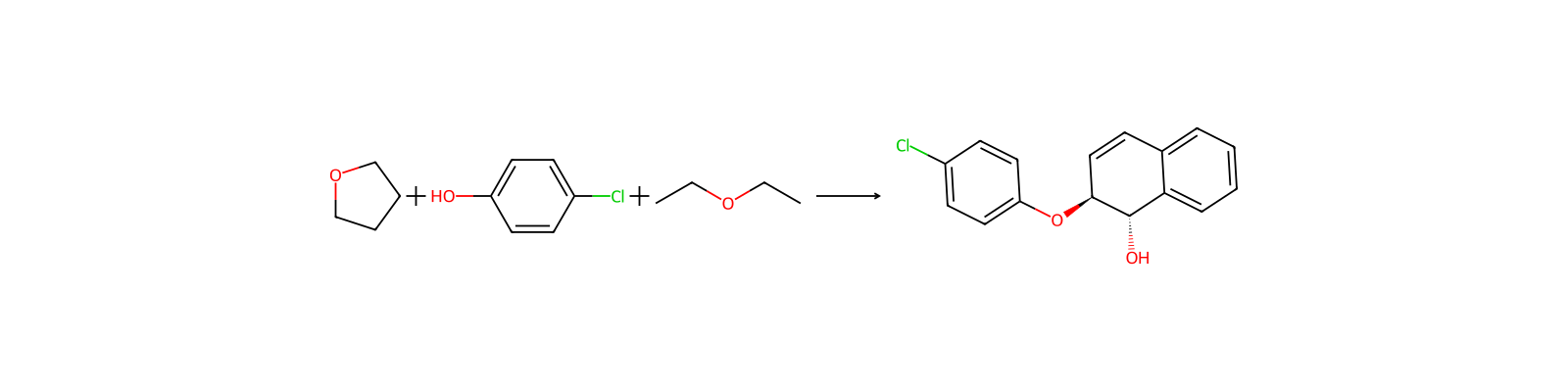
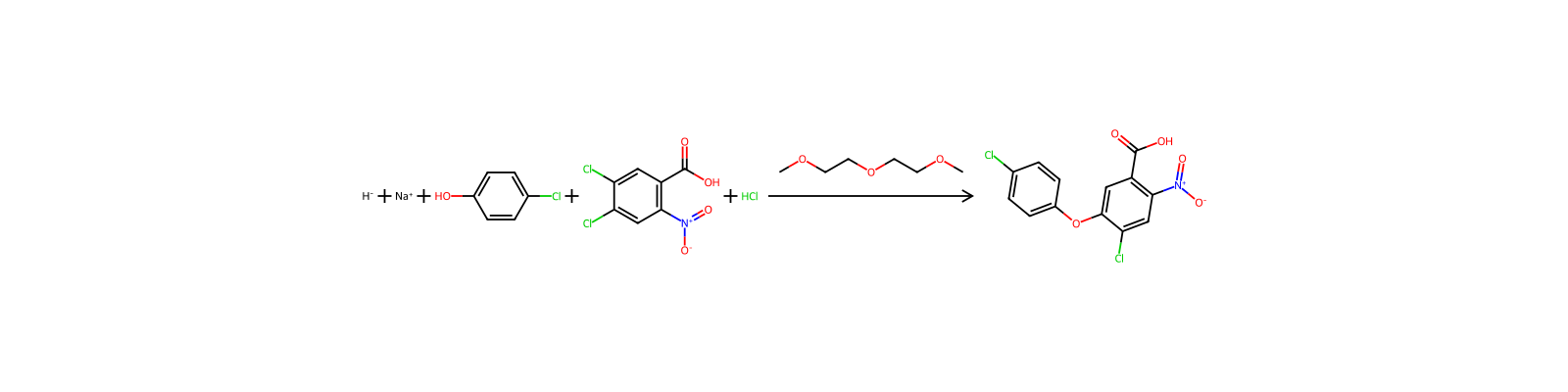
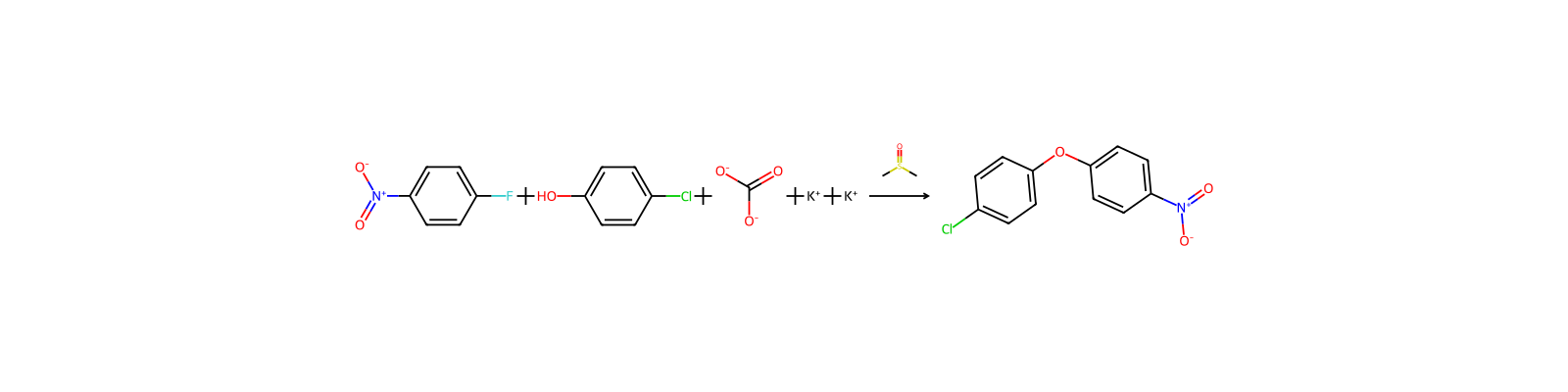
745 records
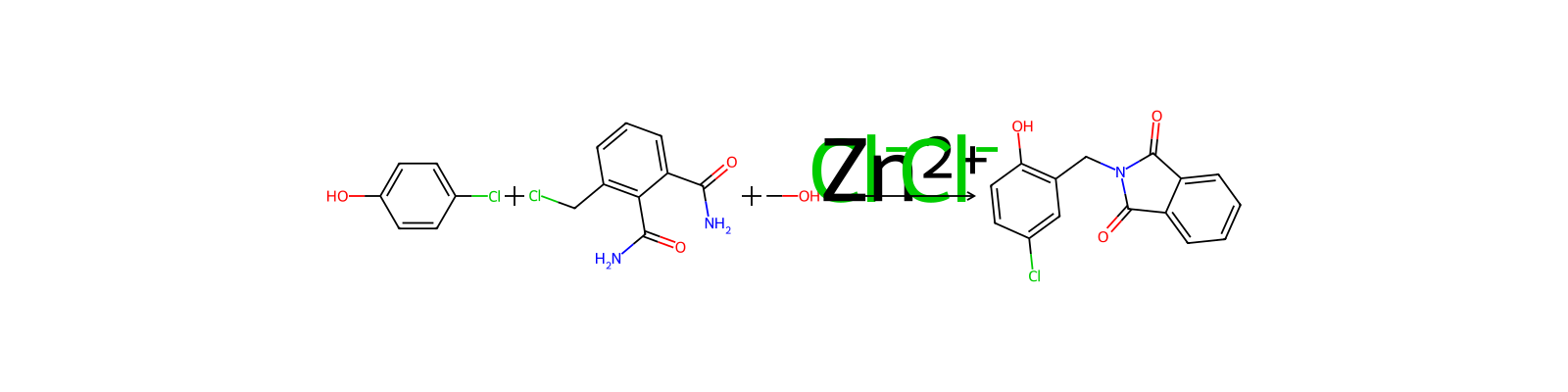
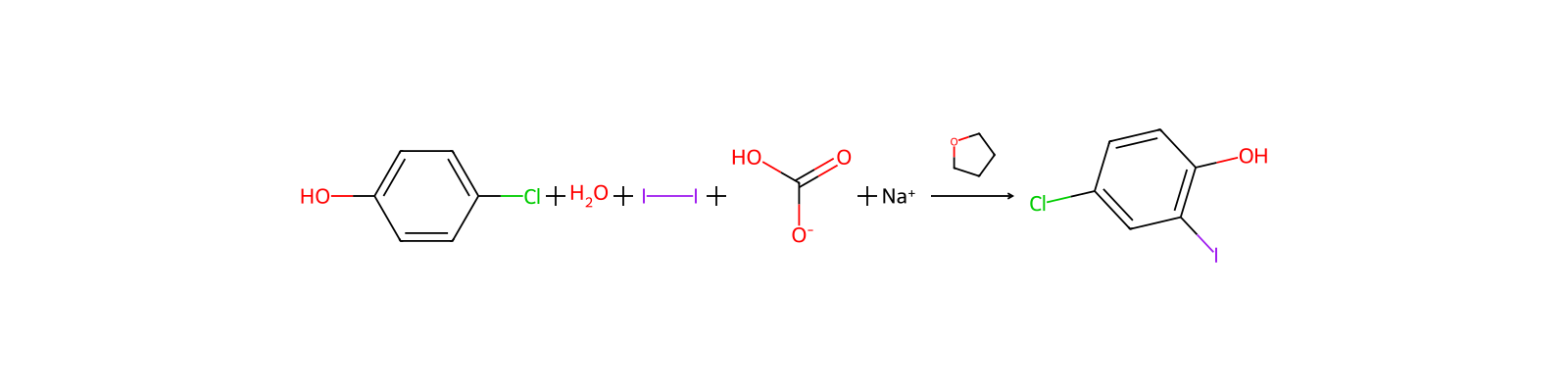

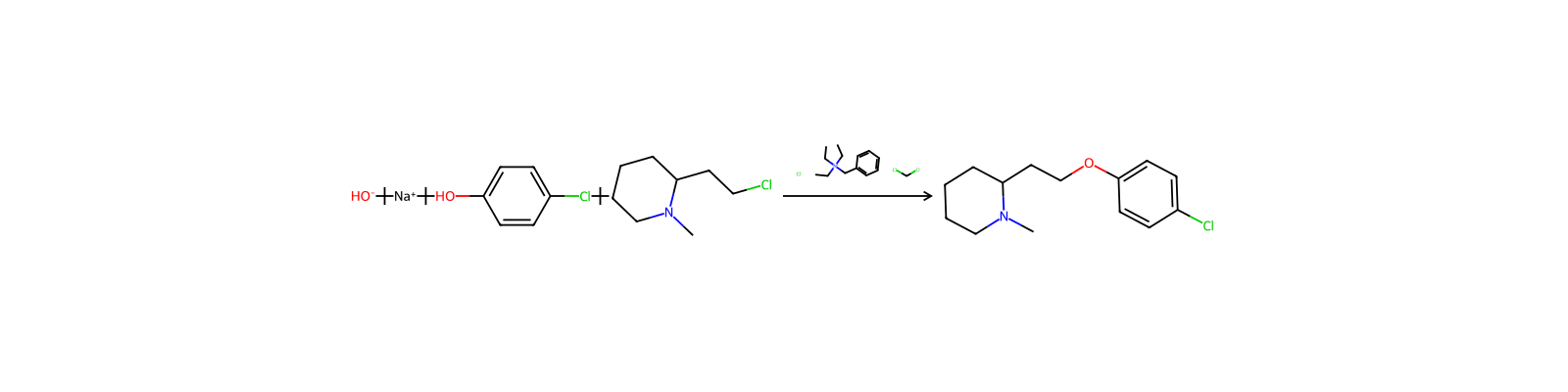
Linked notes
Loading…