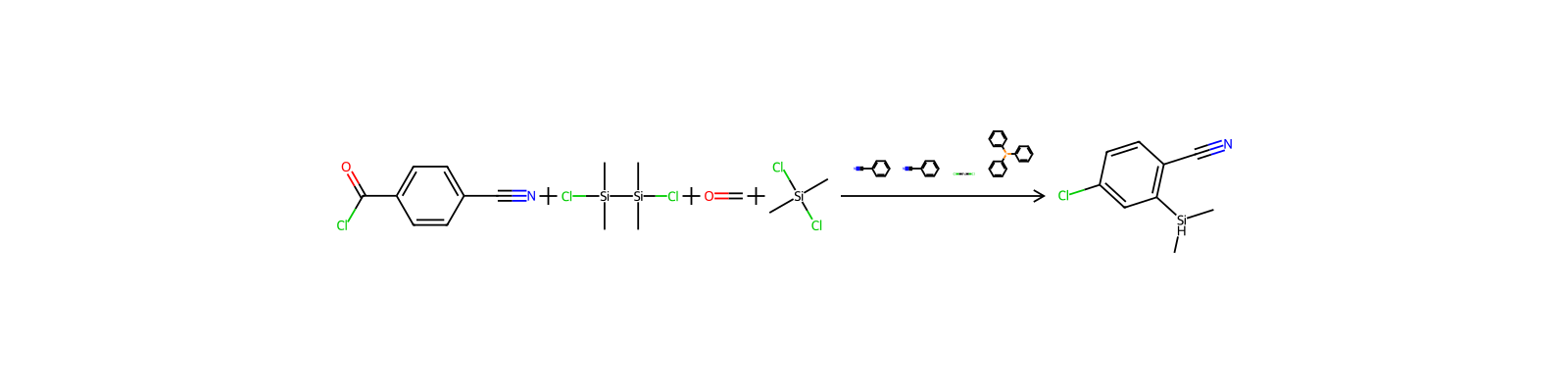
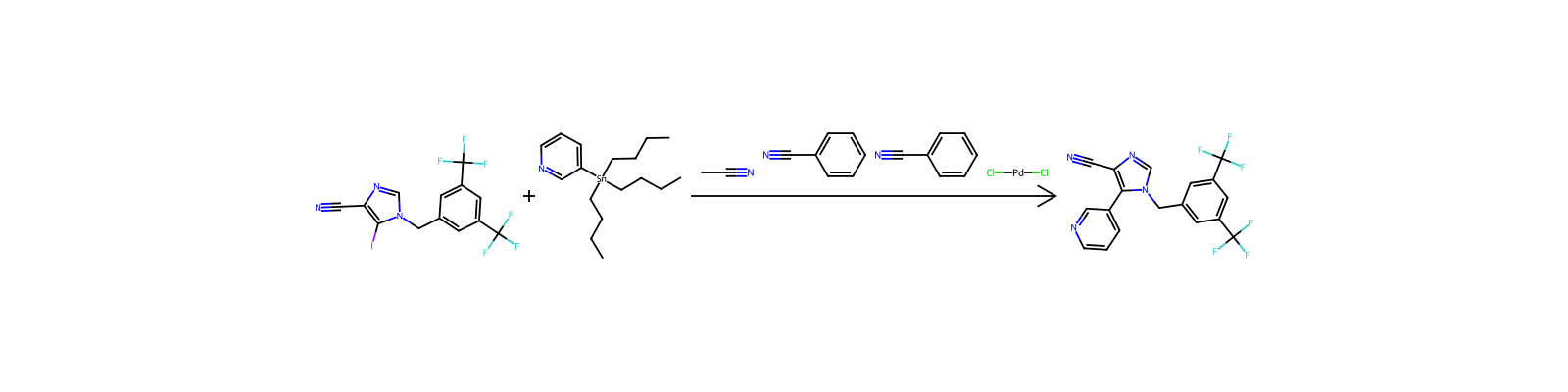
HRID 25163As catalyst
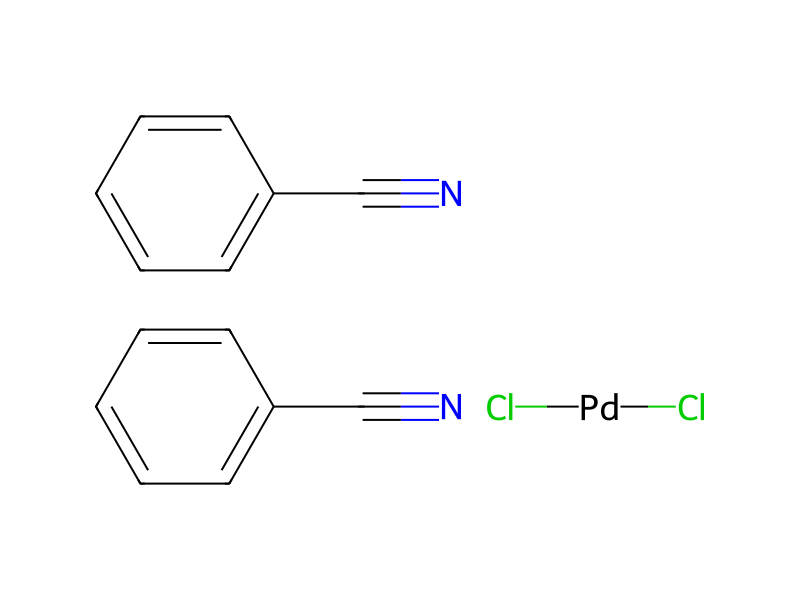
14220-64-5N#Cc1ccccc1.N#Cc1ccccc1.[Cl][Pd][Cl]WXNOJTUTEXAZLD-UHFFFAOYSA-L14220-64-5Safety information is for reference only and does not replace the supplier’s Safety Data Sheet (SDS), applicable regulations, or professional assessment.
Danger
H301 (66.7%): Toxic if swallowed [Danger Acute toxicity, oral]
P260, P261, P262, P264, P264+P265, P270, P271, P272, P273, P280, P284, P301+P316, P301+P317, P302+P352, P304+P340, P305+P351+P338, P316, P317, P320, P321, P330, P332+P317, P333+P317, P337+P317, P361+P364, P362+P364, P403+P233, P405, and P501 (click each P-code to see the statement)
Aggregated GHS information provided per 9 reports by companies from 4 notifications to the ECHA C&L Inventory. Each notification may be associated with multiple companies.
Chemical: Palladium, bis(benzonitrile)dichloro-
Palladium, bis(benzonitrile)dichloro-: Does not have an individual approval but may be used under an appropriate group standard
Usessuzuki reaction
UsesCatalyst for greener amine synthesis from terminal olefins by Wacker oxidation followed by transfer hydrogenation of the resultant imine.
UsesBis(benzonitrile)palladium(II) chloride can be used as a catalyst:For greener amine synthesis from terminal olefins by Wacker oxidation, followed by transfer hydrogenation of the resultant imine.In cross-coupling reactions and α-O-glycosidation.Formal anti-Markovnikov hydroamination of terminal olefins
General DescriptionThis product has been enhanced for catalytic efficiency.