

Basic information
- Standard SMILES
CC(=O)O[BH-](OC(C)=O)OC(C)=O.[Na+]- InChIKey
HHYFEYBWNZJVFQ-UHFFFAOYSA-N- Molecular formula
- C6H10BNaO6
- Average molar mass
- 211.94 g/mol
- Monoisotopic mass
- 212.0468125
Names & identifiers
- Preferred name
- Sodium triacetoxyborohydride
- IUPAC
- sodium triacetyloxyboranuide
- English name
- Sodium triacetoxyborohydride
- Molecular formula
- C6H10BNaO6
- Molecular weight
- 211.94
Names & synonyms
4VU0JE4YSKDTXSID8074368Borate(1-), tris(acetato-kappaO)hydro-, sodium (1:1), (T-4)-RefChem:887964DTXCID5042089611-401-056553-60-7Borate(1-), tris(acetato-kappaO)hydro-, sodium, (T-4)-Sodium triacetoxyborohydrideSodium Triacetoxyborohydride (Technical Grade)C6H10BNaO6sodium trisacetoxyborohydride
Show more names
stabNaBH(OAc)3sodium tris(acetoxy)borohydrideSODIUM TRIACETOXYHYDROBORATESodium TriacetoxyborohyrideSodium triacetoborohydridesodium bis(acetyloxy)boranuidyl acetateSodium triacetoxySodium triacetoboroSodium triacetoboroh
sodium triacetoxy-borohydrideNa(OAc)3BHNaB(OAc)3HNaBH(AcO)3NaBH(OAc)3sodium tnacetoxyborohydndesodium;triacetoxyboranuideUNII-4VU0JE4YSK
Database identifiers
- CAS
56553-60-7- PubChem CID
- 5049666
- DTXSID
DTXSID8074368- UNII
- 4VU0JE4YSK
- EC Number
- 435-580-8、611-401-0
- Nikkaji
- J1.884.353F、J2.805.651F
Properties
Computed structural properties
- Topological polar surface area
- 78.9 Ų
- Hydrogen bond donors
- 0
- Hydrogen bond acceptors
- 7
- Rotatable bonds
- 6
- Heavy atoms
- 14
- Formal charge
- 0
- Complexity
- 192
Experimental & physicochemical properties
Physical DescriptionWhite crystalline powder; [Alfa Aesar MSDS]
Physicochemical properties
- Melting point
- 116 · 116-120 °C (dec.) (lit.)
- Boiling point
- 111.1 ℃[at · 111.1℃[at 101 325 Pa]
- Density
- 1.36 · 1.36[at 20℃]
- vapor pressure
- 0 Pa · 0Pa at 25℃
- storage temp.
- Inert atmosphere,Room Temperature
- solubility
- Soluble in dimethyl sulfoxide, methanol, benzene, toluene, terahydrofuran, dioxane and methylene chloride.
- form
- Powder
- color
- White
- Water Solubility
- reacts
- Sensitive
- Moisture Sensitive
- Merck
- 14 · 14,8695
- BRN
- 4047608 · 4047608
- InChI
- 1S/C6H10BO6.Na/c1-4(8)11-7(12-5(2)9)13-6(3)10;/h7H,1-3H3;/q-1;+1
- InChIKey
- HHYFEYBWNZJVFQ-UHFFFAOYSA-N
- SMILES
- [Na+].CC(=O)O[BH-](OC(C)=O)OC(C)=O
- LogP
- -2.88 · -2.88--1.09 at 20℃
- CAS DataBase Reference
- 56553 · 56553-60-7(CAS DataBase Reference)
- FDA UNII
- 4 VU0JE4YSK · 4VU0JE4YSK
- EPA Substance Registry System
- Borate(1-), tris(acetato-.kappa.O)hydro-, sodium, (T-4)- (56553-60-7)
- UNSPSC Code
- 12352302 · 12352302
- NACRES
- 22 · NA.22
- Symbol(GHS)
- 2 · GHS02,GHS05,GHS07,GHS08
- Signal word
- Danger
- Hazard statements
- 228 · H228-H260-H302-H318-H360FD
- Precautionary statements
- 210 · P210-P231+P232-P280-P301+P312-P305+P351+P338-P308+P313
- Hazard Codes
- F,Xi,C
- Risk Statements
- 15 · 15-34-14/15-37/38-11
- Safety Statements
- 43 · 43-7/8-45-36/37/39-26
- RIDADR
- 1409 · UN 1409 4.3/PG 2
- WGK Germany
- 3 · 3
- F
- 10 · 10-21
- Hazard Note
- Irritant/Flammable
- TSCA
- TSCA listed
- HazardClass
- 4.3 · 4.3
- PackingGroup
- III
- HS Code
- 29319090 · 29319090
- Storage Class
- 4.3 · 4.3 - Hazardous materials which set free flammable gases upon contact with water
- Hazard Classifications
- 4 OralEye · Acute Tox. 4 OralEye Dam. 1Flam. Sol. 1Repr. 1BWater-react 1
- REACH Registrations
- Active
- Limited Quantities
- 0.5 Kg · 0.5 Kg (1.1 lbs) (solid)
- Excepted Quantities
- Max Inner Pack (30g or 30ml) and Max Outer Pack (500g or 500ml)
Safety & regulation
GHS classification
GHS Classification
Danger
H228 (38.3%): Flammable solid [Danger Flammable solids];H260 (68.9%): In contact with water releases flammable gases which may ignite spontaneously [Danger Substances and mixtures which in contact with water, emit flammable gases];H261 (31.1%): In contact with water releases flammable gas [Danger Substances and mixtures which in contact with water, emit flammable gases];H314 (11.1%): Causes severe skin burns and eye damage [Danger Skin corrosion/irritation];H315 (83%): Causes skin irritation [Warning Skin corrosion/irritation];H318 (65.1%): Causes serious eye damage [Danger Serious eye damage/eye irritation];H335 (26%): May cause respiratory irritation [Warning Specific target organ toxicity, single exposure; Respiratory tract irritation];H360 (50.2%): May damage fertility or the unborn child [Danger Reproductive toxicity]
P203, P210, P223, P231+P232, P240, P241, P260, P261, P264, P264+P265, P271, P280, P301+P330+P331, P302+P335+P334, P302+P352, P302+P361+P354, P304+P340, P305+P354+P338, P316, P317, P318, P319, P321, P332+P317, P362+P364, P363, P370+P378, P402+P404, P403+P233, P405, and P501 (click each P-code to see the statement)
Aggregated GHS information provided per 235 reports by companies from 20 notifications to the ECHA C&L Inventory. Each notification may be associated with multiple companies.;Information may vary between notifications depending on impurities, additives, and other factors. The percentage value in parenthesis indicates the notified classification ratio from companies that provide hazard codes. Only hazard codes with percentage values above 10% are shown. For more detailed information, please visit ECHA C&L website.
Hazard information
Regulatory Information
Status: Active Update: 22-02-2019 https://echa.europa.eu/registration-dossier/-/registered-dossier/20512;Status: Active Update: 11-11-2021 https://echa.europa.eu/registration-dossier/-/registered-dossier/17743
Borate(1-), tris(acetato-.kappa.O)hydro-, sodium, (T-4)-: Does not have an individual approval but may be used under an appropriate group standard
Hazards SummaryReacts with water evolving flammable gases; An irritant that may cause serious eye injury; [Alfa Aesar MSDS] See Lithium borohydride and Sodium borohydride. See Boric acid.
Hazard Classes and CategoriesFlam. Sol. 2 (38.3%);Water-react. 1 (68.9%);Water-react. 3 (31.1%);Skin Corr. 1B (11.1%);Skin Irrit. 2 (83%);Eye Dam. 1 (65.1%);STOT SE 3 (26%);Repr. 1B (50.2%)
Regulatory information
Regulatory Information
Status: Active Update: 22-02-2019 https://echa.europa.eu/registration-dossier/-/registered-dossier/20512;Status: Active Update: 11-11-2021 https://echa.europa.eu/registration-dossier/-/registered-dossier/17743
Borate(1-), tris(acetato-.kappa.O)hydro-, sodium, (T-4)-: Does not have an individual approval but may be used under an appropriate group standard
Safety data
- F
- 10-21
- wgk
- 3
- tsca
- TSCA listed
- ridadr
- UN 1409 4.3/PG 2
- hs_code
- 29319090
- risk_code
- 15-34-14/15-37/38-11
- Signal word
- Danger
- Symbol(GHS)
- GHS02,GHS05,GHS07,GHS08
- hazard_code
- F,Xi,C
- hazard_note
- Irritant/Flammable
- safety_code
- 43-7/8-45-36/37/39-26
- hazard_class
- 4.3
- Storage Class
- 4.3 - Hazardous materials which set free flammable gases upon contact with water
- packing_group
- III
- Hazard statements
- H228-H260-H302-H318-H360FD
- Limited Quantities
- 0.5 Kg (1.1 lbs) (solid)
- Excepted Quantities
- Max Inner Pack (30g or 30ml) and Max Outer Pack (500g or 500ml)
- REACH Registrations
- Active
- Hazard Classifications
- Acute Tox. 4 OralEye Dam. 1Flam. Sol. 1Repr. 1BWater-react 1
- Precautionary statements
- P210-P231+P232-P280-P301+P312-P305+P351+P338-P308+P313
Chemistry & industry
Uses & manufacturing
UsesUsed as a selective reducing agent in organic synthesis; [Merck Index]
Applications
DescriptionSodium triacetoxyborohydride, also known as sodium triacetoxyhydroborate, commonly abbreviated STAB, is a white hygroscopic solid that emits hydrogen gas when hydrolysed in water, which is flammable. STAB is a milder reducing agent than sodium borohydride or even sodium cyanoborohydride. Even sodium cyanoborohydride is a milder reducing agent than sodium borohydride, and is particularly suitable for the reductive amination of aldehydes and ketones. It can reduce aldehydes but not most ketones. It can also be used in the reductive alkylation of secondary amines in aldehyde-bisulfite adducts.
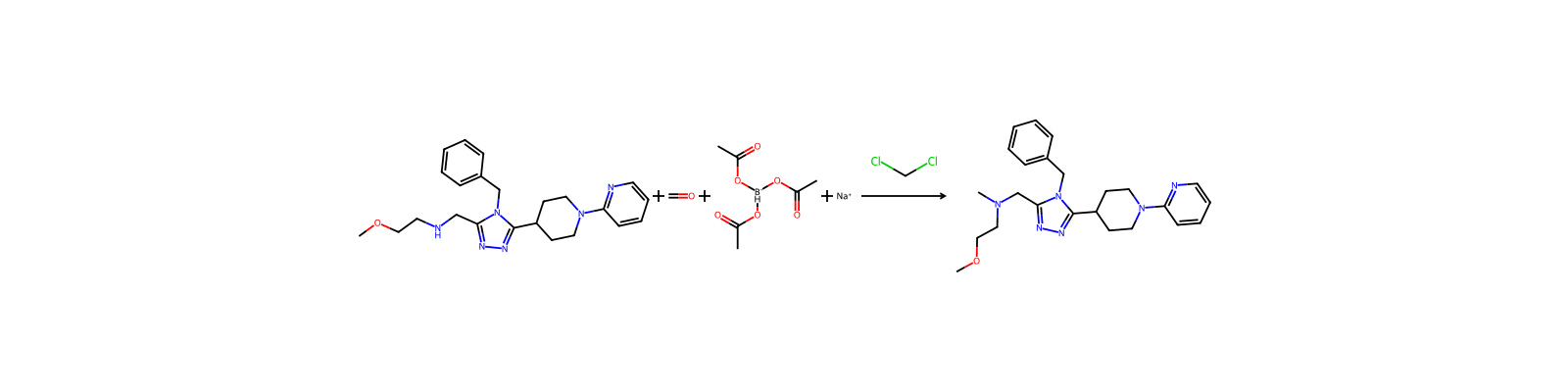
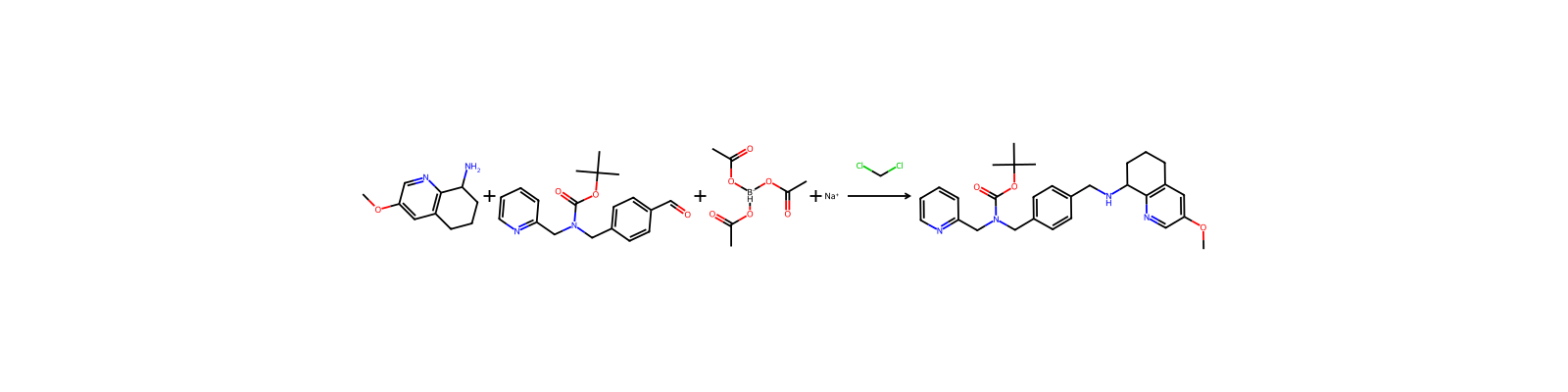
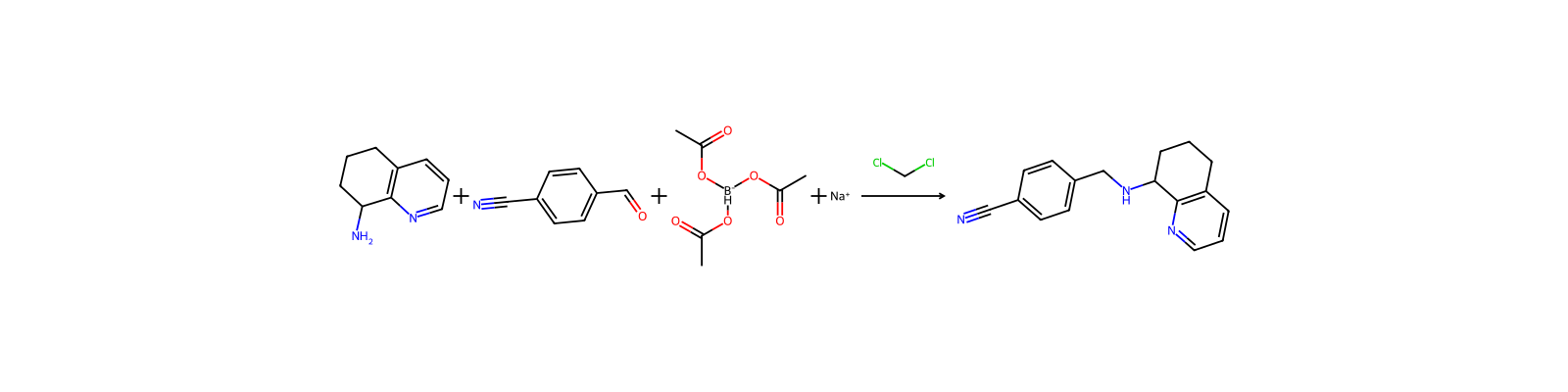
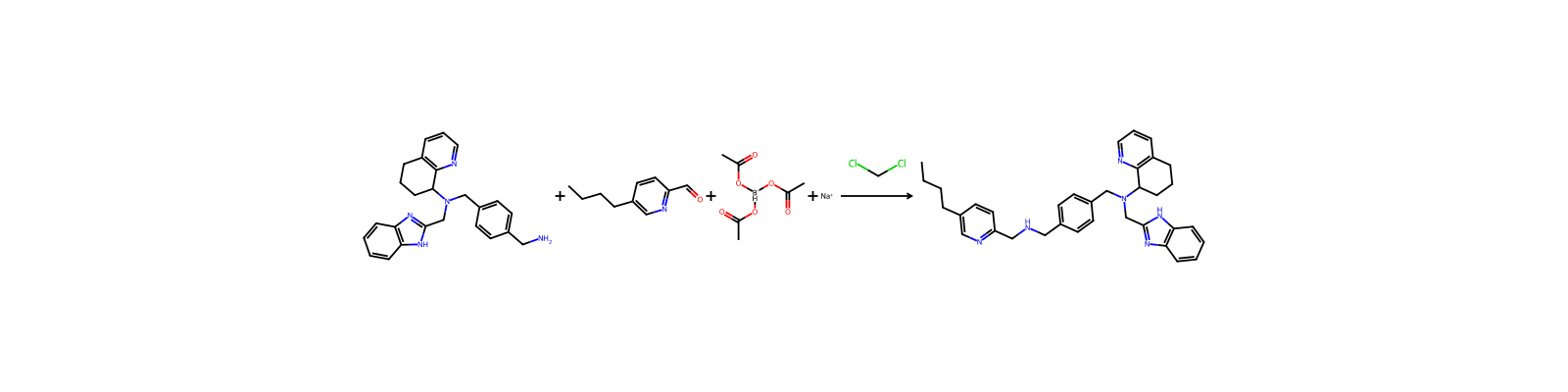
UsesSodium Triacetoxyborohydride(STAB) is a hydride reagent used in stereoselective reductive amination. It is able to replace toxic sodium cyanoborohydride under most conditions. It is selective in reducing aldehydes to alcohols in the presence of ketones. STAB is also stable in anhydrous acids, which enables reductive amination of aldehydes and ketones. It used in reductive amination of ketones and aldehydes and reductive amination/lactamization of carbonyl compounds with amines. The advantage of STAB compared to sodium cyanoborohydride is evident. STAB, being non-toxic, is easier to handle and forms no toxic by-products, making the treatment of process waste after the reaction simple and less costly.
Upstream & downstream products
Upstream raw materials
Downstream products
Suppliers50 total
梯希爱(上海)化成工业发展有限公司021-67121386 · [email protected]
衢州润东化工有限公司0570-8789886 18892685668 · [email protected]
上海阿拉丁生化科技股份有限公司400-6206333 13167063860 · [email protected]
湖北瑞泰医药科技有限公司15335880183
北京阿克曼科技有限公司18001219251
爱斯特(成都)生物制药股份有限公司+86-28-85122536 85324413 · [email protected]
北京安司莫森技术有限公司010-82954736 13391601435 · [email protected]
韶远科技(上海)有限公司021-50795510 4000665055 · [email protected]
科瑞迪化学400-821-5857 021-64326257 · [email protected]
Syntechem Co.,Ltd[email protected]
上海迈瑞尔生化科技有限公司4006356688 18621169109 · [email protected]
上海铭熠医药化工有限公司021-51200341 18717810934 · [email protected]
阿法埃莎(中国)化学有限公司400-6106006 · [email protected]
太原市瑞和丰科贸有限公司+86 351 7031519 · [email protected]
安耐吉化学&3A(安徽泽升科技股份有限公司)400-0056266 · [email protected]
湖北凯沃斯化工有限公司027-84235352 13971178775 · [email protected]
上海瀚鸿科技股份有限公司021-54306202 13764082696 · [email protected]
上海相辉医药科技有限公司13761987713 · [email protected]
上海景颜化工科技有限公司13817811078 · [email protected]
嘉兴市艾森化工有限公司0573-85285100 18627885956 · [email protected]
池州捷峰生物科技有限公司0566-8928158 · [email protected]
Pure Chemistry Scientific Inc.001-857-928-2050 or 1-888-588-9418 · [email protected]
上海隆盛化工有限公司58099637 13585536065 · [email protected]
上海攀鸿化工科技有限公司021-56491756 13512199871 · [email protected]
武汉丰泰威远科技有限公司027-87465837 19945049750 · [email protected]
上海忆嵘生物科技有限公司18049974220 · [email protected]
山东西亚化学有限公司13355009207 13355009207 · [email protected]
玛雅试剂+86 (573) 82222445 (0)18006601000 452520369 · [email protected]
四川库利南科技有限公司400-1166-196 18981987031 · [email protected]
天津希恩思生化科技有限公司400 638 7771 · [email protected]
河南萬象化工有限公司(优势生产供应!)0371-56669001 13949088811 · [email protected]
湖南汇百侍生物科技有限公司0731-85526065 13308475853 · [email protected]
南京维奥化工有限公司Please Send Email 18652950785 · [email protected]
河南多贝化工有限公司0370-2785118 17550508557 · [email protected]
斯百全化学(上海)有限公司021-021-021-67601398-809-809-809 15221380277 · [email protected]
北京泰亚杰科技有限公司021-33690831-8001 13552411790;18616022633 · [email protected]
艾科试剂4008-755-333 18080918076 · [email protected]
上海思域化工科技有限公司86-21-34053660 · [email protected]
苏州思变化学技术有限公司0512-65617459 18915409046 · [email protected]
赛默飞世尔科技(中国)有限公司800-810-5118 · [email protected]
北京伊诺凯科技有限公司400-810-7969 010-59572699 · [email protected]
上海特伯化学科技有限公司+86-21-60341587 · [email protected]
Wuhan NCE Biomedical Co.,Ltd.4000-027-021 |24 +86-13986109188 | +86-15623472865 | +81-08033611988
南京诺利斯医药科技有限公司13901585132 · [email protected]
TOKYO CHEMICAL INDUSTRY CO., LTD.03-36680489 · [email protected]
上海贤鼎生物科技有限公司4009209199 · [email protected]
天津思博宁医药科技有限公司0086-22-60330256
上海卓锐化工有限公司021-69180038
深圳康特腾科技有限公司86-0755-86635001 · [email protected]
越林试剂021-62960152 · [email protected]
Related reactions
14,364 records

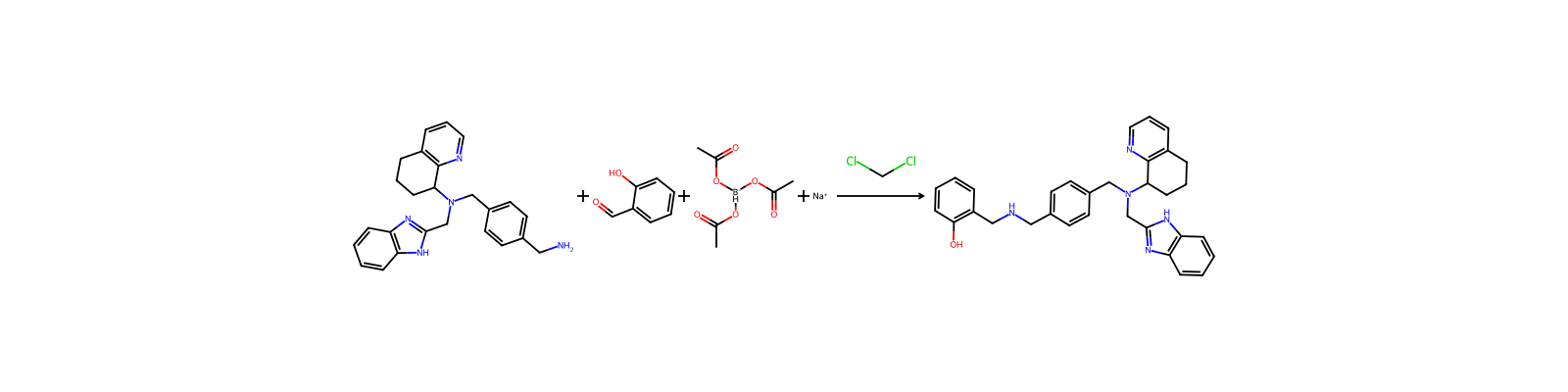
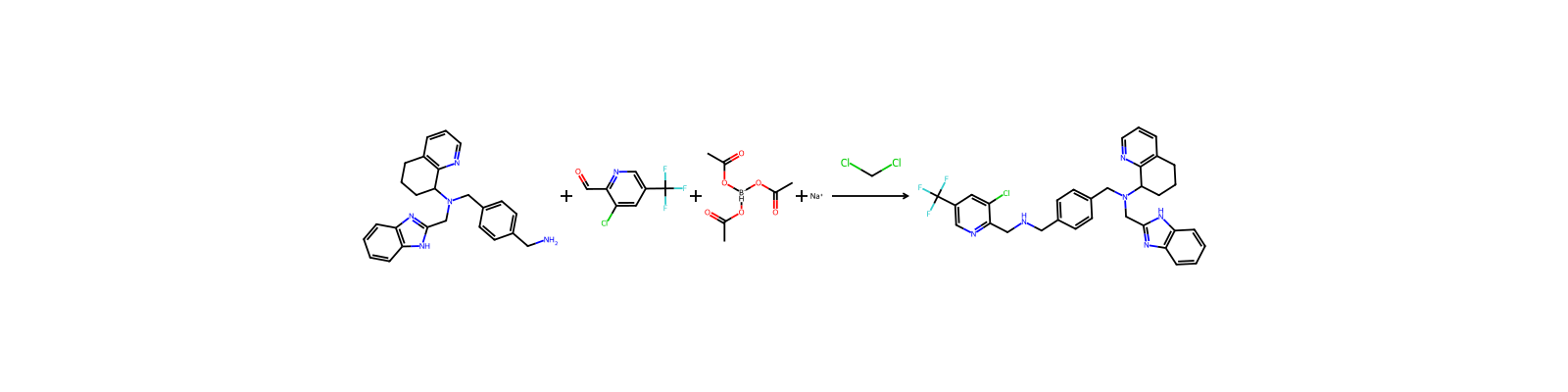
Linked notes
Loading…