
Basic information
- Standard SMILES
Nc1ccc([N+](=O)[O-])cc1N- InChIKey
RAUWPNXIALNKQM-UHFFFAOYSA-N- Molecular formula
- C6H7N3O2
- Average molar mass
- 153.14 g/mol
- Monoisotopic mass
- 153.05382646
Overview
4-nitro-o-phenylenediamine appears as dark red needles or red solid. (NTP, 1992)
Names & identifiers
- Preferred name
- 4-Nitro-1,2-phenylenediamine
- IUPAC
- 4-nitrobenzene-1,2-diamine
- English name
- 4-Nitro-o-phenylenediamine
- Molecular formula
- C6H7N3O2
- Molecular weight
- 153.14
Names & synonyms
4-Nitro-o-phenylenediamine99-56-94-Nitro-1,2-phenylenediamine1,2-Diamino-4-nitrobenzene2-Amino-4-nitroanilinep-Nitro-o-phenylenediamine1,2-Benzenediamine, 4-nitro-4-Nitro-1,2-diaminobenzene3,4-Diaminonitrobenzene4-Nitro-1,2-benzenediamine4-Nopd4-Nop
Show more names
4-nitrobenzene-1,2-diamine4-no4NOPPDA202-766-3
4-N-o-Pda4NDBNCI-C03941O-PHENYLENEDIAMINE, 4-NITRO-DTXSID90209585A9AX7Y0TTC.I. 76020CI 76020
Database identifiers
- CAS
99-56-9- PubChem CID
- 5111791
- DTXSID
DTXSID9020958- ChEMBL
CHEMBL433721- ChEBI
CHEBI:67116- UNII
- 5A9AX7Y0TT
- EC Number
- 202-766-3
- Nikkaji
- J3.993D
Properties
Computed structural properties
- XLogP
- 0.9
- Topological polar surface area
- 97.9 Ų
- Hydrogen bond donors
- 2
- Hydrogen bond acceptors
- 4
- Rotatable bonds
- 0
- Heavy atoms
- 11
- Formal charge
- 0
- Complexity
- 156
Experimental & physicochemical properties
Chemical ClassesNitrogen Compounds -> Nitroanilines
Cosmetics
Cosmetic ingredients (4-Nitro-o-Phenylenediamine) -> CIR (Cosmetic Ingredient Review)
Hair dyeing
LogP
log Kow = 0.88
0.88
0.88
Color/FormDark red needles from dilute alcohol
Solubility
less than 1 mg/mL at 68.9 °F (NTP, 1992)
Soluble in acid
Sparingly sol in water; sol in aq soln of hydrochloric acid
Solubility in water: poor
Melting Point
390 to 394 °F (NTP, 1992)
199.5 °C
201 °C
Vapor Pressure0.000109 [mmHg]
Physical Description
4-nitro-o-phenylenediamine appears as dark red needles or red solid. (NTP, 1992)
Dark red solid; [Merck Index] Brown or dark red crystalline powder; [MSDSonline]
RED POWDER.
Dissociation ConstantspKa = 2.61 (conjugate acid)
Collision Cross Section126.2 Ų [M-H]- [CCS Type: DT; Buffer gas: N2; Ionization: ESI-; Dataset: TOXCAST; Source Identifier: DTXSID9020958]
Physicochemical properties
- Melting point
- 199 · 199-201 °C (lit.)
- Boiling point
- 276.04 °C · 276.04°C (rough estimate)
- Density
- 1.3682 · 1.3682 (rough estimate)
- refractive index
- 1.691 · 1.6910 (estimate)
- storage temp.
- Keep in dark place,Inert atmosphere,Room temperature
- solubility
- 1 N · 1 N HCl: ethanol, 1:1: soluble50mg/mL
- form
- Powder
- pka
- 2.06 · 2.06±0.10(Predicted)
- color
- Brown-red
- Water Solubility
- 1.2 g/L · 1.2 g/L (20 ºC)
- Merck
- 14 · 14,6622
- BRN
- 608106 · 608106
- Henry's Law Constant
- 1.3 · 1.3×106 mol/(m3Pa) at 25℃, HSDB (2015)
- Stability
- Stable. Incompatible with strong acids, strong reducing agents, strong oxidizing agents, acid chlorides, acid anhydrides.
- Cosmetics Ingredients Functions
- HAIR DYEING
- Cosmetic Ingredient Review (CIR)
- 4 · 4-Nitro-o-phenylenediamine (99-56-9)
- InChI
- 1S/C6H7N3O2/c7-5-2-1-4(9(10)11)3-6(5)8/h1-3H,7-8H2
- InChIKey
- RAUWPNXIALNKQM-UHFFFAOYSA-N
- SMILES
- Nc1ccc(cc1N)[N+]([O-])=O
- Toxicology and Carcinogenesis
- 4 · Bioassay of 4-Nitro-o-phenylenediamine for Possible Carcinogenicity (CASRN 99-56-9)
- CAS DataBase Reference
- 99 · 99-56-9(CAS DataBase Reference)
- EWG's Food Scores
- 3 · 3-5
- FDA UNII
- 5 A9AX7Y0TT · 5A9AX7Y0TT
- IARC
- 3 · 3 (Vol. 16, Sup 7) 1987
- EPA Substance Registry System
- Nitro-o-phenylenediamine (99-56-9)
- UNSPSC Code
- 12352116 · 12352116
- NACRES
- 22 · NA.22
- Symbol(GHS)
- 7 · GHS07
- Signal word
- Warning
- Hazard statements
- 302 · H302-H317
- Precautionary statements
- 280 · P280-P301+P312+P330-P302+P352
- PPE
- 95 · dust mask type N95 (US), Eyeshields, Faceshields, Gloves
- Hazard Codes
- Xn
- Risk Statements
- 22 · 22-43-68-40-36/37/38-20/21/22
- Safety Statements
- 36 · 36/37-45-36-26-22
- RIDADR
- 2811 · 2811
- WGK Germany
- 3 · 3
- RTECS
- 2975000 · ST2975000
- TSCA
- TSCA listed
- HazardClass
- 6.1 · 6.1
- PackingGroup
- II
- HS Code
- 29215119 · 29215119
- Storage Class
- 11 · 11 - Combustible Solids
- Hazard Classifications
- 4 OralSkin · Acute Tox. 4 OralSkin Sens. 1
- Hazardous Substances Data
- 99 · 99-56-9(Hazardous Substances Data)
- Toxicity
- 50 oral · LD50 oral in rat: 681mg/kg
Safety & regulation
GHS classification
GHS Classification
Warning
H302 (100%): Harmful if swallowed [Warning Acute toxicity, oral]
P261, P264, P270, P272, P280, P301+P317, P302+P352, P321, P330, P333+P317, P362+P364, and P501 (click each P-code to see the statement)
Aggregated GHS information provided per 86 reports by companies from 10 notifications to the ECHA C&L Inventory. Each notification may be associated with multiple companies.
Warning
H302: Harmful if swallowed [Warning Acute toxicity, oral]
Hazard information
Regulatory Information
Chemical: 1,2-Benzenediamine, 4-nitro-
4-Nitro-1,2-phenylenediamine: Does not have an individual approval but may be used under an appropriate group standard
Other Safety InformationIMAP assessments - 1,2-Benzenediamine, 4-nitro- and its dihydrochloride salt: Human health tier II assessment
DOT LabelPoison
Fire Hazards
Flash point data for this chemical are not available; however, it is probably combustible. (NTP, 1992)
Combustible. Gives off irritating or toxic fumes (or gases) in a fire.
Health HazardsSYMPTOMS: Symptoms of exposure to this compound include irritation of the skin, eyes, mucous membranes and upper respiratory tract, and allergic skin reaction.
Hazards Summary
May cause skin sensitization; [ICSC] A skin, eye, mucous membrane, and respiratory tract irritant; Highly toxic by ingestion and inhalation; [CAMEO] An irritant; May cause skin sensitization; [MSDSonline] Search PubMed for name and CAS#: no results;
Reactive GroupNitro, Nitroso, Nitrate, and Nitrite Compounds, Organic
Special Reports
Cosmetic Ingredient Review; 2-Nitro-p-Phenylenediamine and 4-Nitro-o-Phenylenediamine. JACT 4(3): 161-202, 1985; Re-Review: International Journal of Toxicology. 25(S2), 2006. The 1985 safety assessment of 2-nitro-p-phenylenediamine and 4-nitro-o-phenylenediamine was published with the conclusion "for those persons not sensitized, the Expert Panel Concludes that 2-nitro-p-phenylenediamine and 4-nitro-o-phenylenediamine are safe as hair dye ingredients at the current concentration of use" ... Studies available since that safety assessment was completed, along with updated information regarding uses and use concentrations, were considered by the 2006 CIR Expert Panel. The Panel determined to not reopen this safety assessment.
DHEW/NCI; Bioassay of 4-Nitro-o-phenylenediamine for Possible Carcinogenicity (1979) Technical Rpt Series No. 180 DHEW Pub No. (NIH) 79-1736 concludes that under the conditions of this bioassay, dietary administration of 4-nitro-o-phenylenediamine was not carcinogenic in Fischer 344 rats or B6C3F1 mice.
TSCA Requirements
Pursuant to section 8(d) of TSCA, EPA promulgated a model Health and Safety Data Reporting Rule. The section 8(d) model rule requires manufacturers, importers, and processors of listed chemical substances and mixtures to submit to EPA copies and lists of unpublished health and safety studies. 1-2-Benzenediamine, 4-nitro- is included on this list.
Reactivity Profile4-NITRO-O-PHENYLENEDIAMINE is incompatible with strong oxidizing agents, strong acids, strong reducing agents, acid chlorides and acid anhydrides. (NTP, 1992)
Chemical DangersDecomposes on burning. This produces toxic fumes including nitrogen oxides. Reacts with strong acids, strong oxidants and strong reducing agents.
Air and Water ReactionsInsoluble in water.
Safety & protection
Fire Fighting
Fires involving this material can be controlled with a dry chemical, carbon dioxide or Halon extinguisher. (NTP, 1992)
Use water spray, powder.
First Aid Measures
Fresh air, rest.
Remove contaminated clothes. Rinse skin with plenty of water or shower.
First rinse with plenty of water for several minutes (remove contact lenses if easily possible), then refer for medical attention.
Rinse mouth.
First Aid
EYES: First check the victim for contact lenses and remove if present. Flush victim's eyes with water or normal saline solution for 20 to 30 minutes while simultaneously calling a hospital or poison control center. Do not put any ointments, oils, or medication in the victim's eyes without specific instructions from a physician. IMMEDIATELY transport the victim after flushing eyes to a hospital even if no symptoms (such as redness or irritation) develop.
Safe StorageSeparated from incompatible materials. See Chemical Dangers.
Fire Fighting ProceduresWater spray, powder.
Cleanup MethodsSweep spilled substance into containers; if appropriate, moisten first to prevent dusting.
Nonfire Spill Response
SMALL SPILLS AND LEAKAGE: If a spill of this chemical occurs, FIRST REMOVE ALL SOURCES OF IGNITION, then you should dampen the solid spill material with acetone and transfer the dampened material to a suitable container. Use absorbent paper dampened with acetone to pick up any remaining material. Seal your contaminated clothing and the absorbent paper in a vapor-tight plastic bag for eventual disposal. Solvent wash all contaminated surfaces with acetone followed by washing with a soap and water solution. Do not reenter the contaminated area until the Safety Officer (or other responsible person) has verified that the area has been properly cleaned.
Disposal Methods
SRP: The most favorable course of action is to use an alternative chemical product with less inherent propensity for occupational exposure or environmental contamination. Recycle any unused portion of the material for its approved use or return it to the manufacturer or supplier. Ultimate disposal of the chemical must consider: the material's impact on air quality; potential migration in soil or water; effects on animal, aquatic, and plant life; and conformance with environmental and public health regulations.
Spillage DisposalPersonal protection: particulate filter respirator adapted to the airborne concentration of the substance. Sweep spilled substance into covered containers. If appropriate, moisten first to prevent dusting.
Preventive MeasuresPREVENT DISPERSION OF DUST! STRICT HYGIENE! Do not eat, drink, or smoke during work.
Isolation and EvacuationExcerpt from ERG Guide 153 [Substances - Toxic and/or Corrosive (Combustible)]:
Eye PreventionWear safety goggles.
Toxicology
Interactions
The antimutagenic activity of celecoxib was determined using histidine mutant Salmonella typhimurium strains TA98, TA100, TA102 and TA1535 against directly acting mutagens /including / 4-nitro-o-phenylenediamine (NPDA) ...and mutagens needing activation ... . Celecoxib inhibited ... NPDA-induced mutations of TA100. ... At concentrations of 0.2 mg/plate, celecoxib significantly inhibited NPDA-...induced mutations of TA98 by 52.5 ...%, ... (P < 0.001 ... ). ...
... Antimutagenicity of the 3-hydroxy-3-methylgutaryl-CoA (HMG-CoA) reductase inhibitors atorvastatin and lovastatin was studied using the Ames Salmonella typhimurium assay. Directly acting mutagens, sodium azide (NaN(3)) and 4-nitro-o-phenylenediamine (NPDA), were used to induce mutation in Salmonella strains TA98 and TA100. The antimutagenicity of lovastatin and atorvastatin was found to be significant (p < 0.01) and dose-dependent. The percentage inhibition of a 3 mg lovastatin-treated plate was found to be 79.9% and 61.8% against NPDA- and NaN(3)-induced mutation to TA98 and TA100, respectively. Atorvastatin (0.5 mg/plate) inhibited NPDA-and NaN(3)-induced mutation to TA98 and TA100 by 78.6% and 45.5%, respectively. Atorvastatin showed antimutagenic activity at lower concentrations than lovatstatin. ...
... honeybee (Apis mellifera) venom, ... collected in the State of São Paulo, Brazil, ... acted against the mutagenicity of 4-nitro-o-phenylenediamine /in Salmonella typhimurium TA98/ ...
Water, acetone and chloroform extracts of Emblica officinalis Gaertn. (Indian gooseberry)fruit reduced sodium azide and 4-nitro-o-phenylenediamine induced his+ revertants significantly in TA100 and TA97 a strains respectively of S. typhimurium. The chloroform extract was less active as compared to water and acetone extracts. Autoclaving of water extract for 15 min did not reduce its activity. ...
For more Interactions (Complete) data for 4-NITRO-1,2-DIAMINOBENZENE (9 total), please visit the HSDB record page.
Ecotoxicity ValuesLC50; Species: Tetrahymena pyriformis (Ciliate); Conditions: freshwater, static, 28 °C; Concentration: 46000 ug/L for 60 hr (95% confidence interval: 20650-67820 ug/L); Effect: population change
Environmental Fate
TERRESTRIAL FATE: Based on a classification scheme(1), an estimated Koc value of 72(SRC), determined from a log Kow of 0.88(2) and a regression-derived equation(3), indicates that 4-nitro-1,2-diaminobenzene is expected to have high mobility in soil(SRC). However, aromatic amines are expected to bind strongly to humus or organic matter in soils due to the high reactivity of the aromatic amino group(4), suggesting that mobility may be much lower in some soils(SRC). Volatilization of 4-nitro-1,2-diaminobenzene from moist soil surfaces is not expected to be an important fate process(SRC) given an estimated Henry's Law constant of 7.4X10⁻¹² atm-cu m/mole(SRC), using a fragment constant estimation method(5). 4-Nitro-1,2-diaminobenzene is not expected to volatilize from dry soil surfaces(SRC) based upon an estimated vapor pressure of 1.1X10⁻⁴ mm Hg(SRC), determined from a fragment constant method(6). Information is not available regarding the biodegradation potential of 4-nitro-1,2-diaminobenzene; however, 33% percent of structurally-related o-phenylenediamine was removed over 120 hours based on chemical oxygen demand measurements and using an activated sludge inoculum(7).
AQUATIC FATE: Based on a classification scheme(1), an estimated Koc value of 72(SRC), determined from a log Kow of 0.88(2) and a regression-derived equation(3), indicates that 4-nitro-1,2-diaminobenzene is expected to adsorb to suspended solids and sediment(SRC). Volatilization from water surfaces is not expected(3) based upon an estimated Henry's Law constant of 7.4X10⁻¹² atm-cu m/mole(SRC), developed using a fragment constant estimation method(4). According to a classification scheme(5), an estimated BCF of 3(SRC), from its log Kow(2) and a regression-derived equation(6), suggests the potential for bioconcentration in aquatic organisms is low(SRC). Information is not available regarding the biodegradation potential of 4-nitro-1,2-diaminobenzene; however, 33% percent of structurally-related o-phenylenediamine was removed over 120 hours based on chemical oxygen demand measurements and using an activated sludge inoculum(7).
ATMOSPHERIC FATE: According to a model of gas/particle partitioning of semivolatile organic compounds in the atmosphere(1), 4-nitro-1,2-diaminobenzene, which has an estimated vapor pressure of 1.1X10⁻⁴ mm Hg at 25 °C(SRC), determined from a fragment constant method(2), will exist in both the vapor and particulate phases in the ambient atmosphere. Vapor-phase 4-nitro-1,2-diaminobenzene is degraded in the atmosphere by reaction with photochemically-produced hydroxyl radicals(SRC); the half-life for this reaction in air is estimated to be 17 hours(SRC), calculated from its rate constant of 2.2X10⁻¹¹ cu cm/molecule-sec at 25 °C(SRC) that was derived using a structure estimation method(3). Particulate-phase 4-nitro-1,2-diaminobenzene may be removed from the air by wet or dry deposition(SRC). 4-Nitro-1,2-diaminobenzene absorbs light at wavelengths above 290 nm(4) and therefore may be susceptible to direct photolysis by sunlight(SRC).
Adverse EffectsSkin Sensitizer - An agent that can induce an allergic reaction in the skin.
Toxicity SummarySafe in the present practices of use and concentration. Ingredient, concentration, and use information are available in documents discoverable at https://cir-reports.cir-safety.org
Ecotoxicity Excerpts
/OTHER TERRESTRIAL SPECIES/ ... The toxicity of 10 benzamines was tested by the well diffusion assay technique against 18 common bacterial species including the nitrogen-fixing bacterium Azotobacter vinelandii. p-Phenylenediamine was found to be inhibitory to the growth of Aeromonas hydrophila and Pseudomonas fluorescens. o-Phenylenediamine was inhibitory to Escherichia coli, Klebsiella pnemoniae, Salmonella enteritidis, and Shigella sonnei. 2,5-Diaminotoluene was inhibitory to the growth of P. fluorescens and Streptococcus mitis. The growth of A. vinelandii was inhibited by p-phenylenediamine and 2,5-diaminotoluene in the well diffusion assay. p-Nitroaniline was also found to be inhibitory to the growth of A. vinelandii in Burk's nitrogen-free medium. The nitrogenase activity of A. vinelandii was inhibited by p-phenylenediamine, 2,5-diaminotoluene, p-nitroaniline, 2-nitro-p-phenylenediamine, 3-nitro-o-phenylenediamine, and 4-nitro-o-phenylenediamine. ...
Ongoing Test Status
The following link will take the user to the National Toxicology Program (NTP) Test Agent Search Results page, which tabulates all of the "Standard Toxicology & Carcinogenesis Studies", "Developmental Studies", and "Genetic Toxicity Studies" performed with this chemical. Clicking on the "Testing Status" link will take the user to the status (i.e., in review, in progress, in preparation, on test, completed, etc.) and results of all the studies that the NTP has done on this chemical. [http://ntp-apps.niehs.nih.gov/ntp_tox/index.cfm?fuseaction=ntpsearch.searchresults&searchterm=99-56-9]
ICSC Environmental DataEnvironmental effects from the substance have not been investigated adequately.
Medical SurveillanceRoutine checking of lips, tongue and nail beds of exposed personnel for signs of cyanosis. /Protect/ from exposure those individuals with anemia, cardiovascular or pulmonary diseases.
Soil Adsorption/Mobility
The Koc of 4-nitro-1,2-diaminobenzene is estimated as 72(SRC), using a log Kow of 0.88(1) and a regression-derived equation(2). According to a classification scheme(3), this estimated Koc value suggests that 4-nitro-1,2-diaminobenzene is expected to have high mobility in soil. However, aromatic amines are expected to bind strongly to humus or organic matter in soils due to the high reactivity of the aromatic amino group(4), suggesting that mobility may be much lower in some soils(SRC).
TSCA Test Submissions
The teratogenicity of 2-amino-4-nitroaniline (ANA) was evaluated in pregnant outbred albino CD-1 mice (118/group, 11-47/treated group) exposed to ANA by subcutaneous injection at dose levels of 0, 16, 32, 64, 128, 256, 512, 768 or 1024 mg/kg/day on gestation days (GD) 6-15. The mice were sacrificed on GD 18. Significant dose-related differences between treated and control animals were observed in the following: decreased weight gain of dams during pregnancy and average fetal weight (256 mg/kg/day and above dose levels), decreased average number of live fetuses/dam (768 mg/kg/day level), increased mortality (6 of 36 and 7 of 37 at dose levels of 768 and 1024 mg/kg/day, respectively, versus no treatment related mortalities in lower dose levels or in controls), increased average percentage malformed fetuses (256 mg/kg/day and above), increased cleft palate (the major malformation overall, significant by Fisher's Exact Test (FE Test) for doses of 256 mg/kg/day and above), malformed and missing major blood vessels, including missing subclavian artery and aortic arch (512 and 1024 mg/kg/day levels), and increased incidence of white lesions in the left ventricle of the fetal heart which tested positive for calcium (512 mg/kg/day and above).
Natural Pollution Sources4-Nitro-1,2-diaminobenzene is not known to occur as a natural product.
Regulatory information
TSCA Requirements
Pursuant to section 8(d) of TSCA, EPA promulgated a model Health and Safety Data Reporting Rule. The section 8(d) model rule requires manufacturers, importers, and processors of listed chemical substances and mixtures to submit to EPA copies and lists of unpublished health and safety studies. 1-2-Benzenediamine, 4-nitro- is included on this list.
Safety data
- PPE
- dust mask type N95 (US), Eyeshields, Faceshields, Gloves
- wgk
- 3
- tsca
- TSCA listed
- rtecs
- ST2975000
- ridadr
- 2811
- hs_code
- 29215119
- Toxicity
- LD50 oral in rat: 681mg/kg
- risk_code
- 22-43-68-40-36/37/38-20/21/22
- Signal word
- Warning
- Symbol(GHS)
- GHS07
- hazard_code
- Xn
- safety_code
- 36/37-45-36-26-22
- hazard_class
- 6.1
- Storage Class
- 11 - Combustible Solids
- packing_group
- II
- Hazard statements
- H302-H317
- Hazard Classifications
- Acute Tox. 4 OralSkin Sens. 1
- Precautionary statements
- P280-P301+P312+P330-P302+P352
- Hazardous Substances Data
- 99-56-9(Hazardous Substances Data)
Chemistry & industry
Pharmacology
Mechanism of Action
4-Nitro-o-phenylenediamine (NOP) is a powerful direct-acting mutagen which demonstrates significant enhancement in mutagenicity when exposed to plant enzymatic systems. Evidence implicating the involvement of peroxidactic oxidation in NOP activation has been obtained from plant-cell suspension and isolated enzyme experiments. Using selected cytochrome P450 and peroxidase enzyme inhibitors in conjunction with Salmonella typhimurium strain TA98 and intact plant-cell activating systems as well as isolated horseradish peroxidase enzyme /the authors/ have further investigated NOP activation by plant systems. The activation of NOP by both plant cells and by horseradish peroxidase was suppressed by the P450 inhibitors methimazole and (+)-catechin and by the peroxidase inhibitors diethyldithiocarbamate and potassium cyanide, but was not suppressed by the P450 inhibitors metyrapone and 7,8-benzoflavone. In addition, peroxidase enzymatic activity was measured and found to be inhibited by methimazole, diethyldithiocarbamate and potassium cyanide but not by (+)-catechin. The data strongly support the involvement of exogenous peroxidase in the plant activation of NOP, but point to a complex metabolic system that requires multistep processing before full mutagenic potential of the plant-activated component of NOP is expressed.
MeSH Pharmacological Classification
Substances that increase the risk of NEOPLASMS in humans or animals. Both genotoxic chemicals, which affect DNA directly, and nongenotoxic chemicals, which induce neoplasms by other mechanism, are included.
Substances used for the detection, identification, analysis, etc. of chemical, biological, or pathologic processes or conditions. Indicators are substances that change in physical appearance, e.g., color, at or approaching the endpoint of a chemical titration, e.g., on the passage between acidity and alkalinity. Reagents are substances used for the detection or determination of another substance by chemical or microscopical means, especially analysis. Types of reagents are precipitants, solvents, oxidizers, reducers, fluxes, and colorimetric reagents. (From Grant & Hackh's Chemical Dictionary, 5th ed, p301, p499)
Uses & manufacturing
Uses
CIR ingredient: 4-Nitro-o-Phenylenediamine
Used as a dye in semi-permanent and permanent hair coloring products; as a colorimetric reagent for determination of ascorbic and dehydroascorbic acids in foods; as a chelating agent for the gas chromatographic determination of selenium in biological materials; [HSDB] Reagent for alpha-keto acids; [Merck Index]
Dressing Hair [Category: Other]
1,2-DIAMINO-4-NITROBENZENE IS USED IN SEMI-PERMANENT... & PERMANENT HAIR COLORING PRODUCTS. IT PRODUCES BROWN, RED & BLOND SHADES ON HAIR. IT HAS TYPICALLY BEEN USED IN MEDIUM-BROWN...& MEDIUM-RED...DYE FORMULATIONS. IT HAS ALSO BEEN USED IN BLEACH-TONER FORMULATIONS FOR REDDISH-BLOND SHADES...
/4-Nitro-o-phenylenediamine/ (4NOPD) is ... used as a chelating agent for the gas chromatographic determination of selenium in biological materials.
1,2-DIAMINO-4-NITROBENZENE IS...REPORTEDLY USED AS... COLORIMETRIC REAGENT FOR DETERMINATION OF ASCORBIC & DEHYDROASCORBIC ACIDS IN FOODS...
U.S. Imports
(1972) 2.50X10+5 GRAMS (PRINCPL CUSTMS DISTS)
(1975) 1.07X10+6 GRAMS (PRINCPL CUSTMS DISTS)
U.S. Production
(1972) PROBABLY GREATER THAN 9.08X10+5 GRAMS
(1975) PROBABLY GREATER THAN 4.54X10+5 GRAMS
Methods of ManufacturingPrepared by reduction of 2,4-dinitroaniline using H2S in ammonia water.
Formulations/Preparationso-Phenylenediamine, 4-nitro-, is available in the US as a commercial grade with the following typical specifications: assay, 98% min; melting range, 200-204 °C; residue on ignition, 0.3% max; iron, 150 mg/kg max; loss on drying, 0.5% max.
Use ClassificationCosmetics -> Hair dyeing
General Manufacturing Information1,2-Benzenediamine, 4-nitro-: ACTIVE
Applications
Uses4-Nitro-o-phenylenediamine was used to study the in vitro activation of 4-nitro-o-phenylenediamine into a potent mutagen in Salmonella typhimurium strain TA98 .
General Description4-nitro-o-phenylenediamine appears as dark red needles or red solid.
Preparation methods
PreparationPrepared by reduction of 2,4-dinitroaniline using H2S in ammonia water.
Upstream & downstream products
Upstream raw materials
Downstream products
Suppliers50 total
北京华美互利生物化工010-56205725 · [email protected]
梯希爱(上海)化成工业发展有限公司021-67121386 · [email protected]
衢州润东化工有限公司0570-8789886 18892685668 · [email protected]
上海阿拉丁生化科技股份有限公司400-6206333 13167063860 · [email protected]
合肥瑞洛新材料科技有限公司19567218739 · [email protected]
杭州品高化工有限公司0571-87658025 · [email protected]
上海泰矶林实业有限公司02150630626 17717886015 · [email protected]
杭州倍生元生物科技有限公司15700194842 15700194842
T&W GROUP021-61551611 13296011611 · [email protected]
爱斯特(成都)生物制药股份有限公司+86-28-85122536 85324413 · [email protected]
科瑞迪化学400-821-5857 021-64326257 · [email protected]
Syntechem Co.,Ltd[email protected]
上海玉雕化学技术有限公司021-37285211 18964703211 · [email protected]
南通萧畅医药贸易有限公司0513-82104991 18862997351 · [email protected]
上海迈瑞尔生化科技有限公司4006356688 18621169109 · [email protected]
北京华威锐科化工有限公司0757-86329057 18934348241 · [email protected]
武汉易泰科技有限公司上海分公司18930552037 · [email protected]
阿法埃莎(中国)化学有限公司400-6106006 · [email protected]
太原市瑞和丰科贸有限公司+86 351 7031519 · [email protected]
上海德默医药科技有限公司400-021-7337 2355568890 · [email protected]
安耐吉化学&3A(安徽泽升科技股份有限公司)400-0056266 · [email protected]
上海瀚鸿科技股份有限公司021-54306202 13764082696 · [email protected]
上海柯维化学技术有限公司021-64609169 18901607656 · [email protected]
上海景颜化工科技有限公司13817811078 · [email protected]
Pure Chemistry Scientific Inc.001-857-928-2050 or 1-888-588-9418 · [email protected]
超彩实业有限公司0574-83851061 · [email protected]
孝感深远化工有限公司15527621225; 15527621225 · [email protected]
山东西亚化学有限公司13355009207 13355009207 · [email protected]
玛雅试剂+86 (573) 82222445 (0)18006601000 452520369 · [email protected]
四川库利南科技有限公司400-1166-196 18981987031 · [email protected]
天津希恩思生化科技有限公司400 638 7771 · [email protected]
河南多贝化工有限公司0370-2785118 17550508557 · [email protected]
斯百全化学(上海)有限公司021-021-021-67601398-809-809-809 15221380277 · [email protected]
泰州志诚化工科技有限公司0523-82837785 13914525028 · [email protected]
艾科试剂4008-755-333 18080918076 · [email protected]
上海思域化工科技有限公司86-21-34053660 · [email protected]
赛默飞世尔科技(中国)有限公司800-810-5118 · [email protected]
北京伊诺凯科技有限公司400-810-7969 010-59572699 · [email protected]
江苏艾康生物医药研发有限公司025-66113011 13913916777 · [email protected]
TCI AMERICA800-4238616 · [email protected]
TOKYO CHEMICAL INDUSTRY CO., LTD.03-36680489 · [email protected]
TCI Europe320-37350700 · [email protected]
上海贤鼎生物科技有限公司4009209199 · [email protected]
上海将来实业股份有限公司400-0066400 13621662912 · [email protected]
上海将来实业股份有限公司021-61552785 · [email protected]
安徽科迪达化工有限公司0554-2106669 · [email protected]
HBCChem, Inc.+1-510-219-6317 · [email protected]
日照力德士化工有限公司010-51268198 · [email protected]
美岚实业(上海)有限公司021-58958189 · [email protected]
上海爱蝶实业有限公司021-58957966 18930537195 · [email protected]
Additional notes
DefinitionChEBI: 4-nitro-1,2-phenylenediamine is the primary amino compound that is 1,2-phenylenediamine (o-phenylenediamine) substituted at the 4- (para-) position by a nitro group. It is a primary amino compound and a C-nitro compound. It is functionally related to a 1,2-phenylenediamine.
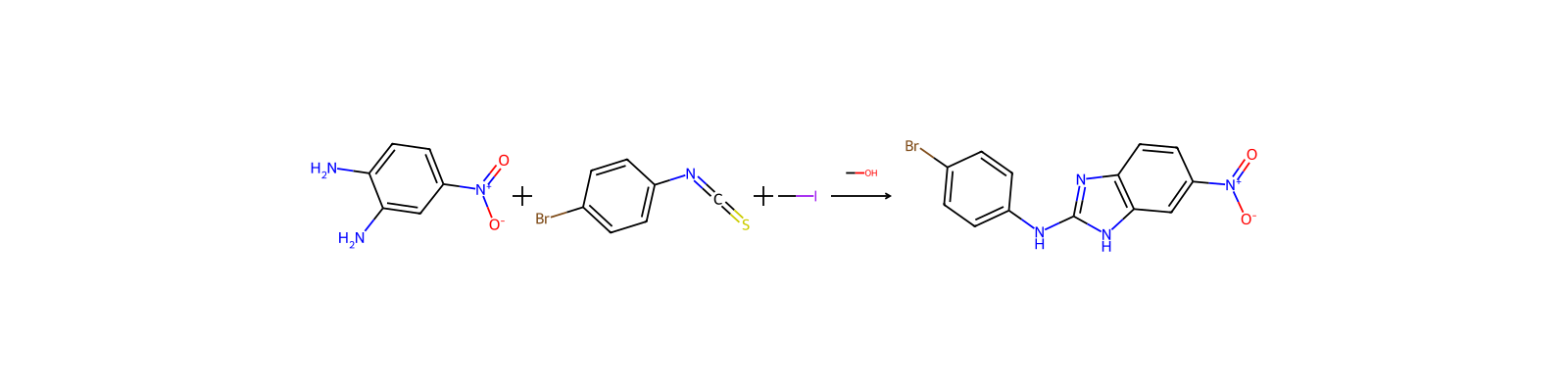
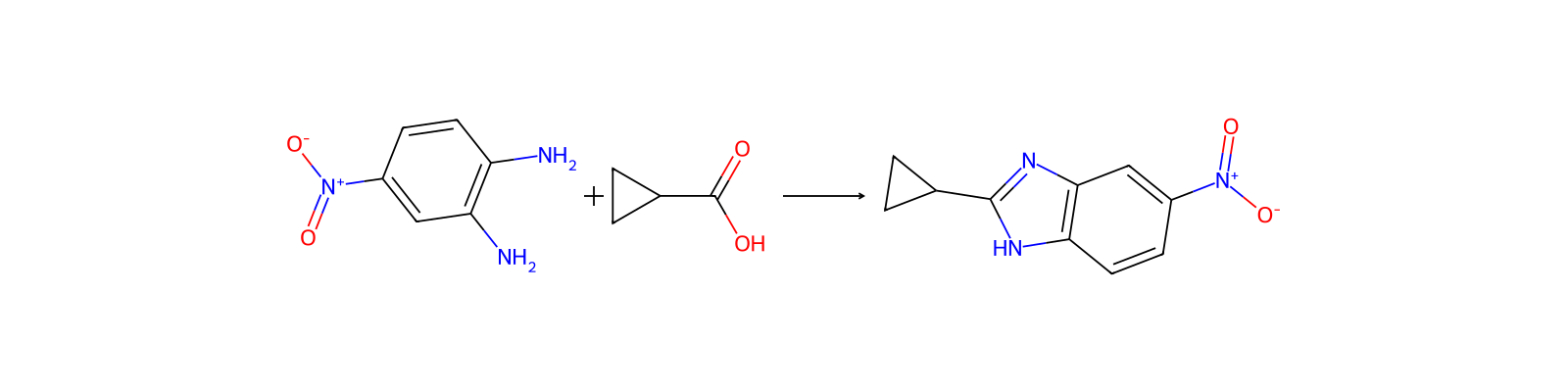
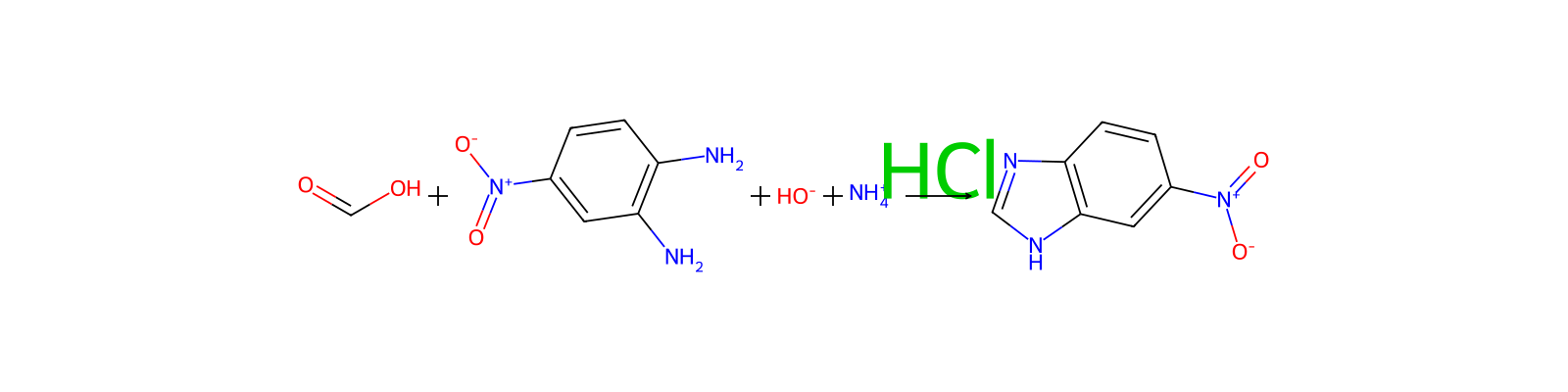
Related reactions
101 records


Linked notes
Loading…