HomeMCPWorkbenchSkills
HomeWorkbenchNotificationsMe
llms.txt · MCP GuidePrivacy Policy · Terms of Service · Supportv1.8.0
  1. Home
  2. /Compound

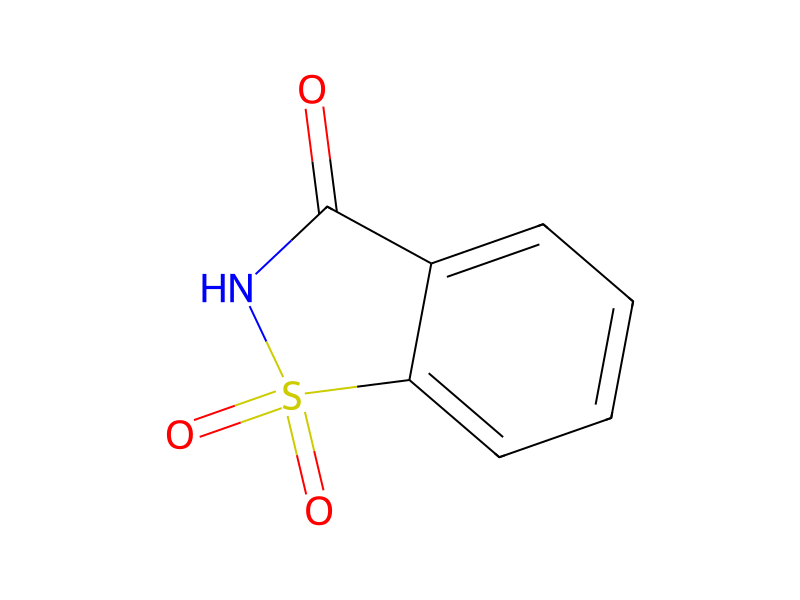
Saccharin

HCID 5143
New noteNew reactionRequest quotes
Print preview

Completing data — refresh the page later to see the latest
Basic informationOverviewNames & identifiersPropertiesSafety & regulationChemistry & industryRelated reactionsCompound notes
Substructure searchFind similar structures

Basic information

CAS
81-07-2
Standard SMILES
O=C1NS(=O)(=O)c2ccccc21
InChIKey
CVHZOJJKTDOEJC-UHFFFAOYSA-N
Molecular formula
C7H5NO3S
Average molar mass
183.19 g/mol
Monoisotopic mass
182.99901402

Overview

Saccharin (manufacturing) appears as white crystals. Odorless or faintly aromatic odor. Sweet taste. (NTP, 1992)

Names & identifiers

Preferred name
Saccharin
IUPAC
1,1-dioxo-1,2-benzothiazol-3-one
English name
Saccharin
Molecular formula
C7H5NO3S
Molecular weight
183.18

Names & synonyms

saccharin81-07-2o-Benzoic sulfimideo-SulfobenzimideSaccharineSaccharimideBenzosulfimideGarantoseo-BenzosulfimideBenzoic sulfimideBenzosulphimideSaccharinol
Show more names
Benzo[d]isothiazol-3(2H)-one 1,1-dioxideINSOLUBLE SACCHARINSacharinSacarina
SaccharinoseSaccharin insolubleBenzosulfinideHermesetasSaccharolGlucidGlusideSaccharin acid

Database identifiers

CAS
81-07-2
PubChem CID
5143
DTXSID
DTXSID5021251
ChEMBL
CHEMBL310671
ChEBI
CHEBI:32111
UNII
FST467XS7D
EC Number
201-321-0
Nikkaji
J747.663I

Properties

Computed structural propertiesFilling in

XLogP
0.9
Topological polar surface area
71.6 Ų
Hydrogen bond donors
1
Hydrogen bond acceptors
3
Rotatable bonds
0
Heavy atoms
12
Formal charge
0
Complexity
303

Experimental & physicochemical properties

Chemical ClassesOther Uses -> Food Additives
Drugs · 2 items

Pharmaceuticals -> Listed in ZINC15

Pharmaceuticals -> Used in Switzerland

CosmeticsMasking; Oral care
pHpH of 0.35% aqueous solution: 2.0
SpringerMaterials PropertiesCrystal structure
FragrancesFragrance Ingredient (Saccharin) -> IFRA transparency List
PesticidesEnvironmental transformation -> Pesticide transformation products (metabolite, successor)
LogP · 2 items

log Kow = 0.91

0.91

OdorODORLESS OR HAS FAINT AROMATIC ODOR.
Taste · 2 items

In dilute aqueous solution it is 500 times as sweet as sugar; sweet taste detectable in 1:100,000 dilution.

Safety & regulation

Safety information is for reference only and does not replace the supplier’s Safety Data Sheet (SDS), applicable regulations, or professional assessment.

GHS classification

GHS Classification · 3 items

This chemical does not meet GHS hazard criteria for 97% (549 of 566) of all reports.

Not Classified

Aggregated GHS information provided per 566 reports by companies from 6 notifications to the ECHA C&L Inventory.

Hazard information

Regulatory Information · 6 items

Chemical: 1,2-Benzisothiazol-3(2H)-one, 1,1-dioxide

Commission Regulation No 844/2012

1,2-Benzisothiazol-3(2H)-one, 1,1-dioxide is listed on the EPA's Chemical Data Reporting (CDR) system. Manufacturers and importers of 1,2-Benzisothiazol-3(2H)-one, 1,1-dioxide are required to report information about their production and use of this chemical to the EPA under the Toxic Substances Control Act (TSCA). (40 eCFR Part 711)

Status: Active Update: 12-12-2018 https://echa.europa.eu/registration-dossier/-/registered-dossier/11056

Saccharin: Does not have an individual approval but may be used under an appropriate group standard

The New Jersey Worker and Community Right to Know Act requires public and private employers to provide information about hazardous substances at their workplaces. (N.J.S.A. 34:5A-1 et. seq.)

Other Safety InformationEvaluation - Chemicals that are unlikely to require further regulation to manage risks to environment
Fire HazardsFlash point data for this chemical are not available; however, it is probably combustible. (NTP, 1992)
Health HazardsSYMPTOMS: Symptoms of exposure to this compound include anorexia, nausea, vomiting, diarrhea and gastric hyperacidity. Other symptoms include coughing, chest pain and irritation of the eyes, nose and throat.
Hazards SummaryMay cause irritation; [Sigma-Aldrich MSDS]

Chemistry & industry

Pharmacology

Mechanism of Action · 1 item

...it has been shown that the activation of particular T2R bitter taste receptors is partially involved with the bitter aftertaste sensation of saccharin and acesulfame-K. ... /This study/ addressed the question of whether /they/ could stimulate transient receptor potential vanilloid-1 (TRPV1) receptors, as these receptors are activated by a large range of structurally different chemicals. Moreover, TRPV1 receptors and/or their variants are found in taste receptor cells and in nerve terminals throughout the oral cavity. Hence, TRPV1 activation could be involved in the ... aftertaste or even contribute to the poorly understood metallic taste sensation. Using Ca(2+) imaging on TRPV1 receptors heterologously expressed in the human embryonic kidney (HEK) 293 cells and on dissociated primary sensory neurons,... /it was found/ that in both systems, .../sweeteners/ activate TRPV1 receptors, and, moreover, they sensitize these channels to acid and heat. ... /it was/also found that TRPV1 receptors were activated by CuSO(4), ZnSO(4), and FeSO(4), three salts known to produce a metallic taste sensation. In summary, .../the/ results identify a novel group of compounds that activate TRPV1 and, consequently, provide a molecular mechanism that may account for off tastes of sweeteners and metallic tasting salts.

Biological Half-Life · 2 items

In three adult men given an intravenous bolus of 10 mg/kg bw sodium saccharin, the plasma concentration-time curve fitted a two-compartment open model with a terminal half-life of 70 min. /Sodium saccharin/

Six women with an average oral daily intake of 100-300 mg saccharin (form not specified) had maximum plasma concentrations after 0.5-1 hr and an elimination half-life of 7.5 hr.

Metabolism/Metabolites · 5 items

... 3-(14)C-SACCHARIN WAS EXCRETED UNCHANGED, MAINLY IN THE URINE (85-92% IN 24 HR) BY ADULT HUMAN SUBJECTS, BOTH BEFORE & AFTER TAKING 1 G OF SACCHARIN DAILY FOR 21 DAYS; NO METABOLITE OF SACCHARIN WAS FOUND. THESE RESULTS WERE AMPLY CONFIRMED IN ANIMAL EXPERIMENTS, IN WHICH ORALLY ADMIN (14)C-SACCHARIN WAS EXCRETED ENTIRELY UNCHANGED BY RATS ON A NORMAL DIET & BY RATS ON A DIET CONTAINING 1% & 5% OF SACCHARIN FOR UP TO 12 MO. 80-90% OF THE DOSE WAS EXCRETED IN THE URINE, 10-20% IN THE FECES; NO (14)CO2 WAS FOUND IN THE EXHALED AIR, & NO (14)CO3(2-) OR 2-SULFAMOYLBENZOIC ACID IN THE URINE.

Related reactions

164 records
New reaction record
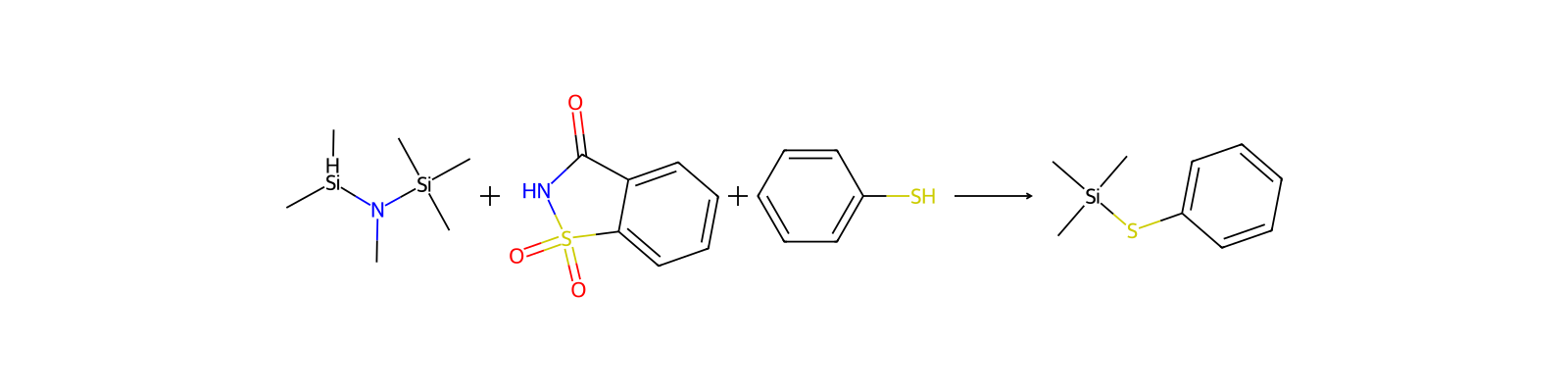
HRID 93963 reaction equation
HRID 93963As reactantTraining data from https://doi.org/10.1039/C8SC04228D (2/10)
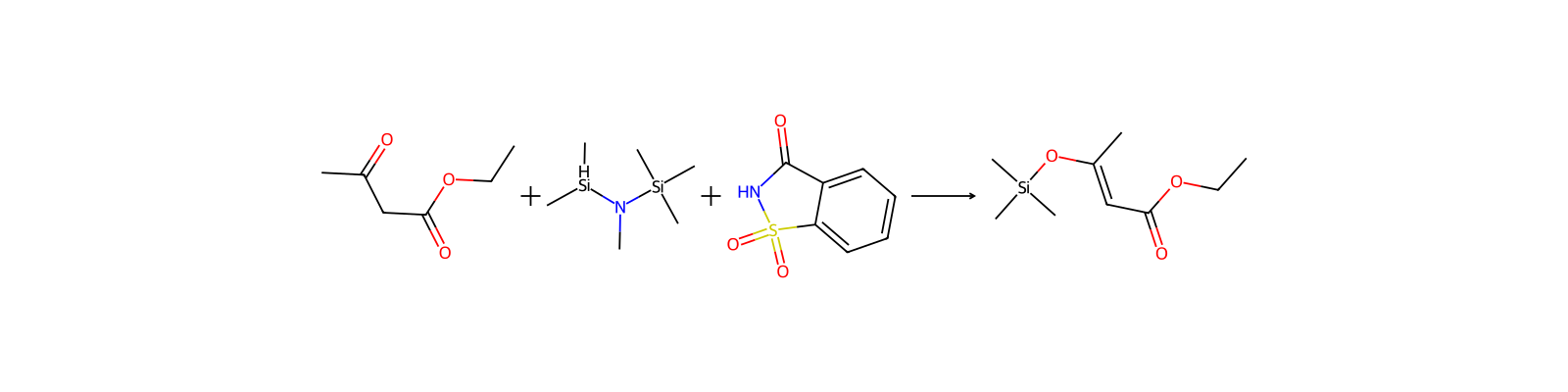
HRID 98028 reaction equation
HRID 98028As reactantTraining data from https://doi.org/10.1039/C8SC04228D (2/10)
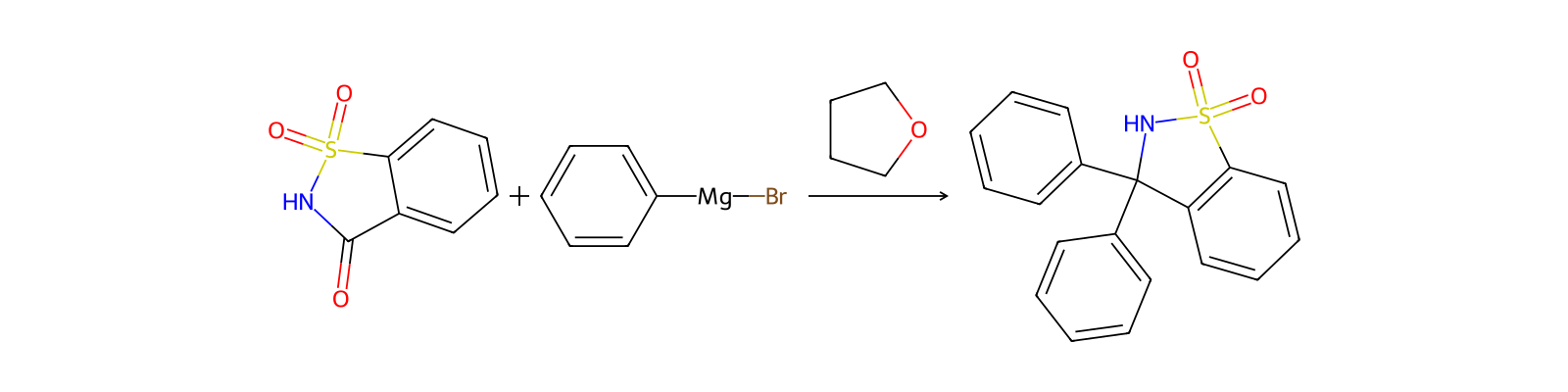
HRID 103230 reaction equation
HRID 103230As reactantTraining data from https://doi.org/10.1039/C8SC04228D (2/10)
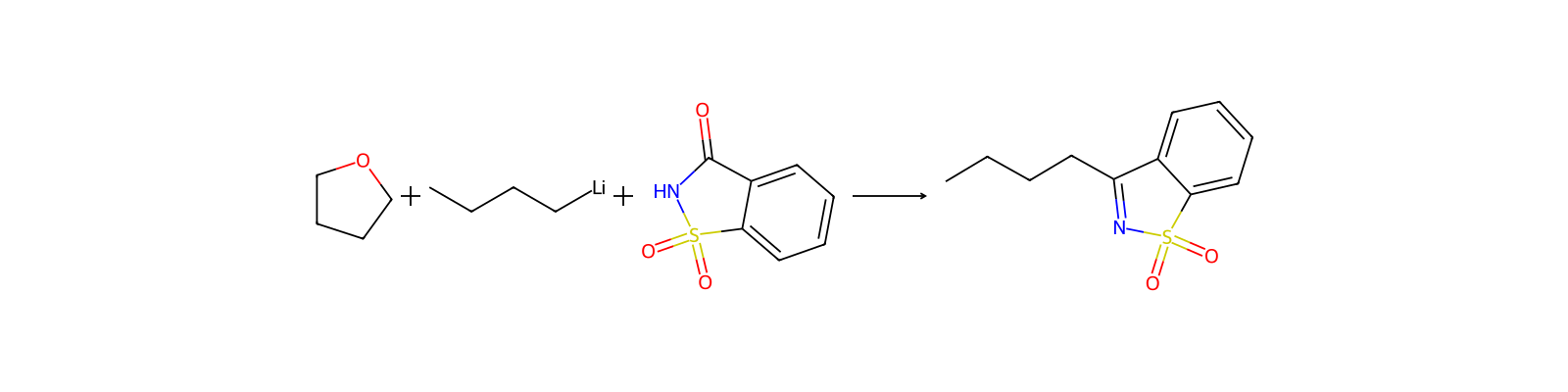
HRID 104836 reaction equation
HRID 104836As reactantTraining data from https://doi.org/10.1039/C8SC04228D (2/10)
HRID 111737 reaction equation
HRID 111737As reactantTraining data from https://doi.org/10.1039/C8SC04228D (2/10)
HRID 127356 reaction equation
HRID 127356As reactantuspto-grants-1981_03
HRID 128440 reaction equation
HRID 128440As reactantuspto-grants-1981_03
HRID 135291 reaction equation
HRID 135291As reactantTraining data from https://doi.org/10.1039/C8SC04228D (9/10)
Page 1 of 21

Compound notes

Loading…

On this pageBasic informationOverviewNames & identifiersPropertiesSafety & regulationChemistry & industryRelated reactionsCompound notes
More actions
New noteNew reactionRequest quotes

Bitter, metallic aftertaste

Food Additives · 2 items

NON-NUTRITIVE SWEETENER -> FDA Substance added to food

Food

Density · 2 items

0.828 (NTP, 1992) - Less dense than water; will float

0.828 g/cu cm at 25 °C

Physicochemical properties

Melting point
226 · 226-229 °C (lit.)
Boiling point
subl
Density
0.828 · 0.828
vapor pressure
0 Pa · 0Pa at 25℃
refractive index
1.55 · 1.5500 (estimate)
storage temp.
30 °C · Store below +30°C.
solubility
1 g · acetone: soluble1g in 12mL(lit.)
form
Crystals or Crystalline Powder
pka
11.68 · 11.68(at 18℃)
color
White
Odor
odorless
Water Solubility
3.3 g/L · 3.3 g/L (20 ºC)
Merck
14 · 14,8311
BRN
6888 · 6888
Henry's Law Constant
8.2 · 8.2×103 mol/(m3Pa) at 25℃, HSDB (2015)
Stability
Stable. Incompatible with strong oxidizing agents.
Cosmetics Ingredients Functions
FRAGRANCEORAL CARE
InChI
1S/C7H5NO3S/c9-7-5-3-1-2-4-6(5)12(10,11)8-7/h1-4H,(H,8,9)
InChIKey
CVHZOJJKTDOEJC-UHFFFAOYSA-N
SMILES
O=C1NS(=O)(=O)c2ccccc12
LogP
-0.024 at · -0.024 at 25℃
CAS DataBase Reference
81 · 81-07-2(CAS DataBase Reference)
Substances Added to Food (formerly EAFUS)
SACCHARIN
FDA 21 CFR
310.545 · 310.545
EWG's Food Scores
1 · 1
FDA UNII
467 XS7D · FST467XS7D
NIST Chemistry Reference
Saccharin(81-07-2)
IARC
3 · 3 (Vol. Sup 7, 73) 1999
EPA Substance Registry System
Saccharin (81-07-2)
UNSPSC Code
41116107 · 41116107
NACRES
24 · NA.24
Symbol(GHS)
7 · GHS07,GHS08
Signal word
Warning
Hazard statements
302 · H302-H315-H319-H335-H351-H361
Precautionary statements
261 · P261-P305+P351+P338
PPE
95 · Eyeshields, Gloves, type N95 (US)
Risk Statements
40 · 40-62-63-68
Safety Statements
24 · 24/25
RIDADR
3077 · UN 3077 9/PG 3
WGK Germany
2 · 2
RTECS
4200000 · DE4200000
TSCA
TSCA listed
HazardClass
IRRITANT
HS Code
29251100 · 29251100
Storage Class
11 · 11 - Combustible Solids
Hazardous Substances Data
81 · 81-07-2(Hazardous Substances Data)
Toxicity
50 oral · LD50 oral in mouse: 17gm/kg
REACH Registrations
Active
FDA Requirements · 2 items

The food additives saccharin, ammonium saccharin, calcium saccharin, and sodium saccharin may be safely used as sweetening agents in food in accordance with the following conditions /in part 180, section 37/, if the substitution for nutritive sweeteners is for a valid special dietary purpose and is in accord with current special dietary food regulations and policies or if the use or intended use is for an authorized technological purpose other than calorie reduction.

Drug products containing certain active ingredients offered over-the-counter (OTC) for certain uses. A number of active ingredients have been present in OTC drug products for various uses, as described below. However, based on evidence currently available, there are inadequate data to establish general recognition of the safety and effectiveness of these ingredients for the specified uses: Saccharin is included in weight control drugs.

Reactive GroupAmides and Imides
Special Reports · 3 items

Toxicity of Food Additives (Excluding Antioxidants), January 1978-July 1989. Govt Reports Announcements & Index (GRA&I) Issue 6 (1990). This bibliography contains citations concerning the toxicity of food additives, incl saccharin, and their effects on the liver, kidneys, bladder, and other organs.

Arnold DL, Boyes BG; The Toxicological Effects Of Saccharin in Short-Term Genotoxicity Assays. Mutat Res 221 (2): 69-132 (1989).

National Toxicology Program. Eleventh Report on Carcinogens (2005). The Report on Carcinogens is an informational scientific and public health document that identifies and discusses substances (including agents, mixtures, or exposure circumstances) that may pose a carcinogenic hazard to human health. Saccharin (81-07-2) is delisted as reasonably anticipated to be a human carcinogen.[Available from, as of July 31, 2009: http://ntp.niehs.nih.gov/ntp/roc/eleventh/profiles/append/appb.pdf]

TSCA Requirements · 2 items

Section 8(a) of TSCA requires manufacturers of this chemical substance to report preliminary assessment information concerned with production, exposure, and use to EPA as cited in the preamble in 51 FR 41329. Effective date 9/29/2006; Reporting date: 11/28/2006.

Pursuant to section 8(d) of TSCA, EPA promulgated a model Health and Safety Data Reporting Rule. The section 8(d) model rule requires manufacturers, importers, and processors of listed chemical substances and mixtures to submit to EPA copies and lists of unpublished health and safety studies. 1,2-Benzisothiazol-3(2H)-one, 1,1-dioxide is included on this list. Effective date: 9/29/2006; Sunset date: 11/28/2006.

Reactivity Profile · 1 item

An amide. Acid to litmus. pH of 0.35% aqueous solution: 2.0. Organic amides/imides react with azo and diazo compounds to generate toxic gases. Flammable gases are formed by the reaction of organic amides/imides with strong reducing agents. Amides are very weak bases (weaker than water). Imides are less basic yet and in fact react with strong bases to form salts. That is, they can react as acids. Mixing amides with dehydrating agents such as P2O5 or SOCl2 generates the corresponding nitrile. The combustion of these compounds generates mixed oxides of nitrogen (NOx).

Air and Water ReactionsSlightly soluble in water.
Hazard Classes and CategoriesNot Classified

Safety & protection

Fire FightingFires involving this material can be controlled with a dry chemical, carbon dioxide or Halon extinguisher. (NTP, 1992)
First Aid · 1 item

EYES: First check the victim for contact lenses and remove if present. Flush victim's eyes with water or normal saline solution for 20 to 30 minutes while simultaneously calling a hospital or poison control center. Do not put any ointments, oils, or medication in the victim's eyes without specific instructions from a physician. IMMEDIATELY transport the victim after flushing eyes to a hospital even if no symptoms (such as redness or irritation) develop.

Nonfire Spill Response · 1 item

SMALL SPILLS AND LEAKAGE: If you spill this chemical, you should dampen the solid spill material with water, then transfer the dampened material to a suitable container. Use absorbent paper dampened with water to pick up any remaining material. Seal your contaminated clothing and the absorbent paper in a vapor-tight plastic bag for eventual disposal. Wash all contaminated surfaces with a soap and water solution. Do not reenter the contaminated area until the Safety Officer (or other responsible person) has verified that the area has been properly cleaned.

Disposal Methods · 3 items

SRP: The most favorable course of action is to use an alternative chemical product with less inherent propensity for occupational harm/injury/toxicity or environmental contamination. Recycle any unused portion of the material for its approved use or return it to the manufacturer or supplier. Ultimate disposal of the chemical must consider: the material's impact on air quality; potential migration in soil or water; effects on animal and plant life; and conformance with environmental and public health regulations.

Generators of waste (equal to or greater than 100 kg/mo) containing this contaminant, EPA hazardous waste number U202, must conform with USEPA regulations in storage, transportation, treatment and disposal of waste.

A potential candidate for rotary kiln incineration at a temperature range of 820 to 1,600 °C and residence times of seconds for liquids and gases, and hours for solids. A potential candidate for fluidized bed incineration at a temperature range of 450 to 980 °C and residence times of seconds for liquids and gases, and longer for solids.

Preventive Measures · 1 item

SRP: In bulk storage or manufacturing situations where combustible dusts can collect in sufficient concentrations to give rise to an explosion/deflagration, reasonable precautions shall be taken to reduce or eliminate the hazard. Efforts shall be made to control or eliminate the five elements necessary to initiate a dust explosion. These include combustible dust (fuel), ignition source (heat), oxygen in air (oxidizer), and dispersion of dust particles in sufficient quantity and concentration as well as confinement of the dust cloud. General guidance in these efforts can be found in OSHA's "Combustible Dust in Industry; Preventing and Mitigating the Effects of Fire and Explosions", which list measures to control dusts, eliminate ignition sources, and limit the effects of explosions.

Personal Protective Equipment (PPE) · 1 item

RECOMMENDED RESPIRATOR: Where the neat test chemical is weighed and diluted, wear a NIOSH-approved half face respirator equipped with a combination filter cartridge, i.e. organic vapor/acid gas/HEPA (specific for organic vapors, HCl, acid gas, SO2 and a high efficiency particulate filter). (NTP, 1992)

Other Standards Regulations and Guidelines · 1 item

In 1977, the FDA proposed a ban on saccharin because of the discovery of bladder tumors in some male rats fed with high doses of saccharin. Because no other nonnutritive sweetener was available at that time, the proposed ban faced strong opposition. Legislation to stay the ban has been passed in the U.S. Congress periodically. In December, 1991, the FDA withdrew its proposed ban. All saccharin-containing packaged products were required to carry a warning label indicating that saccharin has been determined to cause cancer in laboratory animals. In 2001, the warning label requirement was lifted by the Congress. In 2003, saccharin was delisted from California Proposition 65 (the so-called carcinogen list).

Toxicology

Interactions · 5 items

IT IS NOW WELL ESTABLISHED THAT THE INTERACTION OF MULTIPLE ENVIRONMENTAL FACTORS MAY INCR THE INCIDENCE OF SOME HUMAN CANCERS MORE THAN EXPOSURE TO A SINGLE CARCINOGEN. WITH AN IN VIVO EXPERIMENTAL RAT MODEL, SYNERGISTIC EFFECT IN BLADDER CARCINOGENESIS BETWEEN A SUBCARCINOGENIC DOSE OF THE STRONG BLADDER CARCINOGEN, N-METHYL-N-NITROSOUREA & SACCHARIN WAS DEMONSTRATED.

Since both sodium L-ascorbate and sodium saccharin promote two-stage bladder carcinogenesis in rats, synergism of the two chemicals was investigated with special reference to the role of urinary pH and sodium+ concentration. Male F344 rats were given 0.05% N-butyl-N-(4-hydroxybutyl)nitrosamine in the drinking water for 4 wk and then treated with basal diet containing 5% sodium saccharin, 5% sodium L-ascorbate, 5% sodium saccharin plus 5% sodium L-ascorbate, 5% L-ascorbic acid, 5% sodium saccharin plus 5% L-ascorbic acid, or no added chemical for 32 wk. Treatment with sodium saccharin or sodium L-ascorbate alone significantly increased the induction of neoplastic and preneoplastic lesions of the bladder. Sodium saccharin plus sodium L-ascorbate also induced these bladder lesions significantly when compared with the controls, and the number of lesions was greater than the sum of the lesions in the group treated with sodium saccharin alone or sodium L-ascorbate alone. In contrast, the induction of carcinomas and papillomas in rats treated with sodium saccharin plus sodium L-ascorbate produced an elevation of urinary pH and sodium+ concentrations, although the increases were not different from those in rats fed sodium saccharin or sodium L-ascorbate alone. Sodium saccharin plus L-ascorbic acid, however, did not cause elevation of urinary pH, although it increased urinary sodium+ concentration. Thus, the bladder carcinogenesis promotion by sodium saccharin was synergized by sodium L-ascorbate and inhibited by L-ascorbic acid. This modulation was associated with changes of urinary pH and Na+ concentration. /Sodium saccharin/

CHRONIC RAT FEEDING STUDIES WERE CONDUCTED ON A 10:1 CYCLAMATE/SACCHARIN MIXT. THE TEST MIXT WAS FED AT DIETARY LEVELS DESIGNED TO FURNISH 500, 1120, & 2500 MG/KG TO GROUPS OF 35 MALE & 45 FEMALE RATS. THE ONLY POS FINDING WHICH PROVED TO HAVE CRUCIAL SIGNIFICANCE WAS THE OCCURRENCE OF PAPILLARY CARCINOMAS IN THE BLADDERS OF 12 OF THE 70 RATS FED THE MAX DIETARY LEVEL OF THE MIXT (EQUIV TO ABOUT 2500 MG/KG) FOR PERIODS RANGING FROM 78 TO 105 WK.

N-METHYL-N-NITROSOUREA WAS USED AS INITIATING CARCINOGEN AND GREATLY INCR YIELD OF BLADDER CANCERS IN SACCHARIN TREATED RATS. SACCHARIN IS A WEAK INITIATOR BUT A POWERFUL PROMOTER OF CARCINOGENESIS IN THE RAT BLADDER.

For more Interactions (Complete) data for SACCHARIN (15 total), please visit the HSDB record page.

Ecotoxicity Values · 1 item

LC50; Species: Pimephales promelas (fathead minnow, 30 day old); Concentration: 18.3 g/L for 96 hr (confidence limit 16.4 - 20.4 g/L). Dilution factor: 0%, 20%, 40%, 60%, 80% and 100% of the stock solution. Behavioral observations were not recorded. Increased alkalinity values were due to a reaction between the titrant and toxicant. /Saccharin, sodium salt hydrate/

Environmental Fate · 3 items

TERRESTRIAL FATE: Based on a classification scheme(1), an estimated Koc value of 23(SRC), determined from a log Kow of 0.91(2) and a regression-derived equation(3), indicates that saccharin is expected to have very mobility in soil(SRC). Volatilization of saccharin from moist soil surfaces is not expected to be an important fate process(SRC) given an estimated Henry's Law constant of 1.2X10⁻⁹ atm-cu m/mole(SRC), using a fragment constant estimation method(4). The pKa of saccharin is 1.31(5), indicating that this compound will partially exist in the anion form in the environment and anions generally do not adsorb more strongly to soils containing organic carbon and clay than their neutral counterparts(6). Saccharin is not expected to volatilize from dry soil surfaces(SRC) based upon an estimated vapor pressure of 1.0X10⁻⁷ mm Hg at 25 °C(SRC), determined from a fragment constant method(7). Incubation experiments with activated sludge resulted in a first order half-life of 90 minutes with 78% removal efficiency after 3 hours(8) suggesting that biodegradation may be an important environmental fate process in soil(SRC).

AQUATIC FATE: Based on a classification scheme(1), an estimated Koc value of 23(SRC), determined from a log Kow of 0.91(2) and a regression-derived equation(3), indicates that saccharin is not expected to adsorb to suspended solids and sediment(SRC). Volatilization from water surfaces is not expected(4) based upon an estimated Henry's Law constant of 1.2X10⁻⁹ atm-cu m/mole(SRC), developed using a fragment constant estimation method(5). According to a classification scheme(6), an estimated BCF of three(SRC), from its log Kow(2) and a regression-derived equation(2), suggests the potential for bioconcentration in aquatic organisms is low(SRC).Incubation experiments with activated sludge resulted in a first order half-life of 90 minutes with 78% removal efficiency after 3 hours(7) suggesting that biodegradation may be an important environmental fate process in water(SRC).

ATMOSPHERIC FATE: According to a model of gas/particle partitioning of semivolatile organic compounds in the atmosphere(1), saccharin, which has an estimated vapor pressure of 1.0X10⁻⁷ mm Hg at 25 °C(SRC), determined from a fragment constant method(2), will exist in both the vapor and particulate phases in the ambient atmosphere. Vapor-phase saccharin is degraded in the atmosphere by reaction with photochemically-produced hydroxyl radicals(SRC); the half-life for this reaction in air is estimated to be 22 hours(SRC), calculated from its rate constant of 5.9X10⁻¹² cu cm/molecule-sec at 25 °C(SRC) that was derived using a structure estimation method(3). Particulate-phase saccharin may be removed from the air by wet or dry deposition(SRC). Saccharin contains chromophores that absorb at wavelengths >290 nm(4), and therefore may be susceptible to direct photolysis by sunlight(SRC).

Average Daily IntakeThe average daily intake of saccharin through food for the Finnish population was estimated to be 15 mg, based on a survey of the population of Finland(1).
Effluent ConcentrationsSaccharin concentrations in untreated and treated wastewater from the Canton of Zurich, Switzerland, collected in 2008(1). [Table#1945]
Soil Adsorption/Mobility · 1 item

The Koc of saccharin is estimated as 20(SRC), using a log Kow of 0.91(1) and a regression-derived equation(2). According to a classification scheme(3), this estimated Koc value suggests that saccharin is expected to have very high mobility in soil. The pKa of saccharin is 1.31(4), indicating that this compound will partially exist in the anion form in the environment and anions generally do not adsorb more strongly to soils containing organic carbon and clay than their neutral counterparts(5).

Natural Pollution SourcesSaccharin, sodium and calcium saccharin and o-toluenesulphonamide do not occur as natural products.
Human Toxicity Excerpts · 5 items

/HUMAN EXPOSURE STUDIES/ Randomised, double-blind, placebo-controlled N-of-1 trial with a cross-over design /was conducted in order/ to determine whether there was a connection between the complaint of restless legs and the ingestion of artificial sweeteners in a patient with these symptoms after drinking certain 'light' beverages. During a period of 48 days, the patient took 4 capsules per day containing either 150 mg of cyclamate, 22.5 mg of saccharine, both sweeteners, or placebo on two successive days. Between each of these 2-day periods there was a 2-day rest period during which no capsules were taken. The hospital pharmacist had prepared the capsules and determined the sequence of the 2-day periods on a random basis. The patient did not know which capsules he was taking. Every day on arising, starting 3 weeks before the trial period, the patient noted the intensity and duration of the symptoms in the late evening and previous night. For this notation he used an 11-point scale, from 0 (= no restless legs) to 10 (= almost total inability to sleep because of restless legs). A score of 1-3 corresponded to mild symptoms that had no effect on the patient's sleep; at a score of 4-6 his sleep was disturbed and at a score of 7-10 the patient hardly slept at all. The patient had symptoms more often while using saccharine or the combination of saccharine and cyclamate than when taking the placebo (4 and 4 versus 2 of the 6 nights); moreover, the average score was then statistically significantly higher (5.2 and 5.8 versus 3.3). There was a connection between the patient's complaints of restless legs and the use of saccharine, but not the use of cyclamate.

/CASE REPORTS/ Idiosyncratic effects of saccharin on the liver were reported in a 70-year-old woman. Increased activities of alanine aminotransferase, aspartate aminotransferase, gamma-glutamyl transferase and alkaline phosphatase were found after oral administration of three pharmaceutical drugs of which saccharin was the only common constituent. The drugs were lorazepam, dihydroergocristine and chlordemethyldiazepam. Exposure to saccharin alone reproduced the effects.

/CASE REPORTS/ ...reported 5 patients in whom oral administration of 0.1 g saccharin caused pruritis and edematous papules on the trunk and limbs.

/EPIDEMIOLOGY STUDIES/ A SURVEY OF BLADDER CANCER PATIENTS & CONTROLS WITHOUT BLADDER CANCER SHOWED THAT IN GENERAL BLADDER CANCER RISK WAS NOT INCREASED BY NONNUTRITIVE SWEETENER SACCHARIN & CYCLAMATE USE. ADJUSTING FOR SMOKING HABITS, OCCUPATION, AGE, RACE, SEX, DIABETES MELLITUS, ETC DID NOT LEAD TO SIGNIFICANT CORRELATIONS BETWEEN THE SWEETENER USE & BLADDER CANCER.

For more Human Toxicity Excerpts (Complete) data for SACCHARIN (11 total), please visit the HSDB record page.

Artificial Pollution SourcesSaccharin's production and use as an artificial, non-nutritive sweetener, pharmaceutic aid (flavor), and in formulations for electroplating-bath brighteners(1) may result in its release to the environment through various waste streams(SRC).
Environmental Biodegradation · 1 item

AEROBIC: The importance of biodegradation of saccharin in soil and water is unknown, but amides are usually susceptible to microbial metabolism(1). Saccharin was eliminated in wastewater treatment plants with activated sludge processes sampled in Zurich Switzerland; a mean removal efficiency of 90% was observed. Incubation experiments with activated sludge resulted in a first order half-life of 90 minutes with 78% removal efficiency after 3 hours. No loss was observed using sterile controls(2).

Carcinogen Classification · 6 items

Saccharin and its salts

Group 3: Not classifiable as to its carcinogenicity to humans

Volume Sup 7: Overall Evaluations of Carcinogenicity: An Updating of IARC Monographs Volumes 1 to 42, 1987; 440 pages; ISBN 92-832-1411-0 (out of print)

1999

1998

NB Overall evaluation downgraded to Group 3 with supporting evidence from other relevant data

Environmental Bioconcentration · 1 item

An estimated BCF of three was calculated in fish for saccharin(SRC), using a log Kow of 0.91(1) and a regression-derived equation(2). According to a classification scheme(3), this BCF suggests the potential for bioconcentration in aquatic organisms is low(SRC). Bioconcentration of the substance was tested as a breakdown product of 3-(allyloxy)-1,1-dioxo-1lambda(6),2-benzothiazole; results indicated low bioconcentration potential(4).

Regulatory information

FDA Requirements · 2 items

The food additives saccharin, ammonium saccharin, calcium saccharin, and sodium saccharin may be safely used as sweetening agents in food in accordance with the following conditions /in part 180, section 37/, if the substitution for nutritive sweeteners is for a valid special dietary purpose and is in accord with current special dietary food regulations and policies or if the use or intended use is for an authorized technological purpose other than calorie reduction.

Drug products containing certain active ingredients offered over-the-counter (OTC) for certain uses. A number of active ingredients have been present in OTC drug products for various uses, as described below. However, based on evidence currently available, there are inadequate data to establish general recognition of the safety and effectiveness of these ingredients for the specified uses: Saccharin is included in weight control drugs.

TSCA Requirements · 2 items

Section 8(a) of TSCA requires manufacturers of this chemical substance to report preliminary assessment information concerned with production, exposure, and use to EPA as cited in the preamble in 51 FR 41329. Effective date 9/29/2006; Reporting date: 11/28/2006.

Pursuant to section 8(d) of TSCA, EPA promulgated a model Health and Safety Data Reporting Rule. The section 8(d) model rule requires manufacturers, importers, and processors of listed chemical substances and mixtures to submit to EPA copies and lists of unpublished health and safety studies. 1,2-Benzisothiazol-3(2H)-one, 1,1-dioxide is included on this list. Effective date: 9/29/2006; Sunset date: 11/28/2006.

Safety data

PPE
Eyeshields, Gloves, type N95 (US)
wgk
2
tsca
TSCA listed
rtecs
DE4200000
ridadr
UN 3077 9/PG 3
hs_code
29251100
Toxicity
LD50 oral in mouse: 17gm/kg
risk_code
40-62-63-68
Signal word
Warning
Symbol(GHS)
GHS07,GHS08
safety_code
24/25
hazard_class
IRRITANT
Storage Class
11 - Combustible Solids
Hazard statements
H302-H315-H319-H335-H351-H361
REACH Registrations
Active
Precautionary statements
P261-P305+P351+P338
Hazardous Substances Data
81-07-2(Hazardous Substances Data)

YIELDS IN MONKEYS SULFAMOYLBENZOIC ACID & O-SULFOBENZOIC ACID. /FROM TABLE/

EXPOSURE OF MALE CHARLES RIVER CDI RATS TO 5% SACCHARIN DIET IN UTERO & THROUGHOUT WEANING, DID NOT INDUCE DETECTABLE METABOLISM. NO METABOLITES WERE DETECTED IN URINE OF NORMAL RATS GIVEN TRACER DOSE. PRETREATMENT WITH 3-METHYLCHOLANTHRENE DID NOT INDUCE SACCHARIN METABOLISM.

One female and two male volunteers excreted 85-92% of a dose of 1g (3-14)C- saccharin unchanged in the urine within 24 hr, before or after taking 1 g saccharin daily for 21 days; no metabolites were found.

Within 48 h, 92% of a dose of 500 mg [14C]saccharin taken by six male volunteers was excreted in the urine and 5.8% in the faeces. Analysis of urine and feces by highperformance liquid chromatography and thin-layer chromatography revealed only unmetabolized saccharin.

MeSH Pharmacological ClassificationSubstances that sweeten food, beverages, medications, etc., such as sugar, saccharine or other low-calorie synthetic products. (From Random House Unabridged Dictionary, 2d ed)
Absorption, Distribution and Excretion · 5 items

TRANSPLACENTAL TRANSFER OF ... (14)C-SACCHARIN ADMIN BY IV INFUSION TO RHESUS MONKEYS IN LATE PREGNANCY, WAS RAPID, BUT SLIGHT. (14)C WAS CLEARED MORE SLOWLY FROM FETAL THAN FROM MATERNAL BLOOD, & WAS DISTRIBUTED IN ALL FETAL TISSUES EXAMINED ... WAS ONLY BIOTRANSFORMED TO LIMITED EXTENT & WAS RAPIDLY EXCRETED ... .

Three groups of five men were given sodium saccharin in single oral doses of 50, 150 or 333 mg/60 kg bw. Peak plasma concentrations occurred between 30 and 60 min after dosing, and 60 and 76% was excreted unchanged in urine at 6 and 24 h, respectively. /Sodium saccharin/

IN 3 VOLUNTEERS, 85-92% OF DOSES OF 1 G 3(14)C-SACCHARIN ADMIN ORALLY FOR 21 DAYS WAS EXCRETED UNCHANGED IN THE URINE WITHIN 24 HR; NO METABOLITES WERE FOUND. WITHIN 48 HR, 92.3% OF A DOSE OF 500 MG (14)C-SACCHARIN WAS EXCRETED IN THE URINE & 5.8% IN THE FECES.

After administration of 1-g doses of soluble (sodium) saccharin [form not specified] to three men, saccharin was excreted in the urine quantitatively unchanged by two of the subjects within 48 hr. In a subsequent experiment involving six subjects, none excreted the dose quantitatively within 72 hr, but no metabolism of saccharin was detected. /Sodium saccharin/

For more Absorption, Distribution and Excretion (Complete) data for SACCHARIN (13 total), please visit the HSDB record page.

Cellular LocationsCytoplasm

Uses & manufacturing

Uses · 6 items

Used as a non-nutritive sweetener, pharmaceutic aid (flavor), and in electroplating-bath brighteners; [Merck Index] Used as a cattle feed additive and in tobacco processing; [HSDB] Permitted for use as an inert ingredient in non-food pesticide products; [EPA]

Electroplating [Category: Plate]

Non-nutritive sweetener; pharmaceutic aid (flavor). In formulations for electroplating-bath brighteners

A sweetening agent in Aromatic Cascara Sagrada Fluid extract and highly alcoholic preparations. ... It is used as a sweetening agent in vehicles, canned foods, and beverages and in diets for diabetics to replace sucrose.

Add sweetness with or without the extra calories ... /in/ beverages, baked goods, confections, table-top sugar, substitutes, many processed foods

NON-CALORIC SYNTHETIC SWEETENER IN TABLETS, LIQ PRODUCTS, SOFT DRINKS, DIETETIC FOODS, MISC PHARMACEUTICALS, CHEWING GUM, TOOTH PASTE, SMOKELESS TOBACCO PRODUCTS; ELECTROPLATING BATH ADDITIVE; CATTLE FEED ADDITIVE; ANTISEPTIC (FORMER USE); PRESERVATIVE TO RETARD FERMENTATION OF FOOD (FORMER USE).

Impurities · 1 item

o- & p-Toluenesulfonamide; 1,2-benzisothiazol-1,1-dioxide; 1,2-benzisothiazoline-1,1-dioxide; 3-aminobenzisothazol-1,1-dioxide; 5- & 6-chlorosaccharin; ammonium saccharin; methyl saccharin; diphenyl sulfone; ditolylsulphone isomers; o- & p-sulfamoylbenzoic acid; o-chlorobenzoic acid; o-sulfobenzoic acid (& ammonium salt); n-tetracosane; bis(4-carboxyphenyl)sulfone; toluene-2,4-disulfonamide; saccharin-o-toluenesulfonamide; saccharin-6-sulfonamide; N-methyl-o-toluene-sulfonamide; methyl-o-chlorobenzoate; 4,4'-dibenzoylsulfone; 2- or 3-carboxy thiaxanthone-5-dioxide; o-sulfobenzamide; methyl-o-sulfamoylbenzoate; methyl-N-methylsulfamoylbenzoate; saccharin-o-toluenesulfoxylimide; & other /Reported impurities in saccharin & sodium saccharin/

U.S. Imports · 3 items

(1977) 1.35X10+9 G

(1982) 1.34X10+9 G

(1985) 8.07X10+8 g.

U.S. Production · 6 items

2023: 2,740,100 lb

(1977) AT LEAST 2.18X10+9 G (EST-INCL SALT)

(1985) Not reported

1,2-Benzisothiazol-3(2H)-one, 1,1-dioxide is listed as a High Production Volume (HPV) chemical (65FR81686). Chemicals listed as HPV were produced in or imported into the U.S. in >1 million pounds in 1990 and/or 1994. The HPV list is based on the 1990 Inventory Update Rule. (IUR) (40 CFR part 710 subpart B; 51FR21438).

Production volumes for non-confidential chemicals reported under the Inventory Update Rule. [Table#1947]

For more U.S. Production (Complete) data for SACCHARIN (6 total), please visit the HSDB record page.

Consumption Patterns · 2 items

Global consumption (1000 tons): 37

The USA consumption pattern for saccharin (all forms) in 1976 has been estimated as follows: 77% in food uses: 45% in soft drinks, 18% in 'tabletop' sweetener, and 14% in other foods such as fruits, premixes, juices, sweets, chewing gum and jellies; and 23% in nonfood items: 10% in cosmetics such as toothpaste, mouthwash and lipstick, 7% in pharmaceuticals such as coatings on pills, 2% in smokeless tobacco products such as chewing tobacco and snuff, 2% in electroplating, 1% in cattle feed and 1% in miscellaneous uses. /Saccharin (all forms)/

Consumer UsesNot Known or Reasonably Ascertainable
Methods of Manufacturing · 5 items

In most countries, commercial saccharin is produced by the Remsen-Fahlberg process ... Toluene is used as the starting material and reacted with chlorosulfonic acid to a mixture of isomeric toluene sulfochlorides. In the presence of ammonia, 2-toluene sulfochloride forms 2-toluene sulfonic acid amide which is oxidized under appropriate conditions to saccharin. Potential oxidizing agents are potassium permanganate or chromic acid.

In the United States, the Maumee process is used. This starts from either anthranilic acid or its methyl ester, which can be obtained from phthalic acid anhydride. With sodium nitrite, anthranilic acid forms a diazonium compound, which is reacted with sulfur dioxide or sulfites, and chlorinated to 2-chlorosulfonylbenzoic acid methyl ester. In the presence of ammonia, this ester yields the respective amide, from which, after de-esterification, saccharin is obtained. Reaction with sodium hydroxide or calcium hydroxide forms the respective saccharin salts.

Saccharin is dissolved in an equimolar quantity of aqueous sodium hydroxide, and the solution is concentrated to crystallization. /Saccharin sodium/

Saccharin is reacted with a semimolar quantity of calcium hydroxide in aqueous medium, and the resulting solution is concentrated to crystallization. /Saccharin calcium/

A mixture of toluenesulfonic acids is converted into the sodium salt then distilled with phosphorus trichloride and chlorine to obtain the o-toluene sulfonyl chloride which, by means of ammonia, is converted into o-toluenesulfamide. This is oxidized with permanganate, treated with acid, and saccharin crystallized out.

Formulations/Preparations · 4 items

Grades: Commercial; CP /Chemically pure: A grade designation signifying a minimum of impurities, but not 100% pure/; USP /United States Pharmacopeia/; FCC /Food Chemicals Codex/.

Sodium saccharin FCC (Food Chemicals Codex) is available in the USA in four grades: spray-dried, containing 3.0% moisture; powder, containing 5.0-5.8% moisture; pelletized, containing 10.5-11.5% moisture; and granular, containing 14.0-15.0% moisture. Each of these grades meets or exceeds the following Food Chemicals Codex specifications: 98-101% active ingredient on an anhydrous basis, 3-15% water, 100 mg/kg toluenesulphonamides, 30 mg/kg selenium, 10 mg/kg heavy metals (as lead) and 3 mg/kg arsenic. /Sodium saccharin/

Trade Names: Assugrin vollsuss (also contains sodium cyclamate); Garantose; Glucid; Gluside; Hermesetas; Kandiset; Natreen (also contains sodium cyclamate); Sacarina; 550 Saccharin; Saccharina; Saccharinol; Saccharinose; Saccharol; Saxin; Sucre Edulcor; Sucrette; Sykose; Zaharina.

Available in the USA as saccharin insoluble powder FCC (Food Chemicals Codex): 98-101% active ingredient on an anhydrous basis, a maximum of 100 mg/kg toluenesulphonamides, 30 mg/kg selenium, 10 mg/kg heavy metals (as lead) & 3 mg/kg arsenic ... Available in the USA as a USP grade containing 98-101% active ingredient on an anhydrous basis.

Household ProductsInformation on 2 consumer products that contain Saccharin in the following categories is provided:
Use Classification · 4 items

Fragrance Ingredients

Food Additives -> SWEETENER -> JECFA Functional Classes

Environmental transformation -> Pesticide transformation products (metabolite, successor)

Cosmetics -> Masking; Oral care

General Manufacturing Information · 4 items

1,2-Benzisothiazol-3(2H)-one, 1,1-dioxide: ACTIVE

In 1977, the FDA proposed a ban on saccharin because of the discovery of bladder tumors in some male rats fed with high doses of saccharin. Because no other nonnutritive sweetener was available at that time, the proposed ban faced strong opposition. Legislation to stay the ban has been passed in the U.S. Congress periodically. In December, 1991, the FDA withdrew its proposed ban. All saccharin-containing packaged products were required to carry a warning label indicating that saccharin has been determined to cause cancer in laboratory animals. In 2001, the warning label requirement was lifted by the Congress. In 2003, saccharin was delisted from California Proposition 65 (the so-called carcinogen list).

Industrial grade sodium saccharin is reportedly used as a brightener in nickel-plating baths, as an antistatic agent in plastics and textiles, as a polymer modifier and accelerator in photosensitive dispersions, and as a light fastness aid in nylon dyes. /Sodium saccharin/

Compared with dilute sucrose solutions, the sweetness intensity of saccharin is about 550, whereas the values for its salts are about 450. At medium or elevated use levels, saccharin sweetness is accompanied by a metallic or bitter aftertaste. Several masking agents for this side-taste have been suggested, and sweetener blends, especially a blend of 1 part sodium saccharin to 9 - 10 parts sodium cyclamate, are often used.

Applications · 7 items

DescriptionSaccharin is an organic compound that is normally used as a non-nutritive sweetening agent. Also known as ortho-sulfobenzoic acid imide, saccharin occurs in the form of various salts, mainly calcium and sodium.

HistorySaccharin was discovered in 1879 by chemists Constantin Fahlberg and Ira Remsen as they were researching about the oxidation of o-toluenesulfonamide. While eating, Fahlberg noticed the presence of sweetness in his food due to his arms and hands that contained saccharin. As he checked his laboratory apparatus by taste tests, Fahlberg found out that the source of this sweetness was from saccharin. Saccharin is still made of toluenesulfonamide and from phthalic anhydride.

HistorySaccharin is the oldest and one of the best-known artificial sweeteners. It was accidentally discovered in 1878 by Ira Remsen (1846 1927) and his postdoctoral research fellow Constantin Fahlberg (1850 1910) at Johns Hopkins University when he was working on toluene derivatives from coal tar. He traced the taste back to the oxidized sulfonated chemicals he was working with and determined it was a sulfonated amide benzoic acid compound. Remsen and Fahlberg jointly published their findings on the compound in 1879 and 1880 in American and German journals. During the next several years, Remsen continued his academic work as one of the world's leading chemists, and Fahlberg perfected methods for commercialization of saccharin. Fours year after they published their work, Fahlberg and his uncle, Adolf List, applied for a United States patent for the compound, which was granted in 1885 (U.S. patent number 319082). Saccharin was first introduced to the public in 1885. It was initially promoted as an antiseptic and food preservative. The use of saccharin as a sweetener started around 1900 when it was marketed for use by people with diabetes. Because saccharin was a cheap sugar substitute, it was viewed as a threat to the sugar industry. Sugar manufacturers in Europe, Canada, and the United States lobbied for laws restricting saccharin’s use. Calls to regulate saccharin in foods have been present throughout its history. Early in the 20th century, the political climate promoted legislation and government oversight to ensure that food was safe. In 1906, the passage of the Federal Food and Drug Act gave government regulatory authority concerning the safety of food. The Department of Agriculture’s Bureau of Chemistry, the predecessor of the Food and Drug Administration (FDA), performed research and made recommendations with respect to food additives. In 1907, a study by the newly created Board of Food and Drug Inspection made claims (latter refuted) that saccharin damaged the kidneys and other organs. The leader of the Bureau of Chemistry, Harvey W. Wiley (1844–1930), was a member of the Board and held the view that saccharin (and other chemicals such as benzoates) was dangerous. Approximately 30,000 tons per year of saccharin and saccharin salts are used globally each year, with about 5,000 tons of this used in the United States. Questions on saccharin’s safety has followed its usage to the present day. Saccharin is banned in Canada (except in special cases), several European countries, and many other countries. Countries where it is legal place restrictions on its use. Saccharin has been regulated in the United States since the beginning of the century. A Canadian study in 1977 that reported saccharin Legislation, signed into law on December 21, 2000, repealed the warning label requirement for products containing saccharin. The National Cancer Institute’s position is that there is n

UsesSaccharin is a non-nutritive synthetic sweetener which is 300–400 times sweeter than sucrose. it is nonhygroscopic and has a bitter aftertaste and a stability problem in cooked, canned, or baked goods. it is slightly soluble in water with a solubility of 10 g in 100 g of water at 25°c, but the solubility improves in boiling water. as sodium saccharin, there are two forms: 1,2-benzisothiazolin-3-one- 1,1-dioxide, sodium salt dihydrate, with a solubility of 1 g in 1.2 ml of water; and 1,2-benzisothiazolin-3-one-1,1-dioxide, sodium salt. calcium saccharin (chemical name: 1,2-benzisothiazolin-3-one-1, 1-dioxide, calcium salt) is used where low sodium content and reduced after-taste are required. it is used in low-calorie foods such as jam, beverages, and desserts. it is also termed sodium benzosulfimide.

UsesIt is a non-nutritive sweetener; pharmaceutic aid (flavor). Saccharin was formerly listed as reasonably anticipated to be a human carcinogen; delisted because the cancer data are not sufficient to meet the current criteria for this listing.

UsesUsually used in high performance liquid chromatographic method for the simultaneous separation and determination of acesulfame potassium, saccharine and aspartame;and also used in sweet preference test of rats.

General DescriptionWhite crystals. Odorless or faintly aromatic odor. Sweet taste.

Preparation methods · 1 item

PreparationSaccharin is synthesized using two methods: the Remsen-Fahlberg process and the Maumee or Sherwin-Williams method. The Remsen-Fahlberg synthesis of saccharin starts by reacting toluene with chlorosulfonic acid to give ortho and para forms of toluene-sulfonic acid (Figure 78.1). The acid can be converted to sulfonyl chlorides by treating with phosphorus pentachloride. The ortho form, o-toluene-sulfonyl chloride, is treated with ammonia to give o-toluene-sulfonamide, which is then oxidized with potassium permanganate to produce o-sulfamido-benzoic acid. On heating, the latter yields saccharin. Another synthesis was developed at Maumee Chemical Company in Toledo, Ohio, and it came to be known as the Maumee process. This process starts with phthalic anhydride, which is converted into anthranilic acid. Anthranilic acid is then reacted with nitrous acid, sulfur dioxide, chlorine, and ammonia to give saccharin. The Maumee process was further refi ned by the Sherwin-Williams Company and is therefore now referred to as the Sherwin-Williams process.

Upstream & downstream products

Upstream raw materials

Methyl anthranilateSodium hypochlorite2-AminobiphenylDark greenSodium nitriteChloromethyl BenzoateCopper(II) sulfatePotassium iodide statch paperMethyl 2-(chlorosulfonyl)benzoateAmmonia

Downstream products

Saccharin sodium dihydrate4-Hydroxybenzoic acid1,2-benzisothiazol-3(2H)-one 1,1-dioxide, ammonium saltSACCHARIN SODIUM SALT DIHYDRATE3-Chloro-benzo[d]isothiazole 1,1-dioxideSOD anti-decrepitude healthy toothpastePyrocatechol VioletSaccharin sodiumChloramine-Tnerves calming toothpasteEthyl 2-sulfamoylbenzoate2-CarbomethoxybenzenesulfonamidePotassium saccharatepearly toothpasteMETSULFURON METHYLCALCIUM SACCHARIN3-DEOXYESTRONE2-SULFOBENZOIC ACID MONOAMMONIUM SALT
Additional notes · 3 items

DefinitionChEBI: A 1,2-benzisothiazole having a keto-group at the 3-position and two oxo substituents at the 1-position. It is used as an artificial sweetening agent.

DefinitionA white crystalline organic compound used as an artificial sweetener; it is about 550 times as sweet as sugar (sucrose). It is nearly insoluble in water and so generally used in the form of its sodium salt. Possible links with cancer in animals has restricted its use in some countries.

Definitionsaccharin: A white crystalline solid,C7H5NO3S, m.p. 224°C. It is madefrom a compound of toluene, derivedfrom petroleum or coal tar. It is awell-known artificial sweetener,being some 500 times as sweet assugar (sucrose), and is usually marketedas its sodium salt. Because ofan association with cancer in laboratoryanimals, its use is restricted insome countries.