Basic information
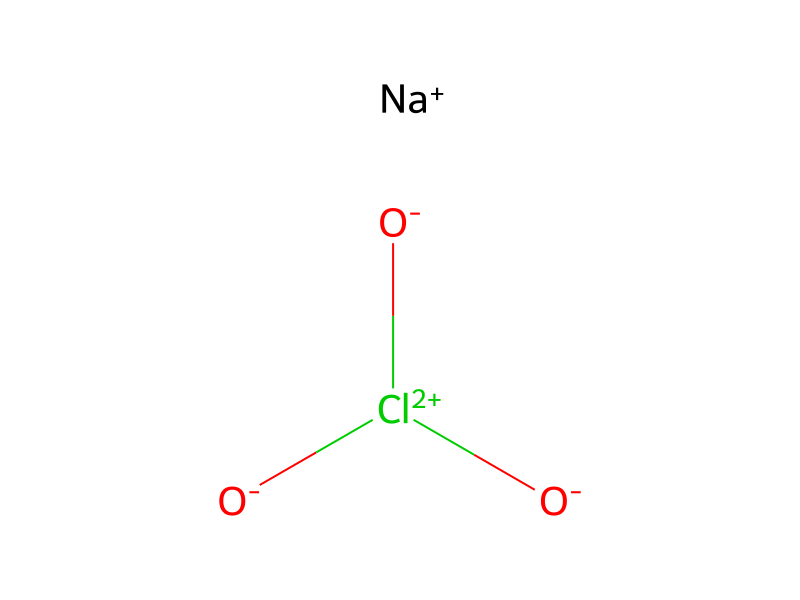
- Standard SMILES
[Na+].[O-][Cl+2]([O-])[O-]- InChIKey
YZHUMGUJCQRKBT-UHFFFAOYSA-M- Molecular formula
- NaClO3
- Average molar mass
- 106.44 g/mol
- Monoisotopic mass
- 105.94336582
Overview
Sodium chlorate appears as an odorless pale yellow to white crystalline solid. It is appreciably soluble in water and heavier, so may be expected to sink and dissolve at a rapid rate. Although it is not itself flammable, the solid product and even 30% solutions in water are powerful oxidizing agents. Contact with wood, organic matter, ammonium salts, sulfur, sulfuric acid, various metals, and other chemicals may result in fires or explosions, particularly if any solid materials are finely divided. Excessive heat, as in fires, may cause evolution of oxygen gas that may increase the intensity of fires and may also result in explosions. Mixtures with combustible materials are very flammable and may be ignited by friction. It is used for making herbicides, explosives, dyes, matches, inks, cosmetics, pharmaceuticals, defoliants, paper, and leather.
Names & identifiers
- Preferred name
- Sodium Chlorate
- IUPAC
- sodium chlorate
- English name
- Sodium chlorate
- Molecular formula
- ClNaO3
- Molecular weight
- 106.44
Names & synonyms
SODIUM CHLORATE7775-09-9Chloric acid, sodium saltAsexAgrosanAtlacideDesoletSodakemOxycilTravexEvau-superKusa-tohru
Show more names
SODIUM CHLORATE, REAGENT (ACS)SODIUM CHLORATE, REAGENT (ACS)SODIUM CHLORATE, REAGENT (ACS)falldefolhibarc
B-HerbatoxGranex OShed-A-leafChlorate de sodiumNatriumchloratTumbleafTumbleleafDervan
Database identifiers
- CAS
7775-09-9、9011-70-5- PubChem CID
- 516902
- DTXSID
DTXSID7026025- ChEMBL
CHEMBL1559268- ChEBI
CHEBI:65242- UNII
- T95DR77GMR
- EC Number
- 231-887-4
- Nikkaji
- J44.034E
Properties
Computed structural properties
- Topological polar surface area
- 57.2 Ų
- Hydrogen bond donors
- 0
- Hydrogen bond acceptors
- 3
- Rotatable bonds
- 0
- Heavy atoms
- 5
- Formal charge
- 0
- Complexity
- 49.8
Experimental & physicochemical properties
Chemical ClassesOther Classes -> Other Inorganic Compounds
CosmeticsDeodorant; Oxidising
pHAqueous solution is neutral
LogP-7.18 (estimated)
TasteSalty taste
Density
2.49 at 59 °F (USCG, 1999) - Denser than water; will sink
2.5 g/cu cm
2.5 g/cm³
2.490 @ 15°C
Color/Form
Colorless cubic crystals
Colorless crystals or granules
Solubility
100 g/100 g water at 25 °C; slightly soluble in ethanol
Sodium chloride diminishes solubility in water
790 g/L (in water) at 0 °C; 2300 g/L (in water) at 100 °C; in 90% alcohol 16 g/kg; soluble in glycerol
Solubility in water, g/l at 20 °C: 1000 (freely soluble)
CorrosivityCORROSIVE TO ZINC & MILD STEEL
Decomposition
When heated to decomp it emits toxic fumes of /hydrogen chloride, disodium oxide/.
± 300 °C
Melting Point
478 °F (USCG, 1999)
248 °C
248 °C
Vapor PressureNegligible at room temperature
Physicochemical properties
- Melting point
- 248 · 248-261 °C(lit.)
- Boiling point
- 300 ℃ · decomposes 300℃ [MER06]
- Density
- 2.49 · 2.49
- bulk density
- 1500 kg/m3 · 1500kg/m3
- vapor pressure
- 0 · 0-0Pa at 25℃
- refractive index
- 1.515 · 1.515
- storage temp.
- room temp
- solubility
- water: soluble(lit.)
- form
- Solid
- color
- White
- Specific Gravity
- 2.5 · 2.5
- PH
- 5 · 5-7 (50g/l, H2O, 20℃)
- Water Solubility
- 1000 g/L · 1000 g/L (20 ºC)
- Thermal Conductivity
- 1.13 W/ · 1.13 W/(m·K) (crystal)
- Merck
- 14 · 14,8598
- Stability
- Stable. Mixtures of this material with organic fibrous or absorbent material and with a variety of other materials are potentially explosive. A full MSDS sheet must be consulted before use. Incompatible with strong reducing agents, organic materials, alcohols.
- Cosmetics Ingredients Functions
- DEODORANTOXIDISING
- InChI
- 1S/ClHO3.Na/c2-1(3)4;/h(H,2,3,4);/q;+1/p-1
- InChIKey
- YZHUMGUJCQRKBT-UHFFFAOYSA-M
- SMILES
- [Na+].[O-]Cl(=O)=O
- LogP
- -7.17 · -7.17--2.9 at 20℃
- Toxicology and Carcinogenesis
- Toxicology and Carcinogenesis Studies of Sodium Chlorate (CASRN 7775-09-9) in F344/N Rats and B6C3F1 Mice (Drinking Water Studies)
- FDA 21 CFR
- 175.105 · 175.105; 178.3120
- Indirect Additives used in Food Contact Substances
- SODIUM CHLORATE
- CAS DataBase Reference
- 7775 · 7775-09-9(CAS DataBase Reference)
- EWG's Food Scores
- 2 · 2-3
- FDA UNII
- 95 DR77GMR · T95DR77GMR
- Pesticides Freedom of Information Act (FOIA)
- Sodium chlorate
- EPA Substance Registry System
- Sodium chlorate (7775-09-9)
- UNSPSC Code
- 12352302 · 12352302
- NACRES
- 55 · NA.55
- Symbol(GHS)
- 3 · GHS03,GHS07,GHS09
- Signal word
- Danger
- Hazard statements
- 271 · H271-H302-H411
- Precautionary statements
- 210 · P210-P220-P264-P270-P273-P301+P312
- Hazard Codes
- O,Xn,N
- Risk Statements
- 9 · 9-22-51/53
- Safety Statements
- 13 · 13-17-46-61
- RIDADR
- 1495 · UN 1495 5.1/PG II (SODIUM CHLORATE)
- WGK Germany
- 2 · 2
- RTECS
- 525000 · FO0525000
- TSCA
- TSCA listed
- HazardClass
- 5.1 · 5.1
- PackingGroup
- II
- HS Code
- 28291100 · 28291100
- Storage Class
- 5.1 A · 5.1A - Strongly oxidizing hazardous materials
- Hazard Classifications
- 4 OralAquatic · Acute Tox. 4 OralAquatic Chronic 2Ox. Sol. 1
- Hazardous Substances Data
- 7775 · 7775-09-9(Hazardous Substances Data)
- Toxicity
- 12000 mg/kg · LD orally in rats: 12000 mg/kg (Ulrich)
- REACH Registrations
- Active
- Limited Quantities
- 1 kg · 1.0 kg (2.2 lbs) (solid)
- Excepted Quantities
- Max Inner Pack (30g or 30ml) and Max Outer Pack (500g or 500ml)
Safety & regulation
GHS classification
GHS Classification
Danger
H271: May cause fire or explosion; strong Oxidizer [Danger Oxidizing liquids; Oxidizing solids]
P210, P220, P264, P270, P280, P283, P301+P316, P306+P360, P321, P330, P370+P378, P371+P380+P375, P405, P420, and P501 (click each P-code to see the statement)
Danger
H271 (100%): May cause fire or explosion; strong Oxidizer [Danger Oxidizing liquids; Oxidizing solids]
P210, P220, P264, P270, P273, P280, P283, P301+P317, P306+P360, P330, P370+P378, P371+P380+P375, P391, P420, and P501 (click each P-code to see the statement)
Hazard information
Regulatory Information
Chemical: Chloric acid, sodium salt
Sodium Chlorate is listed in the dataset of EPA Human Health Benchmarks for Pesticides under the Safe Drinking Water Act (40 eCFR 141)
Status: Active Update: 20-04-2022 https://echa.europa.eu/registration-dossier/-/registered-dossier/14688
Chloric acid, sodium salt: HSNO Approval: HSR001348 Approved with controls
The New Jersey Worker and Community Right to Know Act requires public and private employers to provide information about hazardous substances at their workplaces. (N.J.S.A. 34:5A-1 et. seq.)
Other Safety InformationIMAP assessments - Salts of chloric acid: Human health tier II assessment
DOT Label
Oxidizer
Oxidizer
Fire Hazards
Special Hazards of Combustion Products: In fire situations oxygen may be liberated and increase the intensity of the fire.
Special Hazards of Combustion Products: May contain oxygen (increase fire intensity) along with toxic chloride and sodium oxide fumes.
CAUTION: Ammonium nitrate products may explode if involved in fire or contaminated with hydrocarbons (fuels), organic matter, other contaminants or when hot molten and contained. Treat as an explosive (GUIDE 112).
CAUTION: Ammonium nitrate products may explode if involved in fire or contaminated with hydrocarbons (fuels), organic matter, other contaminants or when hot molten and contained. Treat as an explosive (GUIDE 112).
Not combustible but enhances combustion of other substances. Many reactions may cause fire or explosion. Gives off irritating or toxic fumes (or gases) in a fire. See Chemical Dangers.
Fire Potential
STRONG OXIDIZER-MIXING WITH OTHER MATERIALS CAN PRODUCE FLAMMABLE ... MIXTURES. ... CLOTHING CONTAMINATED ... SHOULD NOT BE BURNED WITH ORDINARY PLANT WASTES IN INCINERATOR OR UNDER STEAM BOILERS. SODIUM CHLORATE MUST BE USED WITH WATER SOLUBLE FIRE RETARDANT SUCH AS SODIUM METABORATE, SODA ASH, MAGNESIUM CHLORIDE, OR UREA.
AS POWERFUL OXIDIZING AGENT, IT SUBSTANTIALLY ENHANCES INFLAMMABILITY OF COMBUSTIBLE DRIED PLANT TISSUE.
Dangerous fire risk, strong oxidant, contact with organic materials may cause fire.
Clothing and vegetation contamination with chlorate or its solutions are dangerously flammable.
Mixtures of sodium chlorate and combustible materials are readily ignited; mixtures with finely divided combustible materials can react explosively.
Mixtures with ammonium salts, powdered metals, phosphorus, silicon, sulfur or sulfides are readily ignited ... . Paper impregnated with the chlorate can be ignited by static sparks. ... With the chlorate over a period of time may ignite ... .
Health Hazards
Ingestion of a toxic dose (at least 1/2 oz.) leads to severe gastroenteric pain, vomiting, and diarrhea. Possible respiratory difficulties, including failure of respiration. Kidney and liver injury may also be produced. The lethal oral dose for an adult is approximately 15 gm. Contact with eyes causes irritation. (USCG, 1999)
Contact causes irritation of eyes and skin. INGESTION: May cause nausea, vomiting, diarrhea, abdominal or gastric pain, dyspnea and other symptoms. The major cause of death from a lethal dose is acute renal failure. (USCG, 1999)
· Inhalation, ingestion or contact (skin, eyes) with vapors or substance may cause severe injury, burns or death.
· Inhalation, ingestion or contact (skin, eyes) with vapors or substance may cause severe injury, burns or death.
Hazards Summary
A strong oxidant and fire hazard on contact with organic substances; [Hawley] A fire and explosion hazard on contact with combustible and reducing materials; A skin, eye, and respiratory tract irritant; Can induce methemoglobinemia; May cause kidney injury; [ICSC] A skin, eye, and upper respiratory tract irritant; Ingestion of toxic doses can cause hemolysis, methemoglobinemia, cyanosis, acute renal failure, and liver injury; [HSDB] A strong oxidizing agent that reacts explosively with organic materials; An eye irritant; Ingestion can cause respiratory failure and injury to kidneys and liver; [CAMEO] Can cause combustion or explosion on contact with combustible or flammable substances; Ingestion may cause methemoglobinemia and kidney injury; [CHEMINFO] An eye and mild skin irritant; May cause skin sensitization; [eChemPortal: ERMA] An oxidizing agent; May cause explosion on contact with combustible material; An irritant; Can induce methemoglobinemia; [MSDSonline] See CHLORATES.
DOT ID and Guide
2428 140
1495 140
FDA RequirementsSodium chlorate is an indirect food additive for use only as a component of adhesives.
Reactive Group
Oxidizing Agents, Strong
Oxidizing Agents, Strong
UN ClassificationUN Hazard Class: 5.1; UN Pack Group: II
Special Reports
DHHS/NTP; Toxicology and Carcinogenesis Studies of Sodium Chlorate (CAS No. 7775-09-9) in F344/N Rats and B6C3F1 Mice (Drinking Water Studies) (2005) Technical Rpt Series No. 517 NIH Pub No. 06-4457.
DHHS/NTP; Final Study Report Developmental Toxicity Evaluation for Sodium Chlorate (Cas No. 7775-09-9) Administered by Gavage to New Zealand White Rabbits on Gestational Days 6 through 29 (2002) NTP Study: TER97005.
European Chemicals Bureau; IUCLID Dataset, sodium chlorate (7775-09-9) (2000 CD-ROM edition) contains information on use, toxicology, and environmental effects of this chemical as supplied to the European Union by industry. .
IPCS/WHO; Environmental Health Criteria 216 DISINFECTANTS AND DISINFECTANT BY-PRODUCTS (2000). EHC publications are monographs designed for scientists and administrators responsible for the establishment of safety standards and regulations. This series issued by the International Programme on Chemical Safety (IPCS), provides basic scientific risk evaluation of a wide range of chemicals and groups of chemicals.
For more Special Reports (Complete) data for SODIUM CHLORATE (6 total), please visit the HSDB record page.
Safety & protection
Fire Fighting
Excerpt from ERG Guide 140 [Oxidizers]:
Excerpt from ERG Guide 140 [Oxidizers]:
Use water in large amounts. In case of fire: keep drums, etc., cool by spraying with water.
First Aid Measures
Fresh air, rest. Refer for medical attention.
First rinse with plenty of water for at least 15 minutes, then remove contaminated clothes and rinse again.
First rinse with plenty of water for several minutes (remove contact lenses if easily possible), then refer for medical attention.
Rinse mouth. Refer immediately for medical attention.
Accidental Release Measures
· CALL 911. Then call emergency response telephone number on shipping paper. If shipping paper not available or no answer, refer to appropriate telephone number listed on the inside back cover.
· Keep combustibles (wood, paper, oil, etc.) away from spilled material.
· CALL 911. Then call emergency response telephone number on shipping paper. If shipping paper not available or no answer, refer to appropriate telephone number listed on the inside back cover.
· Keep combustibles (wood, paper, oil, etc.) away from spilled material.
First Aid
INGESTION: induce vomiting and follow with gastric lavage, saline cathartics, fluid therapy, and oxygen.
EYES OR SKIN: Flush with running water for at least 15 min.; hold eyelids open if neccessary. Wash skin with soap and water.
General First Aid:
General First Aid:
Safe StorageStore only in original container. Store in an area without drain or sewer access. Separated from combustible substances, reducing agents and incompatible materials. Dry. Well closed. See Chemical Dangers.
Firefighting Hazards
Heat above 300 degrees C produces oxygen which can increase the intensity of fire and may ignite other combustible materials.Poisonous gases are produced in fire.
Behavior in fire: Melts, then decomposes to give oxygen gas that increases the intensity of fire.
Exposure Control and Personal Protection
· Wear positive pressure self-contained breathing apparatus (SCBA).
· Wear positive pressure self-contained breathing apparatus (SCBA).
Fire Fighting Procedures
Sodium chlorate may burn, but does not readily ignite. Heat above 300 degrees C produces oxygen which can increase the intensity of fire and may ignite other combustible materials. Flood areas with water unless that is incompatible with other materials in the fire area. ... If materials or contaminated runoff enters waterways, notify downstream users of potentially contaminated waters. Notify local healty and fire officials and pollution control agencies. From a secure, explosion-proof location, use water spray to cool exposed containers. If cooling streams are ineffective (venting sound increases in volume and pitch, tank discolors, or shows any signs of deforming), withdraw immediately to a secure position.
Fire extinguishing agents not to be used: fire blankets.
If material on fire or involved in fire: Flood with water. Cool all affected containers with flooding quantities of water. Apply water from as far a distance as possible. /Sodium chlorate; Sodium chlorate, aqueous solution/
Evacuation: If fire becomes uncontrollable-consider evacuation of one-half (1/2) mile radius.
For more Fire Fighting Procedures (Complete) data for SODIUM CHLORATE (6 total), please visit the HSDB record page.
Storage Conditions
Store in cool, dry, fire resistant area, separate from ... solvents, oils, organic substances ,,, sulfides, powdered metals... . Do n ot contaminate food or feedstuffs by storage.
Keep out of contact with organic matter or other oxidizable substances.
Keep away from fire and flammable materials.
When not in use, keep tightly closed in original metal container. ... Store ... separately from ... strong acids.
For more Storage Conditions (Complete) data for SODIUM CHLORATE (6 total), please visit the HSDB record page.
Cleanup Methods
Evacuate persons not wearing protective equipment from area of spill or leak until cleanup is complete. Remove all ignition sources. Collect powdered material in the most convenient and safe manner and deposit in sealed containers. Ventilate area of spill or leak after clean-up is complete. Keep sodium chlorate out of a confined space, such as a sewer, because of the possiblity of an explosion, unless the sewer is designed to prevent the build-up of explosive concentrations. It may be necessary to contain and dispose of this chemical as a hazardous waste. If material or contaminated runoff enters waterways, notify downstream users of potentially contaminated waters. Contact your Department of Environmental Protection or your regional office of the federal EPA for specific recommendations. If employees are required to clean-up spills, they must be properly trained and equipped.
Sweep up spills immediately into metal containers.
Environmental considerations: Land spill: Dig a pit, pond, lagoon, holding area to contain liquid or solid material. Cover solids with a plastic sheet to prevent dissolving in rain or fire fighting water. Dike surface flow using soil, sand bags, foamed polyurethane, or foamed concrete. /SRP: If time permits, pits, ponds, lagoons, soak holes, or holding areas should be sealed with an impermeable flexible membrane liner./ /Sodium chlorate (Environmentally hazardous substances, liquid, NOS)/
Environmental considerations: Air spill: Apply water spray or mist to knock down vapors. /Sodium chlorate (Environmentally hazardous substances, liquid, NOS)/
Do not apply directly to water, or to areas where surface water is present, or to inter-tidal areas below the mean high water mark. Do not contaminate water when cleaning equipment or disposing of equipment washwater or rinsate.
Nonfire Spill Response
Excerpt from ERG Guide 140 [Oxidizers]:
Excerpt from ERG Guide 140 [Oxidizers]:
Disposal Methods
SRP: The most favorable course of action is to use an alternative chemical product with less inherent propensity for occupational exposure or environmental contamination. Recycle any unused portion of the material for its approved use or return it to the manufacturer or supplier. Ultimate disposal of the chemical must consider: the material's impact on air quality; potential migration in soil or water; effects on animal, aquatic, and plant life; and conformance with environmental and public health regulations.
... Must be disposed properly by following package label directions or by contacting your state pesticide or environmental control agency or by contacting your regional EPA office.
Sodium chlorate should not be disposed of into waterways as fish and plant life may be affected.
Do not discharge effluent containing this product into lakes, streams, ponds, estuaries, oceans, or other waters unless in accordance with the requirements of a National Pollutant Discharge Eliminations System (NPDES) permit and the permitting authority has been notified in writing prior to discharge. Do not discharge effluent containing this product to sewer systems without previously notifying the local sewage treatment plant authority. For guidance, contact your State Water Board or Regional Office of the Environmental Protection Agency
For more Disposal Methods (Complete) data for SODIUM CHLORATE (6 total), please visit the HSDB record page.
Toxicology
Interactions
Sodium and potassium chlorate were evaluated as promoters of renal tumors in N-ethyl-N-hydroxyethylnitrosamine (EHEN)-initiated F344 rats. Sodium chlorate and potassium chlorate were administered in the drinking-water for 28 weeks. There was an increased incidence of renal cell tumors (7/15 rats) in the EHEN-initiated group treated with sodium chlorate, but no effect was observed with potassium chlorate (1/5) relative to control rats (2/15). The small numbers of animals used in this study make the treatment groups indistinguishable from one another statistically ... .
Sodium chlorate was tested in an initiation/promotion model of rat renal carcinogenisis. Two groups of 15 male Fischer 344 rats were given /1% sodium chlorate/ in drinking water, for the first two weeks during the intiation phase, N-ethyl-N-hydroxethylnitrosamine (EHEN) at 0.05% and, thereafter for 25 weeks sodium chlorate 1% or distilled water respectively. Two other groups, used as controls, were treated similarly, except that distilled water instead of EHEN was given in the initiation phase. There were no statistically significant differences in the renal cell tumors between sodium chlorate and distilled water-treated rats initiated with EHEN. The authors concluded that, under the conditions of this study, sodium chlorate showed no promoting effect in rat renal carcinogenisis.
Sodium and potassium chlorate were evaluated as promoters of renal tumors in N-ethyl-N-hydroxyethylnitrosamine (EHEN)-initiated F344 rats. Sodium chlorate and potassium chlorate were administered in the drinking-water for 28 weeks. There was an increased incidence of renal cell tumors (7/15 rats) in the EHEN-initiated group treated with sodium chlorate, but no effect was observed with potassium chlorate (1/5) relative to control rats (2/15). The small numbers of animals used in this study make the treatment groups indistinguishable from one another statistically ... .
Ecotoxicity Values
EC50; Species: Phaeodactylum tricornutum (Diatom, exponential growth phase, CCAP 1052/A strain); Conditions: freshwater, static, 20 °C; Concentration: 298000 ug/L for 72 hr (95% confidence interval: 177000-468000 ug/L); Effect: decreased population biomass />99.0% purity/
EC50; Species: Phaeodactylum tricornutum (Diatom, exponential growth phase, CCAP 1052/A strain); Conditions: freshwater, static, 20 °C; Concentration: 444000 ug/L for 72 hr (95% confidence interval: 274000-719000 ug/L); Effect: decreased population growth rate />99.0% purity/
EC50; Species: Pseudokirchneriella subcapitata (Green algae); Conditions: freshwater, static; Concentration: 133000 ug/L for 5 days (95% confidence interval: 122000-144000 ug/L); Effect: population abundance /99% purity/
LC50; Species: Daphnia magna (Water flea); Conditions: freshwater, static, 12 °C, pH 6.52-6.59; Concentration: 3162000 ug/L for 48 hr
For more Ecotoxicity Values (Complete) data for SODIUM CHLORATE (19 total), please visit the HSDB record page.
Environmental Fate
TERRESTRIAL FATE: Remains in soil for 0.5 to 5 years, depending upon rate of application, soil type, fertility, organic matter content, moisture, and weather conditions.
TERRESTRIAL FATE: AT 300 KG/HECTACRE ... GIVES CONTROL FOR ABOUT 05.YR BUT IS LEACHED BY HIGH RAINFALL.
Adverse EffectsOccupational hepatotoxin - Secondary hepatotoxins: the potential for toxic effect in the occupational setting is based on cases of poisoning by human ingestion or animal experimentation.
Exposure RoutesThe substance can be absorbed into the body by inhalation of its aerosol and by ingestion.
Ecotoxicity Excerpts
/BIRDS and MAMMALS/ In acute studies of the Mallard duck, the LD50 was > 2510 mg/kg-bw. No mortality and no clinical signs of toxicity were observed. In chronic studies of the bobwhite quail, the NOAEC = 271 ppm. The LOAEC was 964 ppm based on effects on egg production and thickness, embryonic survival, and hatchling body weight.
/AQUATIC SPECIES/ Acute toxicity studies for both freshwater and marine/estuarine fish were consistent with a practically non-toxic designation for fish. No effects were observed in sheepshead minnows (estuarine/marine) or bluegill (freshwater) fish at up to 1000 mg/L.
/AQUATIC SPECIES/ /In an acute toxicity test,/ ...a 10%, 15%, and 30% reduction in shell growth /of Easter oysters/ was observed at 250, 500, and 1000 mg/L, respectively. /from table/
/AQUATIC SPECIES/ The 96-hour acute toxicity of sodium chlorate to mysid shrimp was studied under flow-through conditions. Mysid shrimp (20/concentration) were exposed to sodium chlorate at nominal concentrations of 0, 130, 220, 360, 590, and 1000 mg/L. Dissolved oxygen was 7.4 to 8.9 mg/L, pH was 7.6 to 7.8, and the temperature was 21.4 to 23.0 °C. 2/20 mysids died at 1000 mg/L, and 1/20 died at 590 mg/L. No other mortalities or signs of toxicity were noted.
For more Ecotoxicity Excerpts (Complete) data for SODIUM CHLORATE (6 total), please visit the HSDB record page.
Signs and Symptoms
See Ingestion.
Redness.
Redness.
Sore throat. Cough. Abdominal pain. Nausea. Vomiting. Diarrhoea. Blue lips, fingernails and skin. Shock or collapse.
Ongoing Test Status
The following link will take the user to the National Toxicology Program (NTP) Test Agent Search Results page, which tabulates all of the "Standard Toxicology & Carcinogenesis Studies", "Developmental Studies", and "Genetic Toxicity Studies" performed with this chemical. Clicking on the "Testing Status" link will take the user to the status (i.e., in review, in progress, in preparation, on test, completed, etc.) and results of all the studies that the NTP has done on this chemical. [http://ntp-apps.niehs.nih.gov/ntp_tox/index.cfm?fuseaction=ntpsearch.searchresults&searchterm=7775-09-9]
ICSC Environmental DataIt is strongly advised not to let the chemical enter into the environment because it is persistent.
Medical Surveillance
Before beginning employment and at regular times after that, for those with frequent or potentially high exposures, the following are recommended: lung function tests. If symptoms develop or overexposure is suspected, the following may be useful: complete blood count (CBC). Test for methemoglobin if skin is blue.
Human Toxicity Excerpts
/HUMAN EXPOSURE STUDIES/ Administration of 500 mL of a 5 ppm solution to 10 males daily for 12 weeks did not cause any adverse clinical effects or changes in the biochemical or cellular composition of blood or urine.
/SIGNS AND SYMPTOMS/ Incident reports show that ingestion of toxic doses of sodium chlorate by humans produces gastritis, hemolysis, methemoglobinemia, hemoglobinurea, late toxic nephritis, and acute renal failure.
/SIGNS AND SYMPTOMS/ Poisoning symptoms after ingestion include nausea, vomiting, abdominal pain, diarrhea, cyanosis, dyspnea; methemoglobinemia.
/SIGNS AND SYMPTOMS/ The irritant action on the gut causes nausea, vomiting, and abdominal pain. Once absorbed, hemoglobin is rapidly oxidized to methemoglobin, and intravascular hemolysis occurs. Cyanosis is prominent if methemoglobinemia is severe and may be the only presenting sign. Acute tubular necrosis and hemoglobinuria may result from the hemolysis or direct toxic injury. Plasma and urine are dark brown from the presence of free hemoglobin and methemoglobin. Release of potassium from red cell destruction results in hyperkalemia which may be severe enough to cause life-threatening arrythmias. The liver and spleen are often enlarged due to uptake of hemolyzed erythrocytes. Hypoxemia may lead to convulsions. Death may be the result of shock, tissue hypoxia, renal failure, hyperkalemia, or disseminated intravascular coagulation (DIC).
For more Human Toxicity Excerpts (Complete) data for SODIUM CHLORATE (24 total), please visit the HSDB record page.
Carcinogen Classification
Water Disinfection Byproducts (Sodium Chlorate)
TR-517: Toxicology and Carcinogenesis Studies of Sodium Chlorate (CASRN 7775-09-9) in F344/N Rats and B6C3F1 Mice (Drinking Water Studies) (2005 )
12/09/04
Some Evidence
Some Evidence
No Evidence
Regulatory information
FDA RequirementsSodium chlorate is an indirect food additive for use only as a component of adhesives.
FIFRA Requirements
Sodium chlorate is exempted from the requirement of a tolerance for residues in or on the following raw agricultural commodities when used as a defoliant, desiccant, or fungicide in accordance with good agricultural practice: beans, dry, edible; corn, fodder; corn, forage; corn, grain; cottonseed; flaxseed; flax, straw; guar beans; peas, southern; peppers, chili; potatoes; rice; rice, straw; safflower, grain; sorghum, grain; sorghum, fodder; sorghum, forage; soybeans; and sunflower seed.
A time-limited exemption from the requirement of a tolerance is established for residues of the defoliant/desiccant in connection with use of the pesticide under section 18 emergency exemptions granted by EPA. The exemption will expire and is revoked on the date specified: commodity: wheat; Expiration/Revocation Date: 12/31/06.
As the federal pesticide law FIFRA directs, EPA is conducting a comprehensive review of older pesticides to consider their health and environmental effects and make decisions about their future use. Under this pesticide reregistration program, EPA examines health and safety data for pesticide active ingredients initially registered before November 1, 1984, and determines whether they are eligible for reregistration. In addition, all pesticides must meet the new safety standard of the Food Quality Protection Act of 1996. Pesticides for which EPA had not issued Registration Standards prior to the effective date of FIFRA, as amended in 1988, were divided into three lists based upon their potential for human exposure and other factors, with List B containing pesticides of greater concern and List D pesticides of less concern. Sodium chlorate is found on List D. Case No: 4049; Pesticide type: Herbicide, antimicrobial; Case Status: OPP is reviewing data from the pesticide's producers regarding its human health and/or environmental effects, or OPP is determining the pesticide's eligibility for reregistration and developing the Reregistration Eligibility Decision (RED) document.; Active ingredient (AI): sodium chlorate; AI Status: The producers of the pesticide has made commitments to conduct the studies and pay the fees required for reregistration, and are meeting those commitments in a timely manner.
DHS Chemicals of Interest (COI)
Sodium chlorate
A Commercial Grade
400
Explosive/Improvised Explosive Device Precursor material that, if stolen or diverted, can be converted into weapons using simple chemistry, equipment, or techniques.
State Drinking Water Guidelines
(CA) CALIFORNIA 800 ug/L /Chlorate ion/
(ME) MAINE 7 ug/L /Chlorate ion/
Safety data
- wgk
- 2
- tsca
- TSCA listed
- rtecs
- FO0525000
- ridadr
- UN 2428 5.1/PG II/III (SODIUM CHLORATE, AQUEOUS SOLUTION)
- hs_code
- 28291100
- Toxicity
- LD orally in rats: 12000 mg/kg (Ulrich)
- risk_code
- 9-22-51/53
- Signal word
- Danger
- Symbol(GHS)
- GHS03,GHS07,GHS09
- hazard_code
- O,Xn,N
- safety_code
- 13-17-46-61
- hazard_class
- 5.1
- Storage Class
- 5.1A - Strongly oxidizing hazardous materials
- packing_group
- II
- Hazard statements
- H271-H302-H411
- Limited Quantities
- 1.0 kg (2.2 lbs) (solid)
- Excepted Quantities
- Max Inner Pack (30g or 30ml) and Max Outer Pack (500g or 500ml)
- REACH Registrations
- Active
- Hazard Classifications
- Acute Tox. 4 OralAquatic Chronic 2Ox. Sol. 1
- Precautionary statements
- P210-P220-P264-P270-P273-P301+P312
- Hazardous Substances Data
- 7775-09-9(Hazardous Substances Data)
Chemistry & industry
Pharmacology
Biological Half-LifeOral administration of 3 mL (5mg/L) to rats have shown: absorption half life: 1.74 hr, elimination half life: 36.7 hr.
MeSH Pharmacological ClassificationPesticides used to destroy unwanted vegetation, especially various types of weeds, grasses (POACEAE), and woody plants. Some plants develop HERBICIDE RESISTANCE.
Absorption, Distribution and Excretion
Oral administration of 3 mL (5mg/L) to rats have shown: absorption T1/2: 1.74 hr, elimination T1/2:36.7 hr. Distribution mainly in blood. Excretion in feces and urine: 43 % of intial dose in 74 hr. Increased formation of chloroform in the liver.
Sodium chlorate is unlikely to be absorbed by the skin based on its high water solubility and ionic nature...
It is readily absorbed through both roots and leaves and may be translocated throughout plant.
Absorbed through the roots and foliage, with translocation basipetally in the xylem, as the phloem tissue is killed. The rate of respiration is increased, catalase activity decreased, and the plant's food reserves are depleted.
Uses & manufacturing
Uses
Used as oxidizing agent and bleach for wood and paper pulps; in ore processing (uranium and vanadium); as herbicide, defoliant, desiccant, semi-permanent soil sterilant, and harvest aid; in matches, explosives, flares, and pyrotechnics; to recover bromine from natural brines; for leather tanning and finishing; as textile mordant and bleaching agent; to make perchlorates, potassium chlorate, chloric acid, and chlorine dioxide; as oxidizer in making dyes, rocket propellants, and pharmaceuticals; in toothpastes and mouthwashes; as a sweetening agent in oil refineries; [HSDB] Used in metal etching and oxygen generation in rescue breathing apparatus; [CHEMINFO]
Petroleum Production and Refining [Category: Industry]
For Sodium chlorate (USEPA/OPP Pesticide Code: 073301) ACTIVE products with label matches. /SRP: Registered for use in the U.S. but approved pesticide uses may change periodically and so federal, state and local authorities must be consulted for currently approved uses./
The primary non-pesticidal use for sodium chlorate is as a precursor in chlorine dioxide generation through a closed system to bleach wood pulp/paper. The pesticidal uses of sodium chlorate, including the agricultural uses as a defoliant/desiccant, are a small percentage (approximately 2%) of the total sodium chlorate used in the United States. data, approximately 2.8 million pounds of sodium chlorate are applied annually to agricultural, residential, and commercial use sites.
Oxidizer in mfr dyes; explosives & matches; dyeing & printing fabrics; tanning and finishing leather; pharmaceutic aid (oxidizing agent).
Semi-permanent soil sterilant herbicide, harvest aid.
ImpuritiesImpurities: sodium chloride and chromium
U.S. Exports
(1984) 1.72X10+9 g
CHEMICAL PROFILE: Sodium Chlorate. US Exports: 2001: 36 thousand short tons; 2002: 44 thousand short tons.
CHEMICAL PROFILE: Sodium Chlorate. US Exports: 2004: 23,000 tons; 2005: 31,000 tons.
U.S. Imports
(1984) 1.24X10+11 g
CHEMICAL PROFILE: Sodium Chlorate. US Imports: 2001: 545 thousand short tons; 2002: 581 thousand short tons.
CHEMICAL PROFILE: Sodium Chlorate. US Imports: 2004: 652,000 tons; 2005: 668,000 tons.
U.S. Production
(1984) 2.68X10+11 g
(1991) 6.39x10+5 ton
PRODUCT PROFILE: Sodium Chlorate. European and North American capacity: Western Europe: 650,000 tonnes/year; Canada: 1,209,000 tonnes/year; USA: 790,000 tonnes/year.
PRODUCT FOCUS: Sodium Chlorate. Global Capacity (2002)
For more U.S. Production (Complete) data for SODIUM CHLORATE (9 total), please visit the HSDB record page.
Consumption Patterns
CHEMICAL PROFILE: Sodium Chlorate. Use Pattern: Paper bleaching, 85%; Other chlorates and perchlorates, 6%; Uranium, 4%; Agriculture, 3%; Miscellaneous, 2% (1984)
CHEMICAL PROFILE: Sodium Chlorate. Use Pattern: Wood pulp bleaching, 88%; other chlorates, perchlorates and chlorites, 8%; herbicide, 2%; miscellaneous, including water treatment and uranium mining, 2%.
CHEMICAL PROFILE: Sodium chlorate. Demand: 1986: 675,000 tons; 1987: 730,000 tons; 1991: 825,000 tons /projected/.
CHEMICAL PROFILE: Sodium Chlorate. Use Pattern: Wood pulp bleaching 95%, other chlorates perchlorates and chlorites, 3%; miscellaneous including herbicides, water treatment, and uranium mining, 2%.
For more Consumption Patterns (Complete) data for SODIUM CHLORATE (9 total), please visit the HSDB record page.
Methods of Manufacturing
A concentrated acid solution of sodium chloride is heated and electrolyzed, the chlorate crystallizing out.
Produced from sodium chloride by electrolysis.
Commercial production is by electrolysis of a sodium chloride solution using diaphragm cells.
Production of sodium chlorate is by electrolysis of an acidified sodium chloride solution. Purified brine is acidified with hydrochloric acid and sodium dichromate is added to improve cell efficiency and reduce electrode corrosion. The acidified brine is fed to a bank of electrolytic cells. Chlorate ions form at the anode while hydrogen gas leaves the cell at the cathode. Cell liquor, the solution exiting the electrolytic cells, contains a fairly high concentration of chlorate ions and by-products. Subsequent processing removes the sodium chlorate crystals from solution. The remaining liquor containing chlorate, chloride ions and sodium dichromate returns to cells for further reaction. The sodium chlorate crystals are washed and dried.
Formulations/Preparations
USEPA/OPP Pesticide Code 073301; Trade Names: Altacide, Chlorax, Drop-leaf, Fall, Tumbleaf, Shed-a-leaf'l'.
WP 40% ACTIVE, LIQ 4, 19 AND 28% ACTIVE. DUST 12-33% ACTIVE. POWDER FROM 99% ACTIVE. ALSO FORMULATED WITH BORATES, CALCIUM CHLORIDE, MAGNESIUM CHLORIDE, MONURON, 2,4-D AND OTHERS. MAY BE MIXED WITH SODIUM CHLORIDE TO REDUCE FIRE HAZARD. MONOBOR-CHLORATE (US BORAX)- FORMULATION OF SODIUM BORATE AND SODIUM CHLORATE, EFFECTIVE AGAINST JOHNSONGRASS AND OTHER WEEDY GRASSES ON NON-CROP LAND.
DREXEL DEFOL 6 CONTAINS 6 LB/GAL OF SODIUM CHLORATE PLUS A FIRE RETARDANT.
The chlorate of commerce is about 99% pure.
For more Formulations/Preparations (Complete) data for SODIUM CHLORATE (62 total), please visit the HSDB record page.
Household ProductsInformation on 54 consumer products that contain Sodium chlorate in the following categories is provided:
Use ClassificationCosmetics -> Deodorant; Oxidising
General Manufacturing Information
Chloric acid, sodium salt (1:1): ACTIVE
Agriculturally, it is primarily used on cotton; however, it is also applied to a wide variety of other crops including, but not limited to, rice, corn, soybeans, dry beans, potatoes, sunflowers, flax, safflower, chili peppers (for processing only), grain sorghum, and wheat. Socium chlorate is used on nonagricultural (residential and industrial) areas such as rights-of-ways, building perimeters, ditch banks, bleachers, airport runways, vacant lots, fire hydrants, or as a pre-paving treatment. It is also used by a small percentage of water treatment facilities for the generation of chlorine dioxide.
Sodium chlorate as a defoliant/desiccant in agricultural settings is applied using aerial and groundboom equipment. As an herbicide in nonagricultural settings, it is applied using handheld equipment such as a low-pressure handwands or sprinkling cans; it is also applied via groundboom or handgun sprayer application methods for larger commercial scenarios. Granular formulations can be applied using belly grinders, push-type spreaders, tractor-drawn spreaders, or by hand. Application Rates: In agriculture, rates range from 6 pounds active ingredient per acre (6 lb ai/A) to 12.5 lbs ai/A. Industrial and other noncrop site rates range from 132 to 1032 lbs ai/A, based on current labels. Sodium chlorate can be applied multiple times per year. Application Timing: Sodium chlorate is applied post-emergence.
Sodium chlorate was first registered in February 23, 1966 by Value Gardens Supply, LLC, for use on both annual and perennial grasses and weeds for the following non-agricultural use sites: garage areas, tennis courts, curbs, driveways, walks, and patios. On October 30, 1968, Helena Chemical Company registered it for use as a desiccant on agricultural sites (sorghum and cotton). Currently, there are 56 active product registrations containing sodium chlorate as an active ingredient, including 11 technical (manufacturing use) registrations, and 45 end-use products ranging from 2.3% to 99.7% active ingredient. Sodium chlorate is currently manufactured by seven companies. The compound may be used in combination with other herbicides, such as atrazine, 2,4-D, bromacil, diuron, and sodium metaborate.
Of the inorganic chlorates listed as active ingredients (i.e., sodium chlorate, calcium chlorate, potassium chlorate, and magnesium chlorate, only sodium chlorate is present as an active ingredient in currently registered /pesticide/ products. ... Sodium chlorate is a strong oxidizer and may be reduced to a variety of chemical species depending on the environmental conditions. As a consequence of its reaction as an oxidant, sodium chlorate generates reduced chloro species (i.e., chlorine in lower oxidation states than chlorate), such as chlorite and hypochlorite. Since chlorite is also an active ingredient and is being considered in the chlorite/chlorine dioxide reregistration eligibility decision. The EPA will not consider the tolerances for chlorate reassessed until the assessment of chlorite is complete.
For more General Manufacturing Information (Complete) data for SODIUM CHLORATE (6 total), please visit the HSDB record page.
Applications
DescriptionSodium chlorate (chemical formula: NAClO3) is an inorganic compound, appearing as white crystalline powder. It has an annual yield of several hundred million tons around the world. It has many applications. Its major commercial application is for the manufacture of chlorine dioxide which is used in bleaching of pulp. Sodium chlorate can also be used for the industrial manufacture of perchlorate compounds through electrolysis. It can also be used as a non-selective herbicide to control many kinds of plants such as morning glory, Canada thistle, Johnson grass and bamboo. In addition, it can also be used as a defoliant and desiccant. It is also used for the generation of chemical oxygen which is important for emergency oxygen generation in commercial aircraft. In industry, sodium chlorate is manufactured by the electrolysis of a hot sodium chloride solution. It is also useful for making inks, cosmetics, paper and leather.
UsesSodium chlorate is used to prepare chlorine dioxide in the pulp and paper industry. It is utilized for bleaching the wood pulp in order to make environmentally friendly and quality white paper products. It is also used to produce other perchlorate compounds in the industry.
General DescriptionSodium chlorate in a water solution is a clear colorless liquid. Sodium chlorate is noncombustible but Sodium chlorate can accelerate the burning of surrounding combustible materials. This can easily occur if the material should dry out. Contact with strong sulfuric acid may cause fires or explosions.
Upstream & downstream products
Upstream raw materials
Downstream products
Additional notes
DefinitionChEBI: Sodium chlorate is an inorganic sodium salt that has chlorate as the counter-ion. An oxidising agent, it is used for bleaching paper and as a herbicide. It is also used in the manufacture of dyes, explosives and matches. It has a role as a herbicide. It is an inorganic sodium salt and a chlorate salt.
Related reactions
27 records
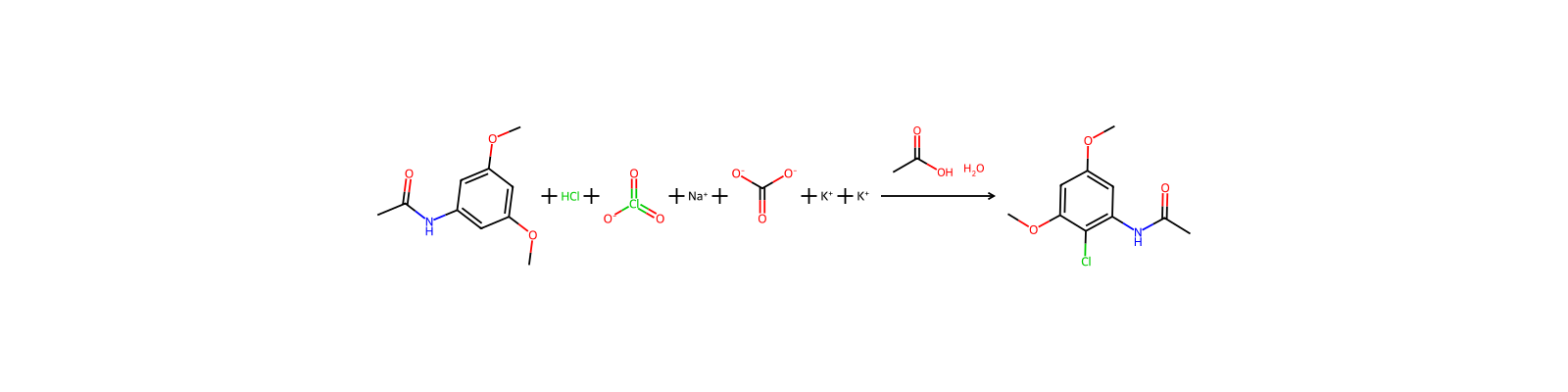
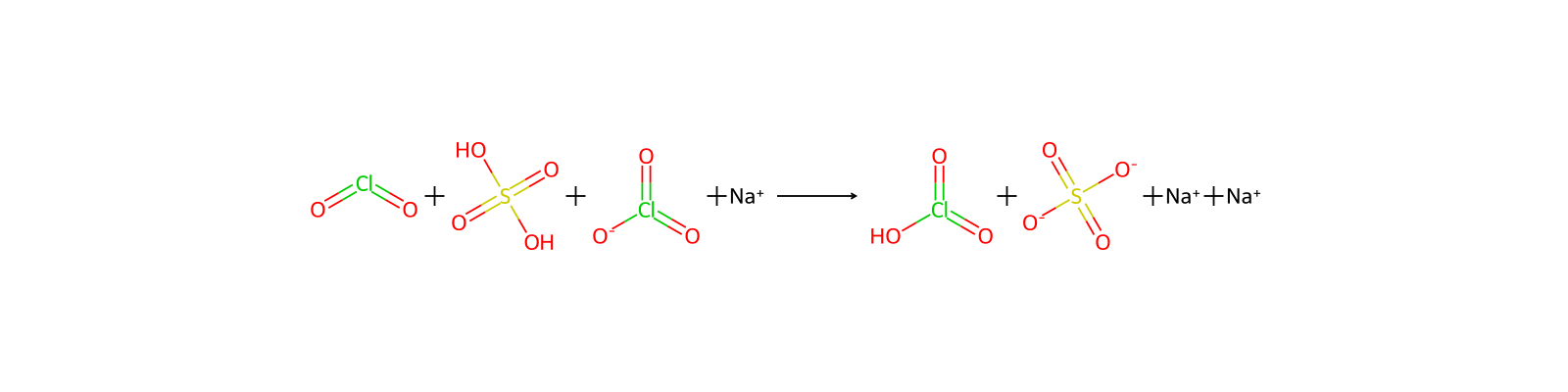


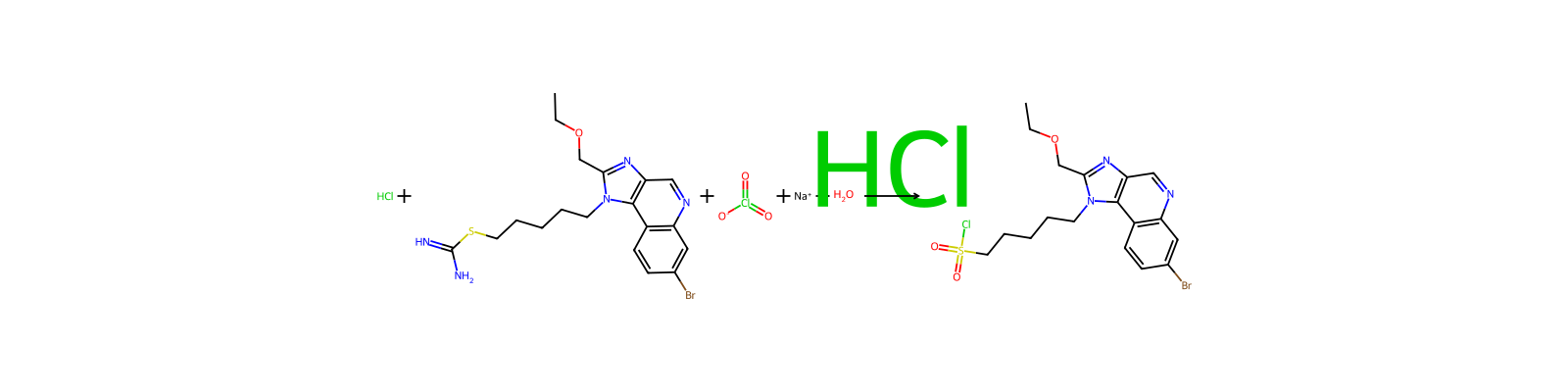
Linked notes
Loading…