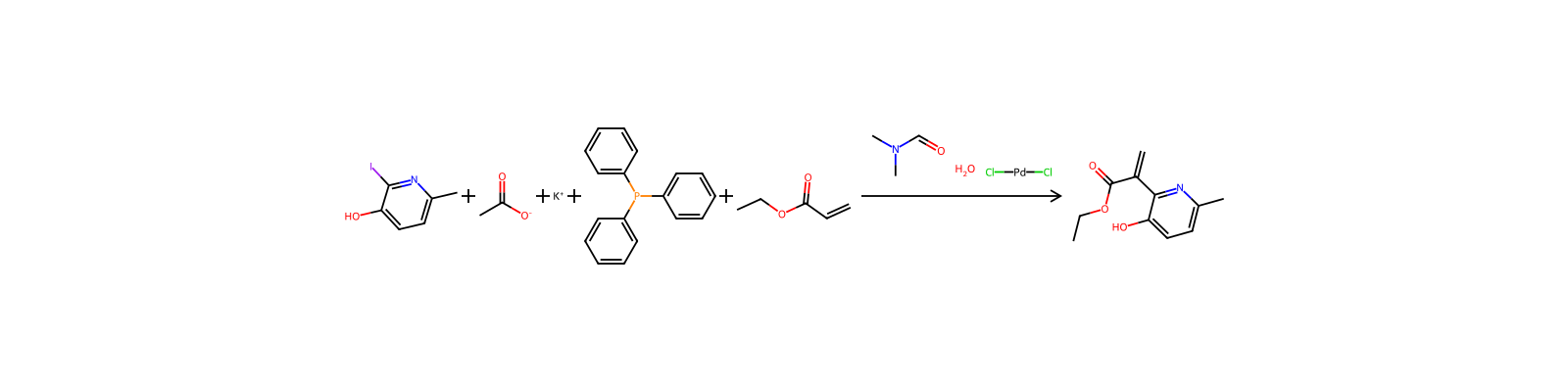
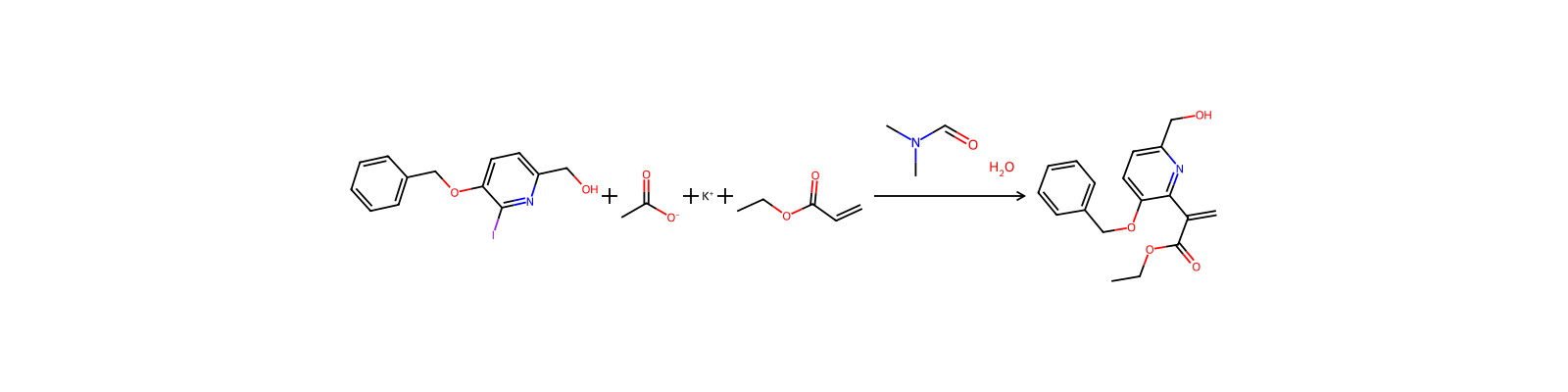
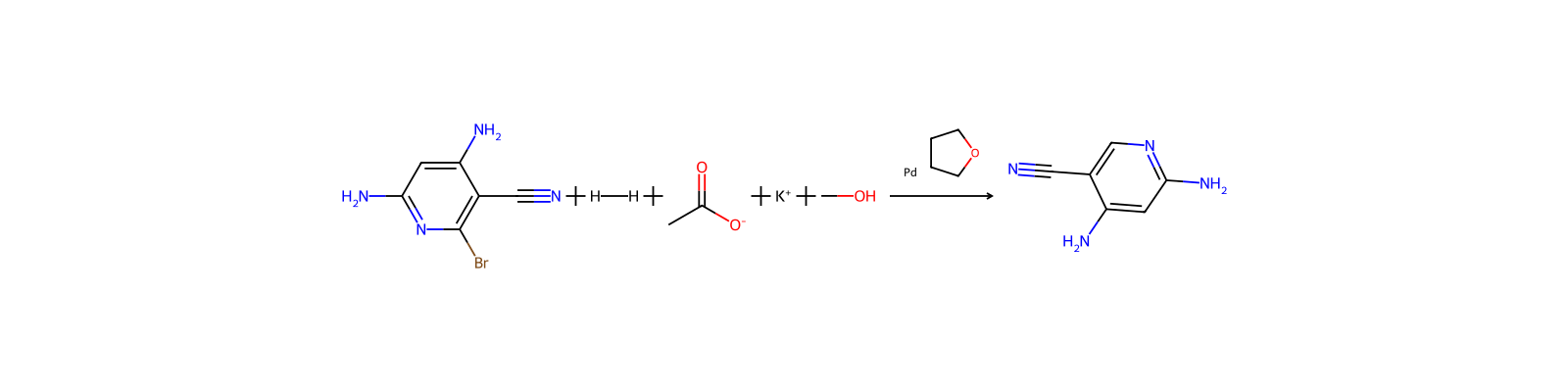
HRID 1752As reactant

127-08-2CC(=O)[O-].[K+]SCVFZCLFOSHCOH-UHFFFAOYSA-MPotassium acetate is a potassium salt comprising equal numbers of potassium and acetate ions. It has a role as a food acidity regulator. It contains an acetate.
127-08-2DTXSID7027043CHEMBL1201058CHEBI:32029Cosmetic ingredients (Potassium Acetate) -> CIR (Cosmetic Ingredient Review)
Film forming
1.6 g/cm³
1.57 @25 °C
FDA approved drugs -> Active ingredient
FDA approved drugs -> Active ingredient
292 °C
309 °C
CBI; Large Crystals; Dry Powder; Liquid; Dry Powder; Large Crystals
Colourless, deliquescent crystals or a white crystalline powder, odourless or with a faint acetic odour
Safety information is for reference only and does not replace the supplier’s Safety Data Sheet (SDS), applicable regulations, or professional assessment.
This chemical does not meet GHS hazard criteria for 87.3% (418 of 479) of all reports.
Warning
H315 (11.5%): Causes skin irritation [Warning Skin corrosion/irritation]
P261, P264, P264+P265, P271, P280, P302+P352, P304+P340, P305+P351+P338, P319, P321, P332+P317, P337+P317, P362+P364, P403+P233, P405, and P501 (click each P-code to see the statement)
Aggregated GHS information provided per 479 reports by companies from 11 notifications to the ECHA C&L Inventory. Each notification may be associated with multiple companies.
Not Classified
Chemical: Acetic acid, potassium salt
Acetic acid, potassium salt (1:1) is listed on the EPA's Chemical Data Reporting (CDR) system. Manufacturers and importers of Acetic acid, potassium salt (1:1) are required to report information about their production and use of this chemical to the EPA under the Toxic Substances Control Act (TSCA). (40 eCFR Part 711)
REACH registered substance: Potassium acetate (EC: 204-822-2)
Potassium acetate: Non hazardous
B - Blood and blood forming organs
QB - Blood and blood forming organs
Potassium is the major cation (positive ion) inside animal cells, while sodium is the major cation outside animal cells. The concentration differences of these charged particles causes a difference in electric potential between the inside and outside of cells, known as the membrane potential. The balance between potassium and sodium is maintained by ion pumps in the cell membrane. The cell membrane potential created by potassium and sodium ions allows the cell generate an action potential—a "spike" of electrical discharge. The ability of cells to produce electrical discharge is critical for body functions such as neurotransmission, muscle contraction, and heart function. Potassium is also an essential mineral needed to regulate water balance, blood pressure and levels of acidity.
KALI ACETICUM
Osmotic Laxative [EPC]; Osmotic Activity [MoA]; Increased Large Intestinal Motility [PE]; Potassium Compounds [CS]; Potassium Salt [EPC]; Inhibition Large Intestine Fluid/Electrolyte Absorption [PE]
POTASSIUM ACETATE
Osmotic Laxative [EPC]; Increased Large Intestinal Motility [PE]; Osmotic Activity [MoA]; Inhibition Large Intestine Fluid/Electrolyte Absorption [PE]; Potassium Salt [EPC]; Potassium Compounds [CS]
CIR ingredient: Potassium Acetate
Used as a potassium supplement; [Merck Index] Used in the chemical industry (synthesis), textile processing industry, anti-freeze agents, foods (permitted additive in the UK), and pharmaceuticals; Also used as a pH regulator and industrial de-icer; [IUCLID] Used in foods as a buffer and antimicrobial preservative; [JECFA] Used as a dehydrating agent and in crystal glass; [Hawley]
Lustrous colorless or white solid; Rapidly deliquescent; [Merck Index] White crystalline solid; [Aldrich MSDS]
WHITE FLAKES OR CRYSTALLINE POWDER.
Skin Irrit. 2 (11.5%)
Not Classified
Fresh air, rest.
Rinse and then wash skin with water and soap.
First rinse with plenty of water for several minutes (remove contact lenses if easily possible), then refer for medical attention.
Rest.
Personal protection: particulate filter respirator adapted to the airborne concentration of the substance. Sweep spilled substance into covered containers. If appropriate, moisten first to prevent dusting. Wash away remainder with plenty of water.
9.8 [mg/m3]
110 [mg/m3]
640 [mg/m3]
Redness.
Redness.
Textiles (Fiber & Fabric Manufacturing) [Category: Industry]
EPA Safer Chemical Functional Use Classes -> Processing Aids and Additives
Safer Chemical Classes -> Green circle - The chemical has been verified to be of low concern
Food additives
Food Additives -> ACIDITY_REGULATOR; PRESERVATIVE -> JECFA Functional Classes
Cosmetics -> Film forming
Pesticide, Fertilizer, and Other Agricultural Chemical Manufacturing
Acetic acid, potassium salt (1:1): ACTIVE
DescriptionPotassium acetate is the potassium salt of acetic acid. It is manufactured through the reaction between a potassium base such as potassium hydroxide or potassium carbonate with acetic acid. It is an important macromineral with many physiological functions and is required for nerve conduction, cardiac, skeletal and smooth muscle contraction, energy generation, nucleic acid synthesis as well as mainlining the blood pressure and normal renal function. It can be taken as a nutritional supplement with antihypertensive effects and prevention effects against hypokalemia. It has several other common applications: (1) as a deicer; (2) as a food additive; (3) molecular biology applications such as DNA purification, tissue preservation, fixation and mummification; (4) Death penalty (5) as the catalyst during the production of polyurethanes.
DescriptionPotassium acetate (CH3CO2K) is the potassium salt of acetic acid.
UsesPotassium acetate is used in the manufacture of glass; as a softening agent for papers and textiles; as a dehydrating agent; and as a buffer. In medicine it is used as an expectorant and diuretic.
UsesPotassium acetate was originally used in the preparation of Cadet's fuming liquid, the first organometallic compound produced. It is used as diuretic and urinary alkaliser, and acts by changing the physical properties of the body fluids and by functioning as an alkali after absortion.
Uses1) Potassium acetate, crystalline powder, USP is, as its name suggests, the potassium salt of acetic acid and is used as a catalyst for producing polyurethanes2) In the food industry it is used as a food additive, an acidity regulator and a preservative
UsesUsed as buffers.
General DescriptionPotassium acetate is generally used as an acidity regulator, buffer, preservative and firming agent.
PreparationPotassium Acetate can be prepared by treating a potassium-containing base such as potassium hydroxide or potassium carbonate with acetic acid: 2 CH3COOH + K2CO3→ 2 CH3CO2K + CO2 + H2O This sort of reaction is known as an acid-base neutralization reaction. Potassium acetate is the salt that forms along with water as acetic acid and potassium hydroxide are neutralized together. Conditions/substances to avoid are: moisture, heat, flames, ignition sources, and strong oxidizing agents.
PreparationPotassium acetate is prepared by addition of potassium carbonate in a small volume of water to acetic acid solution, followed by evaporation and crystallization: K2CO3+ 2CH3COOH →2CH3COOK + H2O
DefinitionChEBI: A potassium salt comprising equal numbers of potassium and acetate ions