HomeMCPWorkbenchSkills
HomeWorkbenchNotificationsMe
llms.txt · MCP GuidePrivacy Policy · Terms of Service · Supportv1.8.0
  1. Home
  2. /Compound

O-Methylhydroxylamine hydrochloride

HCID 521874
New noteNew reactionRequest quotes
Print preview

Completing data — refresh the page later to see the latest

Basic informationNames & identifiersPropertiesSafety & regulationChemistry & industryRelated reactionsCompound notes
Substructure searchFind similar structures

Basic information

CAS
593-56-6
Standard SMILES
CON.Cl
InChIKey
XNXVOSBNFZWHBV-UHFFFAOYSA-N
Molecular formula
CH6ClNO
Average molar mass
83.52 g/mol
Monoisotopic mass
83.0137915

Names & identifiers

Preferred name
O-Methylhydroxylamine hydrochloride
IUPAC
O-methylhydroxylamine;hydrochloride
English name
Methoxyamine Hydrochloride
Molecular formula
CH5NO.ClH
Molecular weight
83.52

Names & synonyms

593-56-6O-METHYLHYDROXYLAMINE HYDROCHLORIDEMethoxyamine hydrochlorideMethoxylamine hydrochloridemethoxyamine HClMethoxyammonium chloride(aminooxy)methane hydrochlorideMethyloxyammonium chlorideMethoxyamine, hydrochlorideNSC-3801Hydroxylamine methyl ether hydrochloride203546OLMF
Show more names
MAHMETHYLHYDROXYLAMINE HYDROCHLORIDEO-METHOXYAMINE HCLO-METHYLHYDROXYLAMINE HCLO-Methoxylamine Hydrochloride
DTXSID9025615NSC3801TRC-102RefChem:157068DTXCID005615TRC 102209-798-7MFCD00012951

Database identifiers

CAS
593-56-6
PubChem CID
521874
DTXSID
DTXSID9025615
ChEMBL
CHEMBL1609430
UNII
203546OLMF
EC Number
209-798-7

Properties

Computed structural propertiesFilling in

Topological polar surface area
35.3 Ų
Hydrogen bond donors
2
Hydrogen bond acceptors
2
Rotatable bonds
0
Heavy atoms
4
Formal charge
0
Complexity
4

Experimental & physicochemical properties

SolubilitySoluble (NTP, 1992)
Melting Point300 to 304 °F (decomposes) (NTP, 1992)
Physical Description · 2 items

O-methylhydroxylamine hydrochloride appears as off-white crystals. (NTP, 1992)

Off-white solid; [CAMEO] Colorless hygroscopic solid; [Sigma-Aldrich MSDS]

Physicochemical properties

Melting point
151 · 151-154 °C(lit.)
Boiling point
105 · 105-110°C
Density
1.1 g/mL · 1.1 g/mL at 25 °C
refractive index
20 · n20/D 1.4021
storage temp.
Sealed in dry,Room Temperature
solubility
alcohol: soluble(lit.)
form
Crystalline Powder
color
White to very faint yellow
Water Solubility
SOLUBLE

Safety & regulation

Safety information is for reference only and does not replace the supplier’s Safety Data Sheet (SDS), applicable regulations, or professional assessment.

GHS classification

GHS Classification · 5 items

Danger

H302+H312 (46.7%): Harmful if swallowed or in contact with skin [Warning Acute toxicity, oral; acute toxicity, dermal];H302 (76.4%): Harmful if swallowed [Warning Acute toxicity, oral];H312 (75.6%): Harmful in contact with skin [Warning Acute toxicity, dermal];H314 (26.7%): Causes severe skin burns and eye damage [Danger Skin corrosion/irritation];H315 (27.1%): Causes skin irritation [Warning Skin corrosion/irritation];H317 (80%): May cause an allergic skin reaction [Warning Sensitization, Skin];H318 (73.3%): Causes serious eye damage [Danger Serious eye damage/eye irritation];H351 (74.2%): Suspected of causing cancer [Warning Carcinogenicity];H372 (27.1%): Causes damage to organs through prolonged or repeated exposure [Danger Specific target organ toxicity, repeated exposure];H373 (52%): May causes damage to organs through prolonged or repeated exposure [Warning Specific target organ toxicity, repeated exposure];H400 (98.7%): Very toxic to aquatic life [Warning Hazardous to the aquatic environment, acute hazard];H412 (71.6%): Harmful to aquatic life with long lasting effects [Hazardous to the aquatic environment, long-term hazard]

P203, P260, P261, P264, P264+P265, P270, P272, P273, P280, P301+P317, P301+P330+P331, P302+P352, P302+P361+P354, P304+P340, P305+P354+P338, P316, P317, P318, P319, P321, P330, P332+P317, P333+P317, P362+P364, P363, P391, P405, and P501 (click each P-code to see the statement)

Aggregated GHS information provided per 225 reports by companies from 22 notifications to the ECHA C&L Inventory. Each notification may be associated with multiple companies.;Information may vary between notifications depending on impurities, additives, and other factors. The percentage value in parenthesis indicates the notified classification ratio from companies that provide hazard codes. Only hazard codes with percentage values above 10% are shown. For more detailed information, please visit ECHA C&L website.

Hazard information

Regulatory Information · 3 items

Chemical: Hydroxylamine, O-methyl-, hydrochloride

Chemistry & industry

Uses & manufacturing

UsesUsed as an analytical reagent for aldehydes and ketones; [NTP]
General Manufacturing InformationHydroxylamine, O-methyl-, hydrochloride (1:1): ACTIVE
Applications · 5 items

DescriptionMethoxamine hydrochloride, also known as methoxamine hydrochloride, O-methyl hydroxylamine hydrochloride. It is a white crystalline powder, and its fusing point is 149 ~ 152°C, soluble in water, dissolved in alcohol, insoluble in ether and toluene, etc., and the solution is in acid. Methoxamine hydrochloride is an important chemical and medicine intermediate, can be used for the development and printing of color photography and film, and is widely used in the synthesis of medicine, functional dye, low-toxin farm chemicals, and new herbicides. Methoxamine hydrochloride is mainly used in the synthesis of s-generation cephalosporin product cephalofruxin in medical, and sulfamethoxazole; alkynes promise are bright, the synthesis of hydroxyurea, etc.; Agricultural chemicals aspect is then mainly used in the kresoxim-methyl of synthesizing efficient low toxicity.

Usesantineoplastic, hydroxymethyltransferase inhibitor

UsesMethoxylamine is a methoxime derivative used as internal standard for Prostaglandin assays by gas chromatography-mass spectrometry

UsesMethoxylamine hydrochloride is used as a reagent in the preparation of O-methyl oximes from aldehydes. It is orally bioavailable small molecule inhibitor with potential adjuvant activity. It is also used as internal standard for prostaglandin assays by gas chromatography-mass spectrometry.

General DescriptionOff-white crystals.

Upstream & downstream products

Upstream raw materials

N-MethoxyphthalimideHydrochloric acid

Related reactions

1,213 records
New reaction record
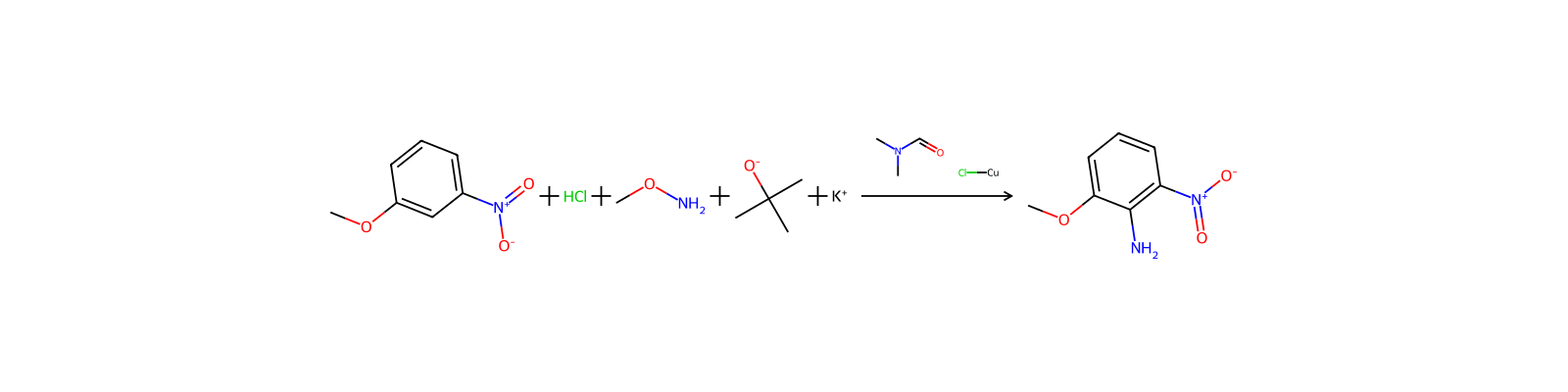
HRID 821 reaction equation
HRID 821As reactantuspto-grants-1998_03
HRID 4903 reaction equation
HRID 4903As reactantuspto-grants-1993_09
HRID 4908 reaction equation
HRID 4908As reactantuspto-grants-1993_09
HRID 5951 reaction equation
HRID 5951As reactantuspto-grants-1993_09
HRID 5965 reaction equation
HRID 5965As reactantuspto-grants-1993_09
HRID 7088 reaction equation
HRID 7088As reactantuspto-grants-2006_08
HRID 7090 reaction equation
HRID 7090As reactantuspto-grants-2006_08
HRID 12346 reaction equation
HRID 12346As reactantuspto-grants-2010_06
Page 1 of 152

Compound notes

Loading…

On this pageBasic informationNames & identifiersPropertiesSafety & regulationChemistry & industryRelated reactionsCompound notes
More actions
New noteNew reactionRequest quotes
Sensitive
Hygroscopic
Merck
14 · 14,5989
BRN
3589723 · 3589723
InChI
1S/CH5NO.ClH/c1-3-2;/h2H2,1H3;1H
InChIKey
XNXVOSBNFZWHBV-UHFFFAOYSA-N
SMILES
Cl.CON
CAS DataBase Reference
593 · 593-56-6(CAS DataBase Reference)
NCI Dictionary of Cancer Terms
methoxyamine hydrochloride
FDA UNII
203546 OLMF · 203546OLMF
EPA Substance Registry System
O-Methylhydroxylamine hydrochloride (593-56-6)
UNSPSC Code
41116105 · 41116105
NACRES
22 · NA.22
Symbol(GHS)
5 · GHS05,GHS07,GHS08,GHS09
Signal word
Danger
Hazard statements
302 · H302-H314-H317-H351-H372-H410
Precautionary statements
273 · P273-P280-P301+P312-P303+P361+P353-P304+P340+P310-P305+P351+P338
PPE
3 · Eyeshields, Faceshields, Gloves, type P3 (EN 143) respirator cartridges
Hazard Codes
C,Xi,N
Risk Statements
34 · 34-36/37/38-50-43-20/21/22-37-35
Safety Statements
3 · 3-24-26-36/37/39-45-61-24/25-27
RIDADR
3265 · UN 3265 8/PG 2
WGK Germany
3 · 3
RTECS
3980000 · NC3980000
F
3 · 3-10
Hazard Note
Corrosive/Hygroscopic
TSCA
TSCA listed
HS Code
2928 · 2928 00 90
HazardClass
8 · 8
PackingGroup
III
Storage Class
6.1 C · 6.1C - Combustible acute toxic Cat.3toxic compounds or compounds which causing chronic effects
Hazard Classifications
4 DermalAcute · Acute Tox. 4 DermalAcute Tox. 4 OralAquatic Acute 1Aquatic Chronic 1Carc. 2Eye Irrit. 2Met. Corr. 1Skin Irrit. 2Skin Sens. 1STOT RE 1
REACH Registrations
Active
Limited Quantities
1 Kg · 1 Kg (2.2 lbs) (solid)
Excepted Quantities
Max Inner Pack (30g or 30ml) and Max Outer Pack (500g or 500ml)

Status: Active Update: 17-05-2023 https://echa.europa.eu/registration-dossier/-/registered-dossier/13115;Status: Active Update: 21-01-2016 https://echa.europa.eu/registration-dossier/-/registered-dossier/16768

Methoxyammonium chloride: Does not have an individual approval but may be used under an appropriate group standard

DOT LabelCorrosive
Fire HazardsFlash point data for this chemical are not available. It is probably combustible. (NTP, 1992)
Health Hazards · 1 item

SYMPTOMS: Symptoms of exposure to this compound may include burns to the skin, eyes and mucous membranes.;ACUTE/CHRONIC HAZARDS: This compound causes strong irritation to the eyes, skin and mucous membranes on contact. It is corrosive. (NTP, 1992)

Hazards SummaryCauses burns; [CAMEO] Causes severe irritation or burns to skin, eyes, and mucous membranes; [NTP] Causes burns; Inhalation may cause corrosive injuries to upper respiratory tract and lungs; [Sigma-Aldrich MSDS] See Methoxyamine.
Reactive GroupEthers;Salts, Acidic
Reactivity Profile · 1 item

In aqueous solution, O-METHYLHYDROXYLAMINE HYDROCHLORIDE behaves as an acid. Materials in this group are generally soluble in water. The resulting solutions contain moderate concentrations of hydrogen ions and have pH's of less than 7.0. They react as acids to neutralize bases. These neutralizations generate heat, but less or far less than is generated by neutralization of inorganic acids, inorganic oxoacids, and carboxylic acid. They usually do not react as either oxidizing agents or reducing agents but such behavior is not impossible. Many of these compounds catalyze organic reactions.

Air and Water ReactionsWater soluble.
Hazard Classes and CategoriesAcute Tox. 4 (76.4%);Acute Tox. 4 (75.6%);Skin Corr. 1B (26.7%);Skin Irrit. 2 (27.1%);Skin Sens. 1B (80%);Eye Dam. 1 (73.3%);Carc. 2 (74.2%);STOT RE 1 (27.1%);STOT RE 2 (52%);Aquatic Acute 1 (98.7%);Aquatic Chronic 3 (71.6%)

Safety & protection

Fire FightingFires involving this material can be controlled with a dry chemical, carbon dioxide or Halon extinguisher. (NTP, 1992)
First Aid · 1 item

EYES: First check the victim for contact lenses and remove if present. Flush victim's eyes with water or normal saline solution for 20 to 30 minutes while simultaneously calling a hospital or poison control center. Do not put any ointments, oils, or medication in the victim's eyes without specific instructions from a physician. IMMEDIATELY transport the victim after flushing eyes to a hospital even if no symptoms (such as redness or irritation) develop.;SKIN: IMMEDIATELY flood affected skin with water while removing and isolating all contaminated clothing. Gently wash all affected skin areas thoroughly with soap and water. IMMEDIATELY call a hospital or poison control center even if no symptoms (such as redness or irritation) develop. IMMEDIATELY transport the victim to a hospital for treatment after washing the affected areas.;INHALATION: IMMEDIATELY leave the contaminated area; take deep breaths of fresh air. If symptoms (such as wheezing, coughing, shortness of breath, or burning in the mouth, throat, or chest) develop, call a physician and be prepared to transport the victim to a hospital. Provide proper respiratory protection to rescuers entering an unknown atmosphere. Whenever possible, Self-Contained Breathing Apparatus (SCBA) should be used; if not available, use a level of protection greater than or equal to that advised under Protective Clothing.;INGESTION: DO NOT INDUCE VOMITING. Corrosive chemicals will destroy the membranes of the mouth, throat, and esophagus and, in addition, have a high risk of being aspirated into the victim's lungs during vomiting which increases the medical problems. If the victim is conscious and not convulsing, give 1 or 2 glasses of water to dilute the chemical and IMMEDIATELY call a hospital or poison control center. IMMEDIATELY transport the victim to a hospital. If the victim is convulsing or unconscious, do not give anything by mouth, ensure that the victim's airway is open and lay the victim on his/her side with the head lower than the body. DO NOT INDUCE VOMITING. Transport the victim IMMEDIATELY to a hospital. (NTP, 1992)

Nonfire Spill Response · 1 item

SMALL SPILLS AND LEAKAGE: If you spill this chemical, you should dampen the solid spill material with water, then transfer the dampened material to a suitable container. Use absorbent paper dampened with water to pick up any remaining material. Seal your contaminated clothing and the absorbent paper in a vapor-tight plastic bag for eventual disposal. Wash all contaminated surfaces with a soap and water solution. Do not reenter the contaminated area until the Safety Officer (or other responsible person) has verified that the area has been properly cleaned.;STORAGE PRECAUTIONS: You should store this material in a refrigerator. (NTP, 1992)

Isolation and Evacuation · 1 item

Excerpt from ERG Guide 154 [Substances - Toxic and/or Corrosive (Non-Combustible)]:;IMMEDIATE PRECAUTIONARY MEASURE: Isolate spill or leak area in all directions for at least 50 meters (150 feet) for liquids and at least 25 meters (75 feet) for solids.;SPILL: Increase the immediate precautionary measure distance, in the downwind direction, as necessary.;FIRE: If tank, rail tank car or highway tank is involved in a fire, ISOLATE for 800 meters (1/2 mile) in all directions; also, consider initial evacuation for 800 meters (1/2 mile) in all directions. (ERG, 2024)

Personal Protective Equipment (PPE) · 1 item

MINIMUM PROTECTIVE CLOTHING: If Tyvek-type disposable protective clothing is not worn during handling of this chemical, wear disposable Tyvek-type sleeves taped to your gloves.;RECOMMENDED RESPIRATOR: Where the neat test chemical is weighed and diluted, wear a NIOSH-approved half face respirator equipped with an organic vapor/acid gas cartridge (specific for organic vapors, HCl, acid gas and SO2) with a dust/mist filter. Splash proof safety goggles should be worn while handling this chemical. Alternatively, a full face respirator, equipped as above, may be used to provide simultaneous eye and respiratory protection. (NTP, 1992)

Toxicology

Adverse EffectsDermatotoxin - Skin burns.;Toxic Pneumonitis - Inflammation of the lungs induced by inhalation of metal fumes or toxic gases and vapors.

Regulatory information

Regulatory Information · 3 items

Chemical: Hydroxylamine, O-methyl-, hydrochloride

Status: Active Update: 17-05-2023 https://echa.europa.eu/registration-dossier/-/registered-dossier/13115;Status: Active Update: 21-01-2016 https://echa.europa.eu/registration-dossier/-/registered-dossier/16768

Methoxyammonium chloride: Does not have an individual approval but may be used under an appropriate group standard

Safety data

F
3-10
PPE
Eyeshields, Faceshields, Gloves, type P3 (EN 143) respirator cartridges
wgk
3
tsca
TSCA listed
rtecs
NC3980000
ridadr
UN 3265 8/PG 2
hs_code
2928 00 90
risk_code
34-36/37/38-50-43-20/21/22-37-35
Signal word
Danger
Symbol(GHS)
GHS05,GHS07,GHS08,GHS09
hazard_code
C,Xi,N
hazard_note
Corrosive/Hygroscopic
safety_code
3-24-26-36/37/39-45-61-24/25-27
hazard_class
8
Storage Class
6.1C - Combustible acute toxic Cat.3toxic compounds or compounds which causing chronic effects
packing_group
III
Hazard statements
H302-H314-H317-H351-H372-H410
Limited Quantities
1 Kg (2.2 lbs) (solid)
Excepted Quantities
Max Inner Pack (30g or 30ml) and Max Outer Pack (500g or 500ml)
REACH Registrations
Active
Hazard Classifications
Acute Tox. 4 DermalAcute Tox. 4 OralAquatic Acute 1Aquatic Chronic 1Carc. 2Eye Irrit. 2Met. Corr. 1Skin Irrit. 2Skin Sens. 1STOT RE 1
Precautionary statements
P273-P280-P301+P312-P303+P361+P353-P304+P340+P310-P305+P351+P338
1,4-Dioxane
Dichloromethane
Methylhydrazine

Downstream products

4-Nitro-pyridin-3-ylamineMethoxyimino-acetic acidPyridine-2,3,6-triamine[3-ethoxy-2-(methoxyimino)-3-oxopropyl](triphenyl)phosphonium bromide1H-Pyrrole-2-carboxamide, N-methoxy-tert-butyl 3-(hydroxyimino)azetidine-1-carboxylate2-(methoxyimino)acetic acid(Z)-2-Methoxyimino-2-(furyl-2-yl) acetic acid ammonium salt3-(4-chlorophenyl)-N-methoxy-N-methylacrylamide(R)-Methyl 1-(MethoxyaMino)-1-oxo-3-phenylpropan-2-ylcarbaMate(3,4-dihydro-2H-1-benzothiopyran-4-yl)ammonium chloride1-Methyl-1,2,5,6-tetrahydropyridine-3-carbaldehyde (E)-O-methyloxime hydrochloride