

Basic information
- Standard SMILES
[F-].[K+]- InChIKey
NROKBHXJSPEDAR-UHFFFAOYSA-M- Molecular formula
- FK
- Average molar mass
- 58.0967 g/mol
- Monoisotopic mass
- 57.9621099
Overview
Potassium fluoride appears as white powder or crystals with a sharp saline taste. Shipped as a solid or an aqueous solution. Strongly irritates skin, eyes and mucous membranes. Toxic by ingestion. Used in insecticides, solder flux and etching glass.
Names & identifiers
- Preferred name
- Potassium Fluoride
- IUPAC
- potassium fluoride
- English name
- Potassium fluoride
- Molecular formula
- FK
- Molecular weight
- 58.0967032
Names & synonyms
POTASSIUM FLUORIDE7789-23-3Potassium fluoride (KF)Potassium fluorureFluorure de potassiumDTXSID80319409082WG1G3FCHEBI:66872Kali FluoratumRefChem:6156DTXCID6011940232-151-5
Show more names
PotassiumfluoridePotassium fluoride, anhydrouspotassium;fluoride12178-06-2Potassium fluoride on aluminaPotassium fluoride on calcium fluorideMFCD00011398Potassium fluoride anhydrous
Database identifiers
- CAS
7789-23-3- PubChem CID
- 522689
- DTXSID
DTXSID8031940- ChEMBL
CHEMBL1644027- ChEBI
CHEBI:66872- UNII
- 9082WG1G3F
- EC Number
- 232-151-5
- Nikkaji
- J43.932K
Properties
Computed structural properties
- Topological polar surface area
- 0 Ų
- Hydrogen bond donors
- 0
- Hydrogen bond acceptors
- 1
- Rotatable bonds
- 0
- Heavy atoms
- 2
- Formal charge
- 0
- Complexity
- 2
Experimental & physicochemical properties
Chemical ClassesOther Classes -> Fluorides, Inorganic
CosmeticsOral care; Antiplaque
SpringerMaterials Propertiesdielectric constant
TasteSharp saline taste
Density
2.48 (NTP, 1992) - Denser than water; will sink
2.48 g/cu cm
2.48 @25 °C
Color/Form
White cubic crystals
White crystalline, deliquescent powder
Solubility
greater than or equal to 100 mg/mL at 66 °F (NTP, 1992)
Soluble in water, hydrogen fluoride; insoluble in alcohol
102 g/100 g water at 25 °C
CorrosivityAqueous solution corrodes glass and porcelain
Boiling Point
2741 °F at 760 mmHg (NTP, 1992)
1502 °C
1502 °C @760 [mm Hg]
DecompositionWhen heated to decomposition it emits toxic fumes of /potassium oxide and hydrogen fluoride/.
Melting Point
1576 °F (NTP, 1992)
858 °C
Crystals; melting point: 19.3 °C /Tetrahydrate/
858 °C
Vapor Pressure
100 Pa (0.75 mm Hg) at 869 °C; 1 kPa (7.5 mm Hg) at 1017 °C; 10 kPa (75 mm Hg) at 1216 °C; 100 kPa (750 mm Hg) at 1499 °C
0.75 [mm Hg] @869 °C
Physicochemical properties
- Melting point
- 856 °C · 856 °C
- Symbol(GHS)
- 5 · GHS05,GHS06
- Signal word
- Danger
- Hazard statements
- 301 · H301+H311+H331-H318
- Precautionary statements
- 261 · P261-P280-P301+P310-P302+P352+P312-P304+P340+P311-P305+P351+P338
Safety & regulation
GHS classification
GHS Classification
Danger
H301: Toxic if swallowed [Danger Acute toxicity, oral]
P261, P262, P264, P270, P271, P280, P301+P316, P302+P352, P304+P340, P316, P321, P330, P361+P364, P403+P233, P405, and P501 (click each P-code to see the statement)
Danger
H301+H311+H331 (33.9%): Toxic if swallowed, in contact with skin or if inhaled [Danger Acute toxicity, oral; acute toxicity, dermal; acute toxicity, inhalation]
P203, P260, P261, P262, P264, P264+P265, P270, P271, P280, P284, P301+P316, P301+P330+P331, P302+P352, P302+P361+P354, P304+P340, P305+P354+P338, P316, P317, P318, P319, P320, P321, P330, P361+P364, P363, P403+P233, P405, and P501 (click each P-code to see the statement)
Hazard information
Regulatory Information
Chemical: Potassium fluoride (KF)
Potassium fluoride (KF) is listed on the EPA's Chemical Data Reporting (CDR) system. Manufacturers and importers of Potassium fluoride (KF) are required to report information about their production and use of this chemical to the EPA under the Toxic Substances Control Act (TSCA). (40 eCFR Part 711)
Status: Active Update: 01-08-2022 https://echa.europa.eu/registration-dossier/-/registered-dossier/13156
Potassium fluoride: Does not have an individual approval but may be used under an appropriate group standard
The New Jersey Worker and Community Right to Know Act requires public and private employers to provide information about hazardous substances at their workplaces. (N.J.S.A. 34:5A-1 et. seq.)
Other Safety InformationIMAP assessments - Potassium fluoride (KF): Human health tier I assessment
DOT LabelPoison
Fire Hazards
Excerpt from ERG Guide 154 [Substances - Toxic and/or Corrosive (Non-Combustible)]:
· Non-combustible, substance itself does not burn but may decompose upon heating to produce corrosive and/or toxic fumes.
· Non-combustible, substance itself does not burn but may decompose upon heating to produce corrosive and/or toxic fumes.
Health Hazards
Excerpt from ERG Guide 154 [Substances - Toxic and/or Corrosive (Non-Combustible)]:
· TOXIC and/or CORROSIVE; inhalation, ingestion or skin contact with material may cause severe injury or death.
· TOXIC and/or CORROSIVE; inhalation, ingestion or skin contact with material may cause severe injury or death.
Hazards SummaryToxic by ingestion; A skin, eye, and mucous membrane irritant; Contact with molten substance can cause burns; Reacts with acids to produce toxic hydrogen fluoride gas; [CAMEO]
DOT ID and Guide
1812 154
3422 154
Reactive GroupSalts, Basic
Reactivity Profile
POTASSIUM FLUORIDE reacts with acids to evolve corrosive and toxic hydrogen fluoride. Aqueous solutions corrode glass and consequently are prepared and stored in polyethylene containers. The pure solid may be stored in glass containers. Reacts violently with (Pt + BrF3). [NTP 1992].
DOT Emergency Guidelines
/GUIDE 154 SUBSTANCES - TOXIC and/or CORROSIVE (Non-Combustible)/ Fire or Explosion: Non-combustible, substance itself does not burn but may decompose upon heating to produce corrosive and/or toxic fumes. Some are oxidizers and may ignite combustibles (wood, paper, oil, clothing, etc.). Contact with metals may evolve flammable hydrogen gas. Containers may explode when heated. For UN3171, if Lithium ion batteries are involved, also consult GUIDE 147. /Potassium fluoride; Potassium fluoride, solid; Potassium fluoride, solution/
/GUIDE 154 SUBSTANCES - TOXIC and/or CORROSIVE (Non-Combustible)/ Health: TOXIC; inhalation, ingestion or skin contact with material may cause severe injury or death. Contact with molten substance may cause severe burns to skin and eyes. Avoid any skin contact. Effects of contact or inhalation may be delayed. Fire may produce irritating, corrosive and/or toxic gases. Runoff from fire control or dilution water may be corrosive and/or toxic and cause pollution. /Potassium fluoride; Potassium fluoride, solid; Potassium fluoride, solution/
/GUIDE 154 SUBSTANCES - TOXIC and/or CORROSIVE (Non-Combustible)/ Public Safety: CALL Emergency Response Telephone Number on Shipping Paper first. If Shipping Paper not available or no answer, refer to appropriate telephone number listed on the inside back cover. As an immediate precautionary measure, isolate spill or leak area in all directions for at least 50 meters (150 feet) for liquids and at least 25 meters (75 feet) for solids. Keep unauthorized personnel away. Stay upwind. Keep out of low areas. Ventilate enclosed areas. /Potassium fluoride; Potassium fluoride, solid; Potassium fluoride, solution/
/GUIDE 154 SUBSTANCES - TOXIC and/or CORROSIVE (Non-Combustible)/ Protective Clothing: Wear positive pressure self-contained breathing apparatus (SCBA). Wear chemical protective clothing that is specifically recommended by the manufacturer. It may provide little or no thermal protection. Structural firefighters' protective clothing provides limited protection in fire situations ONLY; it is not effective in spill situations where direct contact with the substance is possible. /Potassium fluoride; Potassium fluoride, solid; Potassium fluoride, solution/
For more DOT Emergency Guidelines (Complete) data for POTASSIUM FLUORIDE (8 total), please visit the HSDB record page.
DOT Hazard Classification
Potassium fluoride, solid
UN1812
Div 6.1 Poisonous materials (49 eCFR § 173.132)
PG III: the degree of danger presented by the material is minor
Air and Water ReactionsDeliquescent. Water soluble.
Safety & protection
Fire FightingExcerpt from ERG Guide 154 [Substances - Toxic and/or Corrosive (Non-Combustible)]:
Accidental Release Measures
· CALL 911. Then call emergency response telephone number on shipping paper. If shipping paper not available or no answer, refer to appropriate telephone number listed on the inside back cover.
· ELIMINATE all ignition sources (no smoking, flares, sparks or flames) from immediate area.
· CALL 911. Then call emergency response telephone number on shipping paper. If shipping paper not available or no answer, refer to appropriate telephone number listed on the inside back cover.
· ELIMINATE all ignition sources (no smoking, flares, sparks or flames) from immediate area.
First Aid
EYES: First check the victim for contact lenses and remove if present. Flush victim's eyes with water or normal saline solution for 20 to 30 minutes while simultaneously calling a hospital or poison control center. Do not put any ointments, oils, or medication in the victim's eyes without specific instructions from a physician. IMMEDIATELY transport the victim after flushing eyes to a hospital even if no symptoms (such as redness or irritation) develop.
General First Aid:
General First Aid:
Exposure Control and Personal Protection
· Wear positive pressure self-contained breathing apparatus (SCBA).
· Wear positive pressure self-contained breathing apparatus (SCBA).
Biological Exposure Indices (BEI) [ACGIH] - Fluorides in urine = 2 mg/L prior to shift or 3 mg/L at end of shift; (Repeated measurements recommended.)
1.0 [mg/m3], as F, inhalable fraction[German Research Foundation (DFG)]
Nonfire Spill ResponseExcerpt from ERG Guide 154 [Substances - Toxic and/or Corrosive (Non-Combustible)]:
Disposal Methods
SRP: The most favorable course of action is to use an alternative chemical product with less inherent propensity for occupational exposure or environmental contamination. Recycle any unused portion of the material for its approved use or return it to the manufacturer or supplier. Ultimate disposal of the chemical must consider: the material's impact on air quality; potential migration in soil or water; effects on animal, aquatic, and plant life; and conformance with environmental and public health regulations.
Isolation and Evacuation
Excerpt from ERG Guide 154 [Substances - Toxic and/or Corrosive (Non-Combustible)]:
Immediate precautionary measure
Immediate precautionary measure
Threshold Limit Values (TLV)2.5 [mg/m3], as F
Permissible Exposure Limit (PEL)2.5 [mg/m3], as F
Protective Action Criteria (PAC)
0.74 [mg/m3]
8.1 [mg/m3]
49 [mg/m3]
Personal Protective Equipment (PPE)Excerpt from ERG Guide 154 [Substances - Toxic and/or Corrosive (Non-Combustible)]:
Emergency Response Planning Guidelines
Small Fire
Small Fire
Toxicology
Adverse EffectsDermatotoxin - Skin burns.
Human Toxicity Excerpts
/HUMAN EXPOSURE STUDIES/ ... A group of 11 healthy young adults volunteered to participate after verbal and written information and consent. After a 1-week fluoride depletion period, the subjects consumed popcorn prepared with either fluoridated (250 mg/kg) or non-fluoridated salt during 30 minutes. Unstimulated whole saliva and samples of supragingival plaque were collected before consumption (baseline) and at 30, 60 and 120 minutes after the intake. Fluoride concentration was determined with a fluoride-specific electrode and the post-ingestion levels were compared with baseline by ANOVA. ... In saliva, the mean fluoride concentrations at baseline ranged from 0.021 to 0.027 mg/L and after the 30 minutes consumption of fluoride prepared snacks a 15-fold increase (p<0.001) was found. The same pattern was disclosed in the plaque samples. In both saliva and plaque, the fluoride levels remained significantly elevated after 2 hours (p<0.001 and p<0.05, respectively). /The authors concluded that/ consumption of snacks prepared with fluoridated table salt resulted in significantly increased fluoride levels in saliva and supragingival plaque for a period of at least two hours. /Fluoride/
/SURVEILLANCE/ Acute fluoride poisoning produces a clinical syndrome characterized by nausea, vomiting, diarrhea, abdominal pain, and paresthesias. In May 1992, excess fluoride in one of two public water systems serving a village in Alaska caused an outbreak of acute fluoride poisoning. /The authors/ surveyed residents, measured their urinary fluoride concentrations, and analyzed their serum-chemistry profiles. A case of fluoride poisoning was defined as an illness consisting of nausea, vomiting, diarrhea, abdominal pain, or numbness or tingling of the face or extremities that began between May 21 and 23. ... Among 47 residents studied who drank water obtained on May 21, 22, or 23 from the implicated well, 43 (91 percent) had an illness that met the case definition, as compared with only 6 of 21 residents (29 percent) who drank water obtained from the implicated well at other times and 2 of 94 residents (2 percent) served by the other water system. /The authors/ estimated that 296 people were poisoned; 1 person died. Four to five days after the outbreak, 10 of the 25 case patients who were tested, but none of the 15 control subjects, had elevated urinary fluoride concentrations. The case patients had elevated serum fluoride concentrations and other abnormalities consistent with fluoride poisoning, such as elevated serum lactate dehydrogenase and aspartate aminotransferase concentrations. The fluoride concentration of a water sample from the implicated well was 150 mg/L, and that of a sample from the other system was 1.1 mg/L.../Fluoride/
Non-Human Toxicity Excerpts
/GENOTOXICITY/The effects of sodium and potassium fluoride (NaF and KF) at concentrations ranging from 10-7 to 10-2 M for 12, 24, or 36 hr on cultured rat bone marrow cells have been studied with respect to cytotoxicity and induction of sister-chromatid exchanges (SCE). At the three exposure times, cell survival progressively decreased with increasing concentrations. Treatment with 10-2 M fluoride resulted in a statistically significant death (62 to 65%) of cells. Similarly, no dividing cells were encountered at concentrations of 10-3 M and 10-2 M, and significant reductions in mitotic index (MI) were calculated at 10-4 M. In contrast, cell kinetics, expressed as cell proliferation index (CPI), revealed no significant inhibitory effect of fluoride on cell proliferation. Furthermore, the mean SCE score reached a maximum (7.64 SCE/cell) in the 24-hr-treated cultures. This value was not significantly different from that observed in sodium chloride (NaCl) at 10-2 M (5.42 SCE/cell) and distilled water (4.86 SCE/cell) controls. In comparison, mitomycin-C (MMC, positive control) at 5x10⁻⁸ M caused an average of 22.13 SCE/cell. These results indicated an inhibition of cell division and death of cells with high doses of fluoride with no effect on SCE frequencies.
/GENOTOXICITY/ The genotoxic effects of inorganic fluorides were investigated by treating cultured rat bone marrow cells with varying concentrations (0.1 to 100 uM) of potassium fluoride (KF) and sodium fluoride (NaF) for different durations (12, 24 and 36 hr) and measuring the incidence of cells with aberrations and number of breaks per cell. Both forms of fluoride were found to be weak mutagens relative to the positive control N-methyl-N-nitro-N-nitrosoguanidine (MNNG). A specificity of fluoride ion in inducing chromosome aberrations (CA) was indicated by the observation that both NaF and KF behaved almost equivalently in this study and at significantly higher variations from the results with potassium chloride (KCl) and sodium chloride (NaCl).
/GENOTOXICITY/ The L5178Y mouse lymphoma cell forward-mutation assay was used to test for the mutagenic activity of sodium and potassium fluoride at the thymidine kinase locus. Mutants were detected by colony formation in soft agar in the presence of trifluorothymidine. Mutagenic and toxic responses were observed in the concentration range of 300-600 ug/mL with both sodium and potassium fluoride. Approximately 3-fold increases in mutant frequency were observed for concentrations in the 500-700 ug/mL range that reduced the relative total growth to approximately 10% in the absence or presence of a rat-liver S9 activation system. A sample of 30% sodium fluoride-70% sodium bifluoride (NaHF2) induced a similar mutagenic response but was more toxic with respect to the fluoride concentration. A specificity for fluoride ions in causing mutagenesis was indicated by the fast that much higher concentrations of sodium or potassium chloride were necessary to cause toxicity and increases in the mutant frequency. The possible involvement of chromosomal changes was signaled by the predominant increase in the small colony class of mutants.
Antidote and Emergency Treatment
Basic treatment: Establish a patent airway (oropharyngeal or nasopharyngeal airway, if needed). Suction if necessary. Watch for signs of respiratory insufficiency and assist ventilations if necessary. Administer oxygen by nonrebreather mask at 10 to 15 L/min. Monitor for pulmonary for edema and treat if necessary ... . Monitor for shock and treat if necessary ... . For eye contamination, flush eyes immediately with water. Irrigate each eye continuously with 0.9% saline (NS) during transport ... . Do not use emetics. For ingestion, rinse mouth and administer 5 ml/kg up to 200 ml of water if the patient can swallow, has a strong gag reflex, and does not drool. Do not attempt to neutralize because of exothermic reaction. Cover skin burns with dry, sterile dressings after decontamination ... . /Hydrofluoric Acid (HF) and Related Compounds/
Advanced treatment: Consider orotracheal or nasotracheal intubation for airway control in the patient who is unconscious, has severe pulmonary edema, or is in severe respiratory distress. Consider drug therapy for pulmonary edema ... . Early intubation at the first sign of upper airway obstruction may be necessary. Positive-pressure ventilation with a bag valve mask device may be beneficial. Consider drug therapy for pulmonary edema ... . Monitor cardiac rhythm and treat arrhythmias as necessary. Development of QT interval prolongation may signal hypocalcemia and need for IV calcium gluconate administration ... . Start IV administration of D5W /SRP: "To keep open", minimal flow rate/. Use 0.9% saline (NS) or lactated Ringer's (LR) if signs of hypovolemia are present. For hypotension with signs of hypovolemia, administer fluid cautiously. Consider vasopressors if patient is hypotensive with a normal fluid volume. Watch for signs of fluid overload ... . Use 2.5% calcium gluconate gel for skin burns over painful areas after thorough decontamination ... . Iced 0.13% benzalkonium chloride (Zephiran chloride) solution soak or compresses may be used with careful monitoring of body temperature. Compresses should be changed every 2 min. Use proparacaine hydrochloride to assist eye irrigation ... . /Hydrofluoric Acid (HF) and Related Compounds/
Non-Human Toxicity Values
LD50 Mouse 40.03 mg/kg
LD50 Rat ip 64 mg/kg
LD50 Rat oral 245 mg/kg
Safety data
- Signal word
- Danger
- Symbol(GHS)
- GHS05,GHS06
- Hazard statements
- H301+H311+H331-H318
- Precautionary statements
- P261-P280-P301+P310-P302+P352+P312-P304+P340+P311-P305+P351+P338
Chemistry & industry
Pharmacology
FDA Pharmacological Classification
KALI FLUORATUM
Potassium Salt [EPC]; Increased Large Intestinal Motility [PE]; Osmotic Laxative [EPC]; Potassium Compounds [CS]; Osmotic Activity [MoA]; Inhibition Large Intestine Fluid/Electrolyte Absorption [PE]
Absorption, Distribution and Excretion
This study was designed to quantitate and compare the major features of the short-term pharmacokinetics of fluoride--i.e., the plasma (Cp), renal (Cr), and extra-renal (Cer) clearances--in young adult dogs, cats, rabbits, rats, and hamsters. Plasma and urine samples were collected for seven h after the iv administration of fluoride (0.5 mg F/kg). Cp ranged from 3.5 to 8.6 mL/min/kg in the dog and hamster, respectively. Cr ranged from less than 1.5 mL/min/kg in the dog and rabbit to about 3.5 mL/min/kg in the rat and hamster. Cer ranged from 2.1 mL/min/kg in the dog to over 4.5 mL/min/kg in the cat, rabbit, and hamster. It was concluded that (1) there are major quantitative differences in the metabolic handling of fluoride among the five species, and that (2) Cp, Cr, and Cer values of the young adult dog, when factored for body weight, resemble those of the young adult human most closely. /Fluoride/
The purpose of this review is to present the general characteristics of the metabolism of fluoride particularly as it occurs when ingested with fluoridated salt. Following the absorption of salt-borne fluoride from the stomach and intestines, its metabolism is identical to that of water-borne fluoride or other vehicles containing ionized fluoride. Because fluoridated salt is almost always ingested with food, however, absorption from the gastrointestinal tract may be delayed or reduced. Reports dealing with this subject have shown that fluoride absorption is delayed and, therefore, peak plasma concentrations are lower than when fluoride is ingested with water. The amount of ingested fluoride that is finally absorbed, however, is not appreciably affected unless the meal is composed mainly of components with high calcium concentrations. In this case, the extent of absorption can be reduced by as much as 50%. Fluoridated salt is also ingested less frequently than fluoridated water. Data are presented to show that the dose size and frequency of ingestion have only minor effects on fluoride retention in the body and on the concentrations in plasma, bone and enamel. Finally, calculations are presented to show that the risk of acute toxicity from fluoridated salt is virtually non-existent. /Fluoride/
Uses & manufacturing
Uses
Used in silver soldering fluxes, glass etching, water fluoridation, and as a preservative and insecticide; [HSDB]
Soldering [Category: Heat or Machine]
Since 1991, fluoridated salt has been on sale in household-size packages in Germany. Potassium or sodium fluoride is added to iodized salt until the fluoride concentration reaches 250 mg/kg.
Salt fluoridation is recognised world-wide as a proven and viable alternative means of consumer choice-related, community-based fluoridation where water fluoridation is either technically or politically impossible. ...Most salt consumed is contained within cooked food products, rather than sprinkled over prepared food at the table.../Fluoride salts/
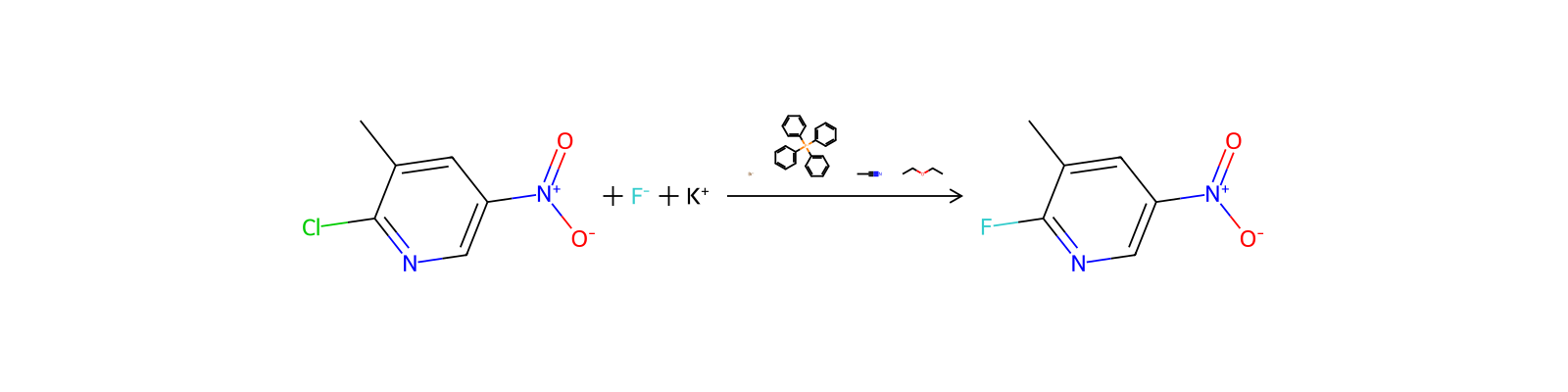
... Used in preparing silver soldering fluxes. ... In organic synthesis as a catalyst for various reactions or to introduce fluorine into organic molecules. ... In France, potassium fluoride may be added to table salt to increase resistance to dental caries.
Unscheduled precursor to sarin.
U.S. Production
2023: 8,500,000 - <10,000,000 lb
Production volumes for non-confidential chemicals reported under the Inventory Update Rule. [Table#7134]
Consumer UsesNot Known or Reasonably Ascertainable
Industry UsesCleaning agent
Methods of Manufacturing
Prepared by thermal decomposition of KHF2 or by neutralizing HF with K2CO3.
Potassium fluoride is prepared by reacting potassium carbonate (or KOH) with aqueous hydrofluoric acid.
Formulations/PreparationsGrade: technical, free of arsenic, CP
Use ClassificationCosmetics -> Oral care; Antiplaque
General Manufacturing Information
Fabricated Metal Product Manufacturing
Potassium fluoride (KF): ACTIVE
Potassium fluoride is an unscheduled precursor to Sarin.
Sodium and potassium fluoride are used for the fluoridation of household salt. Addition of fluoride is carried out either by the wet or the dry process. Qualitatively good fluoridated salt can be produced by using either method. In the wet process, a solution of potassium fluoride is mixed homogeneously with the salt. For the dry mixture, only sodium fluoride with a small granule size is suitable. Apart from the mixing methods used by the larger salt manufacturers, there are low-cost solutions for very small producers.
In seven European countries there are national legal regulations, or salt producers have obtained individual authorizations, for the production and marketing of fluoridated edible salt. On the basis of EU mutual recognition rules, there are other countries which import fluoridated edible salt. All European countries practise salt fluoridation on a voluntary basis. In the near future, a European regulation is expected to supersede the national conditions. /Fluoridated salts/
Suppliers50 total
国药集团化学试剂有限公司86-21-63210123 · [email protected]
梯希爱(上海)化成工业发展有限公司021-67121386 · [email protected]
上海阿拉丁生化科技股份有限公司400-6206333 13167063860 · [email protected]
上海炎泽化工有限公司15345144255 19975051755 · [email protected]
合肥翰刚医药科技有限公司+8618062405514 · [email protected]
爱斯特(成都)生物制药股份有限公司+86-28-85122536 85324413 · [email protected]
Baoji Guokang Healthchem co.,ltd+8615604608665 15604608665 · [email protected]
Dayang Chem (Hangzhou) Co.,Ltd.+86-0571-88938639 17705817739 · [email protected]
北京安司莫森技术有限公司010-82954736 13391601435 · [email protected]
上海迈瑞尔生化科技有限公司4006356688 18621169109 · [email protected]
武汉吉业升化工有限公司15387013945 · [email protected]
阿法埃莎(中国)化学有限公司400-6106006 · [email protected]
上海德默医药科技有限公司400-021-7337 2355568890 · [email protected]
安耐吉化学&3A(安徽泽升科技股份有限公司)400-0056266 · [email protected]
上海瀚鸿科技股份有限公司021-54306202 13764082696 · [email protected]
天津万象恒远科技有限公司15722085254 · [email protected]
上海景颜化工科技有限公司13817811078 · [email protected]
合肥天健化工有限公司551-65418679 15856988503;15837135945 · [email protected]
天津金汇太亚化学试剂有限公司022-59582624 18622766592 · [email protected]
山东西亚化学有限公司13355009207 13355009207 · [email protected]
武汉盈邦医药有限公司+86-13296627870; +86-13971566811 · [email protected]
玛雅试剂+86 (573) 82222445 (0)18006601000 452520369 · [email protected]
四川库利南科技有限公司400-1166-196 18981987031 · [email protected]
常熟市鸿嘉氟科技有限公司0512-52626090 15051765893
斯百全化学(上海)有限公司021-021-021-67601398-809-809-809 15221380277 · [email protected]
艾科试剂4008-755-333 18080918076 · [email protected]
上海思域化工科技有限公司86-21-34053660 · [email protected]
赛默飞世尔科技(中国)有限公司800-810-5118 · [email protected]
北京伊诺凯科技有限公司400-810-7969 010-59572699 · [email protected]
上海遐瑞医药科技有限公司+86 21 61551611
TOKYO CHEMICAL INDUSTRY CO., LTD.03-36680489 · [email protected]
上海贤鼎生物科技有限公司4009209199 · [email protected]
上氟科技021-65170832 15601903708
北京环宇世纪化学科技有限公司hysj_bj.com
上海将来实业股份有限公司021-61552785 · [email protected]
日照力德士化工有限公司010-51268198 · [email protected]
美岚实业(上海)有限公司021-58958189 · [email protected]
上海石洋化工有限公司021-56795766 · [email protected]
上海爱蝶实业有限公司021-58957966 18930537195 · [email protected]
成都零六生物科技有限公司400-1166-196 13458535857 · [email protected]
广拓化学(上海)有限公司021-60899189-8001 18918189673 · [email protected]
上海麦克林生化科技股份有限公司15221275939 15221275939 · [email protected]
杭州杰恒化工有限公司0571-87396432 · [email protected]
成都润泽本土化工有限公司13096311329 028-88469284 616445927 · [email protected]
凯试(上海)科技有限公司021-50135380 · [email protected]
池州凯隆进出口贸易有限公司[email protected]
Sigma-Aldrich西格玛奥德里奇(上海)贸易有限公司021-61415566 800-8193336 · [email protected]
杭州鼎燕化工有限公司0571-87157530-8003 18267553885 · [email protected]
山东轩鸿生物医药有限公司+86-0531-88801869 15090917080
sgtlifesciences pvt ltd+91-8790379245 · [email protected]
Related reactions
3,203 records






Linked notes
Loading…