
HRID 348784As product

41294-56-8C=C1/C(=C\C=C2/CCC[C@]3(C)[C@@H]([C@H](C)CCCC(C)C)CC[C@@H]23)C[C@@H](O)C[C@@H]1OOFHCOWSQAMBJIW-AVJTYSNKSA-NAlfacalcidol is a member of the class of D3 vitamins that is calciol in which the hydrogen at the 1alpha position is replaced by a hydroxy group. It is an active metabolite of cholecalciferol, which performs important functions in regulation of the calcium balance and the bone metabolism. It has a role as a bone density conservation agent. It is a diol, a seco-cholestane, a hydroxycalciol and a member of D3 vitamins. It is functionally related to a calciol.
41294-56-8DTXSID0022569CHEMBL1601669CHEBI:31186<1 mg/mL
1.63e-03 g/L
Safety information is for reference only and does not replace the supplier’s Safety Data Sheet (SDS), applicable regulations, or professional assessment.
Danger
H300 (100%): Fatal if swallowed [Danger Acute toxicity, oral]
P260, P262, P264, P270, P271, P280, P284, P301+P316, P302+P352, P304+P340, P316, P320, P321, P330, P361+P364, P403+P233, P405, and P501 (click each P-code to see the statement)
Aggregated GHS information provided per 48 reports by companies from 7 notifications to the ECHA C&L Inventory. Each notification may be associated with multiple companies.
Drug-Induced Liver Injury Severity and Toxicity (DILIst)
Alfacalcidol
DILI Positive
DOI:10.1016/j.drudis.2019.09.022
A11CC03
A - Alimentary tract and metabolism
QA - Alimentary tract and metabolism
Alfacalcidol works to increase serum levels of calcium by stimulating intestinal calcium absorption, reabsorption of calcium from bone, and possibly the renal reabsorption of calcium. It also modestly promotes intestinal phosphorus absorption. In patients with renal failure, alfacalcidol increased intestinal calcium and phosphorus absorption in a dose-related manner. This increase in calcium and phosphorus levels occurs within three days following drug administration: this effect was reversed within three days of drug discontinuation. In patients with chronic renal failure, serum calcium levels were elevated while parathyroid hormone and alkaline phosphatase levels returned to normal levels within five days following alfacalcidol administration. Since alfacalcidol suppresses parathyroid hormone, a reduction in parathyroid hormone levels is achieved more rapidly in patients on intermittent intravenous therapy, with significant reductions occurring within three months of therapy. In patients receiving daily oral therapy of alfacalcidol, the time it takes alfacalcidol to normalize plasma calcium levels may be up to several months, possibly reflecting calcium being utilized for bone mineralization. In patients with nutritional osteomalacia, alfacalcidol increased calcium absorption with six hours of oral administration and the effects peaked at 24 hours.
In conditions like chronic renal failure, renal bone disease, hypoparathyroidism, and vitamin D dependent rickets, the kidneys' capacity for 1α-hydroxylation is impaired, leading to reduced production of endogenous 1,25-dihydroxyvitamin D and aberrated mineral metabolism. As an active and potent analog of vitamin D, alfacalcidol works to restore the functions and activities of endogenous 1,25-dihydroxyvitamin D.

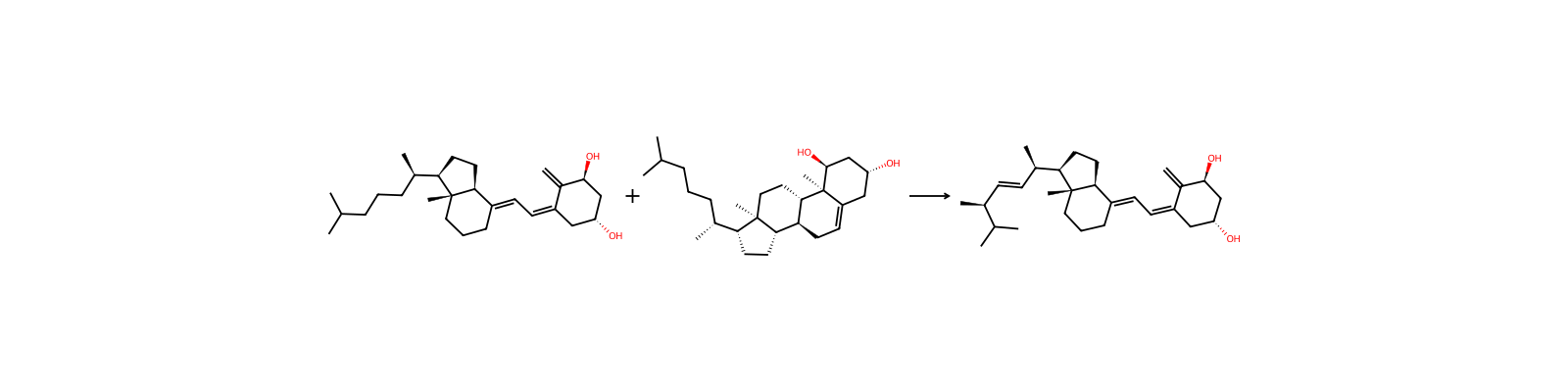


Alfacalcidol is rapidly converted in the liver to 1,25-dihydroxyvitamin D, which is essentially the metabolite of vitamin D that regulates calcium and phosphate metabolism. Alfacalcidol is further metabolized to other polar inactive metabolites, excreted primarily through the bile.
DescriptionAlfacalcidol(41294-56-8) is a vitamin D analog. It is important for the regulation of the bone metabolism. Alfacaldidol is a regulator of calcium and phosphorus metabolism, which helps calcium and phosphorus to be absorbed more effectively in the intestines. Thus, alfacalcidol is used to treat renal (kidney) bone diseases, rickets, osteoporosis, and patients with high or low activity of the parathyroid gland. Also, it is used to maintain normal calcium levels within the body. Alfacalcidol has significant effects on the immune system, including regulatory T cells. Alfacalcidol is furthermore used as a poultry feed additive to prevent tibial dyschondroplasia and increases phytate bioavailability.
UsesFor the treatment of osteoporosis, vitamin D-dependent rickets and osteomalacia
UsesA synthetic analog of Calcitiol (the hormonal form of vitamin D3), which shows identical potency with respect to stimulation of intestinal calcium absorption and bone mineral mobilization. Vitamin D source
General DescriptionHas biological properties similar to 1α-Hydroxyvitamin D2 (Cat. No. 679100). Converted to active Calcitriol (1α,25-Dihydroxyvitamin D3; Cat. No. 679101) in vivo. Inhibits the formation of nephrocalcinosis in streptozotocin-induced diabetic rats fed on low zinc diets.
DefinitionChEBI: A member of the class of D3 vitamins that is calciol in which the hydrogen at the 1alpha position is replaced by a hydroxy group. It is an active metabolite of cholecalciferol, which performs important functions in reg lation of the calcium balance and the bone metabolism.