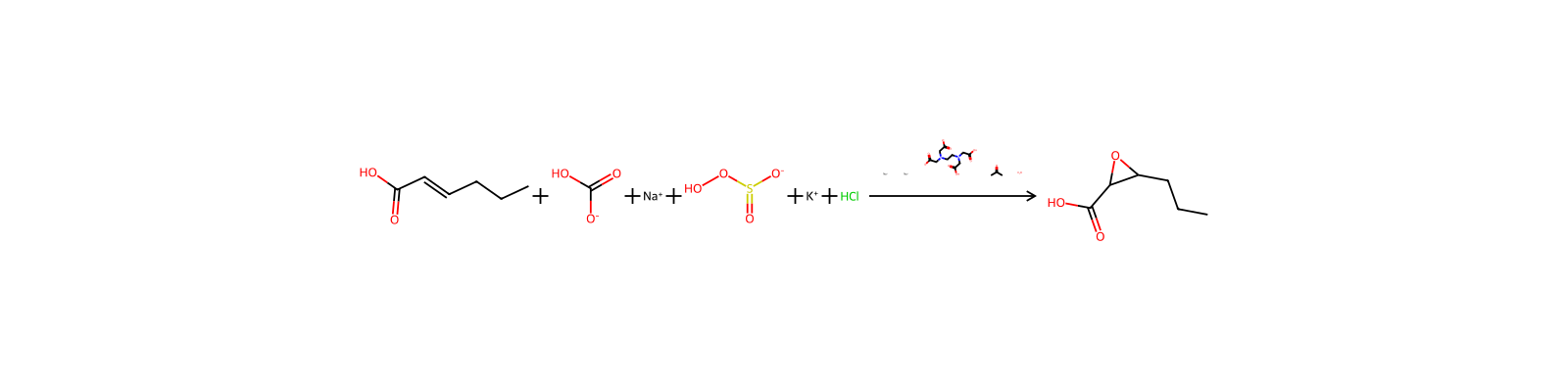
FragrancesFragrance Ingredient (trans-2-Hexenoic acid) -> IFRA transparency List
Food AdditivesFLAVORING AGENT OR ADJUVANT -> FDA Substance added to food
Solubilityslightly
Boiling Point217.00 °C. @ 760.00 mm Hg
Melting Point28.00 to 34.00 °C. @ 760.00 mm Hg
Physical DescriptionSolid
Physicochemical properties
Melting point
32 °C · 32 °C
Boiling point
Safety & regulation
Safety information is for reference only and does not replace the supplier’s Safety Data Sheet (SDS), applicable regulations, or professional assessment.
GHS classification
GHS Classification · 4 items
Danger
H314 (100%): Causes severe skin burns and eye damage [Danger Skin corrosion/irritation]
P260, P264, P280, P301+P330+P331, P302+P361+P354, P304+P340, P305+P354+P338, P316, P321, P363, P405, and P501 (click each P-code to see the statement)
Aggregated GHS information provided per 1509 reports by companies from 5 notifications to the ECHA C&L Inventory.
Hazard information
Regulatory Information · 2 items
Chemical: 2-Hexenoic acid, (E)-
2-Hexenoic acid, (2E)-: Does not have an individual approval but may be used under an appropriate group standard
Hazard Classes and CategoriesSkin Corr. 1C (100%)
Safety data
PPE
Eyeshields, Faceshields, Gloves, type P3 (EN 143) respirator cartridges
General Manufacturing Information2-Hexenoic acid, (2E)-: ACTIVE
Applications · 3 items
Descriptiontrans-2-Hexenoic acid has a pleasant fatty characteristic and is long-lasting. This substance may be synthesized by condensation of butyraldehyde with malonic acid.
OccurrenceReported found in Japanese peppermint oil, apple, banana, bilberry, guava, pork fat, white wine, tea, starfruit, loquat and loganberry.
Uses(2E)-2-Hexenoic Acid is used in the synthesis of antitumor dehydroepiandrosteronederivatives. Also used in the synthesis of phosphatase 1B inhibitors.
Preparation methods
PreparationBy condensation of butyraldehyde with malonic acid