HomeMCPWorkbenchSkills
HomeWorkbenchNotificationsMe
llms.txt · MCP GuidePrivacy Policy · Terms of Service · Supportv1.8.0
  1. Home
  2. /Compound

Lovastatin

HCID 53232
New noteNew reactionRequest quotes
Print preview
Basic informationOverviewNames & identifiersPropertiesSafety & regulationChemistry & industryRelated reactionsCompound notes
Substructure searchFind similar structures

Basic information

CAS
75330-75-5
Standard SMILES
CC[C@H](C)C(=O)O[C@H]1C[C@@H](C)C=C2C=C[C@H](C)[C@H](CC[C@@H]3C[C@@H](O)CC(=O)O3)[C@H]21
InChIKey
PCZOHLXUXFIOCF-BXMDZJJMSA-N
Molecular formula
C24H36O5
Average molar mass
404.5 g/mol
Monoisotopic mass
404.25627425

Overview

Lovastatin can cause developmental toxicity according to state or federal government labeling requirements.

Names & identifiers

Preferred name
Lovastatin
IUPAC
[(1S,3R,7S,8S,8aR)-8-[2-[(2R,4R)-4-hydroxy-6-oxooxan-2-yl]ethyl]-3,7-dimethyl-1,2,3,7,8,8a-hexahydronaphthalen-1-yl] (2S)-2-methylbutanoate
English name
Lovastatin
Molecular formula
C24H36O5
Molecular weight
404.54

Names & synonyms

lovastatin75330-75-5mevinolinMevacorMevinacorAltoprevMevlorSivlorAltocorMK-803Monacolin KLovastatine
Show more names
LOVASTATIONLovastatin (Mevacor)Lovastatin,Monacolin Kmsd803LOVALIP
6alpha-MethylcompactinLovastatinaLovastatinum [Latin]6-alpha-MethylcompactinLovastatinumMK 803DTXSID50207849LHU78OQFD

Database identifiers

CAS
75330-75-5
PubChem CID
53232
DTXSID
DTXSID5020784
ChEMBL
CHEMBL152032、CHEMBL503
ChEBI
CHEBI:40303
UNII
9LHU78OQFD
EC Number
616-212-7、692-955-0、946-962-3
Nikkaji
J22.276C

Properties

Computed structural properties

XLogP
4.3
Topological polar surface area
72.8 Ų
Hydrogen bond donors
1
Hydrogen bond acceptors
5
Rotatable bonds
7
Heavy atoms
29
Formal charge
0
Complexity
666

Experimental & physicochemical properties

Drugs · 4 items

Pharmaceuticals -> Antilipidemics

Pharmaceuticals -> Statins

Pharmaceutical

Pharmaceuticals -> Listed in ZINC15

LogP · 3 items

log Kow = 4.26

4.5

4.04

Color/Form · 3 items

White crystals

White crystals from acetone aqueous

A white, non-hygroscopic crystalline powder

Solubility · 5 items

In water, 0.4X10⁻³ mg/mL at 25 °C

Insoluble in water

Solubility at 25 °C (mg/mL): acetone 47, acetonitrile 28, n-butanol 7, iso-butanol 14, chloroform 350, N,N-dimethylformamide 90, ethanol 16, methanol 28, n-octanol 2, n-propanol 11, iso-propanol 20

Practically insoluble in hexane

Very soluble in chloroform; soluble in dimethyl formamide; slightly soluble in acetone, ethanol

Human Drugs · 4 items

Breast Feeding; Lactation; Milk, Human; Anticholesteremic Agents; Hydroxymethylglutaryl-CoA Reductase Inhibitors; Hypolipidemic Agents

FDA approved drugs -> Active ingredient

FDA approved drugs -> Active ingredient

Lipid-lowering agents

Safety & regulation

Safety information is for reference only and does not replace the supplier’s Safety Data Sheet (SDS), applicable regulations, or professional assessment.

GHS classification

GHS Classification · 6 items

This chemical does not meet GHS hazard criteria for 0.4% (1 of 247) of reports.

Danger

H302 (19%): Harmful if swallowed [Warning Acute toxicity, oral]

P203, P260, P261, P264, P270, P272, P280, P301+P317, P302+P352, P318, P319, P321, P330, P333+P317, P362+P364, P405, and P501 (click each P-code to see the statement)

Aggregated GHS information provided per 247 reports by companies from 18 notifications to the ECHA C&L Inventory. Each notification may be associated with multiple companies.

Warning

Hazard information

Regulatory Information · 4 items

Hazard Traits - Developmental Toxicity

Regulation (EC) No 178/2002 (amended)

Status: Active Update: 03-09-2012 https://echa.europa.eu/registration-dossier/-/registered-dossier/10864

Butanoic acid, 2-methyl-, (1S,3R,7S,8S,8aR)-1,2,3,7,8,8a-hexahydro-3,7-dimethyl-8-2-(2R,4R)-tetrahydro-4-hydroxy-6-oxo-2H-pyran-2-ylethyl-1-naphthalenyl ester, (2S)-: Does not have an individual approval but may be used as a component in a product covered by a group standard. It is not approved for use as a chemical in its own right.

FDA Requirements · 1 item

The Approved Drug Products with Therapeutic Equivalence Evaluations identifies currently marketed prescription drug products, including lovastatin, approved on the basis of safety and effectiveness by FDA under sections 505 of the Federal Food, Drug, and Cosmetic Act.

Toxic Combustion ProductsSpecial hazards arising from the substance or mixture: Carbon oxides.
Hazard Classes and Categories · 2 items

Acute Tox. 4 (19%)

Acute Tox. 4 (100%)

Chemistry & industry

Pharmacology

ATC Code · 2 items

C - Cardiovascular system

QC - Cardiovascular system

Protein BindingBoth lovastatin and its β-hydroxy acid metabolite are highly bound (>95%) to human plasma proteins, largely due to its lipophilicity. Animal studies demonstrated that lovastatin crosses the blood-brain and placental barriers.
Pharmacodynamics · 1 item

Lovastatin is an oral antilipemic agent which reversibly inhibits HMG-CoA reductase. It is used to lower total cholesterol, low density lipoprotein-cholesterol (LDL-C), apolipoprotein B (apoB), non-high density lipoprotein-cholesterol (non-HDL-C), and trigleride (TG) plasma concentrations while increasing HDL-C concentrations. High LDL-C, low HDL-C and high TG concentrations in the plasma are associated with increased risk of atherosclerosis and cardiovascular disease. The total cholesterol to HDL-C ratio is a strong predictor of coronary artery disease and high ratios are associated with higher risk of disease. Increased levels of HDL-C are associated with lower cardiovascular risk. By decreasing LDL-C and TG and increasing HDL-C, lovastatin reduces the risk of cardiovascular morbidity and mortality. Elevated cholesterol levels, and in particular, elevated low-density lipoprotein (LDL) levels, are an important risk factor for the development of CVD. Use of statins to target and reduce LDL levels has been shown in a number of landmark studies to significantly reduce the risk of development of CVD and all-cause mortality. Statins are considered a cost-effective treatment option for CVD due to their evidence of reducing all-cause mortality including fatal and non-fatal CVD as well as the need for surgical revascularization or angioplasty following a heart attack. Evidence has shown that even for low-risk individuals (with <10% risk of a major vascular event occurring within 5 years) statins cause a 20%-22% relative reduction in major cardiovascular events (heart attack, stroke, coronary revascularization, and coronary death) for every 1 mmol/L reduction in LDL without any significant side effects or risks. Clinical studies have shown that lovastatin reduces LDL-C and total cholesterol by 25-40%. The 50% inhibitory dose is known to be of 46 mcg/kg which is translated into a reduction of approximately 30% of plasma cholesterol. **Myopathy/Rhabdomyolysis** Lovastatin, like other inhibitors of HMG-CoA reductase, occasionally causes myopathy manifested as muscle pain, tenderness or weakness with creatine kinase (CK) above ten times the upper limit of normal (ULN). Myopathy sometimes takes the form of rhabdomyolysis with or without acute renal failure secondary to myoglobinuria, and rare fatalities have occurred. The risk of myopathy is dose-related and is increased by high levels of HMG-CoA reductase inhibitory activity in plasma. In a clinical study (EXCEL) in which patients were carefully monitored and some interacting drugs were excluded, there was one case of myopathy among 4933 patients randomized to lovastatin 20 to 40 mg daily for 48 weeks, and 4 among 1649 patients randomized to 80 mg daily. Predisposing factors for myopathy include advanced age (≥65 years), female gender, uncontrolled hypothyroidism, and renal impairment. Chinese patients may also be at increased risk for myopathy. In most cases, muscle symptoms and CK increases resolved when treatment was promptly discontinued. The risk of myopathy during treatment with lovastatin may be increased with concurrent administration of interacting drugs such as [fenofibrate], [niacin], [gemfibrozil], [cyclosporine], and strong inhibitors of the CYP3A4 enzyme. Cases of myopathy, including rhabdomyolysis, have been reported with HMG-CoA reductase inhibitors coadministered with [colchicine], and caution should therefore be exercised when prescribing these two medications together. Real-world data from observational studies has suggested that 10-15% of people taking statins may experience muscle aches at some point during treatment. **Liver Dysfunction** Persistent increases (to more than 3 times the upper limit of normal) in serum transaminases occurred in 1.9% of adult patients who received lovastatin for at least one year in early clinical trials. When the drug was interrupted or discontinued in these patients, the transaminase levels usually fell slowly to pretreatment levels. The increases usually appeared 3 to 12 months after the start of therapy with lovastatin, and were not associated with jaundice or other clinical signs or symptoms. In the EXCEL study, the incidence of persistent increases in serum transaminases over 48 weeks was 0.1% for placebo, 0.1% at 20 mg/day, 0.9% at 40 mg/day, and 1.5% at 80 mg/day in patients on lovastatin. However, in post-marketing experience with lovastatin, symptomatic liver disease has been reported rarely at all dosages.

Related reactions

23 records

New reaction record
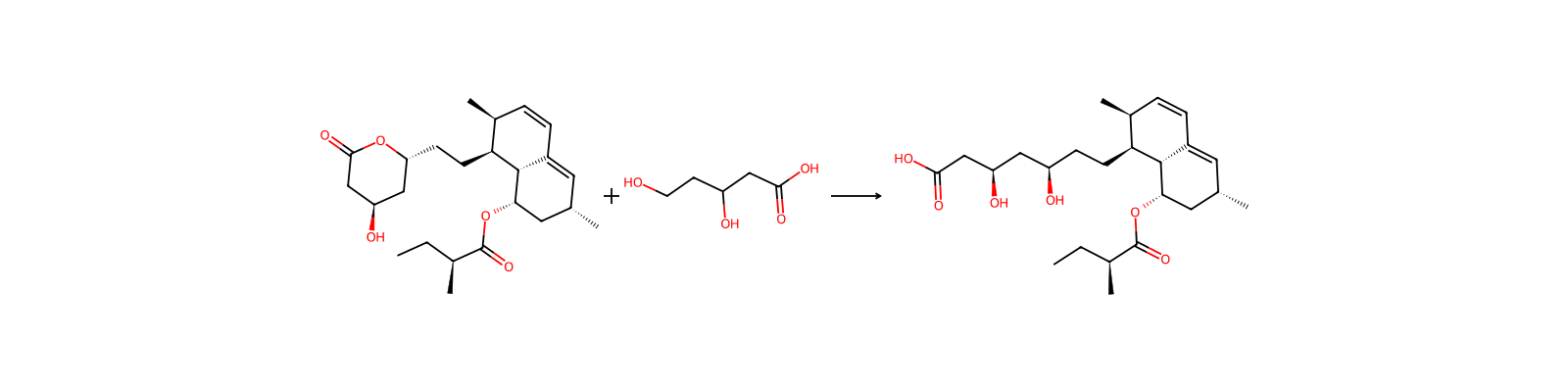
HRID 48004 reaction equation
HRID 48004As productuspto-grants-2004_03
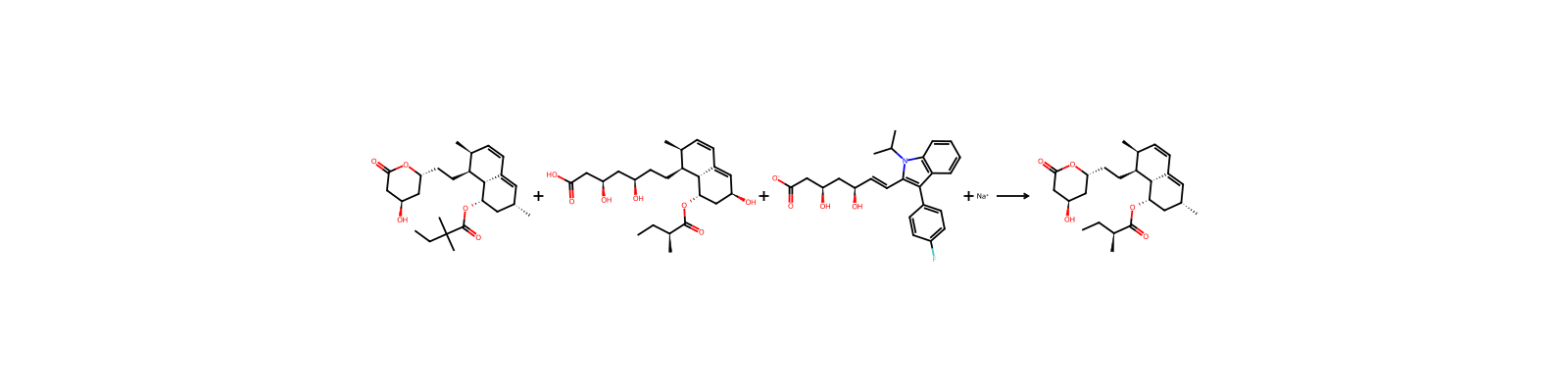
HRID 51096 reaction equation
HRID 51096As productuspto-grants-2004_03
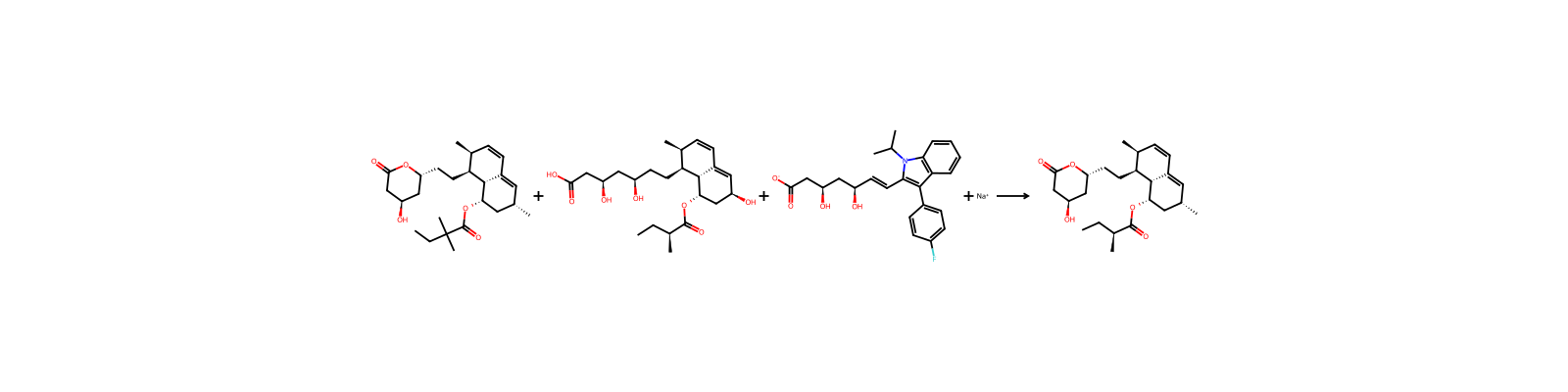
HRID 220009 reaction equation
HRID 220009As reactantuspto-grants-2012_06
HRID 348781 reaction equation
HRID 348781As productuspto-grants-2007_02
HRID 381712 reaction equation
HRID 381712As reactantuspto-grants-2001_10
HRID 504055 reaction equation
HRID 504055As reactantuspto-grants-2010_08
HRID 553328 reaction equation
HRID 553328As productuspto-grants-2011_05
HRID 582457 reaction equation
HRID 582457As productAs reactantuspto-grants-1999_07
Page 1 of 3

Compound notes

Loading…

On this pageBasic informationOverviewNames & identifiersPropertiesSafety & regulationChemistry & industryRelated reactionsCompound notes
More actions
New noteNew reactionRequest quotes
Endocrine Disruptors
Potential endocrine disrupting compound
Melting Point · 3 items

179 °C

MP: 174.5 °C (under nitrogen)

174.5 °C

Optical RotationSpecific optical rotation at 25 °C for D (sodium) line: +323 deg (c = 0.5 g in 100 ml acetonitrile)
Physical DescriptionSolid
Stability/Shelf Life · 2 items

Stable under recommended storage conditions.

Lovastatin tablets should be stored in well-closed, light-resistant containers at 5-30 °C. When stored under these conditions, the tablets are stable for 24 months after the date of manufacture. Lovastatin is sensitive to light. Following exposure to extreme light conditions, the drug is stable for 24 hours or 1 month when exposed to UV (approximately 3230 lux) or fluorescent (approximately 10,764 lux) light, respectively, at 28 °C in air.

Dissociation Constants13.49

Physicochemical properties

Melting point
175 °C · 175°C
alpha
25 · D25 +323° (c = 0.5 g in 100 ml acetonitrile)
Boiling point
559.2 · 559.2±50.0 °C(Predicted)
Density
1.12 · 1.12±0.1 g/cm3(Predicted)
vapor pressure
0 Pa · 0Pa at 25℃
refractive index
320 ° · 320 ° (C=0.5, CH3CN)
storage temp.
-20 °C · -20°C
solubility
9.8 · ethanol: soluble9.80-10.20mg/mL, clear, colorless to faintly yellow
form
White to off-white powder
pka
13.49 · 13.49±0.40(Predicted)
color
White
optical activity
315.2 ° · 315.2°(C=0.01g/ml ACN)
Water Solubility
0.0004 mg/mL · 0.0004 mg/mL at 25 ºC
Merck
14 · 14,5586
BCS Class
2 · 2
Stability
2 years · Stable for 2 years from date of purchase as supplied. Solutions in DMSO or ethanol may be stored at -20°C for up to 2 months.
InChIKey
PCZOHLXUXFIOCF-BXMDZJJMSA-N
SMILES
[H][C@]12[C@H](C[C@@H](C)C=C1C=C[C@H](C)[C@@H]2CC[C@@H]3C[C@@H](O)CC(=O)O3)OC(=O)[C@@H](C)CC
LogP
4.26 · 4.260
CAS DataBase Reference
75330 · 75330-75-5(CAS DataBase Reference)
NCI Dictionary of Cancer Terms
lovastatin; Mevacor
FDA UNII
9 LHU78OQFD · 9LHU78OQFD
NCI Drug Dictionary
lovastatin
ATC code
10 AA02 · C10AA02
Proposition 65 List
Lovastatin
EPA Substance Registry System
Lovastatin (75330-75-5)
UNSPSC Code
41116107 · 41116107
NACRES
77 · NA.77
Symbol(GHS)
8 · GHS08
Signal word
Warning
Hazard statements
351 · H351-H361f
Precautionary statements
201 · P201-P202-P280-P308+P313-P405-P501
PPE
95 · Eyeshields, Gloves, type N95 (US)
Hazard Codes
Xi
Risk Statements
36 · 36/37/38
Safety Statements
22 · 22-24/25-36/37/39-26
RIDADR
3077 · 3077
WGK Germany
3 · 3
RTECS
7907000 · EK7907000
HazardClass
9 · 9
PackingGroup
III
HS Code
29322090 · 29322090
Storage Class
11 · 11 - Combustible Solids
Hazard Classifications
2 Repr · Carc. 2Repr. 2
Hazardous Substances Data
75330 · 75330-75-5(Hazardous Substances Data)
Toxicity
50 orally · LD50 orally in mice: >1000 mg/kg (Endo)
REACH Registrations
Active
Hazardous Reactivities and Incompatibilities
Incompatible materials: Strong oxidizing agents.

Safety & protection

Fire Fighting Procedures · 2 items

Suitable extinguishing media: Use water spray, alcohol-resistant foam, dry chemical or carbon dioxide.

Advice for firefighters: Wear self contained breathing apparatus for fire fighting if necessary.

Storage Conditions · 2 items

Keep container tightly closed in a dry and well-ventilated place. Recommended storage temperature: 2 - 8 °C.

Store at 20 deg to 25 °C (68 deg to 77 °F). Lovastatin Tablets USP must be protected from light.

Cleanup Methods · 1 item

ACCIDENTAL RELEASE MEASURES: Personal precautions, protective equipment and emergency procedures: Use personal protective equipment. Avoid dust formation. Avoid breathing vapors, mist or gas. Ensure adequate ventilation. Avoid breathing dust. Environmental precautions: Do not let product enter drains. Methods and materials for containment and cleaning up: Pick up and arrange disposal without creating dust. Sweep up and shovel. Keep in suitable, closed containers for disposal.

Disposal Methods · 2 items

SRP: Expired or waste pharmaceuticals shall carefully take into consideration applicable DEA, EPA, and FDA regulations. It is not appropriate to dispose by flushing the pharmaceutical down the toilet or discarding to trash. If possible return the pharmaceutical to the manufacturer for proper disposal being careful to properly label and securely package the material. Alternatively, the waste pharmaceutical shall be labeled, securely packaged and transported by a state licensed medical waste contractor to dispose by burial in a licensed hazardous or toxic waste landfill or incinerator.

Product: Offer surplus and non-recyclable solutions to a licensed disposal company; Contaminated packaging: Dispose of as unused product.

Preventive Measures · 5 items

ACCIDENTAL RELEASE MEASURES: Personal precautions, protective equipment and emergency procedures: Use personal protective equipment. Avoid dust formation. Avoid breathing vapors, mist or gas. Ensure adequate ventilation. Avoid breathing dust. Environmental precautions: Do not let product enter drains.

Precautions for safe handling: Avoid contact with skin and eyes. Avoid formation of dust and aerosols. Provide appropriate exhaust ventilation at places where dust is formed.

Appropriate engineering controls: Handle in accordance with good industrial hygiene and safety practice. Wash hands before breaks and at the end of workday.

Gloves must be inspected prior to use. Use proper glove removal technique (without touching glove's outer surface) to avoid skin contact with this product. Dispose of contaminated gloves after use in accordance with applicable laws and good laboratory practices. Wash and dry hands.

SRP: Local exhaust ventilation should be applied wherever there is an incidence of point source emissions or dispersion of regulated contaminants in the work area. Ventilation control of the contaminant as close to its point of generation is both the most economical and safest method to minimize personnel exposure to airborne contaminants. Ensure that the local ventilation moves the contaminant away from the worker.

Personal Protective Equipment (PPE) · 4 items

Eye/face protection: Safety glasses with side-shields conforming to EN166. Use equipment for eye protection tested and approved under appropriate government standards such as NIOSH (US) or EN 166(EU).

Skin protection: Handle with gloves.

Body Protection: Complete suit protecting against chemicals. The type of protective equipment must be selected according to the concentration and amount of the dangerous substance at the specific workplace.

Respiratory protection: For nuisance exposures use type P95 (US) or type P1 (EU EN 143) particle respirator. For higher level protection use type OV/AG/P99 (US) or type ABEK-P2 (EU EN 143) respirator cartridges. Use respirators and components tested and approved under appropriate government standards such as NIOSH (US) or CEN (EU).

Toxicology

Interactions · 5 items

... A 60-year-old black man developed rhabdomyolysis after receiving lovastatin for 14 months. Rhabdomyolysis developed in the absence of other medications previously reported to cause this adverse effect when administered concomitantly with lovastatin. Adverse drug reaction causality algorithms categorized this reaction as either possible or probable. Rhabdomyolysis is an uncommon adverse effect associated with lovastatin therapy. Although reported cases of lovastatin-induced rhabdomyolysis were associated with the coadministration of cyclosporine, erythromycin, gemfibrozil, or nicotinic acid, this adverse effect may occur in the absence of these agents.

Combined drug therapy should be approached with caution as information from controlled studies is limited. Based on post-marketing surveillance, gemfibrozil, other fibrates and lipid lowering doses of niacin (nicotinic acid) may increase the risk of myopathy when given concomitantly with HMG-CoA reductase inhibitors, probably because they can produce myopathy when given alone. Therefore, combined drug therapy should be approached with caution.

Grapefruit juice contains one or more components that inhibit CYP3A4 and can increase the plasma levels of drugs metabolized by CYP3A4. The effect of typical consumption (one 250-ml glass daily) is minimal (34% increase in active plasma HMG-CoA reductase inhibitory activity as measured by the area under the concentration-time curve) and of no clinical relevance. However, because larger quantities (over 1 liter daily) significantly increase the plasma levels of HMG-CoA reductase inhibitory activity, grapefruit juice should be avoided during lovastatin therapy.

Lovastatin, like several other inhibitors of HMG-CoA reductase, is a substrate of cytochrome P450 3A4 (CYP3A4). Certain drugs which inhibit this metabolic pathway can raise the plasma levels of lovastatin and may increase the risk of myopathy. These include itraconazole, ketoconazole, posaconazole, voriconazole, the macrolide antibiotics erythromycin and clarithromycin, the ketolide antibiotic telithromycin, HIV protease inhibitors, boceprevir, telaprevir, the antidepressant nefazodone, or cobicistat-containing products. Combination of these drugs with lovastatin is contraindicated. If short-term treatment with strong CYP3A4 inhibitors is unavoidable, therapy with lovastatin should be suspended during the course of treatment

For more Interactions (Complete) data for Lovastatin (20 total), please visit the HSDB record page.

Hepatotoxicity · 1 item

Lovastatin therapy is associated with mild, asymptomatic and usually transient serum aminotransferase elevations. In summary analyses of large scale studies with prospective monitoring, ALT elevations above normal occurred in 3% to 5% of patients, but were above 3 times the upper limit of normal (ULN) in only 0.4% compared to 0.1% of placebo recipients. These elevations were more common with higher doses of lovastatin, being greater than 3 times ULN in 0.1% of patients receiving 20 mg daily, 0.9% with 40 mg and 1.5% with 80 mg daily. Most of these elevations were self-limited and did not require dose modification, although discontinuation is recommended for any elevation above 10 times and for persistent elevations above 5 times the ULN. Lovastatin is also associated with frank, clinically apparent hepatic injury, but cases are rare. The onset of clinical injury ranges from a few weeks to several years. The pattern of injury is typically cholestatic, but can be hepatocellular. Rash, fever and eosinophilia are uncommon as are autoimmune features. The injury usually resolves rapidly upon stopping lovastatin, but instances of fatal acute liver failure and of prolonged cholestasis have been reported (Case 1).

Ecotoxicity ValuesEC50; Species: Xenopus laevis (African Clawed Frog) blastula; Conditions: freshwater, renewal, 23 °C, pH 6.5-9, hardness 16-400 mg/L CaCO3; Concentration: 20500 ug/L for 96 hr; Effect: development, increased deformation /98% purity/
Environmental Fate · 3 items

TERRESTRIAL FATE: Based on a classification scheme(1), an estimated Koc value of 7400(SRC), determined from a structure estimation method(2), indicates that lovastatin is expected to be immobile in soil(SRC). Volatilization of lovastatin from moist soil surfaces is not expected to be an important fate process(SRC) given an estimated Henry's Law constant of 2.1X10⁻¹⁰ atm-cu m/mole(SRC), using a fragment constant estimation method(3). Lovastatin is not expected to volatilize from dry soil surfaces(SRC) based upon an estimated vapor pressure of 2.2X10⁻¹² mm Hg at 25 °C(SRC), determined from a fragment constant method(2). Biodegradation data in soil were not available(SRC, 2016).

AQUATIC FATE: Based on a classification scheme(1), an estimated Koc value of 7400(SRC), determined from a structure estimation method(2), indicates that lovastatin is expected to adsorb to suspended solids and sediment(SRC). Volatilization from water surfaces is not expected(3) based upon an estimated Henry's Law constant of 2.1X10⁻¹⁰ atm-cu m/mole(SRC), developed using a fragment constant estimation method(4). According to a classification scheme(5), an estimated BCF of 300(SRC), from its log Kow of 4.26(6) and a regression-derived equation(2), suggests the potential for bioconcentration in aquatic organisms is high(SRC). Biodegradation data in water were not available(SRC, 2016).

ATMOSPHERIC FATE: According to a model of gas/particle partitioning of semivolatile organic compounds in the atmosphere(1), lovastatin, which has an estimated vapor pressure of 2.2X10⁻¹² mm Hg at 25 °C(SRC), determined from a fragment constant method(2), is expected to exist solely in the particulate phase in the ambient atmosphere. Particulate-phase lovastatin may be removed from the air by wet and dry deposition(SRC). Lovastatin contains chromophores that absorb UV light at wavelengths >290 nm(3) and, therefore, may be susceptible to direct photolysis by sunlight(SRC).

Adverse EffectsLovastatin is generally well tolerated with mild and transient adverse reactions. There are few reported cases of severe adverse effects associated with lovastatin. Below are the reported side effects of the drug:
Exposure Routes · 1 item

Studies suggest that <5% of the oral dose reaches the general circulation as active inhibitors. Time to peak serum concentration is 2-4 hours. Lovastatin undergoes extensive first-pass metabolism so the availability of the drug in the system is low and variable.

Toxicity Summary · 3 items

IDENTIFICATION AND USE: Lovastatin is a white, non-hygroscopic crystalline powder. It is used for therapy as anticholesteremic agent, and Hydroxymethylglutaryl-CoA (HMG-CoA) reductase inhibitor. HUMAN EXPOSURE AND TOXICITY: Lovastatin, like other inhibitors of HMG-CoA reductase, occasionally causes myopathy manifested as muscle pain, tenderness or weakness with creatine kinase above ten times the upper limit of normal. Myopathy sometimes takes the form of rhabdomyolysis with or without acute renal failure secondary to myoglobinuria, and rare fatalities have occurred. The risk of myopathy is increased by high levels of HMG-CoA reductase inhibitory activity in plasma. There have been rare postmarketing reports of fatal and non-fatal hepatic failure in patients taking statins, including lovastatin. Treatment of HL-60 cells with lovastatin induced characteristic apoptosis in a dose-dependent manner. ANIMAL STUDIES: Lovastatin produced optic nerve degeneration (Wallerian degeneration of retinogeniculate fibers) in clinically normal dogs in a dose-dependent fashion starting at 60 mg/kg/day. Vestibulocochlear Wallerian-like degeneration and retinal ganglion cell chromatolysis were also seen in dogs treated for 14 weeks at 180 mg/kg/day. CNS vascular lesions, characterized by perivascular hemorrhage and edema, mononuclear cell infiltration of perivascular spaces, perivascular fibrin deposits and necrosis of small vessels, were seen in dogs treated with lovastatin at a dose of 180 mg/kg/day. In mice given oral lovastatin dosages of 100 or 500 mg/kg daily, an increase in the incidence of papilloma in the nonglandular mucosa of the stomach was observed. Since the glandular mucosa of the stomach in these rodents was not affected and the human stomach contains only glandular mucosa, the importance of this finding to humans is unclear. An increased incidence of hepatocellular carcinoma and adenoma was observed after 21 months in mice given oral lovastatin 500 mg/kg daily. Drug-related testicular atrophy, decreased spermatogenesis, spermatocytic degeneration and giant cell formation were seen in dogs starting at 20 mg/kg/day. Direct dosing of neonatal rats by subcutaneous injection with 10 mg/kg/day of the open hydroxyacid form of lovastatin resulted in delayed passive avoidance learning in female rats. Lovastatin has been shown to produce skeletal malformations in offspring of pregnant mice and rats dosed during gestation at 80 mg/kg/day. Lovastatin did not exhibit mutagenic potential in in vitro mammalian cell systems (rat or mouse hepatocytes, V-79 cell forward mutation study), in vitro (Chinese hamster ovary cell) or in vivo (mouse bone marrow) chromosomal aberration studies, or microbial (Ames test) systems with or without metabolic activation. There is some in vitro evidence, however, that inhibition of HMG-CoA reductase can inhibit DNA synthesis during the S phase of the cell life cycle; this inhibition appears to result from depletion of mevalonic acid and is independent of its conversion to cholesterol.

Ongoing Test Status · 1 item

EPA has released the Interactive Chemical Safety for Sustainability (iCSS) Dashboard. The iCSS Dashboard provides an interactive tool to explore rapid, automated (or in vitro high-throughput) chemical screening data generated by the Toxicity Forecaster (ToxCast) project and the federal Toxicity Testing in the 21st century (Tox21) collaboration. /The title compound was tested by ToxCast and/or Tox21 assays/[USEPA; ICSS Dashboard Application; Available from, as of December 8, 2016: http://actor.epa.gov/dashboard/]

Soil Adsorption/Mobility · 1 item

Using a structure estimation method based on molecular connectivity indices(1), the Koc of lovastatin can be estimated to be 7400(SRC). According to a classification scheme(2), this estimated Koc value suggests that lovastatin is expected to be immobile in soil.

Natural Pollution Sources · 1 item

Lovastatin has been isolated from Monascus ruber and Apergillus terreus(1), via fermentation(2,3). It can also obtained from the fungus Pleurotus ostreatus(4,5). Lovastatin is found in some red yeast rice products; red yeast rice is used as food in Chinese cuisine(6).

Human Toxicity Excerpts · 5 items

/HUMAN EXPOSURE STUDIES/ Five healthy human volunteers have received up to 200 mg of lovastatin as a single dose without clinically significant adverse experiences.

/SIGNS AND SYMPTOMS/ Lovastatin, like other inhibitors of HMG-CoA reductase, occasionally causes myopathy manifested as muscle pain, tenderness or weakness with creatine kinase (CK) above ten times the upper limit of normal (ULN). Myopathy sometimes takes the form of rhabdomyolysis with or without acute renal failure secondary to myoglobinuria, and rare fatalities have occurred. The risk of myopathy is increased by high levels of HMG-CoA reductase inhibitory activity in plasma.

/SIGNS AND SYMPTOMS/ There have been rare postmarketing reports of fatal and non-fatal hepatic failure in patients taking statins, including lovastatin. If serious liver injury with clinical symptoms and/or hyperbilirubinemia or jaundice occurs during treatment with lovastatin, promptly interrupt therapy. If an alternate etiology is not found, do not restart lovastatin.

/CASE REPORTS/ ... A 60-year-old black man developed rhabdomyolysis after receiving lovastatin for 14 months. Rhabdomyolysis developed in the absence of other medications previously reported to cause this adverse effect when administered concomitantly with lovastatin. Adverse drug reaction causality algorithms categorized this reaction as either possible or probable. Rhabdomyolysis is an uncommon adverse effect associated with lovastatin therapy. Although reported cases of lovastatin-induced rhabdomyolysis were associated with the coadministration of cyclosporine, erythromycin, gemfibrozil, or nicotinic acid, this adverse effect may occur in the absence of these agents.

For more Human Toxicity Excerpts (Complete) data for Lovastatin (20 total), please visit the HSDB record page.

Artificial Pollution SourcesLovastatin's production and administration as a hypercholesterolemic drug(1) may result in its release to the environment through various waste streams(SRC).

Regulatory information

FDA Requirements · 1 item

The Approved Drug Products with Therapeutic Equivalence Evaluations identifies currently marketed prescription drug products, including lovastatin, approved on the basis of safety and effectiveness by FDA under sections 505 of the Federal Food, Drug, and Cosmetic Act.

Safety data

PPE
Eyeshields, Gloves, type N95 (US)
wgk
3
rtecs
EK7907000
ridadr
3077
hs_code
29322090
Toxicity
LD50 orally in mice: >1000 mg/kg (Endo)
risk_code
36/37/38
Signal word
Warning
Symbol(GHS)
GHS08
hazard_code
Xi
safety_code
22-24/25-36/37/39-26
hazard_class
9
Storage Class
11 - Combustible Solids
packing_group
III
Hazard statements
H351-H361f
REACH Registrations
Active
Hazard Classifications
Carc. 2Repr. 2
Precautionary statements
P201-P202-P280-P308+P313-P405-P501
Hazardous Substances Data
75330-75-5(Hazardous Substances Data)
Mechanism of Action · 4 items

Lovastatin is a lactone which is readily hydrolyzed _in vivo_ to the corresponding β-hydroxyacid and strong inhibitor of HMG-CoA reductase, a hepatic microsomal enzyme which catalyzes the conversion of HMG-CoA (3-hydroxy-3-methylglutaryl-coenzyme A ) to mevalonate, an early rate-limiting step in cholesterol biosynthesis. At therapeutic lovastatin doses, HMG-CoA reductase is not completely blocked, thereby allowing biologically necessary amounts of mevalonate to be available. Because the conversion of HMG-CoA to mevalonate is an early step in the biosynthetic pathway for cholesterol, therapy with lovastatin would not be expected to cause an accumulation of potentially toxic sterols. Lovastatin acts primarily in the liver, where decreased hepatic cholesterol concentrations stimulate the upregulation of hepatic low density lipoprotein (LDL) receptors which increase hepatic uptake of LDL. Lovastatin also inhibits hepatic synthesis of very low density lipoprotein (VLDL). The overall effect is a decrease in plasma LDL and VLDL and a significant reduction in the risk of development of CVD and all-cause mortality. A significant effect on LDL-C reduction was seen within 2 weeks of initiation of lovastatin, and the maximum therapeutic response occurred within 4-6 weeks. The response was maintained during continuation of therapy. Single daily doses given in the evening were more effective than the same dose given in the morning, perhaps because cholesterol is synthesized mainly at night. When therapy with lovastatin is stopped, total cholesterol has been shown to return to pre-treatment levels. In vitro and in vivo animal studies also demonstrate that lovastatin exerts vasculoprotective effects independent of its lipid-lowering properties, also known as the pleiotropic effects of statins. This includes improvement in endothelial function, enhanced stability of atherosclerotic plaques, reduced oxidative stress and inflammation, and inhibition of the thrombogenic response. Statins have also been found to bind allosterically to β2 integrin function-associated antigen-1 (LFA-1), which plays an important role in leukocyte trafficking and in T cell activation. Lovastatin has been reported to have beneficial effects on certain cancers. This includes a multi-factorial stress-triggered cell death (apoptosis) and DNA degradation response in breast cancer cells. It has also been shown to inhibit histone deacetylase 2 (HDAC2) activity and increase the accumulation of acetylated histone-H3 and the expression of p21(WAF/CIP) in human cancer cells, suggesting that statins might serve as novel HDAC inhibitors for cancer therapy and chemoprevention.

The 3-hydroxy-3-methylglutaryl coenzyme A (HMG-CoA) reductase inhibitors (statins), atorvastatin, cerivastatin, fluvastatin, pravastatin, lovastatin and simvastatin, reduce atherogenesis and cardiovascular morbidity. Besides, there is growing evidence that statins have immunomodulatory activities. Statins downregulate the expression of adhesion molecules, intercellular adhesion molecule-1 (ICAM-1), monocyte chemotactic protein-1 (MAC-1) and lymphocyte function-associated antigen-1 (LFA-1), on leucocytes and endothelial cells and, through binding to LFA-1, interfere with ICAM-1-LFA-1 interaction, which is crucial for activation of lymphocytes by antigen-presenting cells, ingress of leucocytes into the inflammation sites and immunologic cytotoxicity. Statins inhibit the inducible expression of major histocompatibility complex class II in several cell types including macrophages and downregulate the expression of T-helper-1 (Th1) chemokine receptors on T cells, leading further to inhibition of activation of lymphocytes and their infiltration into the inflammation sites. Statins block the induction of inducible nitric oxide synthase and the expression of several proinflammatory cytokines such as tumor necrosis factor-alpha and interferon-gamma in macrophages and possess antioxidant effects. These agents inhibit the proliferation of immunocytes and the activation of natural killer cells.

Lovastatin, is a cholesterol-lowering agent isolated from a strain of Aspergillus terreus. After oral ingestion, lovastatin, which is an inactive lactone, is hydrolyzed to the corresponding beta-hydroxy acid form. This principal metabolite is a specific inhibitor of 3-hydroxy-3- methylglutaryl-coenzyme A (HMG-CoA) reductase. This enzyme catalyzes the conversion of HMG-CoA to mevalonate, which is an early and ratelimiting step in the biosynthesis of cholesterol.

Lovastatin is a member of Statins, which are beneficial in a lot of immunologic cardiovascular diseases and T cell-mediated autoimmune diseases. Kv1.3 channel plays important roles in the activation and proliferation of T cells, and have become attractive target for immune-related disorders. The present study was designed to examine the block effect of Lovastatin on Kv1.3 channel in human T cells, and to clarify its new immunomodulatory mechanism. We found that Lovastatin inhibited Kv1.3 currents in a concentration- and voltage-dependent manner, and the IC50 for peak, end of the pulse was 39.81 +/- 5.11, 6.92 +/- 0.95 uM, respectively. Lovastatin also accelerated the decay rate of current inactivation and negatively shifted the steady-state inactivation curves concentration-dependently, without affecting the activation curve. However, 30 uM Lovastatin had no apparent effect on KCa current in human T cells. Furthermore, Lovastatin inhibited Ca(2+) influx, T cell proliferation as well as IL-2 production. The activities of NFAT1 and NF-kB p65/50 were down-regulated by Lovastatin, too. At last, Mevalonate application only partially reversed the inhibition of Lovastatin on IL-2 secretion, and the siRNA against Kv1.3 also partially reduced this inhibitory effect of Lovastatin. In conclusion, Lovastatin can exert immunodulatory properties through the new mechanism of blocking Kv1.3 channel.

Biological Half-LifeLovastatin half-life is reported to be of 13.37 hours. The elimination half-life of the hydroxy acid form of lovastatin is reported to be of 0.7-3 hours.
Metabolism/Metabolites · 5 items

Lovastatin is given as a lactone prodrug and thus, in order to produce its mechanism of action, it is required to be converted to the active beta-hydroxy form. This drug activation process does not seem to be related to CYP isoenzyme activity but rather to be controlled by the activity of serum paraoxonase. Lovastatin is metabolized by the microsomal hepatic enzyme system (Cytochrome P-450 isoform 3A4). The major active metabolites present in human plasma are the β-hydroxy acid of lovastatin, its 6'-hydroxy, 6'-hydroxymethyl, and 6'-exomethylene derivatives. The uptake of lovastatin by the liver is enhanced by the activity of OATP1B1.

Lovastatin is metabolized by the microsomal hepatic enzyme system (Cytochrome P-450 isoform 3A4). The major active metabolites present in human plasma are the beta-hydroxy acid of lovastatin, its 6'-hydroxy, 6'-hydroxymethyl, and 6'-exomethylene derivatives.

The major active metabolites present in human plasma are the beta-hydroxyacid of lovastatin, its 6'-hydroxy derivative, and two additional metabolites.

Lovastatin has known human metabolites that include 6'beta-Hydroxylovastatin and 3-Hydroxylovastatin.

Lovastatin is hepatically metabolized in which the major active metabolites are the beta-hydroxyacid of lovastatin, the 6'-hydroxy derivative, and two additional metabolites. Route of Elimination: Lovastatin undergoes extensive first-pass extraction in the liver, its primary site of action, with subsequent excretion of drug equivalents in the bile. 83% of the orally administered dose is excreted in bile and 10% is excreted in urine. Half Life: 5.3 hours

FDA Pharmacological Classification · 6 items

9LHU78OQFD

LOVASTATIN

Established Pharmacologic Class [EPC] - HMG-CoA Reductase Inhibitor

Mechanisms of Action [MoA] - Hydroxymethylglutaryl-CoA Reductase Inhibitors

Lovastatin is a HMG-CoA Reductase Inhibitor. The mechanism of action of lovastatin is as a Hydroxymethylglutaryl-CoA Reductase Inhibitor.

LOVASTATIN

MeSH Pharmacological Classification · 2 items

Substances used to lower plasma CHOLESTEROL levels.

Compounds that inhibit HYDROXYMETHYLGLUTARYL COA REDUCTASES. They have been shown to directly lower CHOLESTEROL synthesis.

Absorption, Distribution and Excretion · 6 items

Lovastatin Cmax was found to be 3.013ng/mL with a Tmax of 3.36 hours. Plasma concentrations of total radioactivity (lovastatin plus 14C-metabolites) peaked at 2 hours and declined rapidly to about 10% of peak by 24 hours postdose. Absorption of lovastatin, estimated relative to an intravenous reference dose, in each of four animal species tested, averaged about 30% of an oral dose. In animal studies, after oral dosing, lovastatin had high selectivity for the liver, where it achieved substantially higher concentrations than in non-target tissues. Lovastatin undergoes extensive first-pass extraction in the liver, its primary site of action, with subsequent excretion of drug equivalents in the bile. As a consequence of extensive hepatic extraction of lovastatin, the availability of drug to the general circulation is low and variable. In a single dose study in four hypercholesterolemic patients, it was estimated that less than 5% of an oral dose of lovastatin reaches the general circulation as active inhibitors. Following administration of lovastatin tablets the coefficient of variation, based on between-subject variability, was approximately 40% for the area under the curve (AUC) of total inhibitory activity in the general circulation. The peak concentrations of lovastatin when a dose of 10-40 mg is administered are reported to range from 1.04-4.03 ng/ml and an AUC of 14-53 ng.h/ml. This indicates that lovastatin presents a dose-dependent pharmacokinetic profile. When lovastatin was given under fasting conditions, plasma concentrations of both active and total inhibitors were on average about two-thirds those found when lovastatin was administered immediately after a standard test meal. Genetic differences in the OATP1B1 (Organic-Anion-Transporting Polypeptide 1B1) hepatic transporter encoded by the SCLCO1B1 gene (Solute Carrier Organic Anion Transporter family member 1B1) have been shown to impact lovastatin pharmacokinetics. Evidence from pharmacogenetic studies of the c.521T>C single nucleotide polymorphism (SNP) showed that lovastatin Cmax and AUC were 340 and 286% higher, respectively, for individuals homozygous for 521CC compared to homozygous 521TT individuals. The 521CC genotype is also associated with a marked increase in the risk of developing myopathy, likely secondary to increased systemic exposure. Other statin drugs impacted by this polymorphism include [rosuvastatin], [pitavastatin], [atorvastatin], [simvastatin], and [pravastatin]. While specific dosage instructions are not included in the available product monographs for lovastatin, individuals with the above-mentioned c.521CC OATP1B1 genotype should be monitored for development of adverse effects from increased exposure to the drug, such as muscle pain and risk of rhabdomyolysis, particularly at higher doses.

Following an oral dose of 14C-labeled lovastatin to man, 10% of the dose was excreted in urine and 83% in feces. The latter represents absorbed drug excreted in bile, together with unabsorbed drug.

Lovastatin is able to cross the blood-brain barrier and placenta.

/MILK/ It is not known whether lovastatin is excreted in human milk.

Following an oral dose of (14)C-labeled lovastatin in man, 10% of the dose was excreted in urine and 83% in feces. The latter represents absorbed drug equivalents excreted in bile, as well as any unabsorbed drug. Plasma concentrations of total radioactivity (lovastatin plus (14)C-metabolites) peaked at 2 hours and declined rapidly to about 10% of peak by 24 hours postdose. Absorption of lovastatin, estimated relative to an intravenous reference dose, in each of four animal species tested, averaged about 30% of an oral dose. In animal studies, after oral dosing, lovastatin had high selectivity for the liver, where it achieved substantially higher concentrations than in non-target tissues. Lovastatin undergoes extensive first-pass extraction in the liver, its primary site of action, with subsequent excretion of drug equivalents in the bile. As a consequence of extensive hepatic extraction of lovastatin, the availability of drug to the general circulation is low and variable. In a single dose study in four hypercholesterolemic patients, it was estimated that less than 5% of an oral dose of lovastatin reaches the general circulation as active inhibitors. Following administration of lovastatin tablets the coefficient of variation, based on between-subject variability, was approximately 40% for the area under the curve (AUC) of total inhibitory activity in the general circulation.

Both lovastatin and its beta-hydroxyacid metabolite are highly bound (> 95%) to human plasma proteins. Animal studies demonstrated that lovastatin crosses the blood-brain and placental barriers.

Cellular LocationsCytoplasm
Metabolite PathwaysLovastatin Action Pathway

Uses & manufacturing

Uses · 5 items

Anticholesteremic Agents; Hydroxymethylglutaryl-CoA Reductase Inhibitors

MEDICATION

Lovastatin is ... used as starting material for the synthesis of simvastatin.

Use (kg; approx.) in Germany (2009): >250

For management as an adjunct to diet to reduce elevated total-C, LDL-C, apo B, and TG levels in patients with primary hypercholesterolemia and mixed dyslipidemia. For primary prevention of coronary heart disease and to slow progression of coronary atherosclerosis in patients with coronary heart disease.

Methods of ManufacturingLovastatin is the delta-lactone of mevinolinic acid and is produced by fermentation of Aspergillus terreus. The drug has also been isolated as a fermentation metabolite of Monascus ruber.
Formulations/Preparations · 2 items

Table: Lovastatin Preparations [Table#6040]

Table: Lovastatin Combinations Preparations [Table#6041]

Applications · 10 items

UsesIt is used for treating heterozygous familial and non familial, secondary hyperlipidemia, namely diabetes and nephrotic syndrome secondary hypercholesterolemia. It can reduce the level of TC, LF, LDL-C, and increase the level of HDL-C, reduce the risk of myocardial infarction, unstable angina and the necessity for percutaneous transluminal coronary angioplasty (PTCA).

Uses1. It is as a novel lipid regulating drugs-The inhibitor of HMG-CoA (β-hydroxy, β-methyl-glutaryl coenzyme A) reductase. It can significantly reduced serum total cholesterol level. After oral administration, it is hydrolyzed into corresponding β-hydroxy acid by 3-hydroxy-3-methylglutaryl coenzyme A reductase, and thus inhibiting the cholesterol biosynthesis. It is clinically used for treating heterozygous familial hypercholesterolemia, severe or mild hypercholesterolemia and light. It can also as an ancillary drug of dietary treatment for reducing the levels of excessively cholesterol and low-density protein cholesterol. 2. It is a cardiovascular systematic drug which can prevent the development of atherosclerosis and reduce the risk of myocardial infarction.

DescriptionLovastatin is an orally-active hypocholesterolemic useful in the treatment of familial hypercholesterolemia. The drug acts by inhibiting the HMG-CoA reductase-catalyzed rate limiting step of cholesterol biosynthesis. While treatment with lovastatin leads to significant reductions in total and LDL cholesterol, its effect on atherosclerosis or coronary heart disease has not been established.

HistoryStatins are the most extensively used class of lipid-lowering medication. Lovastatin is the second statin discovered by scientists.Later, the official name lovastatin was established. The activity of lovastatin is much better than compactin.In July 1982, lovastatin showed dramatic effects on lowering LDL cholesterol in patients with severe hypercholesterolemia who were unresponsive to the existedmedicines, with very few adverse reactions .

Usesantiarrhythmic

UsesLovastatin (mevinolin) is a metabolite first isolated from Monascus ruber and later found in several other fungal species. Lovastatin is a potent inhibitor of HMG-CoA. HMG-CoA reductase is the rate-controlling enzyme of the mevalonate pathway, responsible for the biosynthesis of cholesterol. Lovastatin was developed as a drug as a hypolipemic agent.

Usesanti-hyperlipoproteinemic, 3-hydroxy-3-methylglutaryl coenzyme A (HMG-CoA) reductase inhibitor

UsesCardiovascular

UsesAn antihypercholesterolemic agent. A fungal metabolite, which is a potent inhibitor of HMG-CoA reductase

General DescriptionLovastatin, 2-methylbutanoic acid 1,2,3,7,8,8a-hexahydro-3,7-dimethyl-8-[2-(tetrahydro-4-hydroxy6-oxo-2H-pyran-2-yl)ethyl]-1-naphthalenyl ester, mevinolin,MK-803 (Mevacor) (formerly called mevinolin), is a potentinhibitor of HMG-CoA. The drug was obtained originallyfrom the fermentation products of the fungi Aspergillus terreusand Monascus ruber. Lovastatin was one of two originalHMG-CoA reductase inhibitors. The other drug, mevastatin(formerly called compactin), was isolated from cultures ofPenicillium cillium citrum. Mevastatin was withdrawn fromclinical trials because it altered intestinal morphology in dogs.This effect was not observed with lovastatin. For inhibitoryeffects on HMG-CoA reductase, the lactone ring must be hydrolyzedto the open-ring heptanoic acid.

Upstream & downstream products

Upstream raw materials

2-n-Butoxyethyl methacrylatecorn syruppeptone

Downstream products

SimvastatinSIMVASTATIN, SODIUM SALTACETYLLOVASTATIN
Additional notes · 1 item

DefinitionChEBI: Lovastatin is a fatty acid ester that is mevastatin carrying an additional methyl group on the carbobicyclic skeleton. It is used in as an anticholesteremic drug and has been found in fungal species such as Aspergillus terreus and Pleurotus ostreatus (oyster mushroom). It has a role as an Aspergillus metabolite, a prodrug, an anticholesteremic drug and an antineoplastic agent. It is a polyketide, a statin (naturally occurring), a member of hexahydronaphthalenes, a delta-lactone and a fatty acid ester. It is functionally related to a (S)-2-methylbutyric acid and a mevastatin.

Researchers gave a single 200 mg dose of lovastatin to 5 healthy volunteers, and no clinically significant adverse effects were reported. Cases of lovastatin overdose are reported, but none of the patients reported any specific symptoms. All the patients recovered without complications. The patient should discontinue lovastatin use if severe muscle symptoms or fatigue develop. CPK, creatinine, and urinalysis should be done to assess for myoglobinuria. Mild to moderate muscle symptoms should also call for discontinuation of lovastatin, pending a thorough investigation of symptoms.

Lovastatin is structurally similar to the HMG, a substituent of the endogenous substrate of HMG-CoA reductase. Lovastatin is a prodrug that is activated <i>in vivo</i> via hydrolysis of the lactone ring to form the ‘_-hydroxyacid. The hydrolyzed lactone ring mimics the tetrahedral intermediate produced by the reductase allowing the agent to bind to HMG-CoA reductase with 20,000 times greater affinity than its natural substrate. The bicyclic portion of lovastatin binds to the coenzyme A portion of the active site.