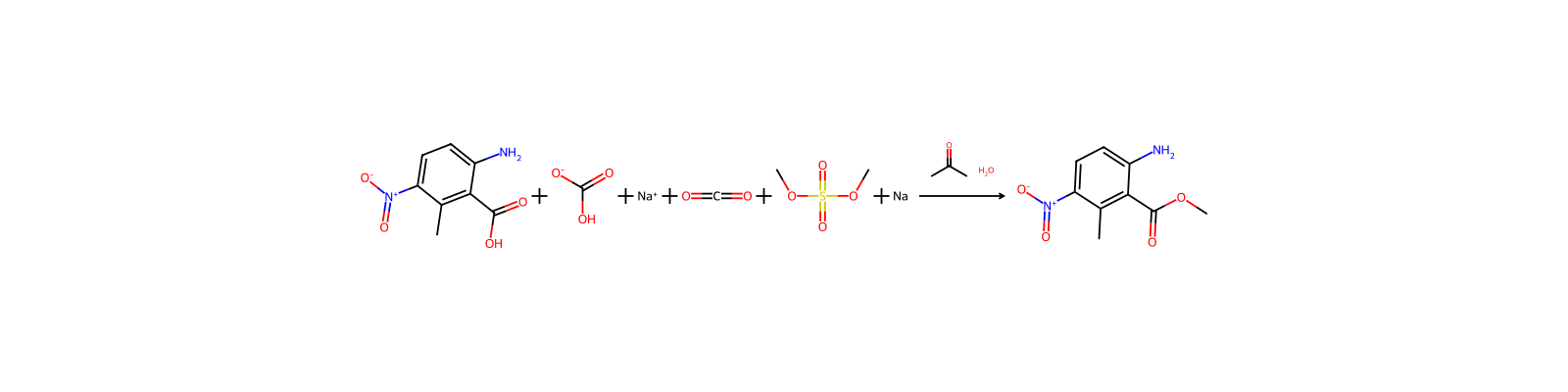

Basic information
- Standard SMILES
[Na]- InChIKey
KEAYESYHFKHZAL-UHFFFAOYSA-N- Molecular formula
- Na
- Average molar mass
- 22.9898 g/mol
- Monoisotopic mass
- 22.98976928
Names & identifiers
- Preferred name
- Sodium
- IUPAC
- sodium
Names & synonyms
SODIUM7440-23-5Natriumsodium atomSodium metalSodioCHEBI:26708Ion Level, SodiumLevel, Sodium IonSodium 23DTXSID1049774Sodium (NOS)
Show more names
Sodalite 8149RefChem:6494GMW VITAPET WATERDTXCID008764499NEZ333N27231-132-9Nasodium(1+) ion
Database identifiers
- CAS
7440-23-5- PubChem CID
- 5360545
- DTXSID
DTXSID1049774- ChEBI
CHEBI:26708- UNII
- 9NEZ333N27
- EC Number
- 231-132-9
Properties
Computed structural properties
- Topological polar surface area
- 0 Ų
- Hydrogen bond donors
- 0
- Hydrogen bond acceptors
- 0
- Rotatable bonds
- 0
- Heavy atoms
- 1
- Formal charge
- 0
- Complexity
- 0
Experimental & physicochemical properties
Density
0.971 at 68 °F (USCG, 1999) - Less dense than water; will float
0.968 g/cu cm at 20 °C
Ionization potential: 5.139 V; thermal conductivity: 132.3W/m K at 293.15 K; electrical resistivity: 4.77x10⁻⁸ Ohm m at 293 K; critical density: 206 kg/cu m; atomic radius in metallic lattice: 189.6 pm
0.97 g/cm³
0.97 @25 °C
Viscosity0.680 cP at 100 °C; 0.284 cP at 400 °C; 0.820 cP at 550 °C
Color/Form
Light, silvery-white metal; body-centered cubic structure; lustrous when freshly cut; tarnishes on exposure to air, becoming dull and gray; soft at ordinary temperature, fairly hard at -20 °C
Waxlike at room temperature, brittle at low temperatures
Light, soft, ductile, malleable, silver-white metal
Solubility
Insoluble in benzene, kerosene, naphtha
Dissolves in liquid ammonia to give blue solution: dissolves in mercury, forming sodium amalgam
Solubility in water: reaction
Boiling Point
1621 °F at 760 mmHg (USCG, 1999)
881.4 °C
880 °C
882.94 °C @760 [mm Hg]
Decomposition
VIOLENTLY DECOMPOSES WATER, FORMING SODIUM HYDROXIDE & HYDROGEN ... .
Decomp water & alcohol.
Melting Point
207.5 °F (USCG, 1999)
97.82 °C
Alkali metal; valence 1; naturally occurring isotope (stable): 23 (100%); heat capacity (solid): 0.292 cal/g °C; heat capacity (liquid at melting point): 0.331 cal/g °C; heat of fusion: 27.05 cal/g; reduction potential (aqueous) Na/Na+: 2.714 V; reacts vigorously with oxygen, burning with a yellow flame;; combines directly with the halogens, with phosphorus; reduces most oxides to the elemental state, reduces metallic chlorides; when heated in ammonia gas yields sodamide
97.4 °C
97.794 °C
Vapor Pressure
1.2 [mmHg]
0.000185 Pa (1.39X10⁻⁶ mm Hg) at 400 K (127 °C); 5.60 Pa (0.042 mm Hg) at 600 K (327 °C)
Vapor pressure at 20 °C: negligible
Surface Tension192 dyn/cm at melting point; 161 dyn/cm at 400 °C; 146 dyn/cm at 550 °C
Refractive IndexINDEX OF REFRACTION: 4.22
Heat of Vaporization3.874X10+6 J/kg at boiling point
Physical Description
Sodium appears as a silvery soft metal that becomes grayish white upon exposure to air. Shipped as a solid or molten liquid. Burns violently with explosions that may spatter the material. Used for making gasoline additives, electric power cable, sodium lamps, other chemicals.
Dry Powder; Wet Solid; Other Solid; CBI; Dry Powder; Other Solid
Silver to grayish-white, soft solid under kerosene; [CHRIS]
SILVERY SOLID IN VARIOUS FORMS.
Safety & regulation
GHS classification
GHS Classification
Danger
H260: In contact with water releases flammable gases which may ignite spontaneously [Danger Substances and mixtures which in contact with water, emit flammable gases];H314: Causes severe skin burns and eye damage [Danger Skin corrosion/irritation]
P223, P231+P232, P260, P264, P280, P301+P330+P331, P302+P335+P334, P302+P361+P354, P304+P340, P305+P354+P338, P316, P321, P363, P370+P378, P402+P404, P405, and P501 (click each P-code to see the statement)
Danger
Hazard information
Regulatory Information
Chemical: Sodium
Hazard Traits - Environmental tox;Authoritative List - CWA 303(d);Report - if used as a fragrance or flavor ingredient
Sodium is listed on the EPA's Chemical Data Reporting (CDR) system. Manufacturers and importers of Sodium are required to report information about their production and use of this chemical to the EPA under the Toxic Substances Control Act (TSCA). (40 eCFR Part 711)
Status: Active Update: 12-10-2022 https://echa.europa.eu/registration-dossier/-/registered-dossier/13486;Status: Active Update: 26-03-2018 https://echa.europa.eu/registration-dossier/-/registered-dossier/23230;Status: Active Update: 12-04-2013 https://echa.europa.eu/registration-dossier/-/registered-dossier/6535
Sodium: HSNO Approval: HSR001293 Approved with controls
The New Jersey Worker and Community Right to Know Act requires public and private employers to provide information about hazardous substances at their workplaces. (N.J.S.A. 34:5A-1 et. seq.)
Other Safety InformationIMAP assessments - Sodium: Human health tier II assessment;IMAP assessments - Sodium: Environment tier I assessment
DOT LabelDangerous When Wet
Fire Hazards
Special Hazards of Combustion Products: Fumes of burning Na are highly irritating to skin, eyes, and mucous membranes. (USCG, 1999)
· Produce flammable gases on contact with water.;· May ignite on contact with water or moist air.;· Some react vigorously or explosively on contact with water.;· May be ignited by heat, sparks or flames.;· May re-ignite after fire is extinguished.;· Some are transported in highly flammable liquids.;· Runoff may create fire or explosion hazard.
Highly flammable. Many reactions may cause fire or explosion. Gives off irritating or toxic fumes (or gases) in a fire. Risk of fire and explosion on contact with acids, halogens or water.
Fire Potential
VIOLENTLY DECOMPOSES WATER, FORMING SODIUM HYDROXIDE & HYDROGEN WHICH MAY IGNITE SPONTANEOUSLY.
HEATED SODIUM IS SPONTANEOUSLY FLAMMABLE IN AIR.
... Combustible solid. May ignite spontaneously on exposure to moist air ...
... /Sodium/ is to some extent pyrophoric. Dispersions of sodium in volatile solvents may become pyrophoric if the solvent evaporates round the neck of a container.
The ignition temp of sodium in air depends on size of surface exposed: vapor ignites at room temp; droplets at about 250 °F; an agitated pool at 400 °F; a calm pool at 500 to 800 °F. In the absence of moisture and hydrogen, the reaction is insignificant below 1000 °F.
Health Hazards
Severe burns caused by burning metal or by caustic soda formed by reaction with moisture on skin. (USCG, 1999)
· Inhalation or contact with vapors, substance or decomposition products may cause severe injury or death.;· May produce corrosive solutions on contact with water.;· Fire will produce irritating, corrosive and/or toxic gases.;· Runoff from fire control or dilution water may cause environmental contamination.
Hazards Summary
Can cause second or third degree burns after brief skin contact. [CHRIS] Reacts violently with water releasing hydrogen gas, which will ignite and explode in air; Reacts rapidly with moisture in air or tissues to form caustic sodium hydroxide; [CHEMINFO MSDS]
DOT ID and Guide1428 138
Reactive GroupMetals, Alkali, Very Active
EC ClassificationSymbol: F, C; R: 14/15-34; S: (1/2)-5-8-43-45
UN ClassificationUN Hazard Class: 4.3; UN Pack Group: I
Reactivity AlertsStrong Reducing Agent;Water-Reactive;Pyrophoric
Safety & protection
Fire Fighting
Excerpt from ERG Guide 138 [Substances - Water-Reactive (Emitting Flammable Gases)]:;DO NOT USE WATER OR FOAM.;SMALL FIRE: Dry chemical, soda ash, lime or sand.;LARGE FIRE: DRY sand, dry chemical, soda ash or lime or withdraw from area and let fire burn. If it can be done safely, move undamaged containers away from the area around the fire.;FIRE INVOLVING METALS OR POWDERS (ALUMINUM, LITHIUM, MAGNESIUM, ETC.): Use dry chemical, DRY sand, sodium chloride powder, graphite powder or class D extinguishers; in addition, for Lithium you may use Lith-X® powder or copper powder. Also, see ERG Guide 170.;FIRE INVOLVING TANKS, RAIL TANK CARS OR HIGHWAY TANKS: Fight fire from maximum distance or use unmanned master stream devices or monitor nozzles. Do not get water inside containers. Cool containers with flooding quantities of water until well after fire is out. Withdraw immediately in case of rising sound from venting safety devices or discoloration of tank. ALWAYS stay away from tanks in direct contact with flames. (ERG, 2024)
Use special powder, dry sand. NO other agents. Combat fire from a sheltered position.
First Aid Measures
Fresh air, rest. Half-upright position. Artificial respiration may be needed. Refer for medical attention.
Remove contaminated clothes. Rinse skin with plenty of water or shower. Refer for medical attention .
First rinse with plenty of water for several minutes (remove contact lenses if easily possible), then refer for medical attention.
Rinse mouth. Refer for medical attention .
Accidental Release Measures
· CALL 911. Then call emergency response telephone number on shipping paper. If shipping paper not available or no answer, refer to appropriate telephone number listed on the inside back cover.;· Keep unauthorized personnel away.;· Stay upwind, uphill and/or upstream.;· Ventilate closed spaces before entering, but only if properly trained and equipped.
· ELIMINATE all ignition sources (no smoking, flares, sparks or flames) from immediate area.;· Do not touch or walk through spilled material.;· Stop leak if you can do it without risk.;· Use water spray to reduce vapors or divert vapor cloud drift. Avoid allowing water runoff to contact spilled material.;· DO NOT GET WATER on spilled substance or inside containers.;Small Spill;· Cover with DRY earth, DRY sand or other non-combustible material followed with plastic sheet to minimize spreading or contact with rain.;· Dike for later disposal; do not apply water unless directed to do so.;Powder Spill;· Cover powder spill with plastic sheet or tarp to minimize spreading and keep powder dry.;· DO NOT CLEAN-UP OR DISPOSE OF, EXCEPT UNDER SUPERVISION OF A SPECIALIST.
First Aid
SKIN: brush off any metal, then flood with water for at least 15 min.; treat as heat or caustic burn; call a doctor. (USCG, 1999)
General First Aid:;· Call 911 or emergency medical service.;· Ensure that medical personnel are aware of the material(s) involved, take precautions to protect themselves and avoid contamination.;· Move victim to fresh air if it can be done safely.;· Administer oxygen if breathing is difficult.;· If victim is not breathing:;-- DO NOT perform mouth-to-mouth resuscitation; the victim may have ingested or inhaled the substance.;-- If equipped and pulse detected, wash face and mouth, then give artificial respiration using a proper respiratory medical device (bag-valve mask, pocket mask equipped with a one-way valve or other device).;-- If no pulse detected or no respiratory medical device available, provide continuous compressions. Conduct a pulse check every two minutes or monitor for any signs of spontaneous respirations.;· Remove and isolate contaminated clothing and shoes.;· For minor skin contact, avoid spreading material on unaffected skin.;· In case of contact with substance, remove immediately by flushing skin or eyes with running water for at least 20 minutes.;· For severe burns, immediate medical attention is required.;· Effects of exposure (inhalation, ingestion, or skin contact) to substance may be delayed.;· Keep victim calm and warm.;· Keep victim under observation.;· For further assistance, contact your local Poison Control Center.;· Note: Basic Life Support (BLS) and Advanced Life Support (ALS) should be done by trained professionals.;Specific First Aid:;· In case of contact with substance, wipe from skin immediately; flush skin or eyes with running water for at least 20 minutes.
Safe StorageFireproof. Keep under mineral oil. Dry. Well closed.
Firefighting Hazards... Water reactive ... Evolves hydrogen and ignites on contact with water ...
Exposure Control and Personal Protection
· Wear positive pressure self-contained breathing apparatus (SCBA).;· Wear chemical protective clothing that is specifically recommended by the manufacturer when there is NO RISK OF FIRE.;· Structural firefighters' protective clothing provides thermal protection but only limited chemical protection.
Fire Fighting Procedures
... Improved methods for extinction of liq sodium ... fires are described which involve application of low-melting inorganic powder mixtures which melt and form a protective crust. Mixtures of sodium carbonate or graphite, with lithium carbonate, sodium chloride or sodium fluoride are very effective for sodium.
use approved Class D extinguishers or smother with dry sand, dry clay, or dry ground limestone. DO NOT use carbon dioxide or halogenated extinguishing agents. DO NOT use water. Violent reaction may result.
If material on fire or involved in fire: Do not use water. Do not use carbon dioxide. Use graphite, soda ash, powdered sodium chloride, or suitable dry powder.
Sodium and carbon dioxide are normally unreactive till red-heat has been attained, but mixtures of the 2 solids are impact-sensitive and explode violently. Carbon dioxide is unsuitable as an extinguishant for the burning metal alone, as the intensity of combustion is incr by replacing air with carbon dioxide (72.7% oxygen content). However it has been used successfully to extinguish solvent fires where sodium was also present, since it often fails to ignite because of the blanketing effect of solvent vapor. Conversely addition of kerosene to burning sodium enables the whole to be extinguished with carbon dioxide. Finely divided silica (sand) will often react with burning sodium, so is not entirely suitable as an extinguishant. (Anhydrous sodium carbonate and sodium chloride are suitably unreactive for this purpose) ...
Storage Conditions
Store in cool, dry, well-ventilated location. Separate from water.
Serum cap closures are safer than screw caps.
Sodium must be stored to avoid contact with water, halogenated hydrocarbons, phosphorus and phosphorus compounds and sulfur and sulfur compounds since violent reactions occur. Protect storage containers from physical damage. Keep in an inert atmosphere or under oil. Requires special precautions to avoid contact with moisture, including condensation from other objects and perspiration. Store in a dry, fire resistive room exclusively for sodium storage. Sprinkler systems should not be used, so keep combustibles away. Remove only the amount of sodium needed for immediate use and place dry in a friction top metal can under a layer of oil. Transport in a special container with a tight fitting cover.
One-pound bricks and smaller amounts may be encountered in chemistry laboratories, where it is usually protected from the air by immersion in an aliphatic oil.
Cleanup Methods
Keep water away from release. Do not create dust. Shovel into suitable dry container.
Absorb spilled sodium dry, cover remainder with kerosine, paraffin oil or dry sand, eliminate last traces with methylated spirit.
Evacuate persons not wearing protective equipment from area of spill or leak until clean-up is complete. Remove all ignition sources. Put on proper protective equipment. Blanket with appropriate inert material. Scoop up and place in a suitable, sealed container. Ventilare area after clean-up is complete. It may be necessary to contain and dispose of this chemical as a hazardous waste. If material or contaminated runoff enters waterways, notify downstreen users of potentially contaminated waters...
This chemical is a combustible solid. A severe fire risk on contact with water or moisture. Blanket with dry soda-ash, graphite, salt, dry limestone or other approved dry powder. Do NOT use water, carbon dioxide or halogenated extingushers.
For more Cleanup Methods (Complete) data for SODIUM (6 total), please visit the HSDB record page.
Nonfire Spill Response
Excerpt from ERG Guide 138 [Substances - Water-Reactive (Emitting Flammable Gases)]:;ELIMINATE all ignition sources (no smoking, flares, sparks or flames) from immediate area. Do not touch or walk through spilled material. Stop leak if you can do it without risk. Use water spray to reduce vapors or divert vapor cloud drift. Avoid allowing water runoff to contact spilled material. DO NOT GET WATER on spilled substance or inside containers.;SMALL SPILL: Cover with DRY earth, DRY sand or other non-combustible material followed with plastic sheet to minimize spreading or contact with rain. Dike for later disposal; do not apply water unless directed to do so.;POWDER SPILL: Cover powder spill with plastic sheet or tarp to minimize spreading and keep powder dry. DO NOT CLEAN-UP OR DISPOSE OF, EXCEPT UNDER SUPERVISION OF A SPECIALIST. (ERG, 2024)
Disposal Methods
SRP: The most favorable course of action is to use an alternative chemical product with less inherent propensity for occupational exposure or environmental contamination. Recycle any unused portion of the material for its approved use or return it to the manufacturer or supplier. Ultimate disposal of the chemical must consider: the material's impact on air quality; potential migration in soil or water; effects on animal, aquatic, and plant life; and conformance with environmental and public health regulations.
Incineration with absorption of oxide fumes.
SCRAPS ... SHOULD BE DESTROYED BY REACTION WITH N-BUTYL ALCOHOL.
In a discussion of safe methods for lab use of sodium, disposal of small quantities (up to 5 to 10 g) by immersion on isopropanol, which may contain up to 2% of water to incr the rate of reaction, is recommended. Quantities up to 50 g should be burned in a heavy metal dish, using a gas flame, (with suitable arrangements for dispersion or absorption of the alkaline particulate smoke so produced).
Toxicology
Adverse EffectsDermatotoxin - Skin burns.
Exposure RoutesSerious by all routes of exposure.
Signs and Symptoms
Cough. Sore throat. Burning sensation.
Pain. Blisters. Serious skin burns.
Severe deep burns. Loss of vision.
Burning sensation. Shock or collapse.
Medical Surveillance
Before beginning employment and at regular times after that, for those with frequent or potentially high exposure to sodium metal, the following are recommended: lung function tests. If symptoms develop or overexposure is suspected, the following may be useful: consider chest x-ray after acute overexposure.
Natural Pollution Sources
Occurrence in earth's crust: 2.83% by wt; principal cation in hydrosphere. ... found in form of its cmpd, halides, silicates, carbonates; does not occur free.
Sodium is present in fair abundance in sun and stars. D-lines of sodium are among most prominent in solar spectrum. ... 6th most abundant element on earth ... most abundant of alkali group of metals ... most common cmpd is sodium chloride ... other minerals ... soda niter, cryolite, amphibole, zeolite, sodalite ... .
Human Toxicity Excerpts
/SIGNS AND SYMPTOMS/ Short-Term Exposure: Inhalation: Contact with water, including perspiration, causes the formation of sodium hydroxide fumes which are highly irritating to skin, eyes, nose and throat. May cause sneezing and coughing. Very severe exposures may result in difficult breathing, coughing, and chemical bronchitis. High exposures can cause pulmonary edema, a medical emergency that can be delayed for several hours. This can cause death. Skin: Contact may cause itching, tingling, thermal and caustic burns and may cause permanent damage. Eyes: May cause tearing, very painful irritation, and burns. Contact with eyes may result in permanent damage and loss of sight. Ingestion: Causes immediate intense burning sensation in mouth, throat and stomach, followed by salivation, vomiting, rapid breathing, symptoms of shock, diarrhea, loss of consciousness and death.
/SIGNS AND SYMPTOMS/ Occasional severe burns of eyes which have been caused by sodium are attributable principally to sodium hydroxide.
/SIGNS AND SYMPTOMS/ Extremely caustic to all tissue.
/SIGNS AND SYMPTOMS/ Corrosive. Causes severe eye and skin burns.
Probable Routes of Human ExposureNIOSH (NOES Survey 1981-1983) has statistically estimated that 262,032 workers (34,622 of these are female) are potentially exposed to sodium in the US(1).
Antidote and Emergency Treatment
Basic treatment: Establish a patent airway (oropharyngeal or nasopharyngeal airway, if needed). Suction if necessary. Watch for signs of respiratory insufficiency and assist ventilations if necessary. Administer oxygen by nonrebreather mask at 10 to 15 L/min. Monitor for pulmonary edema and treat if necessary ... . Monitor for shock and treat if necessary ... . Anticipate seizures and treat if necessary ... . For eye contamination, flush eyes immediately with water. Irrigate each eye continuously with 0.9% saline (NS) during transport ... . Do not use emetics. For ingestion, rinse mouth and administer 5 ml/kg up to 200 ml of water for dilution if the patient can swallow, has a strong gag reflex, and does not drool ... . If product was ingested, protect yourself from contact with vomitus, since it may cause burns. /Flammable Solids/
Advanced treatment: Consider orotracheal or nasotracheal intubation for airway control in the patient who is unconscious, has severe pulmonary edema, or is in severe respiratory distress. Positive-pressure ventilation techniques with a bag valve mask device may be beneficial. Consider drug therapy for pulmonary edema ... . Monitor cardiac rhythm and treat arrhythmias as necessary ... . Start IV administration of D5W /SRP: "To keep open", minimal flow rate/. Use 0.9% saline (NS) or lactated Ringer's if signs of hypovolemia are present. For hypotension with signs of hypovolemia, administer fluid cautiously. Watch for signs of fluid overload ... . Monitor for signs of hypoglycemia (decreased level of consciousness, tachycardia, pallor, dilated pupils,diaphoresis, and/or readings below 50 mg/dl on dextrose strip 130 or glucometer) and administer 50% dextrose if necessary. Draw blood sample before administration ... . Treat seizures with diazepam or lorazepam ... . Use proparacaine hydrochloride to assist eye irrigation ... . /Flammable solids/
USGS Health-Based Screening Levels for Evaluating Water-Quality
Sodium
Major ion
Smith, C.D. and Nowell, L.H., 2024. Health-Based Screening Levels for evaluating water-quality data (3rd ed.). DOI:10.5066/F71C1TWP
Regulatory information
Regulatory Information
Chemical: Sodium
Hazard Traits - Environmental tox;Authoritative List - CWA 303(d);Report - if used as a fragrance or flavor ingredient
Sodium is listed on the EPA's Chemical Data Reporting (CDR) system. Manufacturers and importers of Sodium are required to report information about their production and use of this chemical to the EPA under the Toxic Substances Control Act (TSCA). (40 eCFR Part 711)
Status: Active Update: 12-10-2022 https://echa.europa.eu/registration-dossier/-/registered-dossier/13486;Status: Active Update: 26-03-2018 https://echa.europa.eu/registration-dossier/-/registered-dossier/23230;Status: Active Update: 12-04-2013 https://echa.europa.eu/registration-dossier/-/registered-dossier/6535
Sodium: HSNO Approval: HSR001293 Approved with controls
The New Jersey Worker and Community Right to Know Act requires public and private employers to provide information about hazardous substances at their workplaces. (N.J.S.A. 34:5A-1 et. seq.)
CERCLA Reportable Quantities
Persons in charge of vessels or facilities are required to notify the National Response Center (NRC) immediately, when there is a release of this designated hazardous substance, in an amount equal to or greater than its reportable quantity of 10 lb or 4.54 kg. The toll free number of the NRC is (800) 424-8802. The rule for determining when notification is required is stated in 40 CFR 302.4 (section IV. D.3.b).
Clean Water Act Requirements
Sodium is designated as a hazardous substance under section 311(b)(2)(A) of the Federal Water Pollution Control Act and further regulated by the Clean Water Act Amendments of 1977 and 1978. These regulations apply to discharges of this substance. This designation includes any isomers and hydrates, as well as any solutions and mixtures containing this substance.
State Drinking Water Standards(FL) FLORIDA 160,000 ug/L
State Drinking Water Guidelines(MA) MASSACHUSETTS 20,000 ug/L
Chemistry & industry
Uses & manufacturing
Uses
MFR OF SODIUM CMPD, SUCH AS CYANIDE, AZIDE, PEROXIDE, ETC; IN MFR OF TETRAETHYL LEAD; IN ORG SYNTHESES; FOR PHOTOELECTRIC CELLS; IN SODIUM LAMPS; ALLOYED WITH POTASSIUM IN HEAT TRANSFER MEDIA.
IMPROVE STRUCTURE OF CERTAIN ALLOYS, TO DESCALE METAL, TO PURIFY MOLTEN METALS, IN REDUCTION OF ORG ESTERS.
CHEM INT FOR SODIUM HYDRIDE; CHEMICAL INT & CATALYST IN NUMEROUS MISC APPLICATIONS; REDUCING AGENT FOR METALS.
LABORATORY REAGENT; COOLANT IN NUCLEAR REACTORS; ELECTRIC POWER CABLE (ENCASED IN POLYETHYLENE); RADIOACTIVE FORMS IN TRACER STUDIES & MEDICINE; HEAT TRANSFER AGENT IN SOLAR-POWERED ELECTRIC GENERATORS.
ImpuritiesIMPURITIES: Calcium and Chlorides.
U.S. Imports
(1972) 2.9X10+5 GRAMS (INCL CESIUM & POTASSIUM)
(1975) 1.98X10+6 G (INCL CESIUM & POTASSIUM)
U.S. Production
2023: 55,000,000 - <70,000,000 lb;2022: 100,000,000 - <250,000,000 lb;2021: 100,000,000 - <250,000,000 lb;2020: 100,000,000 - <500,000,000 lb
(1972) 1.45X10+11 GRAMS
(1975) 1.31X10+11 GRAMS
(1984) 8.58X10+10 g
Consumption Patterns
80% AS A CHEMICAL INTERMEDIATE FOR TETRAALKYL LEAD GASOLINE ADDITIVES; 7% AS A REDUCING AGENT FOR METALS; 13% IN OTHER APPLICATIONS (1974)
Lead antiknocks (tetraethyl and tetramethyl lead), 30%; Titanium reduction, 27%; Misc, including catalysts, pulp bleaching metal descaling, dyes, pharmaceuticals, perfumes, and herbicide, 23%; exports, 20% (1985)
Consumer UsesNot Known or Reasonably Ascertainable;Flame retardant;Flocculating agent;Alloys;Other
Industry Uses
Flame retardant;Not Known or Reasonably Ascertainable;Catalyst;Reducing agent;Intermediate;Pigment;Etching agent;Flocculating agent;Dye;Oxidizing agent;Intermediates;Alloys;Other;Tanning agents not otherwise specified;Processing aids not otherwise specified;Bleaching agent
Methods of Manufacturing
ELECTROLYSIS OF A FUSED MIXTURE OF SODIUM CHLORIDE & CALCIUM CHLORIDE.
PREPARED BY ... ELECTROLYSIS OF FUSED SODIUM HYDROXIDE.
Formulations/Preparations
GRADES: COMMERCIAL; TECHNICAL; BRICK, AMALGAM; COATED POWDERS; DISPERSIONS ... REACTOR (99.99% PURE)
Available as regular and reactor grades with a min purity of about 99.95%.
Bricks, fused solid: regular and low-calcium grades. Tank car, tank truck, 230-, 280-, 320-, and 420-lb nonreturnable drums.
Household Products
Cosmetics product ingredient: Sodium;Reason for Listing: Listed as a pollutant by California or the United States Environmental Protection Agency for one or more water bodies in California under section 303(d) of the federal Clean Water Act and section 130.7 of title 40 of the Code of Federal Regulations.;Potential Health Impacts: Environmental Toxicant;Product count: 3
General Manufacturing Information
All Other Basic Organic Chemical Manufacturing;Services;Organic Fiber Manufacturing;All Other Chemical Product and Preparation Manufacturing;Synthetic Dye and Pigment Manufacturing;All other Petroleum and Coal Products Manufacturing;Computer and Electronic Product Manufacturing;Synthetic Rubber Manufacturing;Primary Metal Manufacturing;All Other Basic Inorganic Chemical Manufacturing;Utilities
Sodium: ACTIVE
Ethyl phased out its /Baton Rouge, LA/ sodium plant in January, 1985.
Violently decomposes water, forming sodium hydroxide and hydrogen which may ignite spontaneously; decomposes alcohol
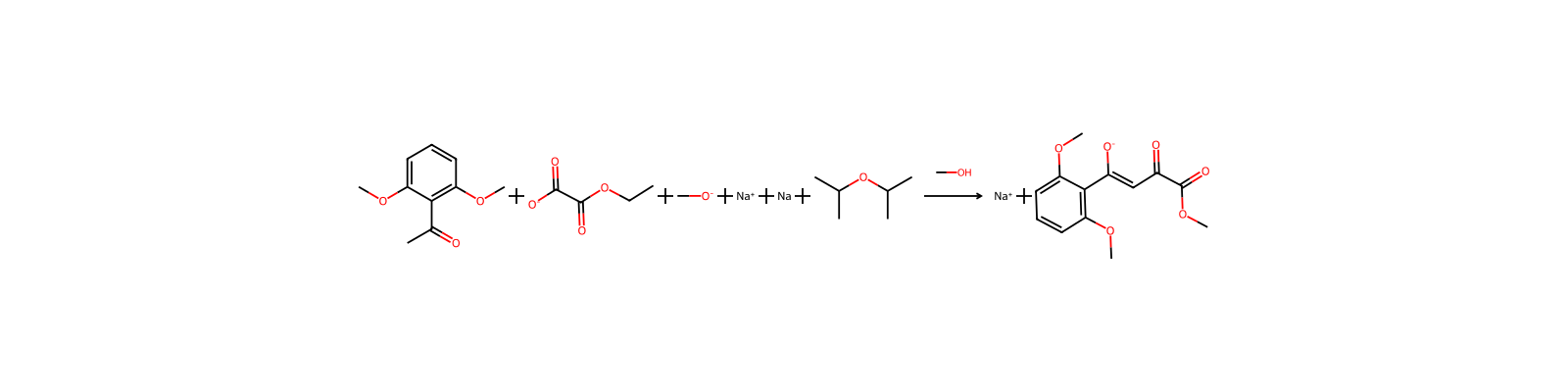
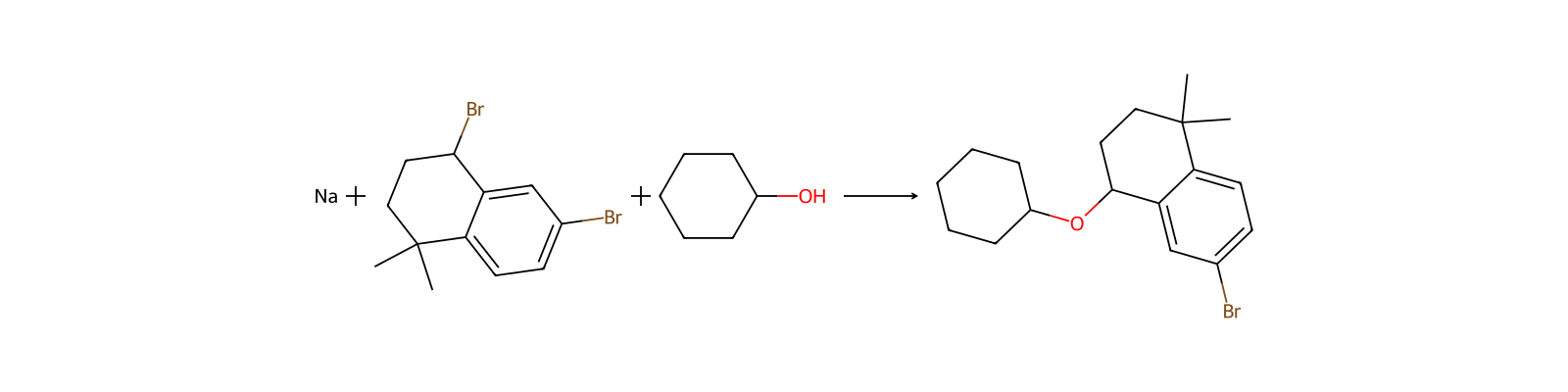
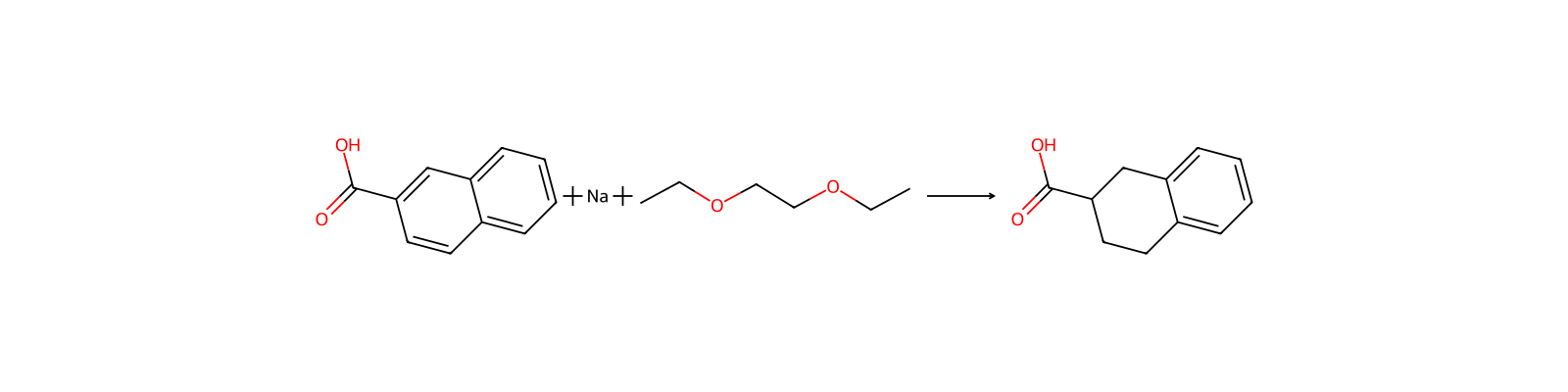
Related reactions
12,606 records

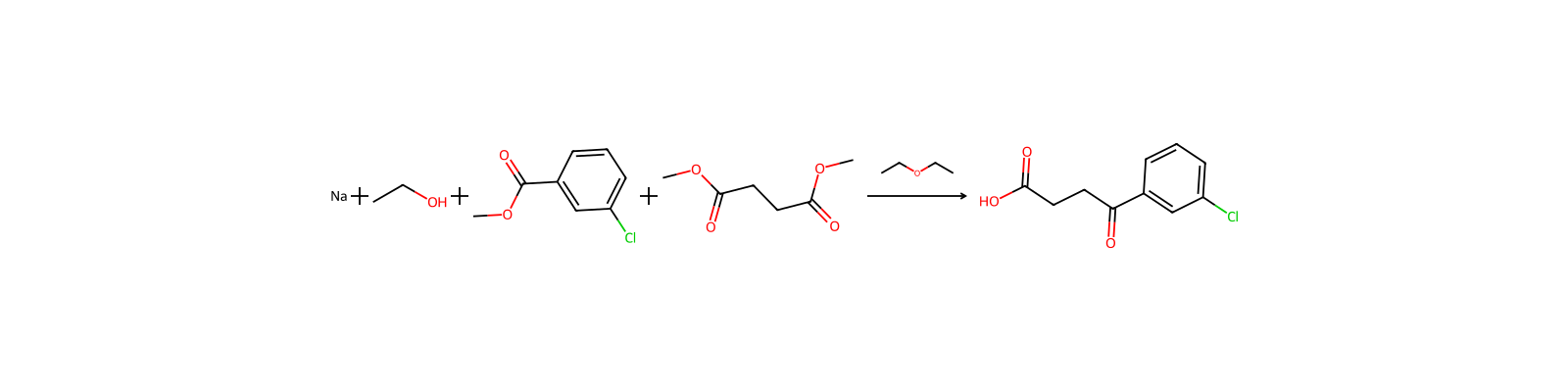
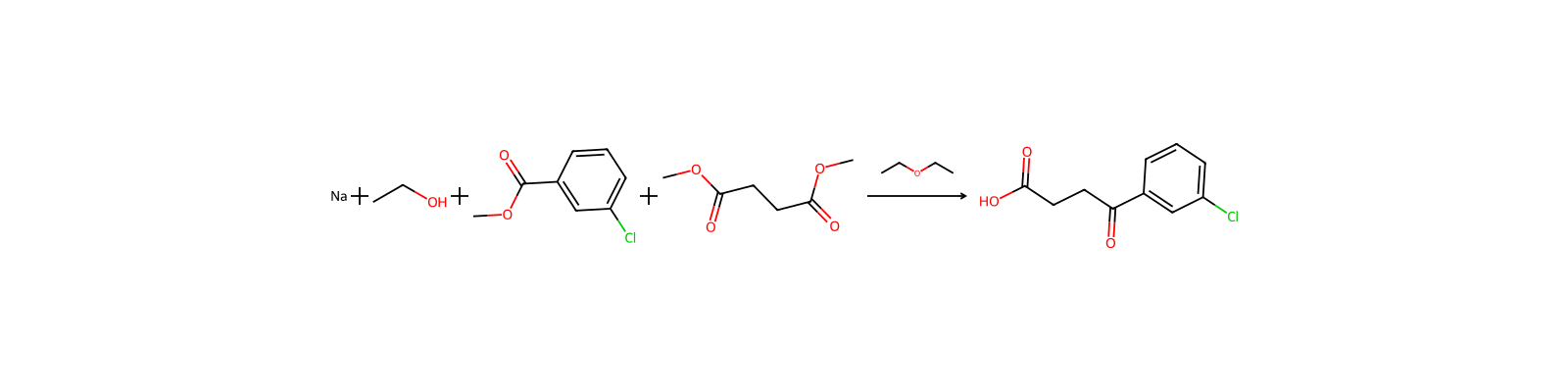
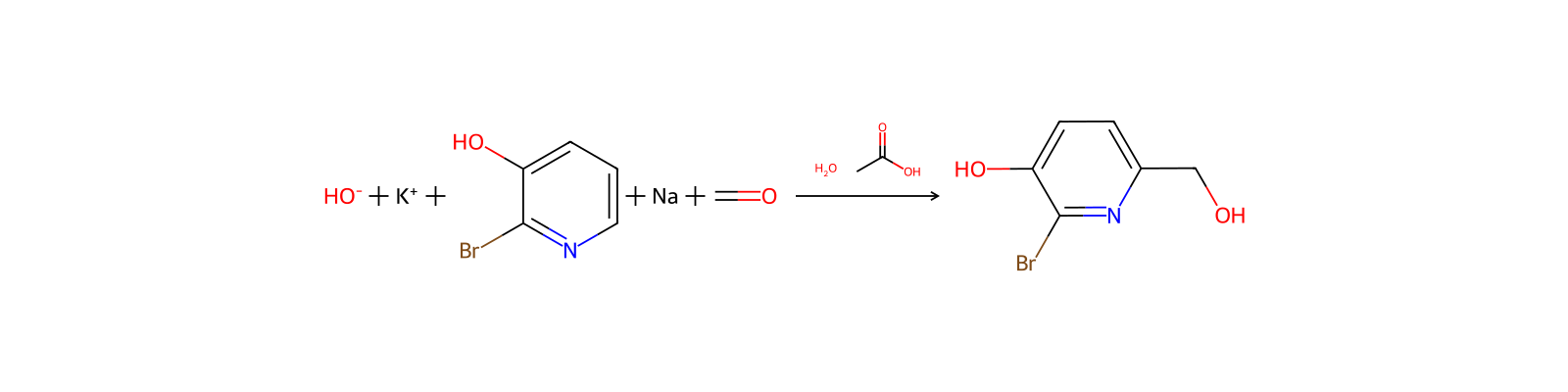
Linked notes
Loading…