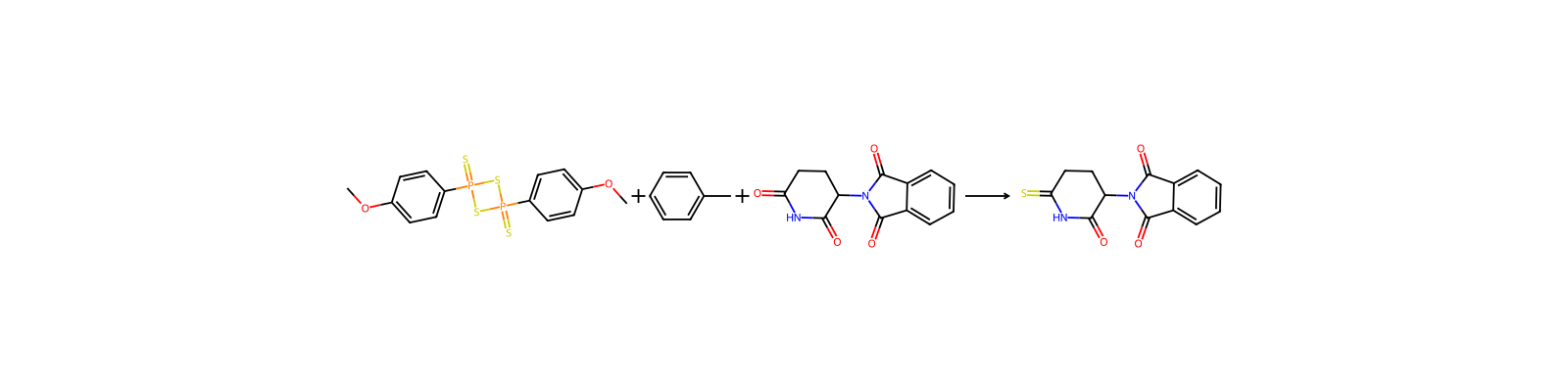

Basic information
- CAS
2614-06-4- Standard SMILES
O=C1CCC(N2C(=O)c3ccccc3C2=O)C(=O)N1- InChIKey
UEJJHQNACJXSKW-UHFFFAOYSA-N- Molecular formula
- C13H10N2O4
- Average molar mass
- 258.23 g/mol
- Monoisotopic mass
- 258.0640568
Overview
Thalidomide can cause developmental toxicity according to an independent committee of scientific and health experts.
Names & identifiers
- Preferred name
- Thalidomide
- IUPAC
- 2-(2,6-dioxopiperidin-3-yl)isoindole-1,3-dione
- English name
- Thalidomide
- Molecular formula
- C13H10N2O4
- Molecular weight
- 258.23
Names & synonyms
thalidomide50-35-1ThalomidConterganPantosedivDistavalSoftenonKevadonPsychotabletsAlgosedivCalmorexNeosedyn
Show more names
2-(2,6-Dioxopiperidin-3-yl)isoindoline-1,3-dioneNeoCelgene2-(2,6-dioxopiperidin-3-yl)-1H-isoindole-1,3(2H)-dionek17α-PhthalimidoglutarimideK 17E-217Sedin
ProfarmilQuetimidSedisperilImidenePangulTalimolTelaganImida-lab
Database identifiers
- CAS
2614-06-4、50-35-1、841-67-8- PubChem CID
- 5426
- DTXSID
DTXSID9022524- ChEMBL
CHEMBL468- ChEBI
CHEBI:74947- UNII
- 4Z8R6ORS6L
- EC Number
- 200-031-1
- Nikkaji
- J4.101G
Properties
Computed structural properties
- XLogP
- 0.3
- Topological polar surface area
- 83.6 Ų
- Hydrogen bond donors
- 1
- Hydrogen bond acceptors
- 4
- Rotatable bonds
- 1
- Heavy atoms
- 19
- Formal charge
- 0
- Complexity
- 449
Experimental & physicochemical properties
LogP
log Kow = 0.33
0.3
0.49
Color/FormNeedles
Solubility
less than 1 mg/mL at 72 °F (NTP, 1992)
In water, approximately 2X10⁻⁴ mol/L; 45-60 mg/L at 25 °C
Sparingly soluble in methanol, ethanol, acetone, ethyl acetate, butyl acetate, glacial acetic acid. Very soluble in DMF. Practically insoluble in ether, chloroform, benzene.
Very soluble in dioxane, pyridine
2.55e+00 g/L
Human Drugs
Breast Feeding; Lactation; Milk, Human; Immunosuppressive Agents; Leprostatic Agents; Angiogenesis Inhibitors
FDA approved drugs -> Active ingredient
EMA approved medicines: Human medicine
EMA approved medicines: Human medicine
FDA approved drugs -> Active ingredient
Immunomodulators
DecompositionWhen heated to decomposition it emits toxic fumes of /nitrogen oxides/.
Melting Point
516 to 520 °F (NTP, 1992)
270 °C
270 °C
Physical Description
Thalidomide appears as needles or white powder. (NTP, 1992)
Solid
Stability/Shelf LifeStable under recommended storage conditions.
Collision Cross Section149.91 Ų [M+H]+ [CCS Type: TW; Method: calibrated with polyalanine and drug standards]
Physicochemical properties
- Melting point
- 269 · 269-271°C
- Boiling point
- 401.48 °C · 401.48°C (rough estimate)
- Density
- 1.2944 · 1.2944 (rough estimate)
- refractive index
- 1.53 · 1.5300 (estimate)
- storage temp.
- Keep in dark place,Sealed in dry,Room Temperature
- solubility
- 45 % · 45% (w/v) aq 2-hydroxypropyl-β-cyclodextrin: 0.6 mg/mL
- form
- White solid
- pka
- 10.7 · 10.70±0.40(Predicted)
- color
- white
- Water Solubility
- 0.1 g/100 · <0.1 g/100 mL at 22 ºC
- λmax
- 300 nm · 300nm(lit.)
- Merck
- 14 · 14,9255
- Stability
- Stable. Combustible. Incompatible with strong oxidizing agents.
- InChI
- 1S/C13H10N2O4/c16-10-6-5-9(11(17)14-10)15-12(18)7-3-1-2-4-8(7)13(15)19/h1-4,9H,5-6H2,(H,14,16,17)
- InChIKey
- UEJJHQNACJXSKW-UHFFFAOYSA-N
- SMILES
- O=C1CCC(N2C(=O)c3ccccc3C2=O)C(=O)N1
- CAS DataBase Reference
- 50 · 50-35-1(CAS DataBase Reference)
- NCI Dictionary of Cancer Terms
- thalidomide
- FDA UNII
- 4 Z8R6ORS6L · 4Z8R6ORS6L
- NCI Drug Dictionary
- thalidomide
- ATC code
- 4 AX02 · L04AX02
- NIST Chemistry Reference
- Phthalimide, n-(2,6-dioxo-3-piperidyl)-(50-35-1)
- Proposition 65 List
- Thalidomide
- EPA Substance Registry System
- Thalidomide (50-35-1)
- UNSPSC Code
- 41116107 · 41116107
- NACRES
- 77 · NA.77
- Protein binding
- 55 · 55-66%
- Excreted unchanged in urine
- 0.7 % · <0.7%
- Volume of distribution
- 166 Litres · 166 Litres
- Biological half-life
- 5 · 5-7 / Unchanged
- Symbol(GHS)
- 6 · GHS06,GHS08
- Signal word
- Danger
- Hazard statements
- 301 · H301-H312-H360D
- Precautionary statements
- 201 · P201-P202-P264-P280-P301+P310-P302+P352+P312
- PPE
- 3 · Eyeshields, Faceshields, Gloves, type P3 (EN 143) respirator cartridges
- Hazard Codes
- T
- Risk Statements
- 46 · 46-61-21-25-62-22
- Safety Statements
- 53 · 53-22-26-36/37/39-45
- RIDADR
- 2811 · UN 2811 6.1/PG 3
- WGK Germany
- 3 · 3
- RTECS
- 4375000 · TI4375000
- HazardClass
- 6.1 · 6.1(b)
- PackingGroup
- III
- HS Code
- 29337900 · 29337900
- Storage Class
- 6.1 C · 6.1C - Combustible acute toxic Cat.3toxic compounds or compounds which causing chronic effects
- Hazard Classifications
- 3 OralAcute · Acute Tox. 3 OralAcute Tox. 4 DermalRepr. 1A
- Hazardous Substances Data
- 50 · 50-35-1(Hazardous Substances Data)
- Toxicity
- 50 oral · LD50 oral in mouse: 2gm/kg
- Limited Quantities
- 5 kg · 5.0 kg (11 lbs) (solid)
- Excepted Quantities
- Max Inner Pack (30g or 30ml) and Max Outer Pack (1Kg or 1L)
Safety & regulation
GHS classification
GHS Classification
Danger
H302 (88.2%): Harmful if swallowed [Warning Acute toxicity, oral]
P203, P264, P270, P280, P301+P317, P318, P330, P405, and P501 (click each P-code to see the statement)
Aggregated GHS information provided per 76 reports by companies from 10 notifications to the ECHA C&L Inventory. Each notification may be associated with multiple companies.
Danger
H302: Harmful if swallowed [Warning Acute toxicity, oral]
Hazard information
Regulatory InformationHazard Traits - Developmental Toxicity
DOT LabelPoison
Fire HazardsFlash point data for this chemical are not available; however, it is probably combustible. (NTP, 1992)
Health Hazards
SYMPTOMS: Symptoms of exposure to this compound include peripheral neuritis, numbness, paresthesias in the extremities and signs of motor neuron disease. Other symptoms include teratogenic effects and peripheral neuropathy. Exposure to this type of compound may lead to sleepiness, mental confusion, unsteadiness, coma with slow, shallow respiration, flaccid muscles, cyanosis, hypotension, hypothermia or hyperthermia, absent reflexes, pulmonary edema, atelectasis or aspiration pneumonia with signs of lung consolidation and fever, acidosis and fetal injury. Death occurs most often from pneumonia, pulmonary edema or refractory hypotension.
FDA Requirements
The Approved Drug Products with Therapeutic Equivalence Evaluations identifies currently marketed prescription drug products, including thalidomide, approved on the basis of safety and effectiveness by FDA under sections 505 of the Federal Food, Drug, and Cosmetic Act.
U.S. Food & Drug Administration. ... Because of /its/ toxicity and in an effort to make the chance of fetal exposure to thalidomide as negligible as possible, thalidomide is approved for marketing only under a special restricted distribution program approved by the Food and Drug Administration. This program is called the "System for thalidomide education and prescribing safety (S.T.E.P.S.)". Under this restricted distribution program, only prescribers and pharmacists registered with the program are allowed to prescribe and dispense the product. In addition, patients must be advised of, agree to, and comply with the requirements of the S.T.E.P.S. program in order to receive product.
If thalidomide is taken during pregnancy, it can cause severe birth defects or embryo-fetal death. Thalidomide should never be used by females who are pregnant or who could become pregnant while taking the drug. Even a single dose (1 capsule (regardless of strength)) taken by a pregnant woman during her pregnancy can cause severe birth defects. Because of this toxicity and in an effort to make the chance of embryo-fetal exposure to Thalomid (thalidomide) as negligible as possible, Thalomid (thalidomide) is approved for marketing only through a special restricted distribution program: Thalomid REMS program, approved by the Food and Drug Administration. This program was formerly known as the "System for Thalidomide Education and Prescribing Safety (S.T.E.P.S. program)".
Any suspected fetal exposure to thalidomide must be reported immediately to the FDA via the MedWATCH number at 1-800-FDA-1088 and also to Celgene Corporation (1-888-668-2528). The patient should be referred to an obstetrician/gynecologist experienced in reproductive toxicity for further evaluation and counseling.
Reactive GroupAmides and Imides
Special Reports
Nudleman KL, Travill AA; Teratology 4 (4): 409-25 (1971). A morphological and histochemical study of thalidomide induced upper limb malformations in rabbit fetuses.
Thalidomide: Potential Benefits and Risks. Current Bibliographies in Medicine 97-4. Public Services Division/National Library of Medicine. 1495 citations from January, 1963-July, 1997.[Available from, as of August, 1997: http://www.nlm.nih.gov/pubs/cbm/thalidomide.html]
dos Santos JMF; Hansenol Int 6 (2): 136-45 (1981). Thalidomide: a review of the literature.
Fletcher I; Clin Orthop 148: 18-25 (1980). Review of the treatment of thalidomide children with limb deficiency in Great Britian.
For more Special Reports (Complete) data for THALIDOMIDE (7 total), please visit the HSDB record page.
Reactivity Profile
Organic amides/imides, such as THALIDOMIDE, react with azo and diazo compounds to generate toxic gases. Flammable gases are formed by the reaction of organic amides/imides with strong reducing agents. Amides are very weak bases (weaker than water). Imides are less basic yet and in fact react with strong bases to form salts. That is, they can react as acids. Mixing amides with dehydrating agents such as P2O5 or SOCl2 generates the corresponding nitrile. The combustion of these compounds generates mixed oxides of nitrogen (NOx).
History and Incidents
The field of reproductive toxicology has become increasingly important with the recognition that viral and bacterial infections and xenobiotic chemicals can produce severe and irreversible defects in the offspring. The first reports on malformations due to rubella virus infections, ionizing radiation, hormones, dietary deficiencies, and chemicals appeared in the 1930s and 1940s, but the potential impact of reproductive toxicity on public health was only recognized more than two decades later. In 1960, a large increase in newborns with specific limb malformations, which are rarely seen otherwise, was recorded in Germany and in other parts of the world. One year later, the sedative/hypnotic drug thalidomide was recognized as the causative agent. The thalidomide epidemic resulted in 10,000 malformed children and subsided after the drug was withdrawn from the market at the end of 1961. One important consequence of the thalidomide disaster was the introduction of requirements for the testing of potential new drugs for reproductive toxicity. All test batteries required include detailed tests for reproductive toxicity to prevent a repetition of the thalidomide disaster.
Thalidomide was first synthesized in 1953 and became popular as a sedative prescribed for the morning sickness often associated with pregnancy. By 1958, thalidomide was being heavily advertised and promoted around the world. However, in April 1961, obstetrician William McBride began to notice cases of a rare birth defect involving shortened or absent limbs in babies whose mothers had used thalidomide in pregnancy. At the Crown St. Women's Hospital in Sidney, Australia, where McBride practiced, he soon persuaded the hospital to stop using the drug and wrote of his concerns to Distillers, the company that sold the drug in Australia. At about the same time, pediatrician and geneticist Widukind Lenz noted many similar cases in Germany, where thalidomide was available without prescription. At this time, physicians assumed that the placenta was impervious to any drugs the expectant mother ingested -- unless the drug actually killed her. This belief persisted despite experimental evidence to the contrary. Since thalidomide was not fatal in overdose, it was deemed safe. When thalidomide was approved, drugs were not tested in pregnant animals for their teratogenic effect - that is, for their ability to cause developmental abnormalities in the fetus. McBride wrote ... a leading medical journal, The Lancet, to alert the medical community to the dangers of thalidomide. ... McBride's warning concerning the teratogenic effects of thalidomide saved countless babies from being born with birth defects. However, the drug remained on the market or some time following McBride's warning, which accounts for the fact that there are still some 8,000 thalidomide survivors in the world today.
It has been estimated that there were more than 10,000 reported cases of infants born with birth defects related to use of thalidomide in pregnant women in other countries between 1957 (when thalidomide was first introduced in the world market) and 1963 (several years after the drug was removed from the world market). Although thalidomide was not commercially available in the US at that time, there were at least 17 reports of infants with thalidomide-associated birth defects being born to women in the US during those years; these women had received the drug from overseas sources or received premarketing samples distributed by drug company representatives.
Air and Water ReactionsInsoluble in water.
Toxic Combustion ProductsSpecial hazards arising from the substance or mixture: Carbon oxides, Nitrogen oxides (NOx).
Hazard Classes and CategoriesAcute Tox. 4 (88.2%)
Safety & protection
Fire FightingFires involving this material can be controlled with a dry chemical, carbon dioxide or Halon extinguisher. (NTP, 1992)
First Aid
EYES: First check the victim for contact lenses and remove if present. Flush victim's eyes with water or normal saline solution for 20 to 30 minutes while simultaneously calling a hospital or poison control center. Do not put any ointments, oils, or medication in the victim's eyes without specific instructions from a physician. IMMEDIATELY transport the victim after flushing eyes to a hospital even if no symptoms (such as redness or irritation) develop.
Fire Fighting Procedures
Advice for firefighters: Wear self-contained breathing apparatus for firefighting if necessary.
Suitable extinguishing media: Use water spray, alcohol-resistant foam, dry chemical or carbon dioxide.
Storage Conditions
Commercially available thalidomide capsules should be stored at 15-30 °C and protected from light.
Keep container tightly closed in a dry and well-ventilated place. Keep in a dry place.
Cleanup Methods
Accidental Release Measures. Personal precautions, protective equipment and emergency procedures: Use personal protective equipment. Avoid dust formation. Avoid breathing vapors, mist or gas. Ensure adequate ventilation. Evacuate personnel to safe areas. Avoid breathing dust. Environmental precautions: Prevent further leakage or spillage if safe to do so. Do not let product enter drains. Methods and materials for containment and cleaning up: Pick up and arrange disposal without creating dust. Sweep up and shovel. Keep in suitable, closed containers for disposal.
Nonfire Spill Response
SMALL SPILLS AND LEAKAGE: If a spill of this chemical occurs, FIRST REMOVE ALL SOURCES OF IGNITION, then you should dampen the solid spill material with acetone and transfer the dampened material to a suitable container. Use absorbent paper dampened with acetone to pick up any remaining material. Seal your contaminated clothing and the absorbent paper in a vapor-tight plastic bag for eventual disposal. Solvent wash all contaminated surfaces with acetone followed by washing with a soap and water solution. Do not reenter the contaminated area until the Safety Officer (or other responsible person) has verified that the area has been properly cleaned.
Disposal Methods
SRP: At the time of review, regulatory criteria for small quantity disposal are subject to significant revision, however, household quantities of waste pharmaceuticals may be managed as follows: Mix with wet cat litter or coffee grounds, double bag in plastic, discard in trash.
SRP: Expired or waste pharmaceuticals shall carefully take into consideration applicable DEA, EPA, and FDA regulations. It is not appropriate to dispose by flushing the pharmaceutical down the toilet or discarding to trash. If possible return the pharmaceutical to the manufacturer for proper disposal being careful to properly label and securely package the material. Alternatively, the waste pharmaceutical shall be labeled, securely packaged and transported by a state licensed medical waste contractor to dispose by burial in a licensed hazardous or toxic waste landfill or incinerator.
Product: Offer surplus and non-recyclable solutions to a licensed disposal company. Contact a licensed professional waste disposal service to dispose of this material. Dissolve or mix the material with a combustible solvent and burn in a chemical incinerator equipped with an afterburner and scrubber. Contaminated packaging: Dispose of as unused product.
Preventive Measures
Avoid contact with skin and eyes. Avoid formation of dust and aerosols. Further processing of solid materials may result in the formation of combustible dusts. The potential for combustible dust formation should be taken into consideration before additional processing occurs.
Since thalidomide has been shown to be present in the serum and semen of patients receiving thalidomide, healthcare providers or other care givers who have been exposed to body fluids from patients receiving thalidomide should take appropriate precautions (e.g., wearing gloves to prevent potential cutaneous exposure to thalidomide, washing the exposed area with soap and water).
SRP: Local exhaust ventilation should be applied wherever there is an incidence of point source emissions or dispersion of regulated contaminants in the work area. Ventilation control of the contaminant as close to its point of generation is both the most economical and safest method to minimize personnel exposure to airborne contaminants. Ensure that the local ventilation moves the contaminant away from the worker.
Handle in accordance with good industrial hygiene and safety practice. Wash hands before breaks and at the end of workday.
Gloves must be inspected prior to use. Use proper glove removal technique (without touching glove's outer surface) to avoid skin contact with this product. Dispose of contaminated gloves after use in accordance with applicable laws and good laboratory practices. Wash and dry hands.
Isolation and EvacuationExcerpt from ERG Guide 154 [Substances - Toxic and/or Corrosive (Non-Combustible)]:
Personal Protective Equipment (PPE)
RECOMMENDED RESPIRATOR: Where the neat test chemical is weighed and diluted, wear a NIOSH-approved half face respirator equipped with an organic vapor/acid gas cartridge (specific for organic vapors, HCl, acid gas and SO2) with a dust/mist filter. (NTP, 1992)
Skin protection: Handle with gloves.
Eye/face protection: Safety glasses with side-shields conforming to EN166. Use equipment for eye protection tested and approved under appropriate government standards such as NIOSH (US) or EN 166(EU).
Provide appropriate exhaust ventilation at places where dust is formed.
Respiratory protection: Where risk assessment shows air-purifying respirators are appropriate use a full-face particle respirator type N100 (US) or type P3 (EN 143) respirator cartridges as a backup to engineering controls. If the respirator is the sole means of protection, use a full-face supplied air respirator. Use respirators and components tested and approved under appropriate government standards such as NIOSH (US) or CEN (EU).
Body Protection: Complete suit protecting against chemicals. The type of protective equipment must be selected according to the concentration and amount of the dangerous substance at the specific workplace.
Toxicology
Treatment
Precipitation of acyclovir in renal tubules may occur when the solubility (2.5 mg/mL) is exceeded in the intratubular fluid. In the event of acute renal failure and anuria, the patient may benefit from hemodialysis until renal function is restored. (L1721)
Interactions
Thalidomide has been reported to enhance the sedative effects of some drugs, including barbiturates, chlorpromazine, and reserpine, and may potentiate the somnolence caused by alcohol.
Because of the potential for additive effects, drugs known to be associated with peripheral neuropathy (e.g., certain antiretroviral agents (e.g., didanosine), certain antineoplastic agents (e.g., paclitaxel; platinum-containing drugs such as cisplatin; vinca alkaloids such as vincristine)) should be used with caution in patients receiving thalidomide.
Use of these medications /carbamazepine or griseofulvin or human immunodeficiency virus (HIV)-protease inhibitors or rifabutin or rifampin/ with hormonal contraceptive agents may reduce the effectiveness of the contraception; women requiring treatment with one or more of these medications must abstain from heterosexual intercourse or use two other effective or highly effective methods of contraception.
Erythropoietic agents, or other agents that may increase the risk of thromboembolism, such as estrogen containing therapies, should be used with caution in multiple myeloma patients receiving thalidomide with dexamethasone.
For more Interactions (Complete) data for THALIDOMIDE (17 total), please visit the HSDB record page.
Health Effects
The most serious toxicity associated with thalidomide is its documented human teratogenicity. The risk of severe birth defects, primarily phocomelia or death to the fetus, is extremely high during the critical period of pregnancy. The critical period is estimated, depending on the source of information, to range from 35 to 50 days after the last menstrual period. The risk of other potentially severe birth defects outside this critical period is unknown, but may be significant. Based on present knowledge, thalidomide must not be used at any time during pregnancy. Thalidomide can cause severe birth defects in humans.
Hepatotoxicity
Serum enzyme elevations occur in 8% to 15% of patients taking thalidomide and are more frequent with higher doses. The enzyme abnormalities are usually mild and self-limited, and only rarely require drug discontinuation. In addition, both thalidomide and its derivatives, lenalidomide and pomalidomide, have been implicated in rare instances of clinically apparent, acute liver injury which can be severe and has led to deaths from acute liver failure. The onset of injury is typically within 1 to 8 weeks of starting therapy. The pattern of serum enzyme elevation at the time of presentation can be either hepatocellular or cholestatic; however, the injury tends to be cholestatic and can be prolonged. Immunoallergic and autoimmune features are not common. Several instances of acute liver injury associated with thalidomide therapy have occurred in patients with other apparent causes of liver disease or with preexisting chronic hepatitis B or C. If performed during the acute injury, liver biopsy shows hepatocellular necrosis and inflammatory cell infiltration, consistent with acute drug induced injury. In some instances there is bile duct injury and loss resulting in progressive cholestatic liver injury suggestive of vanishing bile duct syndrome. Thalidomide and its derivatives have also been implicated in causing an increased risk of graft-vs-host disease after autologous or allogeneic hematopoietic stem cell transplantation (HSCT). There appears to be cross reactivity to this complication among thalidomide and its two derivatives. Therapy usually requires discontinuation of the antineoplastic agent as well as treatment with high doses of corticosteroids and tacrolimus or sirolimus.
Environmental Fate
TERRESTRIAL FATE: Based on a classification scheme(1), an estimated Koc value of 10(SRC), determined from a structure estimation method(2), indicates that thalidomide is expected to have very high mobility in soil(SRC). Volatilization of thalidomide from moist soil surfaces is not expected to be an important fate process(SRC) given an estimated Henry's Law constant of 1.3X10⁻¹⁶ atm-cu m/mole(SRC), using a fragment constant estimation method(3). Thalidomide is not expected to volatilize from dry soil surfaces(SRC) based upon an estimated vapor pressure of 2.1X10⁻¹⁴ mm Hg at 25 °C(SRC), determined from a fragment constant method(2). Utilizing the Closed Bottle test and the Manometric respiratory test, thalidamide exhibited less than 35% degradation in 28 days(4), indicating that biodegradation is a slow environmental fate process in soil(SRC).
AQUATIC FATE: Based on a classification scheme(1), an estimated Koc value of 10(SRC), determined from a structure estimation method(2), indicates that thalidomide is not expected to adsorb to suspended solids and sediment(SRC). Volatilization from water surfaces is not expected(3) based upon an estimated Henry's Law constant of 1.3X10⁻¹⁶ atm-cu m/mole(SRC), developed using a fragment constant estimation method(4). According to a classification scheme(5), an estimated BCF of 3(SRC), from its log Kow of 0.33(6) and a regression-derived equation(2), suggests the potential for bioconcentration in aquatic organisms is low(SRC). Utilizing the Closed Bottle test and the Manometric respiratory test, thalidamide exhibited less than 35% degradation in 28 days(7), indicating that biodegradation is a slow environmental fate process in water(SRC).
ATMOSPHERIC FATE: According to a model of gas/particle partitioning of semivolatile organic compounds in the atmosphere(1), thalidomide, which has an estimated vapor pressure of 2.1X10⁻¹⁴ mm Hg at 25 °C(SRC), determined from a fragment constant method(2), is expected to exist solely in the particulate phase in the ambient atmosphere. Particulate-phase thalidomide may be removed from the air by wet and dry deposition(SRC). Thalidomide absorbs UV light at wavelengths of 300 nm(3) and, therefore, may be susceptible to direct photolysis by sunlight(SRC).
Adverse Effects
Thalidomide treatment may be limited by its many adverse effects caused by numerous active metabolites derived from the degradation of its enantiomers. Common side effects include constipation, hypothyroidism, ACTH stimulation, hypoglycemia, xerostomia, fever, mood changes, headache, peripheral neuropathy, somnolence, sedation, rash, and deep vein thrombosis.
Exposure Routes
The absolute bioavailability has not yet been characterized in human subjects due to its poor aqueous solubility. In studies of both healthy volunteers and subjects with Hansen’s disease, the mean time to peak plasma concentrations (Tmax) ranged from 2.9 to 5.7 hours indicating that thalidomide is slowly absorbed from the gastrointestinal tract.
Milk ConcentrationsEXPERIMENTAL: It is not known whether thalidomide is excreted in human milk. Thalidomide is excreted in the milk of lactating rabbits.
Toxicity Summary
IDENTIFICATION AND USE: Thalidomide is a white to off-white crystalline powder. Thalidomide is an immunomodulatory agent with anti-inflammatory, antiangiogenic, and sedative and hypnotic activity. It is used for the acute treatment of the cutaneous manifestations of moderate to severe erythema nodosum leprosum (ENL). It is also used as maintenance therapy for prevention and suppression of the cutaneous manifestations of erythema nodosum leprosum recurrence. It is used in combination with dexamethasone for the treatment of patients with newly diagnosed multiple myeloma. HUMAN EXPOSURE AND TOXICITY: Overdosage of thalidomide may cause prolonged sleep as a result of the drug's sedative and hypnotic effects, but fatalities are unlikely since the drug does not cause respiratory depression. In 3 reported suicide attempts involving deliberate ingestion of up to 14.4 g of thalidomide, all individuals recovered without reported sequelae. Thalidomide is a known human teratogen. The severe malformation induced by thalidomide may involve defects of the limbs, axial skeleton, head and face, eyes, ears, tongue, teeth, central nervous, respiratory, cardiovascular, and genitourinary systems, and the gastrointestinal tract. The neurological complications may include severe mental retardation secondary to sensory deprivation. Thus, thalidomide is contraindicated during pregnancy. Thalidomide is also known to cause nerve damage that may be permanent. Peripheral neuropathy is a common (> or =10%) and potentially severe adverse reaction of treatment with thalidomide that may be irreversible. Seizures have been reported, including tonic-clonic (grand mal) seizures. Serious dermatologic reactions including Stevens-Johnson syndrome and toxic epidermal necrolysis, which may be fatal, have also been reported. The use of thalidomide in multiple myeloma patients causes an increased risk of venous thromboembolism, such as deep venous thrombosis and pulmonary embolism. ANIMAL STUDIES: In an acute toxicity study, guinea pigs administered a 650 mg/kg oral dose became quiet and sedated. Two-year carcinogenicity studies were conducted in male and female mice, male and female rats. No compound-related tumorigenic effects were observed at the highest dose levels in male and female mice (9 to 14-fold human exposure), and male rats (12-fold human exposure). In female rats, a tumorigenic effect was not observed at 300 mg/kg/day (16-fold human exposure). In another carcinogenicity study, 56 adult beagle dogs were orally administered thalidomide for 53 weeks. There were no deaths during the study. There was no gross and histopathologic evidence of any tumors. A large number of reproductive studies have shown that thalidomide is a potent teratogen. Cynomolgus monkeys were orally administered thalidomide at 15 or 20 mg/kg-d on days 26-28 of gestation, and fetuses were examined on day 100-102 of gestation. Limb defects such as micromelia/amelia, paw/foot hyperflexion, polydactyly, syndactyly, and brachydactyly were observed in seven of eight fetuses. The teratogenicity of thalidomide in rats was investigated after a single maternal intravenous injection during the organogenesis period. Thalidomide induced skeletal deformities of thoracic ribs and of the spinal column in fetuses upon maternal administration of the drug. Deformities of the eyeball in fetuses were induced by the maternal administration of the drug on day 10 and 12. A single dose (500 mg/kg) of thalidomide was administered orally to pregnant rabbits in various stages of organogenesis. Head anomalies in fetuses were induced at a high frequency by the maternal administration of thalidomide on day 7. Microphthalmia in fetuses was observed with a single administration from day 7 to 12 of gestation. Contracture of forearms and club foot in fetuses resulted from the maternal administration of thalidomide on day 8 or 9 of gestation, respectively. With a single administration on day 8 or 9 of gestation, kinky tail in fetuses resulted, and brachyury was observed with a high frequency from day 8 to 11 of gestation. Skeletal anomalies such as fusion or displacement of coccygeal vertebral bodies were observed at a high frequency with a single treatment from day 8 to 10 of gestation. Among the internal anomalies observed was abnormal lobation of the lung, and abnormal lobation of the liver, cardiovascular anomalies. Fertility studies were conducted in male and female rabbits; no compound-related effects in mating and fertility indices were observed at any oral thalidomide dose level including the highest of 100 mg/kg/day to female rabbits and 500 mg/kg/day to male rabbits. Thalidomide was neither mutagenic nor genotoxic in the following assays: the Ames bacterial (Salmonella typhimurium and Escherichia coli) reverse mutation assay, a Chinese hamster ovary cell forward mutation assay, and an in vivo mouse micronucleus test.
There is no indicated antidote for thalidomide overdose. Thalidomide toxicity directly correlates with drug dosage and duration of therapy. Patients taking 200 mg or less appear to have good therapeutic outcomes without evident toxicity, while dosages exceeding 400 mg/day almost always lead to toxicity-related symptoms. The most common symptoms related to thalidomide toxicity include constipation, sedation, fatigue, and neuropathy. Therapy exceeding six months is associated with an increase in neuropathy and hypothyroidism related to thalidomide toxicity. However, the incidence of constipation and sedation seems to decrease with the continued duration of therapy. Thalidomide toxicity also seems to increase when used in conjunction with dexamethasone or other chemotherapy drugs. Of those receiving thalidomide and dexamethasone for multiple myeloma treatment, approximately 10% will discontinue the treatment due to toxicity-related effects.
In patients with erythema nodosum leprosum (ENL) the mechanism of action is not fully understood. Available data from in vitro studies and preliminary clinical trials suggest that the immunologic effects of this compound can vary substantially under different conditions, but may be related to suppression of excessive tumor necrosis factor-alpha (TNF-a) production and down-modulation of selected cell surface adhesion molecules involved in leukocyte migration. For example, administration of thalidomide has been reported to decrease circulating levels of TNF-a in patients with ENL, however, it has also been shown to increase plasma TNF-a levels in HIV-seropositive patients. As a cancer treatment, the drug may act as a VEGF inhibitor.
Signs and SymptomsThalidomide is associated with drowsiness/somnolence, peripheral neuropathy, dizziness/orthostatic hypotension, neutro-penia, and HIV viral load increase.
Ongoing Test Status
EPA has released the first beta version (version 0.5) of the Interactive Chemical Safety for Sustainability (iCSS) Dashboard. The beta version of the iCSS Dashboard provides an interactive tool to explore rapid, automated (or in vitro high-throughput) chemical screening data generated by the Toxicity Forecaster (ToxCast) project and the federal Toxicity Testing in the 21st century (Tox21) collaboration. /The title compound was tested by ToxCast and/or Tox21 assays; Click on the "Chemical Explorer" button on the tool bar to see the data./[USEPA; ICSS Dashboard Application; Available from, as of December 8, 2014: http://actor.epa.gov/dashboard/]
Soil Adsorption/Mobility
Using a structure estimation method based on molecular connectivity indices(1), the Koc of thalidomide can be estimated to be 10(SRC). According to a classification scheme(2), this estimated Koc value suggests that thalidomide is expected to have very high mobility in soil.
Regulatory information
FDA Requirements
The Approved Drug Products with Therapeutic Equivalence Evaluations identifies currently marketed prescription drug products, including thalidomide, approved on the basis of safety and effectiveness by FDA under sections 505 of the Federal Food, Drug, and Cosmetic Act.
U.S. Food & Drug Administration. ... Because of /its/ toxicity and in an effort to make the chance of fetal exposure to thalidomide as negligible as possible, thalidomide is approved for marketing only under a special restricted distribution program approved by the Food and Drug Administration. This program is called the "System for thalidomide education and prescribing safety (S.T.E.P.S.)". Under this restricted distribution program, only prescribers and pharmacists registered with the program are allowed to prescribe and dispense the product. In addition, patients must be advised of, agree to, and comply with the requirements of the S.T.E.P.S. program in order to receive product.
If thalidomide is taken during pregnancy, it can cause severe birth defects or embryo-fetal death. Thalidomide should never be used by females who are pregnant or who could become pregnant while taking the drug. Even a single dose (1 capsule (regardless of strength)) taken by a pregnant woman during her pregnancy can cause severe birth defects. Because of this toxicity and in an effort to make the chance of embryo-fetal exposure to Thalomid (thalidomide) as negligible as possible, Thalomid (thalidomide) is approved for marketing only through a special restricted distribution program: Thalomid REMS program, approved by the Food and Drug Administration. This program was formerly known as the "System for Thalidomide Education and Prescribing Safety (S.T.E.P.S. program)".
Any suspected fetal exposure to thalidomide must be reported immediately to the FDA via the MedWATCH number at 1-800-FDA-1088 and also to Celgene Corporation (1-888-668-2528). The patient should be referred to an obstetrician/gynecologist experienced in reproductive toxicity for further evaluation and counseling.
Safety data
- PPE
- Eyeshields, Faceshields, Gloves, type P3 (EN 143) respirator cartridges
- wgk
- 3
- rtecs
- TI4375000
- ridadr
- UN 2811 6.1/PG 3
- hs_code
- 29337900
- Toxicity
- LD50 oral in mouse: 2gm/kg
- risk_code
- 46-61-21-25-62-22
- Signal word
- Danger
- Symbol(GHS)
- GHS06,GHS08
- hazard_code
- T
- safety_code
- 53-22-26-36/37/39-45
- hazard_class
- 6.1(b)
- Storage Class
- 6.1C - Combustible acute toxic Cat.3toxic compounds or compounds which causing chronic effects
- packing_group
- III
- Hazard statements
- H301-H312-H360D
- Limited Quantities
- 5.0 kg (11 lbs) (solid)
- Excepted Quantities
- Max Inner Pack (30g or 30ml) and Max Outer Pack (1Kg or 1L)
- Hazard Classifications
- Acute Tox. 3 OralAcute Tox. 4 DermalRepr. 1A
- Precautionary statements
- P201-P202-P264-P280-P301+P310-P302+P352+P312
- Hazardous Substances Data
- 50-35-1(Hazardous Substances Data)
Chemistry & industry
Pharmacology
ATC Code
L04AX02
L - Antineoplastic and immunomodulating agents
QL - Antineoplastic and immunomodulating agents
L04AX02
Protein BindingThe mean plasma protein binding is 55% and 66% for the (+)R and (−)S enantiomers, respectively.
Pharmacodynamics
Thalidomide, originally developed as a sedative, is an immunomodulatory and anti-inflammatory agent with a spectrum of activity that is not fully characterized. However, thalidomide is believed to exert its effect through inhibiting and modulating the level of various inflammatory mediators, particularly tumor necrosis factor-alpha (TNF-a) and IL-6. Additionally, thalidomide is also shown to inhibit basic fibroblast growth factor (bFGF) and vascular endothelial growth factor (VEGF), suggesting a potential anti-angiogenic application of thalidomide in cancer patients. Thalidomide is racemic — it contains both left and right handed isomers in equal amounts: the (+)R enantiomer is effective against morning sickness, and the (−)S enantiomer is teratogenic. The enantiomers are interconverted to each other in vivo; hence, administering only one enantiomer will not prevent the teratogenic effect in humans.
Mechanism of Action
The mechanism of action of thalidomide is not fully understood. Previous research indicate that thalidomide binds to cerebron, a component of the E3 ubiquitin ligase complex, to selectively degrade the transcription factor IKZF3 and IKZF1. These 2 transcription factors are vital for the proliferation and survival of malignant myeloma cells. Regarding TNF-alpha, thalidomide seems to block this mediator via a variety of mechanism. Thalidomide can inhibit the expression myeloid differentiating factor 88 (MyD88), an adaptor protein that is involved in the TNF-alpha production signalling pathway, at the protein and RNA level. Additionally, thalidomide prevents the activation of Nuclear Factor Kappa B (NF-kB), another upstream effector of the TNF-alpha production pathway. Finally, some evidences suggest that thalidomide can block alpha-1 acid glycoprotein (AGP), a known inducer of the NF-kB/MyD88 pathway, thus inhibiting the expression of TNF-alpha. The down-regulation of NF-kB and MyD88 can also affect the cross talk between the NF-kB/MyD88 and VEGF pathway, resulting in thalidomide's anti-angiogenic effect.
The sedative drug thalidomide ([+]-alpha-phthalimidoglutarimide), once abandoned for causing birth defects in humans, has found new therapeutic license in leprosy and other diseases, with renewed teratological consequences. Although the mechanism of teratogenesis and determinants of risk remain unclear, related teratogenic xenobiotics are bioactivated by embryonic prostaglandin H synthase (PHS) to a free-radical intermediates that produce reactive oxygen species (ROS), which cause oxidative damage to DNA and other cellular macromolecules. Similarly, thalidomide is bioactivated by horseradish peroxidase, and oxidizes DNA and glutathione, indicating free radical-mediated oxidative stress. Furthermore, thalidomide teratogenicity in rabbits is reduced by the PHS inhibitor acetylsalicylic acid, indicating PHS-catalyzed bioactivation. Here, we show in rabbits that thalidomide initiates embryonic DNA oxidation and teratogenicity, both of which are abolished by pre-treatment with the free radical spin trapping agent alpha-phenyl-N-t-butylnitrone (PBN). In contrast, in mice, a species resistant to thalidomide teratogenicity, thalidomide does not enhance DNA oxidation, even at a dose 300% higher than that used in rabbits, providing insight into an embryonic determinant of species-dependent susceptibility. In addition to their therapeutic implications, these results constitute direct evidence that the teratogenicity of thalidomide may involve free radical-mediated oxidative damage to embryonic cellular macromolecules.
The glutamic acid derivative thalidomide is a transcriptional inhibitor of TNF-alpha but is also known to affect human blood vessels, which may underlie its teratogenicity. Thalidomide has been used in the treatment of refractory Crohn's disease (CD), but the therapeutic mechanism is not defined. We examined the effect of thalidomide on primary cultures of human intestinal microvascular endothelial cells (HIMEC), the relevant endothelial cell population in inflammatory bowel disease (IBD), to determine its effect on endothelial activation, leukocyte interaction, and VEGF-induced angiogenesis. HIMEC cultures were pretreated with thalidomide before activation with either TNF-alpha/LPS or VEGF. A low-shear-stress flow adhesion assay with either U-937 or whole blood was used to assess HIMEC activation following TNF-alpha/LPS, and a Wright's stain identified adherent leukocytes. Expression of cell adhesion molecules (E-selectin, intercellular adhesion molecule-1, vascular cell adhesion molecule-1) was assessed using radioimmunoassay. Effects of thalidomide on NF-kappaB activation, cyclooxygenase (COX)-2, and inducible nitric oxide synthase (iNOS) expression in TNF-alpha/LPS-activated HIMEC were determined by RT-PCR and Western blotting. Thalidomide blocked adhesion of both U-937 and whole blood leukocytes by 50% in HIMEC, inhibiting binding of all classes of leukocytes. Thalidomide also blocked NF-kappaB and cell adhesion molecule expression in HIMEC. In marked contrast, thalidomide did not affect either iNOS or COX-2 expression, two key molecules that play a role in the downregulation of HIMEC activation. VEGF-induced HIMEC transmigration, growth, proliferation, tube formation, and Akt phosphorylation were significantly inhibited by thalidomide. In summary, thalidomide exerted a potent effect on HIMEC growth and activation, suggesting that it may also function via an endothelial mechanism in the treatment of CD.
Thalidomide has been shown to have species metabolic dependent antiangiogenic activity in vitro and in vivo, suggesting its potential in treating human angiogenesis dependent pathologies such as solid tumors. ... Thalidomide treated LNCaP /prostate/ cells demonstrated an incr prostate specific antigen/cell levels at all concn tested compared to untreated control cells. Thalidomide demonstrated a cytostatic effect in LNCaP cells but had no appreciable effect on PC-3 cell viability compared to untreated control cells. Comparison of cDNA expression arrays hybridized with thalidomide treated LNCaP cDNA probes suggests that thalidomide may up or down regulate expression of angiogenesis related genes, ie. vitronectin, but these differential effects require further verification. Thalidomide over a range of doses has demonstrated nontoxic, cytostatic activity in LNCaP cells and significant up regulation of LNCaP cell prostate specific antigen secretion in vitro. ... Preliminary data from cDNA nucleic acid arrays of thalidomide treated LNCaP cells suggest that thalidomide up regulates a potential angiogenic modulatory protein, the vitronectin precursor, which may eventually link thalidomide's antiangiogenic activity with modulation of antiogenic vascular pathways.
Thalidomide was initially used as a sedative during pregnancy but was withdrawn from the market due to its teratogenic effects. In vitro studies have shown that thalidomide inhibits tumour necrosis factor alpha (TNF-alpha) mRNA expression and protein production by mitogen-stimulated macrophages and activated T cells. Even at the highest concentration (10-1 mM) tested, however, TNF-alpha levels are inhibited only partially and the mechanism of action is unknown. In the present investigations, we have examined the influence of thalidomide on nuclear levels of NF-kappa B in human peripheral blood mononuclear cells (PBMC) following activation with mitogen or phorbol myristate acetate (PMA)/ionophore. Dexamethasone was used as a positive control due to its well-characterised mechanism of action and NF-kappa B-mediated effects on TNF-alpha expression. PBMC from healthy human volunteers were stimulated optimally with phytohemagglutinin (PHA) or PMA/ionophore in the presence of 10(-1)-10(-5) mM thalidomide or dexamethasone, concentrations that displayed a range of inhibitory effects on TNF-alpha production. Cells were harvested at varying time points and nuclear extracts prepared. Nuclear levels of NF-kappa B were measured using electrophoretic mobility shift assays (EMSA) with a radiolabelled DNA probe specific for NF-kappa B. Results were analysed using optical densitometry. Nuclear levels of NF-kappa B were found to be unaffected by thalidomide at all concentrations tested, including concentrations (10(-1)-10(-3) mM) that exhibited significant inhibition of TNF-alpha protein and mRNA expression. In concurrent experiments, dexamethasone was found to reduce NF-kappa B expression in a dose-dependent manner with maximal inhibition at the highest dose tested (10(-1) mM). TNF-alpha gene expression is controlled by at least three separate transcription factors that are involved in binding to the promoter region. These observations suggest that thalidomide does not act directly on NF-kappa B and therefore inhibits TNF-alpha production through another independent mechanism.
For more Mechanism of Action (Complete) data for THALIDOMIDE (15 total), please visit the HSDB record page.
Biological Half-Life
The half-life of thalidomide in healthy male subjects after a single dose of 200 mg is 6.17 ± 2.56 h.
... The pharmacokinetics and hemodynamic effects of two oral doses of thalidomide (100 and 200 mg) were investigated, using a randomized two period crossover design, in a group of asymptomatic male HIV seropositive subjects. Thalidomide pharmacokinetics were linear at the doses studied, and were best described by a one compartment model with first order absorption and elimination processes. The drug was rapidly absorbed with a mean absorption half life of 0.95 hr (range 0.16-2.49 hr) and 1.19 hr (0.33-3.53 hr) after 100 and 200 mg doses, respectively. The corresponding Cmax values were 1.15 +/-0.24 ug/mL (100 mg) and 1.92 +/- 0.47- ug/mL (200 mg; p<0.001) which were achieved (Tmax) at 2.5 +/-1.5 hr and 3.3 +/-1.4 hr, respectively. Plasma concn of thalidomide declined thereafter, in a log linear manner, with elimination half lives of 4.6+/-1.2 hr (100 mg) and 5.3+/-2.2 hr -(200 mg). The apparent volumes of distribution (Vdss/F) were 69.9+/-1.56 L (100 mg) and 82.7+/-34.9 L (200 mg) while total body clearances (C1F) were 10.4+/-2.1 and 10.8+/- 1.7 L/hr, respectively. ...
The mean elimination half-life of thalidomide following a single 200-mg oral dose ranges from 3-6.7 hours and the elimination half-life appears to be similar following multiple doses of the drug. In a study in healthy adults who received a single 50-, 200-, or 400-mg oral dose of the drug, the mean elimination half-life of thalidomide was 5.5, 5.5, or 7.3 hours, respectively. The mean elimination half-life of thalidomide was 6.9 hours in adults with leprosy who received a single 400-mg oral dose and 4.6-6.5 hours in HIV-infected adults who received a single 100- to 300-mg dose.
Metabolism/Metabolites
Thalidomide appears to undergo primarily non-enzymatic hydrolysis in plasma to multiple metabolites, as the four amide bonds in thalidomide allow for rapid hydrolysis under physiological pH. Evidences for enzymatic metabolism of thalidomide is mixed, as _in vitro_ studies using rat liver microsome have detected 5-hydroxythalidomide (5-OH), a monohydroxylated metabolite of thalidomide catalyzed by the CYP2C19 enzyme, and the addition of [omeprazole], a CYP2C19 inhibitor, inhibits the metabolism of thalidomide. 5-hydroxythalidomide (5-OH) has also been detected in the plasma of 32% of androgen-independent prostate cancer patients undergoing oral thalidomide treatment. However, significant interspecies difference in thalidomide metabolism has been noted, potentially signifying that animals like rats and rabbits rely on enzymatic metabolism of thalidomide more than human.
Studies on thalidomide metabolism in humans have not been done. In animals, nonenzymatic hydrolytic cleavage appears to be the main pathway of degradation, producing seven major and at least five minor hydrolysis products. Thalidomide may be metabolized hepatically by the enzymes of the cytochrome p450 enzyme system. Thalidomide does not appear to induce or inhibit its own metabolism. However, it may interfere with enzyme induction caused by other compounds. The end product of metabolism, phthalic acid, is excreted as a glycine conjugate.
The chiral inversion and hydrolysis of thalidomide and the catalysis by bases and human serum albumin were investigated by /utilizing/ a stereoselective HPLC assay. Chiral inversion was catalyzed by albumin, hydroxyl ions, phosphate and amino acids. Basic amino acids (arginine and lysine) had a superior potency in catalyzing chiral inversion compared to acid and neutral ones. The chiral inversion of thalidomide is thus subject to specific and general base catalysis and it is suggested that the ability of HSA to catalyze the reaction is due to basic groups of the amino acids arginine and lysine and not to a single catalytic site on the macromolecule. The hydrolysis of thalidomide was also base catalyzed. ... Albumin had no effect on hydrolysis and there was no difference between the catalytic potencies of acidic, neutral and base amino acids. ... Chiral inversion is deduced to occur by electrophilic substitution involving specific and general base catalysis, whereas hydrolysis is thought to occur by nucleophilic substitution involving specific and general base as well as nucleophilic catalysis. As nucleophilic attack is sensitive to steric properties of the catalyst, steric hindrance might be the reason albumin is not able to catalyze hydrolysis. (1)H NMR experiments revealed that the three teratogenic metabolites of thalidomide, in sharp contrast to the drug itself had complete chiral stability. This leads to the speculation that, were some enantioselectivity to exist in the teratogenicity of thalidomide, it could result from fast hydrolysis to chirally stable teratogenic metabolites.
Thalidomide has been shown to be an inhibitor of angiogenesis in a rabbit cornea micropocket model; however, it has failed to demonstrate this activity in other models. These results suggest that the anti-angiogenic effects of thalidomide may only be observed following metabolic activation of the compound. This activation process may be species specific, similar to the teratogenic properties associated with thalidomide. Using a rat aorta model and human aortic endothelial cells, we co-incubated thalidomide in the presence of either human, rabbit, or rat liver microsomes. These experiments demonstrated that thalidomide inhibited microvessel formation from rat aortas and slowed human aortic endothelial cell proliferation in the presence of human or rabbit microsomes, but not in the presence of rat microsomes. In the absence of microsomes, thalidomide had no effect on either microvessel formation or cell proliferation, thus demonstrating that a metabolite of thalidomide is responsible for its anti-angiogenic effects and that this metabolite can be formed in both humans and rabbits, but not in rodents. /There are five primary metabolites of thalidomide [4-OH-thalidomide, 3-OH-thalidomide, 39-OH-thalidomide, 49-OH-thalidomide, and 59-OH-thalidomide], and the antiangiogenic property could be the result of either of these compounds, or of an intermediate. Also, thalidomide undergoes rapid spontaneous hydrolysis in aqueous solutions at a pH of 6.0 or greater to form three primary products [4-phthalimidoglutaramic acid, 2-phthalimidoglutaramic acid, and a-(o-carboxybenzamido) glutarimide] and eight minor products. Furthermore, each of the five metabolites of the parent compound undergoes similar hydrolysis./
Three CD-1 mice were dosed orally with 3000 mg/kg thalidomide in 1% carboxymethylcellulose daily for three days and plasma samples were obtained 2, 4 and 6 hours postdose on the third day. Extracts of mouse plasma from thalidomide treated mice contained at least four components that absorbed at 230 nm, not observed in control plasma extracts. The first two components did not match any standards and may represent other metabolites, possibly hydrolysis products of thalidomide. The second pair of components closely matched standards for 4-hydroxythhalidomide and thalidomide respectively.
For more Metabolism/Metabolites (Complete) data for THALIDOMIDE (7 total), please visit the HSDB record page.
FDA Pharmacological Classification
4Z8R6ORS6L
THALIDOMIDE
Physiologic Effects [PE] - Decreased Immunologically Active Molecule Activity
The physiologic effect of thalidomide is by means of Decreased Immunologically Active Molecule Activity.
THALIDOMIDE
Decreased Immunologically Active Molecule Activity [PE]
MeSH Pharmacological Classification
Agents that suppress immune function by one of several mechanisms of action. Classical cytotoxic immunosuppressants act by inhibiting DNA synthesis. Others may act through activation of T-CELLS or by inhibiting the activation of HELPER CELLS. While immunosuppression has been brought about in the past primarily to prevent rejection of transplanted organs, new applications involving mediation of the effects of INTERLEUKINS and other CYTOKINES are emerging.
Substances that suppress Mycobacterium leprae, ameliorate the clinical manifestations of leprosy, and/or reduce the incidence and severity of leprous reactions.
An agent that causes the production of physical defects in the developing embryo.
Agents and endogenous substances that antagonize or inhibit the development of new blood vessels.
Absorption, Distribution and Excretion
The absolute bioavailability has not yet been characterized in human subjects due to its poor aqueous solubility. The mean time to peak plasma concentrations (Tmax) ranged from 2.9 to 5.7 hours following a single dose from 50 to 400 mg. Patients with Hansen’s disease may have an increased bioavailability of thalidomide, although the clinical significance of this is unknown. Due to its low aqueous solubility and thus low dissolution is the gastrointestinal tract, thalidomide's absorption is slow, with a tlag of 20-40 min. Therefore, thalidomide exhibits absorption rate-limited pharmacokinetics or "flip-flop" phenomenon. Following a single dose of 200 mg in healthy male subjects, cmax and AUC∞ were calculated to be 2.00 ± 0.55 mg/L and 19.80 ± 3.61 mg*h/mL respectively.
Thalidomide is primarily excreted in urine as hydrolytic metabolites since less than 1% of the parent form is detected in the urine. Fecal excretion of thalidomide is minimal.
The volume of distribution of thalidomide is difficult to determine due to spontaneous hydrolysis and chiral inversion, but it is estimated to be 70-120 L.
The oral clearance of thalidomide is 10.50 ± 2.10 L/h.
... Thalidomide given orally to rats was poorly absorbed.
In animal studies, high concentrations of thalidomide were found in the gastrointestinal tract, liver, and kidney; and lower concentrations were found in the muscle, brain, and adipose tissue. Thalidomide crosses the placenta. It is not known whether thalidomide is present in the ejaculate of males.
Cellular LocationsCytoplasm
Uses & manufacturing
Uses
MEDICATION
Angiogenesis Inhibitors; Immunosuppressive Agents; Leprostatic Agents; Teratogens
For the acute treatment of the cutaneous manifestations of moderate to severe erythema nodosum leprosum (ENL). Also for use as maintenance therapy for prevention and suppression of the cutaneous manifestations of ENL recurrence. Used to treat multiple myeloma.
Methods of ManufacturingPreparation: United Kingdom patent 768821 (1957 to Chemie Grunenthal)
Formulations/Preparations
Thalidomide was first marketed in Germany 1957 under the name Contergan, in the UK in 1958 as Distaval, and finally at least under 35 further names worldwide.
Table: Thalidomide Preparations [Table#4648]
General Manufacturing InformationThalidomide is commercially available as a 1:1 racemic mixture of the 2 enantiomers with a net optical rotation of zero.
Applications
UsesIt is used as sedative and has certain efficacy in treating various types of leprosy reactions such as fever, erythema nodosum, neuralgia, joint pain, and swollen lymph nodes but has no treatment effect on leprosy.
DescriptionThalidomide is a glutamic acid derivative first synthesized in 1953 by Swiss Pharmaceuticals; however, due to lack of pharmacological effects, the development was discontinued. In 1954, Chemie Grünenthal, a German company, undertook the development of thalidomide and, in 1957, thalidomide was marketed as an anticonvulsant for the treatment of epilepsy. Since the drug caused drowsiness, it was also marketed as a sedative. Thalidomide was considered a safe and effective drug that caused deep sleep with no hangover, and by the end of the 1950s, 14 pharmaceutical firms were marketing the drug in countries of Europe, Asia, Australia, the Americas, and Africa. However, the drug was never approved for use in the United States due to concerns about the safety of the drug raised by Frances Kelsey, MD, a drug reviewer at Food and Drug Administration (FDA). The approval process was delayed due to her repeated requests for additional safety information from William S. Merrell Company, the licensee of Chemie Grünenthal that applied to market thalidomide in the United States. Dr Kelsey’s concerns were mostly related to thalidomideinduced neuropathy. Previous research had shown that drugs that irritated nerves in adult rabbits could have adverse effects on growth and cause deformities in fetal rabbits. During this time, the use of the drug became widespread and, because it was effective in alleviating morning sickness, it became popular among pregnant women. In 1961, two physicians, William G. McBride, MD of Australia and Widulind Lenz, MD of Germany, associated the increase in malformation of the limbs (phocomelia) and other congenital abnormalities with the use of thalidomide by pregnant women. By late 1961, birth defects in more than 12 000 children were associated with thalidomide use, which forced companies to withdraw the drug worldwide. The birth defects were due to thalidomide teratogenecity: mainly phocomelia and malformation of ears, often accompanied by malformation of the internal organ. In 1965, an experimental use of thalidomide in patients with lepromatous leprosy proved to be effective in treating painful skin lesions that resulted from the inflammatory complications of leprosy. In fact, experimental use of thalidomide had been extended to a variety of diseases with various degrees of success, including refractory rheumatoid arthritis, Crohn’s disease, human immunodeficiency virus (HIV)-1 associated Kaposi’s sarcoma, cutaneous lupus, prostate cancer, and colorectal cancer. In 1998, the FDA approved Thalomid as a therapy for erythema nodosum leprosum (ENL), or leprosy. Subsequently in 2006, Thalomid in combination with dexamethasone was approved for treatment of multiple myeloma.
Description(±)-Thalidomide is an immunomodulatory compound with diverse biological activities, including anticancer, anti-inflammatory, and teratogenic properties. It prevents polymorphonuclear leukocyte (PMN) chemotaxis when used at concentrations of 1, 10, and 100 μg/ml. (±)-Thalidomide increases IL-2-induced proliferation and IFN-γ production in primary human T cells in vitro. It enhances natural killer (NK) cell-mediated cytotoxicity in MM.1S multiple myeloma cells. Thalidomide (4 mg/animal) reduces lung IL-6, TGF-β, VEGF, angiopoietin-1, angiopoietin-2, and collagen type Iα1 expression, inhibits pulmonary angiogenesis, and attenuates fibrosis in a mouse model of bleomycin-induced pulmonary fibrosis. It induces apoptosis in primary human embryonic fibroblasts (EC50 = 8.9 μM) and induces limb and eye defects in chicken embryos (EC50 = 50 μg/kg egg weight). Formulations containing thalidomide have been used in the treatment of multiple myeloma and erythema nodosum leprosum (ENL) in non-pregnant individuals.
HistoryThalidomide was introduced in 1957 as a tranquilizer, and was later marketed by the West German pharmaceutical company Chemie Grünenthal under the trade name Contergan as a medication for anxiety, trouble sleeping, tension, and morning sickness. It was introduced as a sedative and medication for morning sickness without having been tested on pregnant women. While initially deemed to be safe in pregnancy, concerns regarding birth defects were noted in 1961, and the medication was removed from the market in Europe that year.In the late 1950s and early 1960s, thalidomide was prescribed to women in 46 countries who were pregnant or who subsequently became pregnant, and consequently resulted in the "biggest anthropogenic medical disaster ever," with more than 10,000 children born with a range of severe deformities, such as phocomelia, as well as thousands of miscarriages.
Usesantiinfective (topical)
UsesInhibits FGF-induced angiogenesis. Inhibits replication of human immunodeficiency virus type 1. Teratogenic sedative. There is now a growing clinical interest in Thalidomide, and it is introduced as an immunomodulatory agent used primarily in combination with dexamethasone to treat multiple myeloma.
UsesThalidomide was prescribed as an anti-nausea agent to help pregnant women with morning sickness in the late 1950s. It was found to be a potent teratogen, causing many different forms of birth defects and was withdrawn from the market. Thalidomide and synthetic analogs have recently been proven effective in treating inflammation associated with diseases such as leprosy, arthritis and Crohn’s disease, and in cancers such as multiple myeloma. The direct target for the teratogenicity of thalidomide was not discovered until 2010, when it was found that it interacts directly with the protein cereblon (CRBN; IC50 = 8.5 nM), a ubiquitously-expressed E3 ligase. Binding of thalidomide analogs to CRBN-DNA damage binding protein-1 complexes account for the immunomodulatory and antiproliferative effects of these compounds.[Cayman Chemical]
UsesThalidomide was formerly used as a sedative-hypnotic drug. It is used in the treatmentof leprosy. Recent studies indicate that thecompound may be effective against cancer.
General DescriptionNeedles or white powder.
Preparation methods
PreparationStep 1: Preparation of crude thalidomide10 kg of N-phthalic acid glutamic anhydride was added to a reaction vessel and heated until melted. Ammonia gas was then introduced. After the reaction was completed, the reaction solution was placed in water while stirring. After cooling, the mixture was filtered, and the filter cake was washed with water to obtain 10 kg of crude thalidomide.Step 2: Preparation of high-purity thalidomide100 g of crude thalidomide (HPLC 97.3%) was added to 200 g of dimethyl sulfoxide and 1 g of activated carbon, heated to 100 °C to dissolve, and filtered while hot. The filtrate was cooled to 0 °C, filtered again, and the filter cake was washed with ethanol and dried at 80 °C to obtain 65 g of thalidomide.
Upstream & downstream products
Upstream raw materials
Downstream products
Suppliers100 total
北京华美互利生物化工010-56205725 · [email protected]
梯希爱(上海)化成工业发展有限公司021-67121386 · [email protected]
上海阿拉丁生化科技股份有限公司400-6206333 13167063860 · [email protected]
广州隽沐生物科技股份有限公司020-36607679; 13502246435 · [email protected]
Hong Kong Tiansheng New Material Trading Co., Ltd+8617320695765 · [email protected]
Dayang Chem (Hangzhou) Co.,Ltd.+86-0571-88938639 17705817739 · [email protected]
韶远科技(上海)有限公司021-50795510 4000665055 · [email protected]
江西泰欣诺实业有限公司13576915071 · [email protected]
LGM Pharma1-(800)-881-8210 · [email protected]
Syntechem Co.,Ltd[email protected]
武汉易泰科技有限公司上海分公司18930552037 · [email protected]
大连美仑生物技术有限公司0411-62910999 13889544652 · [email protected]
上海德默医药科技有限公司400-021-7337 2355568890 · [email protected]
安耐吉化学&3A(安徽泽升科技股份有限公司)400-0056266 · [email protected]
上海瀚鸿科技股份有限公司021-54306202 13764082696 · [email protected]
西安泽邦生物科技有限公司[email protected]
Ascent Scientific4401179829988 · [email protected]
上海景颜化工科技有限公司13817811078 · [email protected]
Pure Chemistry Scientific Inc.001-857-928-2050 or 1-888-588-9418 · [email protected]
上海泰坦科技股份有限公司400-6009262 15618770481 · [email protected]
VDM Biochemicals0330-2528181 · [email protected]
MedChemexpress LLC021-58955995 · [email protected]
济南精合医药科技有限公司0531-88811783 · [email protected]
四川库利南科技有限公司400-1166-196 18981987031 · [email protected]
上海思域化工科技有限公司86-21-34053660 · [email protected]
TOKYO CHEMICAL INDUSTRY CO., LTD.03-36680489 · [email protected]
深圳振强药物研发有限公司0755-66853366 13670046396 · [email protected]
Clearsynth Labs Limited+91-22-26355700 · [email protected]
广州爱纯医药科技有限公司020-39119399 18927568969 · [email protected]
ApexBio Technology LLC+1-832-696-8203 · [email protected]
Cato Research Chemicals Inc.020-81960175 · [email protected]
上海贺康生物技术有限公司17721021104 18939837085 · [email protected]
上海湄水化工科技有限公司021-60549325 18616193163
安徽科迪达化工有限公司0554-2106669 · [email protected]
上海笛柏生物科技有限公司400-008-9730,021-54359730 400-008-9730 · [email protected]
成都零六生物科技有限公司400-1166-196 13458535857 · [email protected]
上海寰川实业有限公司021-61478794 · [email protected]
上海嵩爰化工科技有限公司010-1234567 18521000990 · [email protected]
南京百鑫德诺生物科技有限公司025-58849295 · [email protected]
上海孚一生物科技有限公司+86 (21) 61124340
凯试(上海)科技有限公司021-50135380 · [email protected]
池州凯隆进出口贸易有限公司[email protected]
Sigma-Aldrich西格玛奥德里奇(上海)贸易有限公司021-61415566 800-8193336 · [email protected]
TargetMol中国(陶术生物)021-021-33632979 15002134094 · [email protected]
武汉天植生物技术有限公司18607101326 15172504745 · [email protected]
上海陶术生物科技股份有限公司+1-781-999-5354; +1-00000000000 · [email protected]
诺尔凯立科技有限公司86-(0)21-31261262 373522135 · [email protected]
成都瑞欧克科技有限公司028-64353063 · [email protected]
厦门嬴化生物科技有限公司13981801272 · [email protected]
山东轩鸿生物医药有限公司+86-0531-88801869 15090917080
Additional notes
DefinitionChEBI: A dicarboximide that is isoindole-1,3(2H)-dione in which the hydrogen attached to the nitrogen is substituted by a 2,6-dioxopiperidin-3-yl group.
Related reactions
13 records


Compound notes
Loading…