

Basic information
- Standard SMILES
CCC(C)(C)C(=O)O[C@H]1C[C@@H](C)C=C2C=C[C@H](C)[C@H](CC[C@@H]3C[C@@H](O)CC(=O)O3)[C@H]21- InChIKey
RYMZZMVNJRMUDD-HGQWONQESA-N- Molecular formula
- C25H38O5
- Average molar mass
- 418.6 g/mol
- Monoisotopic mass
- 418.27192432
Overview
Simvastatin is a member of the class of hexahydronaphthalenes that is lovastatin in which the 2-methylbutyrate ester moiety has been replaced by a 2,2-dimethylbutyrate ester group. It is used as a cholesterol-lowering and anti-cardiovascular disease drug. It has a role as a ferroptosis inducer, a geroprotector, an EC 1.1.1.34/EC 1.1.1.88 (hydroxymethylglutaryl-CoA reductase) inhibitor, a prodrug and an EC 3.4.24.83 (anthrax lethal factor endopeptidase) inhibitor. It is a member of hexahydronaphthalenes, a delta-lactone, a fatty acid ester and a statin (semi-synthetic). It is functionally related to a lovastatin.
Names & identifiers
- Preferred name
- Simvastatin
- IUPAC
- [(1S,3R,7S,8S,8aR)-8-[2-[(2R,4R)-4-hydroxy-6-oxooxan-2-yl]ethyl]-3,7-dimethyl-1,2,3,7,8,8a-hexahydronaphthalen-1-yl] 2,2-dimethylbutanoate
- English name
- Simvastatin
- Molecular formula
- C25H38O5
- Molecular weight
- 418.57
Names & synonyms
simvastatin79902-63-9ZocorSynvinolinMK-733SinvacorDenanLipexSimvastatineSivastinLodalesCholestat
Show more names
mk-0733SiMvastatin API[(1S,3R,7R,8S,8aR)-8-[2-[(2R,4R)-4-hydroxy-6-oxo-oxan-2-yl]ethyl]-3,7-dimethyl-1,2,3,7,8,8a-hexahydronaphthalen-1-yl] 2,2-dimethylbutanoat2,2-Dimethylbutanoic acid (1S)-1,2,3,7,8,8aα-hexahydro-3β,7α-dimethyl-8α-[2-[(2R,4R)-tetrahydro-4-hydroxy-6-oxo-2H-pyran-2-yl]ethyl]naphthalen-1β-yl esterEucorRechol
SimvastatinaColeminMedipoSimovilLabistatinSimvastatinumVelostatinNivelipol
Database identifiers
- CAS
79902-63-9- PubChem CID
- 54454
- DTXSID
DTXSID0023581- ChEMBL
CHEMBL1064- ChEBI
CHEBI:9150- UNII
- AGG2FN16EV
- EC Number
- 616-751-8、691-267-8、692-956-6
- Nikkaji
- J152.218C
Properties
Computed structural properties
- XLogP
- 4.7
- Topological polar surface area
- 72.8 Ų
- Hydrogen bond donors
- 1
- Hydrogen bond acceptors
- 5
- Rotatable bonds
- 7
- Heavy atoms
- 30
- Formal charge
- 0
- Complexity
- 706
Experimental & physicochemical properties
Drugs
Pharmaceuticals -> Statins
Pharmaceuticals -> Antilipidemic Agents
Pharmaceuticals -> Used in Switzerland
Pharmaceuticals -> Listed in ZINC15
LogP
log Kow = 4.68
4.68
Color/FormWhite to off-white crystalline powder from n-butyl chloride + hexane
Solubility
Insoluble
In water, 3.0X10⁻² mg/L, temp not specified
Solubility (mg/mL): chloroform 610; DMSO 540; methanol 200; ethanol 160; n-hexane 0.15; 0.1 M HCl 0.06; polyethylene glycol-400 70; propylene glycol 30; 0.1 M NaOH 70
1.22e-02 g/L
Human Drugs
Breast Feeding; Lactation; Milk, Human; Anticholesteremic Agents; Hypolipidemic Agents; Hydroxymethylglutaryl-CoA Reductase Inhibitors
FDA approved drugs -> Active ingredient
FDA approved drugs -> Active ingredient
Lipid-lowering agents
Endocrine DisruptorsPotential endocrine disrupting compound
Melting Point
135-138 °C
135-138 °C
135 - 138 °C
Optical RotationSpecific optical rotation: +292 deg at 25 °C/D (c = 0.5% in acetonitrile)
Physical DescriptionSolid
Stability/Shelf Life
Stable under recommended storage conditions.
Simvastatin tablets should be stored at 5-30 °C. When stored under these conditions, the tablets are stable for 24 months after the date of manufacture. The fixed-combination preparation containing simvastatin and ezetimibe should be stored in well-closed containers at 20-25 °C.
Collision Cross Section
206.0 Ų [M+Na]+ [CCS Type: DT; Buffer gas: N2; Ionization: ESI+; Dataset: TOXCAST; Source Identifier: DTXSID0023581]
199.6 Ų [M+H-H2O]+ [CCS Type: TW; Method: calibrated with polyalanine and drug standards]
203.44 Ų [M+Na]+ [CCS Type: TW; Method: calibrated with polyalanine and drug standards]
207 Ų [M+Na]+
Other Experimental PropertiesNonhygroscopic
Physicochemical properties
- Melting point
- 127 · 127-132 °C (lit.)
- alpha
- 25 · D25 +292° (c = 0.5% in acetonitrile)
- Boiling point
- 564.9 · 564.9±50.0 °C(Predicted)
- Density
- 1.11 · 1.11±0.1 g/cm3(Predicted)
- storage temp.
- 2 · 2-8°C
- solubility
- 20 mg/mL · DMSO: ≥20mg/mL
- pka
- 13.49 · 13.49±0.40(Predicted)
- form
- solid
- color
- white
- optical activity
- 275 · [α]/D +275±25°, c = 1 in acetonitrile
- Merck
- 14 · 14,8539
- Henry's Law Constant
- 3.5 · 3.5×104 mol/(m3Pa) at 25℃, HSDB (2015)
- BCS Class
- 2 · 2
- Stability
- 2 years · Stable for 2 years as supplied. Solutions in DMSO or ethanol may be stored at -20°C for up to 2 months.
- InChIKey
- RYMZZMVNJRMUDD-HGQWONQESA-N
- SMILES
- [H][C@]12[C@H](C[C@@H](C)C=C1C=C[C@H](C)[C@@H]2CC[C@@H]3C[C@@H](O)CC(=O)O3)OC(=O)C(C)(C)CC
- CAS DataBase Reference
- 79902 · 79902-63-9(CAS DataBase Reference)
- FDA UNII
- 2 FN16EV · AGG2FN16EV
- NCI Dictionary of Cancer Terms
- simvastatin; Zocor
- NCI Drug Dictionary
- simvastatin
- ATC code
- 10 AA01 · C10AA01
- NIST Chemistry Reference
- Simvastatin(79902-63-9)
- EPA Substance Registry System
- 2 · Butanoic acid, 2,2-dimethyl-, (1S,3R,7S,8S,8aR)-1,2,3,7,8,8a-hexahydro-3,7-dimethyl-8-[2-[(2R,4R)-tetrahydro-4-hydroxy-6-oxo-2H-pyran-2-yl]ethyl]-1-naphthalenyl ester (79902-63-9)
- UNSPSC Code
- 41116107 · 41116107
- NACRES
- 77 · NA.77
- Protein binding
- 95 % · >95%
- Excreted unchanged in urine
- 13 % · 13%
- Volume of distribution
- 54 · 54(L/kg)
- Biological half-life
- 1.9 · 1.9 / -
- Symbol(GHS)
- 8 · GHS08
- Signal word
- Warning
- Hazard statements
- 361 d · H361d
- Precautionary statements
- 201 · P201-P202-P280-P308+P313-P405-P501
- PPE
- 95 · Eyeshields, Gloves, type N95 (US)
- Hazard Codes
- Xi
- Risk Statements
- 36 · 36/37/38
- Safety Statements
- 26 · 26-36-24/25
- WGK Germany
- 2 · 2
- RTECS
- 7798000 · EK7798000
- HS Code
- 29322090 · 29322090
- Storage Class
- 11 · 11 - Combustible Solids
- Hazard Classifications
- 2 · Repr. 2
- Hazardous Substances Data
- 79902 · 79902-63-9(Hazardous Substances Data)
Safety & regulation
GHS classification
GHS Classification
Warning
H315 (100%): Causes skin irritation [Warning Skin corrosion/irritation]
P203, P260, P263, P264, P270, P273, P280, P302+P352, P318, P321, P332+P317, P362+P364, P391, and P501 (click each P-code to see the statement)
The GHS information provided by 1 company from 1 notification to the ECHA C&L Inventory.
Danger
H315 (100%): Causes skin irritation [Warning Skin corrosion/irritation]
Hazard information
Regulatory InformationSimvastatin: Does not have an individual approval but may be used under an appropriate group standard
FDA Requirements
The Approved Drug Products with Therapeutic Equivalence Evaluations identifies currently marketed prescription drug products, including simvastatin, approved on the basis of safety and effectiveness by FDA under sections 505 of the Federal Food, Drug, and Cosmetic Act.
Toxic Combustion ProductsSpecial hazards arising from the substance or mixture: Carbon oxides.
Hazardous Reactivities and IncompatibilitiesIncompatible materials: Strong oxidizing agents.
Safety & protection
Fire Fighting Procedures
Suitable extinguishing media: Use water spray, alcohol-resistant foam, dry chemical or carbon dioxide.
Advice for firefighters: Wear self contained breathing apparatus for fire fighting if necessary.
Storage Conditions
Keep container tightly closed in a dry and well-ventilated place. Recommended storage temperature: 2 - 8 °C.
Simvastatin tablets should be stored at 5-30 °C. When stored under these conditions, the tablets are stable for 24 months after the date of manufacture. The fixed-combination preparation containing simvastatin and ezetimibe should be stored in well-closed containers at 20-25 °C.
Cleanup Methods
ACCIDENTAL RELEASE MEASURES: Personal precautions, protective equipment and emergency procedures: Use personal protective equipment. Avoid dust formation. Avoid breathing vapors, mist or gas. Avoid breathing dust. Environmental precautions: Do not let product enter drains. Methods and materials for containment and cleaning up: Pick up and arrange disposal without creating dust. Sweep up and shovel. Keep in suitable, closed containers for disposal.
Disposal Methods
SRP: Expired or waste pharmaceuticals shall carefully take into consideration applicable DEA, EPA, and FDA regulations. It is not appropriate to dispose by flushing the pharmaceutical down the toilet or discarding to trash. If possible return the pharmaceutical to the manufacturer for proper disposal being careful to properly label and securely package the material. Alternatively, the waste pharmaceutical shall be labeled, securely packaged and transported by a state licensed medical waste contractor to dispose by burial in a licensed hazardous or toxic waste landfill or incinerator.
Product: Offer surplus and non-recyclable solutions to a licensed disposal company; Contaminated packaging: Dispose of as unused product.
Preventive Measures
ACCIDENTAL RELEASE MEASURES: Personal precautions, protective equipment and emergency procedures: Use personal protective equipment. Avoid dust formation. Avoid breathing vapors, mist or gas. Avoid breathing dust. Environmental precautions: Do not let product enter drains.
Precautions for safe handling: Avoid formation of dust and aerosols. Provide appropriate exhaust ventilation at places where dust is formed.
Appropriate engineering controls: Handle in accordance with good industrial hygiene and safety practice. Wash hands before breaks and at the end of workday.
Gloves must be inspected prior to use. Use proper glove removal technique (without touching glove's outer surface) to avoid skin contact with this product. Dispose of contaminated gloves after use in accordance with applicable laws and good laboratory practices. Wash and dry hands.
SRP: Local exhaust ventilation should be applied wherever there is an incidence of point source emissions or dispersion of regulated contaminants in the work area. Ventilation control of the contaminant as close to its point of generation is both the most economical and safest method to minimize personnel exposure to airborne contaminants. Ensure that the local ventilation moves the contaminant away from the worker.
Personal Protective Equipment (PPE)
Eye/face protection: Use equipment for eye protection tested and approved under appropriate government standards such as NIOSH (US) or EN 166(EU).
Skin protection: Handle with gloves.
Body Protection: Choose body protection in relation to its type, to the concentration and amount of dangerous substances, and to the specific work-place.
Respiratory protection: Respiratory protection is not required. Where protection from nuisance levels of dusts are desired, use type N95 (US) or type P1 (EN 143) dust masks. Use respirators and components tested and approved under appropriate government standards such as NIOSH (US) or CEN (EU).
Toxicology
Interactions
Statins are widely prescribed to organ transplant recipients with hyperlipidemia. We report the case of a cardiac transplant recipient who developed severe rhabdomyolysis and acute renal failure after being switched from pravastatin to simvastatin. The patient's other medications included cyclosporin A and diltiazem. Unlike pravastatin, the metabolism and tissue concentrations of simvastatin-and of other statins - can be greatly affected by these drugs. ...
Strong CYP3A4 inhibitors: Simvastatin, like several other inhibitors of HMG-CoA reductase, is a substrate of CYP3A4. Simvastatin is metabolized by CYP3A4 but has no CYP3A4 inhibitory activity; therefore it is not expected to affect the plasma concentrations of other drugs metabolized by CYP3A4. Elevated plasma levels of HMG-CoA reductase inhibitory activity increases the risk of myopathy and rhabdomyolysis, particularly with higher doses of simvastatin. Concomitant use of drugs labeled as having a strong inhibitory effect on CYP3A4 is contraindicated. If treatment with itraconazole, ketoconazole, posaconazole, voriconazole, erythromycin, clarithromycin or telithromycin is unavoidable, therapy with simvastatin must be suspended during the course of treatment.
In one study, concomitant administration of digoxin with simvastatin resulted in a slight elevation in digoxin concentrations in plasma. Patients taking digoxin should be monitored appropriately when simvastatin is initiated
The risk of myopathy, including rhabdomyolysis, is increased by concomitant administration of amiodarone, dronedarone, ranolazine, or calcium channel blockers such as verapamil, diltiazem, or amlodipine.
For more Interactions (Complete) data for Simvastatin (19 total), please visit the HSDB record page.
Health EffectsThe most common adverse reactions that lead to discontinuation of therapy include gastrointestinal disorders (0.5%), myalgia (0.1%), and arthralgia (0.1%).
Hepatotoxicity
Up to 5% of patients taking simvastatin chronically may experience minor elevations in serum ALT levels during therapy, but confirmed elevations to above three times the upper limit of normal (ULN) occur in only 1% to 2% of patients. These abnormalities are usually asymptomatic and self-limited even if therapy is continued. ALT elevations are clearly more frequent in patients taking higher doses of simvastatin (40 and 80 mg daily). In several studies, ALT elevations were no more frequent in patients taking 10 and 20 mg of simvastatin daily than in placebo recipients. Clinically apparent liver injury due to simvastatin is rare. The usual latency to onset of symptoms of liver disease ranges from one week to as long as 3 years, but most cases have a latency of 1 to 6 months. The pattern of injury is variable, hepatocellular, cholestatic or mixed patterns have been described. Immunoallergic symptoms of fever and rash are uncommon. Isolated cases of an autoimmune hepatitis-like syndrome associated with simvastatin therapy have been reported, some of which did not reverse completely with discontinuation, resulting in a chronic hepatitis requiring long term immunosuppressive therapy. In most cases, however, recovery occurs within 1 to 3 months. Rare cases of acute liver failure and death have been attributed to simvastatin. But in view of the wide use of simvastatin, clinically apparent liver injury is exceeding rare and is estimated to occur in 1 per 100,000 patient years of exposure.
Ecotoxicity Values
EC50; Species: Dunaliella tertiolecta (Green Algae) exponential growth phase (log) ~50000 cells/mL; Conditions: freshwater, static, 25 °C; Concentration: 22800 ug/L for 96 hr (95% confidence interval: 21680-23840 ug/L); Effect: population, decreased abundance /formulated product/
LC50; Species: Fundulus heteroclitus (Mummichog) length 45-75 mm; Conditions: saltwater, renewal, 24.08 °C, pH 7.58, dissolved oxygen 5.91 mg/L; Concentration: 2680 ug/L for 96 hr (95% confidence interval: 2210-3240 ug/L) /97% purity/
Environmental Fate
TERRESTRIAL FATE: Based on a classification scheme(1), an estimated Koc value of 940(SRC), determined from a log Kow of 4.68(2) and a regression-derived equation(3), indicates that simvastatin is expected to have low mobility in soil(SRC). Volatilization of simvastatin from moist soil surfaces is not expected to be an important fate process(SRC) given an estimated Henry's Law constant of 2.8X10⁻¹⁰ atm-cu m/mole(SRC), using a fragment constant estimation method(4). Simvastatin is not expected to volatilize from dry soil surfaces(SRC) based upon an estimated vapor pressure of 4.2X10⁻¹² mm Hg at 25 °C(SRC), determined from a fragment constant method(3). Batch biodegradation experiments suggest that simvastatin is degraded during secondary treatment(5), suggesting that biodegradation may occur in soil(SRC).
AQUATIC FATE: Based on a classification scheme(1), an estimated Koc value of 940(SRC), determined from a log Kow of 4.68(2) and a regression-derived equation(3), indicates that simvastatin is expected to adsorb to suspended solids and sediment(SRC). Volatilization from water surfaces is not expected(4) based upon an estimated Henry's Law constant of 2.8X10⁻¹⁰ atm-cu m/mole(SRC), developed using a fragment constant estimation method(5). According to a classification scheme(6), an estimated BCF of 570(SRC), from its log Kow(2) and a regression-derived equation(3), suggests the potential for bioconcentration in aquatic organisms is high(SRC). Batch biodegradation experiments suggest that simvastatin is degraded during secondary treatment(7), suggesting that biodegradation may occur in water(SRC).
ATMOSPHERIC FATE: According to a model of gas/particle partitioning of semivolatile organic compounds in the atmosphere(1), simvastatin, which has an estimated vapor pressure of 4.2X10⁻¹² mm Hg at 25 °C(SRC), determined from a fragment constant method(2), is expected to exist solely in the particulate phase in the ambient atmosphere. Particulate-phase simvastatin may be removed from the air by wet and dry deposition(SRC). Simvastatin contains chromophores that absorb light at wavelengths >290 nm(4) and, therefore, may be susceptible to direct photolysis by sunlight(SRC).
Adverse EffectsCommon adverse effects include headaches, myalgia, abdominal pain, gastritis, constipation, upper respiratory infections, elevated AST or ALT, and impaired serum glucose control.
Exposure Routes
Absorption of simvastatin, estimated relative to an intravenous reference dose, in each of two animal species tested, averaged about 85% of an oral dose. In animal studies, after oral dosing, simvastatin achieved substantially higher concentrations in the liver than in non-target tissues. However, because simvastatin undergoes extensive first-pass metabolism, the availability of the drug in the systemic is low. Peak plasma concentration occurs 1.3 - 2.4 hours after administration.
Toxicity Summary
IDENTIFICATION AND USE: Simvastatin is anticholesteremic agent and Hydroxymethylglutaryl-CoA reductase Inhibitor. HUMAN EXPOSURE AND TOXICITY: Simvastatin occasionally causes myopathy manifested as muscle pain, tenderness or weakness with creatine kinase above ten times the upper limit of normal. Myopathy sometimes takes the form of rhabdomyolysis with or without acute renal failure secondary to myoglobinuria, and rare fatalities have occurred. The risk of myopathy is increased by high levels of statin activity in plasma. Predisposing factors for myopathy include advanced age (>/=65 years), female gender, uncontrolled hypothyroidism, and renal impairment. Although myopathy, including rhabdomyolysis, is a known adverse effect of all statins, studies have shown that patients receiving higher dosages of simvastatin may be at greater risk of muscle injury than those receiving lower dosages of the drug and possibly other statins. ANIMAL STUDIES: Significant lethality was observed in mice after a single oral dose of 9 g/sq m. No evidence of lethality was observed rats or dogs treated with doses of 30 and 100 g/sq m, respectively. No specific diagnostic signs were observed in rodents. At these doses the only signs seen in dogs were emesis and mucoid stools. Optic nerve degeneration was seen in clinically normal dogs treated with simvastatin for 14 weeks at 180 mg/kg/day, a dose that produced mean plasma drug levels about 12 times higher than the mean plasma drug level in humans taking 80 mg/day. There were cataracts in female rats after two years of treatment with 50 and 100 mg/kg/day and in dogs after three months at 90 mg/kg/day and at two years at 50 mg/kg/day. An increased incidence of thyroid follicular adenomas was observed in female rats receiving simvastatin for 2 years. In mice receiving simvastatin dosages of 25, 100, and 400 mg/kg daily for 72 weeks, there was an increased incidence of liver carcinomas in females receiving 400 mg/kg daily and in males receiving 100 and 400 mg/kd daily. The maximum incidence of liver carcinomas was 90% in male mice. An increased incidence of liver adenomas was observed in female mice receiving 100 and 400 mg/kg daily. The incidence of lung adenomas was increased in mice receiving 100 and 400 mg/kg daily, regardless of gender, and the incidence of adenomas of the Harderian gland (a gland of the rodent eye) was increased in mice receiving 400 mg/kd daily. A tumorigenic effect was not observed in mice receiving 25 mg/kg daily in this study. CNS vascular lesions, characterized by perivascular hemorrhage and edema, mononuclear cell infiltration of perivascular spaces, perivascular fibrin deposits and necrosis of small vessels were seen in dogs treated with simvastatin at a dose of 360 mg/kg/day. Decreased fertility was observed in male rats receiving simvastatin 25 mg/kg daily for 34 weeks. This effect was not observed in a subsequent study using the same dosage for 11 weeks (the entire duration of the spermatogenesis cycle in rats, including epididymal maturation). No microscopic changes in the testes were observed in either study. At a simvastatin dosage of 180 mg/kg daily in rats, seminiferous tubule degeneration was observed. Simvastatin did not exhibit mutagenic potential in vitro in microbial mutagen (Ames) tests using mutant strains of Salmonella typhimurium with or without rat or mouse liver metabolic activation, the alkaline elution assay using rat hepatocytes, a V-79 mammalian cell forward mutation study, a chromosome aberration study in Chinese hamster ovary cells, or in vivo in a chromosomal aberration assay in mouse bone marrow.
Severe cases of musculoskeletal symptoms warrant discontinuation of simvastatin. In milder cases, the currently accepted practice is temporary discontinuation followed by a re-challenge at a lower dose. If re-challenging simvastatin at a lower dose leads to similar adverse effects, discontinuation followed by an alternative statin is the recommended next step. Discontinuation is also warranted if severe hepatotoxicity or hyperbilirubinemia or if jaundice occurs.
Simvastatin is a prodrug in which the 6-membered lactone ring of simvastatin is hydrolyzed <i>in vivo</i> to generate the beta,delta-dihydroxy acid, an active metabolite structurally similar to HMG-CoA (hydroxymethylglutaryl CoA). Once hydrolyzed, simvastatin competes with HMG-CoA for HMG-CoA reductase, a hepatic microsomal enzyme. Interference with the activity of this enzyme reduces the quantity of mevalonic acid, a precursor of cholesterol.
Ongoing Test Status
EPA has released the Interactive Chemical Safety for Sustainability (iCSS) Dashboard. The iCSS Dashboard provides an interactive tool to explore rapid, automated (or in vitro high-throughput) chemical screening data generated by the Toxicity Forecaster (ToxCast) project and the federal Toxicity Testing in the 21st century (Tox21) collaboration. /The title compound was tested by ToxCast and/or Tox21 assays/[USEPA; ICSS Dashboard Application; Available from, as of December 8, 2016: http://actor.epa.gov/dashboard/]
Effluent Concentrations
Simvastatin was not detected in influent or effluent wastewater in treatment plants at the Spanish Mediterranean area (Castellon Province) of Valencia, Spain, sampled in two monitoring programs conducted in June 2008, January 2009 and in April, October, 2009, respectively; detection limit = 0.2 ug/L(1). Based on an annual consumption of 13,504 kg/yr, the estimated simvastatin elimination from primary and secondary treatment processes was 39.45 and 65.06%, respectively, from wastewater facilities in Spain in 2009, giving a predicted environmental occurrence of 27.13 ng/L(2).
Soil Adsorption/Mobility
The Koc of simvastatin is estimated as 940(SRC), using a log Kow of 4.68(1) and a regression-derived equation(2). According to a classification scheme(3), this estimated Koc value suggests that simvastatin is expected to have low mobility in soil. However, a log Koc value of 2.39 (Kd of 85 L/kg), corresponding to Koc of 245, was measured using an agricultural soil from Corrstown Co. Dublin, Ireland (20% clay, 69% silt 11% sand - sandy mud) amended with digester sludge from a major wastewater treatment plant in Dublin, Ireland. A log Koc = 3.64 (Kd 1347 L/kg), corresponding to a Koc of 19, was reported for the associated sludge(4).
Atorvastatin (ATO), rosuvastatin (RST) and simvastatin (SIM) are commonly used drugs that belong to the statin family (lowering human blood cholesterol levels) and have been detected as contaminants in natural waters. Stability and removal of ATO, RST and SIM from spiked wastewater produced at the Al-Quds University campus were investigated. All three statins were found to undergo degradation in wastewater (activated sludge). The degradation reactions of the three drugs in wastewater at room temperature follow first-order kinetics with rate constants of 2.2X10⁻⁷/sec (ATO), 1.8X10⁻⁷/sec (RST) and 1.8X10⁻⁶/sec (SIM), which are larger than those obtained in pure water under the same conditions, 1.9X10⁻⁸/sec (ATO), 2.2X10⁻⁸/sec (RST) and 6.2X10⁻⁷/sec (SIM). Degradation products were identified by LC-MS and LC/MS/MS. The overall performance of the wastewater treatment plant (WWTP) installed in the Al-Quds University campus towards the removal of these drugs was assessed showing that more than 90% of spiked ATO, RST and SIM were removed. In order to evaluate the efficiency of alternative removal methods to replace ultra-filtration membranes, adsorption isotherms for the three statins were investigated using both activated carbon and clay-micelle complex as adsorbents. The batch adsorption isotherms for the three statins were found to fit the Langmuir equation, with a larger number of adsorption sites and binding affinity for micelle-clay composite compared with activated carbon and filtration experiments of the three statins and their corresponding metabolites demonstrated a more efficient removal by micelle-clay filters.
Human Toxicity Excerpts
/SIGNS AND SYMPTOMS/ Simvastatin occasionally causes myopathy manifested as muscle pain, tenderness or weakness with creatine kinase (CK) above ten times the upper limit of normal (ULN). Myopathy sometimes takes the form of rhabdomyolysis with or without acute renal failure secondary to myoglobinuria, and rare fatalities have occurred. The risk of myopathy is increased by high levels of statin activity in plasma. Predisposing factors for myopathy include advanced age (>/=65 years), female gender, uncontrolled hypothyroidism, and renal impairment.
/SIGNS AND SYMPTOMS/ Although myopathy, including rhabdomyolysis, is a known adverse effect of all statins, studies have shown that patients receiving higher dosages of simvastatin may be at greater risk of muscle injury than those receiving lower dosages of the drug and possibly other statins.
/CASE REPORTS/ A 70-year-old white man presenting with rapid onset of abdominal pain, nausea, and vomiting was diagnosed with acute pancreatitis. On bowel rest, his condition deteriorated secondary to systemic inflammatory response syndrome, and he was transferred to a tertiary hospital's intensive care unit (ICU). He had been taking fenofibrate for 1 year; 6 months prior to this admission, he had been taking simvastatin 3 days of the week and fenofibrate the other 4 days of the week. The pancreatic tissue became necrotic, requiring surgical debridement. After a hospital stay of 121 days, including multiple ICU admissions, the patient died secondary to a bowel perforation. Although idiopathic pancreatitis cannot be ruled out in this patient, no causes of pancreatitis were identified other than drug induced. Five cases of acute pancreatitis caused by simvastatin have been reported; no case reports were found for fenofibrate. The onset of pancreatitis relative to the duration of therapy with simvastatin supports this medication as a possible cause of the pancreatitis. Drug-induced pancreatitis is well established as an adverse effect of some medications, although most are substantiated only with case reports. Given the absence of other apparent causes, simvastatin and fenofibrate should be considered as possible causes of pancreatitis in this patient.
/CASE REPORTS/ Four patients are described who developed sensorimotor neuropathy while being treated with simvastatin and had complete or partial resolution of clinical abnormalities after withdrawal of treatment. In one case onset was within days of commencing treatment, but in two cases symptoms did not develop for two years. The electrophysiological and pathological features of the neuropathy were those of axonal degeneration. Clinical evidence of proximal and distal weakness and muscle fasciculations and persistent abnormalities of sensory conduction after recovery suggest the possibility of toxic damage to anterior horn cells and dorsal root ganglia. Thirty eight other cases with symptoms suggestive of peripheral neuropathy have been reported to the Australian Adverse Drug Reactions Advisory Committee, 22 of whom recovered after cessation of treatment; in five cases there was recurrence after re-exposure to the drug. Simvastatin should be considered among the causes of peripheral neuropathy, and the drug should be withdrawn if patients receiving it develop muscle weakness or sensory disturbances.
For more Human Toxicity Excerpts (Complete) data for Simvastatin (30 total), please visit the HSDB record page.
Regulatory information
FDA Requirements
The Approved Drug Products with Therapeutic Equivalence Evaluations identifies currently marketed prescription drug products, including simvastatin, approved on the basis of safety and effectiveness by FDA under sections 505 of the Federal Food, Drug, and Cosmetic Act.
Safety data
- PPE
- Eyeshields, Gloves, type N95 (US)
- wgk
- 2
- rtecs
- EK7798000
- hs_code
- 29322090
- risk_code
- 36/37/38
- Signal word
- Warning
- Symbol(GHS)
- GHS08
- hazard_code
- Xi
- safety_code
- 26-36-24/25
- Storage Class
- 11 - Combustible Solids
- Hazard statements
- H361d
- Hazard Classifications
- Repr. 2
- Precautionary statements
- P201-P202-P280-P308+P313-P405-P501
- Hazardous Substances Data
- 79902-63-9(Hazardous Substances Data)
Chemistry & industry
Pharmacology
ATC Code
C10AA01
C - Cardiovascular system
QC - Cardiovascular system
C10AA01
Protein BindingBoth simvastatin and its β-hydroxyacid metabolite are highly bound (approximately 95%) to human plasma proteins.
Pharmacodynamics
Simvastatin is an oral antilipemic agent which inhibits HMG-CoA reductase. It is used to lower total cholesterol, low density lipoprotein-cholesterol (LDL-C), apolipoprotein B (apoB), non-high density lipoprotein-cholesterol (non-HDL-C), and trigleride (TG) plasma concentrations while increasing HDL-C concentrations. High LDL-C, low HDL-C and high TG concentrations in the plasma are associated with increased risk of atherosclerosis and cardiovascular disease. The total cholesterol to HDL-C ratio is a strong predictor of coronary artery disease and high ratios are associated with higher risk of disease. Increased levels of HDL-C are associated with lower cardiovascular risk. By decreasing LDL-C and TG and increasing HDL-C, rosuvastatin reduces the risk of cardiovascular morbidity and mortality. Elevated cholesterol levels, and in particular, elevated low-density lipoprotein (LDL) levels, are an important risk factor for the development of CVD. Use of statins to target and reduce LDL levels has been shown in a number of landmark studies to significantly reduce the risk of development of CVD and all-cause mortality. Statins are considered a cost-effective treatment option for CVD due to their evidence of reducing all-cause mortality including fatal and non-fatal CVD as well as the need for surgical revascularization or angioplasty following a heart attack. Evidence has shown that even for low-risk individuals (with <10% risk of a major vascular event occurring within 5 years) statins cause a 20%-22% relative reduction in major cardiovascular events (heart attack, stroke, coronary revascularization, and coronary death) for every 1 mmol/L reduction in LDL without any significant side effects or risks. **Skeletal Muscle Effects** Simvastatin occasionally causes myopathy manifested as muscle pain, tenderness or weakness with creatine kinase (CK) above ten times the upper limit of normal (ULN). Myopathy sometimes takes the form of rhabdomyolysis with or without acute renal failure secondary to myoglobinuria, and rare fatalities have occurred. Predisposing factors for myopathy include advanced age (≥65 years), female gender, uncontrolled hypothyroidism, and renal impairment. Chinese patients may also be at increased risk for myopathy. In most cases, muscle symptoms and CK increases resolved when treatment was promptly discontinued. In a clinical trial database of 41,413 patients, the incidence of myopathy was approximately 0.03% and 0.08% at 20 and 40 mg/day, respectively, while the risk of myopathy with simvastatin 80 mg (0.61%) was disproportionately higher than that observed at the lower doses. It's therefore recommended that the 80mg dose of simvastatin should be used only in patients who have been taking simvastatin 80 mg chronically (e.g., for 12 months or more) without evidence of muscle toxicity. As well, patients already stabilized on simvastatin 80mg should be monitored closely for evidence of muscle toxicity; if they need to be initiated on an interacting drug that is contraindicated or is associated with a dose cap for simvastatin, that patient should be switched to an alternative statin with less potential for the drug-drug interaction. The risk of myopathy during treatment with simvastatin may be increased with concurrent administration of interacting drugs such as [fenofibrate], [niacin], [gemfibrozil], [cyclosporine], and strong inhibitors of the CYP3A4 enzyme. Cases of myopathy, including rhabdomyolysis, have been reported with HMG-CoA reductase inhibitors coadministered with [colchicine], and caution should therefore be exercised when prescribing these two medications together. **Liver Enzyme Abnormalities** Persistent increases (to more than 3X the ULN) in serum transaminases have occurred in approximately 1% of patients who received simvastatin in clinical studies. When drug treatment was interrupted or discontinued in these patients, the transaminase levels usually fell slowly to pretreatment levels. The increases were not associated with jaundice or other clinical signs or symptoms. In the Scandinavian Simvastatin Survival Study (4S), the number of patients with more than one transaminase elevation to >3 times the ULN, over the course of the study, was not significantly different between the simvastatin and placebo groups (14 [0.7%] vs. 12 [0.6%]). The frequency of single elevations of ALT to 3 times the ULN was significantly higher in the simvastatin group in the first year of the study (20 vs. 8, p=0.023), but not thereafter. In the HPS (Heart Protection Study), in which 20,536 patients were randomized to receive simvastatin 40 mg/day or placebo, the incidences of elevated transaminases (>3X ULN confirmed by repeat test) were 0.21% (n=21) for patients treated with simvastatin and 0.09% (n=9) for patients treated with placebo. **Endocrine Effects** Increases in HbA1c and fasting serum glucose levels have been reported with HMG-CoA reductase inhibitors, including simvastatin. Although cholesterol is the precursor of all steroid hormones, studies with simvastatin have suggested that this agent has no clinical effect on steroidogenesis. Simvastatin caused no increase in biliary lithogenicity and, therefore, would not be expected to increase the incidence of gallstones.
Mechanism of Action
Simvastatin is a prodrug in which the 6-membered lactone ring of simvastatin is hydrolyzed <i>in vivo</i> to generate the beta,delta-dihydroxy acid, an active metabolite structurally similar to HMG-CoA (hydroxymethylglutaryl CoA). Once hydrolyzed, simvastatin competes with HMG-CoA for HMG-CoA reductase, a hepatic microsomal enzyme, which catalyzes the conversion of HMG-CoA to mevalonate, an early rate-limiting step in cholesterol biosynthesis. Simvastatin acts primarily in the liver, where decreased hepatic cholesterol concentrations stimulate the upregulation of hepatic low density lipoprotein (LDL) receptors which increases hepatic uptake of LDL. Simvastatin also inhibits hepatic synthesis of very low density lipoprotein (VLDL). The overall effect is a decrease in plasma LDL and VLDL. At therapeutic doses, the HMG-CoA enzyme is not completely blocked by simvastatin activity, thereby allowing biologically necessary amounts of mevalonate to remain available. As mevalonate is an early step in the biosynthetic pathway for cholesterol, therapy with simvastatin would also not be expected to cause any accumulation of potentially toxic sterols. In addition, HMG-CoA is metabolized readily back to acetyl-CoA, which participates in many biosynthetic processes in the body. In vitro and in vivo animal studies also demonstrate that simvastatin exerts vasculoprotective effects independent of its lipid-lowering properties, also known as the pleiotropic effects of statins. This includes improvement in endothelial function, enhanced stability of atherosclerotic plaques, reduced oxidative stress and inflammation, and inhibition of the thrombogenic response. Statins have also been found to bind allosterically to β2 integrin function-associated antigen-1 (LFA-1), which plays an important role in leukocyte trafficking and in T cell activation.
Simvastatin is a prodrug and is hydrolyzed to its active beta-hydroxyacid form, simvastatin acid, after administration. Simvastatin is a specific inhibitor of 3-hydroxy-3-methylglutaryl-coenzyme A (HMG-CoA) reductase, the enzyme that catalyzes the conversion of HMG-CoA to mevalonate, an early and rate limiting step in the biosynthetic pathway for cholesterol. In addition, simvastatin reduces VLDL and TG and increases HDL-C.
The HDL-associated enzyme paraoxonase protects LDLs from oxidative stress. 3-Hydroxy-3-methylglutaryl coenzyme A reductase inhibitors (statins) appear to favorably influence the atherosclerotic process by different mechanisms. The present study examined the influence of simvastatin on paraoxonase expression and serum paraoxonase levels. Simvastatin upregulated in a dose-dependent manner the activity of the promoter of the paraoxonase gene in expression cassettes transfected into HepG2 cells. Upregulation could be blocked by mevalonate and other intermediates of the cholesterol biosynthetic pathway. Simvastatin increased nuclear factors, notably sterol regulatory element-binding protein-2, capable of binding to the paraoxonase promoter; this was also blocked by mevalonate. Sterol regulatory element-binding protein-2 upregulated promoter activity in vitro. Patients treated with statin showed a significant increase in serum concentrations and activities of paraoxonase. The data indicate that simvastatin can modulate expression in vitro of the antioxidant enzyme paraoxonase and is associated with increased serum paraoxonase concentration and activity. It is consistent with effects of simvastatin treatment, which have the potential to influence beneficially antiatherogenic mechanisms at the HDL level. The study provides evidence for 1 molecular mechanism by which paraoxonase gene expression could be regulated.
... We report in this work that, unexpectedly, simvastatin enhances LPS-induced IL-12p40 production by murine macrophages, and that it does so by activating the IL-12p40 promoter. Mutational analysis and dominant-negative expression studies indicate that both C/EBP and AP-1 transcription factors have a crucial role in promoter activation. This occurs via a c-Fos- and c-Jun-based mechanism; we demonstrate that ectopic expression of c-Jun activates the IL-12p40 promoter, whereas expression of c-Fos inhibits IL-12p40 promoter activity. Simvastatin prevents LPS-induced c-Fos expression, thereby relieving the inhibitory effect of c-Fos on the IL-12p40 promoter. Concomitantly, simvastatin induces the phosphorylation of c-Jun by the c-Jun N-terminal kinase, resulting in c-Jun-dependent activation of the IL-12p40 promoter. This appears to be a general mechanism because simvastatin also augments LPS-dependent activation of the TNF-alpha promoter, perhaps because the TNF-alpha promoter has C/EBP and AP-1 binding sites in a similar configuration to the IL-12p40 promoter. The fact that simvastatin potently augments LPS-induced IL-12p40 and TNF-alpha production has implications for the treatment of bacterial infections in statin-treated patients.
Statins are increasingly recognized as mediators of direct cellular effects independent of their lipid lowering capacity. Therefore, the time and concentration dependence of various statin-mediated cellular alterations was compared in renal mesangial cells. The effects of statins on cell proliferation, gene expression, cytoskeletal alterations, apoptosis, and cytotoxicity were analyzed in cultured mesangial cells using standard techniques. Results. Simvastatin and lovastatin decreased proliferation and cell number of rat mesangial cells concentration-dependently. Concurrently, the expression of the fibrogenic protein connective tissue growth factor (CTGF) was impaired and actin stress fibers, which are typical of mesangial cells in culture, became disassembled by simvastatin. A decrease of the posttranslational modification of RhoA by geranylgeranyl moieties was detected, supporting a role for RhoA as mediator of statin effects. Induction of apoptosis, determined by activation of caspase-3 and DNA fragmentation, and necrosis only occurred at later time points, when the morphology of the cells was strongly altered and the cells detached from the surface due to changes in the actin cytoskeleton. Basically, the same results were obtained with a human mesangial cell line. Furthermore, statin effects were mimicked by inhibition of the geranylgeranyltransferase. Most of the cellular effects of the lipophilic statins occurred within the same time and concentration range, suggesting a common molecular mechanism. Only apoptosis and necrosis were observed at later time points or with higher concentrations of simvastatin and thus seem to be secondary to the changes in gene expression and alterations of the actin cytoskeleton.
For more Mechanism of Action (Complete) data for Simvastatin (6 total), please visit the HSDB record page.
Biological Half-Life4.85 hours
Metabolism/Metabolites
Simvastatin is administered as the inactive lactone derivative that is then metabolically activated to its β-hydroxyacid form by a combination of spontaneous chemical conversion and enzyme-mediated hydrolysis by nonspecific carboxyesterases in the intestinal wall, liver, and plasma. Oxidative metabolism in the liver is primarily mediated by CYP3A4 and CYP3A5, with the remaining metabolism occurring through CYP2C8 and CYP2C9. The major active metabolites of simvastatin are β-hydroxyacid metabolite and its 6'-hydroxy, 6'-hydroxymethyl, and 6'-exomethylene derivatives. Polymorphisms in the CYP3A5 gene have been shown to affect the disposition of simvastatin and may provide a plausible explanation for interindividual variability of simvastatin disposition and pharmacokinetics.
The major active metabolites of simvastatin present in human plasma are the beta-hydroxyacid of simvastatin and its 6'-hydroxy, 6'-hydroxymethyl, and 6'-exomethylene derivatives.
Simvastatin has known human metabolites that include 6'-exomethylene, 3', 5'-Dihydrodiol, and 6'-alpha-Hydroxysimvastatin.
Hepatic, simvastatin is a substrate for CYP3A4. The major active metabolites of simvastatin are ‘_-hydroxyacid metabolite and its 6'-hydroxy, 6'-hydroxymethyl, and 6'-exomethylene derivatives Route of Elimination: Following an oral dose of 14C-labeled simvastatin in man, 13% of the dose was excreted in urine and 60% in feces. Half Life: 3 hours
FDA Pharmacological Classification
AGG2FN16EV
SIMVASTATIN
Established Pharmacologic Class [EPC] - HMG-CoA Reductase Inhibitor
Mechanisms of Action [MoA] - Hydroxymethylglutaryl-CoA Reductase Inhibitors
Simvastatin is a HMG-CoA Reductase Inhibitor. The mechanism of action of simvastatin is as a Hydroxymethylglutaryl-CoA Reductase Inhibitor.
SIMVASTATIN
MeSH Pharmacological Classification
Substances used to lower plasma CHOLESTEROL levels.
Substances that lower the levels of certain LIPIDS in the BLOOD. They are used to treat HYPERLIPIDEMIAS.
Compounds that inhibit HYDROXYMETHYLGLUTARYL COA REDUCTASES. They have been shown to directly lower CHOLESTEROL synthesis.
Absorption, Distribution and Excretion
Peak plasma concentrations of both active and total inhibitors were attained within 1.3 to 2.4 hours post-dose. While the recommended therapeutic dose range is 10 to 40 mg/day, there was no substantial deviation from linearity of AUC with an increase in dose to as high as 120 mg. Relative to the fasting state, the plasma profile of inhibitors was not affected when simvastatin was administered immediately before a test meal. In a pharmacokinetic study of 17 healthy Chinese volunteers, the major PK parameters were as follows: Tmax 1.44 hours, Cmax 9.83 ug/L, t1/2 4.85 hours, and AUC 40.32ug·h/L. Simvastatin undergoes extensive first-pass extraction in the liver, the target organ for the inhibition of HMG-CoA reductase and the primary site of action. This tissue selectivity (and consequent low systemic exposure) of orally administered simvastatin has been shown to be far greater than that observed when the drug is administered as the enzymatically active form, i.e. as the open hydroxyacid. In animal studies, after oral dosing, simvastatin achieved substantially higher concentrations in the liver than in non-target tissues. However, because simvastatin undergoes extensive first-pass metabolism, the bioavailability of the drug in the systemic system is low. In a single-dose study in nine healthy subjects, it was estimated that less than 5% of an oral dose of simvastatin reached the general circulation in the form of active inhibitors. Genetic differences in the OATP1B1 (Organic-Anion-Transporting Polypeptide 1B1) hepatic transporter encoded by the SCLCO1B1 gene (Solute Carrier Organic Anion Transporter family member 1B1) have been shown to impact simvastatin pharmacokinetics. Evidence from pharmacogenetic studies of the c.521T>C single nucleotide polymorphism (SNP) showed that simvastatin plasma concentrations were increased on average 3.2-fold for individuals homozygous for 521CC compared to homozygous 521TT individuals. The 521CC genotype is also associated with a marked increase in the risk of developing myopathy, likely secondary to increased systemic exposure. Other statin drugs impacted by this polymorphism include [rosuvastatin], [pitavastatin], [atorvastatin], [lovastatin], and [pravastatin]. For patients known to have the above-mentioned c.521CC OATP1B1 genotype, a maximum daily dose of 20mg of simvastatin is recommended to avoid adverse effects from the increased exposure to the drug, such as muscle pain and risk of rhabdomyolysis. Evidence has also been obtained with other statins such as [rosuvastatin] that concurrent use of statins and inhibitors of Breast Cancer Resistance Protein (BCRP) such as elbasvir and grazoprevir increased the plasma concentration of these statins. Further evidence is needed, however a dose adjustment of simvastatin may be necessary. Other statin drugs impacted by this polymorphism include [fluvastatin] and [atorvastatin].
Following an oral dose of 14C-labeled simvastatin in man, 13% of the dose was excreted in urine and 60% in feces.
Rat studies indicate that when radiolabeled simvastatin was administered, simvastatin-derived radioactivity crossed the blood-brain barrier.
Both simvastatin and its beta-hydroxyacid metabolite are highly bound (approximately 95%) to human plasma proteins. Rat studies indicate that when radiolabeled simvastatin was administered, simvastatin-derived radioactivity crossed the blood-brain barrier.
/MILK/ It is not known whether simvastatin is distributed into human breast milk ... .
Following an oral dose of (14)C-labeled simvastatin in man, 13% of the dose was excreted in urine and 60% in feces. Plasma concentrations of total radioactivity (simvastatin plus (14)C-metabolites) peaked at 4 hours and declined rapidly to about 10% of peak by 12 hours postdose. Since simvastatin undergoes extensive first-pass extraction in the liver, the availability of the drug to the general circulation is low (<5%).
Tissue LocationsSkeletal Muscle
Cellular LocationsExtracellular
Metabolite PathwaysSimvastatin Action Pathway
Uses & manufacturing
Uses
Anticholesteremic Agents; Hydroxymethylglutaryl-CoA Reductase Inhibitors
MEDICATION
Use (kg; approx.) in Germany (2009): >25000
For the treatment of hypercholesterolemia and for the reduction in the risk of cardiac heart disease mortality and cardiovascular events. It can also be used in adolescent patients for the treatment of heterozygous familial hypercholesterolemia.
Methods of Manufacturing
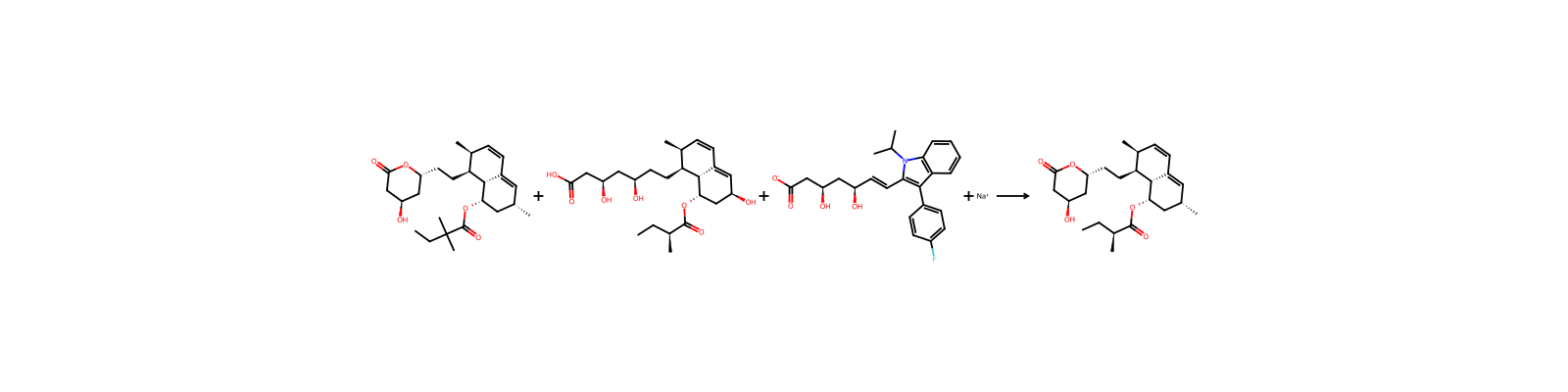
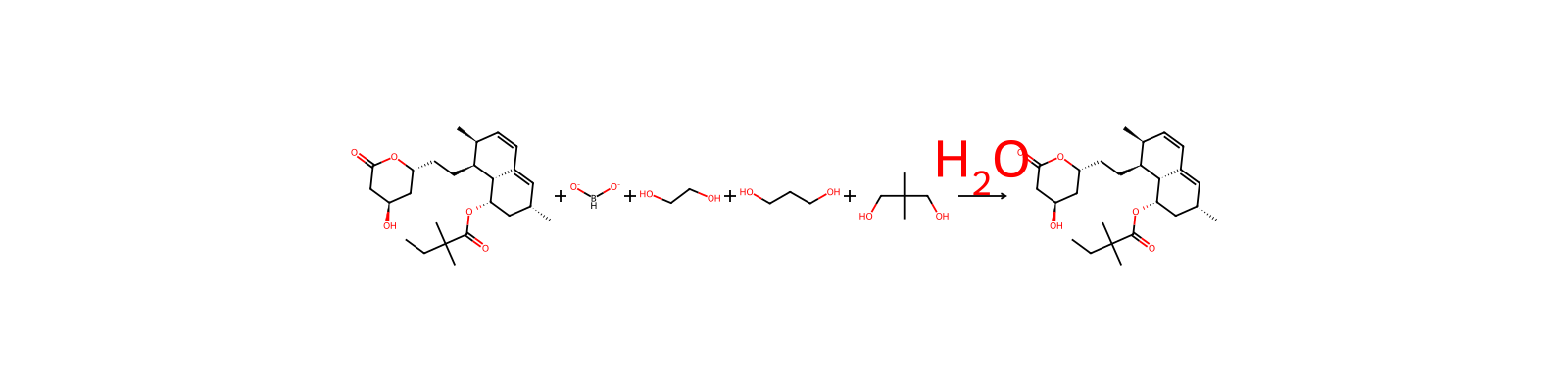
Simvastatin is made from lovastatin by exchange of the 2-methylbutanoyl group with a 2,2-dimethylbutanoyl group in position 8. This exchange can be performed by hydrolysis of the 8-ester with LiOH followed by protection of the 4-hydroxy group of the pyranone ring with tert-butyldimethylsilyl chloride (TBDMS), acylation with 2,2-dimethylbutyryl chloride and finally deprotection with tetrabutylammonium fluoride.
The drug is a methyl analog of lovastatin and is produced by the fermentation of Aspergillus terreus.
Preparation: ... European Patent Office Patent 33538; ... United States of America Patent 4444784 (1981, 1984 both to Merck & Co.).
Formulations/Preparations
Table: Simvastatin Preparations [Table#6826]
Table: Simvastatin Combinations Preparations [Table#6827]
Applications
Uses1. HMG-CoA reductase inhibitors, can reduce the concentration of serum total cholesterol level, inhibit synthesis of cholesterol. For treatment of primary hypercholesterolemia with cholesterol levels greater than 7.8mmol/L which is invalid or not tolerated in other treatments. 2. Has role in reducing cholesterol, low-density lipoprotein cholesterol and very low density lipoprotein cholesterol.
DescriptionSimvastatin is an once-daily hypolipemic, an analog of lovastatin indicated for the treatment of atherosclerosis. In patients with Type IN or IIB hypercholesterolemia, simvastatin reportedly produces significant reductions in total serum cholesterol, LDL, mglycerides and apolipoprotein-B, while HDL and apolipoprotein-A levels are increased.
UsesA HMGCR inhibitor and anti-proliferative agent.
UsesSimvastatin is a synthetic derivate of a fermentation product of Aspergillus terreus. A competitive inhibitor of HMG-CoA reductase. A synthetic analog of Lovastatin. Antilipemic. Simvastatin, the drug, is sold under the trade name Zocor.
Usesantiinflammatory
UsesSimvastatin is a synthetic derivative of a fermentation product of Aspergillus terreus. A competitive inhibitor of HMG-CoA reductase. A synthetic analog of Lovastatin. Antilipemic. Simvastatin, the dr ug, is sold under the trade name Zocor.
UsesSimvastatin is semi-synthetic, slightly more hydrophobic, analogue of lovastatin. Like lovastatin, simvastatin is a specific inhibitor of HMG-CoA reductase and is used therapeutically to reduce LDL cholesterol. More recently, the statins have become important biochemical probes in cell biology. Their involvement in many events can be correlated to their primary mode of action, however, the mechanism of action of many other effects is less apparent.
Usesanti-hyperlipoproteinemic, 3-hydroxy-3-methylglutaryl coenzyme A (HMG-CoA) reductase inhibitor
General DescriptionSimvastatin, 2,2-dimethyl butanoic acid,1,2,3,7,8,8a-hexahydro-3,7-dimethyl-8-[2-(tetrahydro-4-hydroxy-6-oxo-2-pyran-2-yl)ethyl]-1-naphthalenyl ester(Zocor), is an analog of lovastatin. These two drugs havemany similar properties. Both drugs, in the prodrug form,reach the liver unchanged after oral administration, wherethey undergo extensive metabolism to several open-ring hydroxyacids, including the active -hydroxy acids. They arealso highly bound to plasma proteins. These actions makethe bioavailability of simvastatin rather poor but better thanthat of lovastatin, which has been estimated to be 5%.
Upstream & downstream products
Upstream raw materials
Suppliers50 total
国药集团化学试剂有限公司86-21-63210123 · [email protected]
北京华美互利生物化工010-56205725 · [email protected]
梯希爱(上海)化成工业发展有限公司021-67121386 · [email protected]
上海阿拉丁生化科技股份有限公司400-6206333 13167063860 · [email protected]
韶远科技(上海)有限公司021-50795510 4000665055 · [email protected]
浙江荣大化工有限公司571-88086013
LGM Pharma1-(800)-881-8210 · [email protected]
上海迈瑞尔生化科技有限公司4006356688 18621169109 · [email protected]
武汉易泰科技有限公司上海分公司18930552037 · [email protected]
大连美仑生物技术有限公司0411-62910999 13889544652 · [email protected]
太原市瑞和丰科贸有限公司+86 351 7031519 · [email protected]
上海瀚鸿科技股份有限公司021-54306202 13764082696 · [email protected]
天津万象恒远科技有限公司15722085254 · [email protected]
Pure Chemistry Scientific Inc.001-857-928-2050 or 1-888-588-9418 · [email protected]
MedChemexpress LLC021-58955995 · [email protected]
合肥天健化工有限公司551-65418679 15856988503;15837135945 · [email protected]
孝感深远化工有限公司15527621225; 15527621225 · [email protected]
四川库利南科技有限公司400-1166-196 18981987031 · [email protected]
天津希恩思生化科技有限公司400 638 7771 · [email protected]
斯百全化学(上海)有限公司021-021-021-67601398-809-809-809 15221380277 · [email protected]
武汉海正工贸发展有限公司027-8866 0053/88660577/88660578
上海源叶生物科技有限公司13636370518 · [email protected]
艾科试剂4008-755-333 18080918076 · [email protected]
深圳菲斯生物科技有限公司0755-83725681-603
上海思域化工科技有限公司86-21-34053660 · [email protected]
西安康培基生物科技有限公司86-029-85456576 · [email protected]
上海遐瑞医药科技有限公司+86 21 61551611
江苏艾康生物医药研发有限公司025-66113011 13913916777 · [email protected]
TOKYO CHEMICAL INDUSTRY CO., LTD.03-36680489 · [email protected]
深圳振强药物研发有限公司0755-66853366 13670046396 · [email protected]
上海睿升化工科技有限公司+86-021-50935922
南京杜莱生物技术有限公司025-84699383-8003;025-846993838003-8003 18013301590 · [email protected]
广州爱纯医药科技有限公司020-39119399 18927568969 · [email protected]
南京生利德生物科技有限公司025-57798810 18652991625 · [email protected]
Cato Research Chemicals Inc.020-81960175 · [email protected]
湖北鑫源顺医药化工有限公司13971561712, 13995564702, 027-50664929 · [email protected]
上海将来实业股份有限公司021-61552785 · [email protected]
HBCChem, Inc.+1-510-219-6317 · [email protected]
四川省维克奇生物科技有限公司028-81700200 18116577057 · [email protected]
成都零六生物科技有限公司400-1166-196 13458535857 · [email protected]
雷丁试剂0510-85629785 18013409632 · [email protected]
湖南华腾制药有限公司400-8592883 · [email protected]
上海麦克林生化科技股份有限公司15221275939 15221275939 · [email protected]
杭州杰恒化工有限公司0571-87396432 · [email protected]
上海永叶生物科技有限公司86-021-61559134 15921386130 · [email protected]
上海拓目化工有限公司13391076197 · [email protected]
上海孚一生物科技有限公司+86 (21) 61124340
凯试(上海)科技有限公司021-50135380 · [email protected]
湖北巨胜科技有限公司027-59599241 18871490274 · [email protected]
池州凯隆进出口贸易有限公司[email protected]
Additional notes
DefinitionChEBI: A carbobicyclic compound that is lovastatin in which the 2-methylbutyrate ester moiety has been replaced by a 2,2-dimethylbutyrate ester group. It is used as a cholesterol-lowering and anti-cardiovascular disease drug.
Related reactions
18 records




Linked notes
Loading…